Curated recipes from 193 countries  •  New seasonal Mediterranean issue out now

Overview

Andijviestamppot

Andijviestamppot, Dutch Endive Mash, Andijvie Stamppot

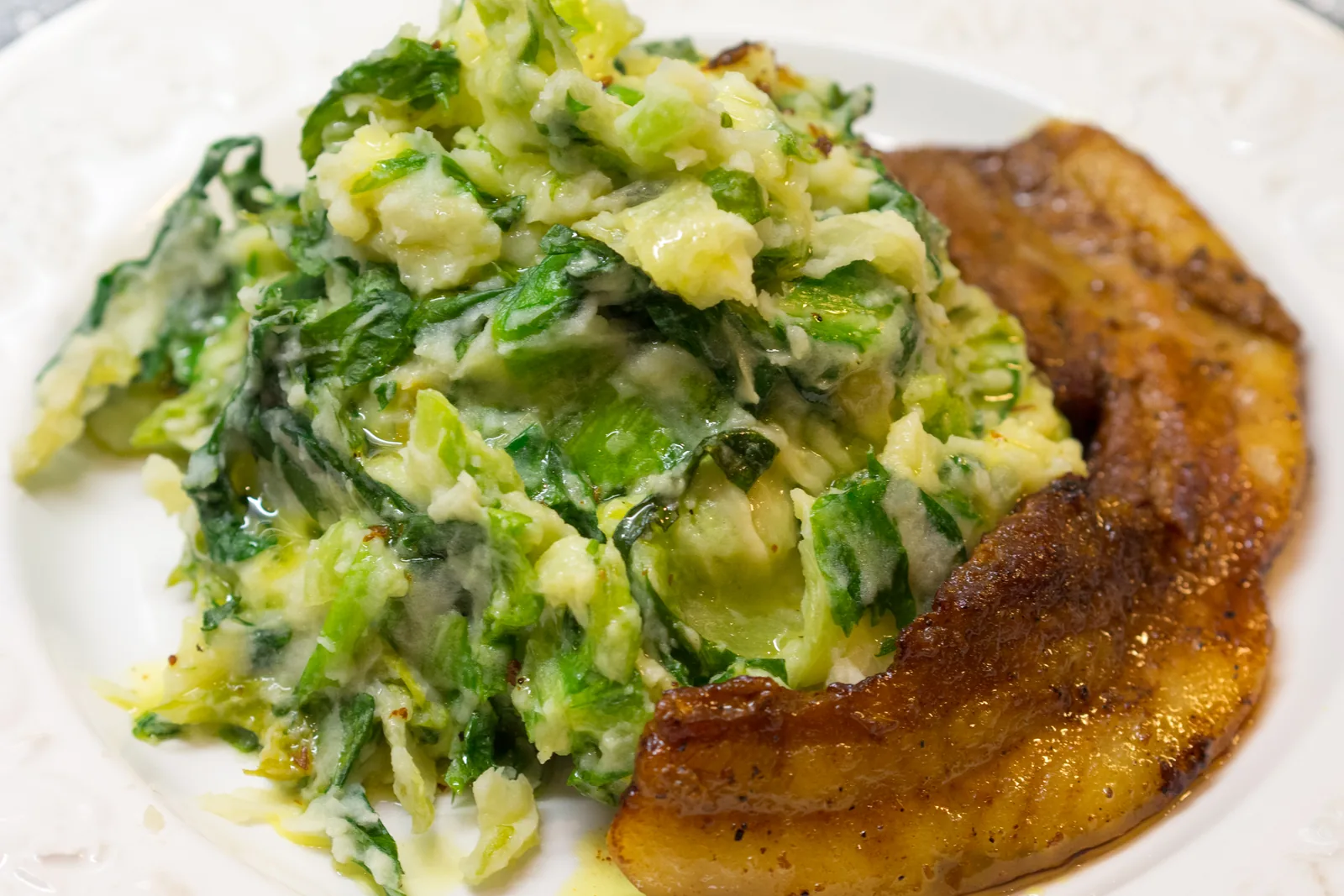
This andijviestamppot recipe boils floury potatoes, mashes them with butter, warm milk and freshly grated nutmeg, then folds in raw endive a handful at a time so the heat wilts it just enough. It is served with crisp butter-fried speklap — slices of pork belly — and a quick gravy made from the pan juices. One serving is about 580 g.

Andijviestamppot is one of the Netherlands' stamppot dishes — potatoes mashed with vegetables in the pot — a farmhouse dinner since at least the 18th century, when families mashed whatever the garden gave with potatoes. Endive is the summer-and-autumn version of the dish: the raw leaves are stirred through the hot mash a handful at a time, so the heat wilts them without cooking away their fresh bite. Speklap, slices of pork belly fried crisp in butter, is one of the classic accompaniments, and its pan juices become the gravy spooned over the mash.

Pairs well with: Crisp speklap & butter gravy

Provenance

Netherlands flag Netherlands

Dutch Heritage

Nordic & European

Time Dedication

50m

15m prep • 35m cook

Batch Yield

4 Servings

1142 kcal per serving

1 serving ≈ 580 g

Technical Skill

Easy

Easy (One Pot)

Meal Timing & Digestive Fit

Breakfast

Not Advised

Lunch

Hearty Midday Main

Dinner

Ideal Hearty Main

Snack & Tea

Inappropriate

Occasions: Winter dinners, family meals, Dutch holidays, cold evenings Cost: Low — about $2–3 per serving at home
A plate of andijviestamppot — vivid green endive mashed with potatoes, glossy with melted butter, with a crisp golden-brown slice of speklap alongside

Dutch Heritage

Photo: Takeaway, CC BY-SA 4.0, via Wikimedia Commons

The Heritage Formulary

Measured Ingredients

Estimated cost: Low — about $2–3 per serving at home (USD)

Made the Dutch way: potatoes boiled and mashed rustic with butter, warm milk and nutmeg, raw endive folded in a handful at a time, served with crisp speklap and pan gravy.

Execution Methodology & Culinary Technique

Step-by-Step Cooking Guide

Active 50m
P

Prep Stage: Peel, Slice & Pat Dry

15 Mins • Chopping

Peel and chunk the potatoes, trim and rinse the endive and slice it into thin strips, and pat the speklap slices dry so they fry crisp instead of steaming. Measure out the butter, milk, stock and seasonings so everything is ready when the potatoes come off the heat.

Maestro Tip: Slice the endive thin — wide ribbons stay raw and stringy in the mash, while thin strips wilt evenly in the heat of the potatoes.

  1. 1

    Boil the Potatoes

    20 Mins Boiling water, 100°C (212°F)

    Put the potato chunks in a large pot, cover with cold salted water and bring to a boil. Cook for about 20 minutes until the potatoes are completely tender and fall apart when prodded with a fork.

    Starting in cold water lets the potatoes cook through evenly instead of going soft outside and hard inside.

    Done when: Potatoes that fall apart when prodded with a fork.

  2. 2

    Fry the Speklap

    12 Mins Medium-high heat, 180°C (350°F)

    While the potatoes boil, melt 15 g of the butter in a large frying pan over medium-high heat. Lay the speklap slices in a single layer and fry for about 5 to 6 minutes a side until deep golden-brown and crisp at the edges. Check that the pork reaches 63°C (145°F) inside, then lift the slices out and rest them for 3 minutes.

    Do not crowd the pan — fry in two batches if needed so the slices brown instead of stewing in their own fat.

    Done when: Deep golden-brown, crisp-edged slices, 63°C (145°F) inside.

  3. 3

    Make the Butter Gravy

    5 Mins Medium heat, 160°C (320°F)

    Keep the pan with the pork drippings on medium heat, pour in the beef stock and scrape up the browned bits from the bottom. Simmer for about 3 minutes until slightly reduced, then whisk in a small knob of butter from the mash portion until the gravy turns glossy.

    The browned bits in the pan are the whole flavour of the gravy — scrape them up, do not wash them away.

    Done when: A glossy, lightly thickened gravy that coats a spoon.

  4. 4

    Mash with Butter, Milk & Nutmeg

    5 Mins Hot

    Drain the potatoes well and return them to the hot pot. Add the remaining butter, the warm milk, the nutmeg, salt and pepper, and mash until soft and fluffy, with just a little texture left — do not whip it smooth.

    Mash while the potatoes are steaming hot and add the milk a splash at a time; cold potatoes or too much milk turn the mash gluey or wet.

    Done when: A soft, fluffy mash that holds its shape on a spoon.

  5. 5

    Wilt the Endive into the Mash

    3 Mins Low heat, 80°C (175°F)

    Set the pot back on low heat and stir the endive into the hot mash a handful at a time, waiting for each handful to wilt slightly before adding the next. Stir for 2 to 3 minutes until the leaves are wilted but still bright green with a little bite.

    A handful at a time is the Dutch way — the whole pile will not fit at once, and adding it gradually keeps the leaves from clumping and overcooking.

    Done when: Bright-green, wilted endive folded evenly through the mash.

  6. 6

    Serve with Speklap & Gravy

    3 Mins Hot

    Spoon the andijviestamppot onto warm plates in generous mounds, lay a slice or two of speklap alongside each portion, and spoon the butter gravy over the mash and the pork.

    Make a small well in the top of the mash for the gravy — it melts down into the potatoes as you eat.

    Done when: A steaming mound of green mash with crisp speklap and glossy gravy.

Finishing Touches & Plating

Serve the andijviestamppot the moment it is mashed, steaming hot, with the speklap still crisp and the gravy spooned over the top — the mash should be soft enough to eat with a spoon, the endive still bright green, and the pork rich and salty against it.

Nutritional Physiology & Benefits

Nutrition

Energy

1142

kcal / serving

Protein

23g

Complete AA

Carbs

59g

Complex

Fats

91g

Healthy

Per serving (4 servings · 1 serving ≈ 580 g)
Energy1142 kcal
Protein23 g
Carbohydrates59 g
Fat91 g
Fibre10.3 g
Sugar4.2 g
Sodium799 mg
Per 100g
Energy197 kcal
Protein4 g
Carbohydrates10.1 g
Fat15.8 g
Fibre1.8 g
Sugar0.7 g
Sodium138 mg

Nutrition values are estimated — calculated from USDA FoodData Central values for the listed ingredients.

Vitamins & minerals: Endive supplies vitamin A, vitamin K and folate, potatoes add potassium and vitamin B6, and the pork belly adds protein, iron and B vitamins. All nutrition values are estimated.

Vitamin A & K from Endive

Endive is a strong source of vitamins A and K and folate, and it turns an ordinary mash into something genuinely nutritious.

Filling Winter Dinner

About 1,142 kcal a serving with 58.5 g of carbohydrate and 23.0 g of protein makes a dinner that fills you up on a cold evening.

Protein from Speklap

The butter-fried pork belly gives about 23.0 g of protein per serving, with iron and B vitamins alongside it.

Food Pairings

What to Eat With

To optimize nutrient absorption and elevate the sensory depth, pair with these authentic accompaniments:

Sauces

Butter Gravy

The gravy made from the speklap pan juices is part of the dish — its pork flavour soaks into the mash and ties the plate together.

Vegetables

Pickled Cucumber Salad

Sharp, cold pickled cucumber cuts through the buttery mash and the fatty pork belly, which is exactly what a rich plate like this needs.

Sides

Apple Sauce

A spoonful of plain apple sauce is a classic Dutch partner for stamppot — its gentle sweetness balances the bitter edge of the endive.

Drinks

Cold Beer or Buttermilk

A cold Dutch beer or a glass of buttermilk is the traditional drink with stamppot, light and refreshing next to the rich mash.

Complete menu

Serve the andijviestamppot hot with speklap and butter gravy, a small pickled cucumber salad, and a cold beer.

Digestive Guardrails

What NOT to Combine

To prevent digestive distress, sluggishness, or palate clash, avoid pairing the dish with these elements:

Extra Salty Sides

One serving already carries about 800 mg of sodium from the pork, stock and salt, so skip other very salty foods with it. This is general food information, not medical advice.

Overcooking the Endive

Endive added too early or cooked too long turns grey, limp and bitter instead of bright green with a fresh bite — fold it in last, a handful at a time, and take the pot off the heat as soon as it wilts. This is general food information, not medical advice.

General information only, not medical advice — consult a doctor for personal dietary decisions.

Who Should Eat It

Who Should Eat

  • General adultsA hearty winter dinner — about 1,142 kcal a serving, best eaten hot.
  • ChildrenMild and soft; the endive has a gentle bitter edge, so serve children a smaller portion of the green leaves with extra mash.
  • ElderlySoft, warm and easy to chew; serve a smaller slice of speklap if salt or fat is a concern.
  • Pregnant womenFine as a dinner; make sure the pork belly is cooked right through to 63°C (145°F) and rested. Ask your clinician about portions.
  • Breastfeeding womenA filling, energy-rich dinner; the potatoes and endive supply carbohydrate, potassium and folate.
  • AthletesA strong recovery meal — about 58.5 g of carbohydrate and 23.0 g of protein per serving.
  • Weight gainA good choice for adding energy: the full portion with butter, speklap and gravy is filling and calorie-dense.
  • Weight lossKeep to a smaller mound of mash with extra endive, and eat one slice of speklap instead of two.

Health Conditions — Adjust or Avoid

Conditions

  • DiabetesPotatoes are starchy, so keep the mound modest and load the plate with endive. Ask your clinician about portions.
  • High blood pressureThe pork belly and stock make this plate salty — eat it occasionally and in a modest portion. Ask your clinician.
  • Kidney diseaseHigh in sodium and potassium from the potatoes and endive; ask your clinician before eating it.
  • GoutPork belly is rich in purines, so keep the meat portion small. Ask your clinician.
  • Stomach issuesRaw-wilted endive can be hard on a sensitive stomach; eat slowly and in a modest portion if yours is sensitive. Ask your clinician.
  • Cardiovascular diseasePork belly adds saturated fat and sodium — a modest portion now and then is wiser. Ask your clinician.
  • Fatty liverThe plate is rich; keep the portion modest and go easy on the butter and gravy. Ask your clinician.
  • Food allergiesContains pork and milk (butter). Naturally free of gluten and egg; check the stock label for gluten.
  • Special therapeutic dietsNot suitable for low-sodium or low-fat diets as written; a version with lean pork and no added salt is possible — ask your clinician or dietitian.

If you have a medical condition, consult your doctor before changing your diet.

Storage & Use

Storage & Use

How to store
Cool quickly and store the mash and speklap in separate airtight containers, with the gravy in its own small container.
In the fridge
Keeps 3 days in the fridge at 4°C (40°F) or below.
In the freezer
Up to 3 months; freeze the mash in portions, but freeze the speklap separately.
How to reheat
Reheat the mash gently in a pan with a splash of milk, stirring, until steaming hot throughout, to 74°C (165°F); warm the speklap in a hot pan until crisp again.
Freezing recommended
Yes — the mash freezes well.
Signs it has spoiled
Sour smell, slimy pork, or a sharp off taste in the mash.

More recipes to explore

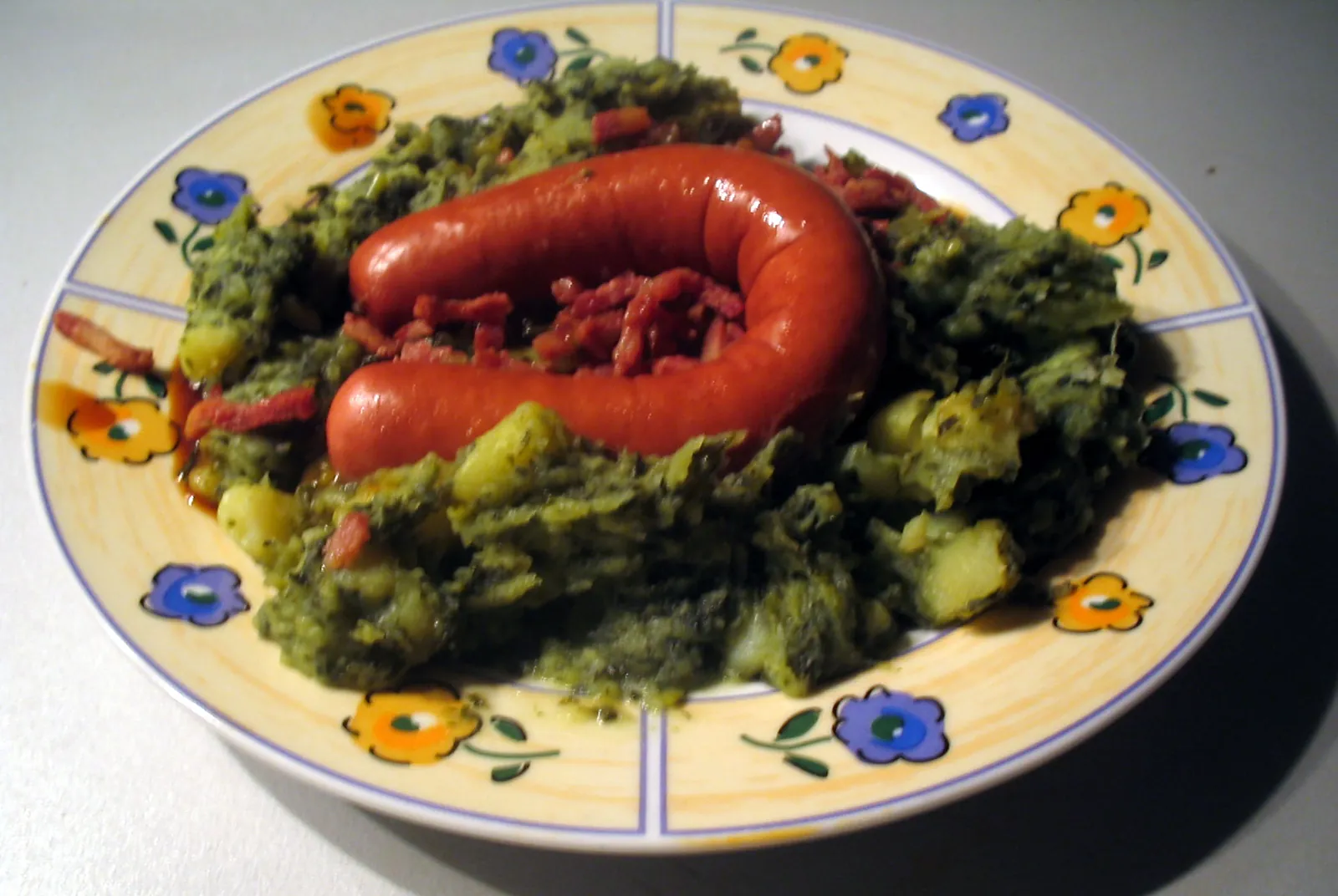
A plate of green boerenkool stamppot with a smoked sausage and bacon bits Netherlands flag Netherlands 45m
Dinner •Dutch Heritage

Stamppot

This stamppot recipe boils floury potatoes with curly kale, mashes them with butter and warm milk into a soft, green-flecked mash, and serves it with a smoked rookworst sausage, crisp bacon bits and mustard. One serving is about 480 g.

Comfort & Warmth

Floury potatoes mashed with kale, butter and milk, served with smoked sausage and bacon.

Pairs Well With
Smoked sausage, bacon bits & mustard
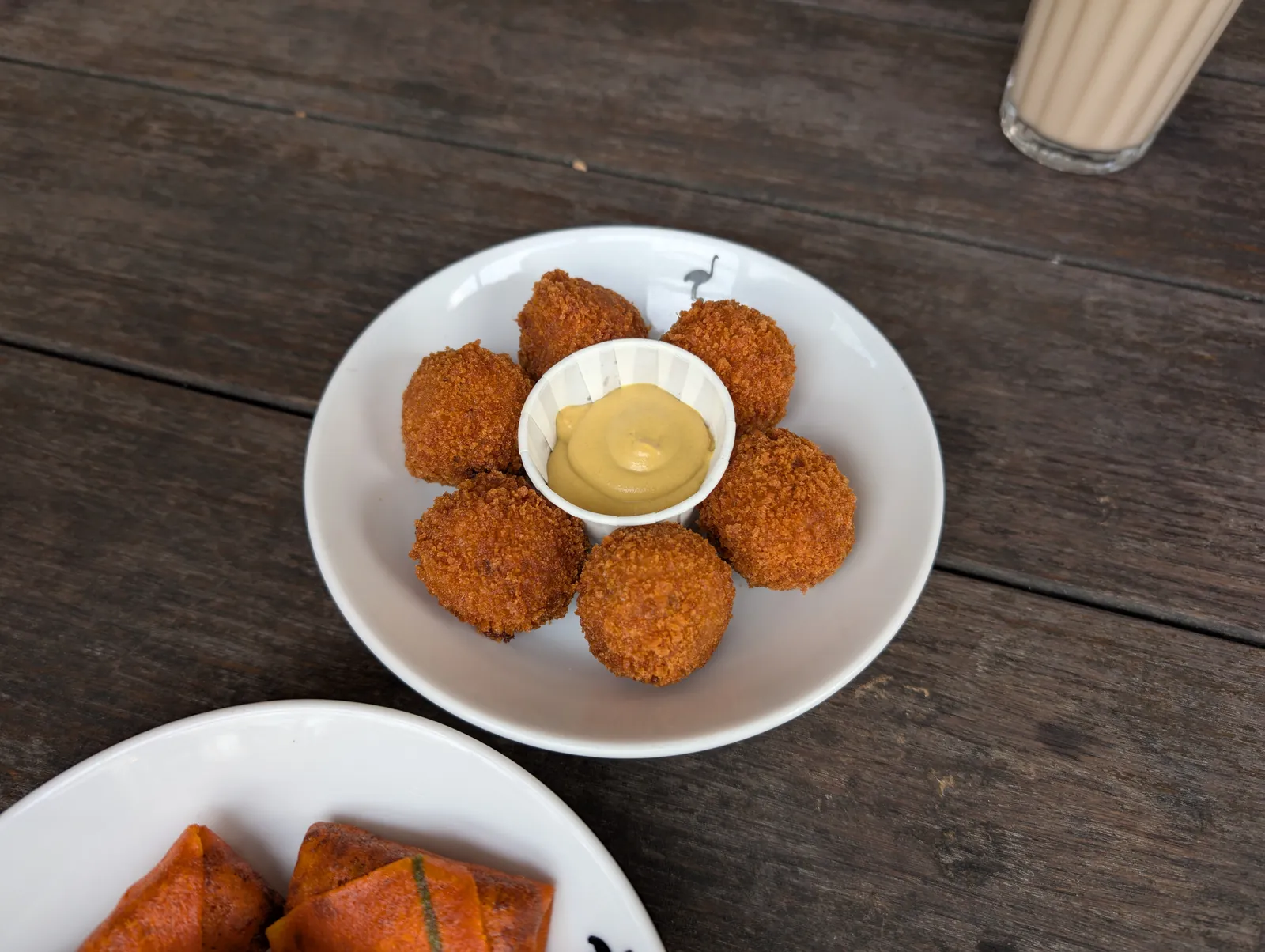
Six golden bitterballen with a small pot of mustard on a white plate Netherlands flag Netherlands 55m
Snack & Tea •Dutch Heritage

Bitterballen

This bitterballen recipe cooks beef slowly in stock until tender, binds it into a thick, creamy ragout with butter and flour, chills it firm, then rolls it into balls, crumbs them and fries them until the outside shatters and the inside turns molten. One serving is about 300 g, six bitterballen with mustard.

Comfort & Warmth

Crisp deep-fried balls of creamy beef ragout, served hot with mustard.

Pairs Well With
Dijon mustard & a cold beer
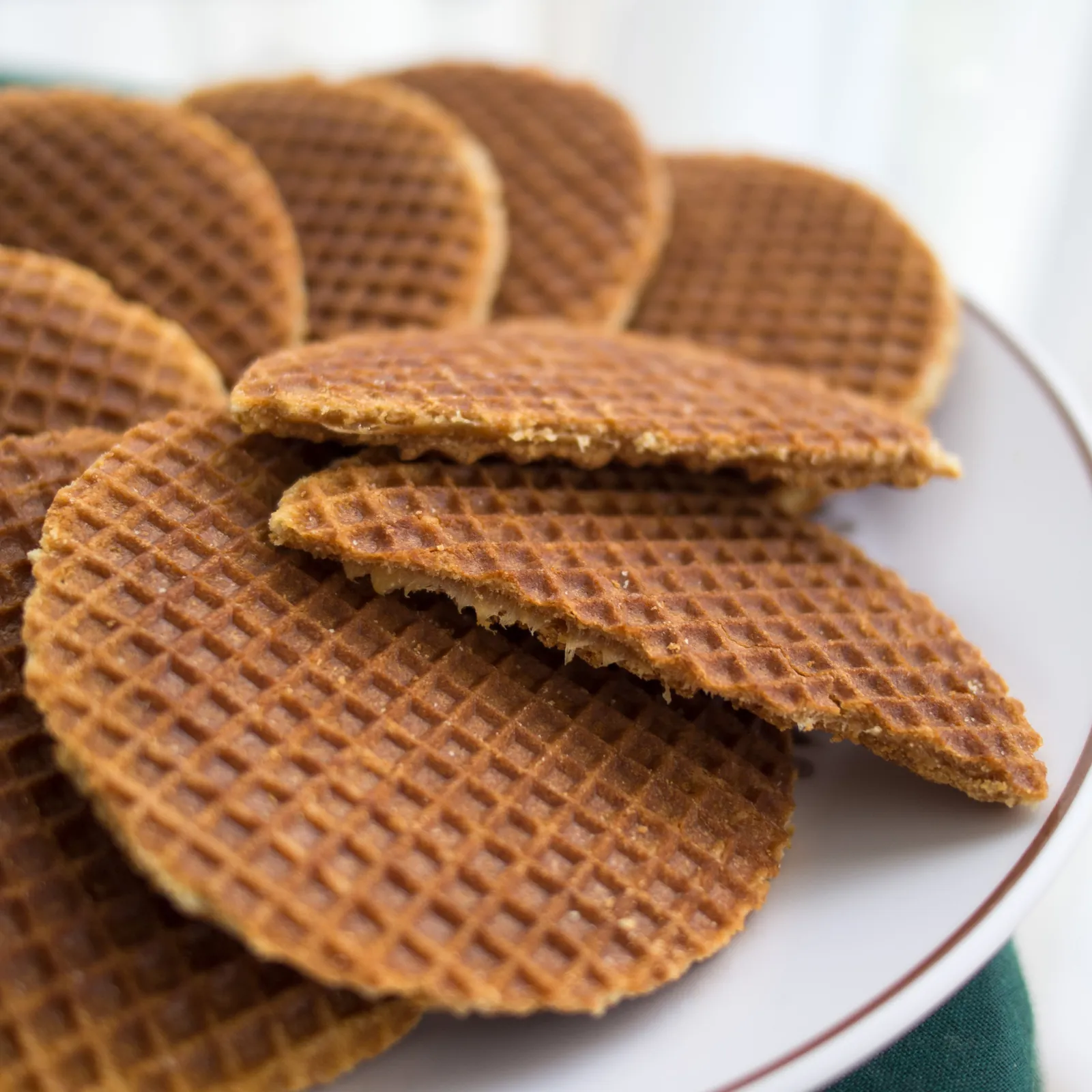
A plate of round golden stroopwafels showing their waffle pattern and syrup layer Netherlands flag Netherlands 1h
Snack & Tea •Dutch Heritage

Stroopwafels

This stroopwafels recipe bakes thin waffles in a hot iron, splits each one while it is still warm, and spreads it with a buttery caramel syrup spiced with cinnamon. The syrup softens the waffle just enough to make it chewy at the edges and crisp in the middle. One serving is about 155 g, three stroopwafels.

Comfort & Warmth

Thin, crisp waffle rounds split and filled with warm caramel syrup.

Pairs Well With
Coffee, tea & a glass of milk
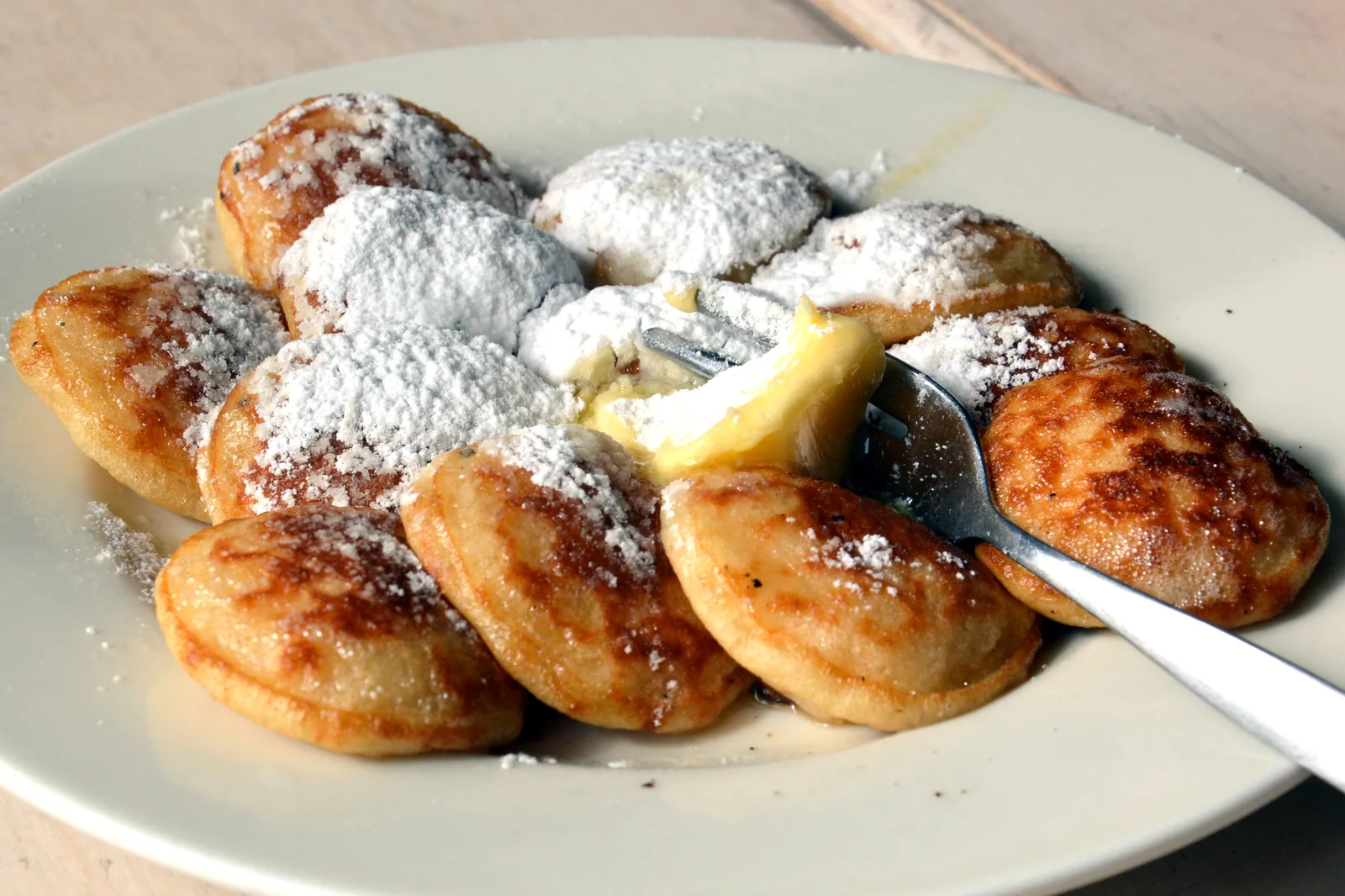
A plate of golden poffertjes dusted with powdered sugar, with melting butter and a fork. Netherlands flag Netherlands 1h 15m
Breakfast •Dutch Market Day Classic

Poffertjes

Poffertjes are the Netherlands' most beloved sweet snack: dozens of tiny, puffy yeast pancakes cooked in a dimpled pan, served hot with melting butter and a snowfall of powdered sugar. One serving is about 195 g, roughly 20 little pancakes.

Sweet Morning Treat

Tiny yeast-raised pancakes, golden outside and soft inside, served with butter and powdered sugar.

Pairs Well With
Serve hot with butter and powdered sugar, and a cup of coffee or hot chocolate.

The Dinner Gazette

Never wonder what’s for dinner again

One email a week with easy dinner ideas from around the world — ingredients, steps and nutrition, tested in our kitchen first.

Delivered every Thursday morning. Unsubscribe anytime.