Curated recipes from 193 countries  •  New seasonal Mediterranean issue out now

Overview

Bibimbap

Dolsot Bibimbap, Mixed Rice Bowl, Beebimbap

This bibimbap recipe builds Korea's most famous rice bowl the dolsot way: hot rice in a sizzling stone pot, ringed with five separately seasoned namul vegetables, bulgogi beef and a fried egg, with gochujang to stir through at the table. The stone bowl crisps the bottom layer of rice into golden nurungji while you eat. One serving is about 510 g.

Bibimbap means 'mixed rice', and its name first appears in Korean records around 1590 as hondon-ban, with the first known recipe in the anonymous late-19th-century cookbook Siuijeonseo. Jeonju, in the southwest, became its most famous home, and the hot stone pot version, dolsot bibimbap, is credited to a Jeonju restaurant owner who developed the heated stone bowl in 1969 to keep the dish hot longer. Ordinary families traditionally made it on the eve of the lunar new year to use up leftover side dishes.

Pairs well with: Kimchi, kongnamul-guk (bean sprout soup) & barley tea

Provenance

South Korea flag South Korea

Korean Heritage

East & South Asia

Time Dedication

1h 5m

30m prep • 35m cook

Batch Yield

4 Servings

648 kcal per serving

1 serving ≈ 510 g

Technical Skill

Intermediate

Medium (Dolsot Stone Bowl)

Meal Timing & Digestive Fit

Breakfast

Not Advised

Lunch

Hearty Midday Main

Dinner

Ideal Hearty Main

Snack & Tea

Inappropriate

Occasions: Family dinners, weeknight dinners, Lunar New Year leftovers, casual gatherings Cost: Medium — about $4–5 per serving at home
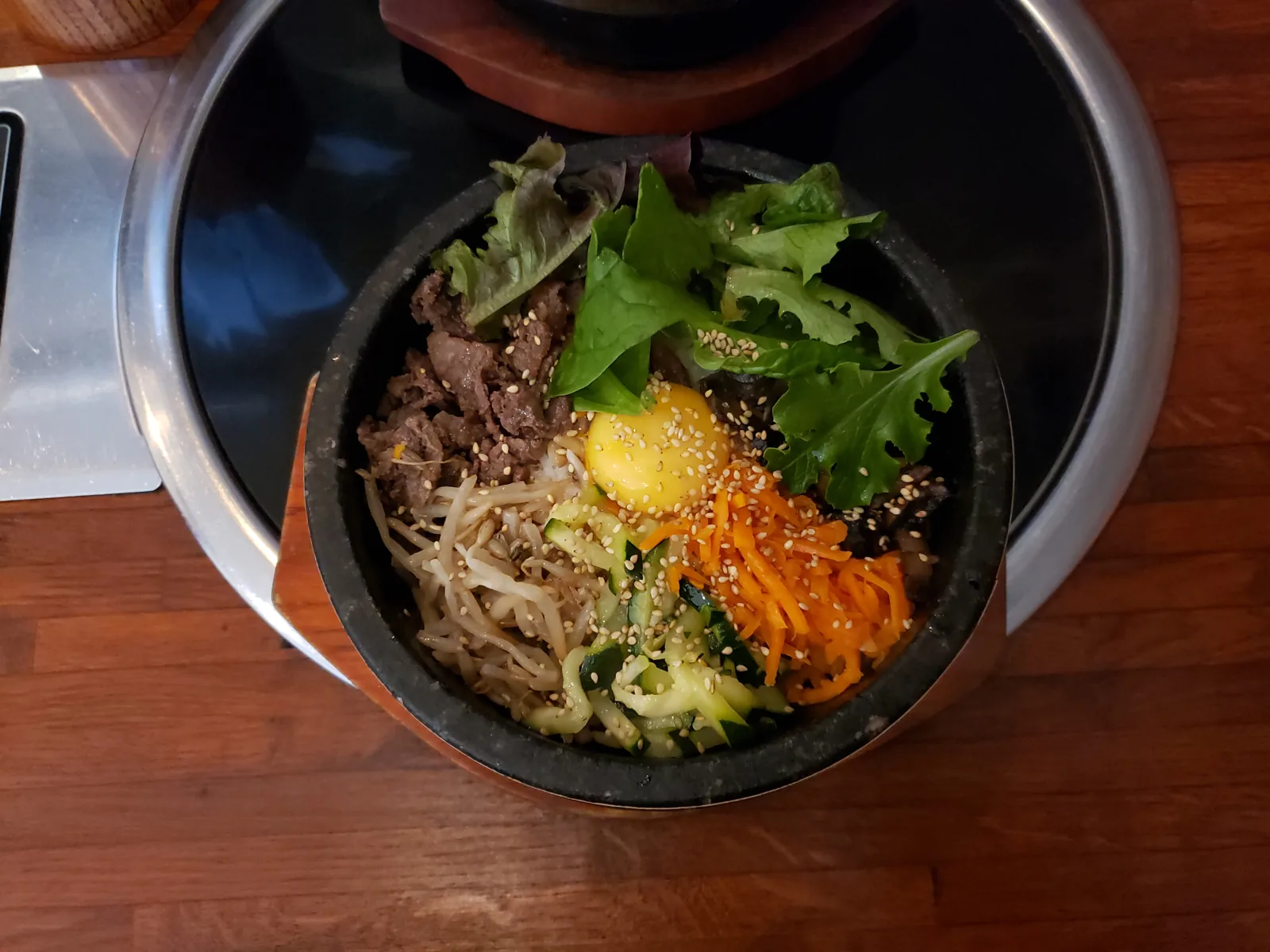
Dolsot bibimbap in a hot black stone bowl — bulgogi beef, egg yolk, carrots, zucchini, bean sprouts and sesame seeds over rice

Korean Heritage

Photo: Andy Li, CC0, via Wikimedia Commons

The Heritage Formulary

Measured Ingredients

Estimated cost: Medium — about $4–5 per serving at home (USD)

A good dolsot bibimbap sizzles when it reaches the table, and the rice at the bottom turns into a golden, crisp nurungji crust.

Execution Methodology & Culinary Technique

Step-by-Step Cooking Guide

Active 1h 5m
P

Prep Stage: Rice, Marinade & Namul

30 Mins • Marinating & Knife Work

Start the rice first so it rests while you work. Mix the beef with 30 ml soy sauce, the sugar, grated pear, 10 g garlic and 15 ml sesame oil and leave it to marinate. Cut every vegetable before you light the pan — bibimbap moves fast once the cooking starts, and each namul is cooked separately so its colour and flavour stay distinct.

Maestro Tip: Keep the five vegetables in five small bowls as you finish them; if they are tossed together early, the colours bleed and the bowl loses its look.

  1. 1

    Marinate the Bulgogi Beef

    20 Mins (mostly waiting) Room temperature, about 22°C (72°F)

    Toss the 320 g sliced sirloin with 30 ml soy sauce, 12 g sugar, 40 g grated pear, 10 g minced garlic and 15 ml sesame oil. Leave for 20 minutes. The pear's enzymes gently tenderise the beef while the soy and sugar build the sweet-savoury bulgogi flavour.

    Do not marinate longer than 30 minutes — the pear will make thin beef mushy.

    Done when: The beef is glossy and evenly coated; no dry patches.

  2. 2

    Cook the Rice

    25 Mins Simmer at about 95°C (203°F), then rest off the heat

    Cook the rinsed 300 g dry rice in 360 ml water: bring to a boil, cover, simmer on low for 15 minutes, then rest 10 minutes off the heat. Fluff with a rice paddle. You need 700 g of hot, just-cooked rice — it must still be steaming when it meets the stone bowl.

    Never lift the lid while the rice simmers, or the steam escapes and the top stays hard.

    Done when: Grains are tender and separate, with no crunch in the centre.

  3. 3

    Cook the Five Namul

    15 Mins Medium-high heat, about 190°C (375°F)

    Blanch the spinach 30 seconds and the bean sprouts 2 minutes, squeeze dry, and season each with a pinch of salt, a little of the remaining garlic and a few drops of sesame oil. Sauté the carrot matchsticks 2 minutes, the zucchini 3 minutes until just soft, and the shiitake 3 minutes until browned, in the 15 ml vegetable oil with the remaining 15 ml soy sauce split between them.

    Cook each vegetable on its own and season lightly — they are meant to taste of themselves, not of the pan.

    Done when: Each vegetable keeps its own colour; nothing is limp or watery.

  4. 4

    Fry the Beef and the Eggs

    8 Mins High heat, about 200°C (400°F); beef to 71°C (160°F)

    Sear the marinated beef in a hot oiled pan for 3–4 minutes until browned at the edges and cooked through — beef must reach 71°C (160°F). Fry the 4 eggs sunny-side up in the same pan, keeping the yolks runny. The yolk is not decoration: it is the sauce that binds the bowl when you mix.

    Do not crowd the pan or the beef steams instead of browning; cook in two batches if needed.

    Done when: Beef is browned and cooked through; egg whites are set and yolks still jiggle.

  5. 5

    Heat the Dolsot and Assemble

    5 Mins Stone bowl heated to about 200°C (400°F)

    Heat the stone bowls (dolsot) over high heat for 3 minutes, brush the inside with sesame oil, and pack in the hot rice. Arrange the five namul in separate wedges around the bowl, lay the beef on one side, set a fried egg in the centre, and spoon gochujang on top. It should sizzle loudly as you carry it to the table. Mix everything together vigorously at the table before eating.

    Handle the bowl only with a wooden base or thick cloth — it stays dangerously hot for 10 minutes.

    Done when: The rice crackles against the bowl and a golden crust (nurungji) forms at the bottom.

Finishing Touches & Plating

Serve the moment it is assembled, while the bowl is still sizzling, with extra gochujang and sesame oil on the table. Mix from the bottom up so the crisp rice, egg yolk and gochujang coat every grain.

Nutritional Physiology & Benefits

Nutrition

Energy

648

kcal / serving

Protein

36g

Complete AA

Carbs

71g

Complex

Fats

24g

Healthy

Per serving (4 servings · 1 serving ≈ 510 g)
Energy648 kcal
Protein36 g
Carbohydrates71 g
Fat24 g
Fibre4.9 g
Sugar11.7 g
Sodium1257 mg
Per 100g
Energy127 kcal
Protein7 g
Carbohydrates14 g
Fat4.7 g
Fibre1 g
Sugar2.3 g
Sodium246 mg

Nutrition values are estimated — calculated from USDA FoodData Central values for the listed ingredients.

Vitamins & minerals: Vitamin A and beta-carotene (carrot, spinach), vitamin C (vegetables), vitamin K and folate (spinach), iron and B12 (beef, egg). Nutrition is estimated.

Five Vegetables in One Bowl

Spinach, bean sprouts, carrot, zucchini and shiitake bring fiber, vitamin A, vitamin C and folate — five different colours, five different nutrients, in a single serving.

Protein That Keeps You Full

With about 35.7 g of protein a serving from beef and egg, this bibimbap recipe stays satisfying for hours without feeling heavy.

Balanced, Not Fried

Nothing here is deep-fried: the vegetables are blanched or quickly sautéed, the beef is seared, and the fat is mostly sesame oil.

Food Pairings

What to Eat With

To optimize nutrient absorption and elevate the sensory depth, pair with these authentic accompaniments:

Sides

Kimchi

A spoonful of sour, crunchy kimchi cuts through the rich beef and sesame oil, and its acidity wakes up the mild rice and vegetables.

Soups

Kongnamul-guk (Bean Sprout Soup)

The clear, light soup served with Jeonju bibimbap gives you something hot and brothy to sip between bites of the dense rice bowl.

Drinks

Barley Tea (Bori-cha)

Unsweetened roasted barley tea is nutty and caffeine-free, so it refreshes the palate without competing with the gochujang heat.

Full Menus

A Small Plate of Jeon (Savoury Pancakes)

One or two crisp kimchi or courgette jeon on the side add a different texture and make the meal feel like a proper Korean table.

Complete menu

Start with the dolsot bibimbap as the centre of the table, with kimchi and a clear bean sprout soup on the side and barley tea to drink; mix the bowl at the table and eat it while it sizzles.

Digestive Guardrails

What NOT to Combine

To prevent digestive distress, sluggishness, or palate clash, avoid pairing the dish with these elements:

Stirring It Cold, Then Reheating the Bowl

A dolsot bowl holds heat for a long time and the rice keeps cooking in it — once mixed, eat it straight away. Reheating a mixed bowl dries the rice out and overcooks the egg. This is general food-safety information, not medical advice.

Drowning It in Gochujang

Gochujang is salty as well as spicy — the recipe's 60 g across four bowls is already about 270 mg of sodium a serving from the paste alone. Add a spoonful at a time and taste; more paste will not make a bland bowl better, but it will make it saltier. This is general food-safety information, not medical advice.

General information only, not medical advice — consult a doctor for personal dietary decisions.

Who Should Eat It

Who Should Eat

  • General adultsA complete, balanced dinner — rice, protein and five vegetables in one bowl.
  • ChildrenVery suitable: mild if you hold back the gochujang, and children love mixing the bowl themselves. Serve the egg fully cooked for young children.
  • ElderlySoft, warm and easy to chew; mix the bowl well and keep the gochujang light.
  • Pregnant womenGenerally suitable; make sure the beef and egg are fully cooked through and keep the gochujang moderate — ask your clinician if you are unsure about spicy food.
  • Breastfeeding womenGenerally suitable; the iron and protein support recovery — keep the salt moderate.
  • AthletesAbout 35.7 g of protein a serving with fast carbs from the rice — a solid post-training dinner.
  • Weight gainA good choice — add an extra egg and a second spoonful of rice, and eat the crisp nurungji at the bottom.
  • Weight lossAt 648 kcal a serving, keep the rice to one bowl, load up the vegetables and use just 1 tablespoon of gochujang.

Health Conditions — Adjust or Avoid

Conditions

  • DiabetesAbout 71.1 g of carbohydrate a serving, mostly from the rice — measure the rice and add extra vegetables; ask your clinician about portion size.
  • High blood pressureAt about 1257 mg of sodium a serving, this is a salty dish — use low-sodium soy sauce and less gochujang; ask your clinician if you are on a sodium limit.
  • Kidney diseaseHigh in sodium and potassium for a single bowl — keep the portion modest and do not finish the salty rice crust; ask your clinician.
  • GoutEat occasionally and in smaller portions — beef is high in purines; ask your clinician.
  • Stomach issuesUsually gentle, but gochujang can trigger reflux — use a small amount and skip the raw garlic garnish; ask your clinician if symptoms persist.
  • Cardiovascular diseaseChoose lean sirloin as written and go easy on the sesame oil; the vegetables and whole meal balance the fat.
  • Fatty liverKeep the portion modest, favour vegetables over extra rice, and use a light hand with the oil; ask your clinician.
  • Food allergiesContains egg, sesame, soy and wheat (gochujang and soy sauce may contain wheat — check the label). Beef is the main allergen to note.
  • Special therapeutic dietsSuitable for a gluten-free diet only with certified gluten-free soy sauce and gochujang; ask your clinician or dietitian before adapting it.

If you have a medical condition, consult your doctor before changing your diet.

Storage & Use

Storage & Use

How to store
Store the rice, beef, vegetables and egg separately in airtight containers; keep gochujang in its own tub.
In the fridge
Cooked components 2 days; rice 2 days; gochujang 2 weeks opened.
In the freezer
Beef and rice freeze 2 months; do not freeze the vegetables or the fried egg.
How to reheat
Reheat rice and beef to 74°C (165°F); assemble in a normal bowl, not a reheated stone bowl.
Freezing recommended
Partly — rice and beef only.
Signs it has spoiled
Sour smell from the rice, slimy vegetables, or beef that smells off.

More recipes to explore

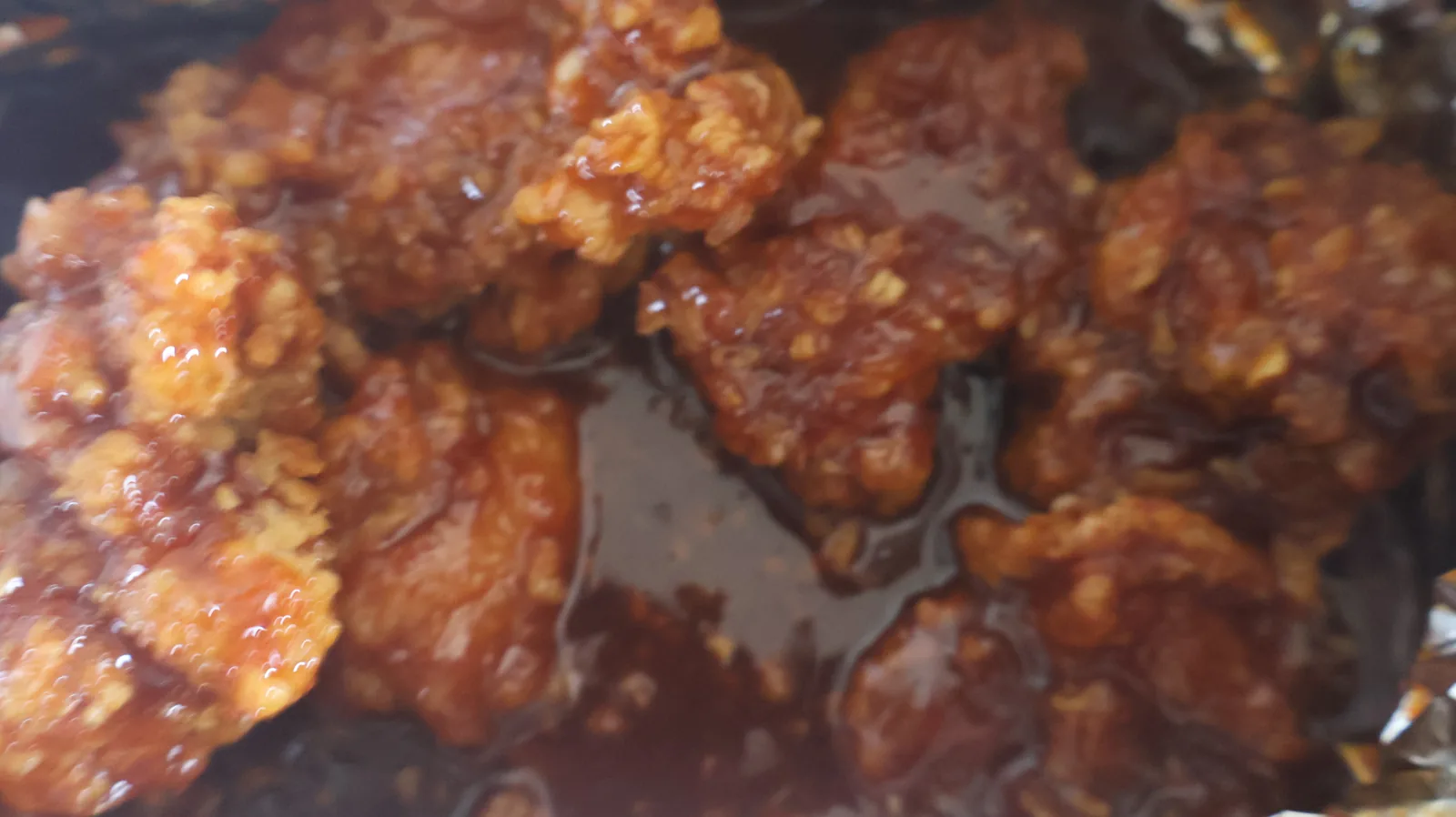
Korean fried chicken pieces coated in a glossy red yangnyeom glaze South Korea flag South Korea 45m
Dinner •Korean Heritage

Korean Fried Chicken

This Korean fried chicken recipe is the real thing: boneless chicken in a thin potato-starch batter, fried twice — once to cook it through, once at higher heat to drive out moisture and shatter the crust — then tossed in a glossy yangnyeom glaze of gochujang, honey and garlic. The double fry is what keeps the skin crisp under the sauce. One serving is about 250 g.

Crispy & Bold

Double-fried chicken in a thin potato-starch crust, tossed in a sticky sweet-spicy yangnyeom glaze.

Pairs Well With
Pickled radish (chikin-mu), cold beer & steamed rice
High Protein • Quick Prep (<30m)
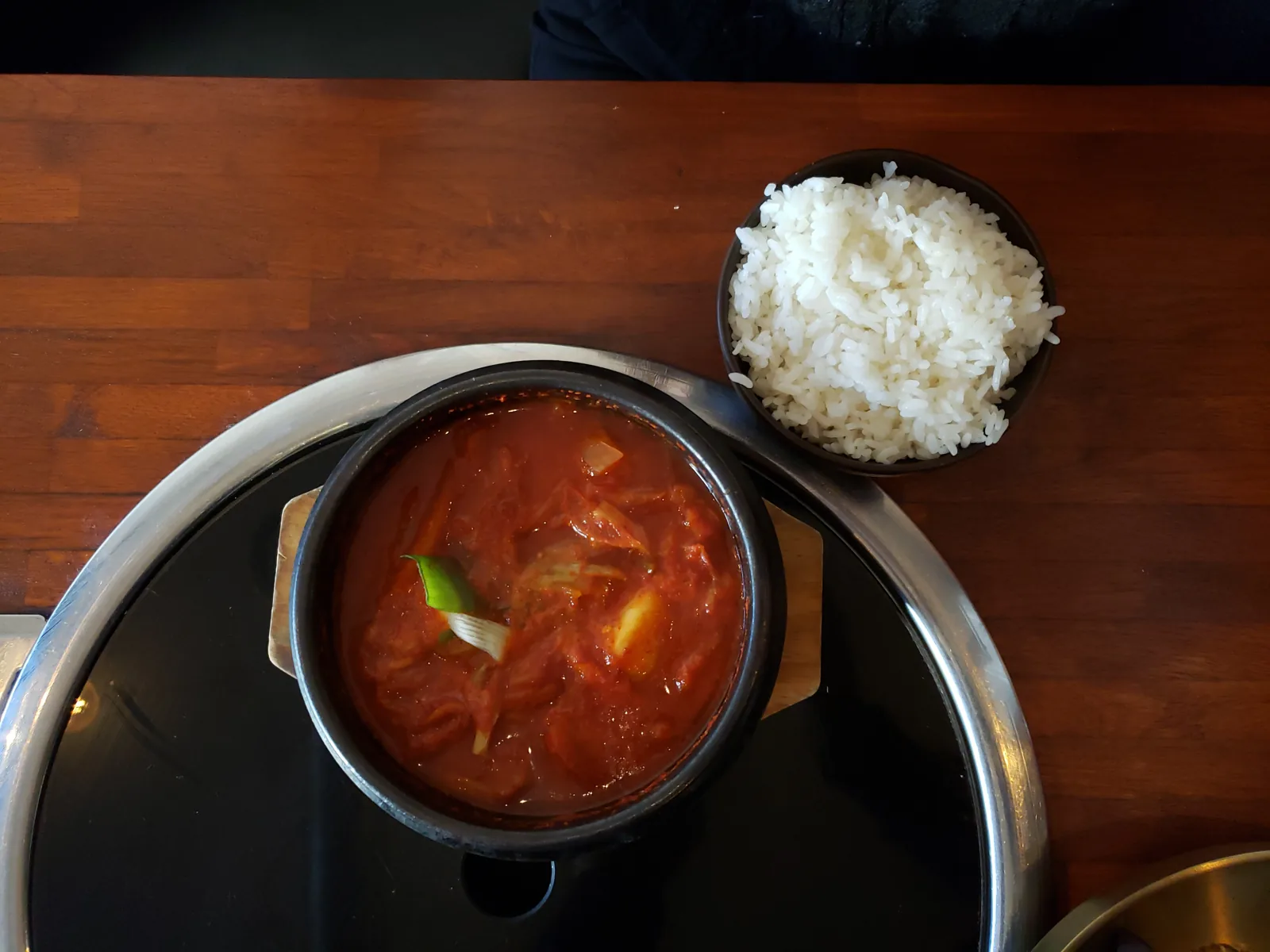
Kimchi jjigae — a red kimchi stew with tofu and spring onions in a black stone pot, served with a bowl of rice South Korea flag South Korea 45m
Dinner •Korean Heritage

Kimchi Jjigae

This kimchi jjigae recipe is the Korean comfort stew: aged, well-fermented kimchi fried with pork belly, then simmered in its own brine with tofu until the broth turns brick-red and rich. It is a stew, not the kimchi itself — the North Korean white kimchi published earlier is the pickled cabbage, while this is what you cook with it. One serving is about 425 g.

Comfort & Warmth

Aged kimchi and pork belly simmered in kimchi brine with tofu — sour, spicy and deeply savoury.

Pairs Well With
Steamed rice, fried egg & banchan
Soups & Broths • Fermented / Gut Health
Bœuf bourguignon — French beef braised in red wine France flag France 4h
Dinner •Burgundy Terroir

Bœuf Bourguignon

Beef braised gently in red wine until the connective tissue melts into a velvet, gelatin-rich sauce — the classic Burgundy Sunday dinner.

Cellular Repair

Beef braised in red wine until spoon-tender, with mushrooms and pearl onions.

Pairs Well With
Parsnip Purée & Steamed French Haricots Verts
High Protein
Vietnamese braised pork belly with golden eggs in caramel sauce Vietnam flag Vietnam 1h 45m
Dinner •One Pot

Vietnamese Braised Pork and Eggs

Pork belly slowly braised in coconut water and caramel until meltingly tender, with golden eggs that soak up the sweet-savoury sauce — the Vietnamese family dish that tastes better the next day.

Comfort & Sustained Energy

Slow-braised pork belly and eggs in coconut water and caramel.

Pairs Well With
Steamed rice & pickled mustard greens
High Protein

The Dinner Gazette

Never wonder what’s for dinner again

One email a week with easy dinner ideas from around the world — ingredients, steps and nutrition, tested in our kitchen first.

Delivered every Thursday morning. Unsubscribe anytime.