Curated recipes from 193 countries  •  New seasonal Mediterranean issue out now

Overview

Dutch Smoked Eel

Gerookte Paling; Hollandse Gerookte Paling; Dutch Smoked Eel Fillets

Gerookte paling is the Netherlands' most prized fishmonger treat: fat eel brined, dried and hot-smoked until the skin turns deep gold and the flesh is silky and rich. This version smokes the eel at home, then serves it the classic way — thin slices on buttered dark rye with lemon and chives. One serving is about 187 g, including the bread.

Around the old Zuiderzee, fishermen smoked their catch so it would keep, and the harbour town of Harderwijk became famous for its eel smokers. The smoked eel was sold by the visboer, the Dutch fishmonger, and eaten with the fingers or on bread — a habit that has never changed. Today gerookte paling is still one of the Netherlands' best-loved delicacies, bought at fish stalls and markets across the country.

Pairs well with: Serve the sliced eel on buttered dark rye bread with lemon wedges and snipped chives.

Provenance

Netherlands flag Netherlands

Dutch Fishmonger Classic

Nordic & European

Time Dedication

6h 20m

200m prep • 180m cook

Batch Yield

4 Servings

468 kcal per serving

1 serving ≈ 187 g

Technical Skill

Intermediate

Medium (Home Smoking)

Meal Timing & Digestive Fit

Breakfast

Not Advised

Lunch

Prime Metabolic Fit

Dinner

Ideal Hearty Main

Snack & Tea

Inappropriate

Occasions: Dutch lunch, fishmonger-style lunch, light lunch with friends, festive starter Cost: Medium — about $7–8 per serving at home
Tags: Fish Savory Rich
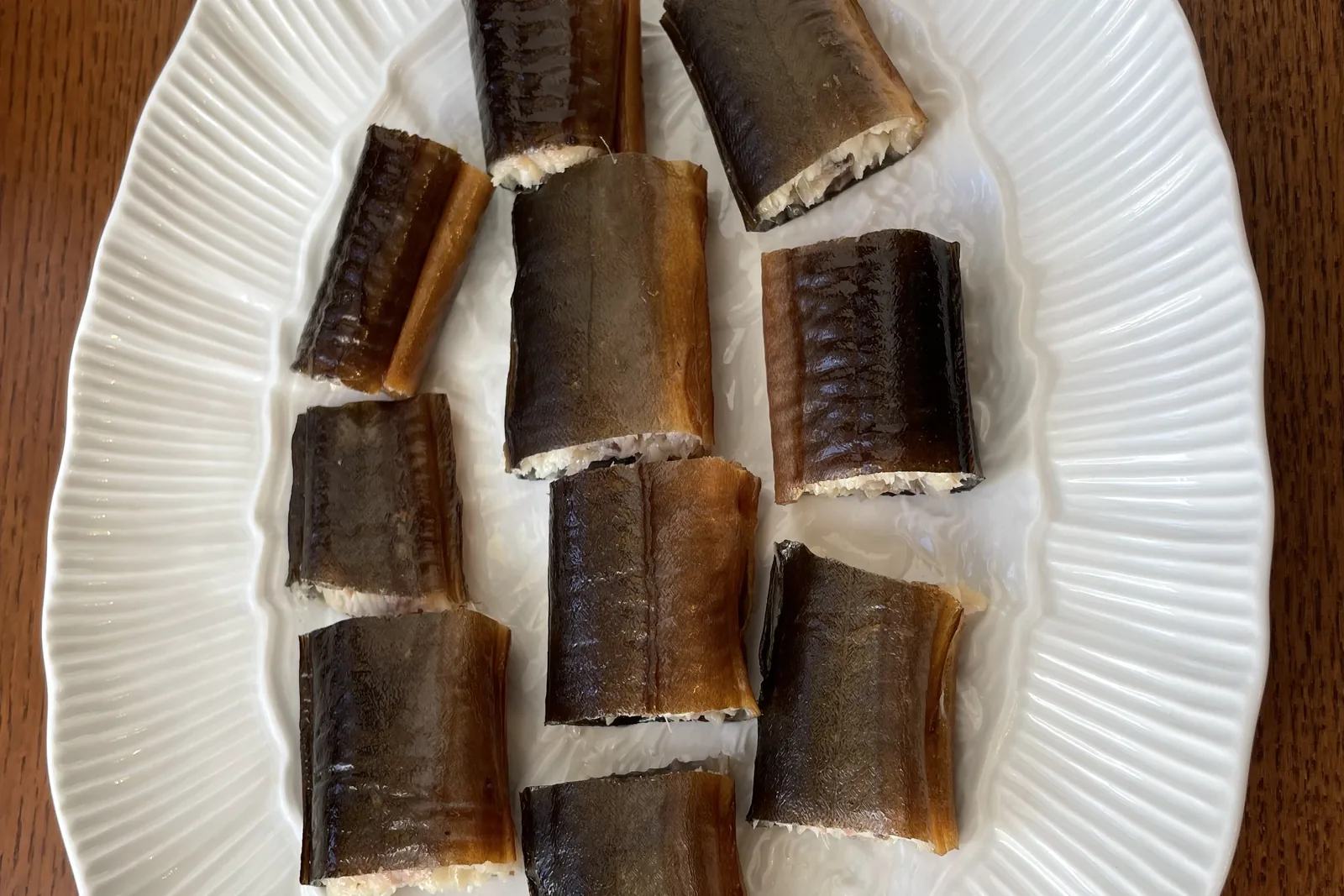
Golden-brown smoked eel pieces arranged on a white oval platter.

Dutch Fishmonger Classic

Photo: Bapak Alex, CC BY 4.0, via Wikimedia Commons

The Heritage Formulary

Measured Ingredients

Estimated cost: Medium — about $7–8 per serving at home (USD)

The eel is brined, dried until tacky, and hot-smoked until the flesh reaches 63°C (145°F) before it is sliced.

Execution Methodology & Culinary Technique

Step-by-Step Cooking Guide

Active 6h 20m
P

Prep Stage: Eel Brined and Dried

3 Hrs 20 Mins • Brining & Drying

Dissolve the salt and brown sugar in the water with the bay leaves and peppercorns, slide the eel into the brine and chill it for 3 hours. Rinse the eel, pat it dry and leave it on a rack for 30 minutes until the skin feels tacky — smoke sticks to a dry surface, not a wet one.

Maestro Tip: Do not brine longer than 4 hours — the eel turns too salty and the flesh goes soft.

  1. 1

    Brine the Eel

    3 Hrs • Hands Off Cold brine, about 4°C (39°F)

    Dissolve the salt and brown sugar in the water in a large container, stir in the bay leaves and peppercorns, and slide the eel in so it is fully covered. Cover and chill in the fridge for 3 hours.

    Use a container the eel fits in without folding — a folded eel smokes unevenly.

    Done when: Eel is fully submerged and the brine tastes pleasantly salty, not harsh.

  2. 2

    Dry the Eel

    30 Mins • Hands Off Room temperature, about 22°C (72°F)

    Lift the eel out, rinse it under cold water and pat it dry with paper towels. Lay it on a rack in a breezy spot for 30 minutes until the skin feels tacky and dry to the touch — this sticky layer is the pellicle, and it is what the smoke clings to.

    A small fan aimed at the fish speeds the drying up and gives a better pellicle.

    Done when: Skin is dry and slightly tacky, with no wet shine left.

  3. 3

    Hot-Smoke Until Golden

    3 Hrs • Hands Off Smoker 70–80°C (158–176°F); eel to 63°C (145°F)

    Heat the smoker and scatter the drained wood chips over the coals or in the chip tray. Hang or lay the eel on the racks, close the lid and smoke at 70–80°C (158–176°F) for about 3 hours, until the skin is deep gold and wrinkled and the thickest part of the flesh reads at least 63°C (145°F) on a thermometer.

    Keep the smoker under 80°C — hotter and the fat cooks out, leaving dry fish sticks instead of silky eel.

    Done when: Skin is deep gold and slightly wrinkled; flesh is opaque, flakes easily and reads at least 63°C (145°F).

  4. 4

    Chill, Fillet and Slice

    20 Mins • Hands On Chilled, about 4°C (39°F)

    Let the eel cool, then chill it in the fridge — cold eel slices cleanly, warm eel tears. Run a sharp fillet knife along the backbone from tail to head, lift each fillet away, cut out the ribcage and peel the skin off in one piece. Slice the fillets thinly on a diagonal.

    Warm the knife blade under hot water and dry it before slicing — a warm, sharp blade glides through the oily flesh.

    Done when: Fillets are boneless, skinless and sliced thin enough to see light through.

  5. 5

    Build the Rye Bread Plates

    10 Mins • Hands On Serving temperature, eel about 10°C (50°F)

    Butter the rye bread generously, lay the eel slices over it in overlapping rows, and finish with a squeeze of lemon and a scatter of snipped chives. Put extra lemon wedges on the table.

    Butter right to the edges of the bread — it stops the eel's juices soaking in.

    Done when: Bread is buttered edge to edge, eel is laid in neat rows, lemon and chives on top.

Finishing Touches & Plating

Eat the eel the Dutch way: pick up a slice with your fingers or a fork, lay it on the buttered rye, squeeze over a little lemon and finish with chives. Serve at once, while the bread is fresh.

Nutritional Physiology & Benefits

Nutrition

Energy

468

kcal / serving

Protein

29g

Complete AA

Carbs

31g

Complex

Fats

25g

Healthy

Per serving (4 servings · 1 serving ≈ 187 g)
Energy468 kcal
Protein29 g
Carbohydrates31 g
Fat25 g
Fibre3.9 g
Sugar1.0 g
Sodium1057 mg
Per 100g
Energy250 kcal
Protein15.6 g
Carbohydrates16.3 g
Fat13.4 g
Fibre2.1 g
Sugar0.5 g
Sodium565 mg

Nutrition values are estimated — calculated from USDA FoodData Central values for the listed ingredients.

Vitamins & minerals: Vitamin D and B12 (eel), B vitamins and fibre (rye bread), vitamin C (lemon and chives).

Protein and Omega-3 in Every Slice

About 29 g of protein per serving, and eel is an oily fish, so the plate also brings omega-3 fats.

Vitamin D From an Oily Fish

Eel is naturally rich in vitamin D, which the body uses to keep bones and teeth healthy.

Simple, Unprocessed Ingredients

Eel, salt, smoke, bread and lemon — nothing else is needed to make this dish taste complete.

Food Pairings

What to Eat With

To optimize nutrient absorption and elevate the sensory depth, pair with these authentic accompaniments:

Sides

Dark Rye Bread

Dense, slightly sour rye stands up to the rich eel and gives each bite something to hold onto.

New Potatoes with Dill

Warm, waxy potatoes with dill turn the plate into a fuller lunch and soak up the eel's juices.

Vegetables

Pickled Cucumber

Sharp, cold pickles cut through the smoke and fat and reset the palate between bites.

Sauces

Crème Fraîche

A cool spoonful of crème fraîche adds tang that balances the eel's richness without hiding the smoke.

Drinks

Dry White Wine

A crisp, dry white wine cleanses the palate after the oily, smoky eel.

Complete menu

Start with a small green salad, serve the smoked eel on buttered rye with pickled cucumber as the main plate, and finish with fresh fruit and coffee.

Digestive Guardrails

What NOT to Combine

To prevent digestive distress, sluggishness, or palate clash, avoid pairing the dish with these elements:

European Eel Is Critically Endangered

Wild European eel numbers have fallen sharply, so buy farmed eel or eel from a certified sustainable source, and treat it as an occasional food rather than an everyday one. This is general food information, not medical advice.

Bones and Skin Are Not Edible

Eel has a central backbone and many fine bones; fillet carefully and peel the skin away before serving, and keep the dish away from small children who cannot manage bones. This is general food-safety information, not medical advice.

Smoked Fish Is High in Salt

Brining and smoking leave the eel salty, at about 1,057 mg of sodium per serving, so anyone watching salt should keep the portion modest. This is general food information, not medical advice.

General information only, not medical advice — consult a doctor for personal dietary decisions.

Who Should Eat It

Who Should Eat

  • General adultsA rich, satisfying lunch for most adults; one plate is filling, so keep the bread modest if you want a lighter meal.
  • ChildrenSoft and easy to chew once filleted, but check every slice for fine bones and keep the portion small for young children.
  • ElderlySoft, flaky and easy to eat, with good protein; watch the salt and serve a smaller portion if sodium is a concern.
  • Pregnant womenHot-smoked eel is fully cooked, but it is a fatty, salty fish — eat it fresh, keep the portion modest and ask your clinician.
  • Breastfeeding womenEnergy-dense and rich in omega-3 fats, which suits the higher calorie needs of breastfeeding; balance the plate with pickles and salad.
  • AthletesAbout 29 g of protein per serving makes it a solid post-training lunch, with rye bread for carbohydrate.
  • Weight gainRich in fat and calories, so it suits a weight-gain goal as a tasty way to add energy.
  • Weight lossVery energy-dense, so keep the portion small, go easy on the buttered bread, and fill the rest of the plate with salad.

Health Conditions — Adjust or Avoid

Conditions

  • DiabetesAbout 30 g of carbohydrate per serving, mostly from the rye bread, so blood-sugar impact is moderate — a smaller bread portion is the sensible choice. Ask your clinician.
  • High blood pressureSodium is about 1,057 mg per serving, mostly from the brine and the bread; keep the portion modest and skip extra salt. Ask your clinician.
  • Kidney diseaseEel is high in protein and the dish is salty; people with kidney disease should ask their clinician about portion size.
  • GoutEel is rich in purines; a normal portion is usually fine, but keep it modest and occasional, and ask your clinician.
  • Stomach issuesSmoked, oily fish can sit heavily on a sensitive stomach; eat a small portion with plain bread and skip the pickles if they trigger symptoms — ask your clinician if they persist.
  • Cardiovascular diseaseHigh in fat, much of it saturated, and high in salt; an occasional modest portion is the sensible approach — ask your clinician.
  • Fatty liverVery high in calories, which can add to liver fat if eaten often — keep it an occasional meal and ask your clinician.
  • Food allergiesContains fish (eel) and milk (butter); the rye bread contains gluten. Check the bread label too, as some loaves contain seeds or nuts.
  • Special therapeutic dietsThis is a general-information recipe, not a therapeutic diet. Anyone on a prescribed diet should ask their clinician or dietitian before making it a regular meal.

If you have a medical condition, consult your doctor before changing your diet.

Storage & Use

Storage & Use

How to store
Cool the smoked eel quickly and wrap the fillets tightly in foil or a sealed container, separate from the bread.
In the fridge
Keeps 2 days refrigerated.
In the freezer
Smoked eel freezes well for up to 1 month; freeze the fillets without the bread.
How to reheat
Serve cold; if you warm it, heat gently to 74°C (165°F) and do not re-smoke it.
Freezing recommended
Yes for the smoked fillets; no for the assembled rye bread plates.
Signs it has spoiled
Sour or ammonia-like smell, slimy flesh or mould — discard if any of these appear.

More recipes to explore

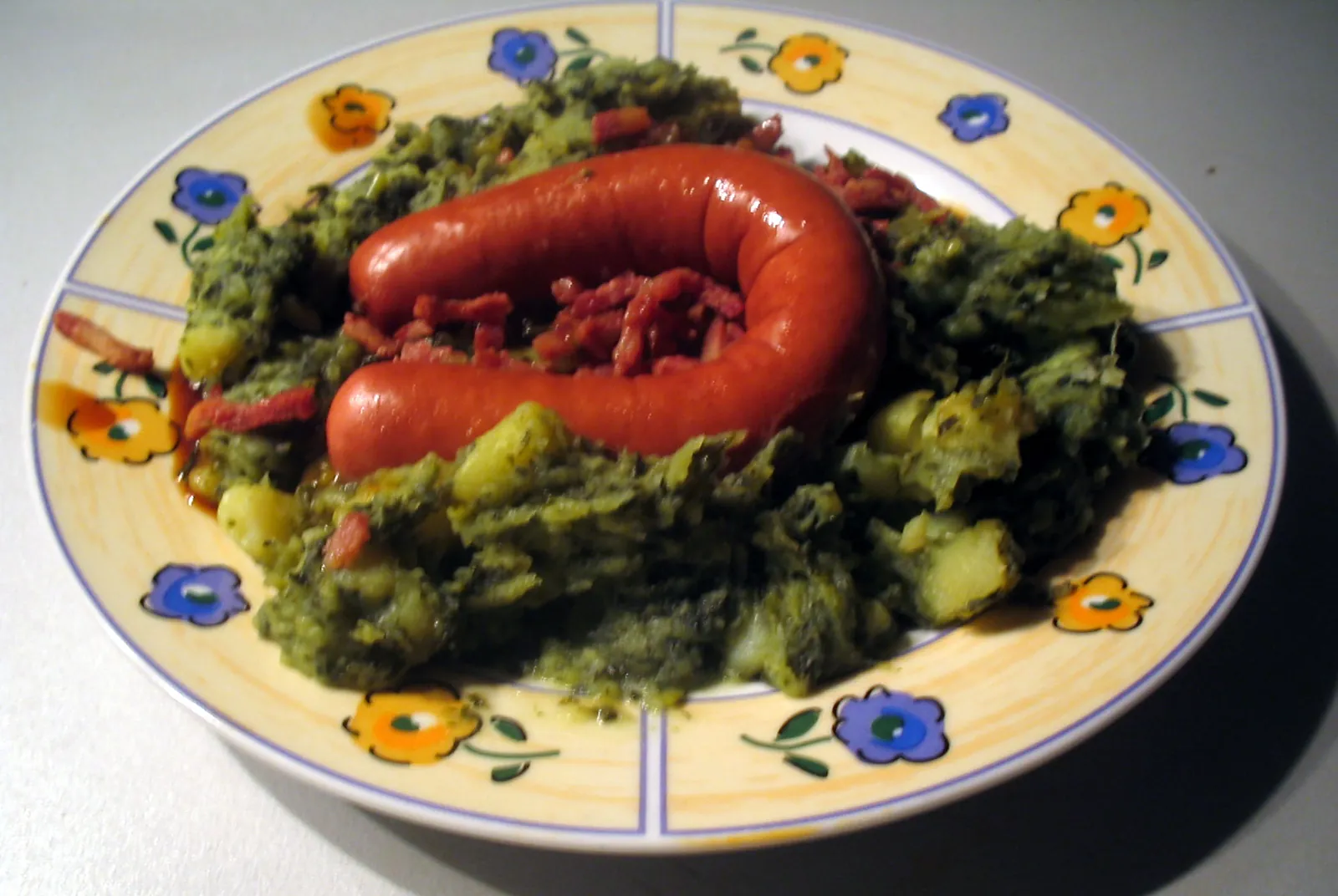
A plate of green boerenkool stamppot with a smoked sausage and bacon bits Netherlands flag Netherlands 45m
Dinner •Dutch Heritage

Stamppot

This stamppot recipe boils floury potatoes with curly kale, mashes them with butter and warm milk into a soft, green-flecked mash, and serves it with a smoked rookworst sausage, crisp bacon bits and mustard. One serving is about 480 g.

Comfort & Warmth

Floury potatoes mashed with kale, butter and milk, served with smoked sausage and bacon.

Pairs Well With
Smoked sausage, bacon bits & mustard
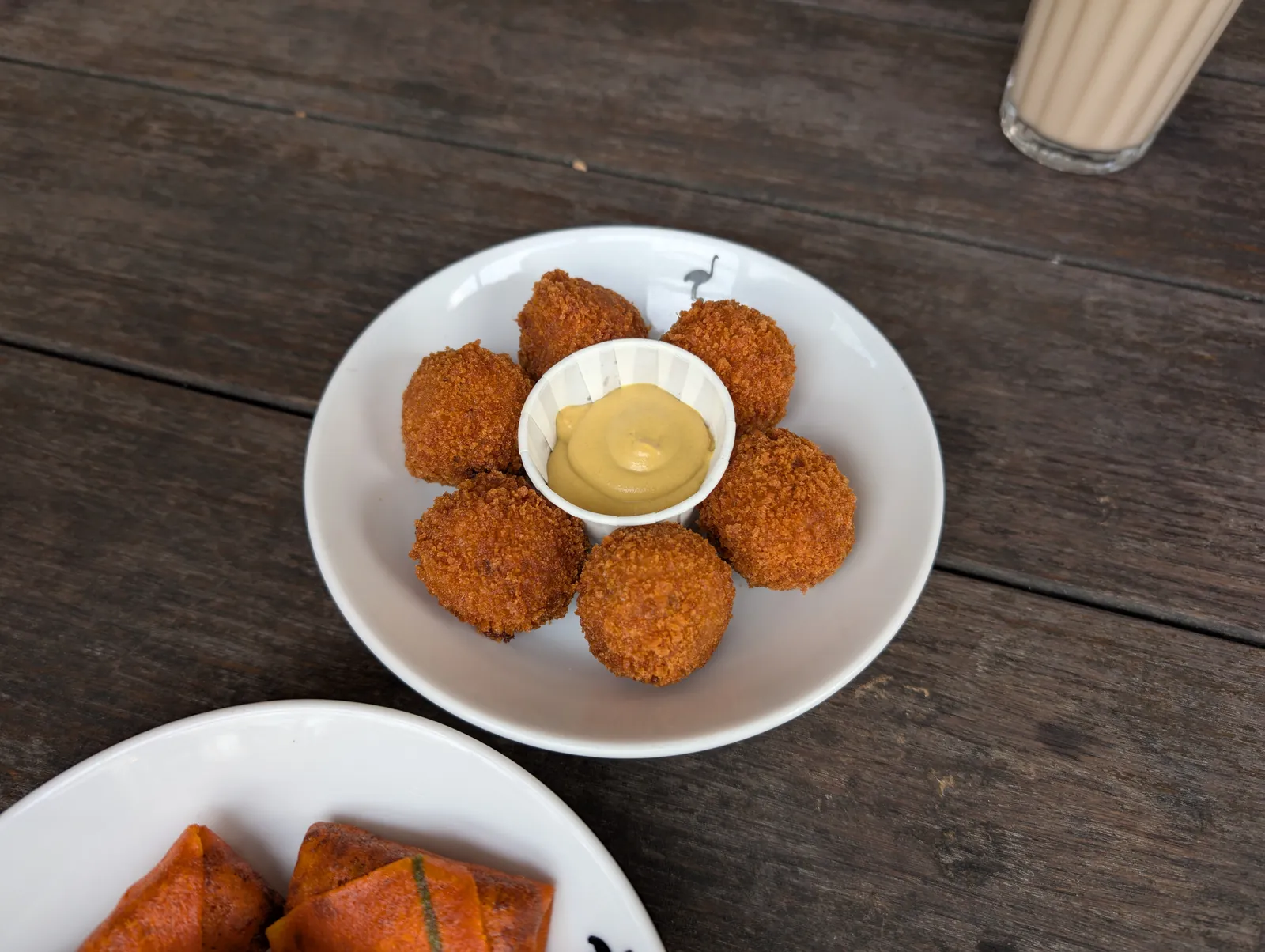
Six golden bitterballen with a small pot of mustard on a white plate Netherlands flag Netherlands 55m
Snack & Tea •Dutch Heritage

Bitterballen

This bitterballen recipe cooks beef slowly in stock until tender, binds it into a thick, creamy ragout with butter and flour, chills it firm, then rolls it into balls, crumbs them and fries them until the outside shatters and the inside turns molten. One serving is about 300 g, six bitterballen with mustard.

Comfort & Warmth

Crisp deep-fried balls of creamy beef ragout, served hot with mustard.

Pairs Well With
Dijon mustard & a cold beer
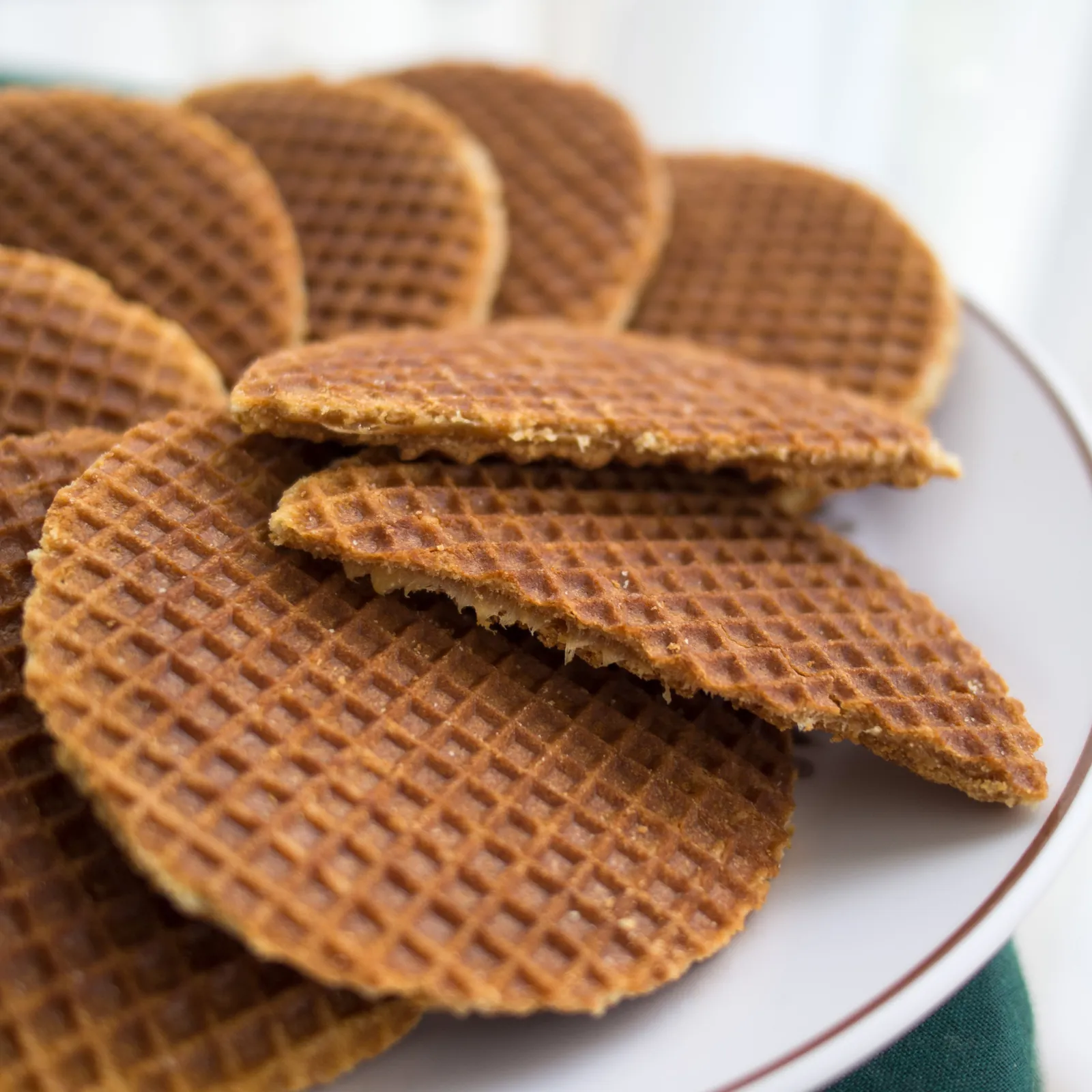
A plate of round golden stroopwafels showing their waffle pattern and syrup layer Netherlands flag Netherlands 1h
Snack & Tea •Dutch Heritage

Stroopwafels

This stroopwafels recipe bakes thin waffles in a hot iron, splits each one while it is still warm, and spreads it with a buttery caramel syrup spiced with cinnamon. The syrup softens the waffle just enough to make it chewy at the edges and crisp in the middle. One serving is about 155 g, three stroopwafels.

Comfort & Warmth

Thin, crisp waffle rounds split and filled with warm caramel syrup.

Pairs Well With
Coffee, tea & a glass of milk
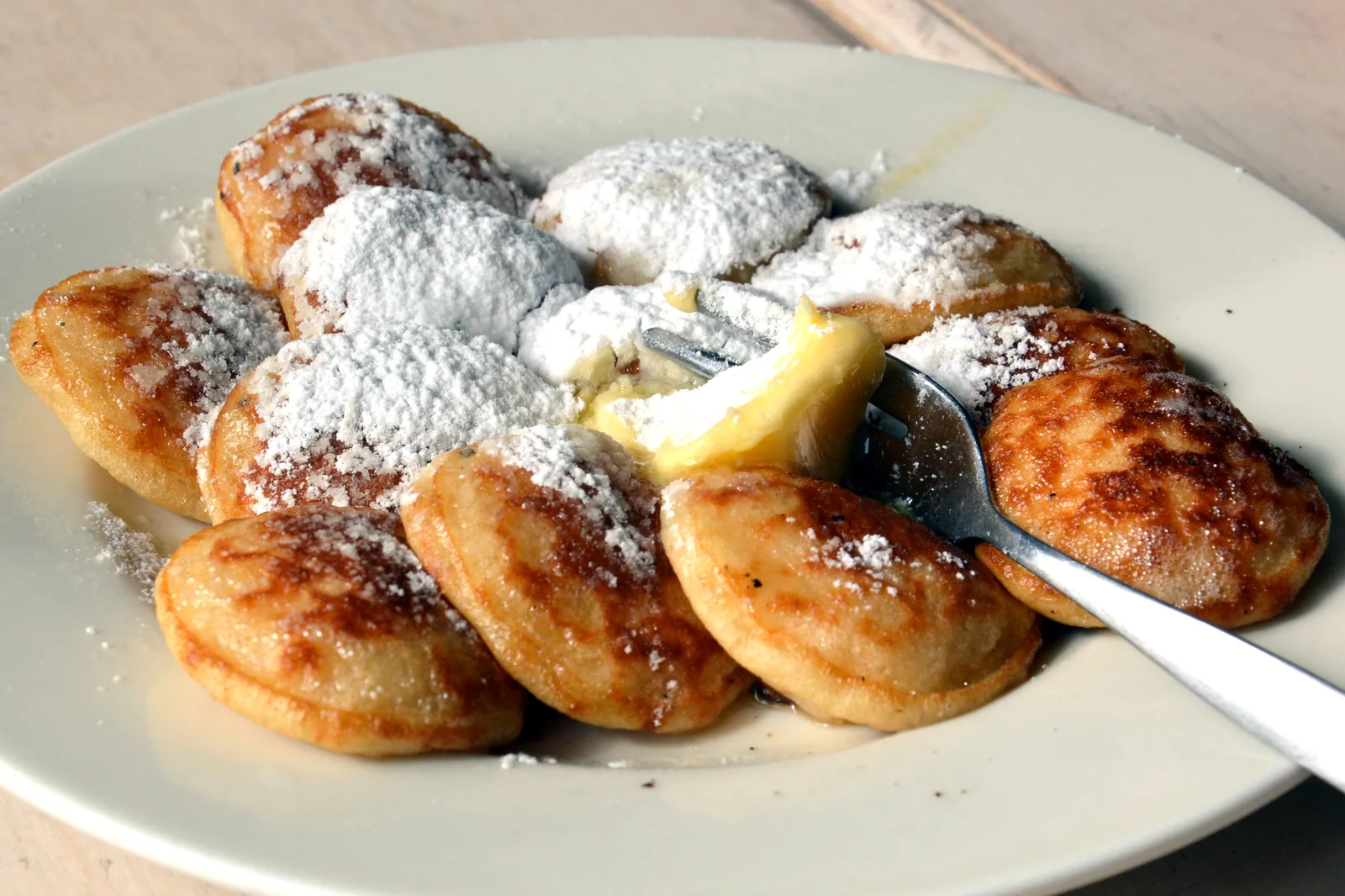
A plate of golden poffertjes dusted with powdered sugar, with melting butter and a fork. Netherlands flag Netherlands 1h 15m
Breakfast •Dutch Market Day Classic

Poffertjes

Poffertjes are the Netherlands' most beloved sweet snack: dozens of tiny, puffy yeast pancakes cooked in a dimpled pan, served hot with melting butter and a snowfall of powdered sugar. One serving is about 195 g, roughly 20 little pancakes.

Sweet Morning Treat

Tiny yeast-raised pancakes, golden outside and soft inside, served with butter and powdered sugar.

Pairs Well With
Serve hot with butter and powdered sugar, and a cup of coffee or hot chocolate.

The Dinner Gazette

Never wonder what’s for dinner again

One email a week with easy dinner ideas from around the world — ingredients, steps and nutrition, tested in our kitchen first.

Delivered every Thursday morning. Unsubscribe anytime.