
Curated recipes from 193 countries  •  New seasonal Mediterranean issue out now

Overview

Dutch White Asparagus

Witte Asperges; White Gold Asparagus; Asparagus with Ham and Egg

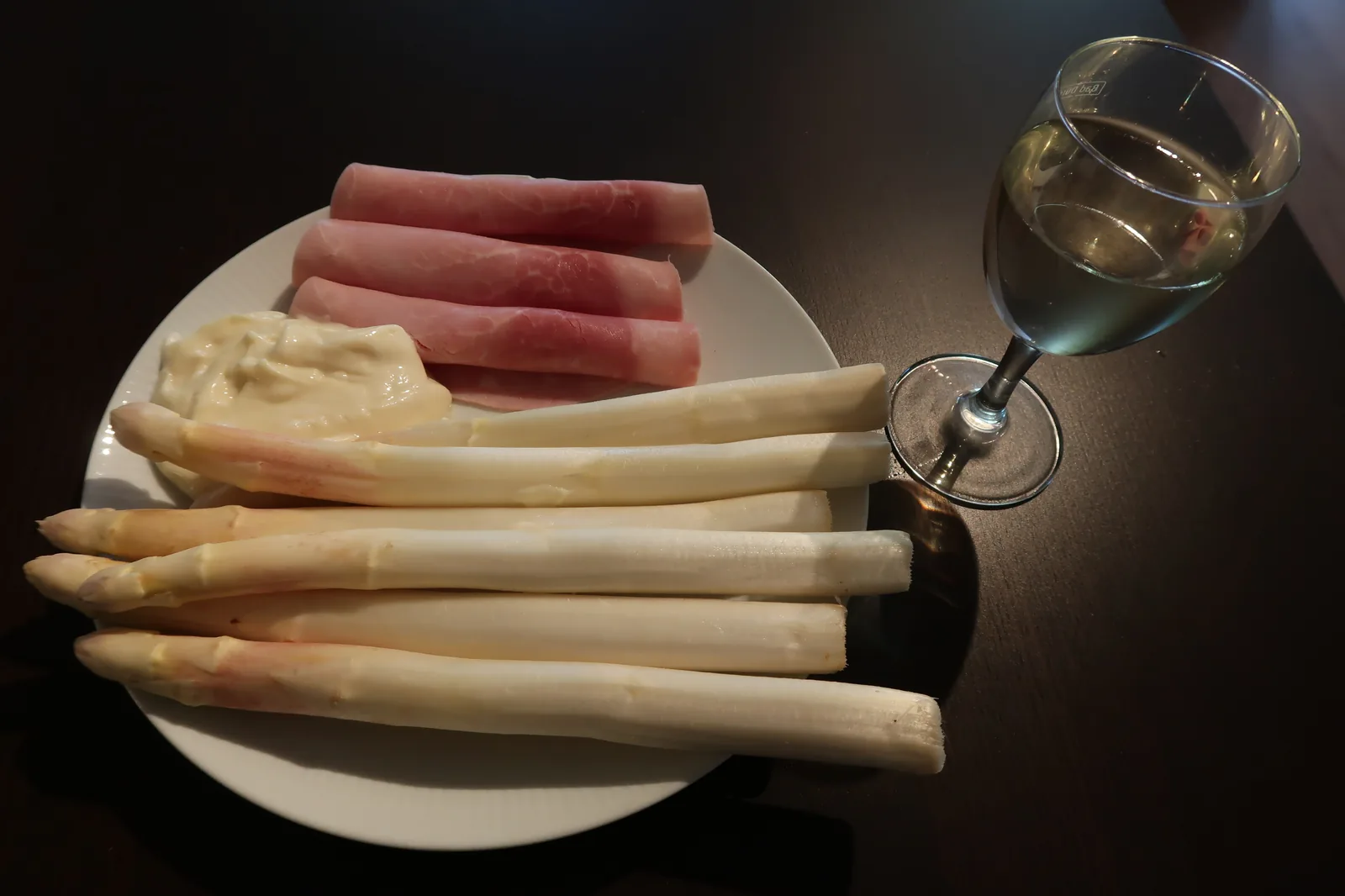
Dutch white asparagus is the Netherlands' spring celebration: tender white spears, gently boiled, served with slices of cooked ham, halved boiled eggs, parsley potatoes and a jug of warm melted butter. One serving is about 503 g.

White asparagus is called the white gold of the Netherlands, and its season is famously short: the spears are cut from mid-April until 24 June, the feast of St John, when the harvest traditionally stops so the plants can recover. Grown under mounds of sandy soil in Limburg and North Brabant so the tips never see the sun, the spears stay pale, mild and tender. The classic Dutch way to eat them — with cooked ham, boiled egg, new potatoes and melted butter — is a spring ritual shared at the family table, the spears laid out on one big platter for everyone to help themselves.

Pairs well with: Serve warm on a big shared platter with the butter in a jug, and a glass of dry white wine.

Provenance

Netherlands flag Netherlands

Limburg Spring Classic

Nordic & European

Time Dedication

45m

20m prep • 25m cook

Batch Yield

4 Servings

506 kcal per serving

1 serving ≈ 503 g

Technical Skill

Easy

Easy (Boil & Plate)

Meal Timing & Digestive Fit

Breakfast

Not Advised

Lunch

Hearty Midday Main

Dinner

Ideal Hearty Main

Snack & Tea

Inappropriate

Occasions: Spring dinners, Easter weekend, family celebrations, seasonal menus Cost: Moderate — about $6–7 per serving at home
A plate of white asparagus spears with rolled slices of cooked ham and a dollop of pale sauce, with a glass of white wine beside it.

Limburg Spring Classic

Photo: Tokota, CC0, via Wikimedia Commons

The Heritage Formulary

Measured Ingredients

Estimated cost: Moderate — about $6–7 per serving at home (USD)

The spears are peeled from just under the tip and boiled gently until a knife slides in easily — never hard-boiled, or they turn stringy.

Execution Methodology & Culinary Technique

Step-by-Step Cooking Guide

Active 45m
P

Prep Stage: Asparagus Peeled, Eggs Boiled

20 Mins • Knife Work

Peel every spear from just under the tip to the base and snap off the woody ends. Scrub the new potatoes and halve the large ones. Put the eggs on to boil, and set out the ham, butter, parsley and lemon so everything is ready when the asparagus comes out of the water.

Maestro Tip: Peel thickly — the skin of white asparagus is tough and stringy, and any strip left on will spoil the bite.

  1. 1

    Peel the Asparagus

    10 Mins • Hands On No heat — room temperature, about 20°C (68°F)

    Lay each spear flat on the board and peel from just under the tip down to the base with a vegetable peeler, turning the spear as you go. Snap or cut off the woody bottom 2–3 cm. Tie the spears loosely into two bundles with kitchen string so they cook evenly and lift out easily.

    Peel over the board, not over your hand — the spears are brittle and snap easily.

    Done when: Every spear is smooth and white all the way down, with no strips of skin left.

  2. 2

    Boil the Potatoes and Eggs

    15 Mins • Hands On Boiling water, 100°C (212°F)

    Put the potatoes in a pan of cold salted water, bring to a boil, and cook for 15–20 minutes until a knife slides in easily. With 10 minutes to go, add the eggs to the same pan, then lift them out into cold water, peel and halve. Drain the potatoes, toss with half the butter and the parsley, and keep warm.

    Start testing the potatoes at 15 minutes — overcooked new potatoes fall apart.

    Done when: Potatoes are tender through but hold their shape; eggs are fully set with no grey ring.

  3. 3

    Cook the Asparagus

    15 Mins • Hands On Gentle simmer, about 95°C (203°F)

    Bring a large pan of water to a boil with the salt and the pinch of sugar. Lower the asparagus bundles in, reduce to a gentle simmer, and cook for 12–15 minutes, depending on thickness, until a knife slides into the thickest part easily but the spear still holds straight. Lift out and drain well.

    Never boil hard — violent bubbling breaks the tips and makes the spears stringy.

    Done when: A knife slides in easily, the tips are intact, and the spears bend only slightly when lifted.

  4. 4

    Melt the Butter

    5 Mins • Hands On Low heat, about 60°C (140°F)

    Melt the remaining butter gently in a small pan — do not let it brown. Stir in the lemon juice, the nutmeg and a pinch of white pepper, and pour into a small warm jug.

    Warm the jug first with hot water so the butter stays liquid at the table.

    Done when: The butter is clear, golden and just warm, with the lemon and nutmeg stirred through.

  5. 5

    Plate and Serve

    5 Mins • Hands On Serve warm, about 60°C (140°F)

    Untie the bundles and arrange the spears in neat rows on a warm serving plate, all facing the same way. Lay the rolled ham and the egg halves alongside, spoon the parsley potatoes around the edge, and serve at once with the jug of butter for pouring over.

    Warm the plate first — cold plates steal the heat from the spears in seconds.

    Done when: The plate is neat and generous: white spears, pink ham, yellow egg and green-flecked potatoes, with hot butter to pour over.

Finishing Touches & Plating

Pour the warm butter over the spears at the table, or hand round the jug so everyone takes as much as they like, and serve at once while the asparagus is hot and the potatoes are steaming.

Nutritional Physiology & Benefits

Nutrition

Energy

506

kcal / serving

Protein

30g

Complete AA

Carbs

41g

Complex

Fats

26g

Healthy

Per serving (4 servings · 1 serving ≈ 503 g)
Energy506 kcal
Protein30 g
Carbohydrates41 g
Fat26 g
Fibre6.9 g
Sugar7.5 g
Sodium1270 mg
Per 100g
Energy101 kcal
Protein5.9 g
Carbohydrates8.1 g
Fat5.2 g
Fibre1.4 g
Sugar1.5 g
Sodium253 mg

Nutrition values are estimated — calculated from USDA FoodData Central values for the listed ingredients.

Vitamins & minerals: Vitamin K and folate (asparagus), vitamin B12 (ham, egg), vitamin C (potatoes, lemon), potassium (potatoes).

Naturally Light Vegetables

White asparagus is about 93% water and very low in calories, so the spears bring volume, fibre and folate to the plate for almost no energy.

Protein From Ham and Egg

Ham and egg together supply about 30 g of protein per serving, which is why this spring plate works as a full dinner rather than a side.

Simple, Honest Fats

The only fat is butter, used in a measured amount — rich enough to carry the mild asparagus, without sauces or frying.

Food Pairings

What to Eat With

To optimize nutrient absorption and elevate the sensory depth, pair with these authentic accompaniments:

Drinks

Dry White Wine

A dry, lightly acidic white wine matches the mild asparagus and cuts through the butter without overpowering the spears.

Sparkling Water with Lemon

Cold sparkling water with lemon cleanses the palate between the rich bites of ham, egg and butter.

Vegetables

Simple Green Salad

A small salad of lettuce and cucumber with a light vinaigrette adds fresh crunch and acidity beside the rich, buttery plate.

Sides

Crusty White Bread

A slice of crusty bread is the traditional way to catch the last of the melted butter on the plate.

Complete menu

Start with a small green salad, follow with Dutch white asparagus as the main plate, and finish with fresh strawberries and cream.

Digestive Guardrails

What NOT to Combine

To prevent digestive distress, sluggishness, or palate clash, avoid pairing the dish with these elements:

Egg and Milk Allergies

This dish contains egg and milk (butter) — major allergens. Do not serve it to anyone with an egg or milk allergy. This is general food-safety information, not medical advice.

Raw or Undercooked Eggs Are Not a Substitute

The eggs must be fully boiled; soft or raw eggs carry a salmonella risk, especially for young children, older adults and pregnant women. This is general food-safety information, not medical advice.

General information only, not medical advice — consult a doctor for personal dietary decisions.

Who Should Eat It

Who Should Eat

  • General adultsA complete, satisfying spring dinner — about 506 kcal with good protein and fibre.
  • ChildrenMild, soft spears and egg suit children well; cut the spears into short pieces and go light on the pepper for young children.
  • ElderlySoft spears, egg and potatoes are easy to chew; serve everything warm and cut the ham into strips for easier eating.
  • Pregnant womenA good source of folate, but keep the ham portion modest and make sure the eggs are fully boiled.
  • Breastfeeding womenProtein, B12 and folate from ham and egg support milk production; the dish is nutritious, provided there is no family egg or milk allergy to consider.
  • AthletesAbout 30 g of protein per serving with slow-release carbohydrate from the potatoes — a solid recovery dinner after training.
  • Weight gainThe butter, ham and potatoes make the plate energy-dense, so it suits a weight-gain goal; add bread or an extra egg for more calories.
  • Weight lossFilling for its calories thanks to the asparagus and potatoes, but the butter and ham are rich — use half the butter and lean ham to lighten it.

Health Conditions — Adjust or Avoid

Conditions

  • DiabetesAbout 41 g of carbohydrate per serving, mostly from the potatoes — keep the potato portion modest and ask your clinician about portion size.
  • High blood pressureSodium is about 1270 mg per serving, a large share of a daily limit, mostly from the ham — use a smaller ham portion if salt is a concern and ask your clinician.
  • Kidney diseaseProtein is high and potassium-rich from the potatoes and asparagus; people with kidney disease should ask their clinician about portion size.
  • GoutHam is moderate in purines; the dish is not especially high in purines, but anyone managing gout should ask their clinician.
  • Stomach issuesThe dish is mild and easy on the stomach; the butter can feel rich, so use less if you have stomach issues, and ask your clinician if symptoms persist.
  • Cardiovascular diseaseButter and ham bring saturated fat, so the plate is energy-dense; keep portions moderate and ask your clinician about overall fat intake.
  • Fatty liverThe dish is moderate in calories for its volume; a smaller portion with extra asparagus fits better — ask your clinician.
  • Food allergiesContains egg and milk (butter) — major allergens. Do not serve to anyone with an egg or milk allergy.
  • Special therapeutic dietsThis is a general-information recipe, not a therapeutic diet. Anyone on a prescribed diet should ask their clinician or dietitian before making it a regular meal.

If you have a medical condition, consult your doctor before changing your diet.

Storage & Use

Storage & Use

How to store
Keep the asparagus, ham, eggs and potatoes in separate containers.
In the fridge
Cooked asparagus, ham, eggs and potatoes keep 2 days refrigerated in sealed containers.
In the freezer
The cooked spears freeze for up to 1 month, but they go soft; the ham and potatoes do not freeze well.
How to reheat
Warm the asparagus and potatoes gently in a pan with a splash of water to 74°C (165°F); melt fresh butter rather than reheating the old butter.
Freezing recommended
Asparagus only, if needed — the finished plate is best eaten fresh.
Signs it has spoiled
Sour smell, slimy spears, or grey, dry ham — discard if any of these appear.

More recipes to explore

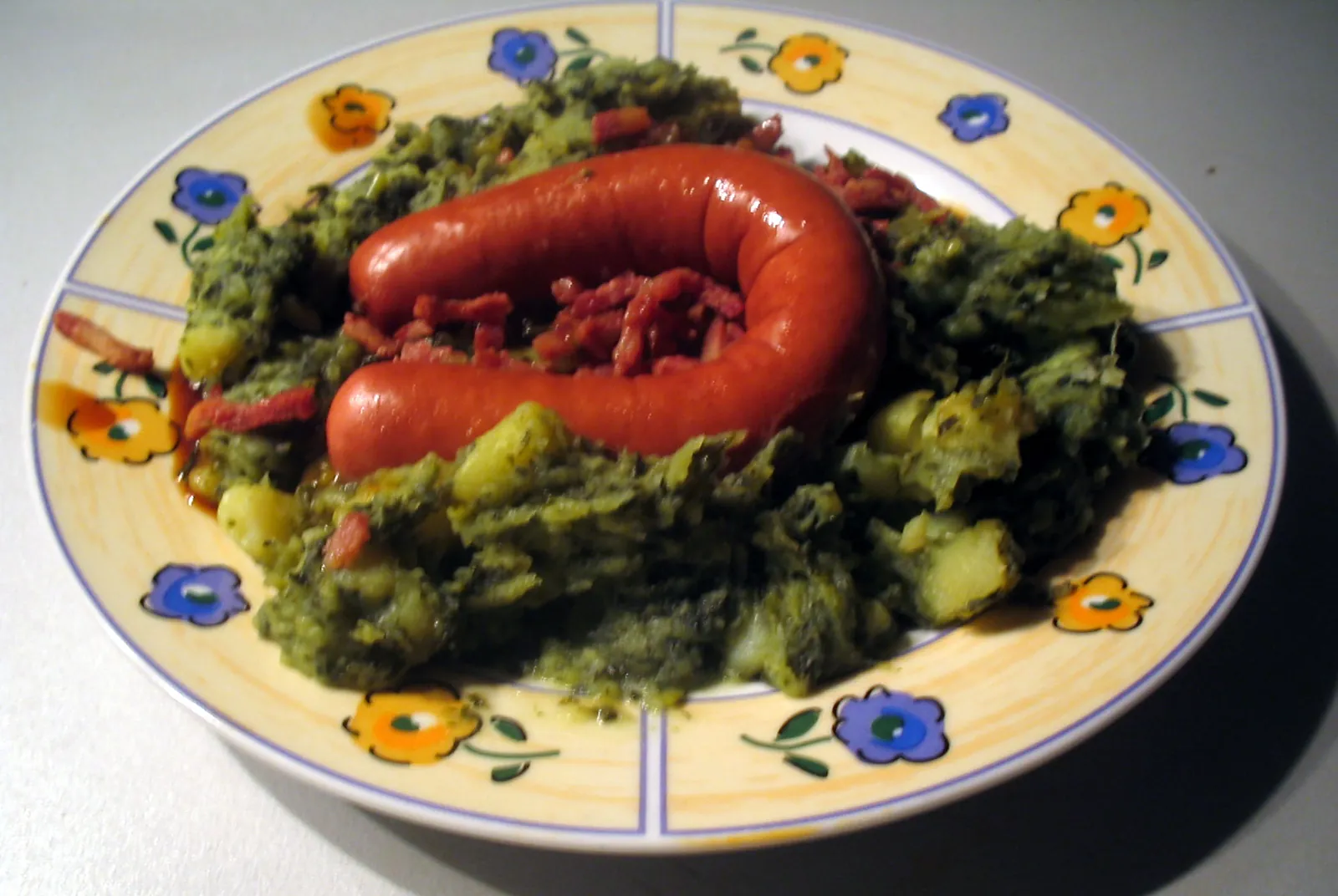
A plate of green boerenkool stamppot with a smoked sausage and bacon bits Netherlands flag Netherlands 45m
Dinner •Dutch Heritage

Stamppot

This stamppot recipe boils floury potatoes with curly kale, mashes them with butter and warm milk into a soft, green-flecked mash, and serves it with a smoked rookworst sausage, crisp bacon bits and mustard. One serving is about 480 g.

Comfort & Warmth

Floury potatoes mashed with kale, butter and milk, served with smoked sausage and bacon.

Pairs Well With
Smoked sausage, bacon bits & mustard
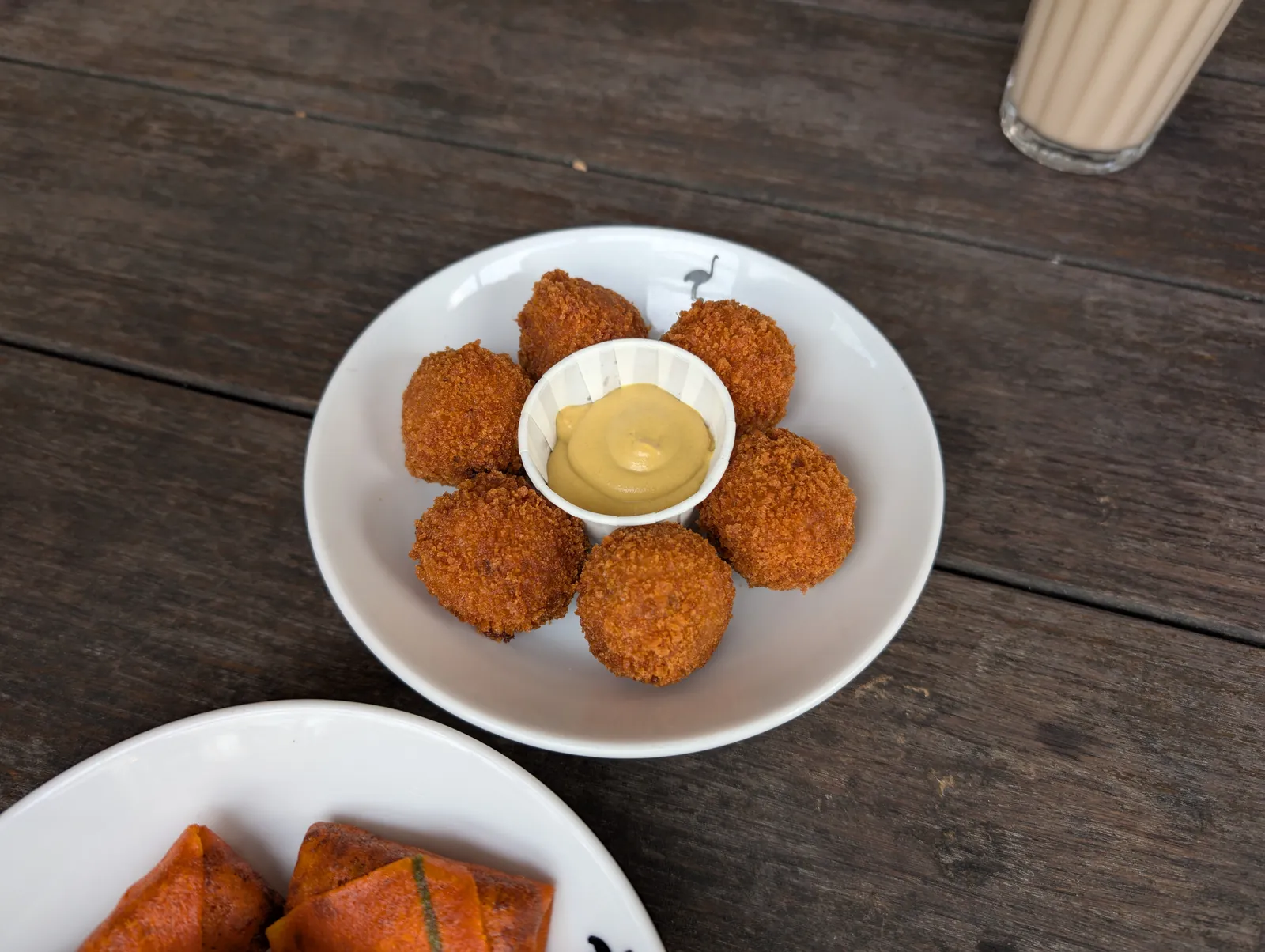
Six golden bitterballen with a small pot of mustard on a white plate Netherlands flag Netherlands 55m
Snack & Tea •Dutch Heritage

Bitterballen

This bitterballen recipe cooks beef slowly in stock until tender, binds it into a thick, creamy ragout with butter and flour, chills it firm, then rolls it into balls, crumbs them and fries them until the outside shatters and the inside turns molten. One serving is about 300 g, six bitterballen with mustard.

Comfort & Warmth

Crisp deep-fried balls of creamy beef ragout, served hot with mustard.

Pairs Well With
Dijon mustard & a cold beer
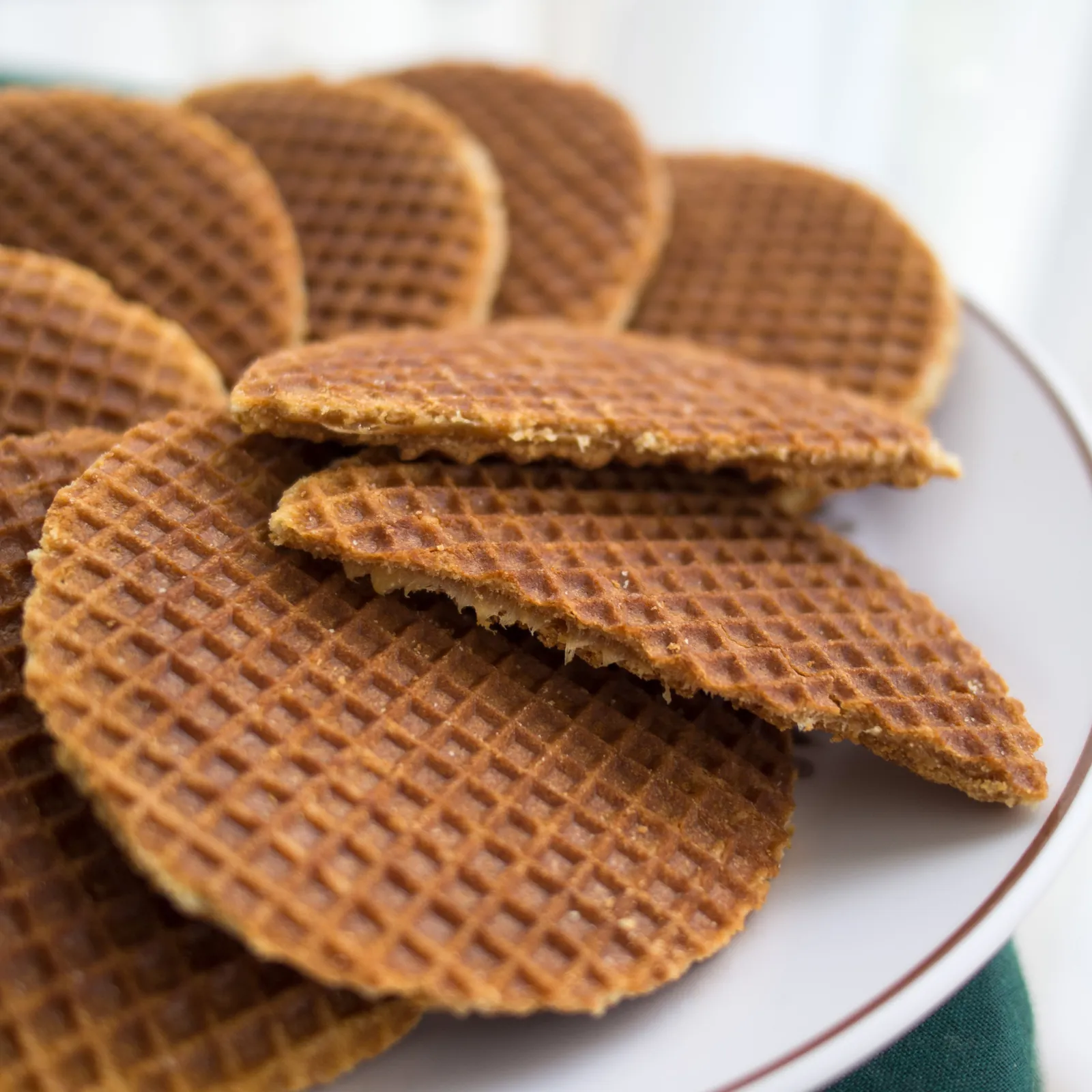
A plate of round golden stroopwafels showing their waffle pattern and syrup layer Netherlands flag Netherlands 1h
Snack & Tea •Dutch Heritage

Stroopwafels

This stroopwafels recipe bakes thin waffles in a hot iron, splits each one while it is still warm, and spreads it with a buttery caramel syrup spiced with cinnamon. The syrup softens the waffle just enough to make it chewy at the edges and crisp in the middle. One serving is about 155 g, three stroopwafels.

Comfort & Warmth

Thin, crisp waffle rounds split and filled with warm caramel syrup.

Pairs Well With
Coffee, tea & a glass of milk
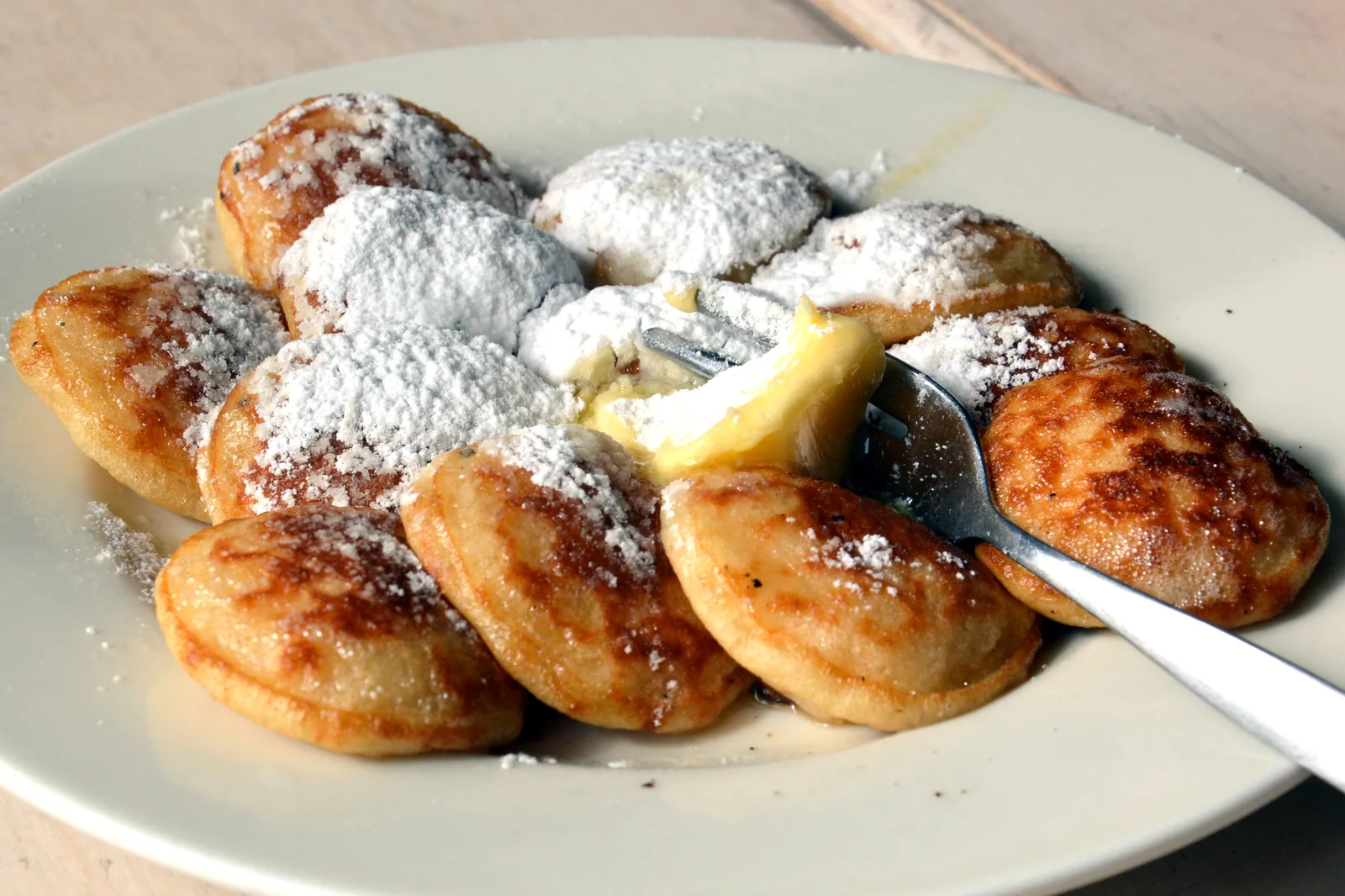
A plate of golden poffertjes dusted with powdered sugar, with melting butter and a fork. Netherlands flag Netherlands 1h 15m
Breakfast •Dutch Market Day Classic

Poffertjes

Poffertjes are the Netherlands' most beloved sweet snack: dozens of tiny, puffy yeast pancakes cooked in a dimpled pan, served hot with melting butter and a snowfall of powdered sugar. One serving is about 195 g, roughly 20 little pancakes.

Sweet Morning Treat

Tiny yeast-raised pancakes, golden outside and soft inside, served with butter and powdered sugar.

Pairs Well With
Serve hot with butter and powdered sugar, and a cup of coffee or hot chocolate.

The Dinner Gazette

Never wonder what’s for dinner again

One email a week with easy dinner ideas from around the world — ingredients, steps and nutrition, tested in our kitchen first.

Delivered every Thursday morning. Unsubscribe anytime.