
Curated recipes from 193 countries  •  New seasonal Mediterranean issue out now

Overview

Eierbal

Aaierbal, Groningse Eierbal, Groningen Egg Ball

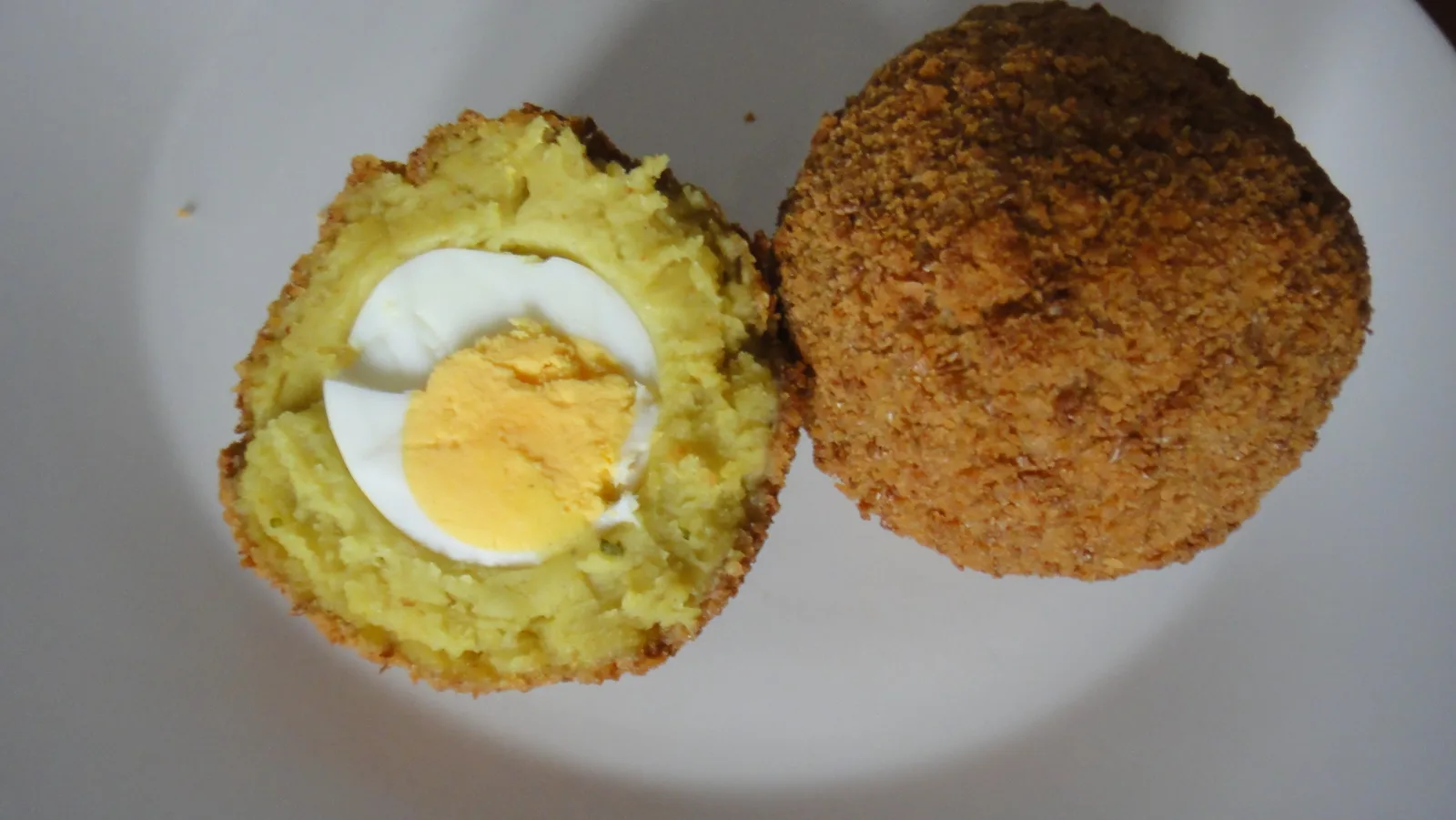
This eierbal recipe makes Groningen’s famous egg ball: a whole soft-boiled egg wrapped in a thick curry ragout, rolled in breadcrumbs and deep-fried until the outside shatters and the inside turns creamy. It looks like a Scotch egg, but the coat is a spiced gravy, not sausage meat — so the bite is softer, richer and much more like a kroket. One serving is about 250 g.

The eierbal is a snack from Groningen, in the north of the Netherlands, where it is sold in snack bars and at fairs and was added to the Dutch inventory of intangible cultural heritage in 2017. A whole boiled egg is wrapped in a thick curry ragout — a butter, flour and stock gravy much like the filling of a kroket — then breadcrumbed and deep-fried. It is often compared with the Scotch egg, but the two are different dishes: a Scotch egg is coated in seasoned sausage meat, while an eierbal has no meat at all, only the soft, creamy ragout, and its egg is traditionally soft-boiled so the yolk stays a little liquid.

Pairs well with: Mustard, pickles & a cold beer

Provenance

Netherlands flag Netherlands

Groningen Snack Classic

Nordic & European

Time Dedication

35m

20m prep • 15m cook

Batch Yield

4 Servings

470 kcal per serving

1 serving ≈ 250 g

Technical Skill

Intermediate

Medium (Deep-Fried)

Meal Timing & Digestive Fit

Breakfast

Not Advised

Lunch

Inappropriate

Dinner

Inappropriate

Snack & Tea

Ideal Light Bite

Occasions: Afternoon snacks, parties, pub food, fair food, casual gatherings Cost: Low — about $1–2 per serving at home
Tags: Egg Savory Fried
Two golden fried eierballen on a white plate, one cut open to show the boiled egg inside the yellow curry ragout

Groningen Snack Classic

Photo: Erik009, CC BY-SA 3.0, via Wikimedia Commons

The Heritage Formulary

Measured Ingredients

Estimated cost: Low — about $1–2 per serving at home (USD)

A home-style Groningse eierbal with a firm curry ragout, a double breadcrumb coat and a soft-boiled egg centre.

Execution Methodology & Culinary Technique

Step-by-Step Cooking Guide

Active 35m
P

Cook the Ragout & Boil the Eggs

20 Mins • Plus 4 Hours Chilling

Boil four eggs for 5 minutes, shock in cold water and peel. Melt the butter, stir in 70g of flour to a smooth roux, then whisk in the warm vegetable stock a little at a time until thick. Stir in the curry powder, nutmeg, parsley, salt and pepper, cook for 2 more minutes, then spread the ragout in a shallow dish, cover with cling film touching the surface, and chill for at least 4 hours, or overnight, until firm enough to shape.

Maestro Tip: The ragout must be completely cold and firm — warm ragout will slide off the eggs and burst in the fryer.

  1. 1

    Make the Curry Ragout

    10 Mins Medium heat, about 160°C (320°F)

    Melt the 60g of butter in a saucepan, stir in 70g of flour and cook for 2 minutes until it looks like wet sand. Whisk in the warm 500ml of vegetable stock a little at a time until smooth, then simmer for 4 minutes until very thick. Stir in the curry powder, nutmeg, parsley, salt and pepper and cook for 2 more minutes.

    Add the stock slowly and whisk constantly — lumps now mean a lumpy ragout later.

    Done when: The ragout is so thick it holds its shape on a spoon and pulls away from the pan.

  2. 2

    Chill the Ragout Until Firm

    4 Hours Fridge, about 4°C (39°F)

    Spread the hot ragout in a shallow dish, press cling film directly onto the surface so no skin forms, and chill for at least 4 hours, or overnight, until it is cold and solid enough to cut and shape.

    Make the ragout the day before — an overnight chill gives the firmest, easiest shaping.

    Done when: The ragout is cold, solid and sliceable, like firm jelly.

  3. 3

    Wrap Each Egg in Ragout

    10 Mins Room temperature, about 20°C (68°F)

    Divide the cold ragout into four equal portions. With damp hands, flatten one portion in your palm, set a peeled boiled egg in the middle and fold the ragout around it, rolling gently until the egg is completely hidden and the ball is smooth and round. Repeat with the other three eggs.

    Keep your hands damp — the ragout sticks to dry hands and tears.

    Done when: Each ball is smooth and round, with no egg showing anywhere.

  4. 4

    Crumb the Balls

    5 Mins Room temperature, about 20°C (68°F)

    Roll each ball in the 30g of dredging flour, then in the beaten egg, then in the 80g of breadcrumbs, patting the crumbs on firmly. For a thicker crust, dip in egg and crumbs a second time. Chill the crumbed balls for 15 minutes while the oil heats.

    Pat the crumbs on rather than rolling hard — pressing keeps the coat even and stops bald spots.

    Done when: The balls are evenly coated all over, with no ragout showing through.

  5. 5

    Deep-Fry Until Golden

    6 Mins Hot oil, 175°C (350°F)

    Heat the oil to 175°C (350°F) and fry the balls two at a time for 5–6 minutes, turning once, until deep golden all over. Lift out with a slotted spoon, drain on paper towels and rest for 2 minutes before serving so the ragout sets slightly.

    Do not crowd the pan — too many balls at once drops the oil temperature and makes a greasy crust.

    Done when: The crust is deep golden and crisp; the egg inside is hot through, at least 74°C (165°F).

Finishing Touches & Plating

Serve the eierballen hot, halved or whole, with mustard and pickles on the side — cut one open at the table so everyone can see the egg inside the golden ragout.

Nutritional Physiology & Benefits

Nutrition

Energy

470

kcal / serving

Protein

14g

Complete AA

Carbs

36g

Complex

Fats

30g

Healthy

Per serving (4 servings · 1 serving ≈ 250 g)
Energy470 kcal
Protein14 g
Carbohydrates36 g
Fat30 g
Fibre2.3 g
Sugar2.0 g
Sodium662 mg
Per 100g
Energy188 kcal
Protein5.5 g
Carbohydrates14.4 g
Fat12 g
Fibre0.9 g
Sugar0.8 g
Sodium265 mg

Nutrition values are estimated — calculated from USDA FoodData Central values for the listed ingredients.

Vitamins & minerals: Vitamin B12 and vitamin D (egg), vitamin A (butter, egg yolk), iron (egg yolk), vitamin K (parsley).

Protein-Rich Snack

About 13.8 g of protein per ball from egg and ragout makes this a satisfying snack between meals.

A Whole Egg in Every Ball

Each ball hides a whole egg, a natural source of vitamin B12, vitamin D and iron.

Fresh Parsley Inside

The parsley in the ragout adds vitamin K and a fresh green note to a rich fried snack.

Food Pairings

What to Eat With

To optimize nutrient absorption and elevate the sensory depth, pair with these authentic accompaniments:

Sauces

Sharp Mustard

Coarse Dutch mustard is the classic partner — its sharpness cuts through the rich, creamy ragout.

Vegetables

Pickled Gherkins

Cold, sour gherkins refresh the palate between bites of the hot, fried ball.

Drinks

A Cold Beer

A cold lager is the usual Groningen drink with an eierbal — crisp and light against the fried crust.

Sides

Crusty White Bread

A slice of crusty bread catches the creamy ragout if a ball is cut open at the table.

Complete menu

Eierbal with sharp mustard, pickled gherkins, crusty bread and a cold beer.

Digestive Guardrails

What NOT to Combine

To prevent digestive distress, sluggishness, or palate clash, avoid pairing the dish with these elements:

Frying in Oil That Is Too Cool

Oil below 170°C (340°F) soaks into the crumbs and makes a greasy ball; keep it at 175°C (350°F) and fry two at a time. This is general cooking information, not medical advice.

Leaving Fried Balls at Room Temperature

Fried egg balls are perishable — cool and refrigerate leftovers within 2 hours, and reheat in a hot oven until steaming hot, 74°C (165°F). This is general food-safety information, not medical advice.

General information only, not medical advice — consult a doctor for personal dietary decisions.

Who Should Eat It

Who Should Eat

  • General adultsA rich fried snack; one ball is plenty, with mustard and pickles.
  • ChildrenChildren love the surprise egg inside; cut the ball in half and let it cool a little first.
  • ElderlySoft inside and easy to chew once cut; serve warm rather than piping hot.
  • Pregnant womenFine when the egg is fully cooked and the ball is served hot; ask your clinician if unsure.
  • Breastfeeding womenA filling, protein-rich snack; keep to one ball and drink water alongside.
  • AthletesAbout 13.8 g of protein per ball, with 36.0 g of carbohydrate, makes a handy post-training snack.
  • Weight gainServe with bread and a second ball to raise the energy of the snack.
  • Weight lossA fried, energy-dense snack; keep to one ball and skip the bread.

Health Conditions — Adjust or Avoid

Conditions

  • DiabetesAbout 36.0 g of carbohydrate per serving from flour and breadcrumbs; count the coating, and ask your clinician about portion size.
  • High blood pressureAbout 662 mg of sodium per serving; use low-sodium stock and skip extra salt, and ask your clinician if you are on a low-sodium plan.
  • Kidney diseaseModerate in protein and potassium; ask your clinician whether the portion suits your plan.
  • GoutEgg and ragout are low in purines, so this is a gentler fried snack for gout; keep portions modest and ask your clinician if unsure.
  • Stomach issuesFried food and curry powder can irritate a sensitive stomach; eat a smaller portion and keep the mustard light, and ask your clinician if symptoms persist.
  • Cardiovascular diseaseDeep-fried in oil with butter in the ragout; keep to one ball and pair it with pickles rather than bread — ask your clinician if unsure.
  • Fatty liverA fried, energy-dense snack; keep it occasional and to one ball, and ask your clinician about frequency.
  • Food allergiesContains egg, wheat (gluten) and milk (butter); check the stock and breadcrumb labels for other allergens before serving.
  • Special therapeutic dietsNot suitable for a low-fat or low-sodium therapeutic diet without changes; ask your clinician or dietitian before adapting it.

If you have a medical condition, consult your doctor before changing your diet.

Storage & Use

Storage & Use

How to store
Cool the fried balls quickly, then store in an airtight container lined with paper towels.
In the fridge
2 days in the fridge; keep the mustard and pickles separate.
In the freezer
The crumbed, unfried balls freeze up to 1 month; fry straight from frozen, adding 2 minutes.
How to reheat
Reheat in a hot oven at 200°C (400°F) for 8–10 minutes until crisp and steaming hot, 74°C (165°F); do not microwave, or the crust turns soggy.
Freezing recommended
Yes — freeze the crumbed balls before frying for up to 1 month.
Signs it has spoiled
Sour smell, a slimy crust or a grey colour mean the leftovers should be thrown away.

More recipes to explore

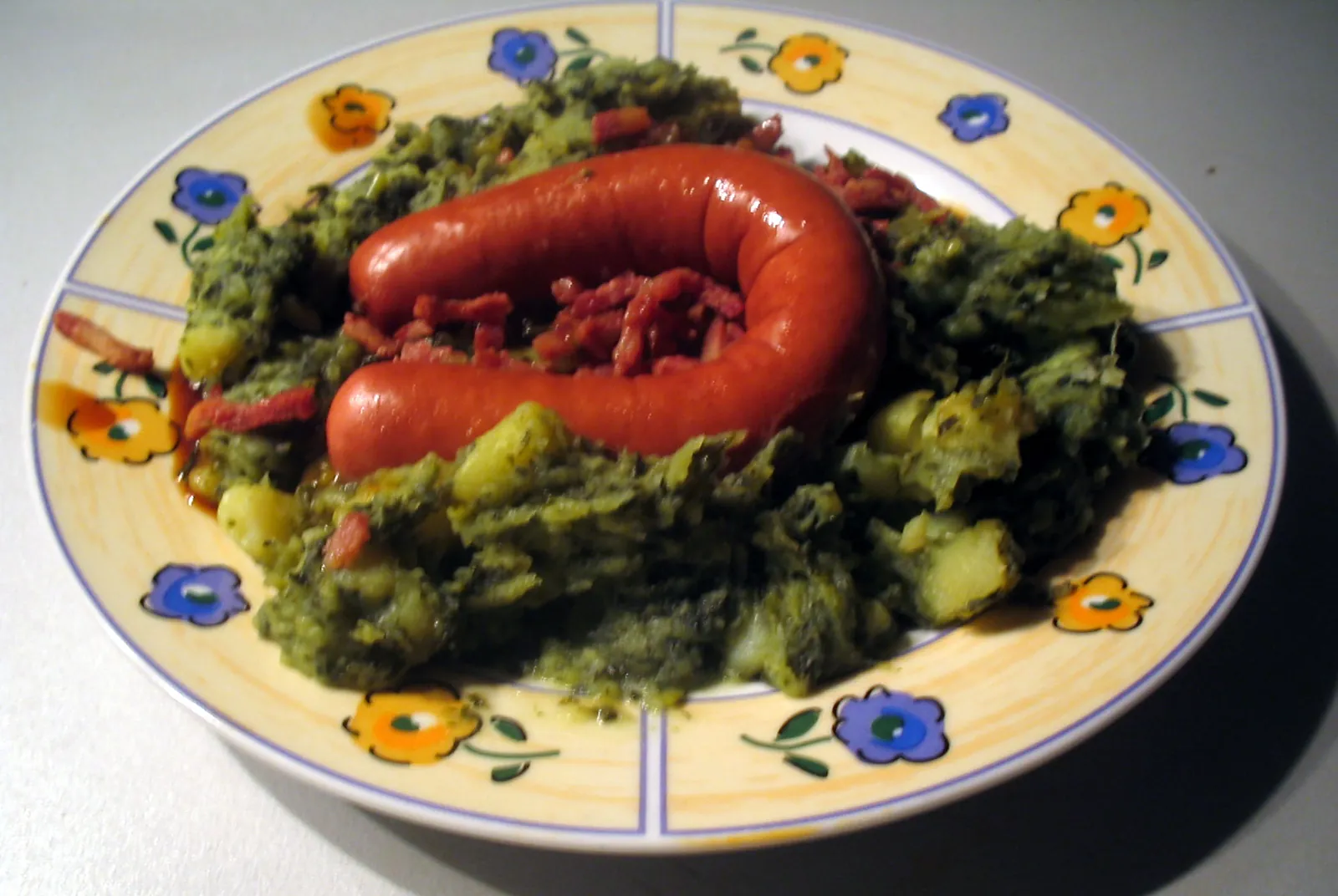
A plate of green boerenkool stamppot with a smoked sausage and bacon bits Netherlands flag Netherlands 45m
Dinner •Dutch Heritage

Stamppot

This stamppot recipe boils floury potatoes with curly kale, mashes them with butter and warm milk into a soft, green-flecked mash, and serves it with a smoked rookworst sausage, crisp bacon bits and mustard. One serving is about 480 g.

Comfort & Warmth

Floury potatoes mashed with kale, butter and milk, served with smoked sausage and bacon.

Pairs Well With
Smoked sausage, bacon bits & mustard
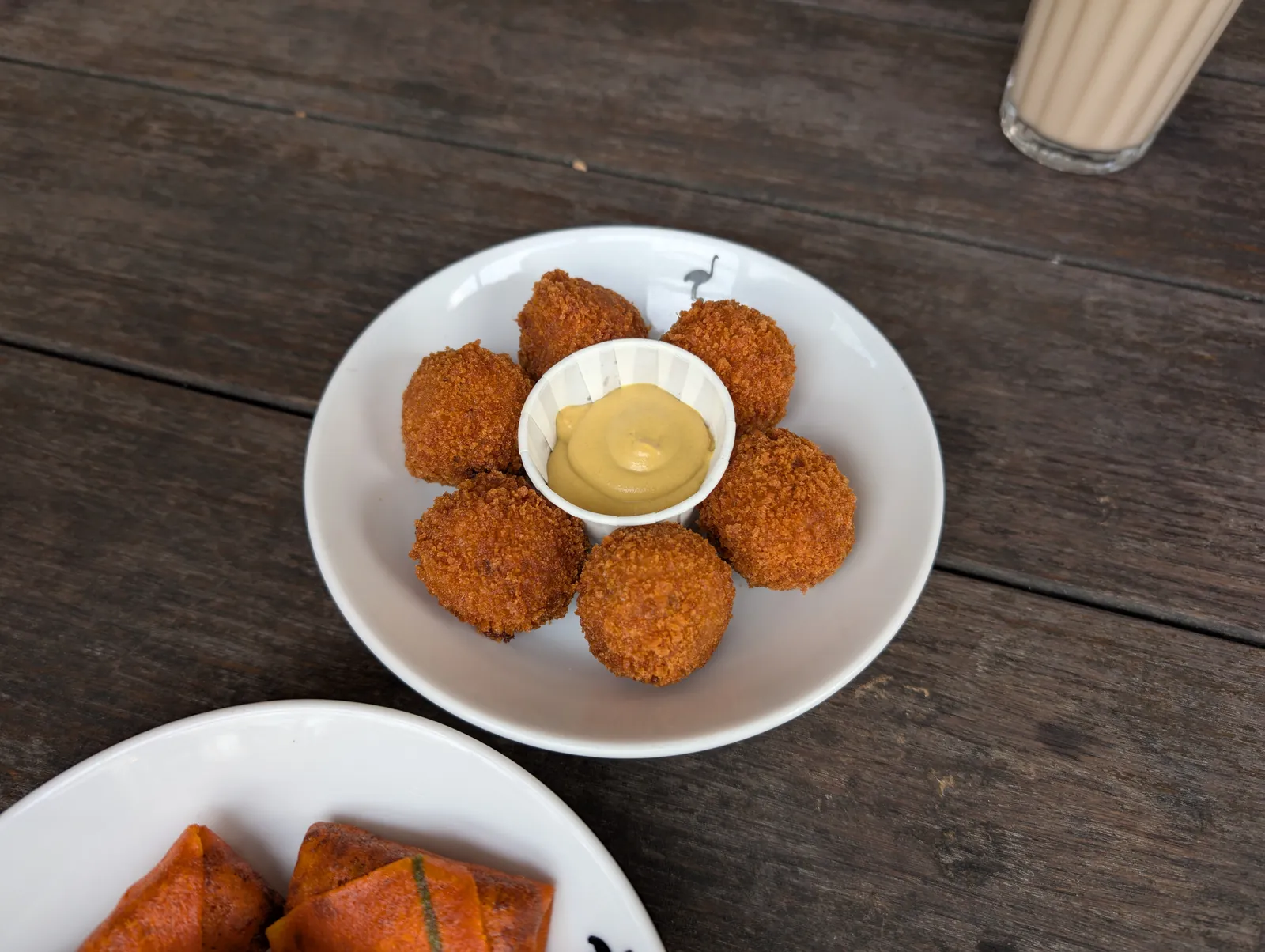
Six golden bitterballen with a small pot of mustard on a white plate Netherlands flag Netherlands 55m
Snack & Tea •Dutch Heritage

Bitterballen

This bitterballen recipe cooks beef slowly in stock until tender, binds it into a thick, creamy ragout with butter and flour, chills it firm, then rolls it into balls, crumbs them and fries them until the outside shatters and the inside turns molten. One serving is about 300 g, six bitterballen with mustard.

Comfort & Warmth

Crisp deep-fried balls of creamy beef ragout, served hot with mustard.

Pairs Well With
Dijon mustard & a cold beer
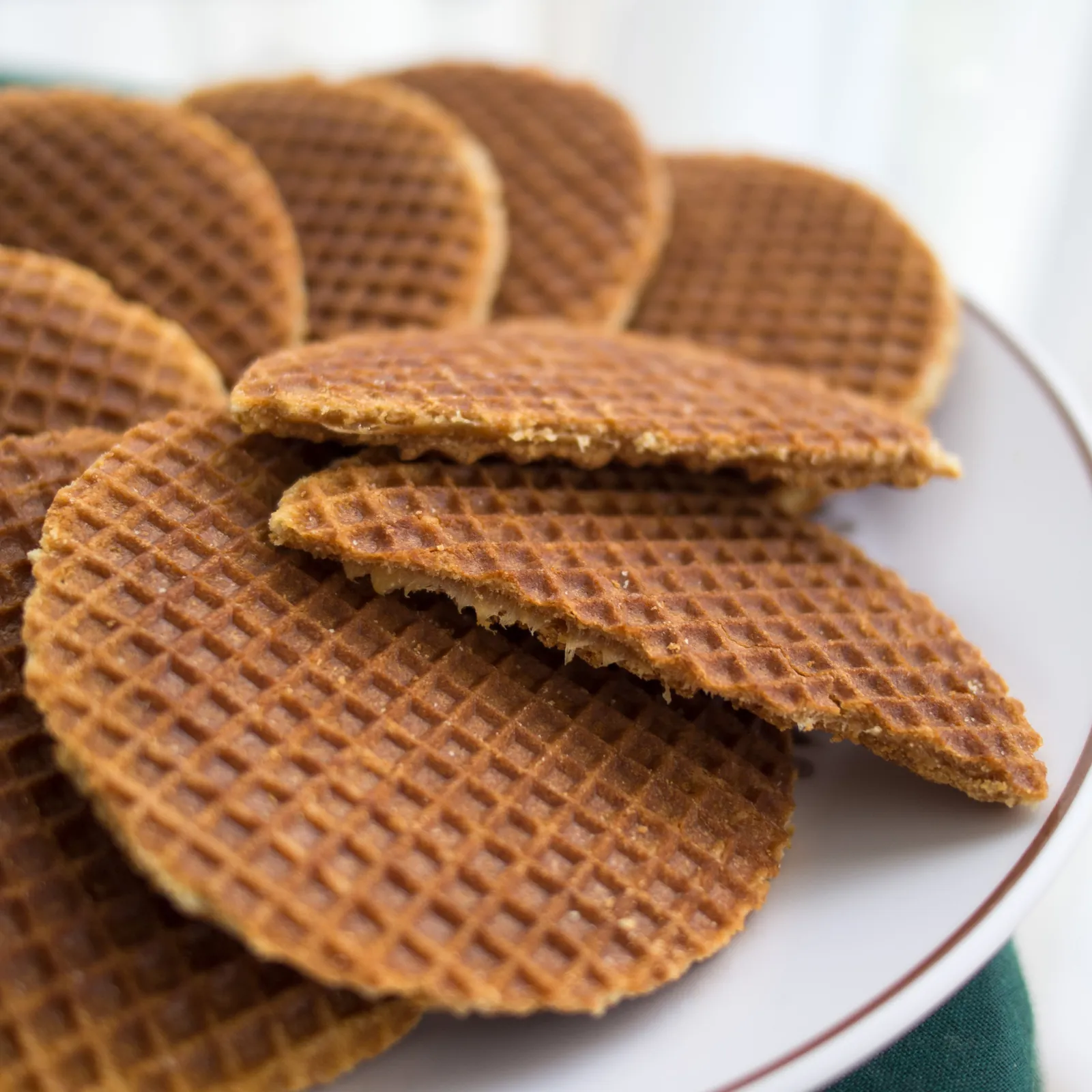
A plate of round golden stroopwafels showing their waffle pattern and syrup layer Netherlands flag Netherlands 1h
Snack & Tea •Dutch Heritage

Stroopwafels

This stroopwafels recipe bakes thin waffles in a hot iron, splits each one while it is still warm, and spreads it with a buttery caramel syrup spiced with cinnamon. The syrup softens the waffle just enough to make it chewy at the edges and crisp in the middle. One serving is about 155 g, three stroopwafels.

Comfort & Warmth

Thin, crisp waffle rounds split and filled with warm caramel syrup.

Pairs Well With
Coffee, tea & a glass of milk
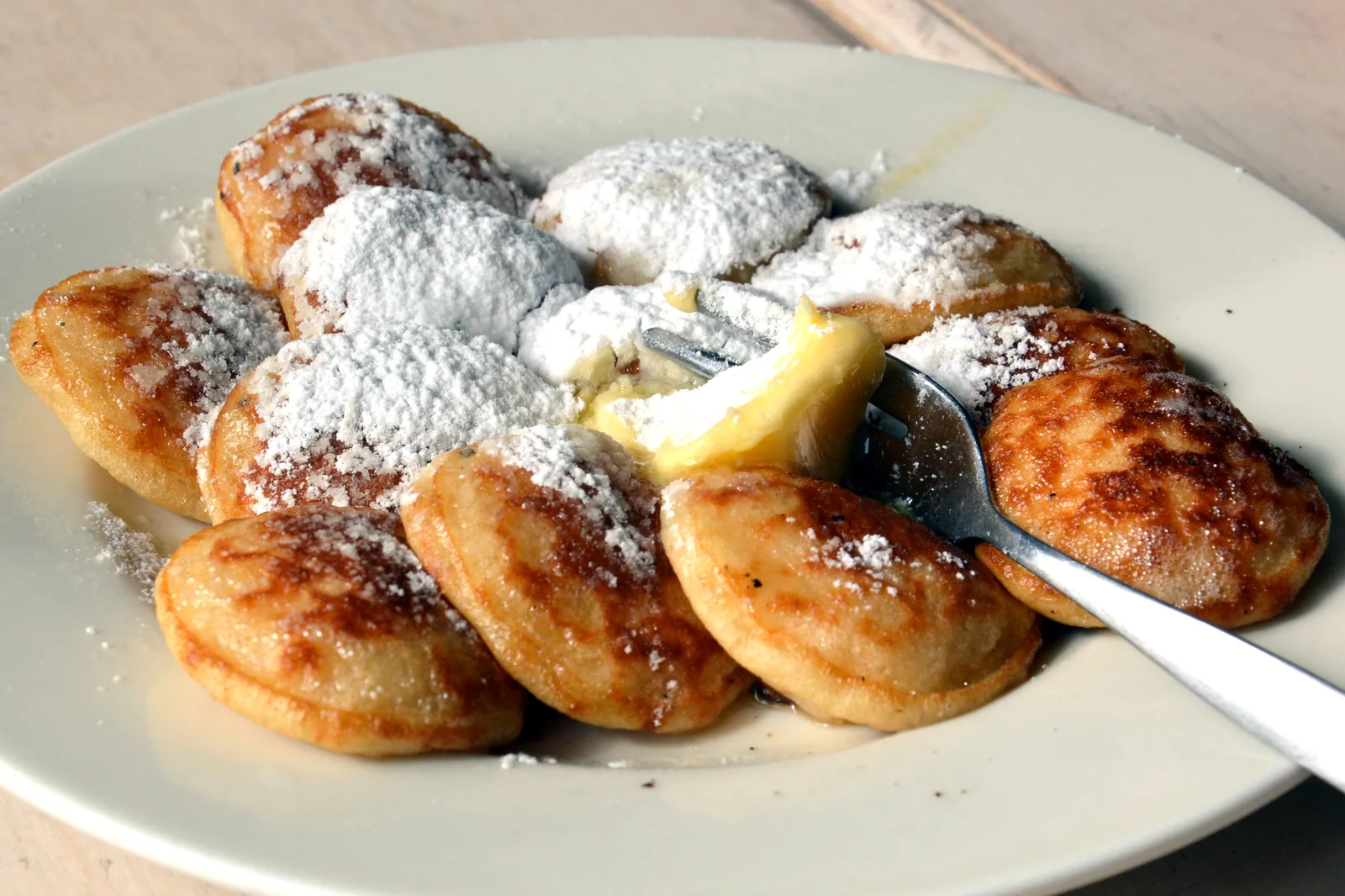
A plate of golden poffertjes dusted with powdered sugar, with melting butter and a fork. Netherlands flag Netherlands 1h 15m
Breakfast •Dutch Market Day Classic

Poffertjes

Poffertjes are the Netherlands' most beloved sweet snack: dozens of tiny, puffy yeast pancakes cooked in a dimpled pan, served hot with melting butter and a snowfall of powdered sugar. One serving is about 195 g, roughly 20 little pancakes.

Sweet Morning Treat

Tiny yeast-raised pancakes, golden outside and soft inside, served with butter and powdered sugar.

Pairs Well With
Serve hot with butter and powdered sugar, and a cup of coffee or hot chocolate.

The Dinner Gazette

Never wonder what’s for dinner again

One email a week with easy dinner ideas from around the world — ingredients, steps and nutrition, tested in our kitchen first.

Delivered every Thursday morning. Unsubscribe anytime.