Curated recipes from 193 countries  •  New seasonal Mediterranean issue out now

Overview

Hachee

Dutch Beef and Onion Stew; Hachée; Dutch Hachee

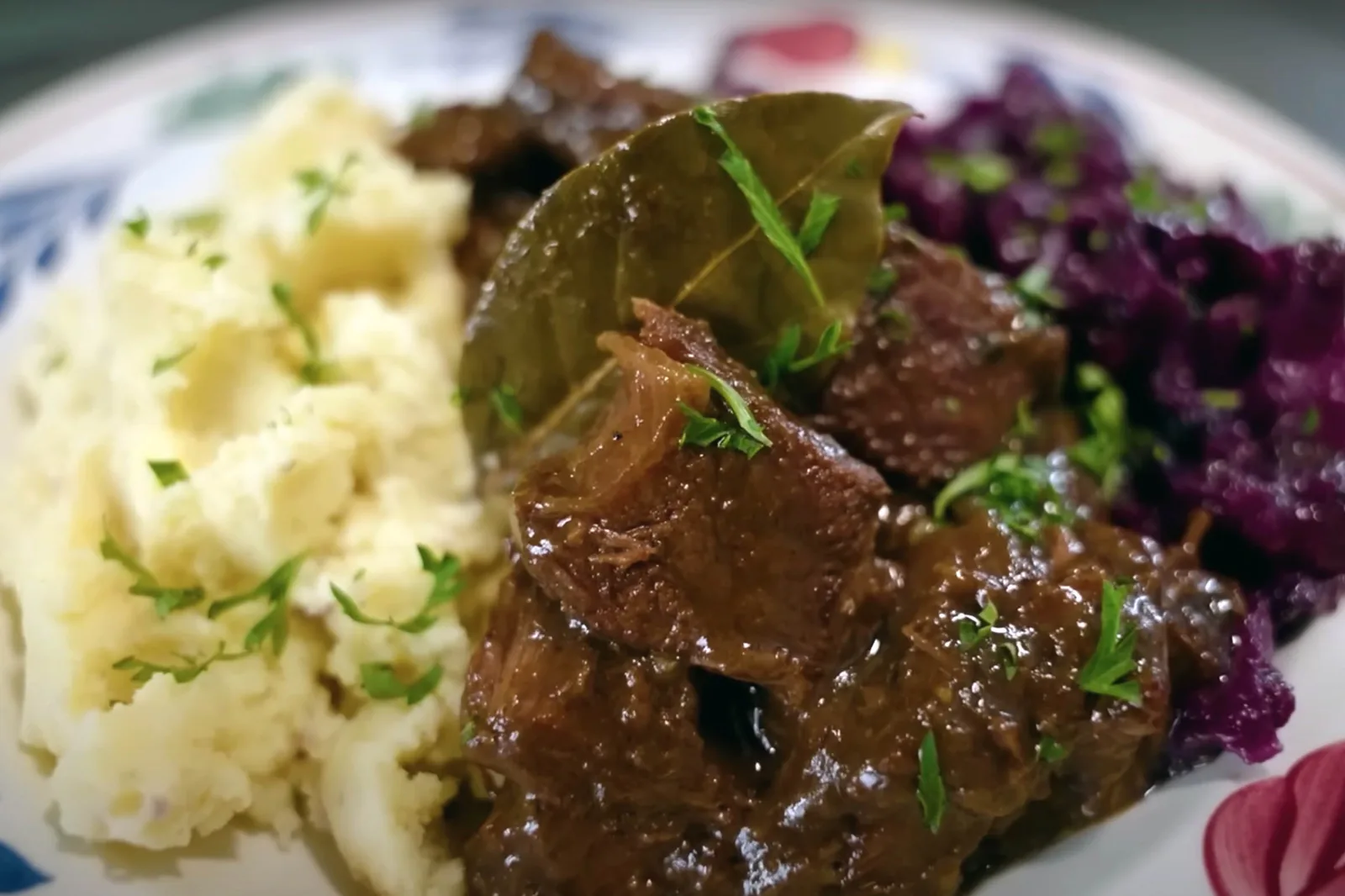
Hachee is the Netherlands' beloved beef-and-onion stew: beef chuck slow-braised for three hours with as many onions as beef, bay, clove and juniper, then thickened and sweetened with apple butter and a slice of spiced gingerbread. One serving is about 375 g, before the mashed potatoes and red cabbage it is traditionally served with.

Hachee has been cooked in the Netherlands since the Middle Ages, when it was a way to use up leftover cooked meat with whatever vegetables were at hand — the name comes from the French 'hacher', to chop. Over time it settled into its classic form: beef and an equal weight of onions, braised with vinegar, bay and clove, and thickened with apple butter and ontbijtkoek. The Dutch even mark National Hachee Day on 15 November, when the stew appears on tables across the country.

Pairs well with: Serve hot with creamy mashed potatoes and braised red cabbage with apple.

Provenance

Netherlands flag Netherlands

Dutch Winter Classic

Nordic & European

Time Dedication

3h 25m

25m prep • 180m cook

Batch Yield

4 Servings

592 kcal per serving

1 serving ≈ 375 g

Technical Skill

Intermediate

Easy (Slow Braise)

Meal Timing & Digestive Fit

Breakfast

Not Advised

Lunch

Hearty Midday Main

Dinner

Ideal Hearty Main

Snack & Tea

Inappropriate

Occasions: Winter dinner, Sunday family meal, Dutch National Hachee Day (15 November), cold-weather supper Cost: Medium — about $5–6 per serving at home
A plate of hachee — glossy braised beef in dark gravy with a bay leaf — beside mashed potatoes and red cabbage.

Dutch Winter Classic

Photo: Flanamsterdam, CC0, via Wikimedia Commons

The Heritage Formulary

Measured Ingredients

Estimated cost: Medium — about $5–6 per serving at home (USD)

The beef is browned in batches and the stew is kept at the barest simmer, never a rolling boil.

Execution Methodology & Culinary Technique

Step-by-Step Cooking Guide

Active 3h 25m
P

Prep Stage: Beef Cubed, Onions Sliced

25 Mins • Knife Work

Cut the beef into 4 cm cubes, pat them very dry, and toss with the flour, salt and pepper. Slice the onions into thin half-rings, crumble the gingerbread, and measure the stock, vinegar and apple butter so everything is within reach — the braise itself is mostly hands-off.

Maestro Tip: Dry beef browns; wet beef steams. Pat the cubes dry with paper towel before they touch the pan.

  1. 1

    Brown the Beef in Batches

    15 Mins • Hands On Medium-high heat, pan about 190°C (375°F)

    Heat half the butter in a heavy Dutch oven over medium-high heat. Brown the floured beef cubes in two or three batches, 2–3 minutes a side, until dark brown all over. Lift each batch out to a plate. The beef does not need to be cooked through yet — it will braise for hours.

    Crowding the pan is the most common mistake — the meat steams and goes grey instead of brown.

    Done when: Beef is dark brown outside, and the pot has browned bits on the bottom.

  2. 2

    Soften the Onions Until Sweet

    12 Mins • Hands On Medium heat, about 160°C (320°F)

    Lower the heat, add the rest of the butter and the sliced onions, and cook for 10–12 minutes, stirring often, until the onions are soft, sweet and golden at the edges. They should shrink to about half their volume.

    Take your time here — well-softened onions are what thicken the sauce later.

    Done when: Onions are soft, sweet and golden, with no raw bite left.

  3. 3

    Add Stock and Spices, Then Braise

    120 Mins • Mostly Hands Off Low heat, lazy simmer about 95°C (203°F)

    Return the beef and its juices to the pot. Add 2 tablespoons of the vinegar, the bay leaves, cloves, juniper and peppercorns, then pour in the stock. Bring to the barest simmer, cover with the lid slightly ajar, and cook for 2 hours, stirring every half hour.

    A rolling boil toughens the meat — the surface should barely tremble.

    Done when: Sauce is gently bubbling, beef is starting to soften, and the kitchen smells of clove and bay.

  4. 4

    Thicken With Apple Butter and Gingerbread

    60 Mins • Mostly Hands Off Low heat, gentle simmer about 95°C (203°F)

    Stir in the apple butter and the crumbled gingerbread. Simmer, uncovered, for 45–60 minutes more, stirring now and then, until the beef falls apart at the touch of a fork and the sauce is thick enough to coat a spoon. The beef must be hot all the way through.

    If the sauce is still thin after an hour, leave the lid off and let it reduce a little longer.

    Done when: Beef shreds easily with a fork and the sauce is thick, dark and glossy.

  5. 5

    Finish With Vinegar and Rest

    10 Mins • Hands Off Off the heat, resting, about 85°C (185°F)

    Take the pot off the heat and stir in the last tablespoon of vinegar. Remove the bay leaves, taste, and adjust the salt — the sauce should be rich, a little sweet and a little sharp all at once. Rest 10 minutes before serving.

    That final splash of vinegar is the secret: it lifts the whole stew the way lemon lifts a sauce.

    Done when: Sauce tastes balanced — sweet, sour and savoury — and the beef is tender and hot through.

Finishing Touches & Plating

Rest the hachee for 10 minutes off the heat, remove the bay leaves, and check the seasoning — a final splash of vinegar at the end is what wakes the sauce up.

Nutritional Physiology & Benefits

Nutrition

Energy

592

kcal / serving

Protein

43g

Complete AA

Carbs

32g

Complex

Fats

32g

Healthy

Per serving (4 servings · 1 serving ≈ 375 g)
Energy592 kcal
Protein43 g
Carbohydrates32 g
Fat32 g
Fibre3.1 g
Sugar15.5 g
Sodium573 mg
Per 100g
Energy158 kcal
Protein11.3 g
Carbohydrates8.5 g
Fat8.5 g
Fibre0.8 g
Sugar4.1 g
Sodium153 mg

Nutrition values are estimated — calculated from USDA FoodData Central values for the listed ingredients.

Vitamins & minerals: Iron and zinc (beef), vitamin B12 and niacin (beef), vitamin C and potassium (onions and red cabbage).

High in Protein

About 43 g of protein per serving makes this a genuinely filling main course that keeps you full for hours.

Iron-Rich Comfort Food

Beef is one of the richest food sources of iron, and the vitamin C in the onions and red cabbage helps the body absorb it.

Onions Do the Work

A full 600 g of onions — as much as the beef — melt into the sauce, so the stew gets its sweetness and body from vegetables, not extra sugar.

Food Pairings

What to Eat With

To optimize nutrient absorption and elevate the sensory depth, pair with these authentic accompaniments:

Sides

Creamy Mashed Potatoes

Soft, buttery mash soaks up the dark gravy — the classic Dutch pairing, and the reason hachee is served with a spoon as well as a fork.

Buttered Brown Bread

A slice of buttered brown bread mops up the last of the gravy and turns the stew into a complete, filling meal.

Vegetables

Braised Red Cabbage With Apple

Sweet-sour red cabbage with apple cuts through the richness of the beef and echoes the vinegar in the sauce.

Drinks

Cold Milk or Hot Tea

A glass of milk or a cup of tea is the traditional Dutch table drink with this old-fashioned stew — it tames the vinegar and the spice.

Complete menu

Start with a simple green salad, serve hachee with mashed potatoes and braised red cabbage as the main course, and finish with a light fruit dessert.

Digestive Guardrails

What NOT to Combine

To prevent digestive distress, sluggishness, or palate clash, avoid pairing the dish with these elements:

Undercooked Beef

Beef must be cooked until tender and hot all the way through; undercooked beef can carry harmful bacteria. Simmer until the meat falls apart easily. This is general food-safety information, not medical advice.

Vinegar and Rich Sauce

The sauce contains vinegar and is rich in beef and butter — anyone avoiding acidic foods or saturated fat for medical reasons should keep the portion modest and ask their clinician. This is general food information, not medical advice.

General information only, not medical advice — consult a doctor for personal dietary decisions.

Who Should Eat It

Who Should Eat

  • General adultsA hearty, warming dinner — best as an occasional winter main course rather than a daily meal.
  • ChildrenTender beef in a mild, slightly sweet sauce suits children; serve with mash and keep the vinegar mild.
  • ElderlySoft, slow-braised beef is easy to chew and high in protein and iron; serve a modest portion with mash and red cabbage.
  • Pregnant womenA good source of iron and protein; make sure the beef is cooked right through and the alcohol in the vinegar is fully cooked down.
  • Breastfeeding womenHigh in protein and iron, which support recovery after birth; balance the rich stew with red cabbage and potatoes.
  • AthletesAbout 43 g of protein per serving makes it a strong recovery dinner, especially with potatoes for carbohydrate.
  • Weight gainEnergy-dense from beef, butter and gingerbread, so it suits a weight-gain goal as a tasty way to add calories and protein.
  • Weight lossRich and calorie-dense with little fibre, so keep the portion small, load the plate with red cabbage, and skip a second helping of mash.

Health Conditions — Adjust or Avoid

Conditions

  • DiabetesAbout 32 g of carbohydrate per serving, mostly from onion, apple butter and gingerbread — the mashed potatoes on the side add more. Ask your clinician.
  • High blood pressureSodium is about 573 mg per serving; keep the added salt light and ask your clinician about portion size.
  • Kidney diseaseProtein is high and potassium moderate; people with kidney disease should ask their clinician about portion size.
  • GoutBeef is moderate in purines; a large portion can add to uric acid, so keep it modest and ask your clinician.
  • Stomach issuesVinegar and onions can trigger reflux in sensitive stomachs — eat a small portion and ask your clinician if symptoms persist.
  • Cardiovascular diseaseBeef and butter make this high in saturated fat; an occasional small portion is the sensible approach — ask your clinician.
  • Fatty liverRich in saturated fat and calories, which can add to liver fat if eaten often — keep it an occasional treat and ask your clinician.
  • Food allergiesContains milk (butter), wheat (flour and gingerbread) and sulphites from the vinegar. Check labels if any of these are a concern.
  • Special therapeutic dietsThis is a general-information recipe, not a therapeutic diet. Anyone on a prescribed diet should ask their clinician or dietitian before making it a regular meal.

If you have a medical condition, consult your doctor before changing your diet.

Storage & Use

Storage & Use

How to store
Cool quickly and store in a sealed container; keep the mash and red cabbage separate.
In the fridge
Keeps 3 days refrigerated.
In the freezer
Freezes well for up to 3 months in a sealed container; thaw overnight in the fridge.
How to reheat
Warm gently in a saucepan over low heat to 74°C (165°F), adding a splash of stock if the sauce is too thick.
Freezing recommended
Yes — hachee is one of the best freezing stews.
Signs it has spoiled
Sour smell, slimy surface, or mould — discard if any of these appear.

More recipes to explore

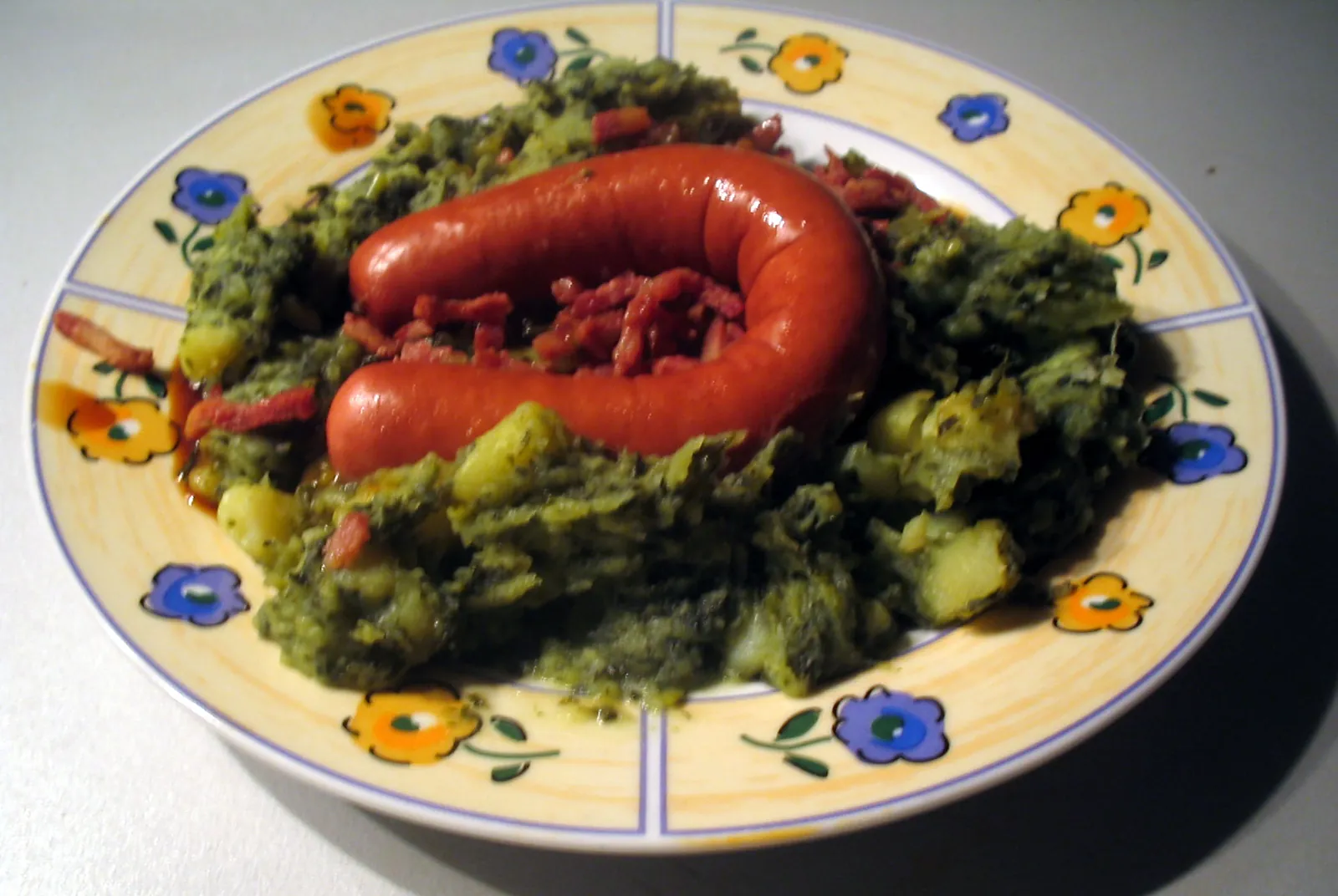
A plate of green boerenkool stamppot with a smoked sausage and bacon bits Netherlands flag Netherlands 45m
Dinner •Dutch Heritage

Stamppot

This stamppot recipe boils floury potatoes with curly kale, mashes them with butter and warm milk into a soft, green-flecked mash, and serves it with a smoked rookworst sausage, crisp bacon bits and mustard. One serving is about 480 g.

Comfort & Warmth

Floury potatoes mashed with kale, butter and milk, served with smoked sausage and bacon.

Pairs Well With
Smoked sausage, bacon bits & mustard
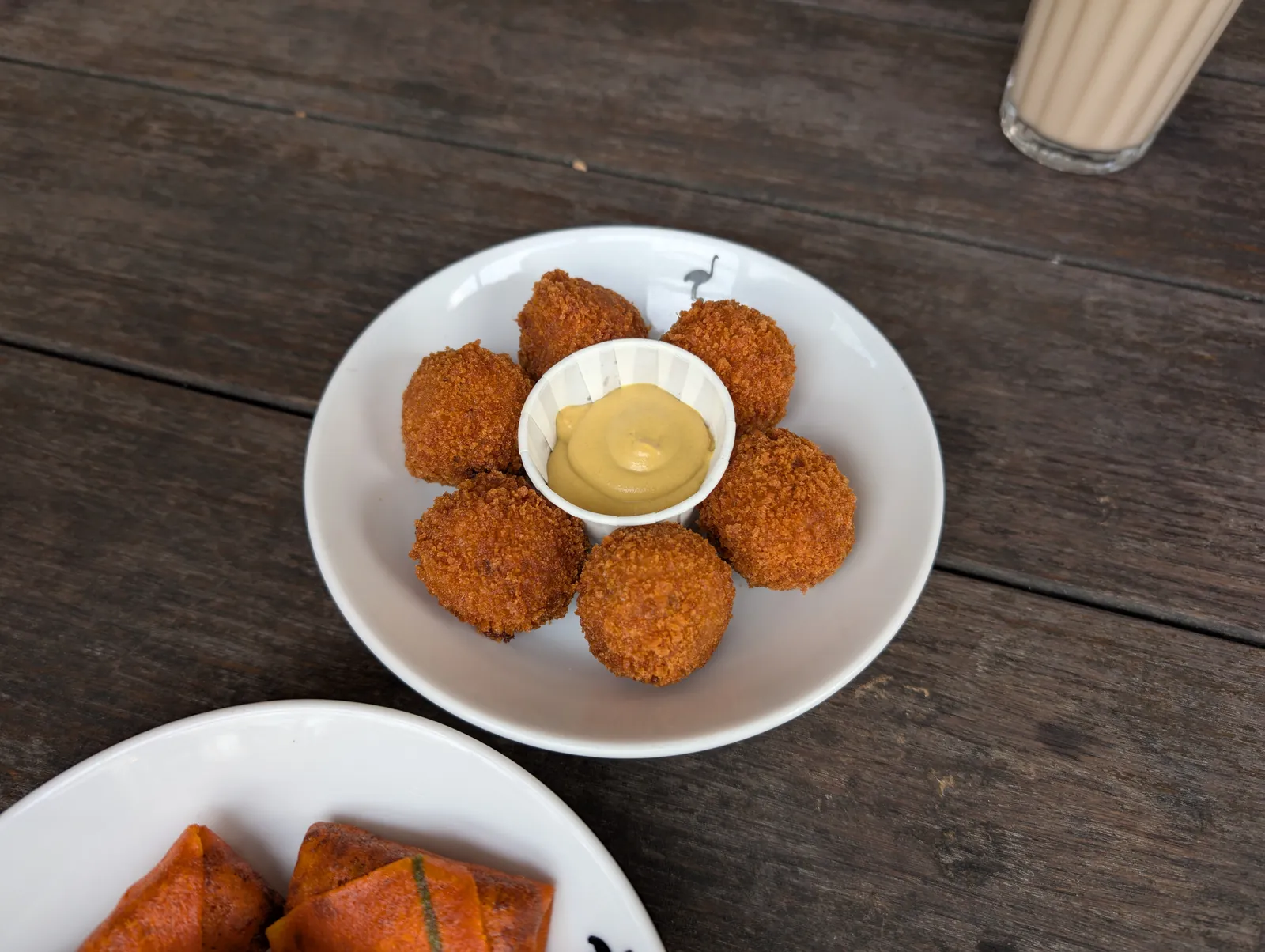
Six golden bitterballen with a small pot of mustard on a white plate Netherlands flag Netherlands 55m
Snack & Tea •Dutch Heritage

Bitterballen

This bitterballen recipe cooks beef slowly in stock until tender, binds it into a thick, creamy ragout with butter and flour, chills it firm, then rolls it into balls, crumbs them and fries them until the outside shatters and the inside turns molten. One serving is about 300 g, six bitterballen with mustard.

Comfort & Warmth

Crisp deep-fried balls of creamy beef ragout, served hot with mustard.

Pairs Well With
Dijon mustard & a cold beer
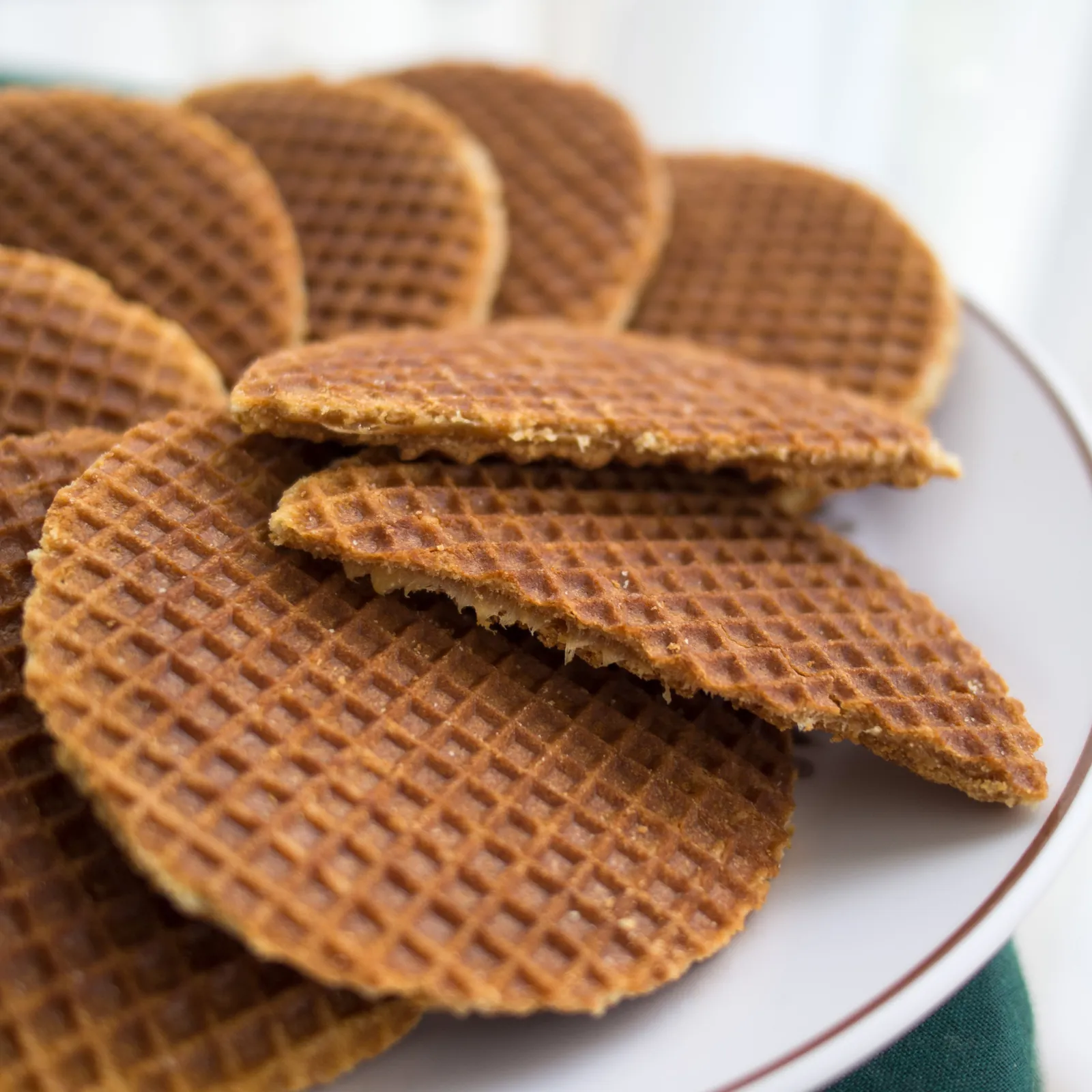
A plate of round golden stroopwafels showing their waffle pattern and syrup layer Netherlands flag Netherlands 1h
Snack & Tea •Dutch Heritage

Stroopwafels

This stroopwafels recipe bakes thin waffles in a hot iron, splits each one while it is still warm, and spreads it with a buttery caramel syrup spiced with cinnamon. The syrup softens the waffle just enough to make it chewy at the edges and crisp in the middle. One serving is about 155 g, three stroopwafels.

Comfort & Warmth

Thin, crisp waffle rounds split and filled with warm caramel syrup.

Pairs Well With
Coffee, tea & a glass of milk
A plate of golden poffertjes dusted with powdered sugar, with melting butter and a fork. Netherlands flag Netherlands 1h 15m
Breakfast •Dutch Market Day Classic

Poffertjes

Poffertjes are the Netherlands' most beloved sweet snack: dozens of tiny, puffy yeast pancakes cooked in a dimpled pan, served hot with melting butter and a snowfall of powdered sugar. One serving is about 195 g, roughly 20 little pancakes.

Sweet Morning Treat

Tiny yeast-raised pancakes, golden outside and soft inside, served with butter and powdered sugar.

Pairs Well With
Serve hot with butter and powdered sugar, and a cup of coffee or hot chocolate.

The Dinner Gazette

Never wonder what’s for dinner again

One email a week with easy dinner ideas from around the world — ingredients, steps and nutrition, tested in our kitchen first.

Delivered every Thursday morning. Unsubscribe anytime.