Curated recipes from 193 countries  •  New seasonal Mediterranean issue out now

Overview

Marshallese Coconut Fish

Fish in Coconut Milk, Marshall Islands

This marshallese coconut fish recipe simmers whole tilapia in creamy coconut milk with onion, tomato, ginger and a single green chilli, the way Marshallese home cooks have long cooked the day's catch. The sauce stays pale and mild rather than spiced, so the sweetness of the fish and the coconut comes through in every spoonful. Serve it with steamed rice to soak up the sauce. One serving is about 438 g.

The Marshall Islands are a nation of low coral atolls in the middle of the Pacific, where the lagoon is never far from the table and almost every family meal starts with the day's catch. Fish and coconut — ni in Marshallese — are the two foods that shape the islands' cooking: the coconut gives milk, cream, oil and flesh, and the fish, often a whole reef fish like tilapia or snapper, is simmered gently in that milk with onion, tomato and ginger. This marshallese coconut fish recipe is not a restaurant dish with a famous inventor; it is everyday home cooking, the kind of one-pot meal that has fed Marshallese families for generations and still does.

Pairs well with: Steamed rice and fresh coconut water, with lime wedges on the side

Provenance

Marshall Islands flag Marshall Islands

Marshall Islands Home Cooking

Oceania & Pacific

Time Dedication

45m

15m prep • 30m cook

Batch Yield

4 Servings

483 kcal per serving

1 serving ≈ 438 g

Technical Skill

Easy

Easy (One Pot)

Meal Timing & Digestive Fit

Breakfast

Not Advised

Lunch

Hearty Midday Main

Dinner

Ideal Hearty Main

Snack & Tea

Inappropriate

High Protein Occasions: Family dinners, weeknight meals, island-themed gatherings, summer dinners Cost: Low — about $3–4 per serving at home
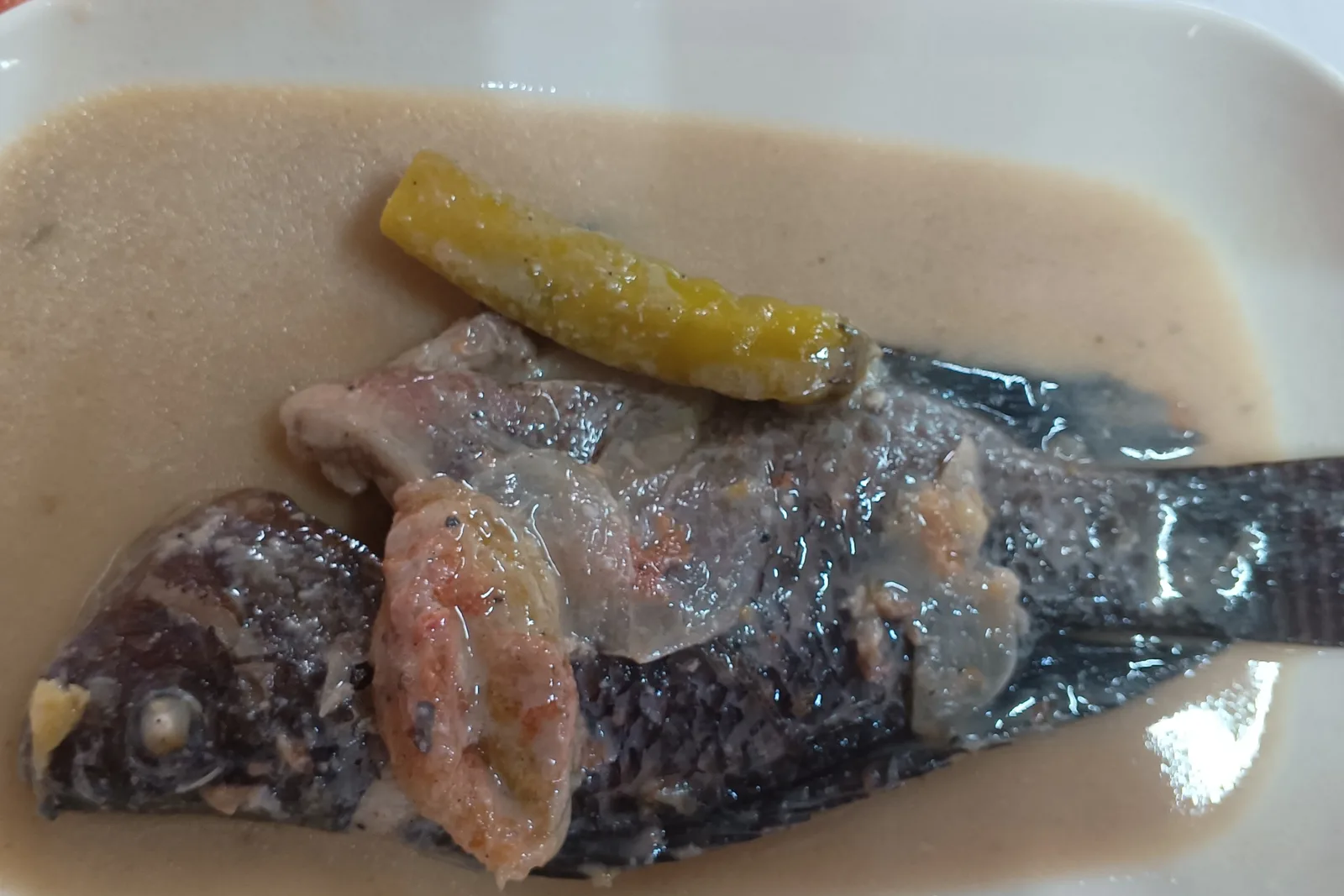
A whole tilapia braised in creamy coconut milk with tomato and a green chilli, served on a white plate

Marshall Islands Home Cooking

Photo: GerryYabes, CC BY-SA 4.0, via Wikimedia Commons

The Heritage Formulary

Measured Ingredients

Estimated cost: Low — about $3–4 per serving at home (USD)

A good Marshallese coconut fish is judged by the sauce: pale, creamy and mild, coating the fish rather than drowning it, with the flesh flaking cleanly off the bone.

Execution Methodology & Culinary Technique

Step-by-Step Cooking Guide

Active 45m
P

Prep Stage: Fish, Coconut Milk & Aromatics

15 Mins • Knife Work

Rinse and pat the tilapia dry, then score 3 shallow cuts on each side and season with half the salt and the pepper. Slice the onion, chop the tomatoes, slice the ginger and garlic, and slit the chilli. Shake the coconut milk can well and whisk it smooth, squeeze the lime, and slice the spring onions — everything should be ready before the pan goes on the heat, because once the fish is in the sauce you should not leave it.

Maestro Tip: Score the fish no deeper than 5 mm: deep enough for the sauce to reach the flesh, shallow enough that the fish holds together in the pot.

  1. 1

    Score and Season the Fish

    10 Mins Room temperature, 20°C (68°F)

    Rinse the tilapia under cold water and pat them completely dry, inside and out — a dry surface takes the seasoning and holds together better in the sauce. Cut 3 shallow diagonal slashes, about 5 mm deep, into each side of every fish, then rub in half the salt and the black pepper, working a little into the cuts and the cavity.

    Dry the fish well: wet skin steams instead of braising, and the sauce turns cloudy.

    Done when: Fish are dry to the touch, evenly scored, and seasoned on both sides.

  2. 2

    Soften the Aromatics

    5 Mins Medium heat, about 175°C (350°F)

    Warm the oil in a wide, deep pan or pot that fits all 4 fish in a single layer — a 30 cm pan is about right. Add the onion, ginger and garlic and cook, stirring, for 4–5 minutes until the onion is soft and translucent and the garlic smells sweet. Do not let the garlic brown: browned garlic turns the pale sauce bitter.

    If the onion starts to colour, turn the heat down and add a splash of the water.

    Done when: Onion is soft and glassy; the pan smells warm and fragrant, with no browning.

  3. 3

    Build the Coconut Sauce

    5 Mins Gentle simmer, 90°C (194°F)

    Stir in the chopped tomatoes and cook for 2 minutes until they start to soften and release their juices. Pour in the whisked coconut milk and the water, add the remaining salt and the whole chilli, and bring the sauce to a gentle simmer — small bubbles breaking lazily at the edges, never a rolling boil, which can split the coconut milk.

    Keep the heat low from here on: coconut milk curdles and turns oily if it boils hard.

    Done when: The sauce is pale, creamy and just simmering, with the tomato softening into it.

  4. 4

    Braise the Fish

    15 Mins Gentle simmer, 90°C (194°F)

    Lay the tilapia into the sauce in a single layer and spoon sauce over the top of each fish. Cover with a lid, keep the heat low, and simmer for 12–15 minutes, spooning sauce over the fish once halfway through. The fish is done when the flesh flakes easily with a fork at the thickest part and reads 63°C (145°F) on a thermometer — do not cook it longer, or it will fall apart in the sauce.

    Do not turn the fish: whole fish break easily. Spooning sauce over the top cooks the upper side gently.

    Done when: Flesh flakes easily at the thickest part and the centre reads 63°C (145°F); the sauce has thickened slightly.

  5. 5

    Rest and Finish

    5 Mins Off the heat, cooling to about 60°C (140°F)

    Take the pan off the heat and rest the fish in the sauce for 5 minutes so the flesh firms up a little and soaks up flavour. Lift the fish out carefully with two wide spatulas, one under the head and one under the tail. Stir the lime juice into the sauce, taste and add the last of the salt if needed, then spoon the sauce over the fish and scatter the spring onions on top.

    The lime juice goes in off the heat so its fresh, bright flavour stays in the sauce instead of cooking away.

    Done when: The fish holds its shape on the plate, the sauce is creamy and tangy, and the spring onions are bright green.

Finishing Touches & Plating

Taste the sauce before you serve it: this marshallese coconut fish recipe should be creamy first, with a gentle warmth from the ginger and chilli and a bright lift from the lime. Serve each person one whole fish with plenty of sauce spooned over the top, and put the rice on the table so everyone can help themselves.
Nutritional Physiology & Benefits

Nutrition

Energy

483

kcal / serving

Protein

49g

Complete AA

Carbs

12g

Complex

Fats

29g

Healthy

Per serving (4 servings · 1 serving ≈ 438 g)
Energy483 kcal
Protein49 g
Carbohydrates12 g
Fat29 g
Fibre4.0 g
Sugar7.4 g
Sodium620 mg
Per 100g
Energy110 kcal
Protein11.1 g
Carbohydrates2.6 g
Fat6.6 g
Fibre0.9 g
Sugar1.7 g
Sodium142 mg

Nutrition values are estimated — calculated from USDA FoodData Central values for the listed ingredients.

Vitamins & minerals: Vitamin B12 and selenium (tilapia), vitamin C (tomato, lime, chilli), potassium (coconut milk, tomato), vitamin D (tilapia).

Lean Protein, Generous Portion

Each serving carries about 48.6 g of protein for 483 kcal, mostly from the tilapia — a filling dinner that keeps you satisfied without feeling heavy.

Mild and Gentle

With one whole chilli and no curry spices, the dish is mild by design: creamy coconut, sweet tomato and fresh ginger, so it suits people who do not like hot food.

Everyday Minerals

Tilapia brings selenium and vitamin B12, coconut milk and tomato bring potassium, and tomato, lime and chilli bring vitamin C — everyday nutrients from whole foods, with nothing added.

Food Pairings

What to Eat With

To optimize nutrient absorption and elevate the sensory depth, pair with these authentic accompaniments:

Sides

Steamed Rice

The classic partner: plain steamed rice soaks up the creamy coconut sauce, which is the best part of the dish, and turns one fish into a full, satisfying dinner.

Vegetables

Cucumber and Lime Salad

Cool, crunchy cucumber with a squeeze of lime cuts through the richness of the coconut milk and refreshes the palate between bites of fish.

Drinks

Fresh Coconut Water

Cold coconut water matches the dish's island flavour and replaces fluid without adding sweetness or heaviness to a rich meal.

Full Menus

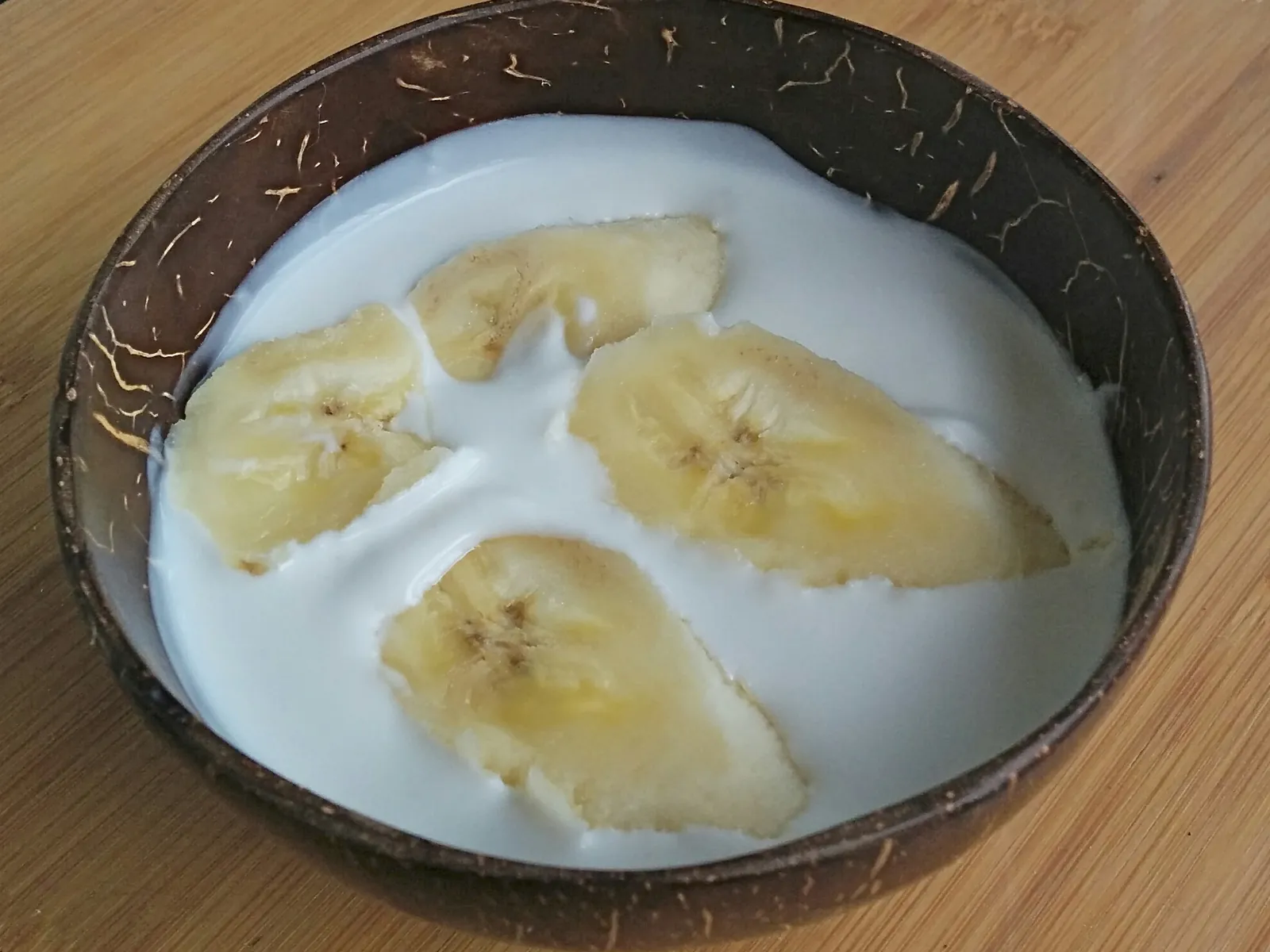
Banana in Coconut Milk for Dessert

Finish the meal the Marshallese way, with bananas simmered in coconut milk: it echoes the main course's gentle sweetness and uses the same pantry, so the whole dinner feels like one story.

Complete menu

Start with a cucumber and lime salad, serve the coconut fish with steamed rice and plenty of sauce, and finish with banana in coconut milk and fresh coconut water — a complete Marshallese dinner.

Digestive Guardrails

What NOT to Combine

To prevent digestive distress, sluggishness, or palate clash, avoid pairing the dish with these elements:

Very Salty Sides

The sauce already carries about 620 mg of sodium per serving, mostly from the added salt. Piling on soy sauce, salted dried fish or other very salty sides can push the meal's sodium far higher than intended, so keep salty extras small. This is general information, not medical advice.

Heavy Creamy Desserts Right After

Coconut milk is rich in saturated fat, so a second rich, creamy course straight after this braise can leave the meal feeling heavy and slow to digest. Fresh fruit is a lighter finish. This is general information, not medical advice.

General information only, not medical advice — consult a doctor for personal dietary decisions.

Who Should Eat It

Who Should Eat

  • General adultsAn excellent everyday dinner: high in protein, mild in flavour, and ready in 45 minutes with one pot to wash up.
  • ChildrenA good family fish dish — mild and creamy — but serve children the filleted flesh only, and check carefully for small bones, which whole fish always carry. Leave the chilli out for young children.
  • ElderlySoft, easy-to-eat fish in a gentle sauce, but serve the flesh off the bone and check for small bones first, as whole fish always carry some.
  • Pregnant womenGenerally suitable: the fish is cooked through to 63°C (145°F) and tilapia is a low-mercury fish. Eat it freshly cooked and hot; ask your clinician if you are unsure about fish in pregnancy.
  • Breastfeeding womenGenerally fine — the protein, selenium and vitamin B12 are valuable while breastfeeding. Keep to one serving and eat it freshly cooked.
  • AthletesA strong recovery dinner: about 48.6 g of protein per serving. Pair it with a generous portion of rice for the energy to match the protein after training.
  • Weight gainA good choice as part of a bigger meal — the coconut sauce is energy-dense, so add extra rice and a second helping of sauce to raise the calories.
  • Weight lossWorkable at 483 kcal with high protein, but the coconut milk is the calorie driver: keep to one serving, load the plate with the cucumber salad, and go easy on second helpings of sauce.

Health Conditions — Adjust or Avoid

Conditions

  • DiabetesLow in carbs (about 11.5 g per serving) and high in protein, so it has little effect on blood sugar. Watch the rice portion, not the fish itself; ask your clinician if you are unsure.
  • High blood pressureModerate in sodium (about 620 mg per serving, mostly from the added salt). Use a little less salt and skip extra salty sides; ask your clinician about your sodium target.
  • Kidney diseaseHigh in protein and potassium, which some kidney diets limit — keep the portion small and ask your clinician before making it a regular meal.
  • GoutFish is a source of purines, so eat this dish occasionally and in modest portions if you have gout; ask your clinician about your personal limit.
  • Stomach issuesThe dish is mild, but the richness of coconut milk can feel heavy on a sensitive stomach — eat a smaller portion and skip the chilli if yours is unsettled. Ask your clinician if symptoms persist.
  • Cardiovascular diseaseTilapia is lean and low in saturated fat, but coconut milk is rich in saturated fat — keep to the stated 400 ml for four servings and balance the meal with vegetables. Ask your clinician about your fat intake.
  • Fatty liverHigh in protein, which suits most fatty-liver eating patterns, but the saturated fat in coconut milk means portions matter; ask your clinician for guidance.
  • Food allergiesContains fish (tilapia) and coconut (a tree nut for labelling purposes in some countries). Naturally gluten-free. Check the coconut milk label if you have other allergies.
  • Special therapeutic dietsIf you follow a prescribed low-sodium, low-purine or low-saturated-fat diet, adjust the salt and coconut milk and check with your clinician first.

If you have a medical condition, consult your doctor before changing your diet.

Storage & Use

Storage & Use

How to store
Cool the fish and sauce quickly and store them together in a covered container in the fridge; keep the spring onions separate.
In the fridge
Up to 2 days at 4°C (39°F) or below.
In the freezer
Up to 1 month in a sealed container, fish and sauce together; the sauce may separate a little on thawing.
How to reheat
Reheat gently in a covered pan over low heat until steaming hot throughout, reaching 74°C (165°F); do not boil, or the coconut milk will split.
Freezing recommended
Possible, but best eaten fresh — freezing is a backup, not the first choice.
Signs it has spoiled
Sour or off smell, slimy fish, or coconut sauce that has separated and smells sour.

More recipes to explore

Three whole tropical fish grilling over charcoal on a rustic grill Marshall Islands flag Marshall Islands 50m
Dinner •Majuro's Reef Grill

Marshallese Grilled Fish

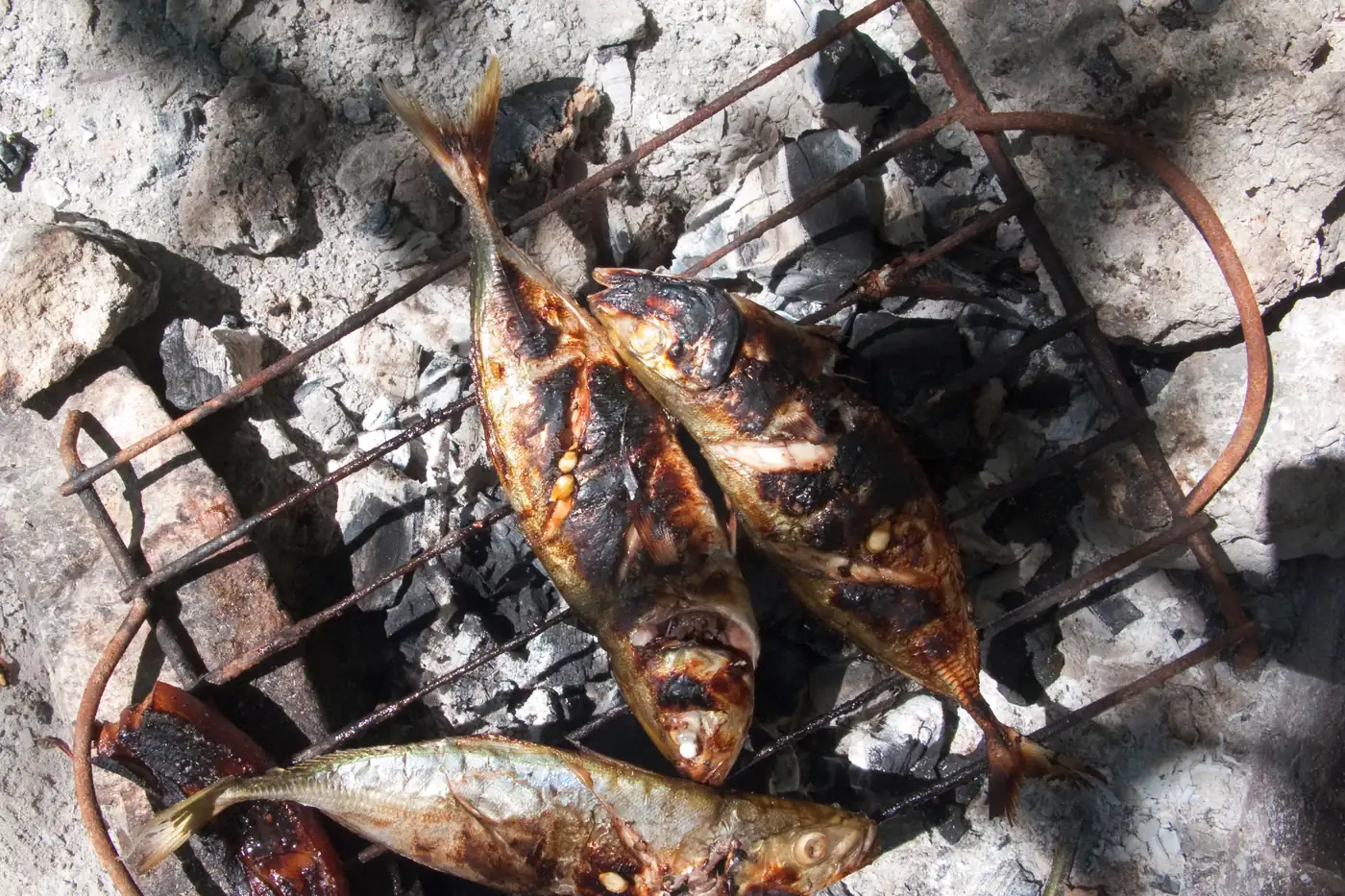
This marshallese grilled fish recipe takes one whole red snapper, scores it, rubs it with lime, garlic and soy sauce, and grills it over coconut-husk coals until the skin crisps and the flesh flakes. It is served with coconut rice and lime wedges, the way it is eaten at home in the Marshall Islands. One serving is about 418 g.

Simple & Smoky

A whole reef fish grilled over coconut-husk coals with lime and soy, served with coconut rice.

Pairs Well With
Coconut rice, lime wedges and grilled pineapple
High Protein
Banana in coconut milk — soft banana pieces in creamy white coconut milk served in a coconut-shell bowl Marshall Islands flag Marshall Islands 25m
Snack & Tea •Marshall Islands Home Dessert

Marshallese Banana in Coconut Milk

This banana in coconut milk recipe simmers ripe but firm bananas in sweetened, lightly salted coconut milk until they turn pale, soft and fragrant, with a splash of vanilla and a sprinkle of toasted sesame seeds. It is the Marshall Islands' simple island dessert: two staple foods, one pot, no fuss. One serving is about 234 g.

Sweet & Comforting

Ripe bananas simmered in sweetened coconut milk with a pinch of salt — a warm, gentle dessert made in one pot.

Pairs Well With
Fresh tropical fruit and unsweetened hot tea
Bœuf bourguignon — French beef braised in red wine France flag France 4h
Dinner •Burgundy Terroir

Bœuf Bourguignon

Beef braised gently in red wine until the connective tissue melts into a velvet, gelatin-rich sauce — the classic Burgundy Sunday dinner.

Cellular Repair

Beef braised in red wine until spoon-tender, with mushrooms and pearl onions.

Pairs Well With
Parsnip Purée & Steamed French Haricots Verts
High Protein
Vietnamese braised pork belly with golden eggs in caramel sauce Vietnam flag Vietnam 1h 45m
Dinner •One Pot

Vietnamese Braised Pork and Eggs

Pork belly slowly braised in coconut water and caramel until meltingly tender, with golden eggs that soak up the sweet-savoury sauce — the Vietnamese family dish that tastes better the next day.

Comfort & Sustained Energy

Slow-braised pork belly and eggs in coconut water and caramel.

Pairs Well With
Steamed rice & pickled mustard greens
High Protein

The Dinner Gazette

Never wonder what’s for dinner again

One email a week with easy dinner ideas from around the world — ingredients, steps and nutrition, tested in our kitchen first.

Delivered every Thursday morning. Unsubscribe anytime.