
Curated recipes from 193 countries  •  New seasonal Mediterranean issue out now

Overview

Nauruan Coconut Rice

Coconut Rice, Nauru Coconut Rice

This nauru coconut rice recipe simmers long-grain rice in creamy coconut milk with just salt and water until every grain is tender, fragrant and lightly rich. It is the plain rice itself, served as a staple beside grilled fish all over Nauru — not the Malaysian nasi lemak plate, which builds a whole meal of sambal, anchovies, peanuts and egg around its coconut rice. One serving is about 213 g.

Nauru is a single raised coral island of about 21 square kilometres in the central Pacific, with almost no farmland — so nearly all food beyond the day's catch arrives by cargo ship, and rice has become the basic staple: fish with rice is the ideal meal. The coconut palm, which grows along the narrow coastal belt, is the base ingredient of traditional Nauruan cooking, and its grated flesh is squeezed into coconut cream used in fish, rice and breadfruit dishes. Coconut rice is the meeting point of those two histories — imported rice cooked the island way, in coconut milk — and it is the plain, everyday accompaniment to grilled fish at family meals.

Pairs well with: Grilled fish or coconut fish, with lime wedges and a crisp cucumber salad

Provenance

Nauru flag Nauru

Nauru Island Staple

Oceania & Pacific

Time Dedication

45m

10m prep • 35m cook

Batch Yield

4 Servings

471 kcal per serving

1 serving ≈ 213 g

Technical Skill

Easy

Easy (One Pot)

Meal Timing & Digestive Fit

Breakfast

Not Advised

Lunch

Hearty Midday Main

Dinner

Ideal Hearty Main

Snack & Tea

Inappropriate

Occasions: Family dinners, barbecues, everyday meals, festive gatherings, potlucks Cost: Low — about $1–2 per serving at home
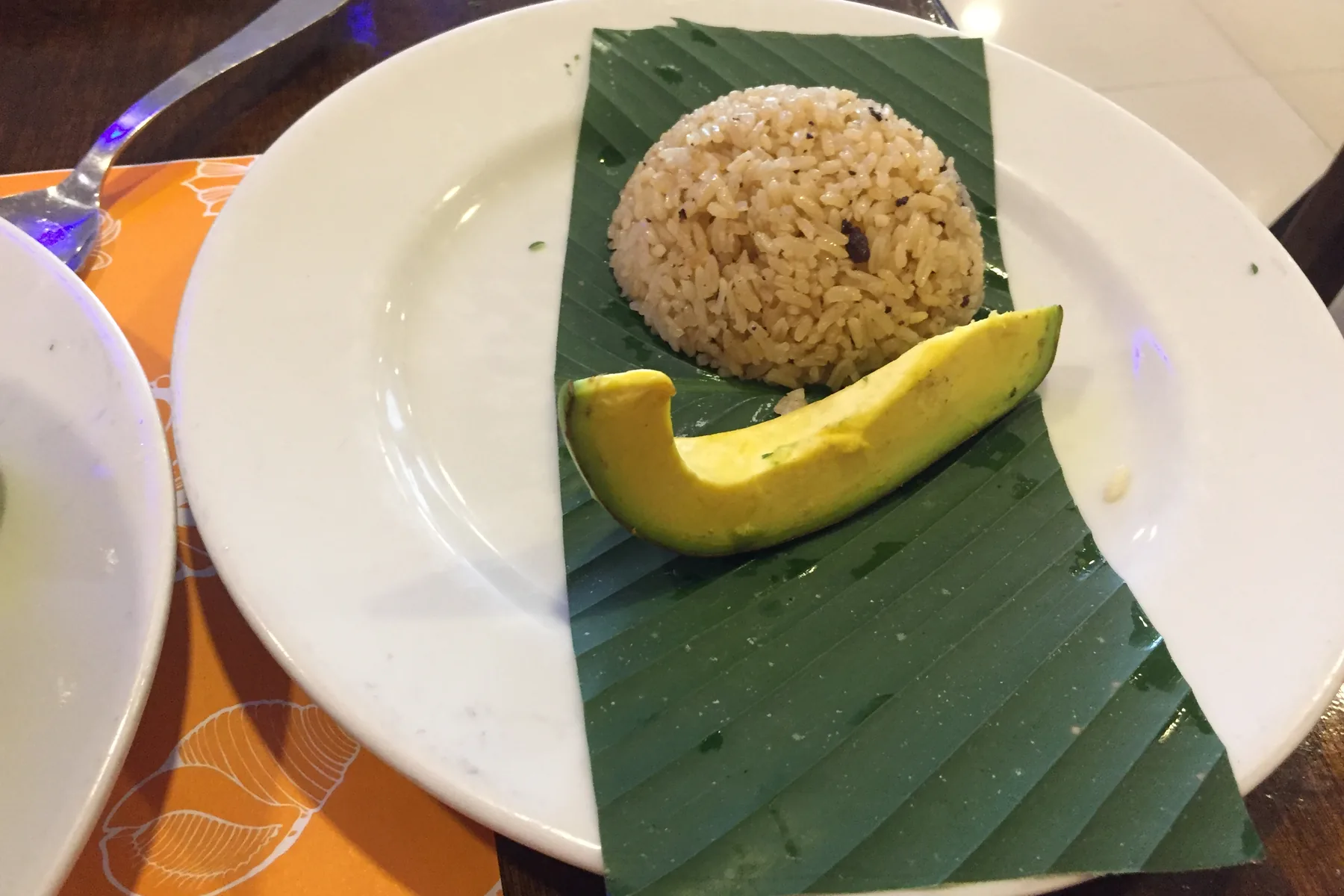
A molded dome of coconut rice served on a banana leaf with a slice of avocado

Nauru Island Staple

Photo: Jdvillalobos, CC BY-SA 4.0, via Wikimedia Commons

The Heritage Formulary

Measured Ingredients

Estimated cost: Low — about $1–2 per serving at home (USD)

A good coconut rice is judged by the grains: separate and tender, glossy with coconut milk, with no liquid left in the pot and no scorched layer on the bottom.

Execution Methodology & Culinary Technique

Step-by-Step Cooking Guide

Active 45m
P

Prep Stage: Rice, Coconut Milk & Salt

10 Mins • Rinse & Measure

Rinse the rice until the water runs mostly clear and drain it well — this keeps the finished rice fluffy instead of sticky. Shake the can of coconut milk and whisk it smooth, measure the water, and set the salt and spring onions beside the pot. Everything goes into one pot, so once the rice is rinsed you are ready to cook.

Maestro Tip: Do not skip the rinse: unrinsed rice releases surface starch into the coconut milk and turns gluey.

  1. 1

    Rinse the Rice

    5 Mins Cold water, about 15°C (59°F)

    Put the rice in a fine sieve and rinse under cold running water, swirling it with your hand, until the water runs mostly clear — about 1 minute. Shake the sieve well and leave the rice to drain for a few minutes while you measure the liquids.

    Rinsing also washes away dust from storage, which matters on a small island where rice arrives by ship and sits in store rooms.

    Done when: The rinse water runs mostly clear and the rice is well drained.

  2. 2

    Combine and Bring to a Boil

    5 Mins High heat, 100°C (212°F)

    Tip the drained rice into a heavy-based saucepan with a tight-fitting lid. Pour in the whisked coconut milk and the water, add half the salt, and stir once to settle the rice in an even layer. Set the pot over high heat and bring it to a steady boil, watching closely — coconut milk boils over fast.

    Use a pot with a heavy base and a lid that fits tightly; thin pots scorch coconut milk on the bottom.

    Done when: The liquid is bubbling steadily across the whole surface.

  3. 3

    Simmer, Covered

    20 Mins Low heat, 95°C (203°F)

    As soon as it boils, turn the heat down to the lowest setting, put the lid on, and leave it alone for 20 minutes. Do not lift the lid and do not stir — the steam trapped inside is what finishes cooking the rice, and every peek lets it escape.

    If your lowest flame is still strong, slide a heat diffuser under the pot or move it to the smallest burner to stop the bottom catching.

    Done when: After 20 minutes the liquid is absorbed and the surface is pitted with small steam holes.

  4. 4

    Rest Off the Heat

    10 Mins Off the heat, stays above 74°C (165°F)

    Take the pot off the heat and leave it, lid still on, for 10 minutes. The rice finishes steaming in its own heat, the grains firm up, and the coconut milk settles evenly through the pot instead of pooling at the bottom.

    This rest is not optional — rice served straight off the boil is wet on top and underdone in the middle.

    Done when: The rice looks dry on top and holds its shape when pressed with a spoon.

  5. 5

    Fluff and Serve

    5 Mins Serve hot, above 60°C (140°F)

    Lift the lid, taste a few grains, and stir in the remaining salt if needed. Fluff the rice gently with a fork, lifting from the bottom so the grains separate without breaking. Spoon into bowls, scatter over the sliced spring onions, and serve hot beside grilled fish.

    Use a fork, not a spoon, to fluff — a spoon presses the grains together and turns the rice sticky.

    Done when: Grains are separate, tender and glossy with coconut milk, with no liquid left in the pot.

Finishing Touches & Plating

Taste before you serve: the rice should be gently salty and clearly coconutty, never bland. If it tastes flat, it needs the last pinch of salt, not more coconut milk.

Nutritional Physiology & Benefits

Nutrition

Energy

471

kcal / serving

Protein

7g

Complete AA

Carbs

63g

Complex

Fats

22g

Healthy

Per serving (4 servings · 1 serving ≈ 213 g)
Energy471 kcal
Protein7 g
Carbohydrates63 g
Fat22 g
Fibre3.2 g
Sugar3.3 g
Sodium404 mg
Per 100g
Energy222 kcal
Protein3.5 g
Carbohydrates29.5 g
Fat10.3 g
Fibre1.5 g
Sugar1.6 g
Sodium190 mg

Nutrition values are estimated — calculated from USDA FoodData Central values for the listed ingredients.

Vitamins & minerals: Vitamin C, thiamin, niacin and folate (coconut milk and enriched rice), iron and magnesium (coconut milk, rice), and potassium (coconut milk).

Steady Energy from Rice

Each serving carries about 63 g of carbohydrate for 471 kcal, so it gives long-lasting energy — the reason rice, not bread, is the everyday staple on Nauru.

Plant-Based and Naturally Gluten-Free

Rice, coconut milk, water and salt are all naturally free of gluten and animal products, so the dish suits vegan, vegetarian and gluten-free tables without any substitutions.

Potassium, Iron and Magnesium

Coconut milk brings potassium, iron and magnesium to the bowl, while enriched rice adds B vitamins — everyday nutrients from two simple whole ingredients.

Food Pairings

What to Eat With

To optimize nutrient absorption and elevate the sensory depth, pair with these authentic accompaniments:

Sides

Grilled Tuna or Coconut Fish

The classic Nauruan plate: the rice's mild richness soaks up the fish's juices, and a squeeze of lime over both cuts through the coconut fat.

Vegetables

Crisp Cucumber and Tomato Salad

Cool, crunchy vegetables give the soft, rich rice something fresh to sit against, and their water and fibre lighten a meal that is otherwise quite filling.

Drinks

Fresh Coconut Water or Lime Iced Tea

A cold, unsweetened drink matches the tropical flavour of the rice and refreshes the palate between bites without adding more richness.

Full Menus

Nauruan Coconut Fish as the Main

Serve this rice as the base of the meal with coconut fish on top: the fish's creamy sauce and the rice's gentle coconut flavour belong together, and the rice makes the fish go further.

Complete menu

Start with this coconut rice as the base of the plate, add grilled tuna or Nauruan coconut fish with lime wedges, and finish the meal with a crisp cucumber and tomato salad and fresh coconut water — a simple, fully Nauruan dinner.

Digestive Guardrails

What NOT to Combine

To prevent digestive distress, sluggishness, or palate clash, avoid pairing the dish with these elements:

Leaving Cooked Rice Out Too Long

Cooked rice can carry Bacillus cereus spores that survive boiling and grow at room temperature, so never leave this rice out for more than 2 hours. Cool leftovers quickly, refrigerate them, and reheat to 74°C (165°F). This is general information, not medical advice.

Piling On Very Salty, Rich Mains

Coconut milk is already rich in saturated fat, so a second heavy, salty main on the same plate can make the meal much heavier than it looks. Balance the rice with grilled fish or vegetables rather than fried or very salty dishes. This is general information, not medical advice.

General information only, not medical advice — consult a doctor for personal dietary decisions.

Who Should Eat It

Who Should Eat

  • General adultsAn easy, filling dinner staple: one pot, no fuss, and about 471 kcal per serving. Pair it with fish and vegetables for a balanced plate.
  • ChildrenA gentle, mild dish children usually enjoy — soft, lightly sweet from the coconut, and free of chilli. Keep portions small for younger children and serve with fish or vegetables.
  • ElderlySoft, easy to chew and easy to digest. Serve it freshly made and hot, and keep portions modest — it is filling and fairly rich from the coconut milk.
  • Pregnant womenGenerally fine when freshly cooked and served hot. Take care with storage: cool and refrigerate leftovers within 2 hours and reheat to 74°C (165°F).
  • Breastfeeding womenA good energy food while breastfeeding — filling and rich in carbohydrate. Balance it with fish or vegetables for protein and variety.
  • AthletesA strong recovery carb: about 63 g of carbohydrate per serving. Add grilled fish or another protein on the side after training, since the rice itself is low in protein.
  • Weight gainA useful choice — energy-dense from the coconut milk and easy to eat in larger portions. Serve a full portion with fish and a starchy vegetable.
  • Weight lossFilling but energy-dense (471 kcal a serving), so keep to one measured portion and fill the rest of the plate with salad or steamed vegetables. Use a little less coconut milk and more water if you make it often.

Health Conditions — Adjust or Avoid

Conditions

  • DiabetesHigh in carbohydrate (about 63 g per serving), so it can raise blood sugar — keep the portion modest, pair it with fish and vegetables rather than eating rice alone, and ask your clinician about your portion size.
  • High blood pressureLow in sodium as written (about 404 mg per serving), but the salt is easy to overdo — measure it, and skip extra salty sauces or sides. Ask your clinician about your sodium target.
  • Kidney diseaseCoconut milk is a source of potassium, which some kidney diets limit — keep the portion small and ask your clinician before making it a regular meal.
  • GoutRice and coconut milk are low in purines, so the rice itself is not a gout trigger. Watch the mains you serve with it — oily fish and meat matter more than the rice. Ask your clinician about your personal limits.
  • Stomach issuesPlain and mild, so it usually sits well on a settled stomach. The fat in coconut milk can feel heavy if your stomach is unsettled — eat a small portion and skip rich toppings. Ask your clinician if symptoms persist.
  • Cardiovascular diseaseCoconut milk is rich in saturated fat, so portions matter — one measured serving with grilled fish and vegetables is a better balance than a large plate of rice alone. Ask your clinician about your fat intake.
  • Fatty liverEnergy-dense from the coconut milk, so keep to one portion and balance the plate with vegetables and lean fish. Ask your clinician for guidance on your eating pattern.
  • Food allergiesContains coconut (a tree nut for labelling purposes in some countries). Naturally gluten-free, dairy-free, egg-free and nut-free apart from the coconut. Check the coconut milk label if you have other allergies.
  • Special therapeutic dietsIf you follow a prescribed low-sodium, low-saturated-fat or carbohydrate-counted diet, adjust the salt and coconut milk and check with your clinician first.

If you have a medical condition, consult your doctor before changing your diet.

Storage & Use

Storage & Use

How to store
Cool leftovers quickly — spread the rice on a tray so it cools fast — then store in a covered container in the fridge.
In the fridge
Up to 2 days at 4°C (39°F) or below.
In the freezer
Up to 3 months in a sealed container; thaw overnight in the fridge.
How to reheat
Reheat until steaming hot all the way through, to 74°C (165°F). Sprinkle a tablespoon of water over the rice before reheating so it does not dry out; reheat only once.
Freezing recommended
Yes — it freezes well, though the grains soften slightly on thawing.
Signs it has spoiled
Sour or musty smell, slimy texture, or any mould — discard it, do not taste-test to decide.

More recipes to explore

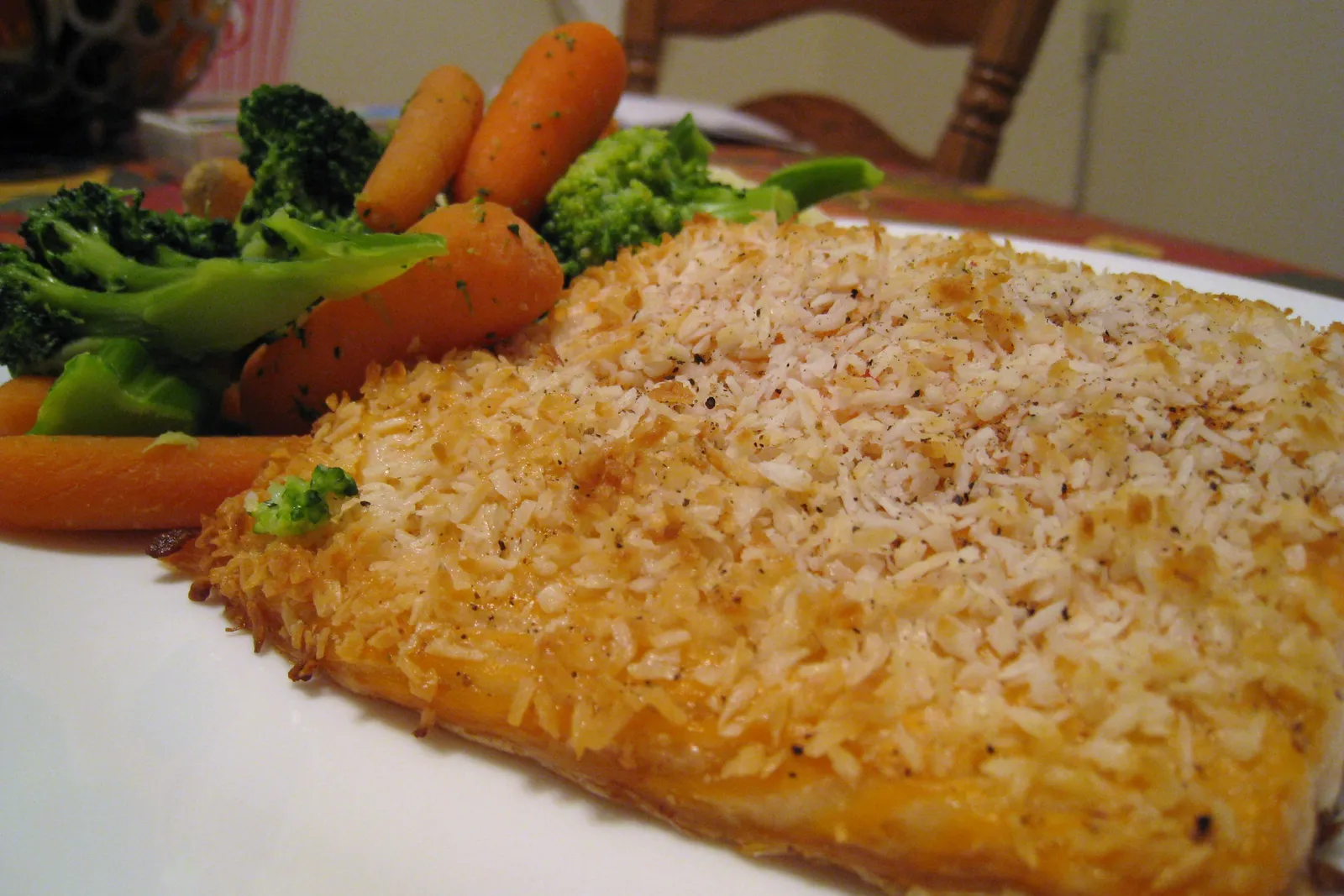
Coconut-crusted fish fillet with a golden shredded coconut coating, served with broccoli and baby carrots Nauru flag Nauru 32m
Dinner •Nauru's National Dish

Nauruan Coconut Fish

This nauru coconut fish recipe starts with cod fillets soaked briefly in lime juice, salt and pepper, then rolled in rice flour, egg and grated coconut and fried until the crust turns golden and crisp. It is the dish Nauru is best known for — just two island staples, fish and coconut, cooked simply and served hot with lime wedges. One serving is about 310 g.

Crispy Comfort

White fish fillets marinated in lime, coated in grated coconut and fried crisp — high in protein and full of island flavour.

Pairs Well With
Sweet potato fries and lime wedges, with cold coconut water
High Protein
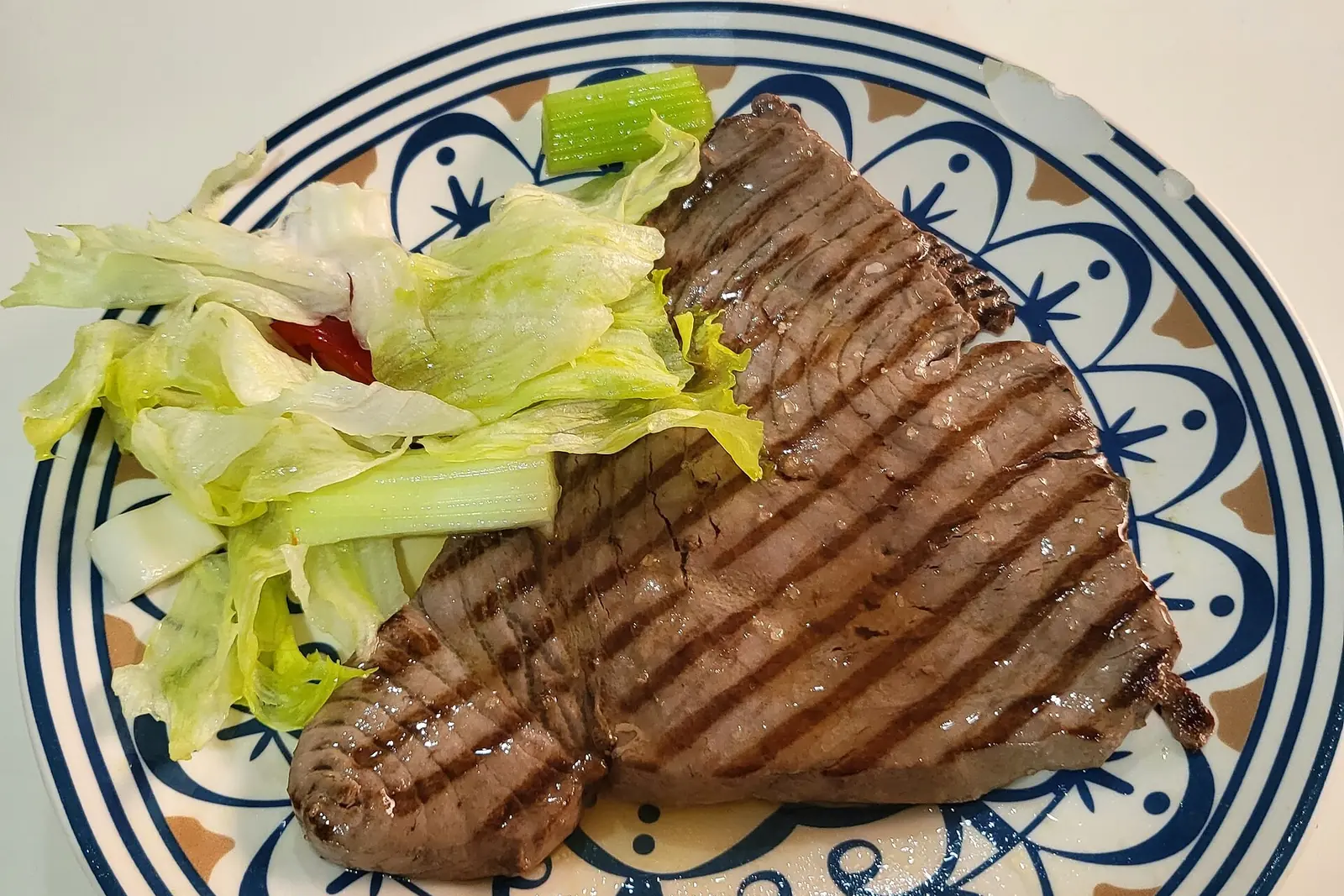
Grilled tuna steak with dark grill marks on a patterned plate with green salad Nauru flag Nauru 30m
Dinner •Nauru Island Catch

Nauruan Grilled Tuna

This nauru grilled tuna recipe is the everyday cooking of the world's smallest island nation: thick yellowfin steaks, caught the same day, marinated briefly in fresh lime juice, garlic and a little soy sauce, then grilled over high heat until the outside is charred and the centre is just cooked. The lime keeps the rich fish bright, and the whole plate comes together with almost nothing else. One serving is about 221 g.

Fresh & Filling

Fresh-caught yellowfin tuna steaks marinated in lime and garlic, then grilled over high heat — lean, high in protein and ready in half an hour.

Pairs Well With
Coconut rice or steamed rice, with lime wedges and a cold drink
High Protein
Bœuf bourguignon — French beef braised in red wine France flag France 4h
Dinner •Burgundy Terroir

Bœuf Bourguignon

Beef braised gently in red wine until the connective tissue melts into a velvet, gelatin-rich sauce — the classic Burgundy Sunday dinner.

Cellular Repair

Beef braised in red wine until spoon-tender, with mushrooms and pearl onions.

Pairs Well With
Parsnip Purée & Steamed French Haricots Verts
High Protein
Vietnamese braised pork belly with golden eggs in caramel sauce Vietnam flag Vietnam 1h 45m
Dinner •One Pot

Vietnamese Braised Pork and Eggs

Pork belly slowly braised in coconut water and caramel until meltingly tender, with golden eggs that soak up the sweet-savoury sauce — the Vietnamese family dish that tastes better the next day.

Comfort & Sustained Energy

Slow-braised pork belly and eggs in coconut water and caramel.

Pairs Well With
Steamed rice & pickled mustard greens
High Protein

The Dinner Gazette

Never wonder what’s for dinner again

One email a week with easy dinner ideas from around the world — ingredients, steps and nutrition, tested in our kitchen first.

Delivered every Thursday morning. Unsubscribe anytime.



