Curated recipes from 193 countries  •  New seasonal Mediterranean issue out now

Overview

Proja

Serbian Cornbread, Proja sa Sirom, Serbian Cheese Cornbread

This proja recipe mixes yellow cornmeal, plain flour, eggs, yoghurt and crumbled feta into a thick batter, then bakes it in a round pan until the top turns deep golden and crisp. Cut into wedges while still warm, it is soft and crumbly inside, salty from the cheese, and best eaten with a spoonful of plain yoghurt or kajmak. One serving is about 124 g.

Maize reached the Balkans from the Americas through Ottoman trade in the 1600s, and cornmeal soon became the grain of village tables in Serbia. The oldest proja was a plain loaf of cornmeal, water, salt and oil, baked in a wood oven — food that cost almost nothing and kept a family fed. Richer versions added what the farm had: flour to bind it, eggs, yoghurt and crumbled white cheese, and that is the proja still baked in Serbian homes today, sliced warm and eaten with yoghurt or kajmak.

Pairs well with: Plain yoghurt, kajmak & tomato salad

Provenance

Serbia flag Serbia

Serbian Heritage

Nordic & European

Time Dedication

45m

10m prep • 35m cook

Batch Yield

8 Servings

323 kcal per serving

1 serving ≈ 124 g

Technical Skill

Easy

Easy (One Pan)

Meal Timing & Digestive Fit

Breakfast

Not Advised

Lunch

Inappropriate

Dinner

Inappropriate

Snack & Tea

Ideal Light Bite

Quick Prep (<30m) Occasions: Afternoon snack, breakfast, picnics, alongside stews and soups, Serbian family tables Cost: Low — about $1 per serving at home
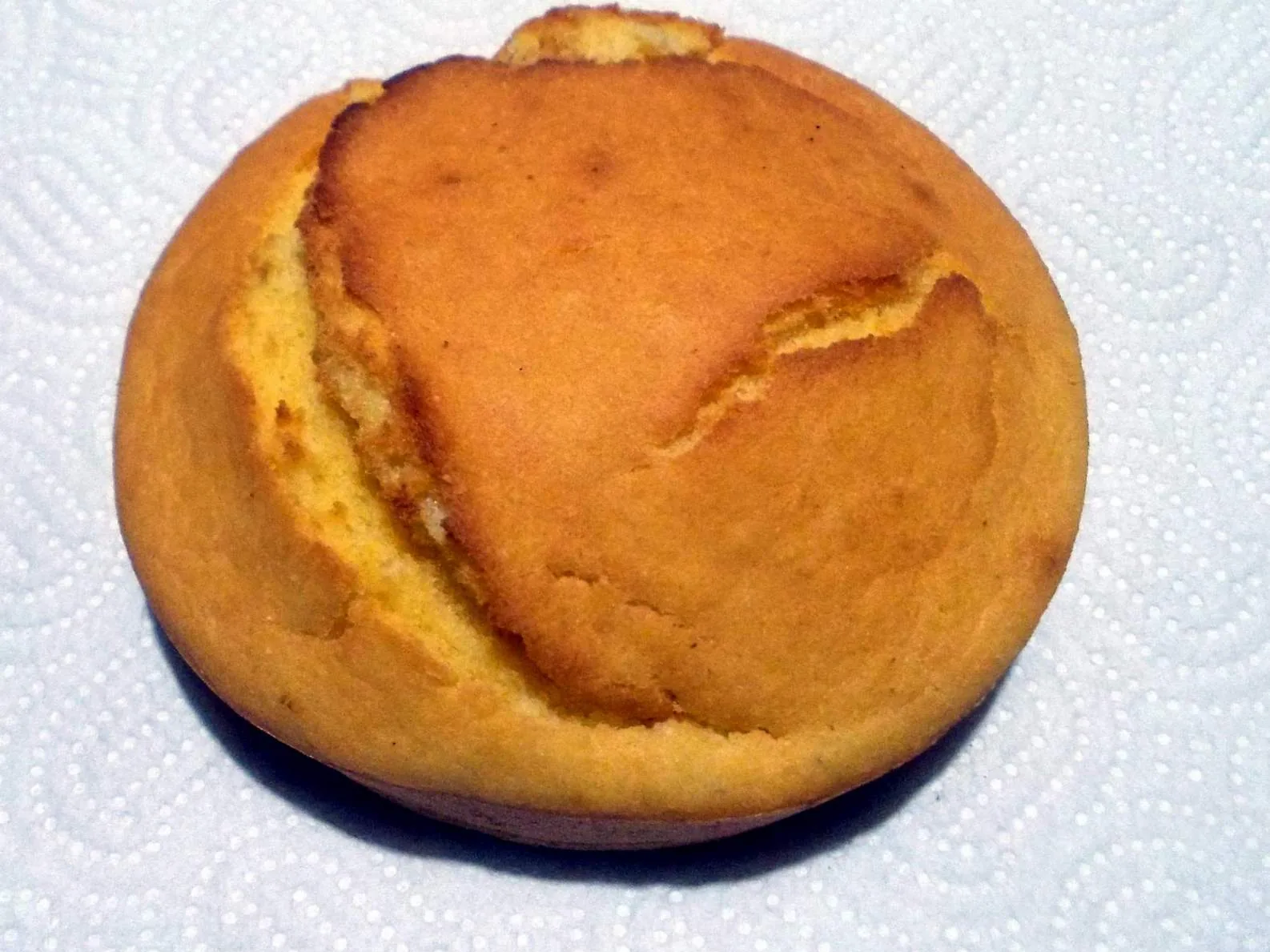
A round golden proja, Serbian cornbread with cheese, baked in a pan

Serbian Heritage

Photo: Moma SM, CC BY-SA 4.0, via Wikimedia Commons

The Heritage Formulary

Measured Ingredients

Estimated cost: Low — about $1 per serving at home (USD)
Made the Serbian way: a thick cornmeal batter with crumbled white cheese, eggs and yoghurt, baked in a round pan until deep golden and cut into wedges while warm.

Execution Methodology & Culinary Technique

Step-by-Step Cooking Guide

Active 45m
P

Prep Stage: Measure & Crumble

10 Mins • Measuring

Weigh the cornmeal and flour, crumble the feta into a bowl, beat the eggs, and measure the yoghurt and oil. Proja batter comes together in minutes, so have everything ready before the oven is hot — the baking powder starts working the moment it meets the yoghurt.

Maestro Tip: Fine or medium cornmeal gives the classic soft crumb; coarse grits stay gritty in a baked loaf.

  1. 1

    Heat the Oven & Grease the Tin

    5 Mins 200°C (400°F)

    Heat the oven to 200°C (400°F). Brush a round 23 cm (9 in) cake tin or baking pan generously with oil, getting into the corners so the loaf turns out cleanly.

    A hot oven from the start is what gives proja its crisp golden top.

    Done when: Oven fully heated to 200°C (400°F); tin evenly oiled.

  2. 2

    Whisk the Dry Ingredients

    2 Mins Room temperature

    In a large bowl, whisk the cornmeal, plain flour, baking powder and salt together until evenly mixed, breaking up any lumps in the cornmeal.

    Whisking the baking powder through the dry mix stops it clumping in one spot of the loaf.

    Done when: An even, lump-free dry mix.

  3. 3

    Whisk the Wet Ingredients

    2 Mins Room temperature

    In a second bowl, beat the eggs lightly, then whisk in the yoghurt and sunflower oil until smooth.

    Room-temperature yoghurt blends in far more easily than cold yoghurt straight from the fridge.

    Done when: A smooth, pale yellow liquid with no streaks of egg.

  4. 4

    Combine & Fold in the Cheese

    1 Min Room temperature

    Pour the wet mix into the dry mix and stir just until combined into a thick, spoonable batter, then gently fold in the crumbled feta so it is spread evenly through the batter.

    Stir only until the flour disappears — overmixing makes the loaf tough and dense.

    Done when: A thick batter with feta visible all through it, no dry flour left.

  5. 5

    Bake Until Deep Golden

    30 Mins 200°C (400°F)

    Scrape the batter into the oiled tin, smooth the top, and bake for 30–35 minutes until the top is deep golden brown with a few cracks, and a skewer pushed into the centre comes out clean.

    Do not open the oven in the first 20 minutes — the loaf needs steady heat to rise and set.

    Done when: Deep golden, cracked top; skewer clean; centre hot through, about 93°C (200°F).

  6. 6

    Rest & Cut into Wedges

    5 Mins Warm

    Leave the loaf in the tin for 5 minutes, then turn it out onto a board and cut into 8 wedges. Serve warm, with plain yoghurt or kajmak on the side.

    Five minutes of resting lets the crumb set — cut it straight from the oven and it crumbles apart.

    Done when: A firm round loaf that cuts into clean wedges, steaming and golden inside.

Finishing Touches & Plating

Serve the proja warm, cut into wedges, with a bowl of plain yoghurt or a spoonful of kajmak beside it — the cool, creamy dairy against the hot, salty cornbread is the whole point of the dish.

Nutritional Physiology & Benefits

Nutrition

Energy

323

kcal / serving

Protein

11g

Complete AA

Carbs

41g

Complex

Fats

13g

Healthy

Per serving (8 servings · 1 serving ≈ 124 g)
Energy323 kcal
Protein11 g
Carbohydrates41 g
Fat13 g
Fibre3.1 g
Sugar2.5 g
Sodium608 mg
Per 100g
Energy260 kcal
Protein9 g
Carbohydrates33 g
Fat10.6 g
Fibre2.5 g
Sugar2 g
Sodium490 mg

Nutrition values are estimated — calculated from USDA FoodData Central values for the listed ingredients.

Vitamins & minerals: Whole-grain cornmeal supplies fibre, iron and magnesium, the feta and yoghurt add calcium, and the eggs add protein and vitamin B12. All nutrition values are estimated.

Filling, Steady Energy

About 323 kcal a wedge with 41.0 g of carbohydrate from cornmeal and flour makes a snack that actually keeps you full.

Protein & Calcium

The feta, eggs and yoghurt together give about 11.1 g of protein and a useful dose of calcium per wedge.

Fibre from Whole-Grain Cornmeal

Whole-grain yellow cornmeal adds about 3.1 g of fibre per wedge, plus small amounts of iron and magnesium.

Food Pairings

What to Eat With

To optimize nutrient absorption and elevate the sensory depth, pair with these authentic accompaniments:

Sauces

Plain Yoghurt

Cool, tangy yoghurt is the classic partner — it softens the salt of the feta and keeps each bite moist.

Kajmak

Serbia's creamy dairy spread melts slightly on the warm wedges and adds a rich, buttery layer.

Vegetables

Tomato & Cucumber Salad

Something fresh and sharp cuts through the rich, baked cornbread and resets the palate between bites.

Drinks

Ayran (Yoghurt Drink)

A cold, lightly salted yoghurt drink matches the salty cheese in the bread and cools the warm crumb.

Complete menu

Serve warm wedges of proja with plain yoghurt or kajmak, a tomato and cucumber salad on the side, and ayran to drink.

Digestive Guardrails

What NOT to Combine

To prevent digestive distress, sluggishness, or palate clash, avoid pairing the dish with these elements:

Cutting It Straight from the Oven

The crumb is fragile while piping hot and falls apart under the knife — let the loaf rest 5 minutes so it sets before slicing. This is general food information, not medical advice.

Extra Salt at the Table

One wedge already carries about 608 mg of sodium from the feta, baking powder and salt, so do not add more salt at the table. This is general food information, not medical advice.

General information only, not medical advice — consult a doctor for personal dietary decisions.

Who Should Eat It

Who Should Eat

  • General adultsA satisfying snack — about 323 kcal a wedge, best eaten warm with yoghurt.
  • ChildrenMild, soft and easy to eat; children usually like the salty cheese pockets. Cut a smaller wedge for younger children.
  • ElderlySoft, warm and easy to chew; serve a wedge with yoghurt, which makes it even easier to eat.
  • Pregnant womenFine as a snack — the eggs are fully baked through. Ask your clinician about portions.
  • Breastfeeding womenA filling, energy-rich snack; the cornmeal, egg, cheese and yoghurt supply carbohydrate, protein and calcium.
  • AthletesA good carbohydrate-rich snack — about 41.0 g of carbohydrate per wedge; pair it with yoghurt for extra protein.
  • Weight gainA good choice for adding energy: a wedge with kajmak is filling and calorie-dense.
  • Weight lossKeep to one wedge with plain yoghurt and a tomato salad, and skip the kajmak.

Health Conditions — Adjust or Avoid

Conditions

  • DiabetesCornmeal and flour are starchy, so keep to one wedge and load the plate with yoghurt and salad rather than a second wedge. Ask your clinician about portions.
  • High blood pressureThe feta and baking powder make this loaf salty — eat it occasionally and in a modest portion. Ask your clinician.
  • Kidney diseaseHigh in sodium and protein from the cheese; ask your clinician before eating it.
  • GoutEgg, cornmeal and cheese are low in purines, so a modest wedge is usually fine. Ask your clinician.
  • Stomach issuesSoft, warm and easy to digest for most people; the yoghurt version is gentler than a very oily one. Ask your clinician.
  • Cardiovascular diseaseFeta and oil add saturated fat and sodium — a modest wedge now and then is wiser. Ask your clinician.
  • Fatty liverThe loaf is fairly rich; keep the portion to one wedge and go easy on the kajmak. Ask your clinician.
  • Food allergiesContains wheat (gluten), milk (feta, yoghurt) and egg. Naturally free of nuts and pork.
  • Special therapeutic dietsVegetarian as written. For a gluten-free version, use a gluten-free flour blend and check the baking powder label.

If you have a medical condition, consult your doctor before changing your diet.

Storage & Use

Storage & Use

How to store
Cool completely, then wrap the loaf or wedges tightly in cling film or store in an airtight container.
In the fridge
Keeps 3 days in the fridge at 4°C (40°F) or below.
In the freezer
Up to 2 months; freeze in single wedges, wrapped well.
How to reheat
Reheat wedges in the oven at 180°C (350°F) for 8–10 minutes until hot throughout, to 74°C (165°F).
Freezing recommended
Yes — wedges freeze well and crisp up again in the oven.
Signs it has spoiled
Sour smell, mould on the surface, or a stale, damp crumb.

More recipes to explore

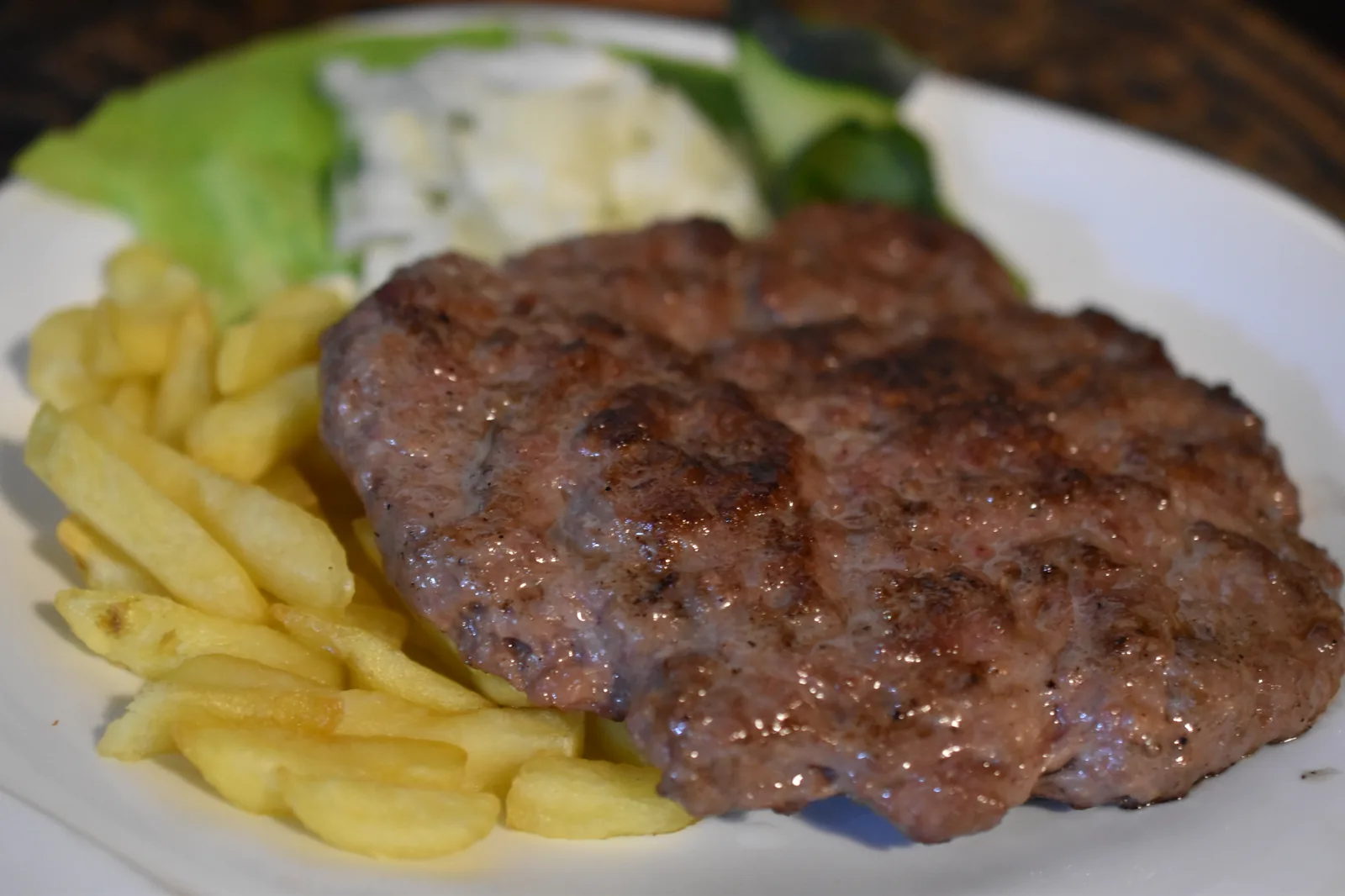
A large grilled pljeskavica patty with fries and salad on a white plate Serbia flag Serbia 40m
Dinner •Serbian Heritage

Pljeskavica

This pljeskavica recipe mixes beef, pork and lamb with onion, garlic and paprika, shapes the meat into one large, flat patty, and grills it over high heat until charred outside and juicy inside. It is Serbia's great grill dish, from the grill town of Leskovac, and it is served with fries, raw onion and sour cream. One serving is about 380 g, patty, fries and onion together.

Comfort & Warmth

A big, juicy grilled patty of three meats, charred outside and pink inside, with fries.

Pairs Well With
Fries, raw onion and sour cream, with a cold beer.
High Protein
A golden breaded karadjordjeva snicla roll with fries, lemon, salad and tartar sauce on a plate, with a beer Serbia flag Serbia 50m
Dinner •Serbian Heritage

Karađorđeva Šnicla

This karadjordjeva snicla recipe pounds pork loin flat, rolls it around smoked ham and cheese, coats it in breadcrumbs and fries it golden and crisp. It is Serbia's most famous schnitzel, a roll of pork that hides a melted cheese centre, and it is served with fries and tartar sauce. One serving is about 400 g, one roll with fries and tartar sauce.

Comfort & Warmth

Pork rolled around ham and cheese, crumbed and fried golden, with fries and tartar sauce.

Pairs Well With
Fries, tartar sauce and a lemon wedge.
High Protein
Pan con tomate with jamón ibérico on toasted bread Spain flag Spain 15m
Snack & Tea •Catalan Aperitivo

Pan con Tomate & Jamón Ibérico

Country bread rubbed with ripe Ramallet tomato, drizzled with cold-pressed Arbequina olive oil and topped with jamón ibérico.

Vascular Health

Toasted tomato bread with jamón ibérico, olive oil and olives.

Pairs Well With
Castelvetrano Olives & Sparkling Mineral Water
Quick Prep (<30m)
Gỏi cuốn — Vietnamese fresh spring rolls with prawn and pork Vietnam flag Vietnam 1h 5m
Snack & Tea •Saigon Refresh

Gỏi Cuốn Tôm Thịt

Fresh rice paper rolls filled with poached prawns, tender pork, rice vermicelli, lettuce, herbs and carrot, served with a peanut dipping sauce.

Light Digestion

Nothing is fried, so the rolls stay light and fresh — a cool, herb-filled snack for hot days.

Pairs Well With
Artisanal Peanut Dip & Fresh Lotus Root Water
High Protein

The Dinner Gazette

Never wonder what’s for dinner again

One email a week with easy dinner ideas from around the world — ingredients, steps and nutrition, tested in our kitchen first.

Delivered every Thursday morning. Unsubscribe anytime.