

Curated recipes from 193 countries  •  New seasonal Mediterranean issue out now

Overview

Accademia Italiana della Cucina — Official Recipe

Deposited 17 October 1982 • Bologna Chamber of Commerce

Tagliatelle al Ragù Bolognese

Ragù Tradizionale alla Bolognese

Slow-braised soffritto and coarse ground heritage meats layered over handmade egg yolk dough for mid-day stamina.

The timeless, velvety meat emulsion of Bologna. Gently braised over four hours in sweet milk, white wine, and concentrated tomato, designed to cling flawlessly to hand-rolled egg tagliatelle. The recipe was officially codified by the Accademia Italiana della Cucina in 1982 — no garlic, no heavy herbs, slow milk finish.

Pairs well with: Bitter Radicchio & Aged Balsamico di Modena

Provenance

Italy flag Italy

Emilia-Romagna

Mediterranean & Italy

Time Dedication

4h 25m

25m prep • 240m cook

Batch Yield

6 Servings

580 kcal per serving

Technical Skill

Intermediate

Intermediate (Low & Slow)

Meal Timing & Digestive Fit

Breakfast

Not Advised

Lunch

Prime Metabolic Fit

Dinner

Ideal Hearty Main

Snack & Tea

Inappropriate

*High in dense proteins and complex starches; best enjoyed between 12:00–14:30 or before 20:00 to accommodate natural gastric clearance.

Pasta & NoodlesHigh Protein Occasions: Sunday lunch, family gatherings, slow weekends, celebrations Cost: Medium — about $5–6 per serving
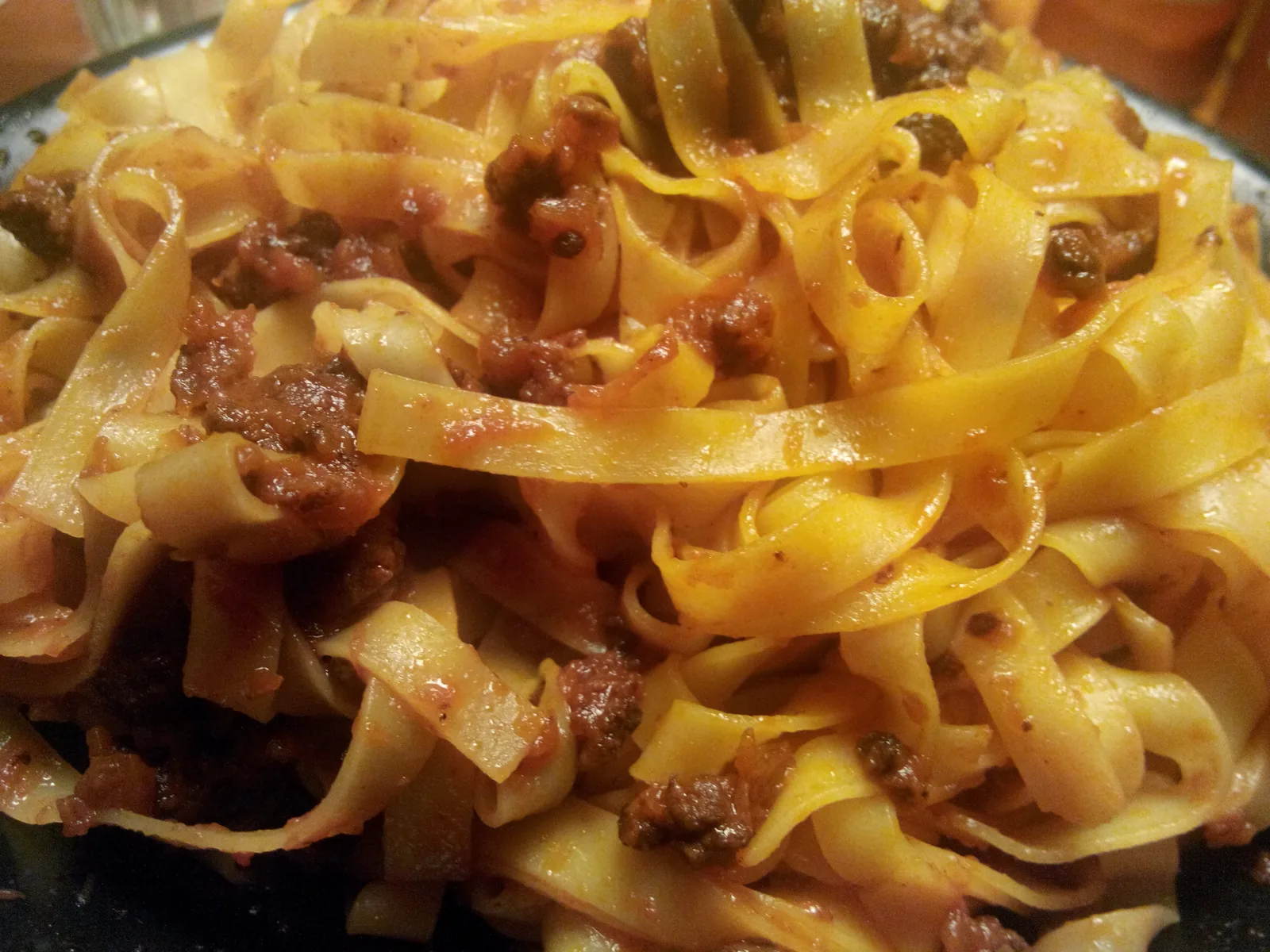
Tagliatelle al ragù Bolognese in a bowl with Parmigiano-Reggiano

Cucina Tradizionale

Emilia-Romagna

The Heritage Formulary

Measured Ingredients

Estimated cost: Medium — about $5–6 per serving (USD)

Note: Authenticated Bologna recipe strictly rejects garlic, oregano, bay laurel, or heavy cream. Validated against the culinary codex of Bologna Chamber of Commerce. Free from commercial fillers, additives, and synthetic thickeners.

Execution Methodology & Culinary Technique

Step-by-Step Cooking Guide

Active 4h 25m
P

Prep Stage: The Battuto & Meat Preparation

15 Mins • Knife Work

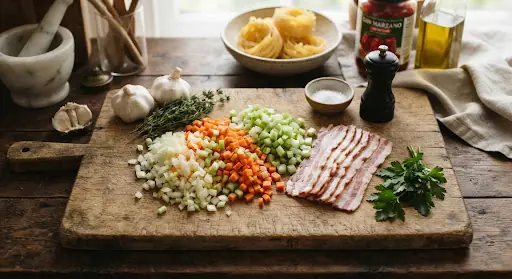
Meticulously dice yellow onion, celery stalk, and peeled carrot into ultra-fine 2mm cubes (battuto). Avoid food processors which bruise cells and create bitter water. Finely mince cold uncured pancetta into a supple lardaceous paste. Ensure beef chuck is kept chilled until hitting the heat.

Maestro Tip: Hand-cutting produces clean surface planes that caramelize gracefully instead of boiling in extruded vegetable juices.

  1. 1

    The Gentle Soffritto

    Low Heat • 12 Mins Low heat

    In an enameled heavy-cast Dutch oven, place minced pancetta over the gentlest heat with 1 tablespoon extra virgin olive oil. Slowly render until fat is clear and translucent (never crisp). Introduce the fine battuto. Sweat gently for 12 minutes without allowing any edges to brown, turning aromatic and tender.

    Visual & Olfactory Cue: Onions turn glass-like translucent and the kitchen smells warmly sweet rather than roasted.

    Done when: Onions glass-like and translucent; no browning.

  2. 2

    Coarse Browning & Rendering

    Med Heat • 10 Mins Medium heat

    Increase flame to medium. Add coarsely ground beef chuck, actively breaking up clumps with a flat wooden spatula. Let the meat sizzle gently until it loses all raw pink hues and begins releasing clear, savory cooking juices. Do not aggressively sear or develop a hard crust.

    Sensory Indicator: Clear droplets of beef fat clarify in the Dutch oven base; no grey liquid remains.

    Done when: No raw pink remains; clear fat droplets appear.

  3. 3

    White Wine Deglaze & The Milk Bath

    Med-Low • 15 Mins Medium-low

    Pour in the dry white Trebbiano; stir vigorously around the base of the pot until alcohol vapor subsides and wine is almost completely absorbed (3-4 mins). Next, pour half the whole milk (100ml) directly over the beef. Simmer gently until absorbed. The milk enzymes act as natural tenderizers on dense connective fibers.

    Accademia Rule: Authentic Bolognese uses dry white wine, preserving the pure meat savor rather than masking it with heavy tannins.

    Done when: Wine absorbed; milk absorbed into the meat.

  4. 4

    Four-Hour Simmer (“Pippiare”)

    Minimum Flame • 3.5-4h Faintest pilot flame

    Dissolve triple-concentrated tomato paste in 100ml warm broth and stir into the ragù. Position lid slightly ajar, placing the pot on your smallest burner over the faintest pilot flame. The sauce must ‘pippiare’—emitting single lazy bubbles every few seconds. Add remaining milk and warm broth in splashes every 40 minutes as the emulsion tightens.

    Visual Cue: A glossy, amber-hued rim of clarified fat gently floats around the perimeter, signaling complete gelatin release.

    Done when: A glossy amber rim of fat floats at the edge; sauce is velvety, not watery.

  5. 5

    Pasta Emulsification (Mantecatura)

    Gentle Heat • 90 Secs Gentle heat

    Drop fresh egg tagliatelle into abundantly salted rolling boiling water for just 2 to 3 minutes until al dente. Using tongs, transfer noodles directly into the ragù pan along with a ladle of starchy cooking water. Toss and fold over gentle heat for 90 seconds, marrying pasta starch with rich animal fats into a silky emulsion.

    Never pool sauce on bare un-tossed pasta — every ribbon must be uniformly coated.

    Done when: Every ribbon is uniformly coated in a silky emulsion.

Finishing Touches & Plating

Plate immediately into pre-warmed porcelain bowls. Dust lightly with 24-month Parmigiano-Reggiano microplaned directly over the crown. Never pool sauce on bare un-tossed pasta—every ribbon must be uniformly coated.

Nutritional Physiology & Benefits

Nutrition

Energy

580

kcal / serving

Protein

38g

Complete AA

Carbs

54g

Complex

Fats

22g

Healthy

Per serving (6 servings)
Energy580 kcal
Protein38 g
Carbohydrates54 g
Fat22 g
Fibre3.0 g
Sugar6.0 g
Sodium620 mg
Per 100g
Energy210 kcal
Protein13.8 g
Carbohydrates19.6 g
Fat8 g
Fibre1.1 g
Sugar2.2 g
Sodium225 mg

Vitamins & minerals: Iron and zinc (beef), B12 (beef, pancetta), lycopene (tomato paste), calcium (milk, Parmigiano).

Sustained Glycemic Stability

Durum wheat semolina extruded with fresh eggs creates a tightly bound gluten-protein matrix that digests slowly. This prevents sudden insulin spikes, granting uniform cellular energy for 4-5 hours.

Bioavailable Heme-Iron & Zinc Recovery

Slow-simmered beef chuck delivers highly absorbable organic heme iron and bio-identical zinc, critical for red blood cell synthesis, active tissue repair, and immune enzyme regulation.

Bio-Active Lycopene & Cellular Protection

Cooking concentrated tomato paste with fats transforms lycopene into its bioavailable cis-isomer. This potent carotenoid shields cellular membranes and cardiovascular endothelial tissue from oxidative stress.

Collagen, Gelatin & Joint Integrity

The slow braise gently converts tough connective bovine collagen into water-soluble gelatin. This floods the system with glycine and proline, nourishing gut mucosal lining and cartilage.

Optimal Gastric Digestibility Factor

Whole milk introduces lactic acid and enzymes that pre-tenderize meat fibers, while 4 hours of gentle bubbling breaks complex protein chains into shorter peptides, entirely eliminating stomach heaviness.

Food Pairings

What to Eat With

To optimize nutrient absorption and elevate the sensory depth, pair with these authentic accompaniments:

Drinks

Sangiovese di Romagna or Dry Lambrusco Grasparossa

High natural acidity cuts across bovine richness, while low-to-medium tannins avoid clashing with the delicate milk-braised meat fibers.

Vegetables

Bitter Radicchio Trevigiano with Cold-Pressed Olive Oil

Bitter chicory greens stimulate hepatic bile secretion, facilitating efficient lipid breakdown after high-collagen meals.

Sides

Pane Casereccio di Grano Duro

Artisanal rustic sourdough crumb for the traditional ‘scarpetta’ to savor every drop of emulsified ragù without spiking blood sugar.

Complete menu

Tagliatelle al ragù as the main course, with a bitter radicchio salad, crusty bread for the sauce, and a glass of Sangiovese; finish with espresso.

Digestive Guardrails

What NOT to Combine

To prevent digestive distress, sluggishness, or palate clash, avoid pairing the dish with these elements:

Heavily Iced Drinks & Carbonated Sodas

Ice water immediately solidifies warm bovine and pork fats in the stomach cavity, delaying peptic enzymes and provoking cramping. Stick to room-temperature water or wine.

Dense Sugary Dairy Desserts Immediately After

Eating heavy cream cakes, sweetened custards, or gelato directly after a starch-meat meal triggers rapid fermentation and bloating. Wait 90 minutes or conclude with an espresso.

Excess High-Sodium Cured Meats on Same Day

Since ragù already features pancetta and Parmigiano-Reggiano, avoid salumi platters, canned soups, or cured items on the same day to maintain balanced cardiovascular sodium pressure.

Raw Crushed Garlic & Acetic Vinegar Dressings

Raw alliums burn through the delicate sweetness achieved by milk-softened mirepoix, obliterating the sauce’s heritage nuance and irritating the stomach lining.

General information only, not medical advice — consult a doctor for personal dietary decisions.

Who Should Eat It

Who Should Eat

  • General adultsA generous, satisfying lunch; one serving is a full meal.
  • ChildrenVery suitable — soft pasta, mild flavours; serve a smaller portion.
  • ElderlyExcellent — soft, easy to chew, protein-rich; watch the salt from pancetta and Parmigiano.
  • Pregnant womenFine when the meat is cooked through (it is, after 4 hours); the wine alcohol cooks off during the long simmer.
  • Breastfeeding womenFine in normal portions; the long-cooked meat and pasta provide steady energy.
  • AthletesA superb post-training meal: 38g protein with complex carbs for glycogen.
  • Weight gainA natural fit — a full portion with bread for the sauce adds steady energy.
  • Weight lossEnjoy a smaller pasta portion (80g dry) with extra radicchio salad.

Health Conditions — Adjust or Avoid

Conditions

  • DiabetesKeep pasta to ~80g dry per serving and pair with a large bitter-leaf salad to blunt the glucose rise.
  • High blood pressureGo light on Parmigiano and pancetta — both are salty.
  • Kidney diseasePancetta and Parmigiano are salty; keep portions modest and ask your clinician about frequency.
  • GoutEat occasionally in modest portions — red meat and long-simmered broths are purine-rich.
  • Stomach issuesThe long, slow cook makes this easy to digest for most people, but the richness can feel heavy — a smaller portion with salad helps.
  • Cardiovascular diseaseAn occasional dish — pancetta and beef fat are high in saturated fat; balance with vegetables that day.
  • Fatty liverRich and energy-dense — a modest portion with plenty of radicchio salad is the lighter way to enjoy it.
  • Food allergiesContains wheat (pasta), milk and egg. Use certified gluten-free tagliatelle; the ragù itself is naturally gluten-free.
  • Special therapeutic dietsIf you follow a prescribed low-fat or low-sodium diet, use lean beef, less pancetta and a smaller cheese portion.

If you have a medical condition, consult your doctor before changing your diet.

Storage & Use

Storage & Use

How to store
Cool the ragù and store sauce and pasta in separate airtight containers.
In the fridge
Ragù 4 days; cooked pasta 2 days.
In the freezer
Ragù 3 months — it improves after a day.
How to reheat
Reheat the ragù gently with a splash of broth or milk; toss pasta through at the end.
Freezing recommended
Yes — up to 3 months; freeze the sauce only, not the cooked pasta.
Signs it has spoiled
Sour smell, mould on the surface, or a sharp, off taste.

Certified Provenance & Dietary Archival

Bologna, Emilia-Romagna, Italy — Official ragù recipe deposited by the Accademia Italiana della Cucina at the Bologna Chamber of Commerce, 17 October 1982. Note: Authenticated Bologna recipe strictly rejects garlic, oregano, bay laurel, or heavy cream. Validated against the culinary codex of Bologna Chamber of Commerce. Free from commercial fillers, additives, and synthetic thickeners.

Explore Italy Terroir

More from Italy & Lunch

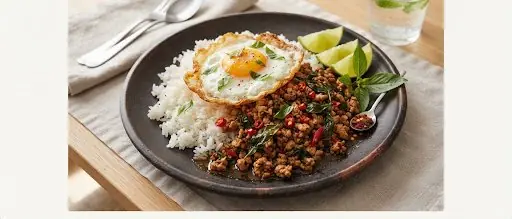
Pad kra pao gai — Thai holy basil chicken with fried egg and rice Thailand flag Thailand 30m
Lunch •Bangkok Street Flame

Pad Kra Pao Gai

High-heat wok flash of wild holy basil (Tulsi) and crushed chillies, invigorating digestive fire and cellular circulation.

High Energy

Capsaicin activates mitochondrial burn; Holy Basil lowers cortisol.

Pairs Well With
Chilled Cucumber Salad & Fish Sauce Lime Dip
High Protein • Quick Prep (<30m)
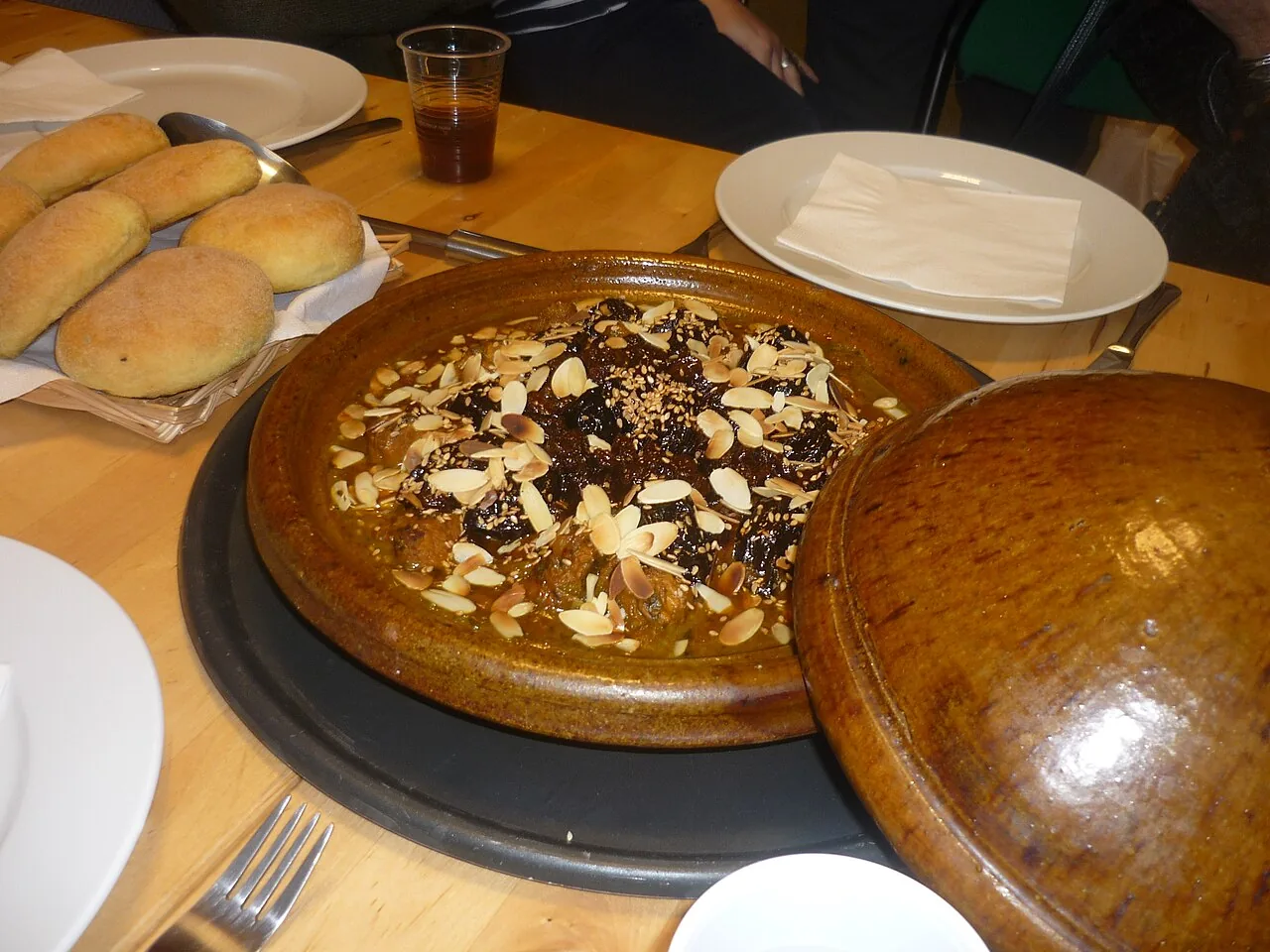
Moroccan lamb and prune tagine with almonds and sesame Morocco flag Morocco 2h 20m
Lunch •Atlas Mountains

Lamb & Prune Tagine

Clay vessel braised grass-fed lamb shoulder infused with Ras el Hanout, saffron stamens, and natural sun-dried fruit pectins.

Immunity & Warming

Saffron crocin antioxidants combined with bio-chelated iron.

Pairs Well With
Spiced Couscous & Preserved Lemon Salad
High Protein

The Dinner Gazette

Never wonder what’s for dinner again

One email a week with easy dinner ideas from around the world — ingredients, steps and nutrition, tested in our kitchen first.

Delivered every Thursday morning. Unsubscribe anytime.