
Curated recipes from 193 countries  •  New seasonal Mediterranean issue out now

Overview

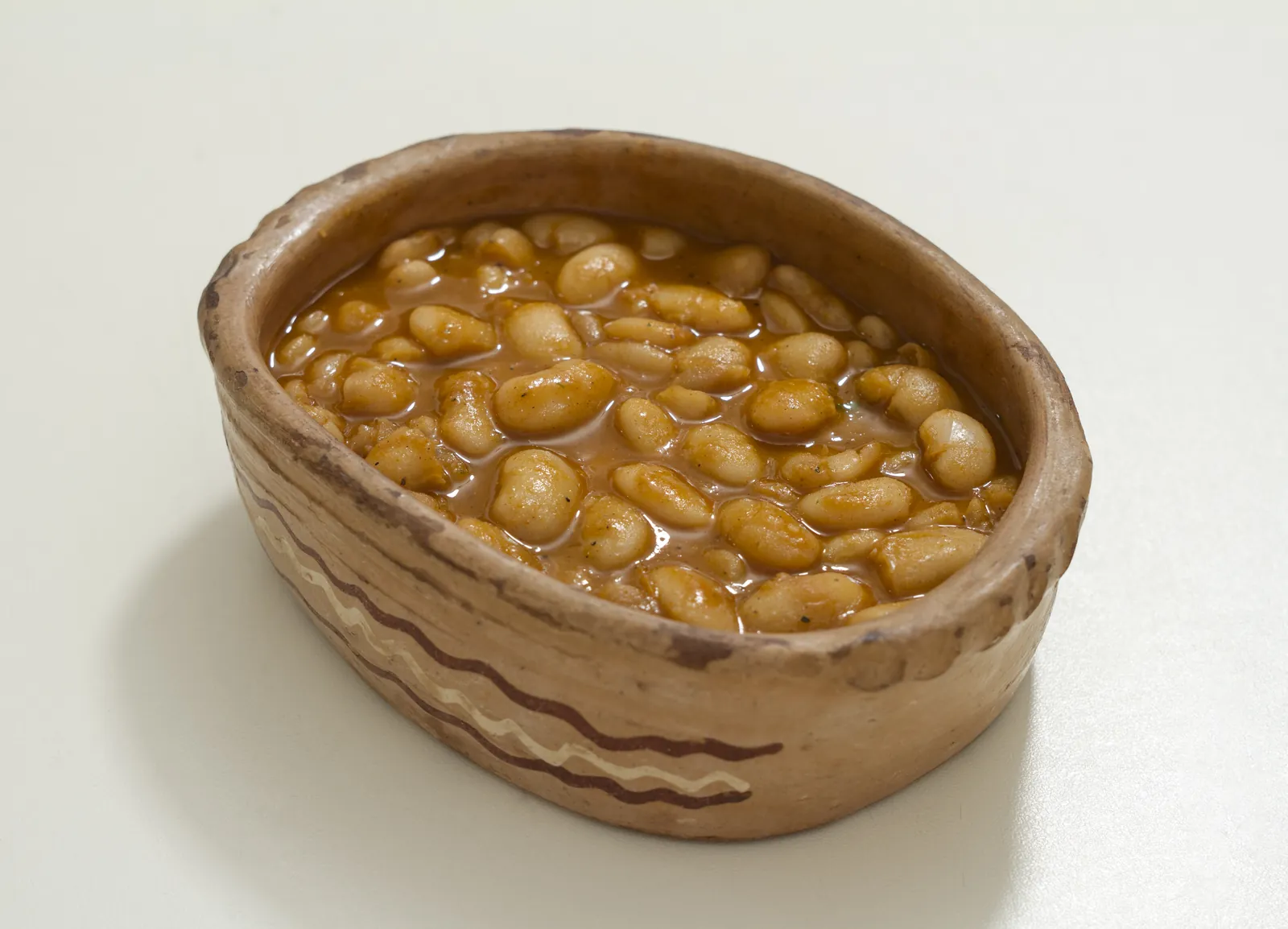
Tavče Gravče

Tavce Gravce, Macedonian Tavce Gravce, Macedonian Baked Beans

This tavče gravče recipe soaks and boils white beans until tender, then bakes them in a traditional earthenware pot with onion, red pepper, tomato and paprika until the sauce turns thick and the top crisps a little. It is served straight from the pot with bread. One serving is about 415 g.

Tavče gravče is the national dish of North Macedonia — its name means “beans in a pan” — and it is cooked in the earthenware pot that gives it its name. It is a Friday dish in Macedonian homes, made without meat for the fasting days of the Orthodox calendar, and it is still served at family tables and restaurants across the country, always with bread.

Pairs well with: Crusty bread, pickled peppers & a green salad

Provenance

North Macedonia flag North Macedonia

Macedonian Heritage

Nordic & European

Time Dedication

2h

20m prep • 100m cook

Batch Yield

4 Servings

420 kcal per serving

1 serving ≈ 414 g

Technical Skill

Intermediate

Medium (Slow Bake)

Meal Timing & Digestive Fit

Breakfast

Not Advised

Lunch

Hearty Midday Main

Dinner

Ideal Hearty Main

Snack & Tea

Inappropriate

Occasions: Friday dinners, family gatherings, winter evenings, Orthodox fasting days Cost: Low — about $2–3 per serving at home
Tavce gravce baked beans in an earthenware pot

Macedonian Heritage

Photo: Aleksandar Cokrevski, CC BY-SA 4.0, via Wikimedia Commons

The Heritage Formulary

Measured Ingredients

Estimated cost: Low — about $2–3 per serving at home (USD)

Made the Macedonian way: beans soaked and boiled until tender, baked slowly in an earthenware pot with paprika and tomato until the sauce thickens.

Execution Methodology & Culinary Technique

Step-by-Step Cooking Guide

Active 2h
P

Prep Stage: Soak & Chop

20 Mins • Soaking & Chopping

The night before, soak the dried beans in cold water. On the day, drain and boil them until tender, then chop the onion, pepper and garlic and grate the tomatoes. The beans go into the earthenware pot with the vegetables and bake slowly from there.

Maestro Tip: Boil the beans until they are fully tender before they go into the oven — beans baked from hard never soften properly.

  1. 1

    Boil the Beans

    60 Mins Gentle simmer, 90°C (194°F)

    Drain the soaked beans, cover with fresh water and simmer for about 60 minutes until completely tender. Drain, keeping a little of the cooking liquid.

    Do not salt the beans while they boil — salt can keep the skins tough.

    Done when: Beans that squash easily with no chalky centre.

  2. 2

    Fry the Vegetables

    10 Mins Medium heat, 160°C (320°F)

    Heat the olive oil in a pan, fry the onion and pepper until soft, then add the garlic, tomato and paprika and cook for 3 minutes until fragrant.

    Frying the paprika briefly in oil wakes up its colour and flavour.

    Done when: Soft vegetables in a deep red, fragrant sauce.

  3. 3

    Combine in the Pot

    5 Mins Room temperature

    Tip the beans into an earthenware pot, stir in the vegetables, the flour mixed with a little water, the salt and the 300 ml of water.

    An earthenware pot holds the heat gently and is part of the dish — a metal dish works, but the pot is traditional.

    Done when: Beans evenly coated in the red sauce.

  4. 4

    Bake Slowly

    40 Mins 180°C (350°F)

    Cover the pot and bake for about 40 minutes, then uncover for the last 10 minutes so the top crisps a little and the sauce thickens.

    A slow bake is what turns boiled beans into tavče gravče — the sauce should be thick, not watery.

    Done when: Thick, glossy beans with a lightly crisped top.

  5. 5

    Rest

    10 Mins Room temperature

    Rest the pot for 10 minutes so the sauce settles and the beans hold together when served.

    Resting lets the sauce thicken and the flavours settle.

    Done when: A pot of beans that holds its shape on the spoon.

  6. 6

    Serve

    3 Mins Hot

    Serve straight from the pot onto warm plates, scattered with parsley, with bread on the side.

    Serve it in the pot at the table if you can — it stays hot longer.

    Done when: Steaming beans in a thick red sauce, with bread.

Finishing Touches & Plating

Serve the tavče gravče hot from its earthenware pot, with bread for mopping up the sauce — the beans should be creamy inside, the sauce thick and glossy, and the top just a little crisped.

Nutritional Physiology & Benefits

Nutrition

Energy

420

kcal / serving

Protein

20g

Complete AA

Carbs

62g

Complex

Fats

12g

Healthy

Per serving (4 servings · 1 serving ≈ 414 g)
Energy420 kcal
Protein20 g
Carbohydrates62 g
Fat12 g
Fibre16.1 g
Sugar5.9 g
Sodium402 mg
Per 100g
Energy101 kcal
Protein4.9 g
Carbohydrates14.9 g
Fat2.8 g
Fibre3.9 g
Sugar1.4 g
Sodium97 mg

Nutrition values are estimated — calculated from USDA FoodData Central values for the listed ingredients.

Vitamins & minerals: White beans supply folate, iron, magnesium and fibre, peppers add vitamin C and vitamin A, and tomatoes add lycopene and vitamin C. All nutrition values are estimated.

Fibre & Folate from Beans

White beans are a strong source of fibre, folate, iron and magnesium — about 20.2 g of protein per serving, with no meat at all.

Filling Without Heaviness

About 419 kcal a serving with 61.9 g of carbohydrate makes a dinner that fills you up without weighing you down.

Vitamin C from Peppers

Red peppers and tomatoes add vitamin C and vitamin A to the plate.

Food Pairings

What to Eat With

To optimize nutrient absorption and elevate the sensory depth, pair with these authentic accompaniments:

Sides

Crusty Bread

Crusty bread is essential — it mops up the thick, paprika-red sauce.

Vegetables

Pickled Peppers

Sharp pickled peppers add acidity and crunch that lift the rich, earthy beans.

Green Salad

A simple salad with onion and vinegar cuts through the richness of the baked beans.

Drinks

Red Wine or Ayran

A glass of Macedonian red wine or a cool ayran suits the earthy beans.

Complete menu

Serve the tavce gravce hot from the pot with crusty bread, pickled peppers and a green salad.

Digestive Guardrails

What NOT to Combine

To prevent digestive distress, sluggishness, or palate clash, avoid pairing the dish with these elements:

Baking from Hard Beans

Beans that go into the oven still hard stay hard — boil them until fully tender first. This is general food information, not medical advice.

Very Salty Sides

One serving carries about 400 mg of sodium, which is modest — but cured meats alongside would push the meal far saltier. This is general food information, not medical advice.

General information only, not medical advice — consult a doctor for personal dietary decisions.

Who Should Eat It

Who Should Eat

  • General adultsA satisfying dinner — about 419 kcal a serving, best eaten hot from the pot.
  • ChildrenMild, soft and easy to eat; the beans are creamy and the sauce is gentle.
  • ElderlySoft and easy to chew; the beans are gentle and the dish is easy to digest in a modest portion.
  • Pregnant womenFine as a dinner; beans supply folate and iron. Ask your clinician about portions.
  • Breastfeeding womenA filling, fibre-rich dinner; the beans supply protein and iron.
  • AthletesA good plant-based dinner — about 20.2 g of protein and 61.7 g of carbohydrate per serving.
  • Weight gainA second helping with bread adds energy easily.
  • Weight lossA good choice — filling and high in fibre for about 419 kcal; keep the bread to one slice.

Health Conditions — Adjust or Avoid

Conditions

  • DiabetesBeans are starchy, so keep to the stated serving and go easy on the bread. Ask your clinician about portions.
  • High blood pressureModest in sodium as written — a sensible choice; skip added salt. Ask your clinician.
  • Kidney diseaseBeans are high in potassium and protein; ask your clinician before eating them.
  • GoutBeans are moderate in purines; keep to the stated portion. Ask your clinician.
  • Stomach issuesBeans can cause gas and bloating; eat slowly and in a modest portion if your stomach is sensitive. Ask your clinician.
  • Cardiovascular diseaseLow in fat and rich in fibre — a good choice as written. Ask your clinician.
  • Fatty liverLight and plant-based; a good choice as written. Ask your clinician.
  • Food allergiesContains wheat (flour) in a small amount — leave it out for a gluten-free version. Naturally free of egg, milk and pork.
  • Special therapeutic dietsSuitable for vegetarian and vegan diets; for gluten-free, skip the flour.

If you have a medical condition, consult your doctor before changing your diet.

Storage & Use

Storage & Use

How to store
Cool quickly and store in the earthenware pot or an airtight container.
In the fridge
Keeps 4 days in the fridge at 4°C (40°F) or below — the flavour improves overnight.
In the freezer
Up to 3 months; freeze in portions.
How to reheat
Reheat gently in a covered pan or oven until steaming hot throughout, to 74°C (165°F), adding a splash of water if dry.
Freezing recommended
Yes — baked beans freeze very well.
Signs it has spoiled
Sour smell, slimy beans, or mould on the surface.

More recipes to explore

A bowl of red ajvar with bread, red chillies and sliced sausage on a wooden tray North Macedonia flag North Macedonia 1h 30m
Lunch •Macedonian Heritage

Ajvar

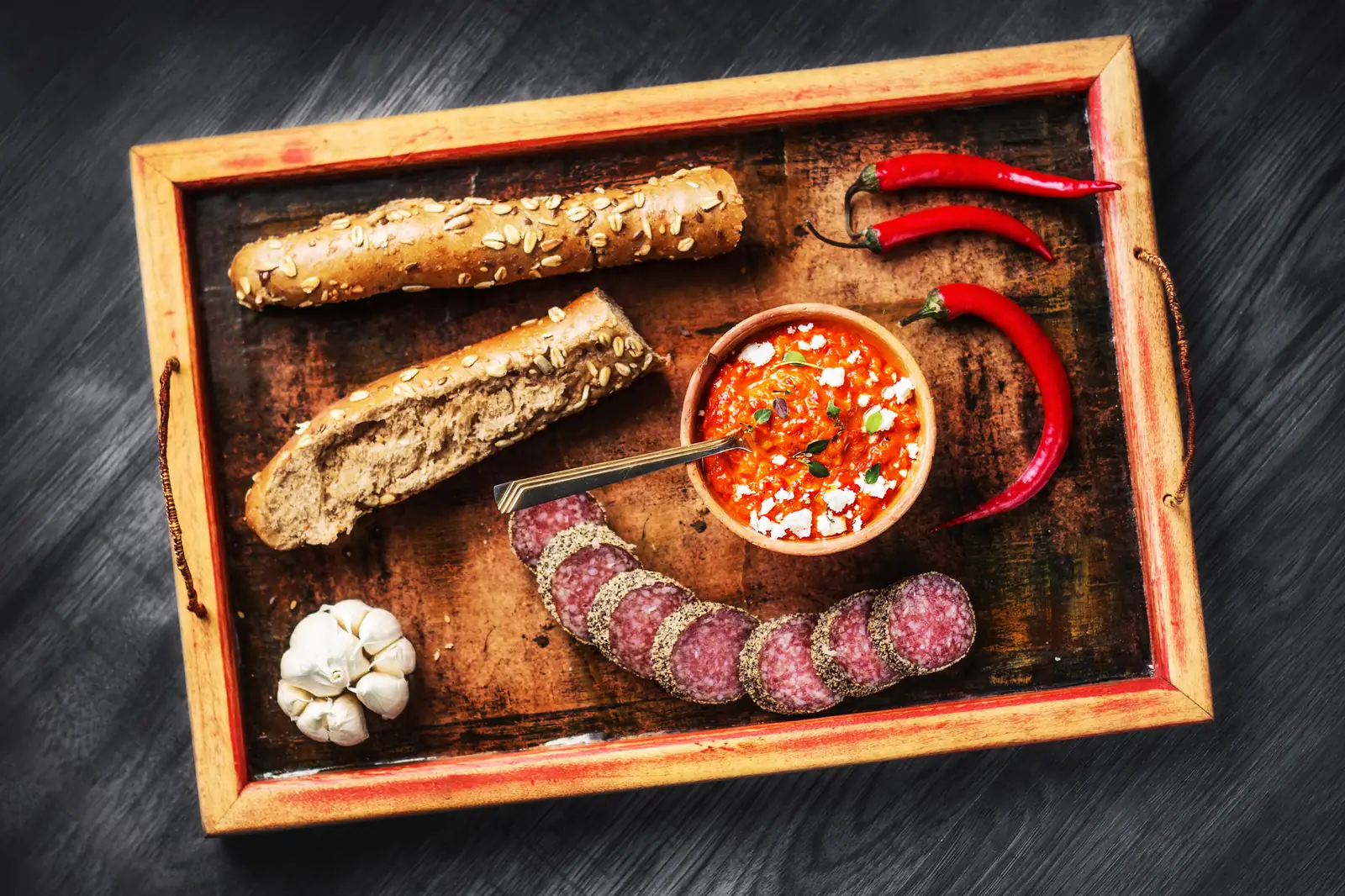
This ajvar recipe roasts red peppers and eggplant until their skins blacken and the flesh turns sweet and smoky, then peels and blends them with garlic, olive oil and a little chilli into a thick, rust-red relish. It is eaten spread on bread, with cheese, or alongside grilled meat. One serving is about 80 g.

Comfort & Warmth

A smoky roasted red pepper and eggplant relish, blended with garlic and olive oil.

Pairs Well With
Crusty bread, white cheese & grilled meat
Quick Prep (<30m)
An open pastrmajlija flatbread topped with pork cubes and egg North Macedonia flag North Macedonia 1h 10m
Dinner •Macedonian Heritage

Pastrmajlija

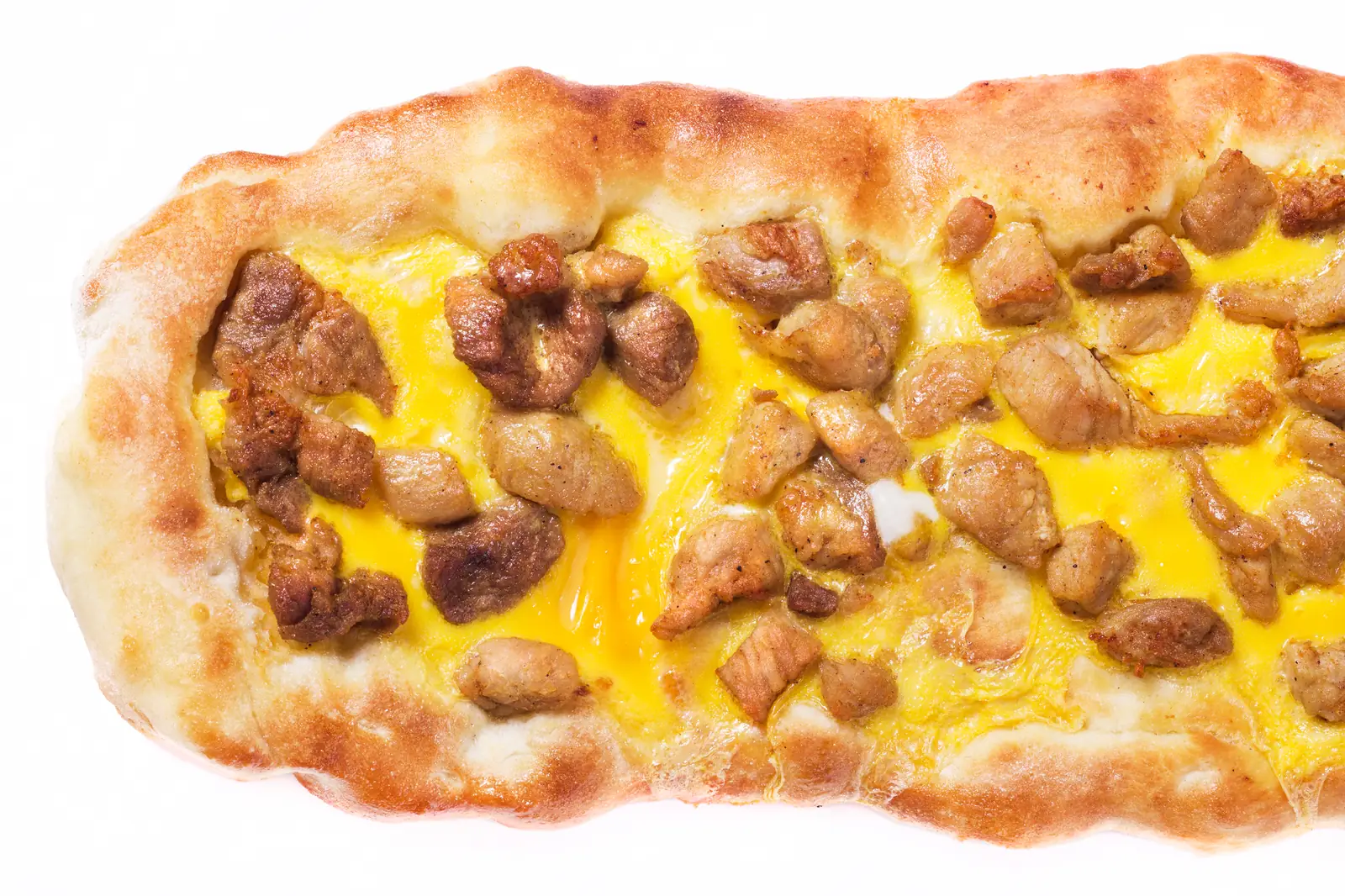
This pastrmajlija recipe rolls soft yeast dough into an oval flatbread, tops it with seasoned pork cubes and cracked eggs, and bakes it hot until the crust is golden and the egg just sets. It is eaten warm, cut into strips and shared. One serving is about 350 g.

Comfort & Warmth

An open flatbread topped with seasoned pork cubes and egg, baked until golden.

Pairs Well With
Pickled peppers, salad & red wine
High Protein
Bœuf bourguignon — French beef braised in red wine France flag France 4h
Dinner •Burgundy Terroir

Bœuf Bourguignon

Beef braised gently in red wine until the connective tissue melts into a velvet, gelatin-rich sauce — the classic Burgundy Sunday dinner.

Cellular Repair

Beef braised in red wine until spoon-tender, with mushrooms and pearl onions.

Pairs Well With
Parsnip Purée & Steamed French Haricots Verts
High Protein
Vietnamese braised pork belly with golden eggs in caramel sauce Vietnam flag Vietnam 1h 45m
Dinner •One Pot

Vietnamese Braised Pork and Eggs

Pork belly slowly braised in coconut water and caramel until meltingly tender, with golden eggs that soak up the sweet-savoury sauce — the Vietnamese family dish that tastes better the next day.

Comfort & Sustained Energy

Slow-braised pork belly and eggs in coconut water and caramel.

Pairs Well With
Steamed rice & pickled mustard greens
High Protein

The Dinner Gazette

Never wonder what’s for dinner again

One email a week with easy dinner ideas from around the world — ingredients, steps and nutrition, tested in our kitchen first.

Delivered every Thursday morning. Unsubscribe anytime.



