
Curated recipes from 193 countries  •  New seasonal Mediterranean issue out now

Overview

Ugali with Sukuma Wiki

Kenyan Maize Meal with Collard Greens

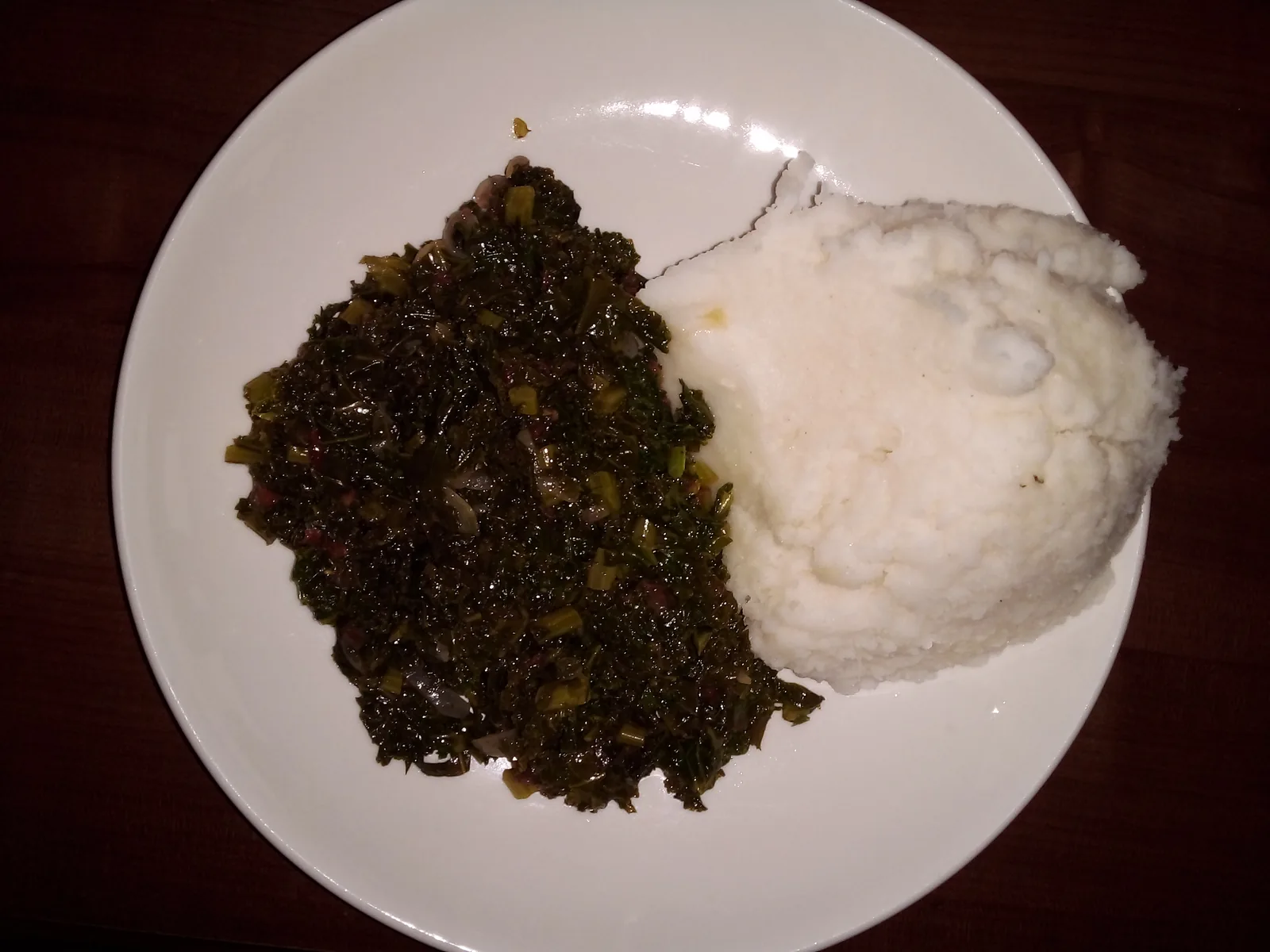
This ugali sukuma wiki recipe is the plate Kenya eats most days: a firm mound of white maize ugali, torn off by hand and used to scoop up sukuma wiki — collard greens sautéed with onion, tomato and garlic until just wilted. It costs very little, fills you up, and carries a surprising amount of fibre and vitamins. One serving is about 475 g.

Ugali is the stiff maize porridge at the heart of Kenyan eating, and sukuma wiki — Swahili for stretch the week — is the affordable collard green dish that makes a little food go a long way. Maize reached East Africa with Portuguese traders in the 16th century and became the region's staple, while collard greens, cooked simply with onion and tomato, became the everyday companion: cheap, filling, and eaten with the hands, ugali torn off to scoop the greens.

Pairs well with: Nyama choma, kachumbari & black tea

Provenance

Kenya flag Kenya

Kenya Heritage

African Heritage

Time Dedication

45m

15m prep • 30m cook

Batch Yield

4 Servings

496 kcal per serving

1 serving ≈ 475 g

Technical Skill

Easy

Easy (One Pot)

Meal Timing & Digestive Fit

Breakfast

Not Advised

Lunch

Hearty Midday Main

Dinner

Ideal Hearty Main

Snack & Tea

Inappropriate

Occasions: Everyday dinners, family meals, budget cooking, lunchboxes Cost: Low — about $1–2 per serving at home
A plate of white ugali with sautéed sukuma wiki collard greens

Kenya Heritage

Photo: Catherine Amia, CC BY-SA 4.0, via Wikimedia Commons

The Heritage Formulary

Measured Ingredients

Estimated cost: Low — about $1–2 per serving at home (USD)

A true ugali is judged by its texture: smooth, firm and lump-free, and sukuma wiki by its colour — still bright green, never overcooked.

Execution Methodology & Culinary Technique

Step-by-Step Cooking Guide

Active 45m
P

Prep Stage: Wash & Slice

15 Mins • Knife Work

Strip the collard leaves from their stems, wash them in several changes of cold water until no grit remains, then roll the leaves into tight bundles and slice them into thin ribbons. Dice the tomatoes, slice the onion, and mince the garlic. Measure the maize meal and put a heavy pot of water on to boil.

Maestro Tip: Thin ribbons cook in minutes and stay bright green; thick shreds turn tough and dull.

  1. 1

    Cook the Ugali

    15 Mins • Stirring Boiling water, 100°C (212°F), then low heat

    Bring 900ml of water to a rolling boil with a pinch of salt. Reduce the heat slightly and rain the maize meal in slowly, a handful at a time, stirring constantly with a strong wooden spoon (mwiko) so no lumps form. Keep stirring and folding for 10 minutes until the ugali pulls away from the sides of the pot and holds a firm, smooth shape. Cover and let it steam on low heat for 3–5 minutes.

    Add the flour slowly and keep the spoon moving — lumps form in seconds and cannot be stirred out later.

    Done when: Firm, smooth and dough-like; it holds its shape when pressed and pulls cleanly from the pot.

  2. 2

    Sauté Onion, Tomato & Garlic

    5 Mins Medium heat, ~160°C (320°F)

    While the ugali steams, heat the oil in a wide pan over medium heat. Soften the onion for 2 minutes, add the garlic for 30 seconds, then add the diced tomatoes and a pinch of salt. Cook for 3 minutes until the tomatoes collapse into a soft sauce.

    Let the tomatoes cook down properly — raw, watery tomato makes the greens soggy.

    Done when: Tomatoes are soft and saucy; the pan smells sweet and savoury.

  3. 3

    Wilt the Greens

    7 Mins Medium heat, ~160°C (320°F)

    Add the sliced collard greens to the pan in handfuls, stirring each handful in before adding the next. Cover and cook for 5–7 minutes, stirring once or twice, until the greens are wilted, tender and still bright green. Taste and adjust the salt.

    Stop while the greens are still bright — overcooked sukuma wiki turns dark, bitter and limp.

    Done when: Greens are tender, glossy and bright green, not dark or watery.

  4. 4

    Shape & Serve

    3 Mins Serve hot

    Turn the ugali out onto a plate and shape it into a smooth dome with wet hands or a wet spoon. Spoon the sukuma wiki alongside and serve immediately, while the ugali is still warm and soft enough to tear.

    Wet your hands before shaping — hot ugali sticks to dry skin.

    Done when: A smooth white dome beside a bright green pile of greens.

Finishing Touches & Plating

Serve hot, with the ugali torn into pieces by hand and used to scoop the greens. A spoonful of kachumbari on the side adds a fresh, sharp crunch.

Nutritional Physiology & Benefits

Nutrition

Energy

496

kcal / serving

Protein

13g

Complete AA

Carbs

90g

Complex

Fats

12g

Healthy

Per serving (4 servings · 1 serving ≈ 475 g)
Energy496 kcal
Protein13 g
Carbohydrates90 g
Fat12 g
Fibre13.6 g
Sugar4.1 g
Sodium458 mg
Per 100g
Energy104 kcal
Protein2.7 g
Carbohydrates19 g
Fat2.5 g
Fibre2.9 g
Sugar0.9 g
Sodium96 mg

Nutrition values are estimated — calculated from USDA FoodData Central values for the listed ingredients.

Vitamins & minerals: Vitamin K, vitamin C and calcium (collard greens), vitamin A (greens and tomato), folate and iron (greens). Nutrition values are estimated.

Fibre-Rich Plate

About 13.6 g of fibre per serving comes mostly from the collard greens and maize meal, supporting digestion and steady fullness.

Leafy-Green Vitamins

Collard greens are rich in vitamin K, vitamin C, calcium and folate — a strong nutritional return for a very cheap vegetable.

Slow, Steady Energy

The maize meal gives slow-release carbohydrate, so this simple plate keeps you full for hours without heaviness.

Food Pairings

What to Eat With

To optimize nutrient absorption and elevate the sensory depth, pair with these authentic accompaniments:

Sides

Nyama Choma

Grilled meat is the classic upgrade: the smoky, salty beef turns a humble everyday plate into a celebration meal, and the ugali is there to catch the juices.

Fried Eggs

A fried egg on the side adds protein and richness for days when there is no meat, and its yolk enriches the plain ugali.

Vegetables

Kachumbari

Raw tomato, onion and lemon add crunch and acidity that lift the soft ugali and earthy greens, and the vitamin C helps the body absorb iron from the greens.

Drinks

Black Tea (Chai)

A hot, unsweetened black tea is the everyday Kenyan drink with this meal — warm, simple, and a good finish to a starchy plate.

Complete menu

Serve the ugali and sukuma wiki as the main plate, with kachumbari on the side and nyama choma when there is meat; finish with hot black tea.

Digestive Guardrails

What NOT to Combine

To prevent digestive distress, sluggishness, or palate clash, avoid pairing the dish with these elements:

Very Salty Stock Cubes in the Greens

Stock cubes are very high in sodium and can easily push a light, healthy plate into salty territory; the recipe's plain salt is enough. This is general information, not medical advice.

Overcooking the Greens

Boiling collard greens for a long time leaches vitamins into the water and turns them bitter — a quick 5–7 minute wilt keeps both colour and nutrients.

General information only, not medical advice — consult a doctor for personal dietary decisions.

Who Should Eat It

Who Should Eat

  • General adultsA balanced, filling everyday dinner — starch, greens and a little oil in one plate.
  • ChildrenSuitable from age 2+; the ugali is soft and easy to chew, and the greens can be chopped finer for small children.
  • ElderlyExcellent — soft, easy to chew, gentle on the stomach, and rich in calcium from the greens.
  • Pregnant womenGenerally suitable; the greens supply folate and iron, and the dish is naturally plant-based.
  • Breastfeeding womenGenerally suitable; the fibre and iron support recovery — keep the salt moderate.
  • AthletesA good carbohydrate base after training; add an egg or meat for extra protein.
  • Weight gainA good choice — the plate is cheap, filling and energy-dense; add meat or eggs.
  • Weight lossA good choice — the high fibre keeps you full; keep the ugali portion modest and load up on greens.

Health Conditions — Adjust or Avoid

Conditions

  • DiabetesHigh in carbohydrate from the maize meal, so keep the ugali portion modest and fill half the plate with greens; ask your clinician about portions.
  • High blood pressureLow in sodium as written; avoid adding stock cubes or extra salt. Ask your clinician about your daily sodium limit.
  • Kidney diseaseThe greens are high in potassium; keep the portion modest if your clinician has advised a low-potassium diet, and ask about portion size.
  • GoutPlant-based and very low in purines, so it is generally a safe choice; ask your clinician if you have other dietary limits.
  • Stomach issuesUsually gentle on the stomach; skip raw onion in the kachumbari if your stomach is sensitive.
  • Cardiovascular diseaseNaturally low in fat and cholesterol-free, with fibre from the greens. Ask your clinician about how this fits your overall diet.
  • Fatty liverLow in fat and rich in fibre; a modest ugali portion with plenty of greens suits most advice. Ask your clinician about portions.
  • Food allergiesContains no common allergens as written. Naturally gluten-free and vegan — just check any stock cube or spice mix for hidden wheat or soy if you add one.
  • Special therapeutic dietsIf you follow a prescribed low-potassium or low-carbohydrate diet, adjust the greens and ugali portions, and check with your clinician.

If you have a medical condition, consult your doctor before changing your diet.

Storage & Use

Storage & Use

How to store
Cool quickly and store ugali and greens separately in airtight containers.
In the fridge
Ugali 2 days; cooked greens 2 days.
In the freezer
Ugali 1 month; greens 1 month.
How to reheat
Reheat the ugali by steaming or microwaving with a splash of water until steaming hot, to 74°C (165°F); warm the greens in a pan.
Freezing recommended
Yes for both, up to 1 month; the ugali firms up and needs steaming to soften.
Signs it has spoiled
Sour or off smell, slimy greens, or mould on the ugali.

More recipes to explore

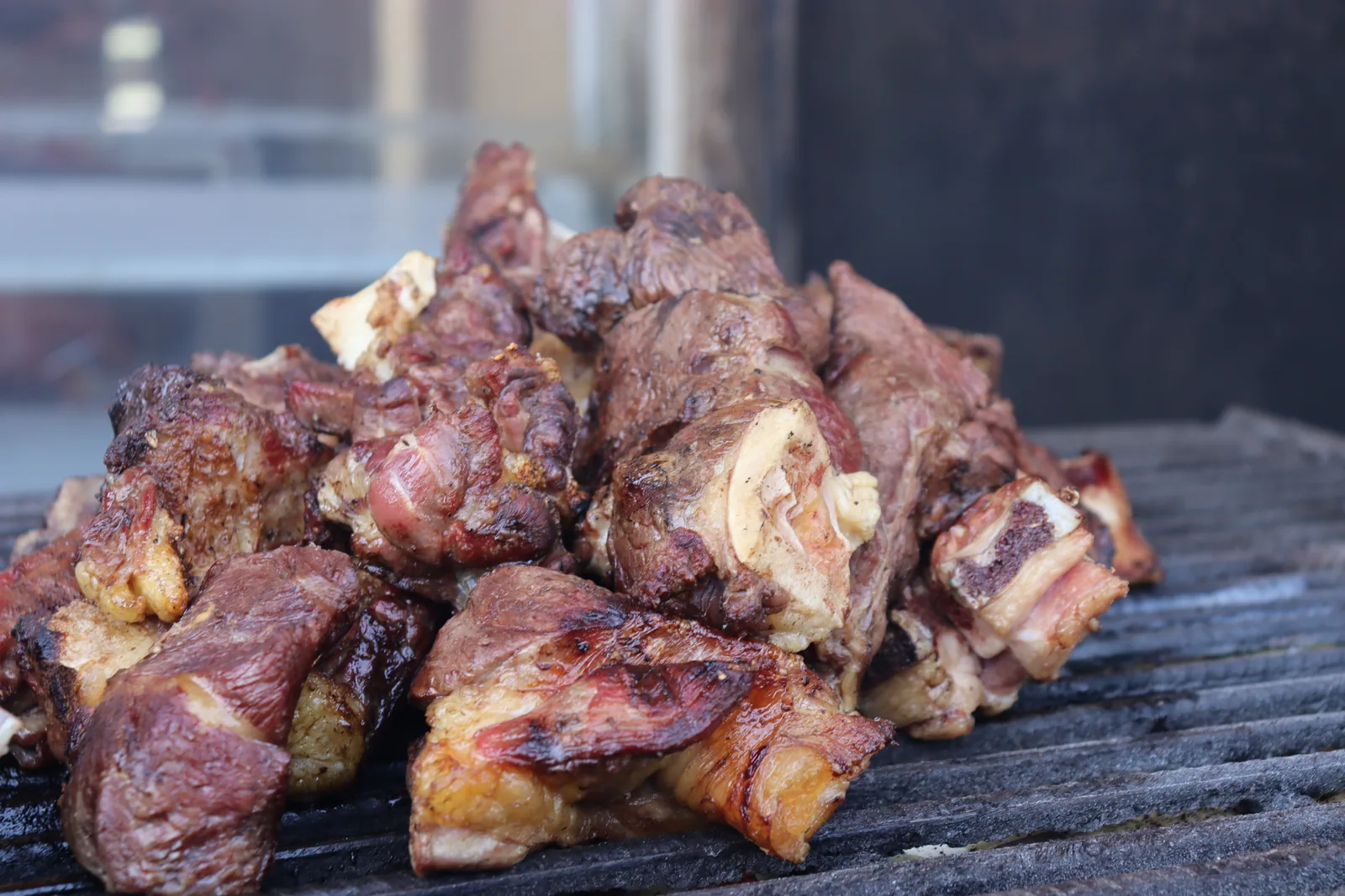
Charred bone-in nyama choma grilling over charcoal Kenya flag Kenya 1h 15m
Dinner •Kenya Heritage

Nyama Choma

Nyama choma means roast meat in Swahili, and this nyama choma recipe is Kenya's charcoal-grilled classic: beef rubbed with garlic, ginger and lemon, cooked low and slow over glowing coals until the edges crisp and the centre stays juicy. It is the centrepiece of Kenyan weekends, sliced hot off the grill and eaten with the hands. One serving is about 250 g.

High-Protein Grilling

Beef chunks rubbed with garlic, ginger, lemon and coriander, grilled slowly over charcoal until charred outside and juicy inside.

Pairs Well With
Ugali, kachumbari & cold lager
High Protein
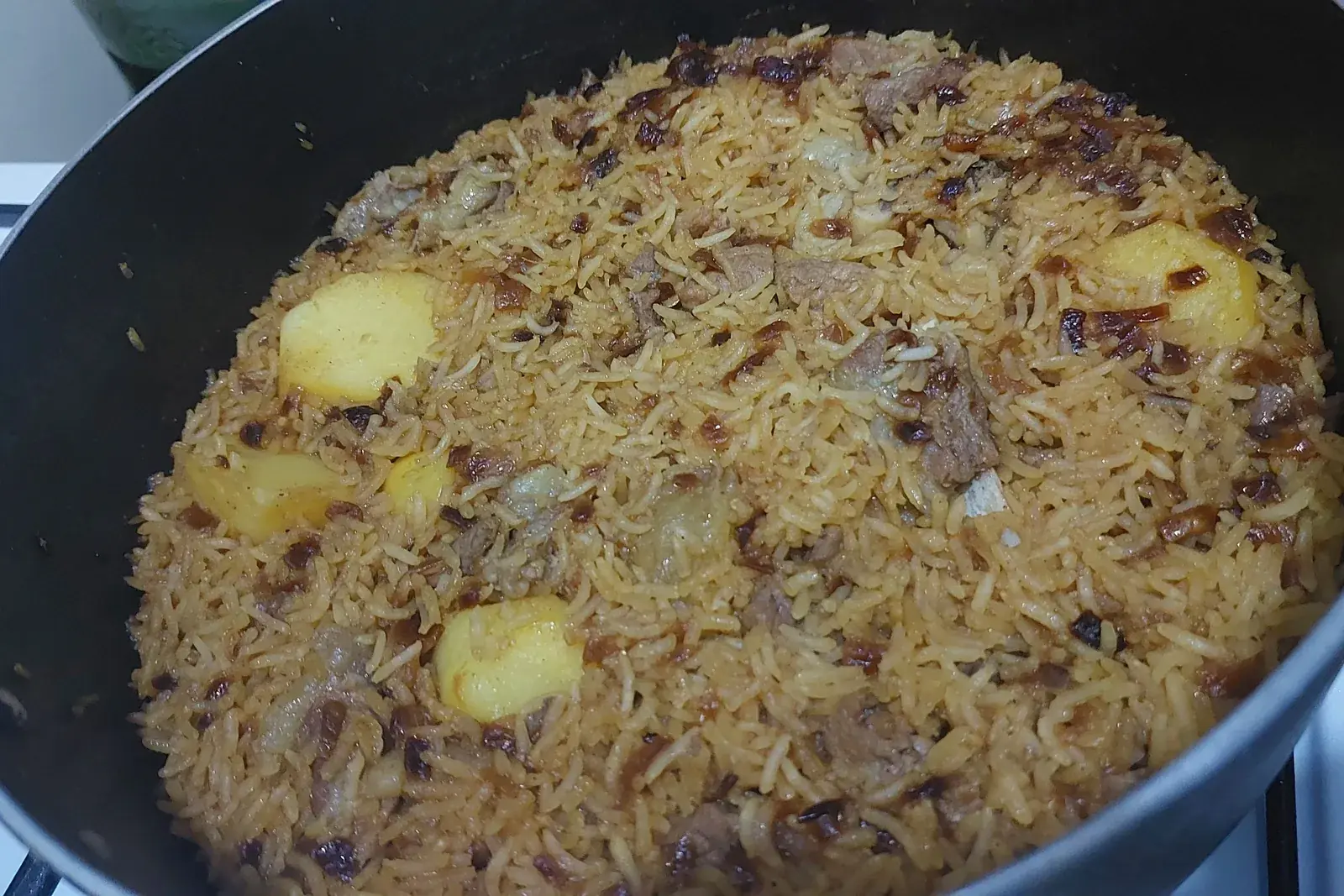
A pot of Kenyan pilau rice with beef and potatoes Kenya flag Kenya 1h 15m
Dinner •Swahili Coast Heritage

Kenyan Pilau

This kenyan pilau recipe is the Swahili coast's celebration rice: long-grain basmati cooked in rich beef broth with pilau masala — cumin, cardamom, cinnamon, cloves and black pepper — plus tender beef and potatoes, all in one pot. The onions are browned until dark and sweet, the spices are bloomed in oil, and the rice steams until every grain is separate and fragrant. One serving is about 385 g.

Celebration Rice

Basmati rice cooked in beef broth with pilau masala, potatoes and browned onions — the Swahili coast's celebration dish.

Pairs Well With
Kachumbari, pilipili & hot chai
Bœuf bourguignon — French beef braised in red wine France flag France 4h
Dinner •Burgundy Terroir

Bœuf Bourguignon

Beef braised gently in red wine until the connective tissue melts into a velvet, gelatin-rich sauce — the classic Burgundy Sunday dinner.

Cellular Repair

Beef braised in red wine until spoon-tender, with mushrooms and pearl onions.

Pairs Well With
Parsnip Purée & Steamed French Haricots Verts
High Protein
Vietnamese braised pork belly with golden eggs in caramel sauce Vietnam flag Vietnam 1h 45m
Dinner •One Pot

Vietnamese Braised Pork and Eggs

Pork belly slowly braised in coconut water and caramel until meltingly tender, with golden eggs that soak up the sweet-savoury sauce — the Vietnamese family dish that tastes better the next day.

Comfort & Sustained Energy

Slow-braised pork belly and eggs in coconut water and caramel.

Pairs Well With
Steamed rice & pickled mustard greens
High Protein

The Dinner Gazette

Never wonder what’s for dinner again

One email a week with easy dinner ideas from around the world — ingredients, steps and nutrition, tested in our kitchen first.

Delivered every Thursday morning. Unsubscribe anytime.



