Curated recipes from 193 countries  •  New seasonal Mediterranean issue out now

Overview

Ají de Gallina

Peruvian Creamy Chicken Stew, Ají de Gallina Limeña

Ají de gallina is Lima's great comfort stew: poached chicken shredded into a velvety golden sauce of ají amarillo, bread soaked in evaporated milk, ground walnuts and Parmesan, served over white rice with a boiled egg, black olives and boiled potato. It is creamy, nutty, gently spicy and deeply filling — the dish Peruvians ask for when they come home. One serving is about 574 g.

Ají de gallina developed in Lima during the colonial period, when Spanish and French cooking met Peruvian ingredients. A shredded hen in a sauce thickened with bread — a technique from old European cooking — took on ají amarillo, walnuts and Parmesan and became one of Peru's most loved home dishes. It is the stew Lima's families cook for Sunday lunch and the plate Peruvian restaurants abroad are asked for first.

Pairs well with: White rice, boiled potato, boiled egg and black olives

Provenance

Peru flag Peru

Lima Heritage

Latin America & Caribbean

Time Dedication

1h

20m prep • 40m cook

Batch Yield

4 Servings

768 kcal per serving

1 serving ≈ 574 g

Technical Skill

Intermediate

Intermediate (Creamy Stew)

Meal Timing & Digestive Fit

Breakfast

Not Advised

Lunch

Hearty Midday Main

Dinner

Ideal Hearty Main

Snack & Tea

Inappropriate

Occasions: Family dinners, Sunday lunches, comfort-food suppers, cold-weather dinners Cost: Low — about $3–4 per serving at home
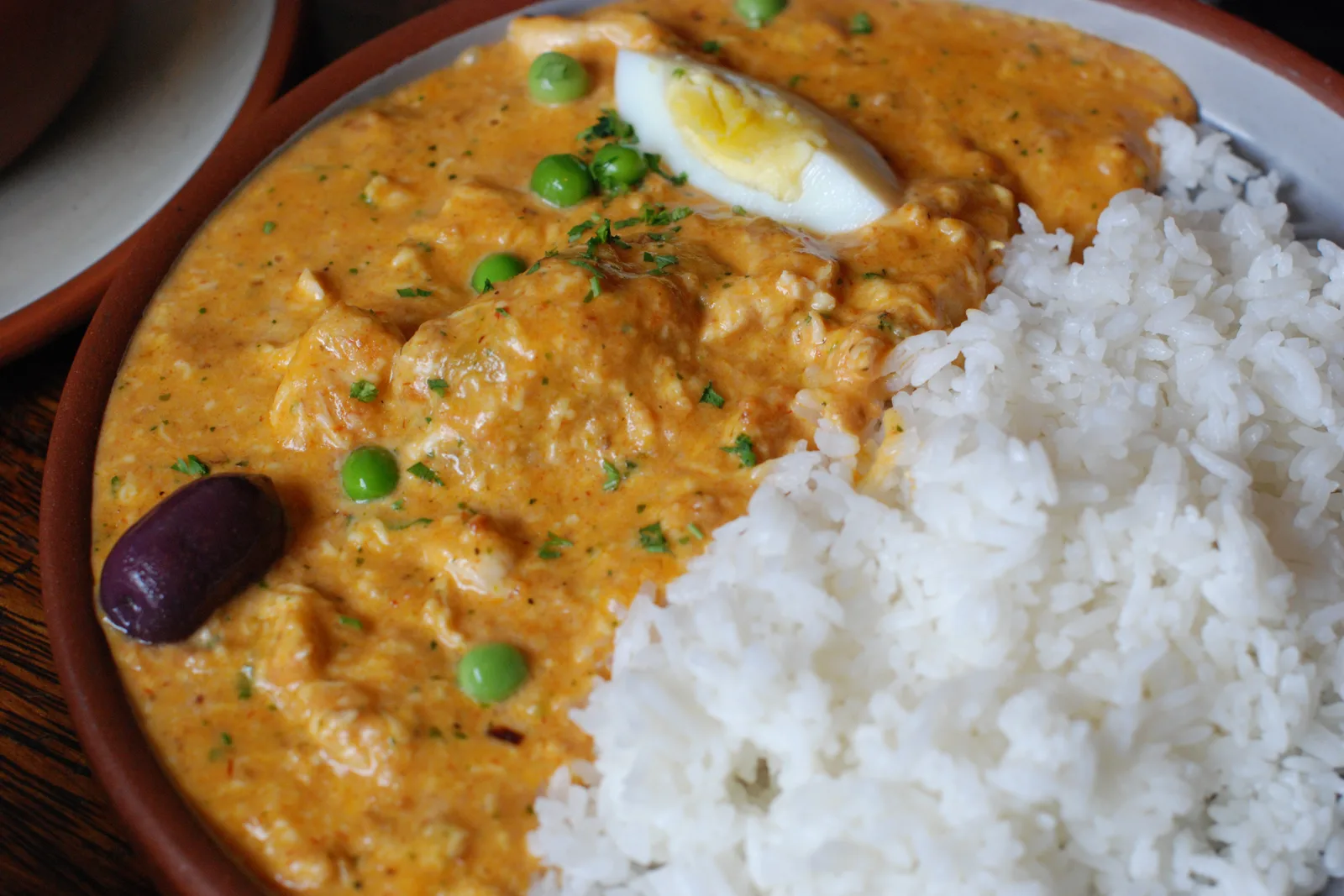
A bowl of ají de gallina with creamy golden chicken sauce, white rice, a boiled egg, peas and a black olive

Lima Heritage

Photo: ta@keshi kimi, CC BY 2.0, via Wikimedia Commons

The Heritage Formulary

Measured Ingredients

Estimated cost: Low — about $3–4 per serving at home (USD)

A good ají de gallina is velvety and golden: the sauce thick enough to coat a spoon but still flowing, the chicken tender, the flavour nutty, cheesy and gently hot.

Execution Methodology & Culinary Technique

Step-by-Step Cooking Guide

Active 1h
P

Prep Stage: Poach, Soak & Grate

20 Mins • Poaching & Soaking

Put the chicken on to poach in salted water and boil the eggs at the same time. While they cook, tear the bread and soak it in 150 ml of the evaporated milk, chop the onion and garlic, toast and grind the walnuts, and grate the Parmesan. Cook the rice.

Maestro Tip: Start the bread soak early: bread that has soaked a full 10 minutes blends silk-smooth, while a quick dip leaves lumps in the sauce.

  1. 1

    Poach and Shred the Chicken

    20 Mins Gentle simmer, about 95°C (203°F); chicken to 74°C (165°F)

    Put the chicken breasts in a pot, cover with cold water and add a pinch of salt. Bring to a gentle simmer — not a hard boil — and cook for 20 minutes until the thickest part reads 74°C (165°F) on a thermometer. Lift the chicken out, let it cool for 5 minutes, then shred it into bite-sized strips with two forks. Keep 250 ml of the poaching water if you are using it as stock.

    A hard boil makes the chicken rubbery; a gentle simmer keeps it juicy and easy to shred.

    Done when: Chicken cooked through to 74°C (165°F), shredding easily into long, tender strips.

  2. 2

    Boil the Eggs and Blend the Sauce Base

    10 Mins Boiling water, 100°C (212°F) for the eggs

    While the chicken poaches, boil the eggs for 10 minutes, then cool them in cold water, peel and quarter. Put the torn bread and 150 ml of evaporated milk in a bowl and leave it to soak for 10 minutes, then blend it with the ground walnuts and 125 ml of the stock until completely smooth.

    Blend it longer than you think: any crumb left in the blender shows up as a lump in the finished sauce.

    Done when: Eggs firm and fully set; bread-milk blend smooth with no visible crumbs.

  3. 3

    Soften the Onion and Bloom the Ají

    7 Mins Medium heat, about 160°C (320°F)

    Heat the oil in a wide pot over medium heat. Add the onion and garlic and cook for 5 minutes until soft and translucent. Stir in the ají amarillo paste and turmeric and cook for 2 minutes more, until the paste darkens slightly and smells fruity.

    Cooking the paste in oil first — blooming it — takes the raw edge off the chilli and deepens its colour.

    Done when: Onion soft and sweet-smelling; paste deep orange and fragrant.

  4. 4

    Simmer the Stew and Finish with Parmesan

    10 Mins Gentle simmer, about 90°C (195°F)

    Pour the blended bread mixture into the pot with the remaining 125 ml of stock and the remaining 50 ml of evaporated milk. Stir in the shredded chicken and simmer gently for 10 minutes, stirring often, until the sauce thickens to a slow-flowing cream. Take the pot off the heat, stir in the Parmesan, and season with salt to taste. Add a splash more stock if the sauce is too thick.

    Stir in the Parmesan off the heat so the sauce stays smooth — boiling it now would make it grainy.

    Done when: Sauce thick enough to coat a spoon but still flowing; chicken heated through to 74°C (165°F).

  5. 5

    Plate with Rice, Egg and Olives

    5 Mins Serve hot, above 63°C (145°F)

    Spoon a mound of hot rice onto each plate, ladle the ají de gallina beside it, and top with the egg quarters and olives. Serve at once, while the sauce is still flowing.

    Plate it fast: the sauce sets as it cools, so it should reach the table while it still pours.

    Done when: Hot plates, golden sauce, rice steaming, egg and olives bright on top.

Finishing Touches & Plating

Serve it hot, the sauce still flowing, with the egg and olives on top and the rice on the side — and keep a little extra stock nearby, because the sauce thickens fast once it leaves the heat.
Nutritional Physiology & Benefits

Nutrition

Energy

768

kcal / serving

Protein

58g

Complete AA

Carbs

66g

Complex

Fats

29g

Healthy

Per serving (4 servings · 1 serving ≈ 574 g)
Energy768 kcal
Protein58 g
Carbohydrates66 g
Fat29 g
Fibre3.2 g
Sugar9.0 g
Sodium1004 mg
Per 100g
Energy134 kcal
Protein10.1 g
Carbohydrates11.5 g
Fat5.1 g
Fibre0.6 g
Sugar1.6 g
Sodium175 mg

Nutrition values are estimated — calculated from USDA FoodData Central values for the listed ingredients.

Vitamins & minerals: Chicken and egg provide vitamin B12, selenium and B vitamins; ají amarillo and turmeric add vitamin A and vitamin C; walnuts add vitamin E. All nutrition values are estimated.

Very High in Protein

About 58 g of protein per serving from chicken, egg and Parmesan — a plate built to keep you full for hours.

Golden Chilli, Walnuts and Egg

The ají amarillo gives the sauce its golden colour and fruity heat, while walnuts add plant fats and the egg adds B vitamins.

One-Pot Comfort, Easy Finish

One pot for the stew, rice on the side, and a sauce that comes together in a blender — a Sunday-style dinner without a long day in the kitchen.

Food Pairings

What to Eat With

To optimize nutrient absorption and elevate the sensory depth, pair with these authentic accompaniments:

Sides

White Rice

The rice is not optional: it soaks up the rich sauce and turns a heavy stew into a complete plate.

Vegetables

Boiled Potato

A boiled potato on the plate is traditional — its plain, starchy softness is the calm base the spicy sauce needs.

Drinks

Chicha Morada

A cold, lightly sweet purple-corn drink cools the ají heat and keeps the meal refreshing against all that richness.

Crisp White Wine or Lager

A crisp white wine or a cold lager cuts through the cream and cheese and lifts the whole plate.

Full Menus

Full Menu: Ceviche, Then Ají de Gallina

Start with a light ceviche, then finish with ají de gallina — cold and sharp first, then warm, creamy and filling.

Complete menu

A plate of ají de gallina over white rice with boiled potato, egg and olives, a small green salad on the side, and a glass of chicha morada — a classic Lima family dinner.

Digestive Guardrails

What NOT to Combine

To prevent digestive distress, sluggishness, or palate clash, avoid pairing the dish with these elements:

Boiling the Sauce After the Cheese Goes In

Boiling the sauce hard after the Parmesan and evaporated milk go in can split it into a grainy, oily mess. Keep the heat low and stir often once the dairy is in. This is general food information, not medical advice.

Skipping the Bread Soak

Adding dry bread straight to the pan gives a lumpy sauce with dry crumbs. Soak the bread in the milk first and blend it smooth — that soak is what makes the sauce velvety. This is general food information, not medical advice.

Cooking the Sauce Until It Looks Thick Enough

The sauce thickens as it sits, so cooking it until it looks perfect in the pan leaves it stiff and pasty on the plate. Stop when it still flows slowly off a spoon and it will set just right. This is general food information, not medical advice.

General information only, not medical advice — consult a doctor for personal dietary decisions.

Who Should Eat It

Who Should Eat

  • General adultsA rich, comforting dinner for most adults; the portion is generous, so a lighter lunch earlier in the day balances it.
  • ChildrenKids usually love the creamy sauce and rice; use only 2 tablespoons of ají paste and leave the olives off their plates if they dislike them.
  • ElderlySoft shredded chicken and a smooth sauce are easy to eat; the dish is fairly rich and salty, so keep the portion as stated.
  • Pregnant womenThe chicken is poached through and the eggs are boiled hard, which is the safe way to eat them in pregnancy; serve it freshly made and hot. Ask your clinician if unsure.
  • Breastfeeding womenA filling, energy-rich dinner for nursing mothers; keep the chilli as stated or use less if your baby seems sensitive to spicy food.
  • AthletesAbout 58 g of protein with rice for carbohydrate makes it a strong recovery dinner; the walnuts add useful fats.
  • Weight gainAn energy-dense plate at 768 calories; a second spoon of rice or more sauce raises it further.
  • Weight lossA heavy plate, so keep the portion as stated, skip a second helping of rice, and save it for a day when dinner is your main meal.

Health Conditions — Adjust or Avoid

Conditions

  • DiabetesThe rice and bread carry most of the carbohydrate, about 66 g per serving; keep the rice portion as stated and skip a second helping. Ask your clinician about portions.
  • High blood pressureSodium is about 1004 mg per serving, mostly from salt, Parmesan and olives; use low-sodium stock and fewer olives if you need to. Ask your clinician about portions.
  • Kidney diseaseChicken, Parmesan and milk are all high in protein and phosphorus; keep the portion small and infrequent. Ask your clinician.
  • GoutChicken and nuts can be high in purines; a smaller portion now and then is usually better than a full plate. Ask your clinician.
  • Stomach issuesThe ají chilli and rich sauce can irritate a sensitive stomach; use less ají paste and eat a small portion. Ask your clinician if unsure.
  • Cardiovascular diseaseThe sauce is rich in saturated fat from milk, cheese and walnuts, so this is a sometimes dish rather than an everyday one. Ask your clinician about portions.
  • Fatty liverA rich, creamy plate; using skimmed evaporated milk and less Parmesan lightens it. Ask your clinician about portions.
  • Food allergiesContains milk, egg, tree nuts (walnut) and gluten (bread). Do not serve it to anyone with a walnut allergy — pecans are not a safe swap for a nut allergy.
  • Special therapeutic dietsNot gluten-free, dairy-free or nut-free as written. A gluten-free bread works for the sauce, but the milk and walnuts cannot be left out without changing the dish; ask your clinician.

If you have a medical condition, consult your doctor before changing your diet.

Storage & Use

Storage & Use

How to store
Store the stew, rice, egg and olives in separate sealed containers in the fridge.
In the fridge
Up to 3 days at 4°C (40°F) or below in a sealed container; keep the egg and olives separate.
In the freezer
Freeze the sauce and chicken without the rice, egg or olives for up to 2 months at -18°C (0°F); the sauce may need a splash of milk when reheated.
How to reheat
Reheat the stew gently in a pot over low heat, stirring often, until steaming and 74°C (165°F) throughout; add a splash of milk or stock if it has thickened too much. Do not boil it.
Freezing recommended
Partly — freeze the stew only; cook fresh rice and boil fresh eggs when you reheat.
Signs it has spoiled
Sour or off smell, slimy chicken, or any mould — throw it away.

More recipes to explore

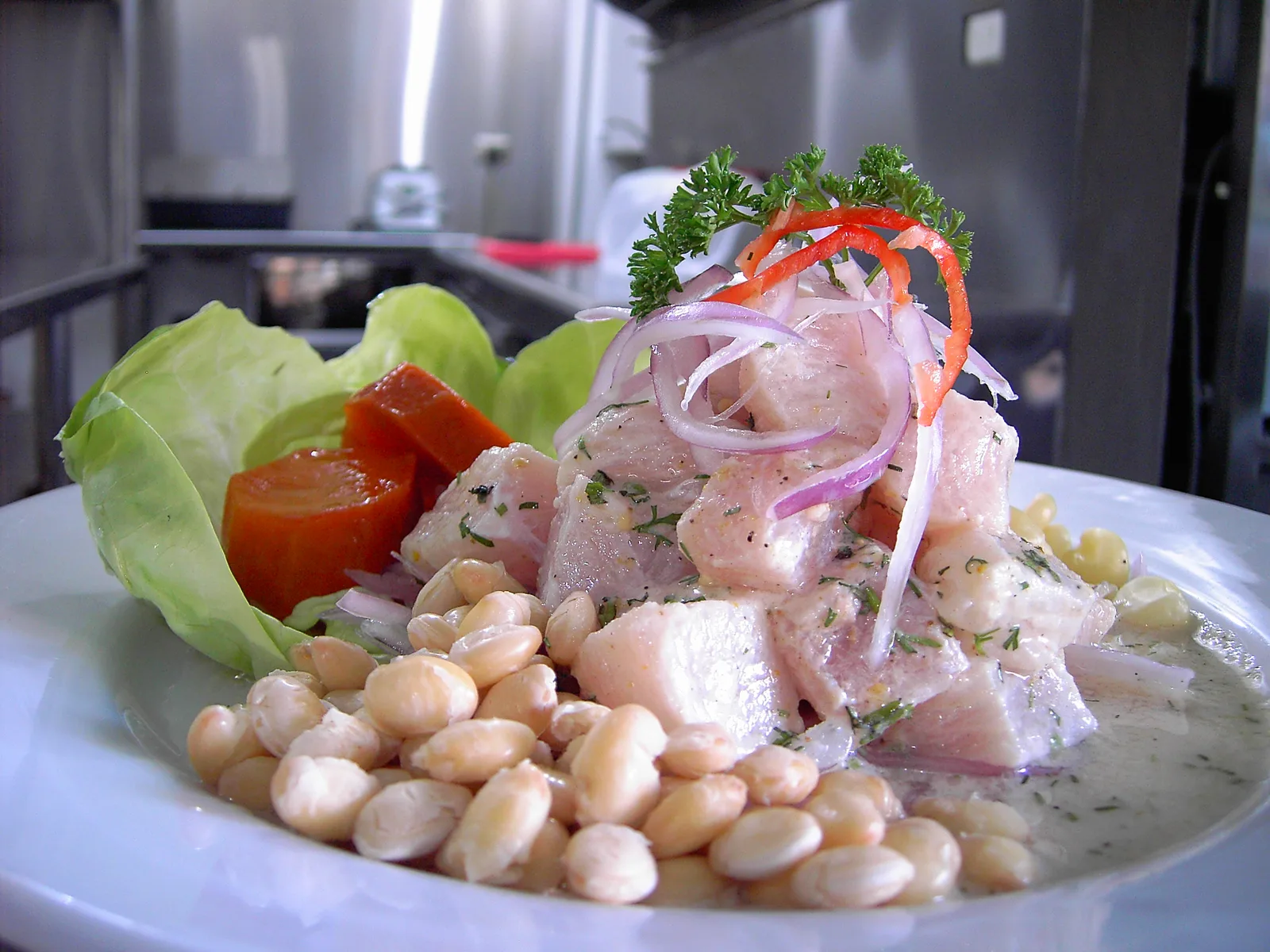
A plate of cebiche de corvina with lime-cured white fish cubes, red onion, ají strips, lettuce, sweet potato and choclo corn Peru flag Peru 35m
Lunch •Coastal Peru

Peruvian Ceviche

Peruvian ceviche is the national dish of Peru: cubes of very fresh sea bass cured in lime juice with red onion, ají limo and cilantro, with the milky, spicy marinade it leaves behind — leche de tigre — spooned over the top. It arrives with boiled sweet potato and big-kernel choclo corn, the sweet and starchy balance to all that citrus and heat. One serving is about 371 g.

Light & Fresh

Fresh sea bass cured in lime juice with red onion, ají limo and leche de tigre, served with sweet potato and choclo.

Pairs Well With
Boiled sweet potato, choclo corn and cancha
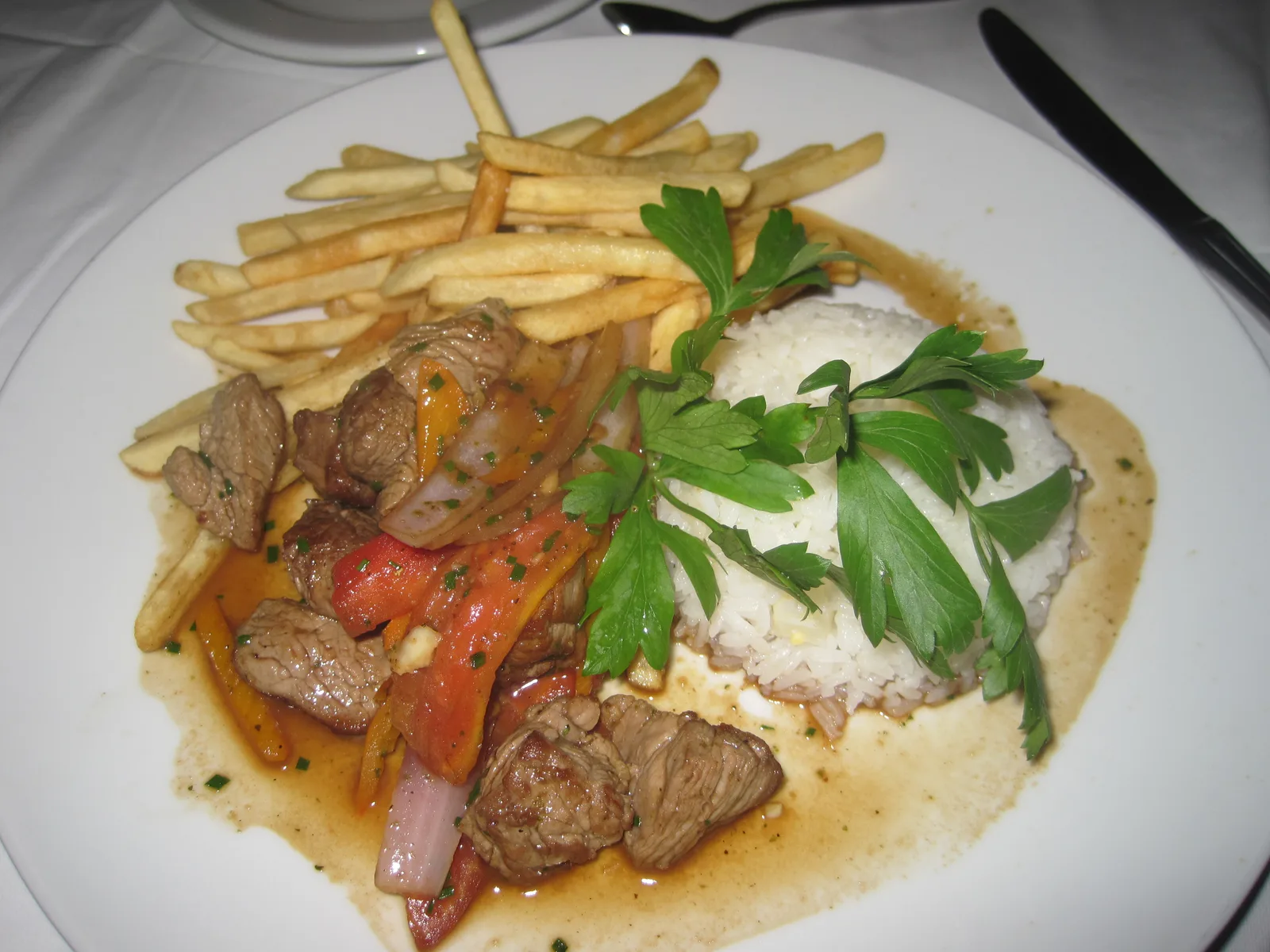
A plate of lomo saltado with seared beef strips, tomato and onion, French fries and a mound of white rice Peru flag Peru 40m
Dinner •Lima Heritage

Lomo Saltado

Lomo saltado is Peru's beloved Chifa stir-fry: strips of sirloin seared at screaming heat in a wok, tossed with red onion, tomato, soy sauce and red wine vinegar, then folded with crisp French fries and served beside white rice. It is the meeting of Cantonese wok cooking and Peruvian ingredients on one plate — smoky, salty, tangy and completely moreish. One serving is about 579 g.

Comfort & Energy

Sirloin seared at high heat with onion, tomato, soy and vinegar, tossed with fries and served with rice.

Pairs Well With
French fries, white rice and salsa criolla
Quick Prep (<30m)
Bœuf bourguignon — French beef braised in red wine France flag France 4h
Dinner •Burgundy Terroir

Bœuf Bourguignon

Beef braised gently in red wine until the connective tissue melts into a velvet, gelatin-rich sauce — the classic Burgundy Sunday dinner.

Cellular Repair

Beef braised in red wine until spoon-tender, with mushrooms and pearl onions.

Pairs Well With
Parsnip Purée & Steamed French Haricots Verts
High Protein
Vietnamese braised pork belly with golden eggs in caramel sauce Vietnam flag Vietnam 1h 45m
Dinner •One Pot

Vietnamese Braised Pork and Eggs

Pork belly slowly braised in coconut water and caramel until meltingly tender, with golden eggs that soak up the sweet-savoury sauce — the Vietnamese family dish that tastes better the next day.

Comfort & Sustained Energy

Slow-braised pork belly and eggs in coconut water and caramel.

Pairs Well With
Steamed rice & pickled mustard greens
High Protein

The Dinner Gazette

Never wonder what’s for dinner again

One email a week with easy dinner ideas from around the world — ingredients, steps and nutrition, tested in our kitchen first.

Delivered every Thursday morning. Unsubscribe anytime.