Curated recipes from 193 countries  •  New seasonal Mediterranean issue out now

Overview

Argentine Fugazzeta

Fugazzeta Rellena, Stuffed Fugazza, Fugazetta

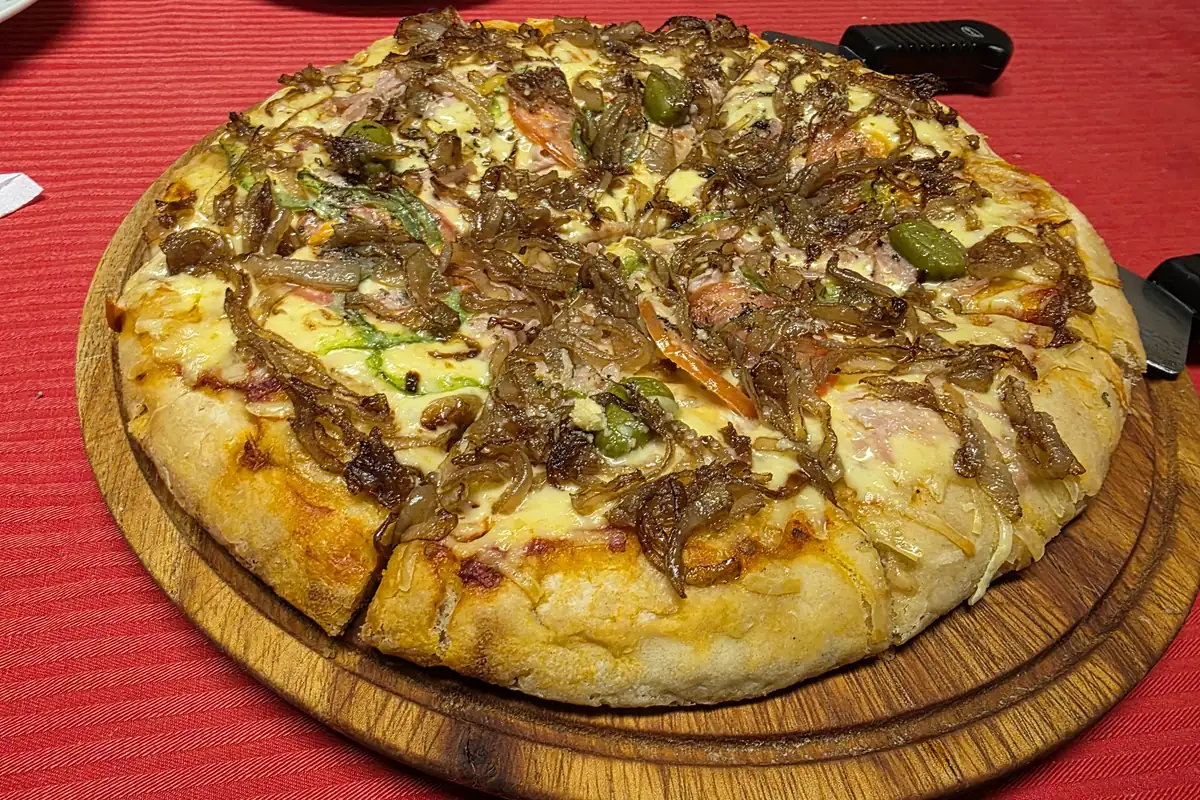
Argentine fugazzeta is Buenos Aires' stuffed pizza: two layers of soft, olive-oil pan dough sealed around a thick layer of mozzarella and provolone, then covered edge to edge with sweet sliced onions, oregano and Parmesan. There is no tomato sauce at all — the onions and the cheese are the whole point. One serving is 1 slice, about 200 g.

Fugazzeta is the stuffed child of fugazza, the onion-topped focaccia that Genoese immigrants brought to Buenos Aires. The name comes from fugassa, the Genoese word for focaccia. In 1893 Agustín Banchero, a baker from Genoa, opened a bakery in La Boca, the port neighbourhood where many Genoese families settled; his son Juan turned the focaccia into fugazza con queso, an onion-and-cheese bread sold by the slice. In 1932 Juan opened the Pizzería Banchero, and Buenos Aires pizzerias later began sealing the cheese between two crusts — that stuffed version is the fugazzeta, now on almost every pizzeria menu in the city.

Pairs well with: A green salad and a glass of Malbec

Provenance

Argentina flag Argentina

Buenos Aires Pizzeria Classic

Latin America & Caribbean

Time Dedication

1h 40m

75m prep • 25m cook

Batch Yield

8 Servings

502 kcal per serving

1 serving ≈ 200 g

Technical Skill

Intermediate

Intermediate (Stuffed Pizza)

Meal Timing & Digestive Fit

Breakfast

Not Advised

Lunch

Hearty Midday Main

Dinner

Ideal Hearty Main

Snack & Tea

Inappropriate

Occasions: Family dinners, weekend gatherings, football nights, casual parties Cost: Low — about $2–3 per serving at home
A whole Argentine fugazzeta on a wooden board, topped with sweet caramelised onions and melted golden cheese

Buenos Aires Pizzeria Classic

Photo: Horacio Cambeiro, CC BY-SA 4.0, via Wikimedia Commons

The Heritage Formulary

Measured Ingredients

Estimated cost: Low — about $2–3 per serving at home (USD)

A good fugazzeta has a crisp, golden base, a molten cheese middle that pulls in strings, and onions that are sweet and scorched at the tips, never raw.

Execution Methodology & Culinary Technique

Step-by-Step Cooking Guide

Active 1h 40m
P

Prep Stage: Dough, Rise & Onions

75 Mins • Dough, Rise & Onions

Dissolve the yeast and sugar in the warm water and leave 5 minutes until foamy. Mix with the flour, 30 ml of the olive oil and the salt, knead 8 minutes until smooth, then cover and rise for 1 hour until doubled. Meanwhile, slice the onions thinly, soak them in cold salted water for 30 minutes, drain and squeeze very dry. Slice the mozzarella and grate the provolone and Parmesan.

Maestro Tip: Squeeze the soaked onions really dry in a clean tea towel: any water left in them steams the crust soggy in the oven.

  1. 1

    Make the Dough and Let It Rise

    1 Hour 15 Mins Warm place, about 25°C (77°F)

    Stir the yeast and sugar into the warm water and leave for 5 minutes until foamy. Add the flour, 30 ml of the olive oil and the salt, and mix into a shaggy dough. Knead on a floured surface for 8 minutes until smooth and elastic, then shape into a ball, oil the bowl lightly, cover and leave in a warm place for 1 hour until doubled in size.

    If your kitchen is cool, rise the dough in the oven with just the light on: steady gentle warmth beats a draughty counter.

    Done when: Dough smooth, elastic and doubled in size, springing back slowly when poked.

  2. 2

    Soak and Dry the Onions

    30 Mins Cold water soak

    While the dough rises, put the sliced onions in a bowl of cold water with a teaspoon of salt and leave for 30 minutes. Drain well and squeeze them dry in a clean tea towel. Toss with the remaining 15 ml of olive oil and the oregano.

    This soak is what makes fugazzeta onions sweet instead of sharp — do not skip it, and do not use the onions wet.

    Done when: Onions limp, sweet-smelling and dry to the touch, with no water dripping.

  3. 3

    Assemble the Stuffed Pizza

    15 Mins Oven preheating to 230°C (450°F)

    Heat the oven to 230°C (450°F) with a lightly oiled 30 cm (12 inch) round pan inside. Punch the dough down and divide it into two pieces, one slightly larger. Roll the larger piece out and press it into the hot pan, up the sides. Layer all the mozzarella and provolone over it, leaving a 1 cm border. Roll out the second piece, lay it on top, and pinch the edges firmly to seal. Pile the onions over the top and sprinkle with Parmesan.

    Seal the edge well or the cheese escapes in the oven. A fork pressed around the rim makes a neat, tight crimp.

    Done when: Cheese fully covered, edges pinched shut, onions spread edge to edge.

  4. 4

    Bake Until Golden and Bubbling

    25 Mins Oven, 230°C (450°F)

    Bake for 20-25 minutes until the crust is deep golden, the onions are scorched at the tips and the cheese is bubbling at the edges. If the onions brown too fast, cover loosely with foil for the last 5 minutes.

    Check the base by lifting an edge with a spatula: it should be crisp and golden, not pale and soft.

    Done when: Crust deep golden and crisp underneath, onions sweet and charred at the tips, cheese bubbling.

  5. 5

    Rest and Slice

    5 Mins Resting, about 60°C (140°F)

    Rest the pizza in the pan for 5 minutes so the cheese settles and the slices hold together. Cut into 8 slices with a sharp knife or pizza wheel and serve at once.

    Cutting too soon lets the molten cheese run out across the pan. Five minutes of patience keeps every slice intact.

    Done when: Slices hold their shape, cheese stretching in strings when lifted.

Finishing Touches & Plating

Rest the pizza for 5 minutes so the cheese settles, then cut into 8 slices and serve hot, with the onions still glistening and the cheese pulling in long strings.

Nutritional Physiology & Benefits

Nutrition

Energy

502

kcal / serving

Protein

23g

Complete AA

Carbs

56g

Complex

Fats

21g

Healthy

Per serving (8 servings · 1 serving ≈ 200 g)
Energy502 kcal
Protein23 g
Carbohydrates56 g
Fat21 g
Fibre2.9 g
Sugar4.2 g
Sodium844 mg
Per 100g
Energy251 kcal
Protein11.2 g
Carbohydrates27.8 g
Fat10.4 g
Fibre1.5 g
Sugar2.1 g
Sodium422 mg

Nutrition values are estimated — calculated from USDA FoodData Central values for the listed ingredients.

Vitamins & minerals: Cheese provides calcium, phosphorus and vitamin B12; onions add vitamin C and fibre; olive oil supplies vitamin E. All nutrition values are estimated.

High-Protein, Filling Slice

About 22 g of protein per slice from mozzarella, provolone and Parmesan — a pizza that eats like a meal, not a snack.

Onions and Olive Oil

Onions bring vitamin C, fibre and sweetness with almost no calories, and olive oil adds the monounsaturated fat of the Mediterranean table.

One Pan, Three Ingredients

No tomato sauce to make, no fussy toppings — dough, cheese and onions, baked in one pan. A Buenos Aires pizzeria classic you can make at home.

Food Pairings

What to Eat With

To optimize nutrient absorption and elevate the sensory depth, pair with these authentic accompaniments:

Vegetables

Green Salad with Lemon Dressing

A sharp green salad with a lemon vinaigrette cuts the richness of the cheese and gives the plate a fresh, crisp counterpoint.

Drinks

A Glass of Malbec

Malbec, Argentina's signature red, stands up to the salty cheese and sweet onion without fighting them.

Fernet con Coca

Fernet mixed with cola is the drink of Buenos Aires pizzerias — bitter, herbal and ice-cold against hot, cheesy pizza.

Full Menus

Full Menu: Empanadas, Then Fugazzeta

Start with beef empanadas, then the fugazzeta, then a slice of vigilante with sweet potato paste — a full Argentine evening.

Complete menu

Start with empanadas and a green salad, then a slice of fugazzeta with a glass of Malbec and a Fernet con coca — a Buenos Aires pizzeria night at home.

Digestive Guardrails

What NOT to Combine

To prevent digestive distress, sluggishness, or palate clash, avoid pairing the dish with these elements:

Skipping the Onion Soak

Raw onion straight from the bag tastes sharp and watery and can make the crust soggy. Soak the sliced onion in cold salted water for 30 minutes, then squeeze dry — it turns sweet and mild. This is general food information, not medical advice.

Baking in a Cool Oven

Fugazzeta needs a very hot oven and a preheated pan so the bottom crust crisps instead of steaming. A cool oven gives a pale, doughy base under all that cheese. This is general food information, not medical advice.

Using Wet Fresh Mozzarella

Fresh mozzarella releases water as it melts and can flood the filling. Use low-moisture mozzarella, sliced and patted dry, so the cheese melts stretchy instead of watery. This is general food information, not medical advice.

General information only, not medical advice — consult a doctor for personal dietary decisions.

Who Should Eat It

Who Should Eat

  • General adultsA rich, cheesy pizza for most adults; one generous slice is a full dinner, so the stated portion is already filling.
  • ChildrenKids love the stretchy cheese and sweet onions; cut the crust thin for small hands and go easy on the oregano.
  • ElderlySoft, easy to chew and very filling; the salt is the main thing to watch, so keep to one slice and skip extra cheese.
  • Pregnant womenThe pizza is baked through at high heat and the cheeses are pasteurised, which is the safe way to eat it in pregnancy. Ask your clinician if unsure.
  • Breastfeeding womenA hearty, energy-rich dinner for a hungry evening; the onion flavour passes only mildly into milk.
  • AthletesAbout 22 g of protein and 56 g of carbohydrate per slice makes fugazzeta a strong recovery meal after hard training.
  • Weight gainAt 502 calories a slice, fugazzeta is an easy way to add energy; a second slice and a glass of wine raise it further.
  • Weight lossA heavy slice, so keep to one, load the side salad, and skip a second helping.

Health Conditions — Adjust or Avoid

Conditions

  • DiabetesAbout 56 g of carbohydrate per slice, mostly from the crust; one slice with a big salad is the safer plate. Ask your clinician about portions.
  • High blood pressureSodium is high at about 844 mg per serving, mostly from the cheeses; use low-sodium mozzarella if you need to and do not add extra salt. Ask your clinician about portions.
  • Kidney diseaseCheese is high in protein, sodium and phosphorus, so keep the portion small and infrequent. Ask your clinician.
  • GoutCheese is low in purines, so gout is not a particular concern; the salt and saturated fat are the things to watch. Ask your clinician if unsure.
  • Stomach issuesOnion and rich cheese can be heavy for a sensitive stomach; a smaller slice and well-soaked, mild onions help. Ask your clinician if unsure.
  • Cardiovascular diseaseThree cheeses make this high in saturated fat, so it is a sometimes dish rather than an everyday one; part-skim mozzarella lightens it. Ask your clinician about portions.
  • Fatty liverCheese and white flour make this a rich plate; a thin slice with a big green salad is the lighter way to enjoy it. Ask your clinician about portions.
  • Food allergiesContains wheat (gluten) from the flour and milk from the cheeses. The recipe has no nuts, egg or meat. Ask your clinician if unsure.
  • Special therapeutic dietsVegetarian as written. It is not gluten-free or dairy-free; a gluten-free dough and dairy-free cheese change the texture completely. Ask your clinician for a version that fits your plan.

If you have a medical condition, consult your doctor before changing your diet.

Storage & Use

Storage & Use

How to store
Store leftover slices in a sealed container in the fridge; keep them flat so the topping stays on.
In the fridge
Up to 3 days at 4°C (40°F) or below in a sealed container.
In the freezer
Freeze baked slices wrapped tightly for up to 2 months at -18°C (0°F).
How to reheat
Reheat slices in a 200°C (400°F) oven for 8-10 minutes until the cheese melts again and the centre reaches 74°C (165°F); the microwave makes the base soggy.
Freezing recommended
Yes — slices freeze and reheat well.
Signs it has spoiled
Sour smell, slimy onions, or any mould — throw it away.

More recipes to explore

Golden baked Argentine beef empanadas with crimped edges on a plate Argentina flag Argentina 1h 25m
Lunch •Buenos Aires Heritage

Argentine Empanadas

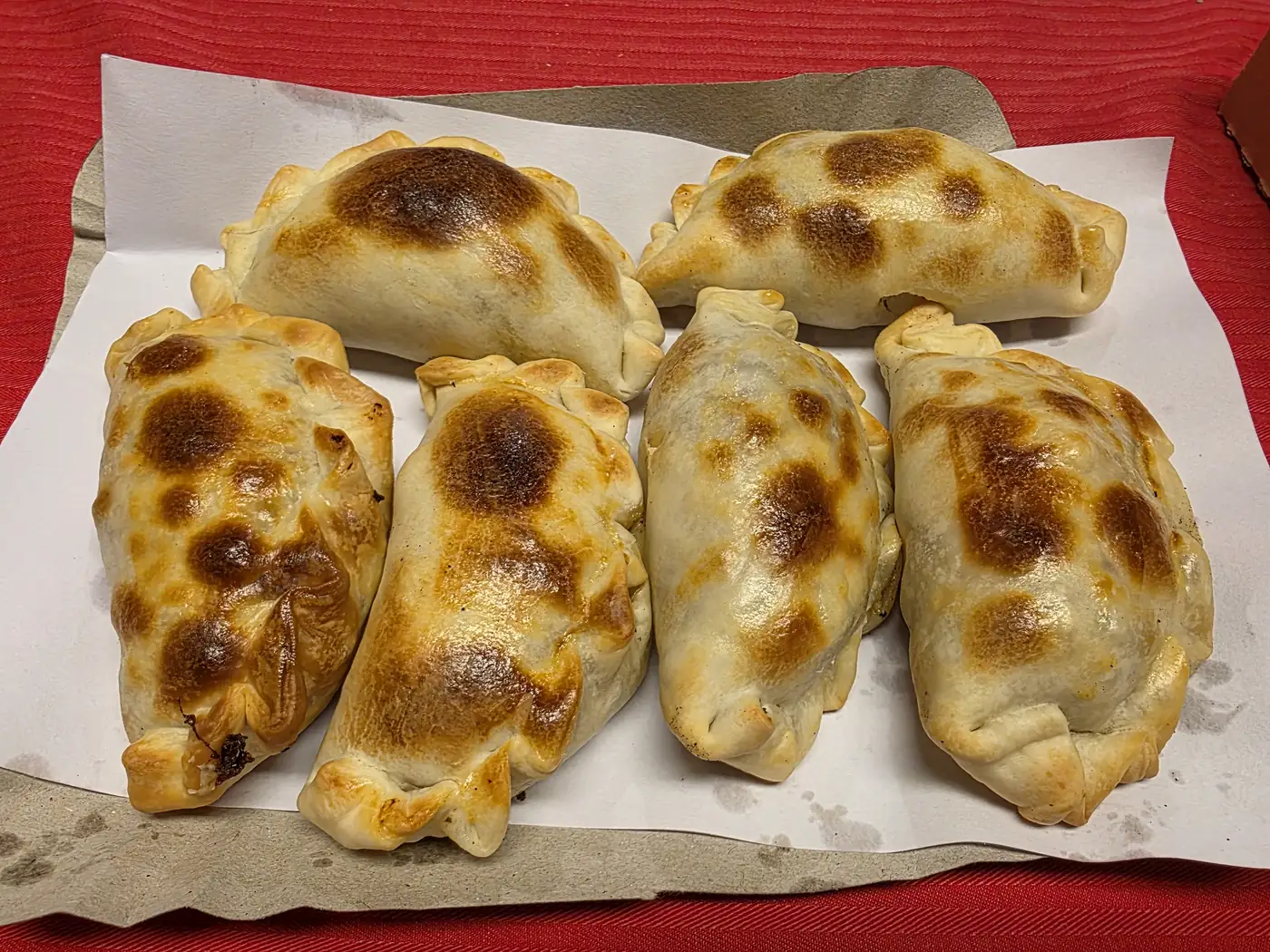
Argentine empanadas are half-moon pastries of short, flaky wheat pastry — no yeast, no puff — folded over a savoury filling of seasoned ground beef, onion, hard-boiled egg, green olives and a few raisins, then sealed with the classic rope crimp called the repulgue and baked until deep gold. This is the beef empanada de carne found in bakeries and rotisseries across Buenos Aires. One serving (two empanadas) is about 260 g.

Hearty & Satisfying

Golden baked pastry wrapped around spiced beef, olive and egg — the hand-held lunch Argentina runs on.

Pairs Well With
Chimichurri & a simple green salad
Sliced flat iron steak topped with green chimichurri on a plate Argentina flag Argentina 32m
Dinner •Pampas Asado Heritage

Chimichurri Steak

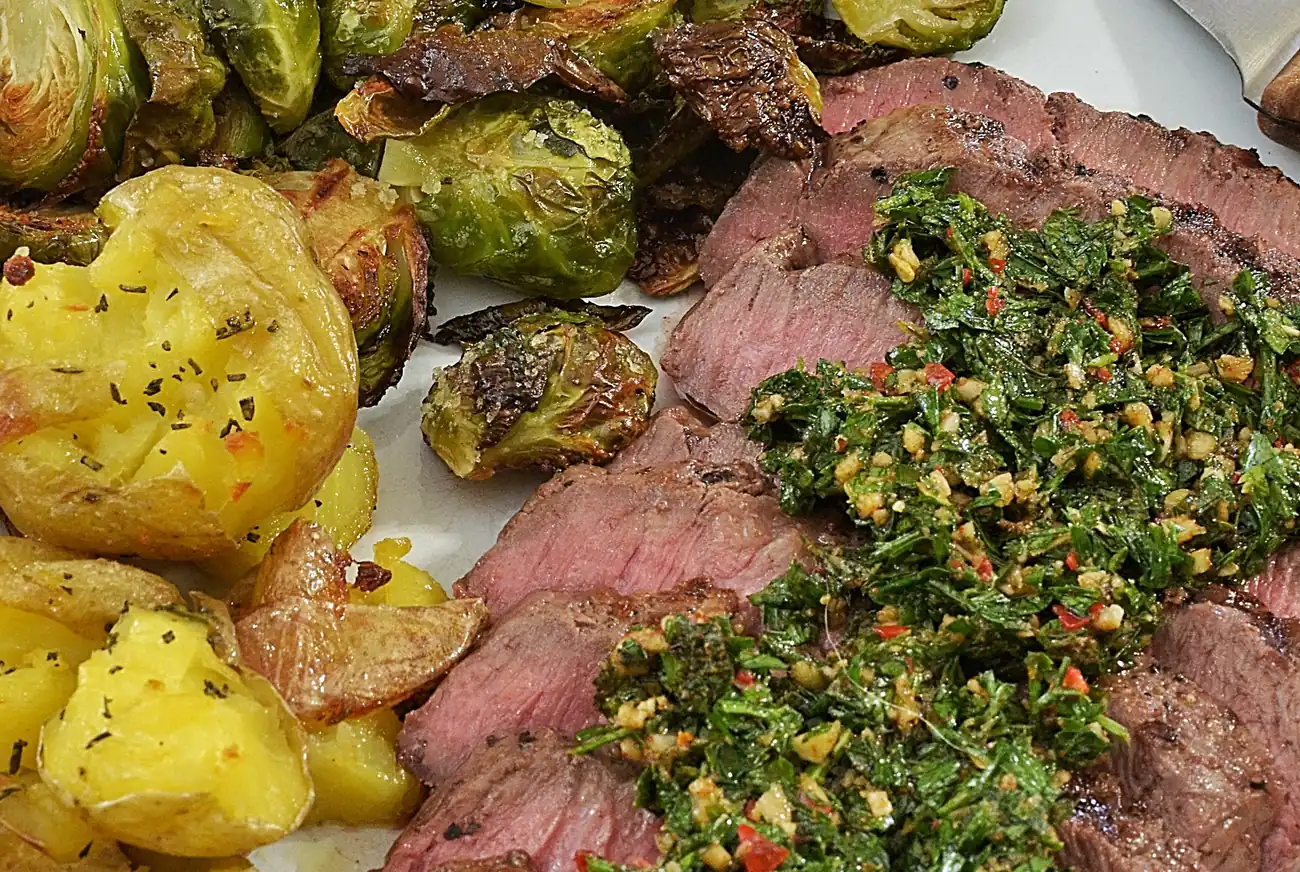
Chimichurri steak is the centrepiece of the Argentine asado: a thick sirloin grilled over high heat until charred outside and juicy inside, rested, sliced, and served with chimichurri — the raw sauce of parsley, garlic, oregano, red wine vinegar and olive oil that Argentina puts on almost everything grilled. The sauce is made first so its flavours can meld while the steak cooks. One serving is about 215 g.

High-Protein & Satisfying

A thick grilled sirloin, rested and sliced, drowned in bright garlicky chimichurri — the heart of the Argentine asado.

Pairs Well With
Roasted potatoes & grilled vegetables
High Protein
Breaded milanesa steak topped with tomato sauce and melted cheese Argentina flag Argentina 45m
Dinner •Buenos Aires Heritage

Milanesa a la Napolitana

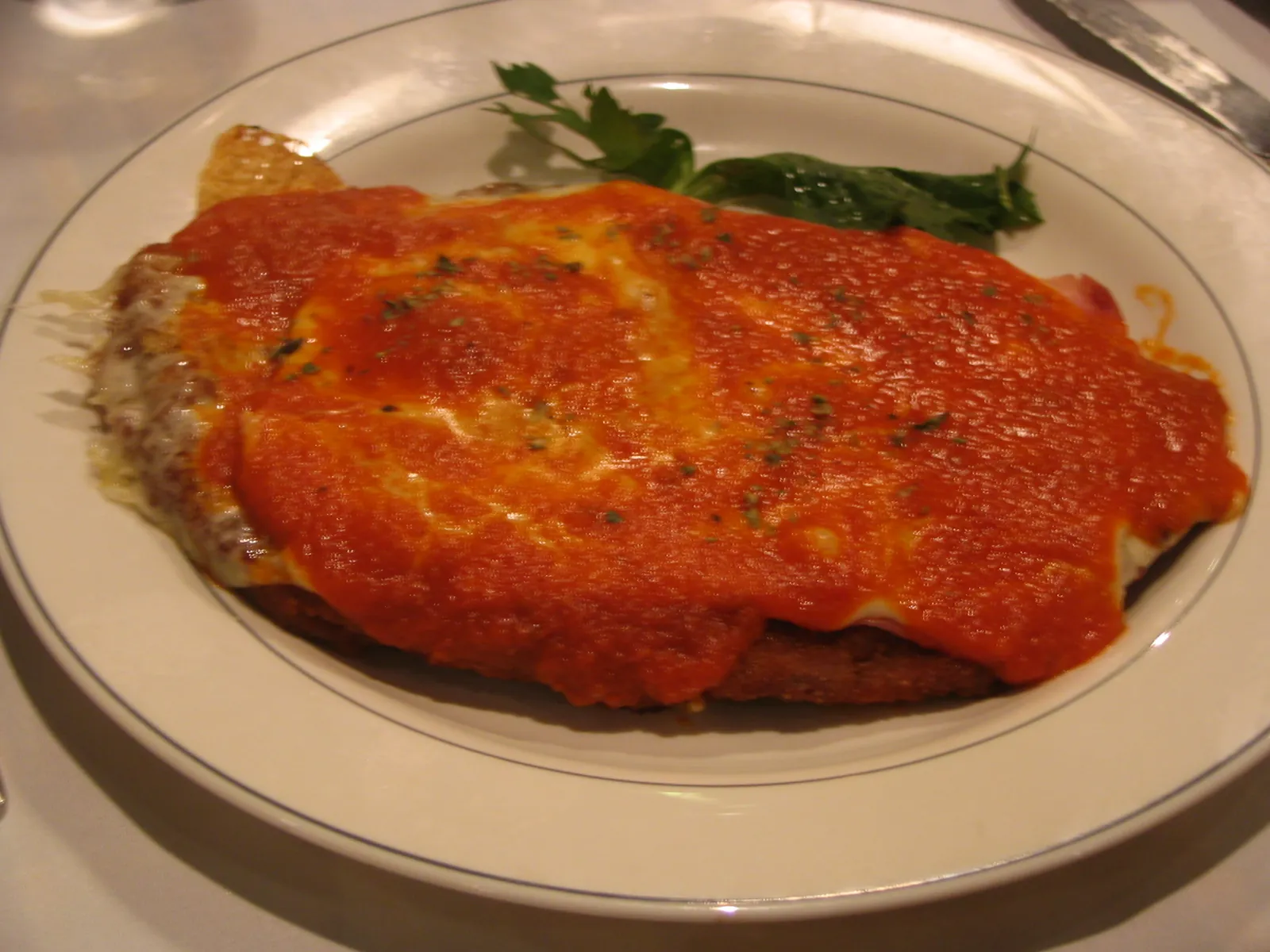
Milanesa a la napolitana starts as a milanesa — a thin beef steak pounded flat, dredged in flour and egg, coated in breadcrumbs and fried until crisp — and then becomes something else entirely: topped with tomato sauce, a slice of ham and a blanket of mozzarella, it goes back into the oven until the cheese bubbles. It is the dish Argentine families order at the neighbourhood bodegon, always with French fries. One serving is about 350 g, before the fries.

Comforting & Satisfying

A crisp breaded steak, fried golden, then finished in the oven under tomato sauce, ham and bubbling mozzarella — Argentina's favourite comfort plate.

Pairs Well With
French fries & a green salad
A grilled bife de chorizo steak, pink inside, with green salad on a wooden board Argentina flag Argentina 2h 30m
Dinner •Buenos Aires Parrilla Heritage

Argentine Asado

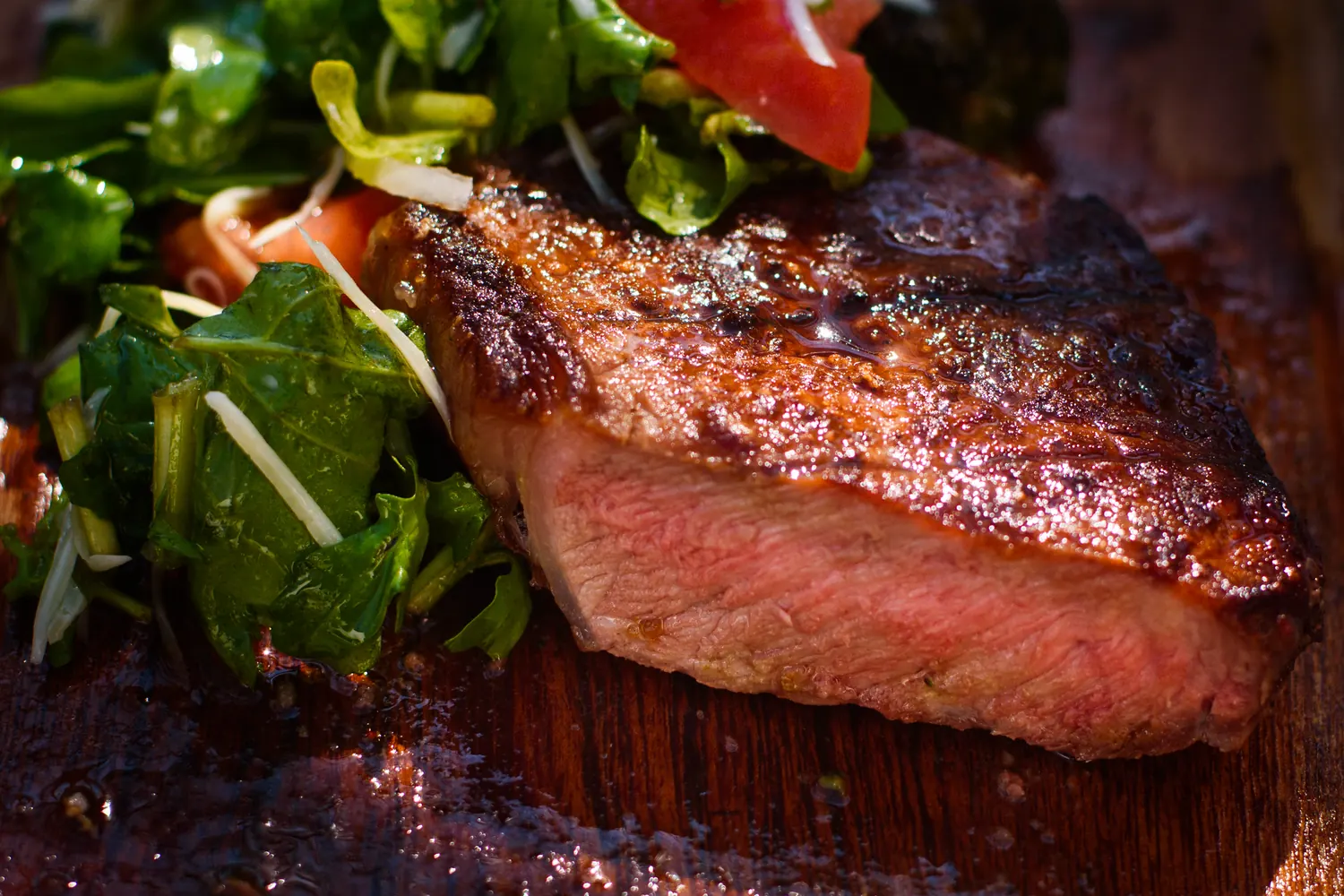
This argentine asado recipe is the full Sunday parrillada: tira de asado, vacio, entrana and bife de chorizo, plus chorizo, morcilla, mollejas and chinchulines, all cooked slowly over quebracho charcoal embers and seasoned with nothing but coarse salt. It opens with provoleta, grilled provolone with oregano, and the meat is served piece by piece as each cut is ready, with chimichurri and salsa criolla on the table. One serving is about 460 g.

High-Protein & Satisfying

A slow mixed grill of beef cuts, chorizo, morcilla and achuras over quebracho embers, opened with grilled provoleta and served with chimichurri and salsa criolla.

Pairs Well With
Chimichurri, salsa criolla & Malbec
High Protein

The Dinner Gazette

Never wonder what’s for dinner again

One email a week with easy dinner ideas from around the world — ingredients, steps and nutrition, tested in our kitchen first.

Delivered every Thursday morning. Unsubscribe anytime.