Curated recipes from 193 countries  •  New seasonal Mediterranean issue out now

Overview

Argentine Humita

Humita en Chala, Argentine Corn Tamale

This Argentine humita recipe makes soft, golden corn cakes from fresh grated corn — not nixtamalised masa, as in a tamale — mixed with sautéed onion, pumpkin, butter and cheese, then wrapped in corn husks and steamed until set. The result is sweet, creamy and fragrant with basil, the way humitas have been made in Argentina's northwest for centuries. One serving (two humitas) is about 410 g.

Humita is one of the oldest foods of the Andes, made from fresh corn long before the Spanish arrived — its name comes from the Quechua humint'a. In Argentina it took its own form in the northwest, in Salta, Jujuy and Tucumán, where the corn is grated fresh, mixed with onion, pumpkin and cheese, wrapped in its own husk and steamed. Unlike a Mexican tamale, which is made from nixtamalised corn masa, a humita is made from the fresh corn itself, so the cake is soft, sweet and golden. It is also served in a pot as humita en olla, and as the filling of the empanada de humita sold in every bakery.

Pairs well with: A tomato and red onion salad, aji sauce on the side, and hot mate or a light white wine

Provenance

Argentina flag Argentina

Northwest Argentine Classic

Latin America & Caribbean

Time Dedication

1h 30m

45m prep • 45m cook

Batch Yield

4 Servings

409 kcal per serving

1 serving ≈ 410 g

Technical Skill

Intermediate

Intermediate (Steaming)

Meal Timing & Digestive Fit

Breakfast

Not Advised

Lunch

Prime Metabolic Fit

Dinner

Ideal Hearty Main

Snack & Tea

Inappropriate

Occasions: Family lunch, Andean food night, market-day cooking, vegetarian lunch, spring corn season Cost: Low — about $2–3 per serving at home
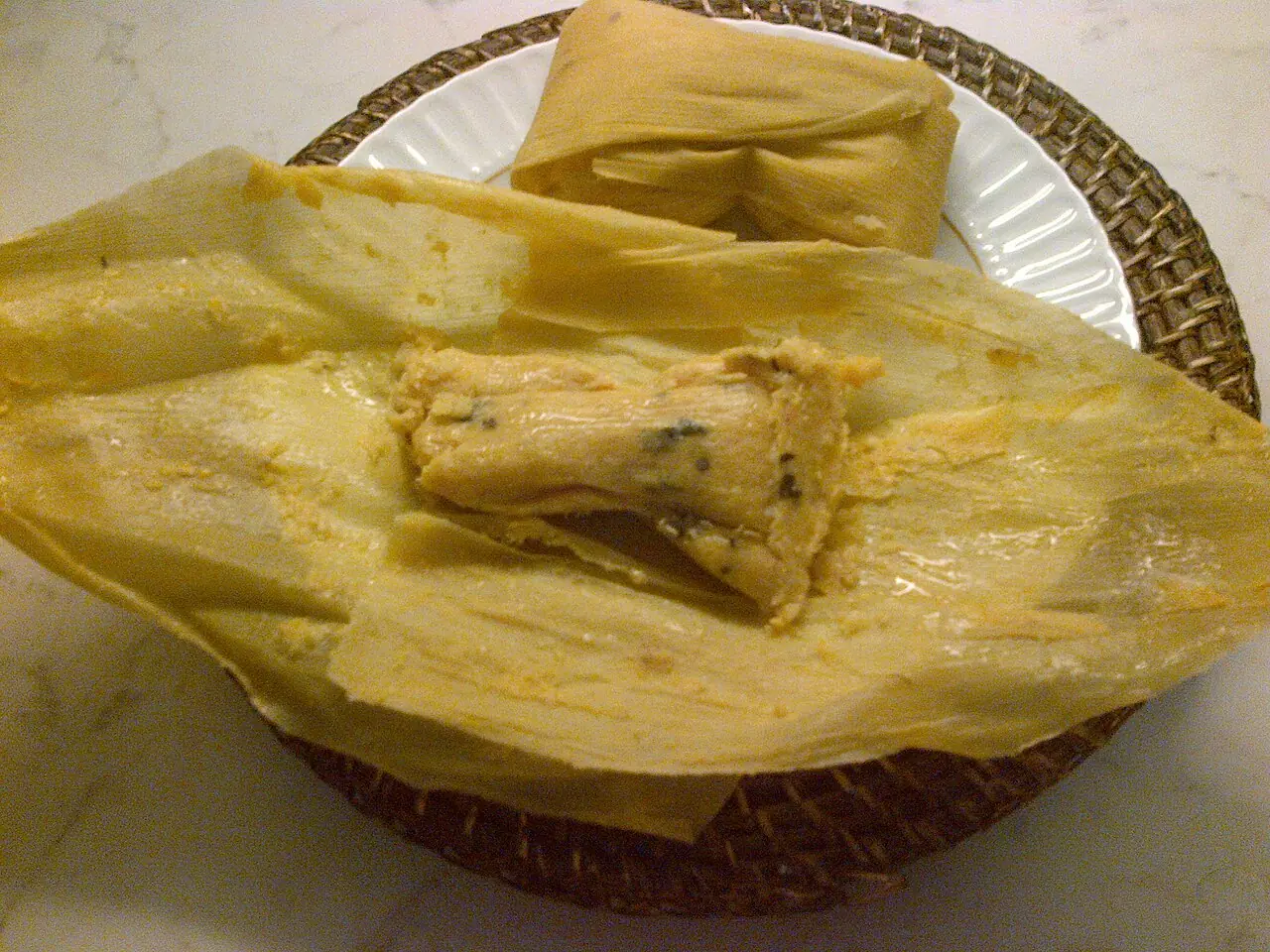
An opened Argentine humita in its corn husk on a white plate, with a wrapped parcel behind

Northwest Argentine Classic

Photo: E4024, CC BY-SA 4.0, via Wikimedia Commons

The Heritage Formulary

Measured Ingredients

Estimated cost: Low — about $2–3 per serving at home (USD)

A good humita is soft and golden, holds its shape when opened, and tastes sweetly of fresh corn — chunky paste, gentle heat and a full steam are what make it work.

Execution Methodology & Culinary Technique

Step-by-Step Cooking Guide

Active 1h 30m
P

Prep Stage: Shuck, Grate and Mix

45 Mins • Shucking, Grating, Sofrito

Peel the corn husks back in one piece and set the 8-10 largest aside, then strip the kernels from the cobs. Grate or process the kernels with the milk into a thick, slightly chunky paste — it should be spoonable, not smooth. Meanwhile, melt the butter and soften the onion, red pepper and grated squash with the paprika and cumin, then fold everything together with the diced queso fresco, basil, sugar and salt.

Maestro Tip: Keep the corn paste chunky: a few whole kernels in the mix give the finished humita its texture, and over-blending makes it gluey.

  1. 1

    Shuck the Corn and Save the Husks

    15 mins Room temperature

    Peel the husks back from each ear carefully, keeping them in one piece, and pull off the silk. Set the 8-10 largest, cleanest husks aside for wrapping, and tear a few smaller ones into thin strips for tying. Stand each cob in a wide bowl and slice the kernels off with a sharp knife, working downwards in strips.

    Do this over a wide bowl: kernels fly everywhere if you cut them on a flat board.

    Done when: 800 g of kernels stripped; 8-10 large husks and tying strips ready.

  2. 2

    Cook the Onion, Pepper and Squash

    10 mins Medium heat, about 160°C (320°F) pan surface

    Melt the butter in a wide pan over medium heat, about 160°C (320°F). Add the onion and red pepper and cook for 4-5 minutes until soft and sweet-smelling, then add the grated squash, paprika and cumin and cook for 3-4 minutes more until the squash softens. Season lightly and take off the heat.

    Do not brown the onion: humita should taste sweet and gentle, and browned onion turns it bitter.

    Done when: Vegetables soft, sweet and glossy, not browned.

  3. 3

    Blend the Corn and Fold in the Cheese

    10 mins Room temperature

    Put the corn kernels and milk in a food processor and pulse in short bursts until you have a thick, slightly chunky paste — stop while some whole kernels remain. Scrape into a bowl and fold in the cooked vegetables, diced queso fresco, basil, sugar and salt. The mixture should be soft and spoonable, holding its shape on a spoon.

    Pulse, do not run the processor continuously: 6-8 short pulses are enough, and you can always pulse once more.

    Done when: Thick, spoonable paste with visible kernels and melted-in cheese.

  4. 4

    Fill and Tie the Husk Parcels

    15 mins Room temperature

    Lay two husks overlapping on the work surface, shiny side up, and spoon about 200 g of the corn mixture into the middle. Fold the sides over the filling, then fold the top and bottom in to make a neat rectangular parcel and tie it with a strip of husk. Repeat to make 8 parcels, about 200 g each.

    Do not overfill: a parcel that is too fat bursts open in the steamer, and the filling leaks into the water.

    Done when: 8 firm, neatly tied parcels, none leaking.

  5. 5

    Steam Until Set

    35 mins Steaming, 100°C (212°F)

    Set a steamer basket over a pot of boiling water, about 100°C (212°F), with salted water below the basket. Pack the parcels in snugly, cover tightly and steam for 30-35 minutes, topping up the water if it runs low, until the parcels feel firm and the corn mixture inside is set and hot all the way through.

    Keep the lid on and the water at a steady boil: lifting the lid lets the steam out and the humitas take much longer to set.

    Done when: Parcels firm to the touch; filling set, not runny.

  6. 6

    Rest and Serve

    5 mins Room temperature

    Lift the parcels out, rest them for 5 minutes, then serve two per person in their husks, opened at the table like a present. Offer a tomato salad and aji sauce alongside.

    Serve them in the husk: it keeps them hot, it is how they are eaten, and opening one at the table is half the pleasure.

    Done when: Hot, firm and fragrant when opened.

Finishing Touches & Plating

Open each humita at the table, spoon a little aji sauce over the golden corn cake inside, and eat it warm with a tomato salad.

Nutritional Physiology & Benefits

Nutrition

Energy

409

kcal / serving

Protein

15g

Complete AA

Carbs

54g

Complex

Fats

18g

Healthy

Per serving (4 servings · 1 serving ≈ 410 g)
Energy409 kcal
Protein15 g
Carbohydrates54 g
Fat18 g
Fibre6.9 g
Sugar20.6 g
Sodium727 mg
Per 100g
Energy100 kcal
Protein3.5 g
Carbohydrates13.3 g
Fat4.5 g
Fibre1.7 g
Sugar5 g
Sodium177 mg

Nutrition values are estimated — calculated from USDA FoodData Central values for the listed ingredients.

Vitamins & minerals: Vitamin A (pumpkin, red pepper), vitamin C (red pepper, corn), folate (corn), calcium (queso fresco, milk), potassium (corn, squash). Nutrition is estimated.

Fibre from Fresh Corn

Each serving carries about 7 g of fibre from the corn, squash and peppers, which helps the plate feel satisfying without being heavy.

Gentle and Naturally Sweet

The sweetness comes from fresh corn and pumpkin, not added sugar — only a teaspoon of sugar goes into the whole batch of eight.

Vitamin A for Eyes and Skin

The pumpkin and red pepper give the dish a good dose of vitamin A, which supports normal vision and skin.

Food Pairings

What to Eat With

To optimize nutrient absorption and elevate the sensory depth, pair with these authentic accompaniments:

Vegetables

Tomato and Red Onion Salad

A sharp, juicy tomato salad cuts the soft sweetness of the corn cakes and gives the plate crunch and acidity.

Sauces

Aji Sauce

A spoonful of hot aji sauce wakes up the mild corn filling — the classic contrast in Andean cooking.

Drinks

Hot Mate

Bitter hot mate is the everyday Argentine drink with humita, and its bitterness balances the sweet corn perfectly.

Light White Wine

A crisp, light white wine works with the sweet corn and cheese in the same way it works with a corn chowder.

Complete menu

Serve two humitas per person in their husks with a tomato and red onion salad, aji sauce on the side, and hot mate to drink.

Digestive Guardrails

What NOT to Combine

To prevent digestive distress, sluggishness, or palate clash, avoid pairing the dish with these elements:

A Rich Meat Main Beside Them

Humitas are already buttery and filling, so serving them next to a heavy meat stew makes the meal stodgy and overly rich. Keep the rest of the plate to salad and salsa. This is general guidance, not medical advice.

Under-Steaming

Humitas need a full 30-35 minutes of steady steaming to set; opening one early leaves a runny, raw-tasting middle. If a parcel still feels soft, steam for 5 minutes more. This is general food-safety guidance, not medical advice.

General information only, not medical advice — consult a doctor for personal dietary decisions.

Who Should Eat It

Who Should Eat

  • General adultsA gentle, satisfying lunch — two humitas with salad make a complete plate.
  • ChildrenUsually a hit with children: sweet, soft and mild, with no heat unless aji sauce is added.
  • ElderlySoft, easy to chew and easy to digest; serve one humita with soup for a lighter meal.
  • Pregnant womenA good source of folate from the corn; make sure the parcels are steamed right through and served hot. Ask your clinician about portion sizes.
  • Breastfeeding womenComforting and energy-giving; the mild spices are fine, but keep any hot aji sauce on the side.
  • AthletesA useful carb-rich meal after training, with corn and squash for glycogen and cheese for some protein.
  • Weight gainEasy to build up — add a third humita and a fried egg on the side.
  • Weight lossAt 409 kcal a serving it is moderate, but the natural sugars add up — keep to one humita with a big salad.

Health Conditions — Adjust or Avoid

Conditions

  • DiabetesThe corn and squash carry about 54 g of carbs per serving, with about 21 g of natural sugars — keep to one humita and fill the plate with salad. Ask your clinician about portion size.
  • High blood pressureSodium is about 727 mg per serving, mostly from the cheese — use a low-salt cheese and less added salt. Ask your clinician about sodium limits.
  • Kidney diseaseCorn and squash are moderately high in potassium, and the cheese adds protein and phosphorus — check whether this fits your plan. Ask your clinician before eating it.
  • GoutNo organ meat or red meat here, so purines are low; the main caution is the cheese and butter. Ask your clinician for personal advice.
  • Stomach issuesSoft, mild and low in acid, so it usually suits a sensitive stomach — skip the aji sauce and raw onion salad if they bother you. Ask your clinician if symptoms persist.
  • Cardiovascular diseaseThe butter and cheese add saturated fat (about 18 g of fat per serving) — use olive oil and a lighter cheese to make it leaner. Ask your clinician about suitable fats.
  • Fatty liverNaturally sweet and calorie-moderate, but watch the portion: two humitas are 409 kcal. Ask your clinician about suitable portion sizes.
  • Food allergiesContains milk, butter and cheese (dairy). Naturally gluten-free. Ask your clinician about any allergy concern.
  • Special therapeutic dietsVegetarian and naturally gluten-free; the dairy can be swapped for oil and a dairy-free cheese on most plans. Ask your clinician whether it fits your diet.

If you have a medical condition, consult your doctor before changing your diet.

Storage & Use

Storage & Use

How to store
Cool the parcels completely in their husks, then store in a covered container or wrap each one in cling film.
In the fridge
3 days, in their husks, in a covered container.
In the freezer
Up to 2 months, wrapped individually in cling film and foil.
How to reheat
Re-steam for 10-12 minutes, or microwave in the husk for 2-3 minutes, until hot all the way through, to 74°C (165°F).
Freezing recommended
Yes — humitas freeze well in their husks; steam from frozen for 20 minutes.
Signs it has spoiled
Sour smell, slimy husk or filling, or mould — discard, do not taste to check.

More recipes to explore

Golden baked Argentine beef empanadas with crimped edges on a plate Argentina flag Argentina 1h 25m
Lunch •Buenos Aires Heritage

Argentine Empanadas

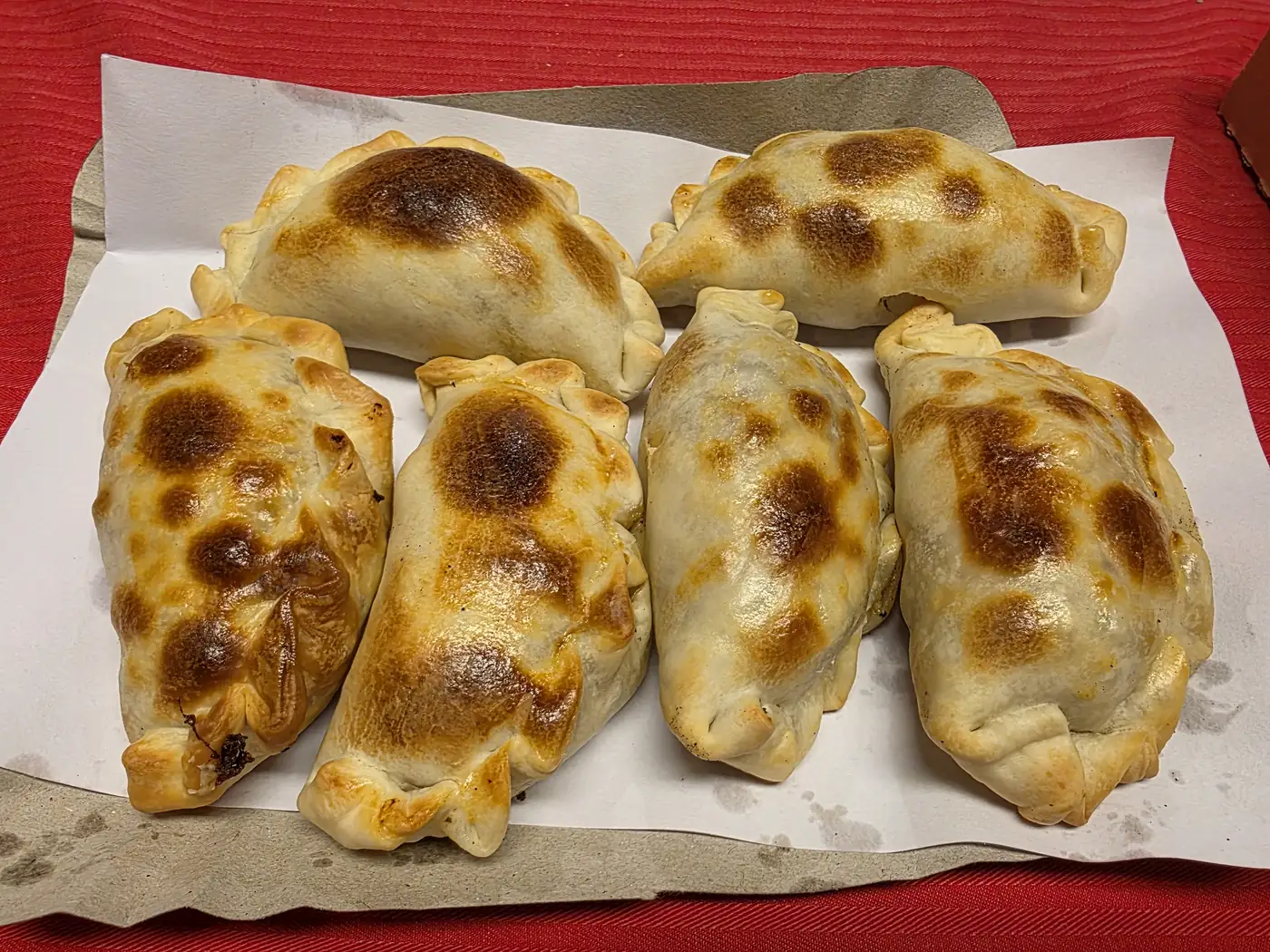
Argentine empanadas are half-moon pastries of short, flaky wheat pastry — no yeast, no puff — folded over a savoury filling of seasoned ground beef, onion, hard-boiled egg, green olives and a few raisins, then sealed with the classic rope crimp called the repulgue and baked until deep gold. This is the beef empanada de carne found in bakeries and rotisseries across Buenos Aires. One serving (two empanadas) is about 260 g.

Hearty & Satisfying

Golden baked pastry wrapped around spiced beef, olive and egg — the hand-held lunch Argentina runs on.

Pairs Well With
Chimichurri & a simple green salad
Sliced flat iron steak topped with green chimichurri on a plate Argentina flag Argentina 32m
Dinner •Pampas Asado Heritage

Chimichurri Steak

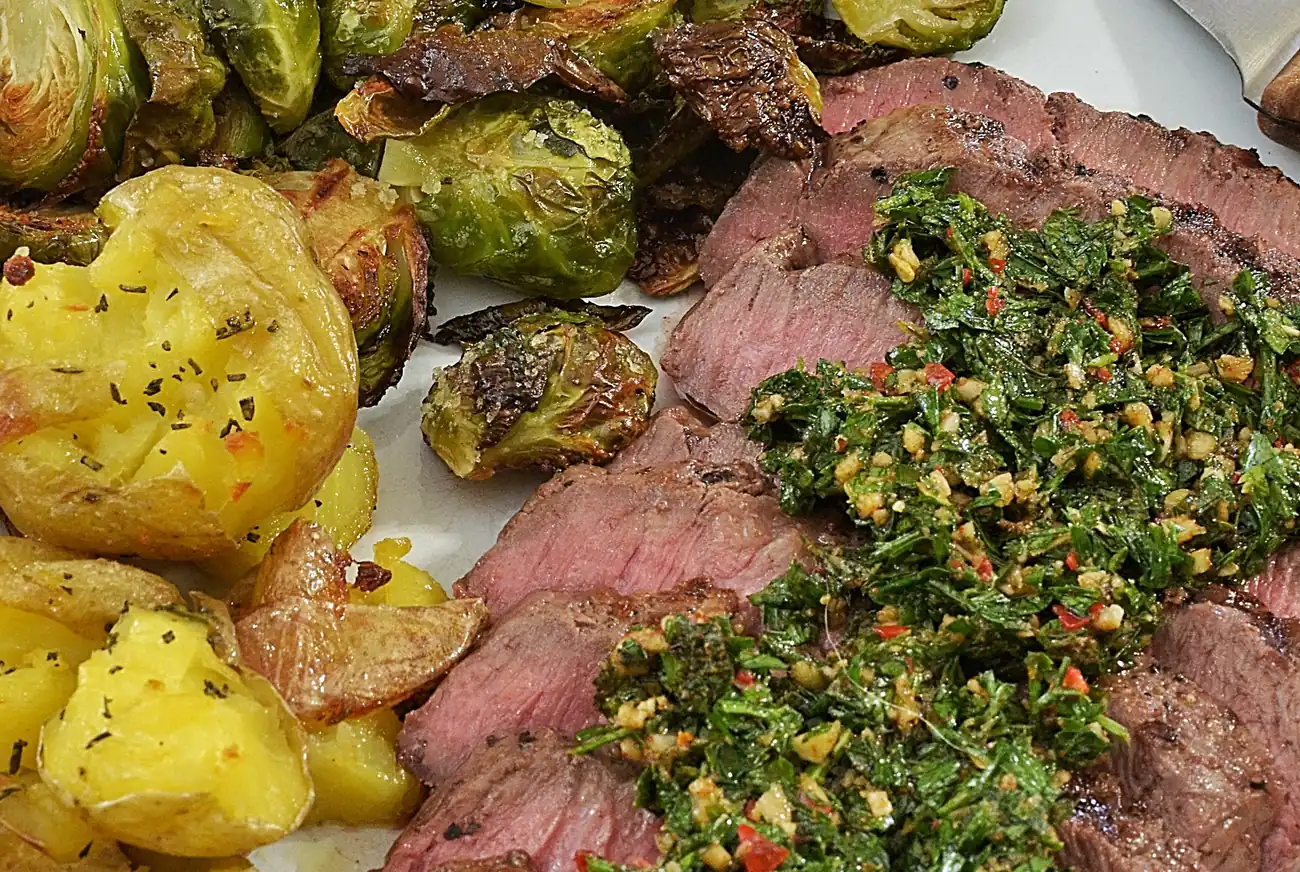
Chimichurri steak is the centrepiece of the Argentine asado: a thick sirloin grilled over high heat until charred outside and juicy inside, rested, sliced, and served with chimichurri — the raw sauce of parsley, garlic, oregano, red wine vinegar and olive oil that Argentina puts on almost everything grilled. The sauce is made first so its flavours can meld while the steak cooks. One serving is about 215 g.

High-Protein & Satisfying

A thick grilled sirloin, rested and sliced, drowned in bright garlicky chimichurri — the heart of the Argentine asado.

Pairs Well With
Roasted potatoes & grilled vegetables
High Protein
Breaded milanesa steak topped with tomato sauce and melted cheese Argentina flag Argentina 45m
Dinner •Buenos Aires Heritage

Milanesa a la Napolitana

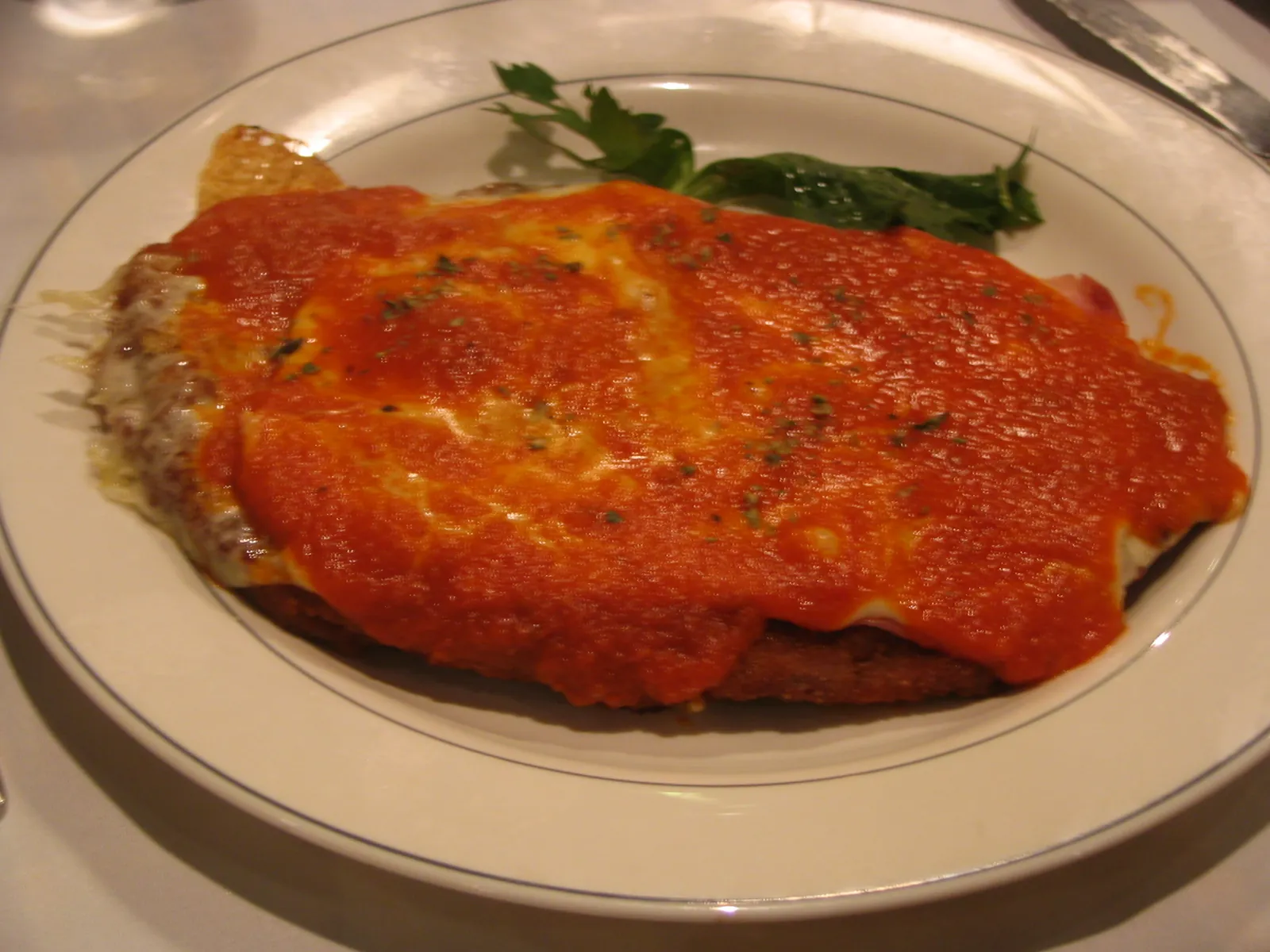
Milanesa a la napolitana starts as a milanesa — a thin beef steak pounded flat, dredged in flour and egg, coated in breadcrumbs and fried until crisp — and then becomes something else entirely: topped with tomato sauce, a slice of ham and a blanket of mozzarella, it goes back into the oven until the cheese bubbles. It is the dish Argentine families order at the neighbourhood bodegon, always with French fries. One serving is about 350 g, before the fries.

Comforting & Satisfying

A crisp breaded steak, fried golden, then finished in the oven under tomato sauce, ham and bubbling mozzarella — Argentina's favourite comfort plate.

Pairs Well With
French fries & a green salad
A grilled bife de chorizo steak, pink inside, with green salad on a wooden board Argentina flag Argentina 2h 30m
Dinner •Buenos Aires Parrilla Heritage

Argentine Asado

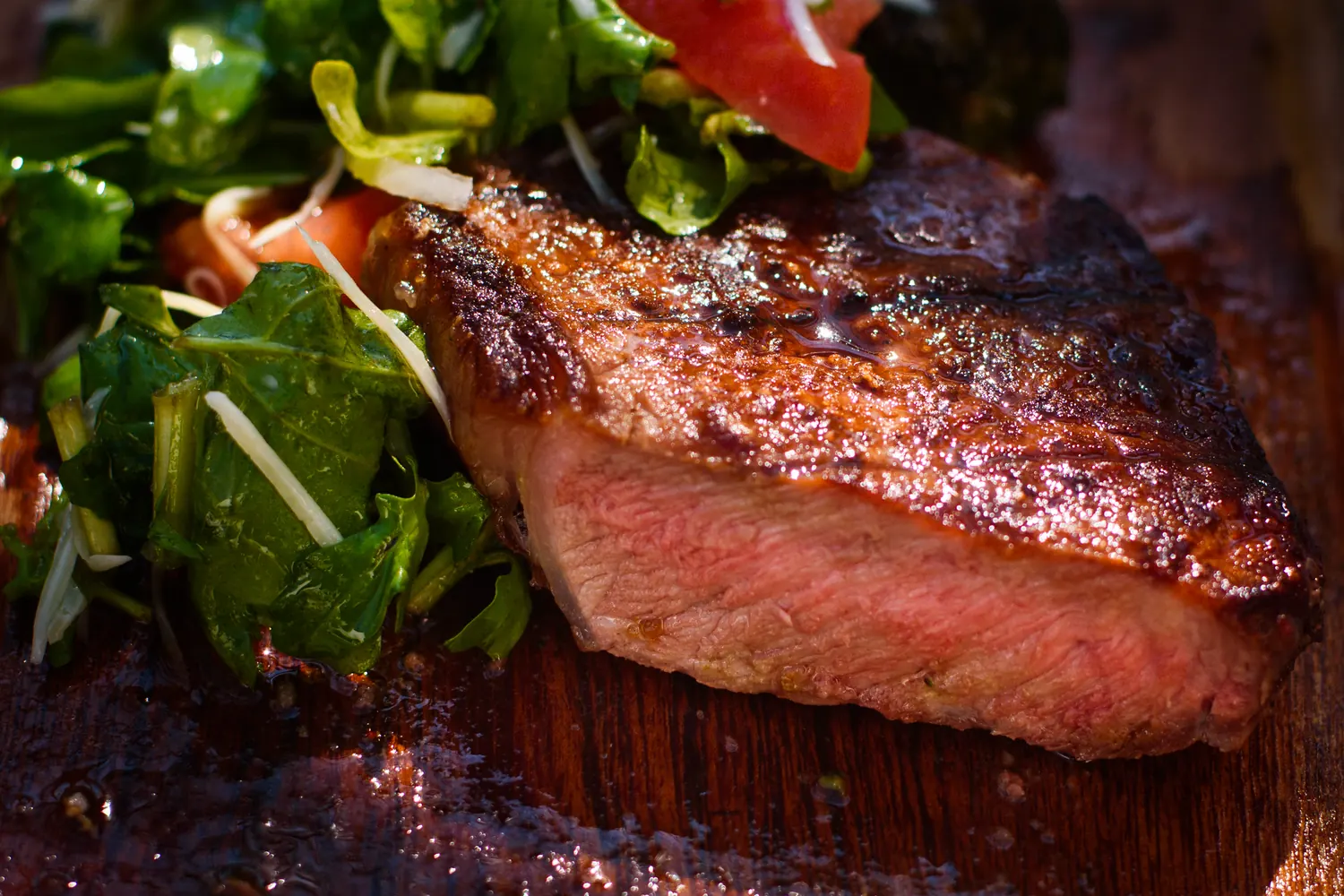
This argentine asado recipe is the full Sunday parrillada: tira de asado, vacio, entrana and bife de chorizo, plus chorizo, morcilla, mollejas and chinchulines, all cooked slowly over quebracho charcoal embers and seasoned with nothing but coarse salt. It opens with provoleta, grilled provolone with oregano, and the meat is served piece by piece as each cut is ready, with chimichurri and salsa criolla on the table. One serving is about 460 g.

High-Protein & Satisfying

A slow mixed grill of beef cuts, chorizo, morcilla and achuras over quebracho embers, opened with grilled provoleta and served with chimichurri and salsa criolla.

Pairs Well With
Chimichurri, salsa criolla & Malbec
High Protein

The Dinner Gazette

Never wonder what’s for dinner again

One email a week with easy dinner ideas from around the world — ingredients, steps and nutrition, tested in our kitchen first.

Delivered every Thursday morning. Unsubscribe anytime.