
Curated recipes from 193 countries  •  New seasonal Mediterranean issue out now

Overview

Argentine Pascualina

Tarta Pascualina, Torta Pasqualina, Argentine Chard and Egg Pie

This argentine pascualina recipe bakes chard, ricotta and parmesan into a golden puff-pastry pie with four whole eggs nestled inside, so every slice has its own surprise. One serving is about 206 g — one generous slice — and the pie is best served warm or at room temperature with a simple green salad.

Pascualina began in Liguria, Italy, as torta pasqualina, an Easter pie whose eggs symbolised renewal, and Italian immigrants carried it to Argentina and Uruguay in the great immigration wave of the early twentieth century. In Buenos Aires the filling is usually spinach, while outside the capital, especially in the Pampas, chard is the classic green. The pie is still an Easter table centrepiece, but it is now eaten all year round in Argentina.

Pairs well with: A simple green salad with lemon and olive oil

Provenance

Argentina flag Argentina

Argentine-Italian Easter Pie

Latin America & Caribbean

Time Dedication

1h 25m

40m prep • 45m cook

Batch Yield

8 Servings

490 kcal per serving

1 serving ≈ 206 g

Technical Skill

Intermediate

Medium (Roll, Fill & Bake)

Meal Timing & Digestive Fit

Breakfast

Not Advised

Lunch

Hearty Midday Main

Dinner

Ideal Hearty Main

Snack & Tea

Inappropriate

Occasions: Easter, family dinners, Sunday lunch, picnics, potlucks Cost: Low — about $2–3 per serving at home
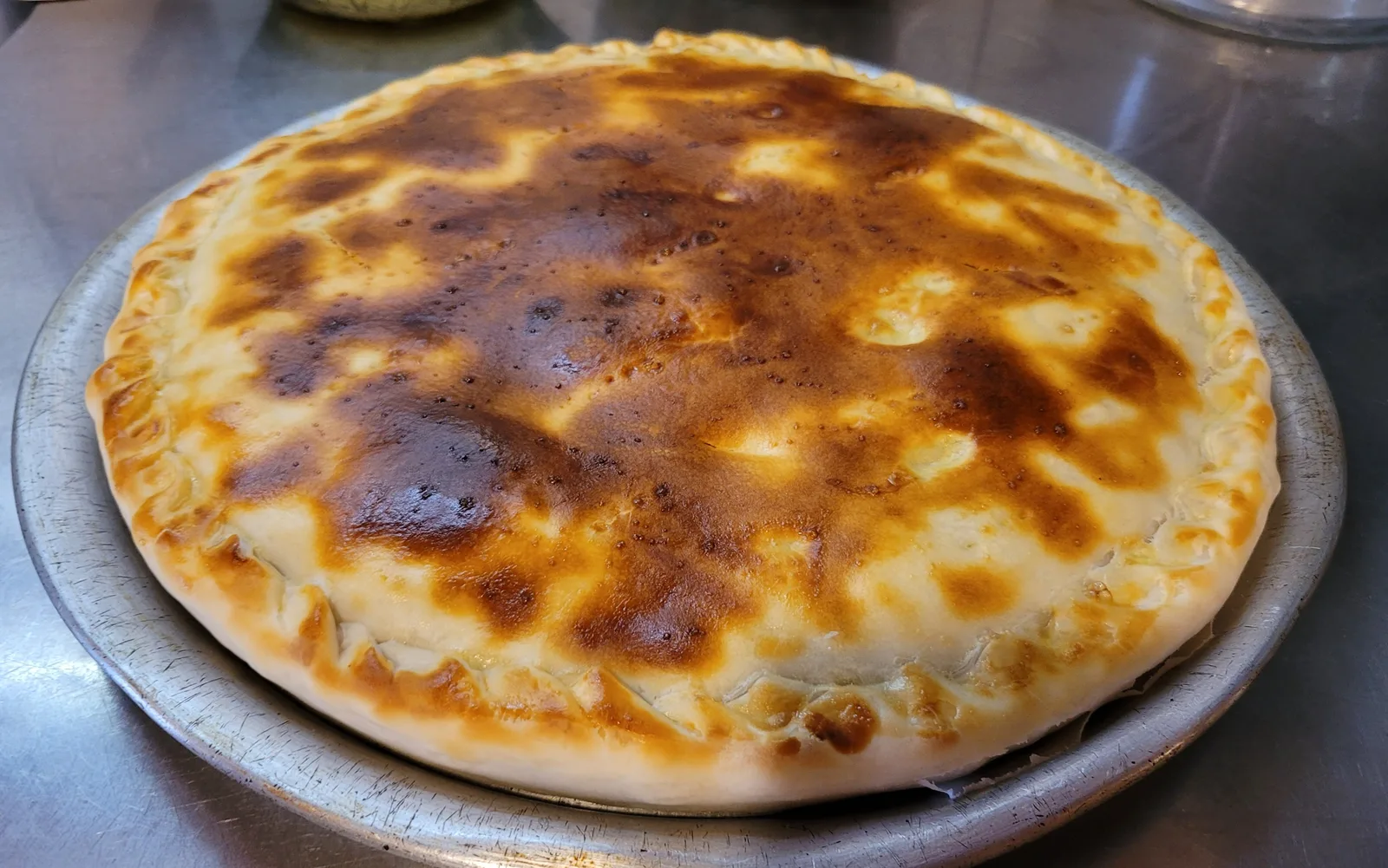
A whole golden-brown Argentine pascualina pie with a crimped crust in a metal baking pan, fresh from the oven

Argentine-Italian Easter Pie

Photo: Horacio Cambeiro, CC BY-SA 4.0, via Wikimedia Commons

The Heritage Formulary

Measured Ingredients

Estimated cost: Low — about $2–3 per serving at home (USD)

A traditional Argentine-Italian Easter pie of chard, ricotta and parmesan with whole eggs baked inside.

Execution Methodology & Culinary Technique

Step-by-Step Cooking Guide

Active 1h 25m
P

Cook the chard and mix the filling

25 minutes

Wilt the chard in batches in a large dry pan or with a splash of water, then squeeze it very dry in a clean cloth and chop it. Soften the onion and garlic in the olive oil, stir in the chard and nutmeg, and leave to cool. Mix the cooled greens with the ricotta, parmesan, one beaten egg, salt and pepper.

Maestro Tip: Squeeze the chard until almost no water comes out — a wet filling makes a soggy pie base.

  1. 1

    Cook the chard and onion

    15 minutes Medium heat (180°C / 350°F)

    Wilt the chard in batches in a large pan for about 5 minutes until collapsed, then squeeze it very dry and chop it. Soften the diced onion in the olive oil for 4 minutes, add the garlic and chard and cook for 2 minutes more with the nutmeg. Tip into a bowl and cool for 10 minutes.

    Cook the chard in batches — a whole heap at once steams unevenly and stays wet.

    Done when: The chard is dark green, dry and chopped; the onion is soft and sweet.

  2. 2

    Mix the filling

    10 minutes Room temperature (21°C / 70°F)

    Stir the ricotta, parmesan and one beaten egg into the cooled chard, then season with salt and pepper. Taste and adjust — the filling should be well seasoned, since the pastry is plain.

    Mix gently so the ricotta stays creamy rather than turning grainy.

    Done when: The filling is thick, green and creamy, and holds its shape on a spoon.

  3. 3

    Line the tin

    10 minutes Room temperature (21°C / 70°F)

    Heat the oven to 190°C (375°F). Roll one puff-pastry sheet to fit a 24 cm (9 in) round tin, line the base and sides with a little overhang, and prick the base with a fork.

    Keep the pastry cold — warm pastry shrinks in the oven and loses its flake.

    Done when: The tin is lined with pastry, the base pricked, and the oven is hot.

  4. 4

    Nestle the eggs and seal

    10 minutes Room temperature (21°C / 70°F)

    Spoon the filling into the lined tin and smooth it. Press four deep wells into the filling with the back of a spoon and crack a whole egg into each well. Lay the second pastry sheet over the top, trim, crimp the edges to seal, and brush with the remaining beaten egg.

    Make the wells deep — shallow wells let the egg white run across the filling instead of sitting in place.

    Done when: Four eggs sit in deep wells, the lid is sealed and brushed with egg wash.

  5. 5

    Bake until golden

    45 minutes 190°C (375°F)

    Bake for 40–45 minutes until the pastry is deep golden and puffed and the filling is set. Rest for 15 minutes before slicing so the filling firms and the eggs finish setting.

    If the top browns too fast, cover loosely with foil for the last 10 minutes.

    Done when: The pastry is deep golden and crisp, and a knife comes out clean from the filling.

Finishing Touches & Plating

Rest the pie for 15 minutes, then slice with a sharp knife so each piece keeps its egg. Serve warm or at room temperature with a simple green salad — the pie is rich enough to need nothing else.

Nutritional Physiology & Benefits

Nutrition

Energy

490

kcal / serving

Protein

20g

Complete AA

Carbs

30g

Complex

Fats

33g

Healthy

Per serving (8 servings · 1 serving ≈ 206 g)
Energy490 kcal
Protein20 g
Carbohydrates30 g
Fat33 g
Fibre2.6 g
Sugar4.1 g
Sodium761 mg
Per 100g
Energy238 kcal
Protein9.5 g
Carbohydrates14.7 g
Fat15.9 g
Fibre1.2 g
Sugar2 g
Sodium369 mg

Nutrition values are estimated — calculated from USDA FoodData Central values for the listed ingredients.

Vitamins & minerals: Chard and eggs supply vitamin A, vitamin K, folate, calcium and iron, and the cheeses add calcium and B vitamins. All nutrition values are estimated.

Greens in every slice

Chard brings fibre, vitamin A, vitamin K and folate — about 2.6 g of fibre per serving from the greens alone.

Protein that keeps you full

With about 19.7 g of protein per serving from eggs, ricotta and parmesan, one slice is a genuinely filling dinner.

Calcium from real cheese

Ricotta and parmesan supply calcium for bones, and the eggs add vitamin D and B12. No processed ingredients are involved.

Food Pairings

What to Eat With

To optimize nutrient absorption and elevate the sensory depth, pair with these authentic accompaniments:

Vegetables

Green salad with lemon

A sharp lemon-and-olive-oil salad cuts the richness of the pastry and cheese and keeps the meal light.

Drinks

Dry white wine or sparkling water

A cold, dry white or a glass of sparkling water with lemon refreshes the palate between bites of the rich pie.

Sides

Roasted tomatoes

Warm roasted tomatoes add acidity and sweetness that balance the creamy, savoury filling.

Full Menus

Fresh fruit to finish

A plate of fresh fruit is the traditional light finish after a rich Easter pie.

Complete menu

Serve a warm slice of pascualina with a green salad, roasted tomatoes and a glass of dry white wine, finishing with fresh fruit.

Digestive Guardrails

What NOT to Combine

To prevent digestive distress, sluggishness, or palate clash, avoid pairing the dish with these elements:

Very salty side dishes

Each slice already carries about 761 mg of sodium from the cheeses and pastry. Salty cured meats or extra salty cheese on the side can push sodium far higher, which matters for blood pressure. This is general information, not medical advice — ask a clinician about your own sodium limits.

Undercooked eggs in the wells

The whole eggs must be fully set — cook until the whites are firm and the yolks are at least softly set, and rest the pie before slicing. Undercooked eggs can carry salmonella. This is general information, not medical advice.

General information only, not medical advice — consult a doctor for personal dietary decisions.

Who Should Eat It

Who Should Eat

  • General adultsA rich, satisfying vegetarian dinner. One slice with salad is a complete meal.
  • ChildrenSuitable from about age 2 in small portions, once the eggs are fully cooked. Cut the egg into small pieces for young children.
  • ElderlySoft, easy to chew and protein-rich. Serve warm in a modest slice, and go easy on the salt because of the cheeses.
  • Pregnant womenSafe when the eggs are fully cooked through and the pie is served hot. The pie is salty, so keep portions moderate; ask your clinician if you have pregnancy-related blood pressure concerns.
  • Breastfeeding womenA nourishing, protein-rich meal that fits well during breastfeeding. Drink water alongside it and keep portions moderate because of the salt.
  • AthletesGood after training: about 19.7 g of protein and 30.3 g of carbohydrates per serving help recovery. Add a salad for more volume.
  • Weight gainA good choice — energy-dense and protein-rich. Add a second small slice or a side of roasted vegetables to raise calories further.
  • Weight lossWorkable at about 490 calories a slice, but the pastry is rich. Take one slice, load the plate with salad, and skip seconds if you are counting calories.

Health Conditions — Adjust or Avoid

Conditions

  • DiabetesAbout 30.3 g of carbohydrates per slice, so portion size matters and blood sugar should be monitored. One slice with plenty of salad is easier to manage; ask your clinician or dietitian for a portion that fits your plan.
  • High blood pressureAt about 761 mg of sodium per slice, this is a salty dish — the cheeses and pastry both add up. Keep portions moderate and skip salty sides. Ask your clinician about your sodium limit.
  • Kidney diseaseThe dish is high in protein, potassium and sodium, all of which may need limiting in kidney disease. This dish may not fit a renal diet — ask your clinician or renal dietitian before eating it.
  • GoutEggs and cheese are moderate in purines, and the dish has no meat or organ meats. People prone to gout should still keep portions moderate; ask your clinician for personal guidance.
  • Stomach issuesA rich pastry with onion and cheese can trigger reflux in sensitive stomachs. Eat a small portion, go easy on the onion, and avoid it during a flare-up; ask your clinician if symptoms persist.
  • Cardiovascular diseaseThe pie is rich in saturated fat from pastry and cheese, and salty. Occasional normal portions fit most heart-healthy patterns, but it is not an everyday choice; ask your clinician about your fat and sodium limits.
  • Fatty liverA rich, high-fat pie that is best kept occasional. Keep the portion small and load the plate with salad; ask your clinician for personal guidance.
  • Food allergiesContains wheat (gluten), egg and milk (dairy). Not suitable for coeliac disease, wheat, egg or milk allergy.
  • Special therapeutic dietsA vegetarian pie that fits most therapeutic diets as an occasional dish, but it is not gluten-free, egg-free, dairy-free or low-sodium. Ask your clinician or dietitian whether it fits your plan.

If you have a medical condition, consult your doctor before changing your diet.

Storage & Use

Storage & Use

How to store
Cool completely, then cover and refrigerate.
In the fridge
3–4 days in the refrigerator, covered.
In the freezer
Up to 2 months, wrapped well; the pastry softens a little after freezing.
How to reheat
Reheat in a 180°C (350°F) oven for 12–15 minutes until hot through, to 74°C (165°F). Avoid the microwave — it makes the pastry soggy.
Freezing recommended
Yes, up to 2 months; freeze in single slices for easy reheating.
Signs it has spoiled
Sour or off smell, slimy filling, or mould on the pastry.

More recipes to explore

Golden baked Argentine beef empanadas with crimped edges on a plate Argentina flag Argentina 1h 25m
Lunch •Buenos Aires Heritage

Argentine Empanadas

Argentine empanadas are half-moon pastries of short, flaky wheat pastry — no yeast, no puff — folded over a savoury filling of seasoned ground beef, onion, hard-boiled egg, green olives and a few raisins, then sealed with the classic rope crimp called the repulgue and baked until deep gold. This is the beef empanada de carne found in bakeries and rotisseries across Buenos Aires. One serving (two empanadas) is about 260 g.

Hearty & Satisfying

Golden baked pastry wrapped around spiced beef, olive and egg — the hand-held lunch Argentina runs on.

Pairs Well With
Chimichurri & a simple green salad
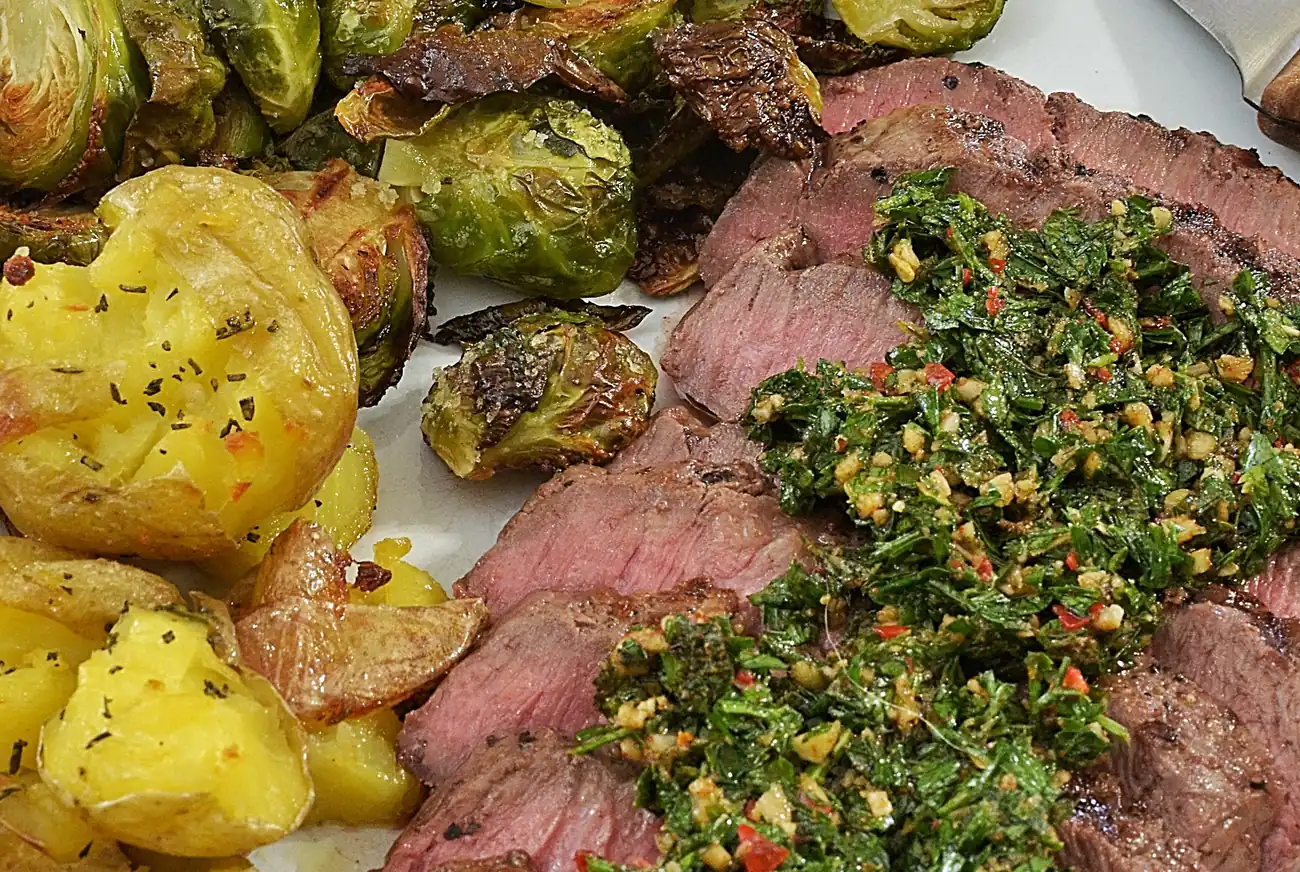
Sliced flat iron steak topped with green chimichurri on a plate Argentina flag Argentina 32m
Dinner •Pampas Asado Heritage

Chimichurri Steak

Chimichurri steak is the centrepiece of the Argentine asado: a thick sirloin grilled over high heat until charred outside and juicy inside, rested, sliced, and served with chimichurri — the raw sauce of parsley, garlic, oregano, red wine vinegar and olive oil that Argentina puts on almost everything grilled. The sauce is made first so its flavours can meld while the steak cooks. One serving is about 215 g.

High-Protein & Satisfying

A thick grilled sirloin, rested and sliced, drowned in bright garlicky chimichurri — the heart of the Argentine asado.

Pairs Well With
Roasted potatoes & grilled vegetables
High Protein
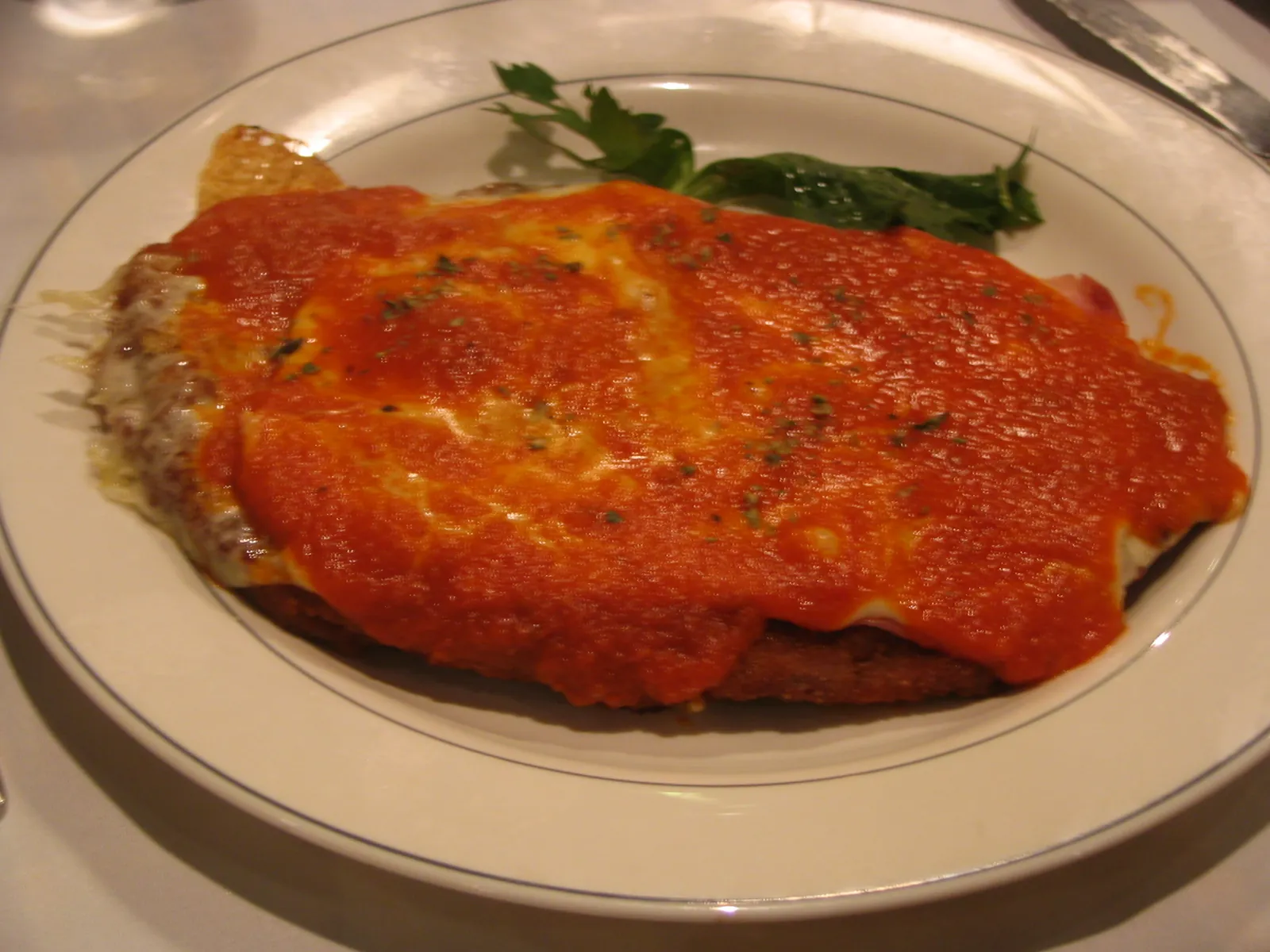
Breaded milanesa steak topped with tomato sauce and melted cheese Argentina flag Argentina 45m
Dinner •Buenos Aires Heritage

Milanesa a la Napolitana

Milanesa a la napolitana starts as a milanesa — a thin beef steak pounded flat, dredged in flour and egg, coated in breadcrumbs and fried until crisp — and then becomes something else entirely: topped with tomato sauce, a slice of ham and a blanket of mozzarella, it goes back into the oven until the cheese bubbles. It is the dish Argentine families order at the neighbourhood bodegon, always with French fries. One serving is about 350 g, before the fries.

Comforting & Satisfying

A crisp breaded steak, fried golden, then finished in the oven under tomato sauce, ham and bubbling mozzarella — Argentina's favourite comfort plate.

Pairs Well With
French fries & a green salad
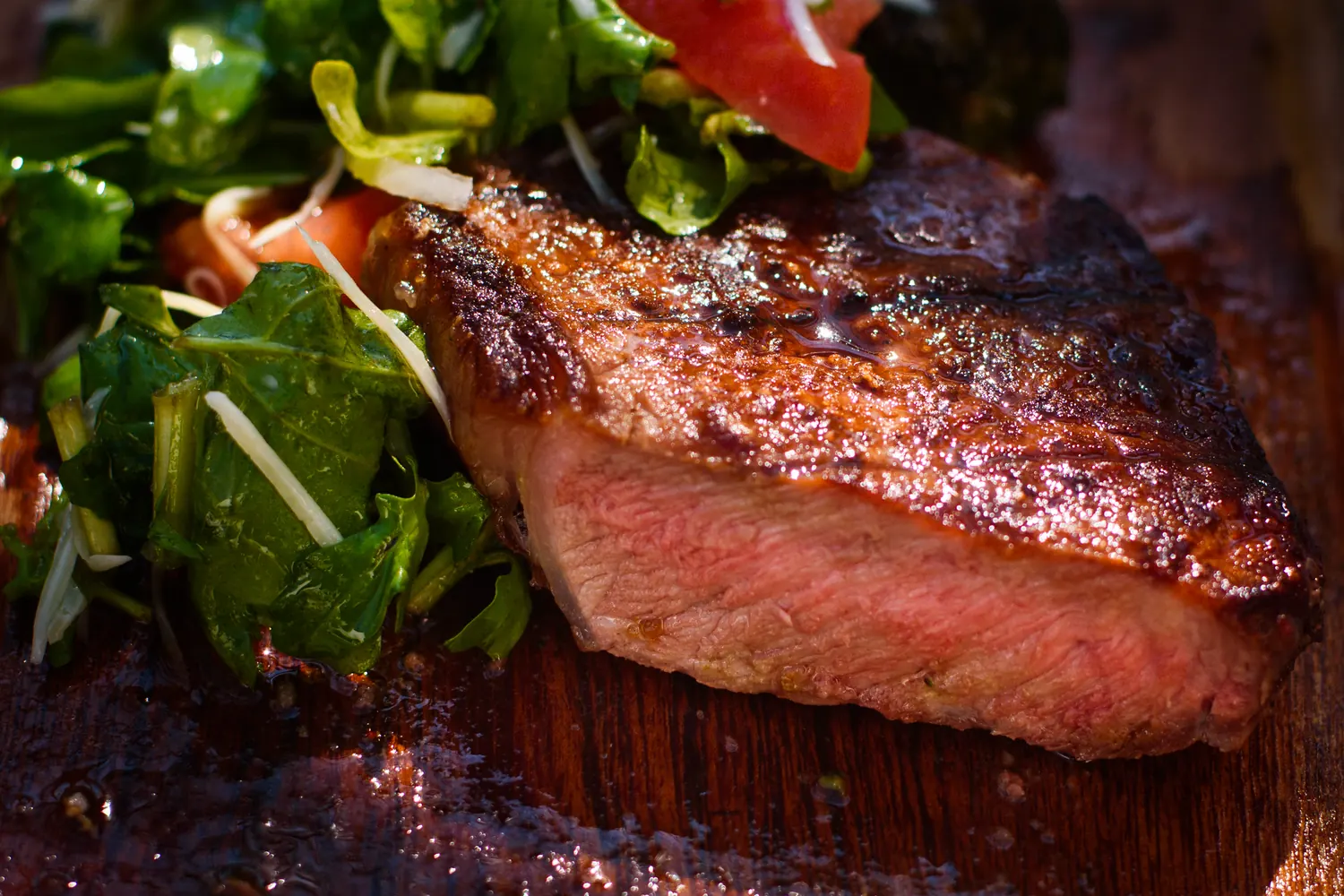
A grilled bife de chorizo steak, pink inside, with green salad on a wooden board Argentina flag Argentina 2h 30m
Dinner •Buenos Aires Parrilla Heritage

Argentine Asado

This argentine asado recipe is the full Sunday parrillada: tira de asado, vacio, entrana and bife de chorizo, plus chorizo, morcilla, mollejas and chinchulines, all cooked slowly over quebracho charcoal embers and seasoned with nothing but coarse salt. It opens with provoleta, grilled provolone with oregano, and the meat is served piece by piece as each cut is ready, with chimichurri and salsa criolla on the table. One serving is about 460 g.

High-Protein & Satisfying

A slow mixed grill of beef cuts, chorizo, morcilla and achuras over quebracho embers, opened with grilled provoleta and served with chimichurri and salsa criolla.

Pairs Well With
Chimichurri, salsa criolla & Malbec
High Protein

The Dinner Gazette

Never wonder what’s for dinner again

One email a week with easy dinner ideas from around the world — ingredients, steps and nutrition, tested in our kitchen first.

Delivered every Thursday morning. Unsubscribe anytime.