
Curated recipes from 193 countries  •  New seasonal Mediterranean issue out now

Overview

Bajan Cassava Pone

Cassava Pone, Pone, Caribbean Cassava Cake

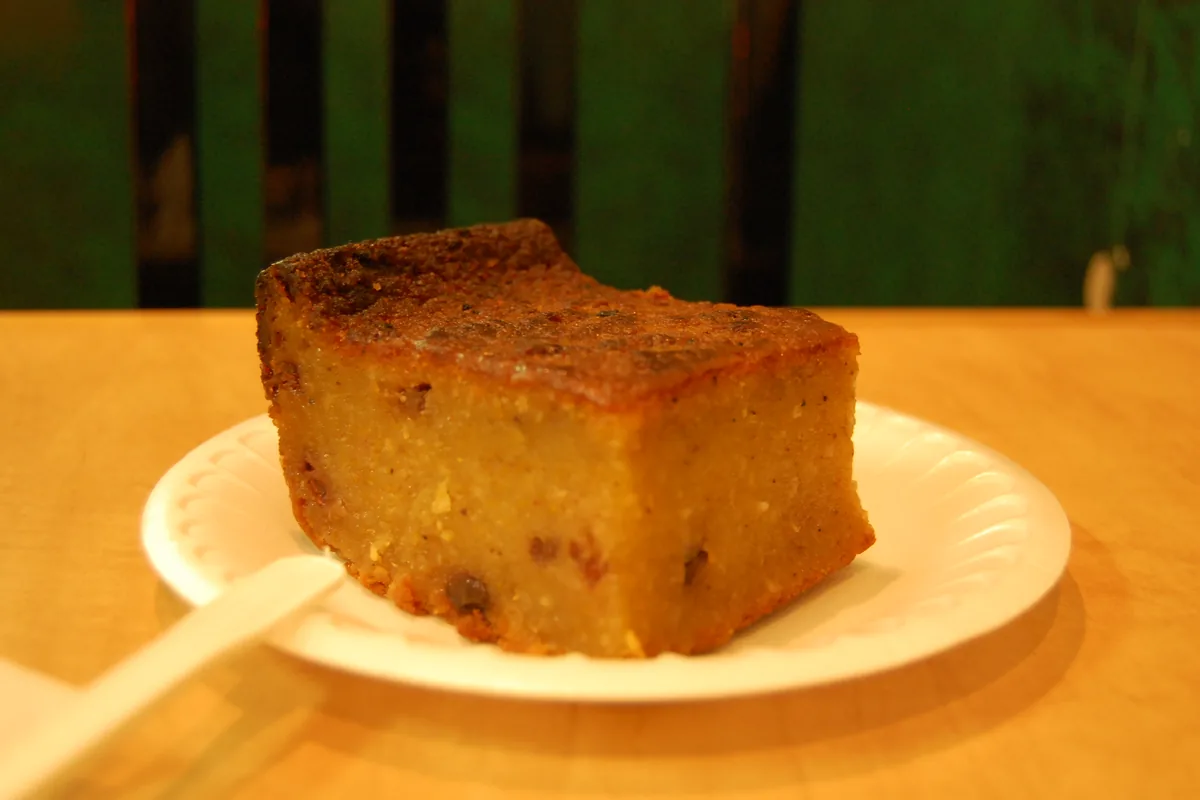
This bajan cassava pone recipe is Barbados's sweetest bake: fresh cassava and pumpkin grated fine, mixed with coconut, dark brown sugar, butter, coconut milk and eggs, then baked low and slow until the top turns deep gold and the middle sets into a dense, moist, chewy slice. Cinnamon, nutmeg and ginger give it a warm island spice, and raisins stud every bite. One serving is about 185 g.

Cassava came to Barbados with the Arawaks, the island's earliest known settlers, who grated the root into cakes long before sugar plantations arrived. Pone grew out of that tradition: grated cassava and coconut mixed with brown sugar, butter and warm spices, then baked into a dense, sliceable cake. In Barbados it is a bakery and home-kitchen staple, sold by the square and eaten as a snack with tea — and every Bajan family has its own version, some with pumpkin or sweet potato, some with raisins, all of them golden on top and moist inside.

Pairs well with: Vanilla ice cream & a cup of hot tea

Provenance

Barbados flag Barbados

Barbados Heritage

Latin America & Caribbean

Time Dedication

1h 25m

25m prep • 60m cook

Batch Yield

10 Servings

474 kcal per serving

1 serving ≈ 185 g

Technical Skill

Intermediate

Easy (One Bowl Bake)

Meal Timing & Digestive Fit

Breakfast

Not Advised

Lunch

Inappropriate

Dinner

Inappropriate

Snack & Tea

Ideal Light Bite

Occasions: Afternoon tea, family gatherings, Crop Over, Christmas, potlucks Cost: Low — about $1–2 per serving at home
Bajan cassava pone — a thick golden-brown slice of baked cassava and coconut pudding with raisins on a white plate

Barbados Heritage

Photo: stu_spivack, CC BY-SA 2.0, via Wikimedia Commons

The Heritage Formulary

Measured Ingredients

Estimated cost: Low — about $1–2 per serving at home (USD)

A true Bajan pone is judged by its slice: dense and moist inside, with a crisp, caramelised top and raisins in every bite.

Execution Methodology & Culinary Technique

Step-by-Step Cooking Guide

Active 1h 25m
P

Prep Stage: Peel, Grate & Mix

25 Mins • Grating & Mixing

Heat the oven to 180°C (350°F) and grease a 23 x 33 cm baking dish with butter. Peel the cassava, remove the woody core and grate it finely; peel and grate the pumpkin. Soak the raisins in warm water for 10 minutes and drain. In a very large bowl, whisk the coconut milk, brown sugar, melted butter, eggs, vanilla and almond extract with the cinnamon, nutmeg, ginger and salt, then stir in the grated cassava, pumpkin, coconut and raisins until everything is evenly mixed.

Maestro Tip: Grate the cassava as finely as you can — coarse shreds make a stringy pone, while a fine grate gives the smooth, dense crumb Bajans expect.

  1. 1

    Peel & Grate the Cassava

    15 Mins Room temperature

    Peel the cassava with a sharp knife, removing the brown skin and the pink layer underneath, then cut each root in half lengthways and pull out the tough woody core. Grate the flesh finely on a box grater or in a food processor, and grate the peeled pumpkin the same way.

    Use sweet cassava only — bitter cassava is not safe to eat without long processing, and it is not sold for this kind of cooking.

    Done when: Cassava is a fine, damp shred with no woody bits; pumpkin is grated fine.

  2. 2

    Mix the Batter

    10 Mins Room temperature

    Whisk the coconut milk, brown sugar, melted butter, beaten eggs, vanilla and almond extract with the cinnamon, nutmeg, ginger and salt in a large bowl until the sugar starts to dissolve. Fold in the grated cassava, pumpkin and coconut, then the drained raisins, and stir until the mixture is thick, even and glossy.

    Do not over-stir once the cassava is in — just fold until there are no dry pockets, or the pone turns tough.

    Done when: A thick, even batter with raisins spread through it and no dry shreds.

  3. 3

    Bake Until Golden & Set

    60 Mins 180°C (350°F)

    Scrape the batter into the greased dish, press it into an even layer and smooth the top with the back of a wet spoon. Bake at 180°C (350°F) for 55–65 minutes, until the top is deep golden brown and crisp at the edges and a skewer pushed into the centre comes out mostly clean — a little stickiness is normal for pone. The centre must reach at least 74°C (165°F) so the eggs are fully set.

    If the top browns too fast, cover it loosely with foil for the last 15 minutes; the inside still needs the full hour to set.

    Done when: Top is deep gold and crisp at the edges; skewer comes out mostly clean; centre is firm and hot through.

  4. 4

    Cool & Slice

    15 Mins Off the heat

    Take the pone out of the oven and leave it in the dish for at least 15 minutes before cutting — it firms up as it cools. Cut into 10 squares with a sharp knife and serve warm or at room temperature.

    Cutting it hot makes it crumble; the rest is what turns a soft bake into clean, sliceable squares.

    Done when: Pone slices cleanly and holds its shape; inside is dense, moist and studded with raisins.

Finishing Touches & Plating

Serve the pone warm or at room temperature, in thick squares, with vanilla ice cream or a cup of hot tea — and pass extra grated coconut at the table for anyone who wants more.

Nutritional Physiology & Benefits

Nutrition

Energy

474

kcal / serving

Protein

4g

Complete AA

Carbs

76g

Complex

Fats

19g

Healthy

Per serving (10 servings · 1 serving ≈ 185 g)
Energy474 kcal
Protein4 g
Carbohydrates76 g
Fat19 g
Fibre4.5 g
Sugar38.1 g
Sodium197 mg
Per 100g
Energy256 kcal
Protein2.3 g
Carbohydrates41.1 g
Fat10.1 g
Fibre2.5 g
Sugar20.6 g
Sodium107 mg

Nutrition values are estimated — calculated from USDA FoodData Central values for the listed ingredients.

Vitamins & minerals: Vitamin C and folate (cassava, pumpkin), manganese and copper (coconut), iron (raisins), vitamin A (pumpkin). Nutrition values are estimated.

Naturally Gluten-Free Energy

Cassava and coconut contain no gluten, so a serving gives about 76 g of carbohydrate for steady energy without any wheat.

Fibre from Cassava & Coconut

A serving brings about 4.5 g of fibre from the grated cassava, pumpkin and coconut, which is more than most cakes and biscuits.

Warm Spices, No Extra Fat

Cinnamon, nutmeg and ginger give the pone its big island flavour without adding fat — the richness comes from coconut and butter, not from frying.

Food Pairings

What to Eat With

To optimize nutrient absorption and elevate the sensory depth, pair with these authentic accompaniments:

More Pairings

Vanilla Ice Cream

Cold, creamy vanilla ice cream against the warm, dense, spiced pone is the classic Bajan pairing — the contrast of hot and cold makes both taste better.

Drinks

Hot Tea

A cup of hot black tea, Bajan-style, cuts through the sweetness of the brown sugar and raisins and turns a slice of pone into afternoon tea.

Sides

Fresh Tropical Fruit

Mango, pineapple or pawpaw on the side adds fresh acidity and lightness, which balances the dense, sweet pone on the plate.

Sauces

Warm Custard

A spoonful of warm custard poured over a square of pone softens the dense crumb and adds a gentle vanilla note that suits the spices.

Complete menu

Serve a square of cassava pone with vanilla ice cream and a pot of hot tea after a light lunch of fried flying fish and salad — the classic Bajan afternoon treat.

Digestive Guardrails

What NOT to Combine

To prevent digestive distress, sluggishness, or palate clash, avoid pairing the dish with these elements:

Cutting It While Piping Hot

Pone straight from the oven is soft and crumbly, and cutting it then makes it fall apart — it needs 15 minutes to set so it slices cleanly. This is general cooking advice, not medical advice.

Very Sweet Drinks Straight After

A slice of pone already carries about 38 g of sugar, so a very sweet fizzy drink or syrupy juice straight after adds a large dose of sugar on top of it; tea or water is the lighter choice. This is general information, not medical advice.

General information only, not medical advice — consult a doctor for personal dietary decisions.

Who Should Eat It

Who Should Eat

  • General adultsA rich, sweet island bake — best as one square with tea or ice cream, not as a second helping.
  • ChildrenChildren usually love pone; serve a smaller square, and skip the almond extract for very young children if you prefer.
  • ElderlySoft and easy to eat, but sweet and rich; serve a modest square with tea and fresh fruit.
  • Pregnant womenBaked to at least 74°C (165°F) throughout and served warm, it is fine; keep portions moderate because of the sugar, and ask your clinician if unsure.
  • Breastfeeding womenAn energy-rich snack that suits breastfeeding; the coconut and eggs add some fat and protein.
  • AthletesHigh in carbohydrate, so it refuels well after training — but it is heavy and sweet, so eat it a few hours after, not right before, exercise.
  • Weight gainEnergy-dense with sugar, coconut and butter, so it suits people who need extra calories.
  • Weight lossVery energy-dense and sweet, so keep the square small, skip the ice cream and add fresh fruit instead.

Health Conditions — Adjust or Avoid

Conditions

  • DiabetesHigh in carbohydrate and sugar (about 38 g sugar per serving), so keep the square small and add fresh fruit instead of ice cream; ask your clinician about portions.
  • High blood pressureLow in sodium (about 197 mg per serving), but sweet and rich; keep portions moderate and ask your clinician.
  • Kidney diseaseCassava and coconut are sources of potassium, so people with kidney disease should watch portion size and ask their clinician.
  • GoutPlant-based and low in purines, so this dish is generally better tolerated than meat dishes, but keep portions moderate because of the sugar, and ask your clinician.
  • Stomach issuesDense and sweet, and the spices can bother a sensitive stomach; eat a small square slowly and skip the ginger if your stomach is sensitive.
  • Cardiovascular diseaseHigh in saturated fat from coconut and butter, so people with cardiovascular disease should eat a smaller square with fresh fruit; ask your clinician.
  • Fatty liverRich and high in sugar and fat, so keep portions modest and balance the plate with fresh fruit; ask your clinician.
  • Food allergiesContains egg, coconut (a tree nut) and dairy (butter); raisins may contain sulphites. If you have any food allergy, check every ingredient and ask your clinician.
  • Special therapeutic dietsNot suitable as a low-sugar or low-fat therapeutic diet without changes (less sugar, no butter); discuss adaptations with your clinician or dietitian.

If you have a medical condition, consult your doctor before changing your diet.

Storage & Use

Storage & Use

How to store
Cool completely and store covered at room temperature for a day, or in the fridge.
In the fridge
Cooked pone 5 days.
In the freezer
Up to 3 months.
How to reheat
Reheat squares in a 160°C (325°F) oven until steaming hot throughout, to 74°C (165°F); cover with foil so the top does not dry out.
Freezing recommended
Yes, up to 3 months; freeze in squares and thaw overnight in the fridge.
Signs it has spoiled
Sour smell, sticky or slimy surface, or mould.

More recipes to explore

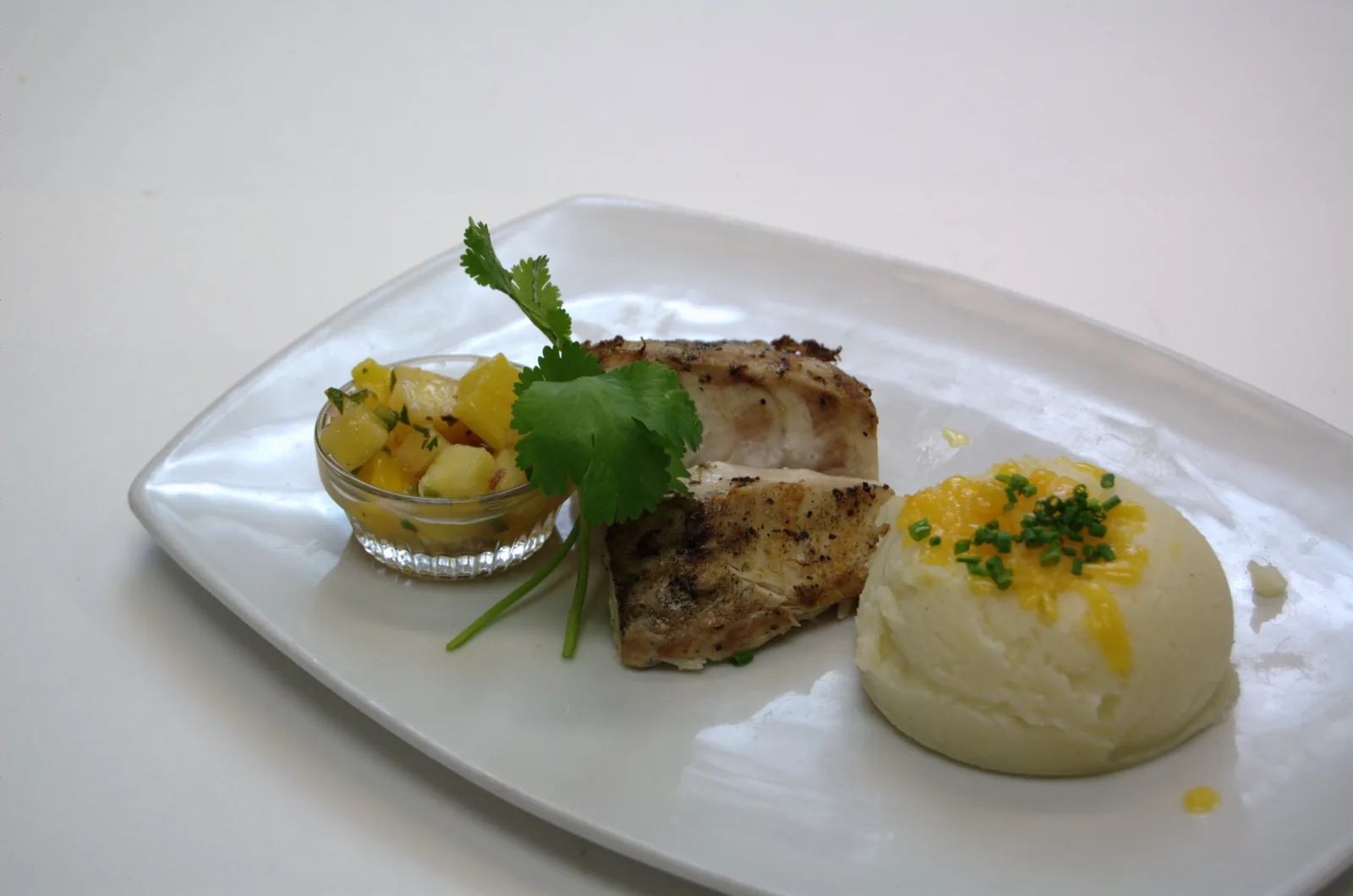
Grilled mahi-mahi fillet with mango-pineapple salsa in a small glass dish and a scoop of mashed potatoes topped with cheddar and chives, garnished with coriander Barbados flag Barbados 55m
Dinner •Barbados Heritage

Bajan Grilled Mahi-Mahi

This bajan grilled mahi mahi recipe rubs firm mahi-mahi fillets with Bajan green seasoning — spring onion, parsley, thyme, garlic and Scotch bonnet with lime — grills them until the edges char, and serves them with a bright mango-pineapple salsa and a scoop of cheddar mash. One serving is about 456 g. This bajan grilled mahi mahi recipe serves 4, takes 55 minutes, and tastes of the Barbadian coast: smoky fish, sharp lime and sweet fruit.

Fresh & Fruity

Firm mahi-mahi grilled in Bajan green seasoning with lime, served with a sweet mango-pineapple salsa and cheddar mash.

Pairs Well With
Serve with the mango-pineapple salsa and cheddar mash from the recipe, a crisp green salad, and a cold lime drink.
High Protein
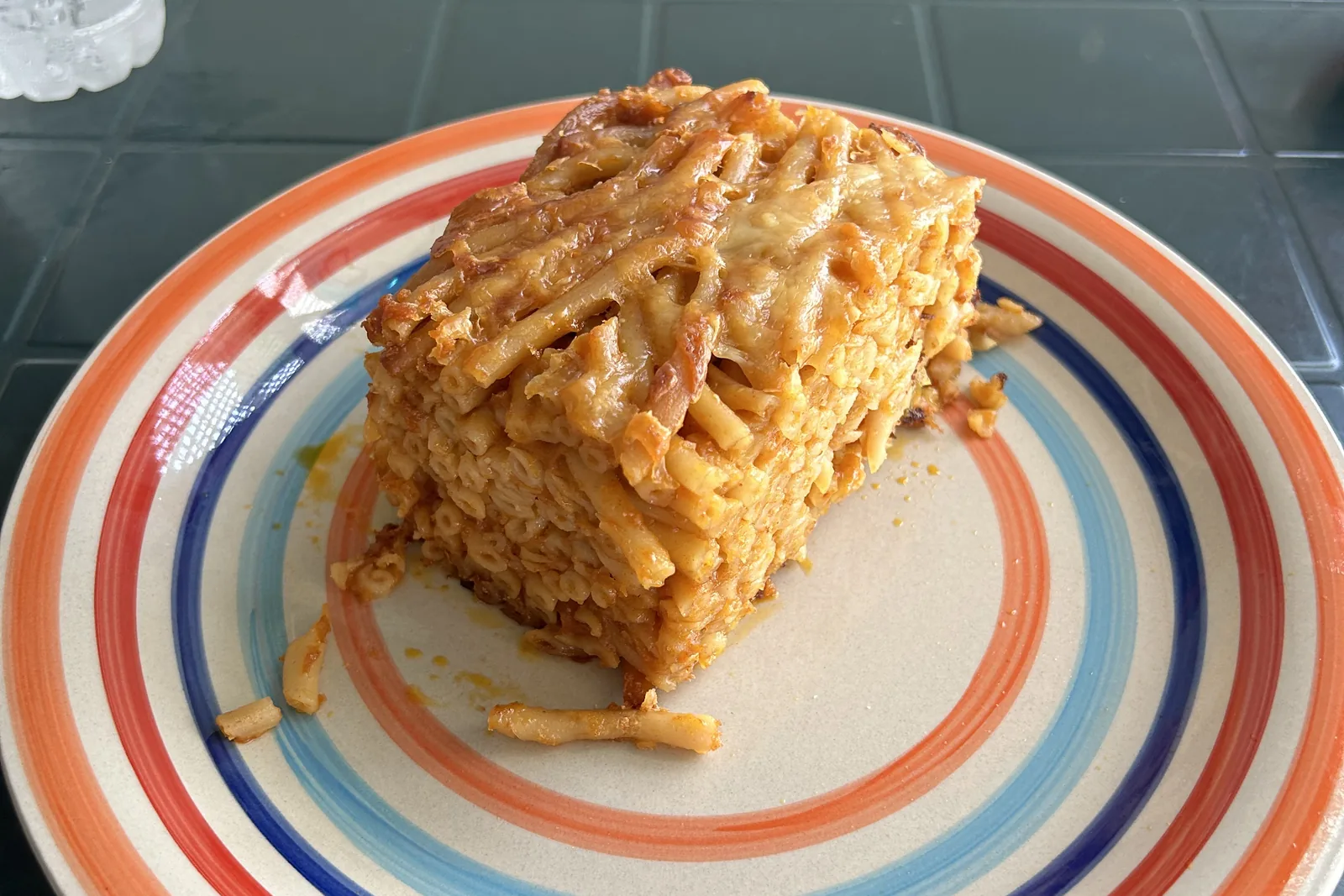
Bajan macaroni pie — a thick golden slice of baked macaroni and cheese on a striped plate Barbados flag Barbados 1h 5m
Lunch •Barbados Heritage

Bajan Macaroni Pie

This bajan macaroni pie recipe is Barbados's answer to mac and cheese — and it is a different dish entirely. Long tubular macaroni is baked in a thick sauce of sharp cheddar, evaporated milk, eggs, mustard and ketchup, with onion, thyme and a dash of Bajan hot pepper sauce, until it sets firm enough to slice like a pie. It is the side dish on almost every Bajan table, and on Sundays it is the main event. One serving is about 275 g.

Comfort & Celebration

Long macaroni baked in sharp cheddar, evaporated milk, eggs, mustard and ketchup until firm enough to slice — the Bajan pie served at every Sunday lunch.

Pairs Well With
Fried flying fish & garden salad
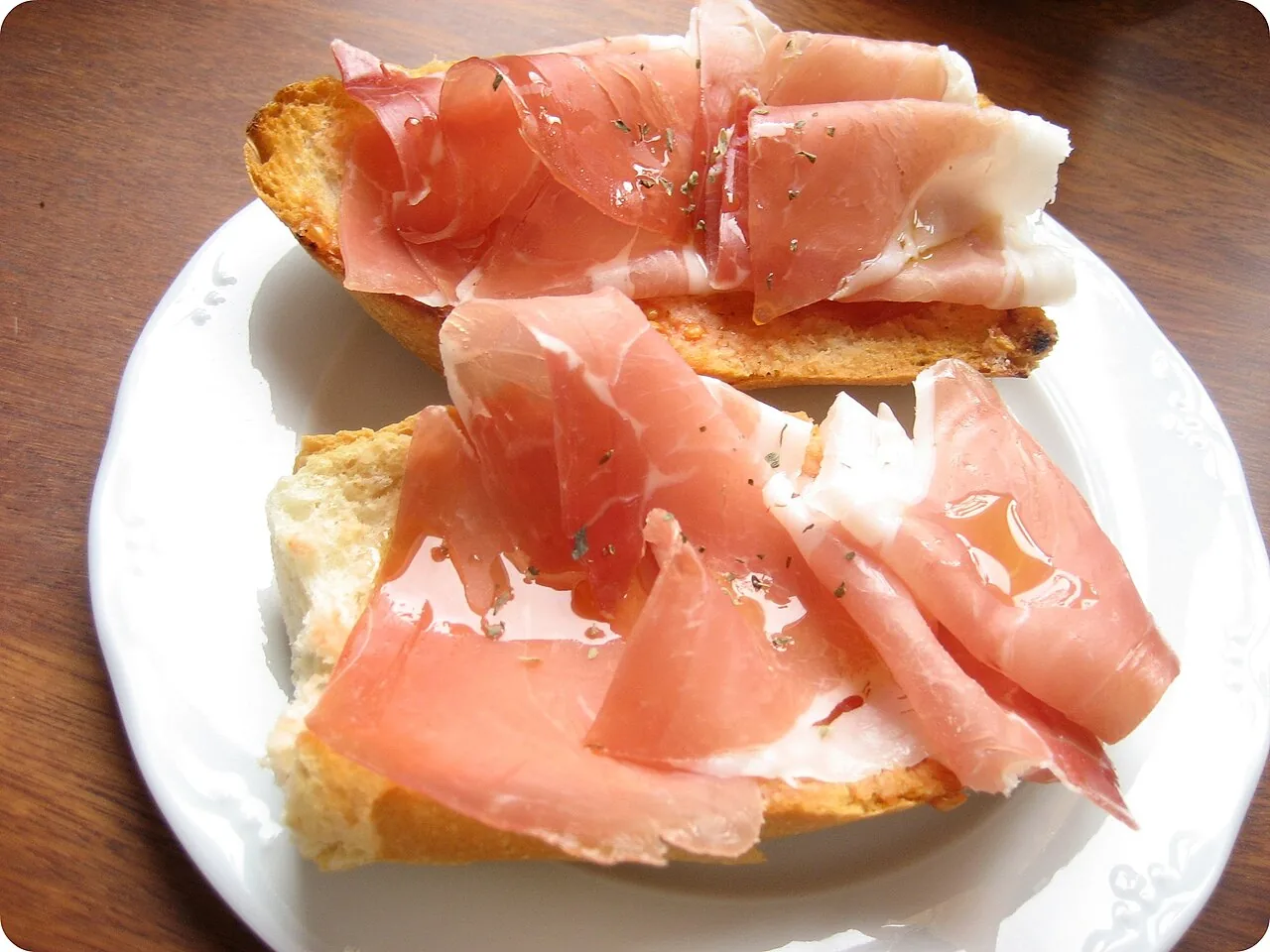
Pan con tomate with jamón ibérico on toasted bread Spain flag Spain 15m
Snack & Tea •Catalan Aperitivo

Pan con Tomate & Jamón Ibérico

Country bread rubbed with ripe Ramallet tomato, drizzled with cold-pressed Arbequina olive oil and topped with jamón ibérico.

Vascular Health

Toasted tomato bread with jamón ibérico, olive oil and olives.

Pairs Well With
Castelvetrano Olives & Sparkling Mineral Water
Quick Prep (<30m)
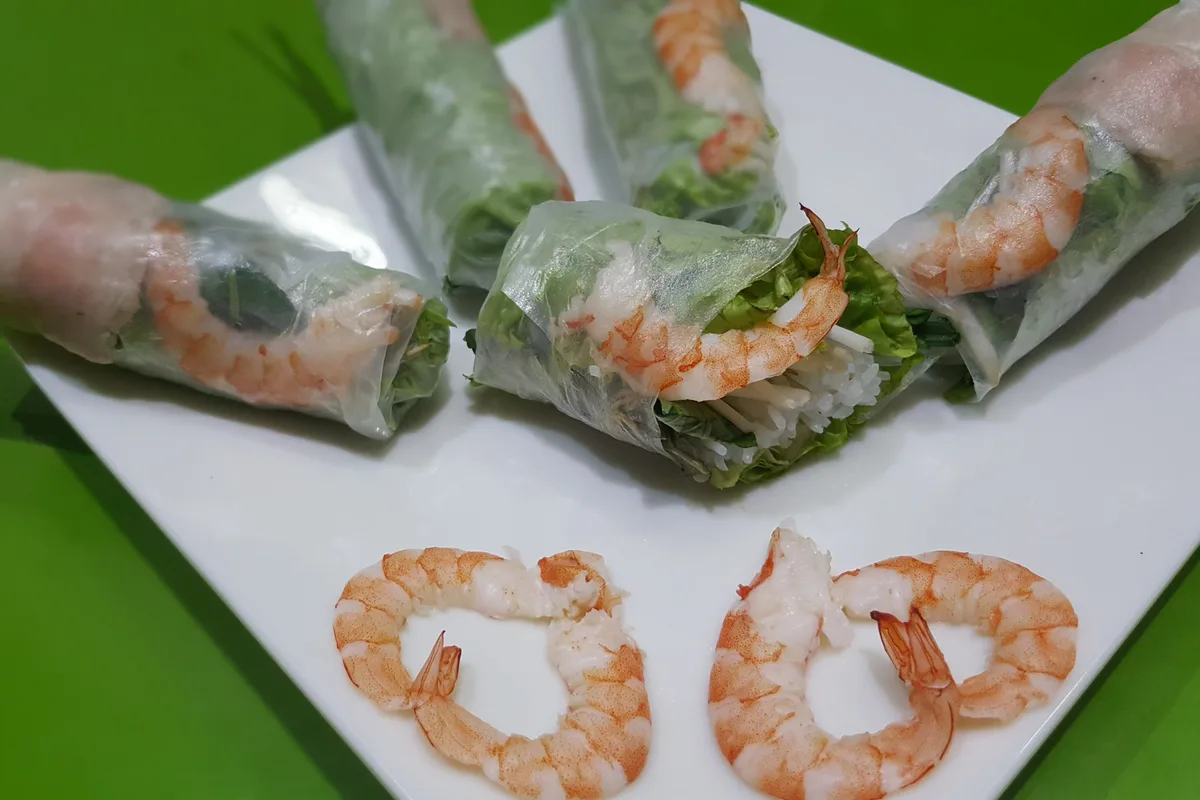
Gỏi cuốn — Vietnamese fresh spring rolls with prawn and pork Vietnam flag Vietnam 1h 5m
Snack & Tea •Saigon Refresh

Gỏi Cuốn Tôm Thịt

Fresh rice paper rolls filled with poached prawns, tender pork, rice vermicelli, lettuce, herbs and carrot, served with a peanut dipping sauce.

Light Digestion

Nothing is fried, so the rolls stay light and fresh — a cool, herb-filled snack for hot days.

Pairs Well With
Artisanal Peanut Dip & Fresh Lotus Root Water
High Protein

The Dinner Gazette

Never wonder what’s for dinner again

One email a week with easy dinner ideas from around the world — ingredients, steps and nutrition, tested in our kitchen first.

Delivered every Thursday morning. Unsubscribe anytime.