Curated recipes from 193 countries  •  New seasonal Mediterranean issue out now

Overview

Baleadas

Baleada Sencilla, Baleada con Huevo, Honduran Flour Tortilla with Beans

This baleadas recipe makes Honduras's favourite breakfast the way it is sold from street stalls and home kitchens along the north coast: thick, soft flour tortillas, cooked on a dry griddle until golden and speckled, then spread with warm mashed red beans, piled with soft scrambled egg and crumbled salty cheese, and finished with a spoonful of crema. Each baleada is folded in half and eaten hot, by hand, while the cheese is still melting into the beans. One serving is one baleada, about 335 g.

Baleadas come from the north coast of Honduras, around the port city of La Ceiba, where they began as cheap, filling street food sold from small stalls and home kitchens. The simple version, the baleada sencilla, is a thick flour tortilla spread with mashed red beans, crumbled salty cheese and a spoonful of crema; scrambled egg, avocado or meat turn it into a baleada con todo. The name is popularly linked to the Spanish word bala, meaning bullet, though the exact story behind it is told in several different versions. Today baleadas are Honduras's best-known food and its everyday breakfast, eaten at home, at work and from the baleada stalls found on almost every street.

Pairs well with: Sliced avocado and a hot sauce on the side, with a cup of sweet Honduran coffee or a glass of fresh orange juice.

Provenance

Honduras flag Honduras

La Ceiba Heritage

Latin America & Caribbean

Time Dedication

45m

25m prep • 20m cook

Batch Yield

4 Servings

715 kcal per serving

1 serving ≈ 335 g

Technical Skill

Easy

Easy (Stovetop)

Meal Timing & Digestive Fit

Breakfast

Prime Morning Fit

Lunch

Inappropriate

Dinner

Inappropriate

Snack & Tea

Inappropriate

Occasions: Weekday family breakfasts, weekend brunch, school and work mornings, casual gatherings and street-food nights Cost: Low — about $2–3 per serving at home
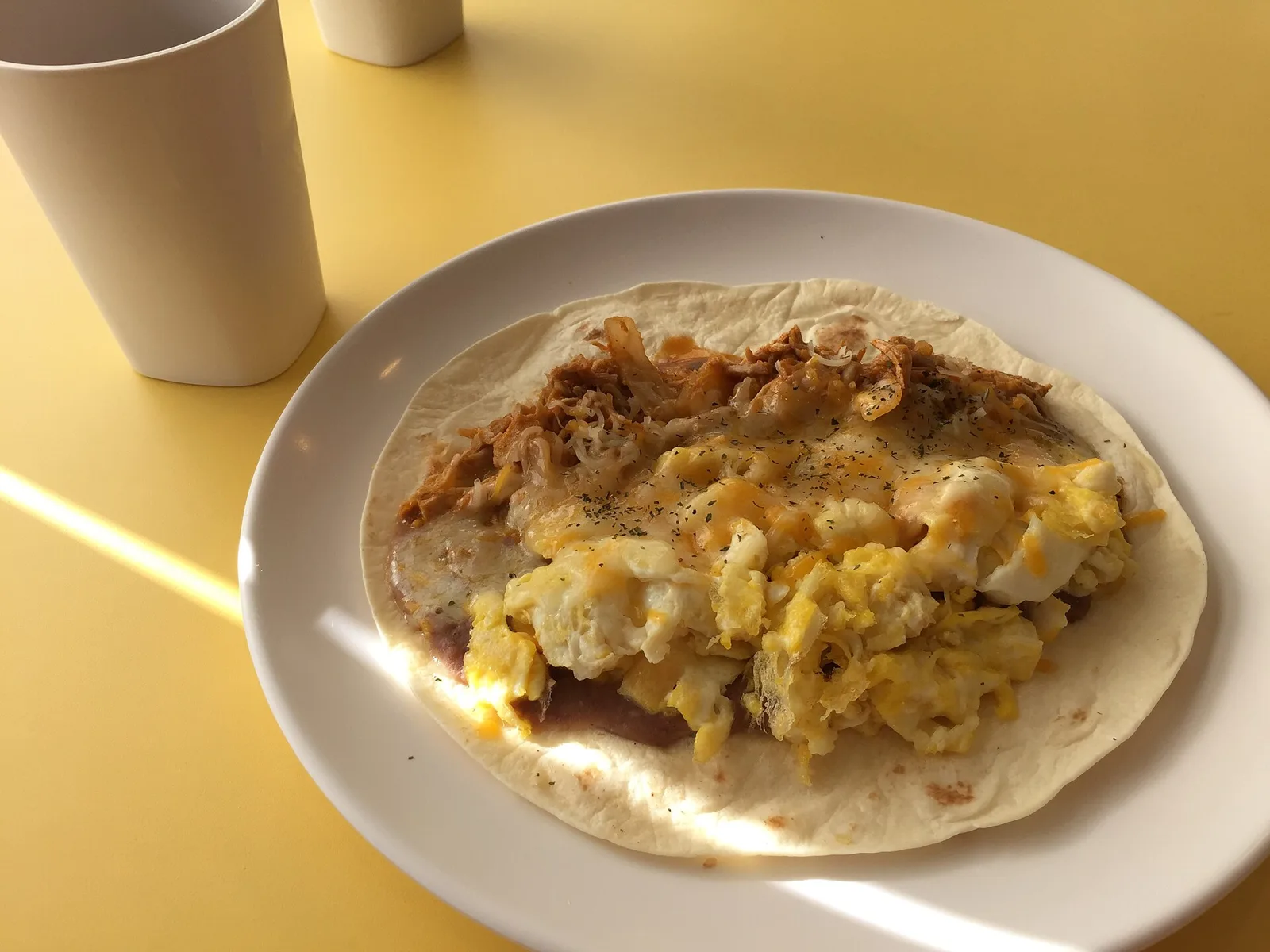
An open baleada on a white plate: a flour tortilla topped with refried beans, scrambled egg and melted cheese

La Ceiba Heritage

Photo: bryan... from Taipei, Taiwan, CC BY-SA 2.0, via Wikimedia Commons
The Heritage Formulary

Measured Ingredients

Estimated cost: Low — about $2–3 per serving at home (USD)

Made the Honduran way: a thick, soft flour tortilla cooked on a dry griddle, spread with warm mashed red beans, scrambled egg and crumbled salty cheese, folded in half and eaten hot.

Execution Methodology & Culinary Technique

Step-by-Step Cooking Guide

Active 45m
P

Prep Stage: Dough, Beans & Eggs

25 Mins • Mixing, Resting & Mashing

Mix the flour, baking powder and 3g of the salt with the warm water and the dough oil, knead briefly and let the dough rest for 20 minutes so the tortillas roll out without springing back. While it rests, warm the beans with the second spoonful of oil and the remaining salt and mash them into a smooth spread, crumble the cheese, and beat the eggs.

Maestro Tip: The dough is ready when it feels soft and smooth like an earlobe and does not tear when you stretch a piece thin — if it fights back when you roll it, give it 5 more minutes of rest.

  1. 1

    Mix and Rest the Tortilla Dough

    10 Mins + 20 Mins Rest Warm water about 45°C (110°F)

    Put the flour, baking powder and 3g of the salt in a large bowl and stir. Pour in the warm water and the 30ml of oil, then mix with your hand until a shaggy dough forms. Turn it onto a clean surface and knead for 3 minutes until smooth, then cover with a damp cloth or cling film and rest for 20 minutes.

    Do not skip the rest: rested dough rolls out thin and even, while unrested dough springs back and cooks thick and tough.

    Done when: Soft, smooth dough that holds a ball shape and stretches without tearing.

  2. 2

    Mash the Refried Beans

    5 Mins Medium heat, about 150°C (300°F)

    Warm the 15ml of oil in a small pan over medium heat, add the drained beans and the remaining 1g of salt, and cook for 2 minutes. Mash with a potato masher or the back of a fork until smooth and spreadable, adding a tablespoon of water if the paste is too stiff. Keep warm on the lowest heat.

    Mash the beans while they are hot — cold beans turn grainy and will not spread smoothly on the tortilla.

    Done when: A thick, smooth paste that holds its shape on a spoon and spreads without running.

  3. 3

    Scramble the Eggs

    5 Mins Medium-low heat; cook eggs through to 74°C (165°F)

    Melt the butter in a non-stick pan over medium-low heat, pour in the beaten eggs and cook slowly, pushing the curds gently with a spatula. Take the pan off the heat while the eggs still look slightly wet — they finish cooking in their own heat — and season lightly.

    Low heat and an early finish are the whole trick: eggs that look just set in the pan stay creamy inside the hot tortilla, while overcooked eggs turn dry and rubbery.

    Done when: Soft, large curds, fully set with no runny egg, and steaming hot throughout.

  4. 4

    Cook the Tortillas

    8 Mins Dry griddle or comal, medium-high heat, about 200°C (400°F)

    Divide the rested dough into 4 equal balls. Roll each ball on a lightly floured surface into a round about 25 cm (10 in) across and 3 mm thick. Cook one at a time on a dry, hot griddle for 1–2 minutes per side, until golden-brown spots appear and the tortilla puffs slightly. Stack the cooked tortillas under a clean cloth so they stay soft and warm.

    Roll from the centre outwards and turn the round a quarter-turn between rolls to keep it even; a tortilla that is thick in the middle and thin at the edges cooks unevenly.

    Done when: Golden-brown speckles on both sides, soft and pliable enough to fold without cracking.

  5. 5

    Fill and Fold

    2 Mins Serve hot; filling at 74°C (165°F) or above

    Lay a warm tortilla flat, spread a quarter of the mashed beans over one half, spoon a quarter of the scrambled eggs on top, then scatter a quarter of the crumbled cheese and a spoonful of crema over the eggs. Fold the empty half over the filling and press gently. Serve at once, while the cheese is melting into the beans.

    Fill only one half and keep the filling away from the edge, so the fold seals cleanly and nothing spills out when you pick the baleada up.

    Done when: Folded in half, warm all the way through, cheese softening into the beans.

Finishing Touches & Plating

Serve hot off the griddle, one baleada per person, with sliced avocado and hot sauce on the table. For a baleada con todo, the fuller version shown in the photo, add avocado, extra crema and shredded cooked chicken or beef on top of the egg before folding.

Nutritional Physiology & Benefits

Nutrition

Energy

715

kcal / serving

Protein

29g

Complete AA

Carbs

86g

Complex

Fats

28g

Healthy

Per serving (4 servings · 1 serving ≈ 335 g)
Energy715 kcal
Protein29 g
Carbohydrates86 g
Fat28 g
Fibre9.6 g
Sugar2.0 g
Sodium771 mg
Per 100g
Energy214 kcal
Protein8.6 g
Carbohydrates25.7 g
Fat8.4 g
Fibre2.9 g
Sugar0.6 g
Sodium230 mg

Nutrition values are estimated — calculated from USDA FoodData Central values for the listed ingredients.

Vitamins & minerals: The red beans supply folate, iron and magnesium, the eggs supply vitamin B12, vitamin D and choline, the cheese supplies calcium and phosphorus, and the flour tortilla supplies B vitamins. All nutrition values are estimated.

High in Protein

One baleada gives about 29 g of protein from the eggs, beans and cheese, which makes it a genuinely filling breakfast that keeps you full until lunch.

Fibre from Beans

The red beans supply about 9.6 g of fibre per serving, which slows digestion and helps the meal keep you full longer.

Folate, Iron and Calcium

The beans supply folate, iron and magnesium, the eggs supply vitamin B12 and choline, and the cheese supplies calcium and phosphorus.

Food Pairings

What to Eat With

To optimize nutrient absorption and elevate the sensory depth, pair with these authentic accompaniments:

Sides

Sliced Avocado

Creamy avocado adds healthy fats and a cool, buttery contrast to the warm beans and salty cheese, and it is the most common extra on a baleada con todo.

Vegetables

Pickled Red Onions or Curtido

A sharp, tangy pickle cuts through the rich beans, egg and cheese and keeps each bite from feeling heavy.

Drinks

Sweet Honduran Coffee

Baleadas are a breakfast food in Honduras, and a cup of sweet, milky coffee is the traditional drink alongside them.

Fresh Orange Juice

A cold glass of orange juice balances the salty, savoury filling and fits the morning table.

Full Menus

Fried Plantains on the Side

Sweet fried plantains echo the savoury-sweet balance of the filling and turn a single baleada into a fuller breakfast plate.

Complete menu

One hot baleada with sliced avocado and pickled red onions on the side, a cup of sweet Honduran coffee, and fried plantains if you want a fuller breakfast plate.

Digestive Guardrails

What NOT to Combine

To prevent digestive distress, sluggishness, or palate clash, avoid pairing the dish with these elements:

Very Sugary Drinks

This is already an energy-dense breakfast at about 715 kcal, so a large sweetened drink adds a lot of sugar on top of a heavy meal; water, coffee or unsweetened juice are lighter choices. This is general information, not medical advice.

Heavy Fried Foods Alongside

Piling fried sides onto a meal that already contains oil, butter, cheese and crema adds a large amount of fat at once, which many people find heavy first thing in the morning. This is general information, not medical advice.

Undercooked Eggs

Scrambled egg must be cooked through to 74°C (165°F) and served hot; runny or raw egg carries a risk of foodborne illness, especially for children, older adults and pregnant women. This is general information, not medical advice.

General information only, not medical advice — consult a doctor for personal dietary decisions.

Who Should Eat It

Who Should Eat

  • General adultsA hearty, satisfying breakfast; one baleada is a full meal for most adults.
  • ChildrenWell suited in a smaller portion — half a baleada with mild cheese — as long as the egg is cooked through and the beans are mashed smooth.
  • ElderlySoft, easy to chew and rich in protein, but the salt content is fairly high, so a smaller portion with less added salt suits many older adults.
  • Pregnant womenFine when the eggs are fully cooked through and the cheese is made from pasteurised milk; check the cheese label and ask a clinician about any concerns.
  • Breastfeeding womenA filling, protein-rich breakfast that fits well into a varied diet; keep portions moderate because of the energy density.
  • AthletesA strong pre- or post-training breakfast: about 29 g of protein and 86 g of carbohydrate per baleada for energy and recovery.
  • Weight gainHelpful: about 715 kcal in a single, easy-to-eat serving, with protein from egg, beans and cheese.
  • Weight lossBest as an occasional, smaller serving — half a baleada with extra vegetables on the side — because one full baleada is very energy-dense.

Health Conditions — Adjust or Avoid

Conditions

  • DiabetesOne baleada contains about 86 g of carbohydrate, so portion size matters; half a baleada with a salad on the side is usually a better fit. Ask a clinician or dietitian for personal advice.
  • High blood pressureSodium is about 771 mg per baleada, mostly from the salt and cheese; use low-salt cheese and less added salt if you need to limit sodium. Ask a clinician for personal advice.
  • Kidney diseaseBeans, cheese and eggs are all high in potassium and phosphorus, so this dish may not suit a restricted kidney diet. Ask a clinician or dietitian before eating it regularly.
  • GoutBeans and eggs are moderate in purines, so an occasional baleada is usually fine, but large or frequent portions may be a problem. Ask a clinician for personal advice.
  • Stomach issuesBeans and a heavy, fatty breakfast can cause bloating for some people; eat slowly and keep the portion small if your stomach is sensitive. Ask a clinician for personal advice.
  • Cardiovascular diseaseThe meal is fairly high in saturated fat from butter and cheese, so keep it occasional and use less butter and cheese if you need to limit fat. Ask a clinician for personal advice.
  • Fatty liverA heavy, energy-dense breakfast eaten often can work against weight and liver-fat goals; a smaller portion with more vegetables is a lighter choice. Ask a clinician for personal advice.
  • Food allergiesContains gluten (wheat flour), egg and milk (cheese, crema, butter). People with a wheat, egg or milk allergy should not eat this dish unless a safe substitute is used; check all labels.
  • Special therapeutic dietsNot suitable for gluten-free, dairy-free or egg-free diets as written; a gluten-free flour tortilla and dairy-free cheese change the dish substantially. Ask a clinician or dietitian for personal advice.

If you have a medical condition, consult your doctor before changing your diet.

Storage & Use

Storage & Use

How to store
Cool completely, then store the tortillas, beans and eggs separately in sealed containers so the tortillas do not go soggy.
In the fridge
Cooked tortillas and beans keep 3 days in the fridge at 4°C (40°F) or below; scrambled eggs keep 2 days.
In the freezer
Plain cooked tortillas freeze well for up to 2 months, stacked with baking paper between them; the beans freeze for up to 2 months. Do not freeze the assembled baleadas or the scrambled eggs.
How to reheat
Reheat the beans and eggs until steaming hot throughout, to 74°C (165°F); warm tortillas on a dry griddle for 30 seconds per side, then fill and serve.
Freezing recommended
Yes — plain tortillas and beans freeze well; thaw overnight in the fridge before reheating.
Signs it has spoiled
Sour smell, slimy surface or mould on the beans or tortillas, or eggs that smell off; discard anything that smells sour.

More recipes to explore

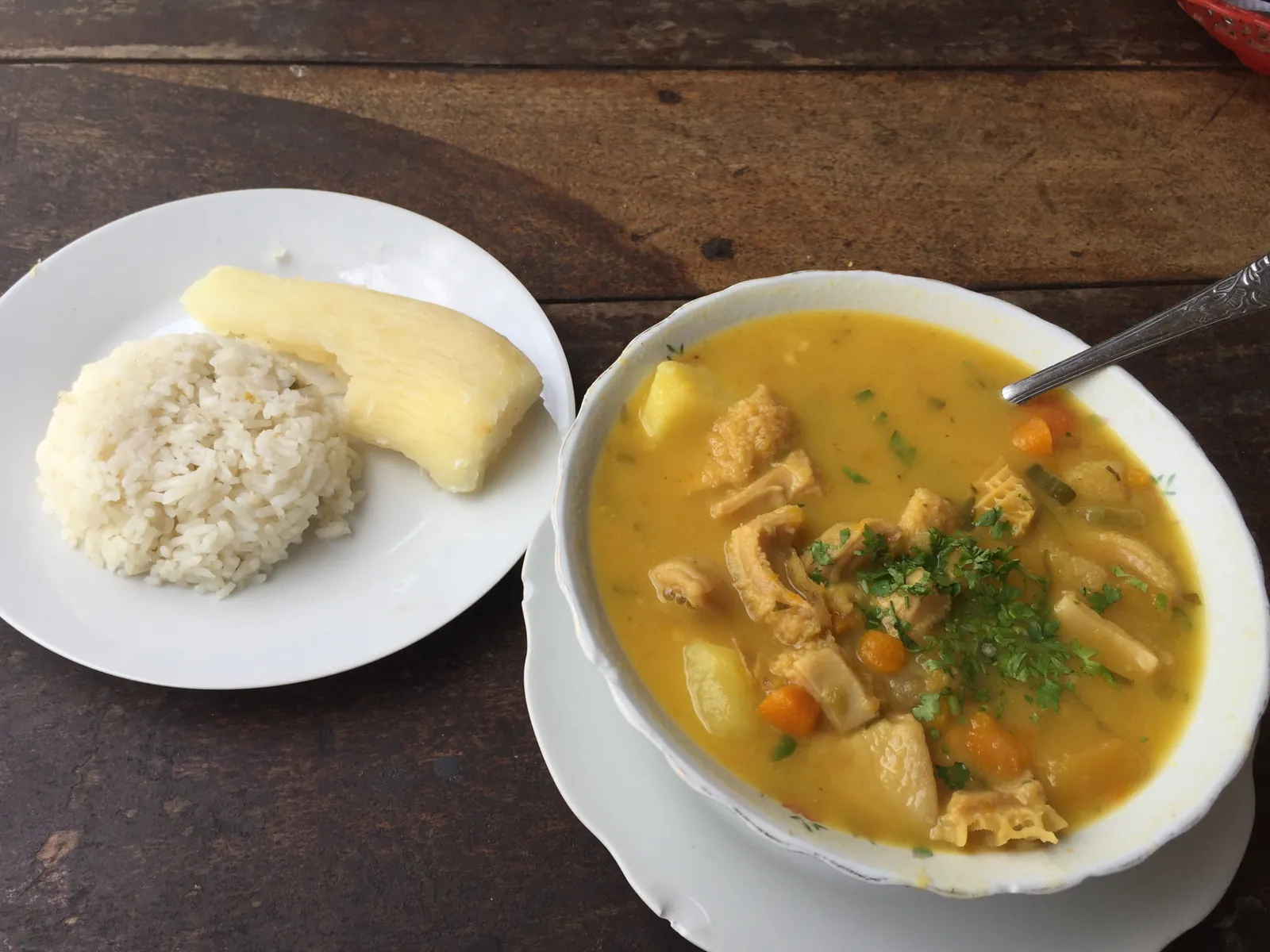
A bowl of sopa de mondongo with strips of tripe, carrots and potatoes, garnished with cilantro, served with white rice and boiled yuca on the side Honduras flag Honduras 3h 45m
Lunch •Honduran Heritage

Honduran Sopa de Mondongo

This honduran sopa de mondongo recipe is Honduras's slow-cooked tripe soup: beef tripe simmered for hours until tender, then loaded with yuca, green plantain, corn, carrots and potatoes in a tomato, cumin and cilantro broth. It is a weekend lunch in Honduran homes, served steaming hot with lime wedges, white rice and warm tortillas for squeezing and scooping. One serving is about 600 g, soup and vegetables together.

Comfort & Warmth

Slow-simmered beef tripe with yuca, plantain and corn in a tomato, cumin and cilantro broth.

Pairs Well With
White rice and warm corn tortillas, with lime wedges and chopped cilantro on the side.
Soups & Broths
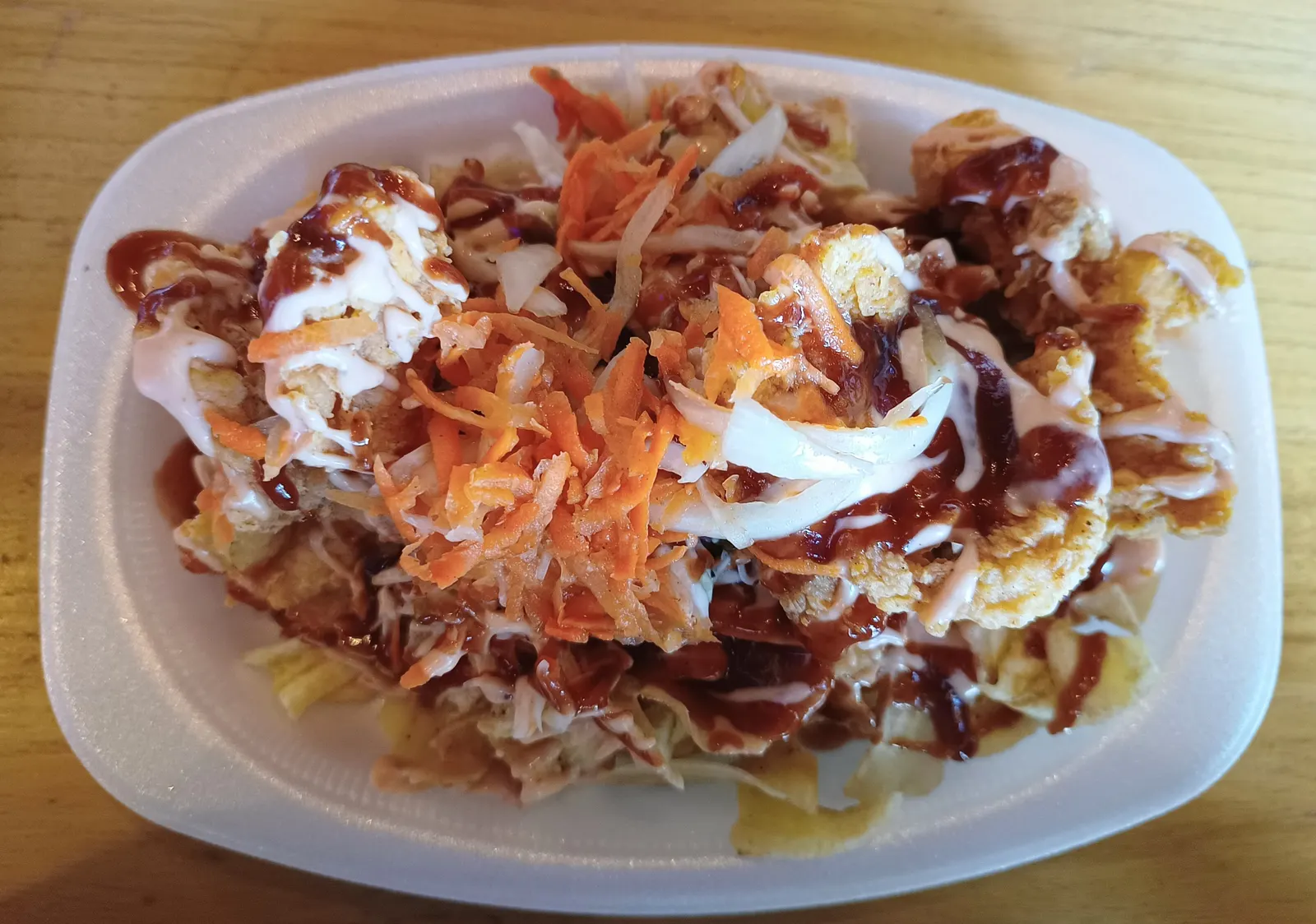
Pollo chuco on a plate: crispy fried chicken over fried plantain tajadas with shredded cabbage, carrot, pickled onion and sauces Honduras flag Honduras 1h 5m
Dinner •San Pedro Sula Heritage

Pollo Chuco

Pollo chuco is the beloved street-food plate of San Pedro Sula, Honduras: flour-dredged chicken fried until crisp and golden, piled over crunchy fried green-plantain slices called tajadas, then finished with lime-dressed cabbage, pickled red onion, fresh chimol salsa and a drizzle of tomato and pink sauces. Every bite mixes crunch, tang, heat and creaminess. One serving is about 480 g.

Hearty Street-Food Comfort

A filling plate of fried chicken, crisp plantains and fresh toppings that works as a satisfying dinner.

Pairs Well With
Serve with an ice-cold agua fresca or a light lager, and lime wedges on the side.
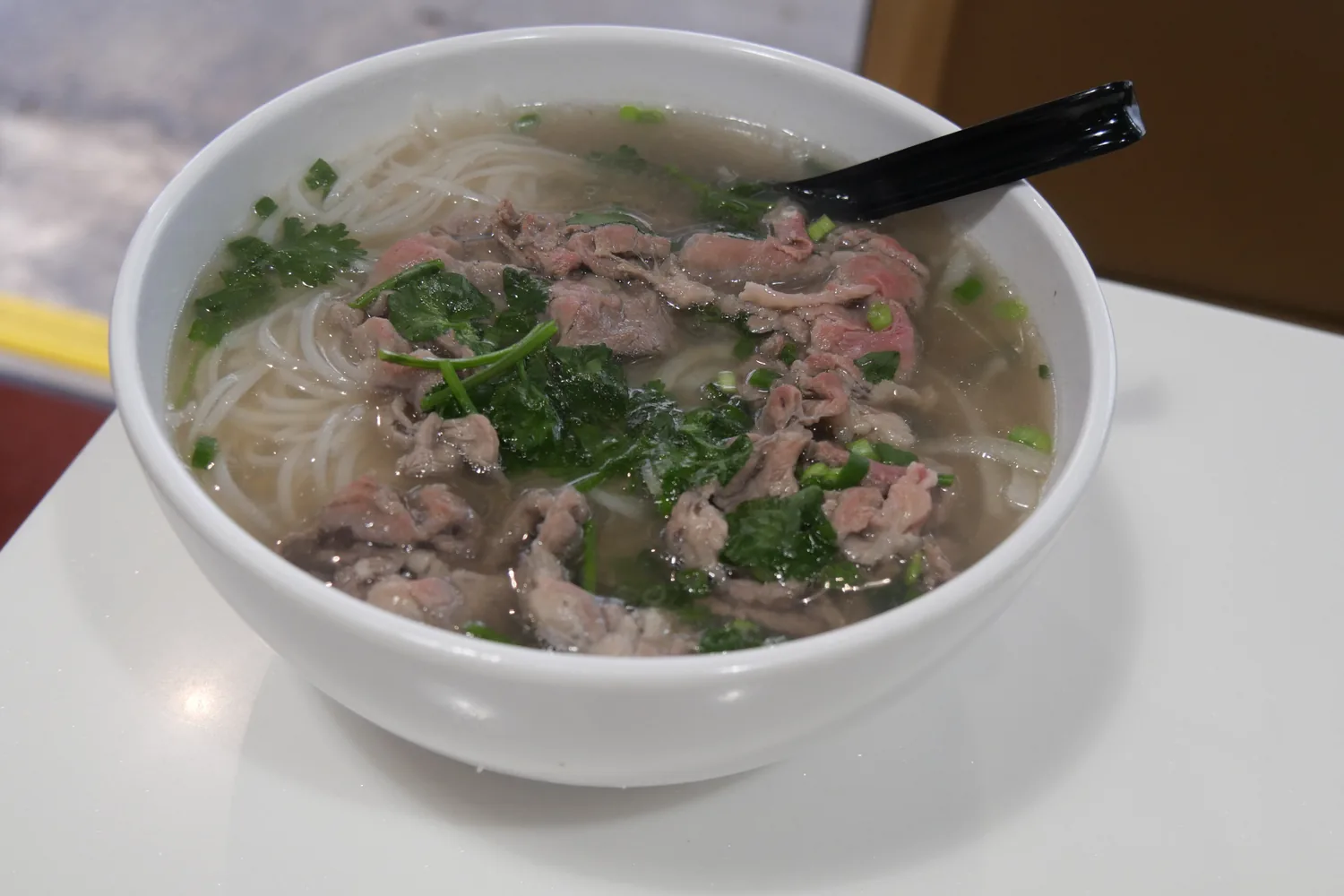
A bowl of Vietnamese phở bò with rare beef, rice noodles and fresh herbs Vietnam flag Vietnam 3h 30m
Breakfast •Hanoi Heritage

Phở Bò Tái Nạm

Slow-simmered star anise and cinnamon bone broth with hand-cut rice noodles, supplying clean restorative warmth and collagen. One serving is about 775 g.

Immunity & Warming

Slow-simmered bone broth with rice noodles, rare beef and fresh herbs.

Pairs Well With
Crispy quẩy, fresh lime & sawtooth coriander
Soups & Broths • High Protein
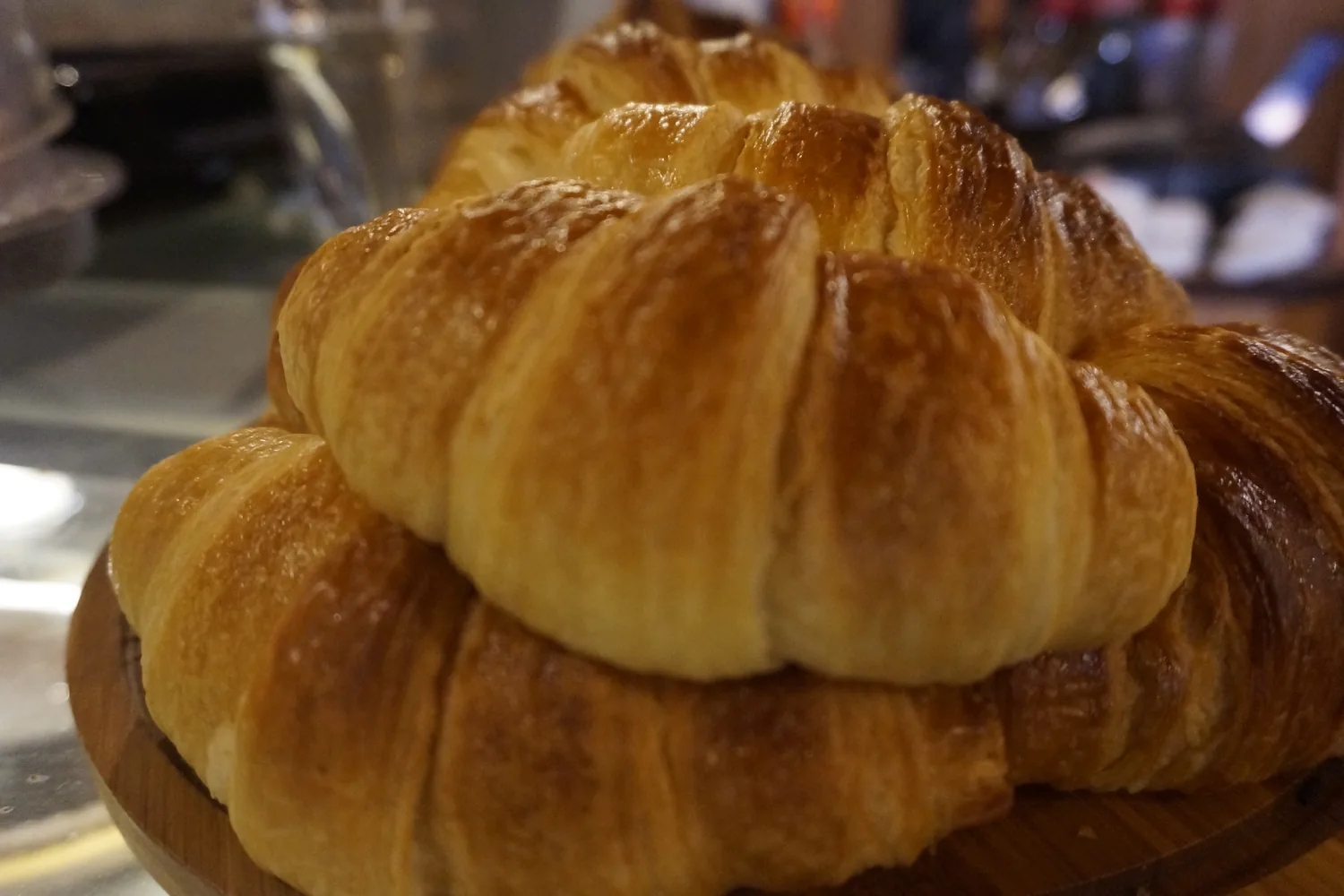
Golden butter croissants on a wooden board France flag France 20m
Breakfast •Parisian Boulangerie

Croissant au Beurre & Café

Laminated cultured butter pastry paired with washed Arabica, for a slow, pleasurable Parisian morning — best with a little protein alongside. One serving is about 390 g.

Sustained Focus

Flaky all-butter croissant with café au lait, Comté and green apple.

Pairs Well With
Comté cheese wedge & Green apple slices
Quick Prep (<30m)

The Dinner Gazette

Never wonder what’s for dinner again

One email a week with easy dinner ideas from around the world — ingredients, steps and nutrition, tested in our kitchen first.

Delivered every Thursday morning. Unsubscribe anytime.