

Curated recipes from 193 countries  •  New seasonal Mediterranean issue out now

Overview

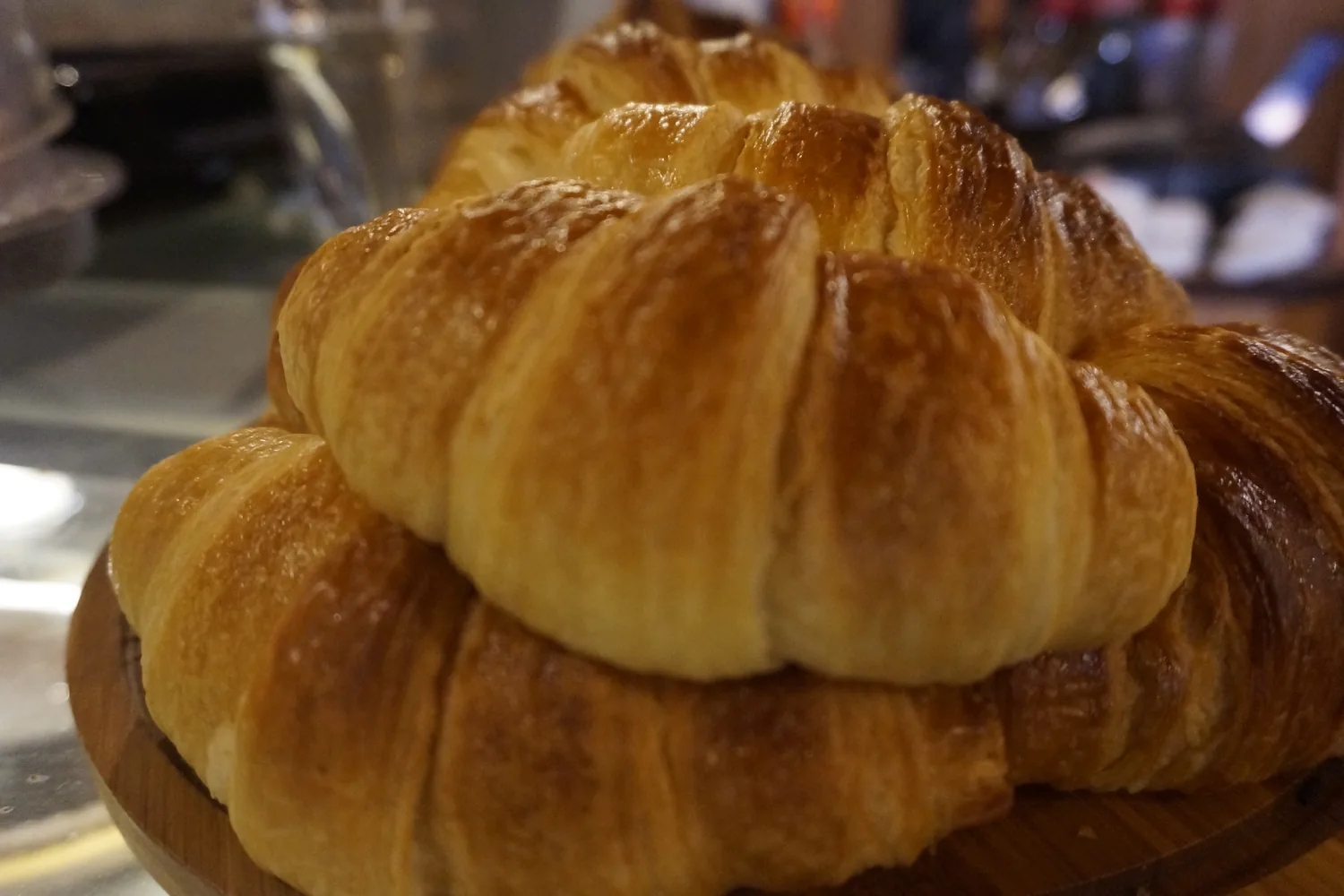
Croissant au Beurre & Café

Butter Croissant & Café au Lait

Laminated cultured butter pastry paired with washed Arabica, promoting gentle awakening without blood sugar peaks when paired with protein.

The croissant’s crescent shape traces to Vienna’s kipferl, but Paris made it its own in the 19th century with laminated dough and cultured butter — and café au lait, served in a bowl, became the city’s morning ritual.

Pairs well with: Comté cheese wedge & Green apple slices

Provenance

France flag France

Parisian Boulangerie

Nordic & European

Time Dedication

20m

5m prep • 12m cook

Batch Yield

2 Servings

420 kcal per serving

Technical Skill

Easy

Easy (Bakery Croissants)

Meal Timing & Digestive Fit

Breakfast

Prime Morning Fit

Lunch

Inappropriate

Dinner

Inappropriate

Snack & Tea

Inappropriate

*High in dense proteins and complex starches; best enjoyed between 12:00–14:30 or before 20:00 to accommodate natural gastric clearance.

Quick Prep (<30m) Occasions: Slow weekend mornings, café breakfasts, light brunch Cost: Low — about $3–4 per serving from a good bakery
A golden butter croissant with a cup of café au lait

Cucina Tradizionale

Parisian Boulangerie

The Heritage Formulary

Measured Ingredients

Estimated cost: Low — about $3–4 per serving from a good bakery (USD)

A real croissant au beurre is made with 100% butter and shatters into flakes when torn — margarine versions are a different, lesser thing.

Execution Methodology & Culinary Technique

Step-by-Step Cooking Guide

Active 20m
P

Prep Stage: Warm & Set the Table

5 Mins

Take the cheese out of the fridge so it reaches room temperature. Slice the apple just before serving so it does not brown. Warm the cups with hot water.

Maestro Tip: Room-temperature Comté tastes twice as flavourful as cold cheese.

  1. 1

    Brew the Coffee

    5 Mins Water 92–96°C / 198–205°F

    Brew the Arabica by filter or French press. The coffee should be strong enough to stand up to the milk — a 1:15 coffee-to-water ratio works well.

    Water just off the boil extracts sweetness without bitterness.

    Done when: Coffee is dark, aromatic, without sour or burnt notes.

  2. 2

    Warm the Croissants

    8–12 Mins Oven 160°C / 320°F

    Warm the croissants in the oven for 8–12 minutes until the layers crisp again and the butter re-melts. Do not microwave — it turns them rubbery.

    A hot oven revives a day-old croissant almost completely.

    Done when: The crust crackles when pressed and the centre is warm.

  3. 3

    Make the Café au Lait

    3 Mins Milk 65°C / 150°F

    Steam or gently heat the milk until hot but not boiling, then pour equal parts coffee and milk into warmed bowls or large cups.

    Equal parts coffee and milk is the Parisian café ratio.

    Done when: Silky, pale coffee with no skin on the milk.

  4. 4

    Serve Parisian-Style

    2 Mins —

    Split the croissant, spread with a whisper of butter and jam if you like. Serve with the Comté wedge and apple slices on the side, and eat slowly — this breakfast is a ritual, not a refuel.

    Eat the cheese with the apple, not with the croissant, to keep the pastry crisp.

    Done when: Everything warm, crisp, and ready at once.

Finishing Touches & Plating

Finish with a final sip of coffee after the last bite — Parisians linger over breakfast, and the pause is part of the pleasure.

Nutritional Physiology & Benefits

Nutrition

Energy

420

kcal / serving

Protein

9g

Complete AA

Carbs

48g

Complex

Fats

22g

Healthy

Per serving (2 servings)
Energy420 kcal
Protein9 g
Carbohydrates48 g
Fat22 g
Fibre2.0 g
Sugar8.0 g
Sodium380 mg
Per 100g
Energy280 kcal
Protein6 g
Carbohydrates32 g
Fat14.7 g
Fibre1.3 g
Sugar5.3 g
Sodium253 mg

Vitamins & minerals: B vitamins and calcium (milk, butter), polyphenols and magnesium (coffee).

Sustained Focus

Coffee polyphenols and caffeine sharpen attention, while butter fat slows digestion so energy releases gradually.

Gentle Awakening

Warm milk and a small, pleasurable pastry wake the metabolism without a sugar spike — especially with the protein from cheese.

Mood & Ritual

A slow, beautiful breakfast lowers morning cortisol and sets a calm tone for the day.

Food Pairings

What to Eat With

To optimize nutrient absorption and elevate the sensory depth, pair with these authentic accompaniments:

Sides

Comté Cheese Wedge

Adds protein and calcium, turning a pastry breakfast into a balanced meal.

Green Apple Slices

Malic acid and fibre cut through butter richness and refresh the palate.

Drinks

A Small Glass of Orange Juice

Vitamin C and brightness — but keep it small to avoid a sugar rush.

Complete menu

One warm croissant with butter and a little jam, a wedge of Comté, green apple slices, and a bowl of café au lait — a complete Parisian breakfast.

Digestive Guardrails

What NOT to Combine

To prevent digestive distress, sluggishness, or palate clash, avoid pairing the dish with these elements:

A Second Sugary Pastry

Doubling up on sweet pastry stacks fast carbs on fast carbs and guarantees a mid-morning crash.

Coffee on an Empty Stomach

Strong black coffee before any food can irritate the stomach lining; eat a few bites of croissant first.

General information only, not medical advice — consult a doctor for personal dietary decisions.

Who Should Eat It

Who Should Eat

  • General adultsA light, pleasurable breakfast; add the cheese for protein to stay full longer.
  • ChildrenFine as an occasional treat; offer milk instead of coffee and a smaller pastry.
  • ElderlySoft, easy to eat; choose decaf if caffeine affects sleep.
  • Pregnant womenKeep coffee to one small cup (under 200mg caffeine/day total) and enjoy.
  • Breastfeeding womenFine in normal amounts; keep total caffeine under 200mg a day and stay hydrated.
  • AthletesBest as a light pre-training snack 1–2 hours before; add the cheese for protein.
  • Weight gainEasy to enrich: add butter, jam and a second croissant, with a milky coffee.
  • Weight lossEnjoy occasionally — one small croissant, no extra butter or jam, with black coffee.

Health Conditions — Adjust or Avoid

Conditions

  • DiabetesHalf a croissant with cheese and unsweetened coffee; skip the jam.
  • High blood pressureKeep the cheese portion small and skip added salt; the pastry itself is moderately salty.
  • Kidney diseaseA small portion is fine for most people, but the cheese and pastry add sodium and potassium — keep portions modest and ask your clinician if unsure.
  • GoutAn occasional food — butter and pastry are rich; enjoy in small amounts and not daily.
  • Stomach issuesCoffee on an empty stomach can irritate; eat a few bites of croissant first and keep coffee mild.
  • Cardiovascular diseaseAn occasional food — butter and pastry are high in saturated fat; balance the rest of the day.
  • Fatty liverAn occasional treat — the butter and refined flour add saturated fat and fast carbs; keep it small.
  • Food allergiesContains wheat, milk and butter. Avoid if you have coeliac disease or a milk allergy; choose a certified gluten-free pastry and plant-based spread instead.
  • Special therapeutic dietsIf you follow a prescribed low-fat or low-sodium diet, this is best as an occasional small portion — check with your dietitian.

If you have a medical condition, consult your doctor before changing your diet.

Storage & Use

Storage & Use

How to store
Keep croissants in a paper bag at room temperature; keep cheese wrapped in the fridge.
In the fridge
Cheese 1 week; croissants are best the same day.
In the freezer
Croissants up to 1 month, well wrapped.
How to reheat
Re-crisp croissants in a hot oven (180°C) for 5 minutes; never microwave.
Freezing recommended
Yes — up to 1 month; re-crisp in the oven after thawing.
Signs it has spoiled
Stale, rubbery texture; cheese with mould or a sour smell.

Certified Provenance & Dietary Archival

Paris, France — the classic boulangerie breakfast. A real croissant au beurre is made with 100% butter and shatters into flakes when torn — margarine versions are a different, lesser thing.

Explore France Terroir

More from France & Breakfast

A steaming bowl of Vietnamese phở bò with rare beef, herbs and lime Vietnam flag Vietnam 3h 30m
Breakfast •Hanoi Heritage

Phở Bò Tái Nạm

Slow-simmered star anise and cinnamon bone broth with hand-cut rice noodles, supplying clean restorative warmth and collagen.

Immunity & Warming

Rich in bioavailable zinc, marrow glycine & thermogenic spices.

Pairs Well With
Quẩy giòn, Chanh tươi & Rau húng láng
Soups & Broths • High Protein
Japanese tamagoyaki rolled omelette with miso soup and rice Japan flag Japan 25m
Breakfast •Edo Traditional

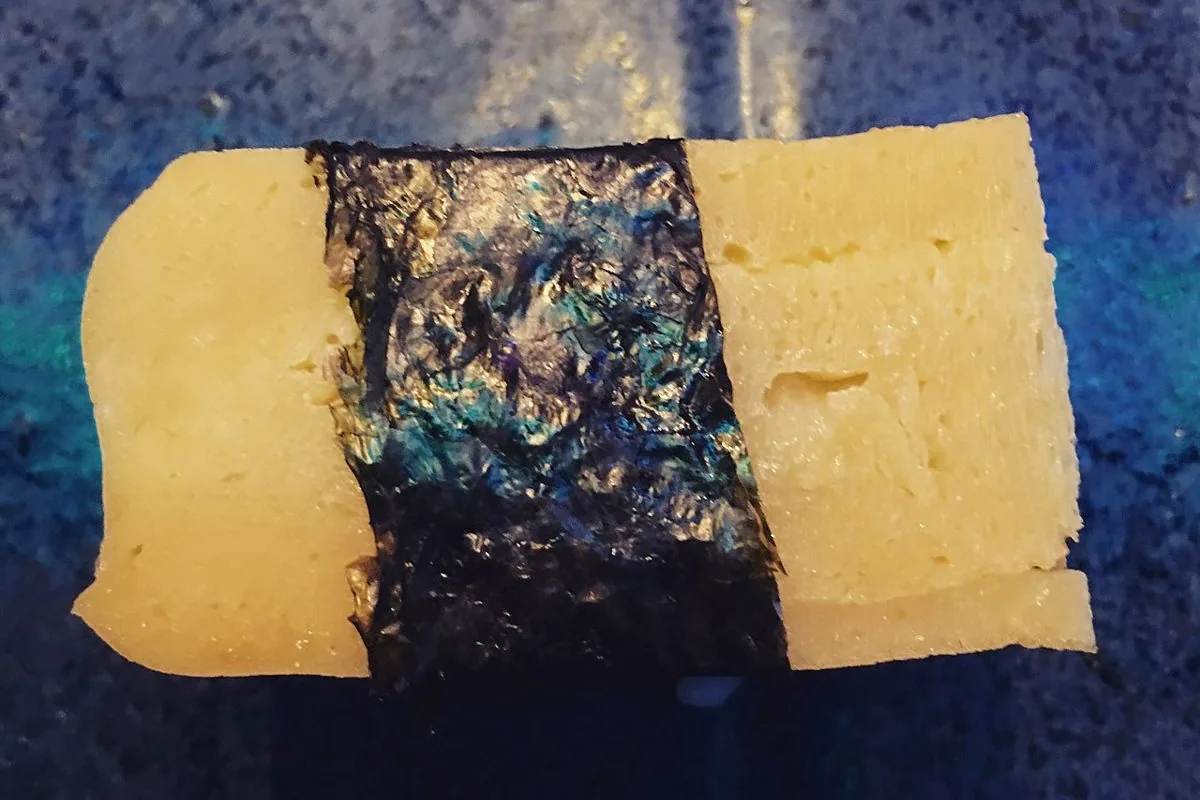
Tamagoyaki, Miso & Gohan

Dashi-infused rolled omelet served with live cultured miso broth and sea kelp for foundational gastrointestinal conditioning.

Digestive Gut Health

Live Aspergillus oryzae enzymes and trace iodine minerals.

Pairs Well With
Fermented Natto & Sencha Green Tea
High Protein • Fermented / Gut Health • Quick Prep (<30m)
Huevos rancheros with fried eggs, salsa and tortillas Mexico flag Mexico 35m
Breakfast •Oaxaca Countryside

Huevos Rancheros Tradicional

Nixtamalized heirloom corn tortillas, pasture eggs, and charred tomato salsa bursting with fat-soluble carotenoids.

High Energy

Complete amino profile with sustained low-glycemic fiber.

Pairs Well With
Crushed Hass Avocado & Epazote Beans
High Protein • Quick Prep (<30m)
Bœuf bourguignon — French beef braised in red wine France flag France 3h 30m
Dinner •Burgundy Terroir

Bœuf Bourguignon

Gentle red wine simmer dissolving beef connective collagen into velvet gelatin, supporting nighttime cellular rebuilding.

Cellular Repair

High restorative collagen peptides and resveratrol compounds.

Pairs Well With
Parsnip Purée & Steamed French Haricots Verts
High Protein

The Dinner Gazette

Never wonder what’s for dinner again

One email a week with easy dinner ideas from around the world — ingredients, steps and nutrition, tested in our kitchen first.

Delivered every Thursday morning. Unsubscribe anytime.