
Curated recipes from 193 countries  •  New seasonal Mediterranean issue out now

Overview

Benin Akara

Black-Eyed Pea Fritters, Kosai

This benin akara recipe turns peeled black-eyed peas into golden, fluffy fritters — crisp outside, soft and steaming inside. The secret is the whisking: beat the batter until it lightens and foams, and the fritters puff up in the hot oil. One serving is about 118 g, three fritters.

Akara is a fritter of the Yoruba people of West Africa, made from peeled black-eyed peas — the word comes from the Yoruba àkàrà. It is eaten in Nigeria and Benin as a street snack and at breakfast, often with pap, and the same bean fritter travelled across the Atlantic with enslaved Yoruba people to become acarajé in Brazil.

Pairs well with: Tomato-pepper sauce & pap (akamu)

Provenance

Benin flag Benin

Yoruba Street Snack

African Heritage

Time Dedication

2h 50m

150m prep • 20m cook

Batch Yield

4 Servings

349 kcal per serving

1 serving ≈ 118 g

Technical Skill

Intermediate

Intermediate (Peeling & Frying)

Meal Timing & Digestive Fit

Breakfast

Not Advised

Lunch

Inappropriate

Dinner

Inappropriate

Snack & Tea

Ideal Light Bite

Occasions: Street snack, breakfast, party food, sharing platter Cost: Low — about $1–2 per serving at home
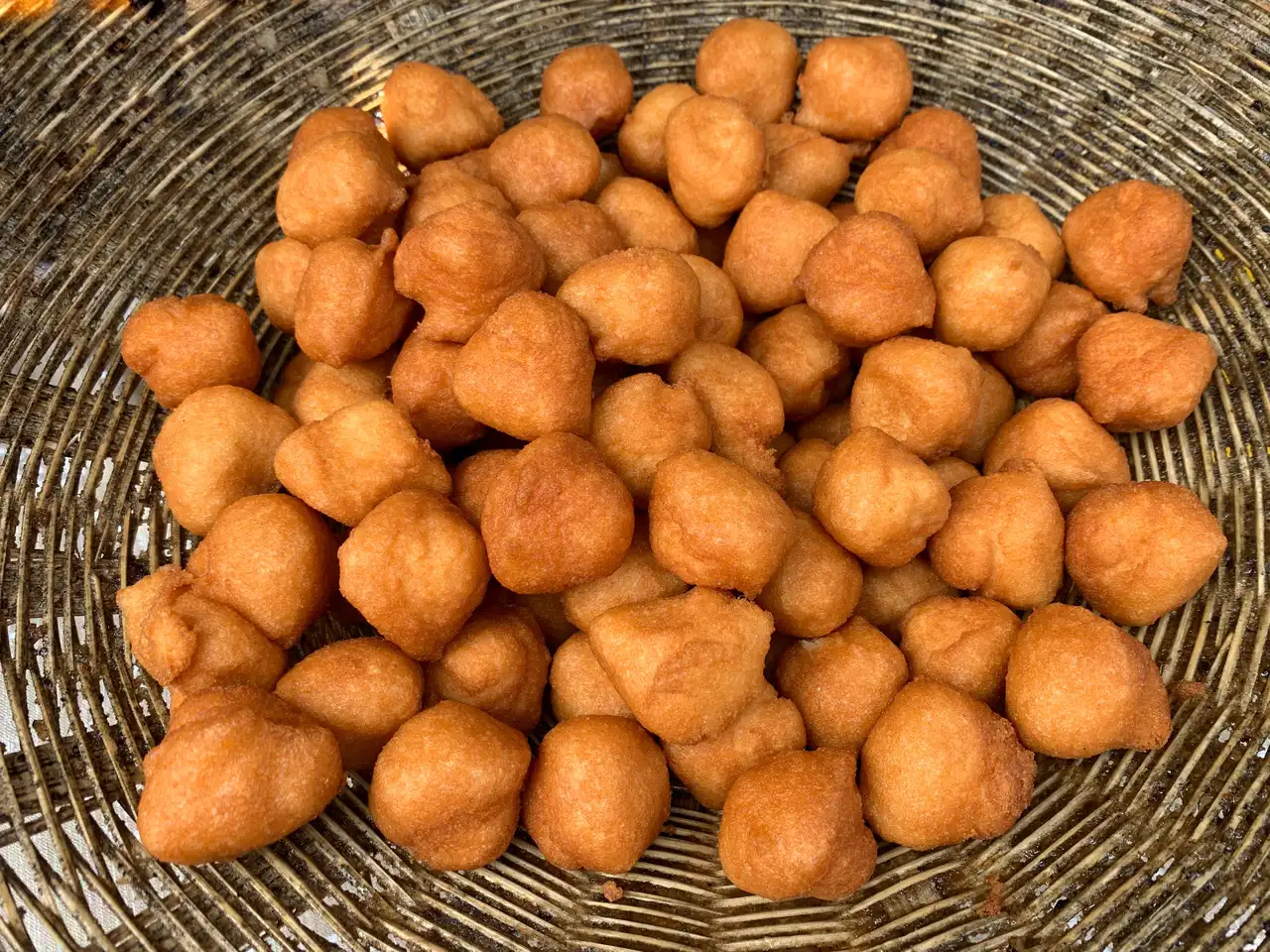
A woven basket full of golden-brown akara bean fritters

Yoruba Street Snack

Photo: Linason Blessing, CC BY-SA 4.0, via Wikimedia Commons

The Heritage Formulary

Measured Ingredients

Estimated cost: Low — about $1–2 per serving at home (USD)

Good akara is golden and crackly outside, pale and soft inside, and light enough to float when you lift it — never dense or greasy.

Execution Methodology & Culinary Technique

Step-by-Step Cooking Guide

Active 2h 50m
P

Prep Stage: Soak the Peas

150 Mins • Mostly Soaking

Rinse the dried peas and soak them in cold water for at least 2 hours, or overnight. The long soak is passive time — the hands-on work is only about 30 minutes — but do not skip it, because dry peas will not peel. While they soak, chop the onion and chilli and set the oil aside.

Maestro Tip: Overnight soaking gives the smoothest batter and the lightest fritters.

  1. 1

    Soak and Peel the Peas

    15 Mins Cold water, room temperature

    Drain the soaked peas, then rub them between your hands under running water to loosen the skins. Rinse several times, skimming off the skins that float to the surface, until the water runs clear and the peas are pale and creamy-white. Drain well — excess water makes a thin batter.

    Rub a handful at a time and let the skins float — chasing the last few skins is not worth it, a few will not hurt.

    Done when: Peas are skinless, pale, and the rinse water runs clear.

  2. 2

    Blend the Batter

    10 Mins —

    Put the peeled peas in a blender with the onion, chilli and 60 ml of cold water, added a spoonful at a time. Blend on high until you have a completely smooth, thick paste that clings to a spoon — usually 2–3 minutes, stopping to scrape down the sides. Stir in the salt.

    Too much water is the most common mistake: add it by the spoonful, not all at once.

    Done when: Batter is smooth, thick, and holds its shape on a spoon.

  3. 3

    Whisk Until Light and Foamy

    5 Mins —

    Beat the batter hard with a wooden spoon or whisk for 4–5 minutes in one direction until it lightens in colour and turns foamy. This is the step that makes akara light: the more air the batter holds, the more the fritters puff up when they hit the oil.

    Five minutes of whisking feels long, but it is the difference between a dense bean ball and a fluffy fritter.

    Done when: Batter is pale, foamy, and visibly lighter than when you started.

  4. 4

    Fry in Small Batches

    15 Mins Oil at 175°C (350°F)

    Heat the oil in a deep, heavy pot to 175°C (350°F) — a drop of batter should sizzle and rise straight to the top. Scoop up a spoonful of batter and push it into the oil with a second spoon. Fry in small batches, without crowding the pot, for 4–5 minutes, turning once, until deep golden-brown all over.

    Do not crowd the pot — the oil temperature drops and the fritters soak up oil instead of crisping.

    Done when: Fritters are deep golden, crisp outside, and feel light when lifted.

  5. 5

    Drain and Serve Hot

    5 Mins Serve hot, ~70°C (158°F)

    Lift the fritters out with a slotted spoon and drain on a wire rack. Let the oil come back to 175°C (350°F) before the next batch. Serve hot, with tomato-pepper sauce for dipping.

    A wire rack keeps the bottoms crisp; paper soaks up steam and softens them.

    Done when: Fritters are crisp, dry to the touch, and steaming inside.

Finishing Touches & Plating

Drain the fritters on a wire rack, not on paper, so the steam escapes and the crust stays crisp. Eat them hot, with the tomato-pepper sauce on the side for dipping.

Nutritional Physiology & Benefits

Nutrition

Energy

349

kcal / serving

Protein

18g

Complete AA

Carbs

47g

Complex

Fats

11g

Healthy

Per serving (4 servings · 1 serving ≈ 118 g)
Energy349 kcal
Protein18 g
Carbohydrates47 g
Fat11 g
Fibre8.3 g
Sugar6.0 g
Sodium304 mg
Per 100g
Energy297 kcal
Protein15.2 g
Carbohydrates40 g
Fat9.4 g
Fibre7.1 g
Sugar5.1 g
Sodium258 mg

Nutrition values are estimated — calculated from USDA FoodData Central values for the listed ingredients.

Vitamins & minerals: Folate and iron (black-eyed peas), vitamin C (onion, chilli), vitamin B6 (beans).

Beans That Work Hard

Black-eyed peas bring plant protein, fibre and iron in one small fritter — a snack that actually feeds you, not just fills a gap.

Slow, Steady Energy

The beans release their energy slowly, so a handful of akara keeps you going far longer than a sweet snack of the same size.

Simple and Naturally Gluten-Free

Naturally gluten-free and made from just beans, onion and chilli, akara is easy on the stomach when it is fried fresh and drained well.

Food Pairings

What to Eat With

To optimize nutrient absorption and elevate the sensory depth, pair with these authentic accompaniments:

Sides

Pap (Akamu)

Soft, warm pap is the classic partner — the crisp fritter soaks up the smooth porridge, and the two textures balance each other.

Sauces

Tomato-Pepper Sauce

A spoonful of fresh tomato-pepper sauce adds acidity and heat that cut through the fried richness and keep the fritters from tasting heavy.

Drinks

Cold Zobo (Hibiscus Drink)

Cold, tart zobo (hibiscus drink) refreshes the palate between fritters and suits a hot, fried snack.

Full Menus

As a Sharing Basket

Pile the fritters in a basket in the middle of the table with the sauce alongside — akara is made to be shared, still warm, with everyone reaching in.

Complete menu

Serve a basket of hot akara with tomato-pepper sauce for dipping, a bowl of pap (akamu) on the side, and a glass of cold zobo.

Digestive Guardrails

What NOT to Combine

To prevent digestive distress, sluggishness, or palate clash, avoid pairing the dish with these elements:

Canned Beans Instead of Dried

Canned or pre-cooked beans cannot be peeled the same way and their batter turns wet and heavy — start from dried black-eyed peas. This is general guidance, not medical advice.

Frying in Oil That Is Too Cool

Cold oil soaks straight into the batter instead of sealing it, so the fritters come out greasy and flat. Wait for the oil to reach 175°C (350°F) before the first spoonful goes in.

General information only, not medical advice — consult a doctor for personal dietary decisions.

Who Should Eat It

Who Should Eat

  • General adultsA light, protein-rich snack that suits most adults, hot from the pan.
  • ChildrenVery suitable — soft inside and easy to hold; serve the chilli version to adults only and keep a mild batch for children.
  • ElderlySuitable — soft inside and easy to chew; serve warm, not piping hot.
  • Pregnant womenGenerally suitable; make sure the fritters are cooked through and golden, and keep the chilli moderate.
  • Breastfeeding womenGenerally suitable; the beans add protein, iron and fibre — keep portions satisfying.
  • AthletesA handy pre-training snack: bean protein plus slow carbs, eaten 1–2 hours before exercise.
  • Weight gainA good choice — eat a full serving with pap or bread, and add a boiled egg on the side.
  • Weight lossEnjoy a small serving — the beans are filling, but frying adds fat; skip the sweet pap and eat them with a salad.

Health Conditions — Adjust or Avoid

Conditions

  • DiabetesThe beans are the main source of carbs — keep it to about 3 fritters and skip the sweet pap. Ask your clinician about portion size.
  • High blood pressureMost of the sodium comes from the salt in the batter; season lightly and skip salty dipping sauces. Ask your clinician about a suitable portion.
  • Kidney diseaseBeans are high in potassium and phosphorus; keep the portion small and ask your clinician about frequency.
  • GoutEat occasionally and in smaller portions — beans are moderately high in purines.
  • Stomach issuesUsually gentle, but fried food and raw chilli can irritate a sensitive stomach — eat them warm, not hot, and keep the chilli mild.
  • Cardiovascular diseaseA reasonable choice in a small portion — the beans are rich in fibre; keep the frying oil fresh and drain the fritters well.
  • Fatty liverKeep the portion small — the frying adds fat; eat them with a salad rather than with sweet pap.
  • Food allergiesContains legumes (black-eyed peas). People with a peanut allergy should note that akara is often fried in peanut oil in street stalls — fry at home in vegetable oil and check the oil label.
  • Special therapeutic dietsIf you follow a prescribed low-potassium or low-purine diet, keep the portion small and check with your clinician.

If you have a medical condition, consult your doctor before changing your diet.

Storage & Use

Storage & Use

How to store
Cool completely, then store in an airtight container lined with kitchen paper.
In the fridge
Cooked fritters 2 days; batter 1 day.
In the freezer
Cooked fritters 1 month; the batter (unfried) 1 month.
How to reheat
Reheat in a hot oven at 180°C (350°F) for 8 minutes, or in an air fryer at 170°C (340°F) for 5 minutes, until crisp and heated through to 74°C (165°F) inside.
Freezing recommended
Yes — the batter freezes well; thaw overnight in the fridge and whisk again before frying.
Signs it has spoiled
Sour smell, slimy surface, or a soft, stale texture that will not crisp again.

More recipes to explore

A plate of white rice with creamy Benin peanut sauce and a piece of chicken Benin flag Benin 1h 10m
Dinner •Southern Benin Table

Benin Peanut Sauce

This benin peanut sauce recipe braises chicken thighs in a creamy sauce of ground peanuts, tomato and chilli until the meat falls tender, then ladles it over steamed rice. The sauce starts thin and pale, then thickens and darkens as the peanut butter cooks down — that slow change is the whole dish. One serving is about 575 g.

Comfort & Warmth

Slow-braised chicken in a creamy tomato-peanut sauce, served over rice.

Pairs Well With
Steamed white rice & fried plantain
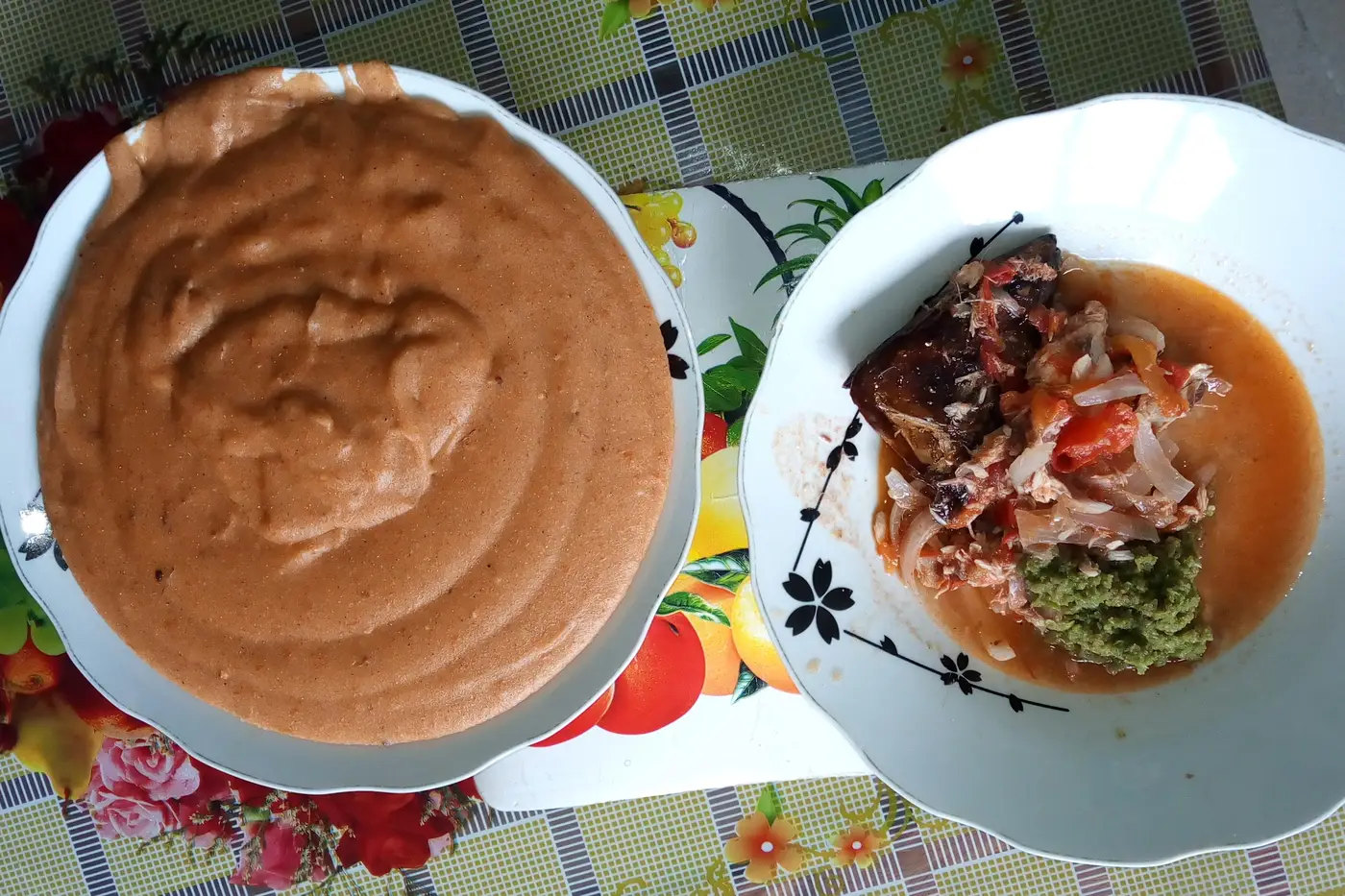
A mound of red amiwo cornmeal dough served with fried fish in tomato sauce in Benin Benin flag Benin 55m
Lunch •Fon & Goun Staple

Amiwo

This amiwo recipe cooks cornmeal inside a tomato, onion and palm-oil sauce until it turns into a firm, red-gold dough — not a sauce poured over a dough, but a dough that is born in the sauce. It is scooped into a mound and eaten with fried fish and a fresh tomato-onion relish. One serving is about 340 g.

Comfort & Warmth

Firm red cornmeal dough cooked in tomato, onion and palm oil.

Pairs Well With
Fried fish & tomato-onion relish
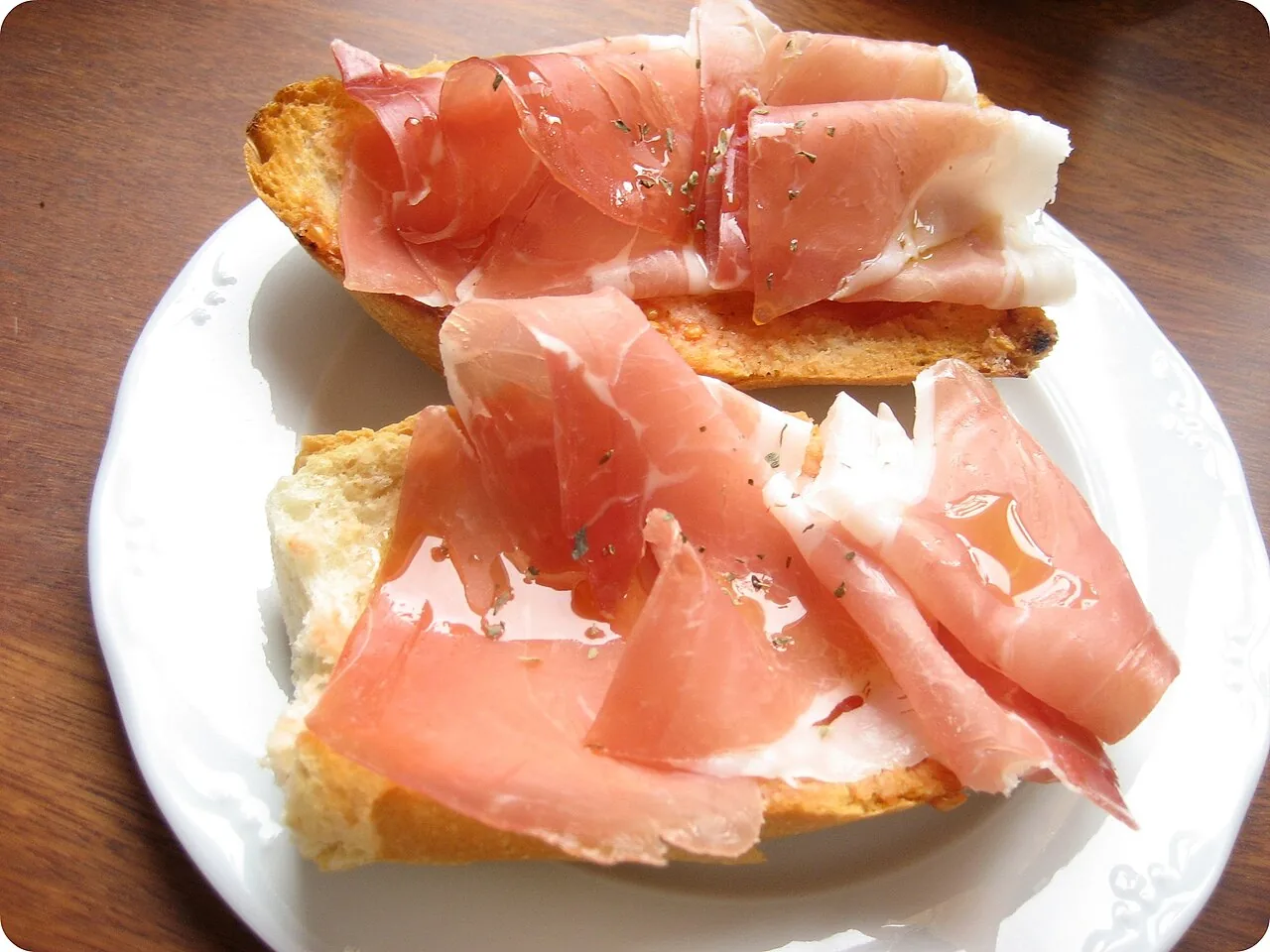
Pan con tomate with jamón ibérico on toasted bread Spain flag Spain 15m
Snack & Tea •Catalan Aperitivo

Pan con Tomate & Jamón Ibérico

Country bread rubbed with ripe Ramallet tomato, drizzled with cold-pressed Arbequina olive oil and topped with jamón ibérico.

Vascular Health

Toasted tomato bread with jamón ibérico, olive oil and olives.

Pairs Well With
Castelvetrano Olives & Sparkling Mineral Water
Quick Prep (<30m)
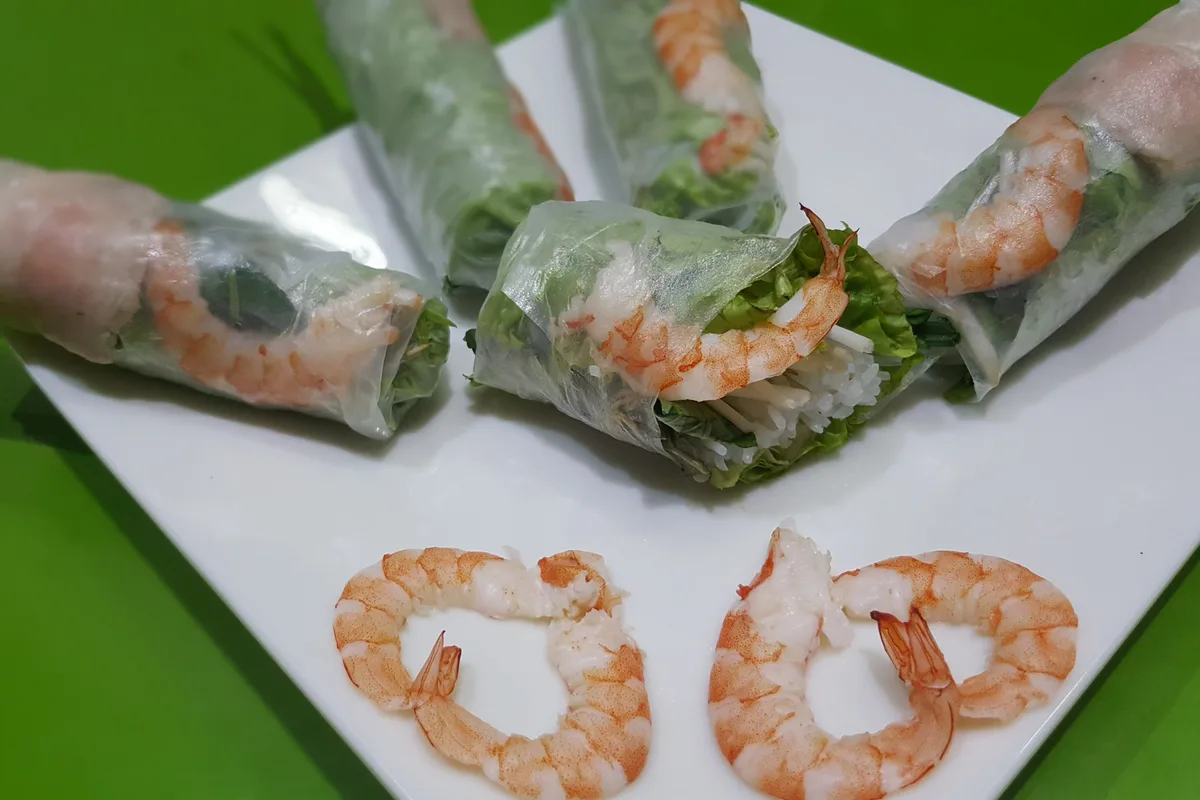
Gỏi cuốn — Vietnamese fresh spring rolls with prawn and pork Vietnam flag Vietnam 1h 5m
Snack & Tea •Saigon Refresh

Gỏi Cuốn Tôm Thịt

Fresh rice paper rolls filled with poached prawns, tender pork, rice vermicelli, lettuce, herbs and carrot, served with a peanut dipping sauce.

Light Digestion

Nothing is fried, so the rolls stay light and fresh — a cool, herb-filled snack for hot days.

Pairs Well With
Artisanal Peanut Dip & Fresh Lotus Root Water
High Protein

The Dinner Gazette

Never wonder what’s for dinner again

One email a week with easy dinner ideas from around the world — ingredients, steps and nutrition, tested in our kitchen first.

Delivered every Thursday morning. Unsubscribe anytime.