
Curated recipes from 193 countries  •  New seasonal Mediterranean issue out now

Overview

Amiwo

Djèwo, Djenkoumé

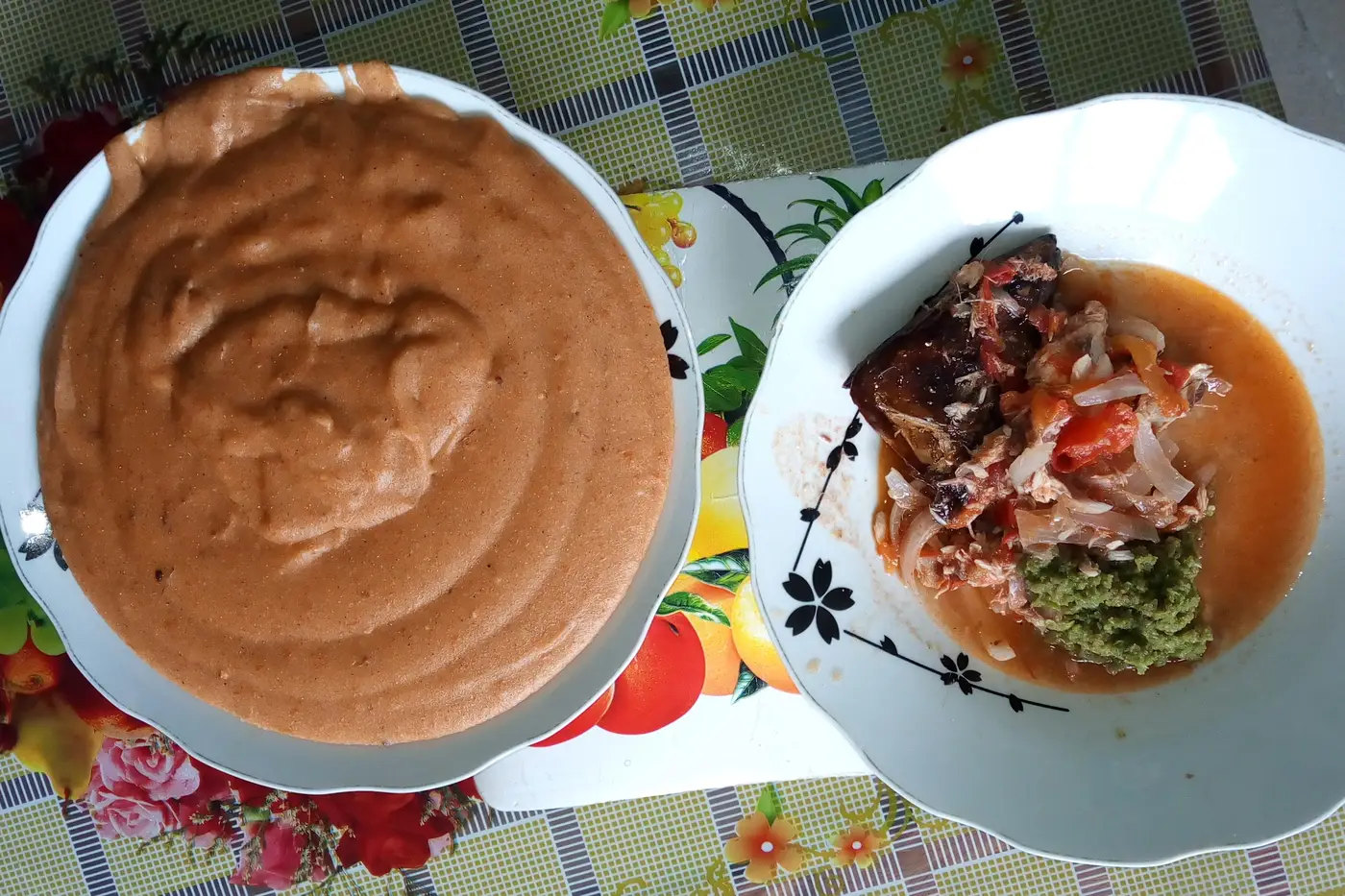
This amiwo recipe cooks cornmeal inside a tomato, onion and palm-oil sauce until it turns into a firm, red-gold dough — not a sauce poured over a dough, but a dough that is born in the sauce. It is scooped into a mound and eaten with fried fish and a fresh tomato-onion relish. One serving is about 340 g.

Amiwo, also called djèwo in Fon, is the red cornmeal dough of southern and central Benin. The name joins wô, the Fon word for a stiff cooked maize dough, with the reddened, sauce-cooked version: unlike the plain white pâte, amiwo is cooked inside its tomato sauce. The same dish is called djenkoumé in neighbouring Togo, and it is served at family meals and celebrations across the region.

Pairs well with: Fried fish & tomato-onion relish

Provenance

Benin flag Benin

Fon & Goun Staple

African Heritage

Time Dedication

55m

15m prep • 40m cook

Batch Yield

4 Servings

408 kcal per serving

1 serving ≈ 340 g

Technical Skill

Intermediate

Intermediate (Stirring)

Meal Timing & Digestive Fit

Breakfast

Not Advised

Lunch

Prime Metabolic Fit

Dinner

Ideal Hearty Main

Snack & Tea

Inappropriate

Occasions: Family lunch, Sunday meal, festive table, everyday staple Cost: Low — about $2 per serving at home
A mound of red amiwo cornmeal dough served with fried fish in tomato sauce in Benin

Fon & Goun Staple

Photo: Adoscam, CC BY-SA 4.0, via Wikimedia Commons

The Heritage Formulary

Measured Ingredients

Estimated cost: Low — about $2 per serving at home (USD)

Good amiwo is smooth, firm enough to hold its shape, and evenly red all the way through — never lumpy, pale or streaked.

Execution Methodology & Culinary Technique

Step-by-Step Cooking Guide

Active 55m
P

Prep Stage: Blend the Sauce, Measure the Cornmeal

15 Mins • Blending

Blend the tomatoes, onion, garlic, ginger and chilli into a smooth purée. Measure the cornmeal into a bowl and the water into a jug, and keep a wooden spoon and a wet bowl ready — once the cornmeal goes in, you will not have a free hand.

Maestro Tip: Blend the sauce completely smooth; any chunk of onion left whole becomes a lump in the finished dough.

  1. 1

    Fry the Tomato Sauce Down

    15 Mins Medium heat, ~160°C (320°F)

    Heat the palm oil in a heavy pot over medium heat. Add the tomato paste and fry, stirring, for 4 minutes until it darkens a shade. Pour in the blended tomato-onion purée and fry for 10 minutes, stirring often, until the raw smell is gone and the oil separates at the edges.

    Frying the sauce down hard is what removes the raw tomato acidity — do not rush this step.

    Done when: The sauce is thick, dark red, and the oil glistens on top.

  2. 2

    Bring the Sauce to a Boil

    5 Mins Rolling boil, 100°C (212°F)

    Add the water and crumble in the bouillon cube. Bring to a rolling boil and season with the salt. The liquid must be properly boiling before the cornmeal goes in, or the dough will turn lumpy.

    Taste the sauce now — it should be slightly over-salted, because the plain cornmeal will dilute it.

    Done when: The sauce is at a full, rolling boil.

  3. 3

    Stir in the Cornmeal

    15 Mins Low heat, ~90°C (194°F)

    Turn the heat to low. Pour the cornmeal in a slow, steady stream, stirring hard with a wooden spoon the whole time. Keep stirring without stopping for 10 minutes, scraping the bottom and sides, as the dough thickens and pulls away from the pot. Cover and let it steam on the lowest heat for 5 minutes more.

    Stir with your whole arm, not just your wrist — the dough gets heavy fast, and a weak stir leaves lumps.

    Done when: The dough is thick, smooth, and pulls cleanly away from the sides of the pot.

  4. 4

    Shape and Serve

    5 Mins Serve hot, ~70°C (158°F)

    Wet a spoon and smooth the top of the dough in the pot. Wet a bowl, pack the dough into it, and turn it out onto a plate for a smooth, round mound. Serve immediately with the fried fish and tomato-onion relish.

    A wet bowl is the trick: dry hands or a dry bowl make the dough stick and tear.

    Done when: The mound holds its shape, is evenly red, and steams gently.

Finishing Touches & Plating

Wet a bowl, pack the dough into it, and turn it out onto a plate for a smooth, round mound. Serve immediately, while the dough is hot and soft, with the fish and relish alongside.

Nutritional Physiology & Benefits

Nutrition

Energy

408

kcal / serving

Protein

8g

Complete AA

Carbs

68g

Complex

Fats

14g

Healthy

Per serving (4 servings · 1 serving ≈ 340 g)
Energy408 kcal
Protein8 g
Carbohydrates68 g
Fat14 g
Fibre7.5 g
Sugar5.5 g
Sodium928 mg
Per 100g
Energy120 kcal
Protein2.4 g
Carbohydrates19.9 g
Fat4 g
Fibre2.2 g
Sugar1.6 g
Sodium273 mg

Nutrition values are estimated — calculated from USDA FoodData Central values for the listed ingredients.

Vitamins & minerals: Vitamin C (tomato), vitamin A (palm oil carotenoids), B vitamins and iron (cornmeal).

Long-Lasting Energy

Cornmeal is a slow-burning starch, so a mound of amiwo keeps you full through a long afternoon without a heavy feeling.

Red from Real Food

The tomato base brings vitamin C and lycopene, and the palm oil is naturally rich in carotenoids — the reason amiwo is so deeply red.

Simple, Plant-Based Staple

Made from cornmeal, tomato, onion and oil, amiwo is naturally vegan and gluten-free, and gentle on the stomach when eaten warm.

Food Pairings

What to Eat With

To optimize nutrient absorption and elevate the sensory depth, pair with these authentic accompaniments:

Sides

Fried Fish in Tomato Sauce

Grilled or fried fish is the classic partner because its savoury flesh and crisp skin balance the soft, starchy dough — and the fish sauce soaks into the amiwo.

Vegetables

Tomato-Onion Relish

A raw relish of tomato, onion and green chilli adds crunch, acidity and freshness that cut through the rich palm oil.

Drinks

Cold Hibiscus Drink

Cold water or a lightly sweet hibiscus drink refreshes the palate after the warm, spiced dough.

Full Menus

As a Communal Lunch

Serve the amiwo in a big bowl in the middle of the table with the fish alongside, so everyone tears off a piece and dips it — amiwo is eaten by hand, together.

Complete menu

Serve a mound of amiwo with fried fish in tomato sauce, a fresh tomato-onion relish, and a glass of cold water or hibiscus drink.

Digestive Guardrails

What NOT to Combine

To prevent digestive distress, sluggishness, or palate clash, avoid pairing the dish with these elements:

Cold Water in a Hot Dough

Cold water added to a hot cornmeal dough makes lumps that no amount of stirring will remove — always stir the cornmeal into the hot sauce in a slow, steady stream. This is general guidance, not medical advice.

A Second Rich Sauce

Amiwo is already rich with palm oil, so a heavy, creamy side would double the fat. Keep the sides fresh and light — a tomato-onion relish and grilled fish.

General information only, not medical advice — consult a doctor for personal dietary decisions.

Who Should Eat It

Who Should Eat

  • General adultsA filling, satisfying lunch — cornmeal energy with tomato, onion and chilli built into every bite.
  • ChildrenSuitable from age 2+ with the chilli left out; the soft dough is easy to eat and tear into pieces.
  • ElderlyVery suitable — soft, warm and easy to chew, with no hard pieces.
  • Pregnant womenGenerally suitable; the cornmeal adds energy and the tomato adds vitamin C. Keep the chilli moderate.
  • Breastfeeding womenGenerally suitable; a generous, energy-rich lunch — eat a full serving with fish or chicken.
  • AthletesA good pre-training meal: cornmeal carbs for glycogen, eaten 2–3 hours before exercise, with grilled fish for protein.
  • Weight gainA good choice — take a generous mound of amiwo with fried fish and a spoonful of sauce.
  • Weight lossKeep the mound modest and load the plate with the fish and salad instead — the dough itself is energy-dense.

Health Conditions — Adjust or Avoid

Conditions

  • DiabetesThe cornmeal is the main source of carbs — keep the mound to about a cup and load the plate with fish and salad. Ask your clinician about portion size.
  • High blood pressureMost of the sodium comes from the bouillon cube and salt; use half a cube and season lightly. Ask your clinician about a suitable portion.
  • Kidney diseaseKeep the portion modest and use less bouillon; ask your clinician about frequency.
  • GoutAmiwo itself is low in purines; the fish served with it matters more — keep the fish portion modest.
  • Stomach issuesUsually gentle, but chilli and fried tomato paste can irritate a sensitive stomach — leave the chilli out and keep the sauce mild.
  • Cardiovascular diseaseA reasonable choice in a modest portion; the palm oil adds saturated fat, so balance the rest of the day with lighter food.
  • Fatty liverKeep the mound modest and favour the fish and vegetables over extra dough.
  • Food allergiesNaturally gluten-free and vegan. Check the bouillon cube label for soy or celery if you have those allergies; the fried fish served alongside is a separate allergen.
  • Special therapeutic dietsIf you follow a prescribed low-sodium diet, use half a bouillon cube and no added salt, and check with your clinician.

If you have a medical condition, consult your doctor before changing your diet.

Storage & Use

Storage & Use

How to store
Cool completely, then wrap tightly in cling film or a damp cloth so the surface does not dry out.
In the fridge
Amiwo 2 days, wrapped tightly.
In the freezer
Amiwo 1 month, well wrapped.
How to reheat
Steam for 10 minutes, or microwave with a splash of water, until heated through to 74°C (165°F) inside.
Freezing recommended
Yes — up to 1 month; thaw overnight in the fridge.
Signs it has spoiled
Sour smell, a dry, hard crust that will not soften, or mould on the surface.

More recipes to explore

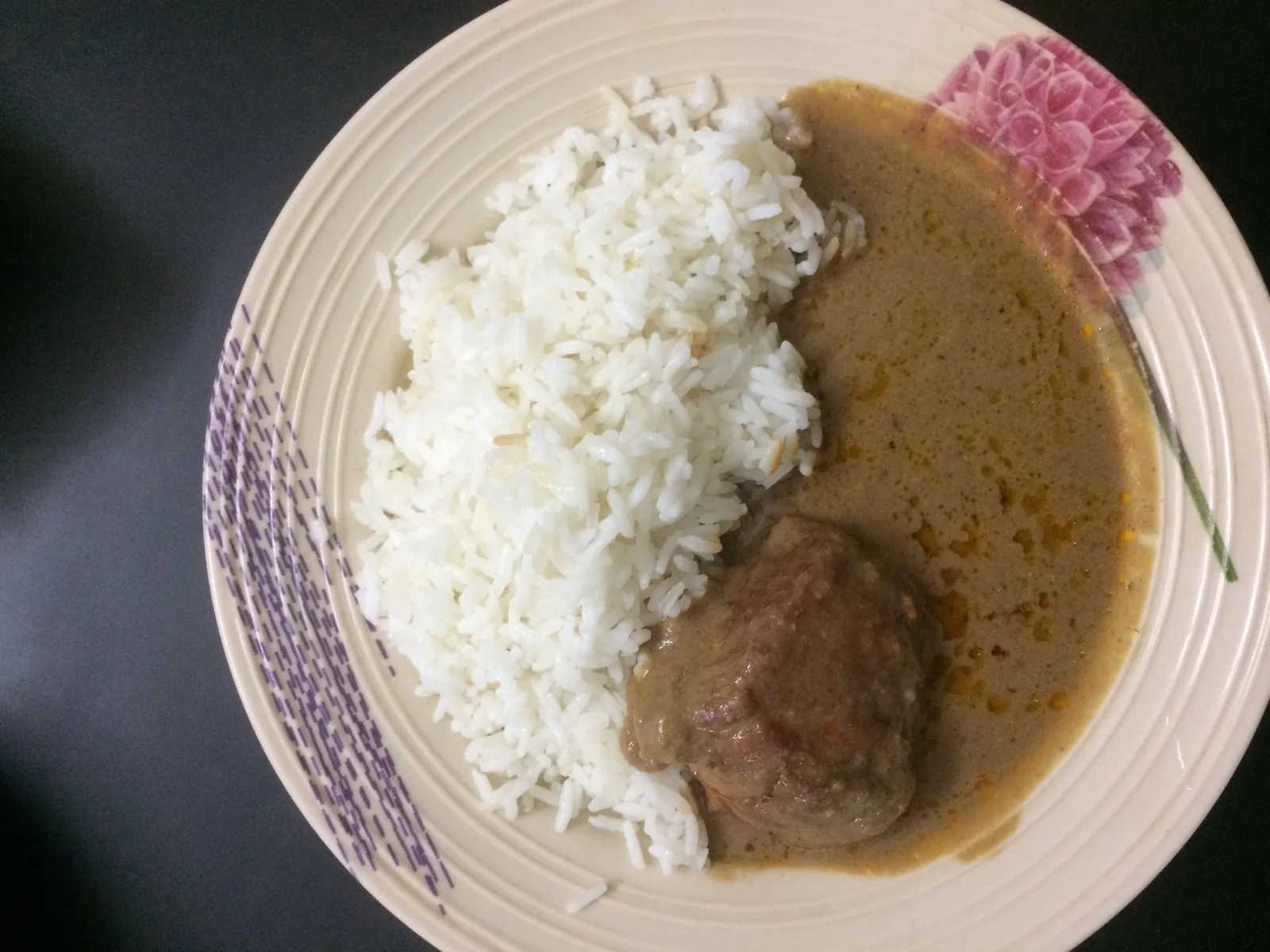
A plate of white rice with creamy Benin peanut sauce and a piece of chicken Benin flag Benin 1h 10m
Dinner •Southern Benin Table

Benin Peanut Sauce

This benin peanut sauce recipe braises chicken thighs in a creamy sauce of ground peanuts, tomato and chilli until the meat falls tender, then ladles it over steamed rice. The sauce starts thin and pale, then thickens and darkens as the peanut butter cooks down — that slow change is the whole dish. One serving is about 575 g.

Comfort & Warmth

Slow-braised chicken in a creamy tomato-peanut sauce, served over rice.

Pairs Well With
Steamed white rice & fried plantain
A woven basket full of golden-brown akara bean fritters Benin flag Benin 2h 50m
Snack & Tea •Yoruba Street Snack

Benin Akara

This benin akara recipe turns peeled black-eyed peas into golden, fluffy fritters — crisp outside, soft and steaming inside. The secret is the whisking: beat the batter until it lightens and foams, and the fritters puff up in the hot oil. One serving is about 118 g, three fritters.

Street Snack & Sharing

Crisp golden fritters of peeled black-eyed peas, whisked light and fried hot.

Pairs Well With
Tomato-pepper sauce & pap (akamu)
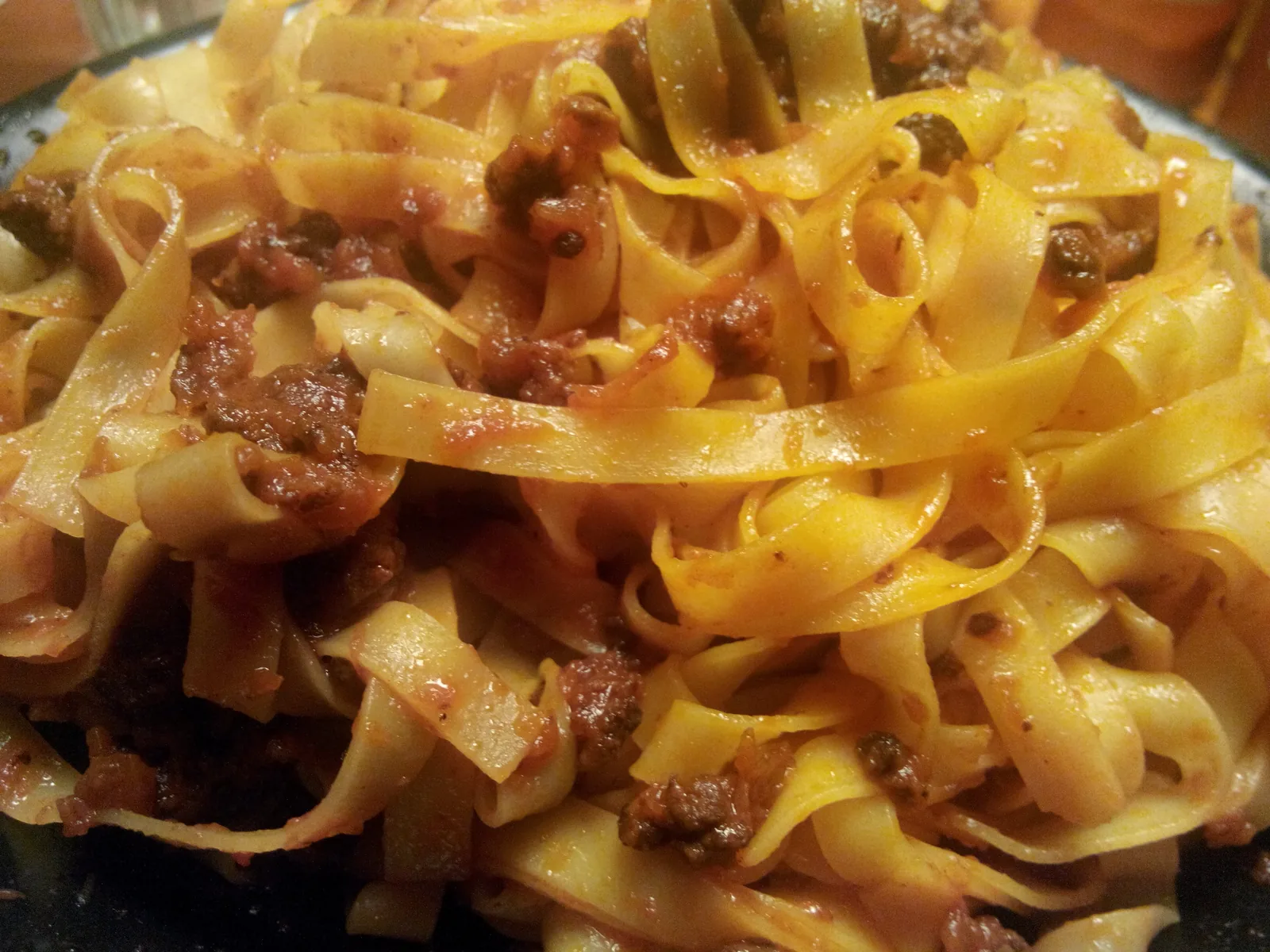
Tagliatelle al ragù Bolognese in a bowl with Parmigiano-Reggiano Italy flag Italy 4h 25m
Lunch •Emilia-Romagna

Tagliatelle al Ragù Bolognese

Slow-braised soffritto and coarse ground heritage meats layered over handmade egg yolk dough for mid-day stamina.

Lean Protein

Slow-simmered beef ragù tossed through fresh egg tagliatelle.

Pairs Well With
Bitter Radicchio & Aged Balsamico di Modena
Pasta & Noodles • High Protein
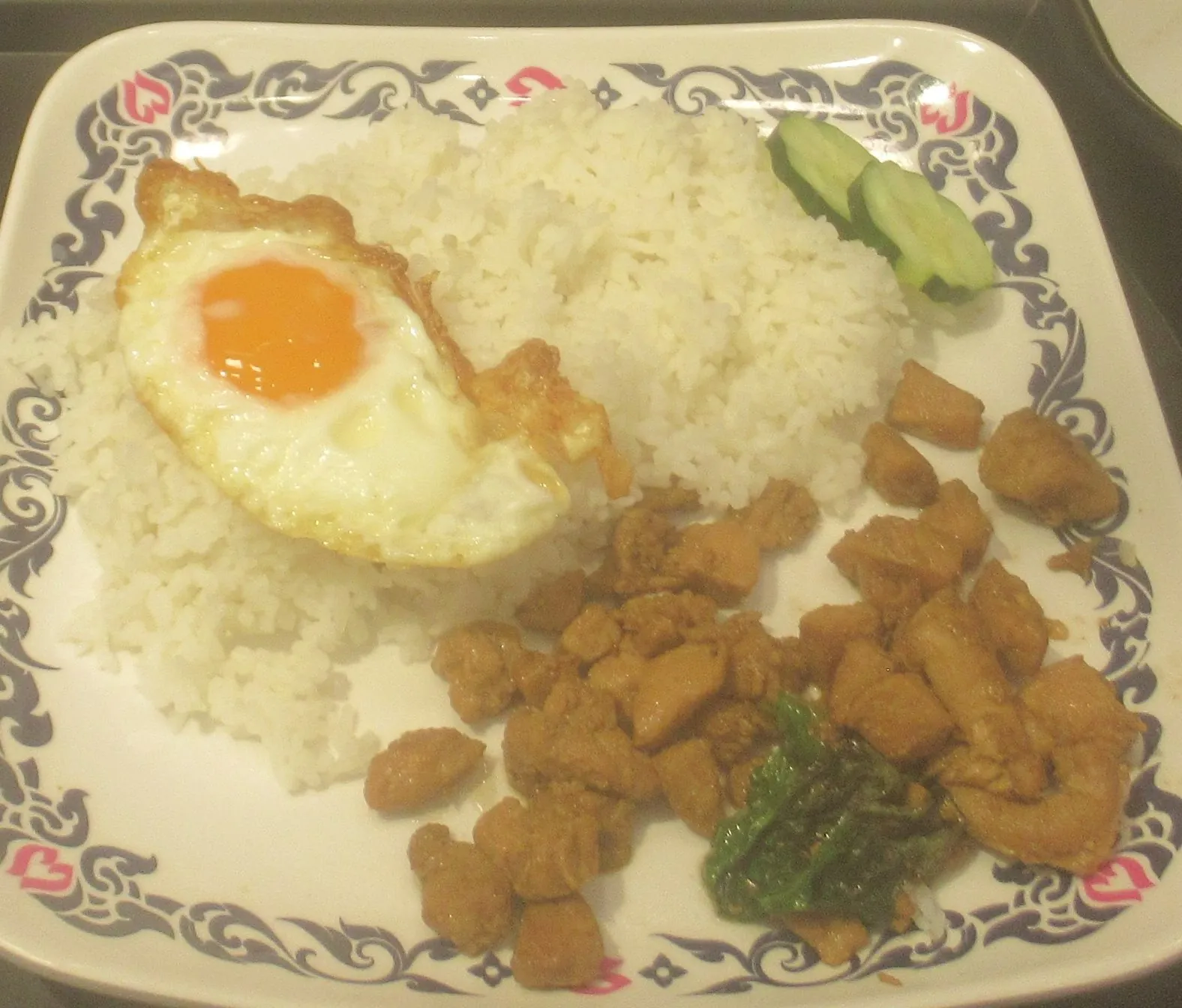
Pad kra pao gai — Thai holy basil chicken with fried egg and rice Thailand flag Thailand 30m
Lunch •Bangkok Street Flame

Pad Kra Pao Gai

High-heat wok flash of holy basil and crushed chillies over minced chicken, served over jasmine rice with a crispy-edged fried egg.

High Energy

Capsaicin brings the heat; holy basil adds a peppery, clove-like aroma.

Pairs Well With
Chilled Cucumber Salad & Fish Sauce Lime Dip
High Protein • Quick Prep (<30m)

The Dinner Gazette

Never wonder what’s for dinner again

One email a week with easy dinner ideas from around the world — ingredients, steps and nutrition, tested in our kitchen first.

Delivered every Thursday morning. Unsubscribe anytime.