Curated recipes from 193 countries  •  New seasonal Mediterranean issue out now

Overview

Bolivian Salteñas

Salteñas de carne; Salteñas paceñas

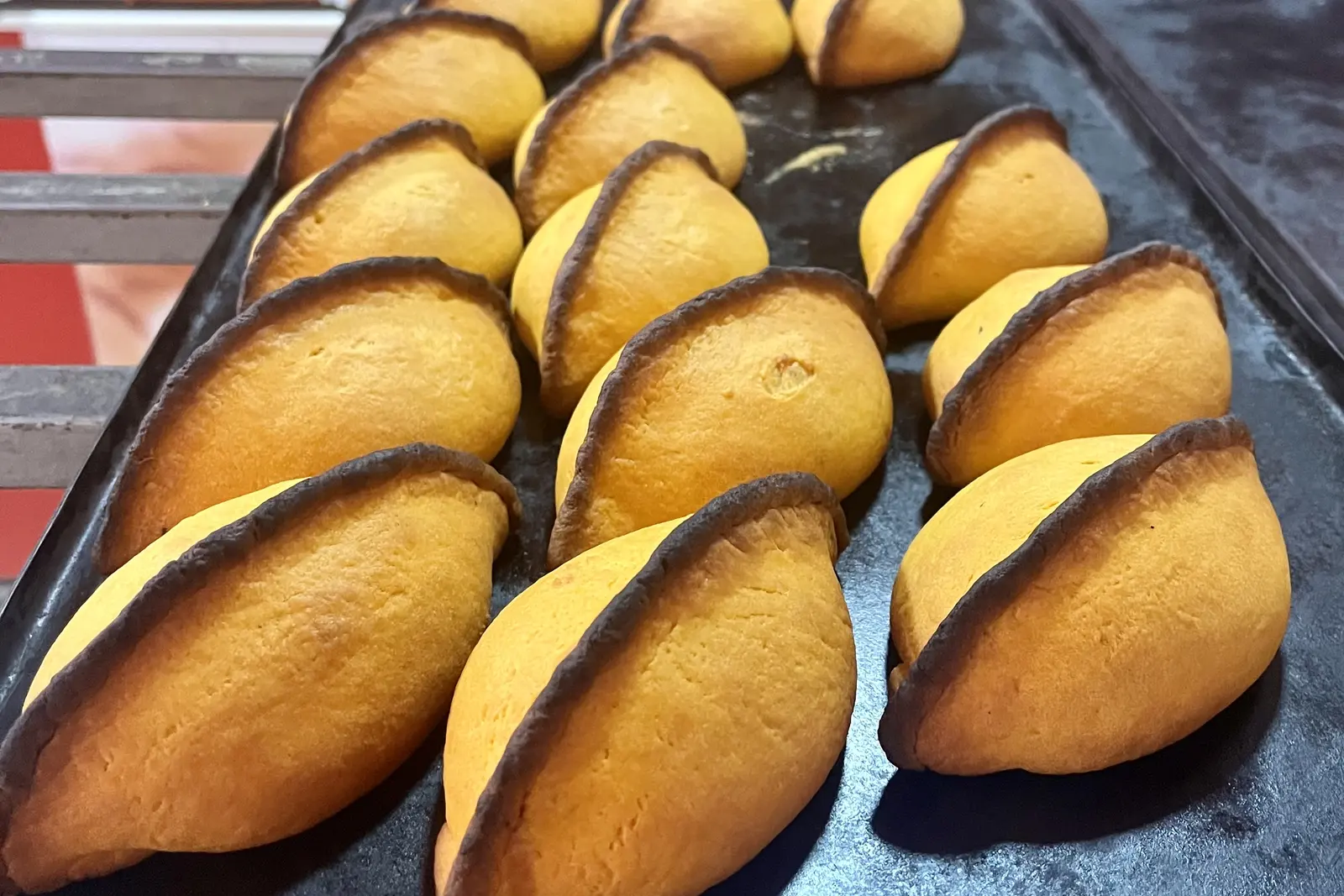
A Bolivian salteña is a baked hand pie with a slightly sweet, golden dough — coloured with paprika or annatto — sealed with a braided seam across the top and baked standing upright. Inside is the jigote, a juicy beef stew of diced beef, potato, onion, peas and ají chilli, sweetened with a few raisins and set with gelatin so it turns to rich broth in the oven, with a slice of hard-boiled egg and a black olive tucked in. This is not a dry mince empanada: you bite a small corner, then spoon and sip the hot juices out. One serving (two salteñas) is about 462 g.

The salteña is credited to Juana Manuela Gorriti, an Argentine writer born in Salta who was exiled to Bolivia in the early 19th century and sold juicy pastries to support her family — people called them the empanadas of the salteña, the woman from Salta, and the name stuck. An even older Potosí cookbook from 1776 already records broth-filled empanadas, and the modern salteña grew from that tradition, with each Bolivian city — Sucre, Cochabamba, Potosí — guarding its own version. The gelatin-set jigote, the sweet dough and the top braid are what make it Bolivian, not Argentine.

Pairs well with: Llajua hot sauce & a glass of fresh orange juice

Provenance

Bolivia flag Bolivia

Bolivian National Favourite

Latin America & Caribbean

Time Dedication

2h 25m

120m prep • 25m cook

Batch Yield

4 Servings

1057 kcal per serving

1 serving ≈ 462 g

Technical Skill

Advanced

Advanced (Gelatin Filling & Braided Seal)

Meal Timing & Digestive Fit

Breakfast

Not Advised

Lunch

Prime Metabolic Fit

Dinner

Ideal Hearty Main

Snack & Tea

Inappropriate

Occasions: Mid-morning snack, weekday lunch, market breakfast, family gatherings, cold-weather comfort food Cost: Low — about $2–3 per serving at home
A tray of golden baked Bolivian salteñas standing upright with dark braided top seams in Santa Cruz de la Sierra

Bolivian National Favourite

Photo: Ruditaly, CC BY-SA 4.0, via Wikimedia Commons

The Heritage Formulary

Measured Ingredients

Estimated cost: Low — about $2–3 per serving at home (USD)

Baked upright with a sweet golden dough and a soupy, gelatin-set beef stew inside — juicy, not dry.

Execution Methodology & Culinary Technique

Step-by-Step Cooking Guide

Active 2h 25m
P

Prep Stage: Jigote Stew, Gelatin Chill, Sweet Dough

120 Mins • Stew, Dough, Shaping

Cook the jigote first: a stew of beef, potato, onion, peas, ají paste and beef stock, finished with gelatin and left to chill until it sets firm — this is the whole secret of the salteña, and it needs at least 4 hours in the fridge, or overnight, so make it well ahead. Meanwhile, mix the flour, sugar, salt, paprika, egg yolk, melted lard and warm water into a soft dough and rest it 30 minutes. When the filling is set like jelly, roll the dough into discs, spoon in the firm jigote with a slice of egg and half an olive, and seal each one with the braided repulgue across the top.

Maestro Tip: Never fill salteñas with warm, runny stew — the gelatin must be fully set or the pastry will soak and burst. Cold filling, warm oven, upright baking.

  1. 1

    Cook the jigote stew

    30 mins Medium heat, about 180°C (350°F) pan surface

    Heat 30 ml vegetable oil in a large pan and soften 150 g diced onion for 5 minutes. Add 350 g diced beef chuck and brown it for 6–8 minutes, then stir in 40 g ají amarillo paste, 3 g cumin, 2 g oregano, 2 g pepper and 4 g salt. Add 250 g diced potato, 80 g peas, 15 g sugar and 250 ml beef stock, bring to a gentle simmer, cover and cook 15 minutes until the potato is tender and the beef is cooked through — the beef must reach 71°C (160°F). The stew should be wet and saucy, like a soup, not dry.

    Keep the stew saucy on purpose — that liquid is the juice you will sip later. If it looks dry, add a splash more stock.

    Done when: Potato tender, beef cooked through with no pink, stew loose and brothy.

  2. 2

    Set the filling with gelatin

    10 mins, then chill 4 hours Room temperature, then chilled to 4°C (39°F)

    Take the pan off the heat. Bloom 20 g gelatin in 60 ml of the cold stock for 5 minutes, then stir it into the hot stew until fully dissolved. Fold in 40 g raisins. Tip the stew into a shallow dish and chill for at least 4 hours, or overnight, until it is completely firm like a set jelly. This is what lets you wrap a soupy stew in pastry without a single leak.

    If the stew is still wobbly after 4 hours, give it longer — a soft filling will burst in the oven. Overnight in the fridge is the safest plan.

    Done when: Firm, sliceable jelly that holds its shape on a spoon.

  3. 3

    Make the sweet golden dough

    20 mins, plus 30 mins rest Room temperature

    Mix 400 g flour, 30 g sugar, 6 g salt and 5 g paprika in a large bowl. Add 1 egg yolk, 80 g warm melted lard and 180 ml warm water and knead for 5 minutes until smooth and soft. Cover and rest 30 minutes at room temperature — this relaxes the dough so it rolls out thin without springing back.

    The dough should feel soft and slightly tacky, like an earlobe; if it is stiff, knead in a teaspoon of water at a time.

    Done when: Smooth, soft dough that does not stick to your hands.

  4. 4

    Fill and braid the salteñas

    30 mins Room temperature

    Divide the dough into 8 pieces and roll each into a 16 cm disc, slightly thicker in the centre. Place about 3 heaped tablespoons of the cold, set jigote in the middle of each disc, add a slice of hard-boiled egg and half a black olive, then fold the dough over into a teardrop shape and pinch the seam closed along the TOP with the classic repulgue: fold and pinch the edge over itself in a rope braid. The braid on top — not the side — is the salteña's signature, and it lets the pastry stand upright.

    Work fast and keep the filling cold; warm jigote softens the dough and the seal will fail. If a seal opens, pinch it again and chill the salteña before baking.

    Done when: Eight plump teardrops standing on their base, each with a tight rope braid across the top.

  5. 5

    Bake upright until deep gold

    25 mins 200°C (400°F)

    Stand the salteñas upright on a lined baking tray, braid on top, brush with the beaten egg wash and bake in the centre of the oven for 22–25 minutes until deep golden brown. As they bake the gelatin melts back into hot broth inside the pastry. Rest 5 minutes before serving — the juices inside are scalding.

    Stand them close together so they support each other upright; a fallen salteña leaks its broth onto the tray.

    Done when: Deep gold, crisp crusts; the filling inside is steaming hot, at least 74°C (165°F).

Finishing Touches & Plating

Serve warm, two per person, standing upright on the plate. Bite a small corner off the top first, then sip and spoon out the hot, sweet-spicy broth before eating the rest — that is how Bolivians eat them, and the broth is the whole point.
Nutritional Physiology & Benefits

Nutrition

Energy

1057

kcal / serving

Protein

43g

Complete AA

Carbs

117g

Complex

Fats

46g

Healthy

Per serving (4 servings · 1 serving ≈ 462 g)
Energy1057 kcal
Protein43 g
Carbohydrates117 g
Fat46 g
Fibre7.4 g
Sugar21.7 g
Sodium1324 mg
Per 100g
Energy229 kcal
Protein9.2 g
Carbohydrates25.2 g
Fat9.9 g
Fibre1.6 g
Sugar4.7 g
Sodium286 mg

Nutrition values are estimated — calculated from USDA FoodData Central values for the listed ingredients.

Vitamins & minerals: Vitamin B12, niacin and zinc (beef), vitamin B6 and folate (potato, onion), selenium (egg), vitamin A (paprika, ají), iron (beef, raisins).

A Proper Mid-Morning Meal

With about 43 g of protein and 117 g of carbohydrate per serving, two salteñas carry you from breakfast to lunch without a snack in between.

B Vitamins and Iron from Beef

Beef is a strong source of vitamin B12, niacin, zinc and iron, which support normal energy metabolism and red blood cell formation as part of an ordinary varied diet.

Real Food, No Shortcuts

Flour, lard, beef, potato, egg and olives — the pastry is made by hand and the broth comes from real stock and gelatin, with no ultra-processed filling.

Food Pairings

What to Eat With

To optimize nutrient absorption and elevate the sensory depth, pair with these authentic accompaniments:

Sauces

Llajua (Bolivian hot sauce)

The fiery tomato and locoto sauce is the traditional partner — a spoonful on top lifts the sweet, rich broth without overpowering it.

Drinks

Fresh orange juice

Bolivian salteña stalls almost always sell fresh juice alongside; its acidity and sweetness cut through the rich lard pastry.

Coffee or api (purple corn drink)

A hot coffee or a warm glass of api, the spiced purple-corn drink sold at morning markets, turns two salteñas into a full Bolivian breakfast.

Vegetables

Simple tomato and onion salad

A light, sharp salad refreshes the palate between bites of the rich, soupy pastry.

Full Menus

Full menu: salteñas, juice, fruit

Two salteñas with fresh juice and a piece of fruit is the classic mid-morning meal in La Paz and Sucre.

Complete menu

Serve two salteñas per person with llajua hot sauce and a glass of fresh orange juice, followed by fresh fruit for a classic Bolivian mid-morning meal.

Digestive Guardrails

What NOT to Combine

To prevent digestive distress, sluggishness, or palate clash, avoid pairing the dish with these elements:

Biting straight into a hot salteña

The broth inside is scalding and under pressure; bite a small corner first and let the steam and juice escape, or it can burn your mouth. This is general information, not medical advice.

Laying them on their side to eat

Salteñas are baked and served upright for a reason — tip one sideways and the hot broth runs out onto the plate. This is general information, not medical advice.

Very sugary drinks with a sweet pastry

The dough and raisins already bring sweetness, so sweet soft drinks add a lot of sugar on top of an energy-dense pastry; fresh juice or water is a lighter choice. This is general information, not medical advice.

General information only, not medical advice — consult a doctor for personal dietary decisions.

Who Should Eat It

Who Should Eat

  • General adultsA satisfying mid-morning meal for most adults; two salteñas with juice is a full plate.
  • ChildrenChildren usually love the sweet dough and juicy filling; cut one open first so the broth cools, and use a mild ají paste.
  • ElderlySoft filling and manageable portions suit older eaters; serve warm, not piping hot, and let the broth cool a little.
  • Pregnant womenFine in moderation when the beef is cooked through; the pastry is rich, so one salteña with fruit is often enough.
  • Breastfeeding womenA protein-rich handheld meal that travels well; eat freshly baked where possible.
  • AthletesGood post-training food for its protein, carbohydrate and salt; pair with fresh juice to replace fluids.
  • Weight gainEnergy-dense and easy to eat, which helps when appetite is low; add a second salteña or a glass of juice.
  • Weight lossRich pastry and a sizeable portion, so one salteña with a large salad is the lighter way to enjoy them.

Health Conditions — Adjust or Avoid

Conditions

  • DiabetesThe sweet dough and raisins add carbohydrate and sugar, so watch the portion — one salteña with salad — and ask your clinician about fitting it into your meal plan.
  • High blood pressureOlives, stock and salted pastry are salty; keep to one salteña and skip extra salty sides, and ask your clinician if you are on a low-sodium plan.
  • Kidney diseaseBeef, egg and gelatin add protein; a small portion occasionally is the safer approach, and ask your clinician for personal advice.
  • GoutBeef and organ-rich stock can raise purine intake, so enjoy salteñas occasionally and in a modest portion, and ask your clinician for personal advice.
  • Stomach issuesThe ají chilli and rich lard pastry can irritate a sensitive stomach; choose a mild ají paste and eat slowly, and ask your clinician if symptoms persist.
  • Cardiovascular diseaseLard pastry and beef are high in saturated fat, so salteñas are best kept occasional; choose a salad-heavy plate alongside, and ask your clinician for personal guidance.
  • Fatty liverAn energy-dense pastry with saturated fat and added sugar, so a small portion is enough; ask your clinician about your overall eating pattern.
  • Food allergiesContains wheat (gluten) and egg; the filling contains beef and olives. Not suitable for gluten-free, egg-free or dairy-free diets without substitutions, and not suitable for vegetarian or vegan diets.
  • Special therapeutic dietsContains wheat and egg; a gluten-free pastry and egg-free filling would be needed for therapeutic diets — ask your clinician or dietitian before adapting this recipe.

If you have a medical condition, consult your doctor before changing your diet.

Storage & Use

Storage & Use

How to store
Cool completely on a rack, then store in a paper bag or a loosely covered container so the crust stays crisp.
In the fridge
3 days, in a covered container.
In the freezer
Up to 3 months, wrapped individually; freeze unbaked for the best result and bake from frozen, adding 8–10 minutes.
How to reheat
Reheat in a 180°C (350°F) oven for 10–12 minutes until hot all the way through, to 74°C (165°F); the oven re-crisps the crust — the microwave makes it soft.
Freezing recommended
Yes — baked or unbaked salteñas freeze well.
Signs it has spoiled
Sour or off smell, slimy or sticky pastry, mould, or a filling that smells stale — discard, do not taste to check.

More recipes to explore

Silpancho with a thin breaded beef steak, fried egg, rice, potatoes and tomato salsa on a white plate Bolivia flag Bolivia 1h 5m
Dinner •Cochabamba Heritage

Silpancho

Silpancho is the great plate of Cochabamba: a bed of white rice and boiled potatoes covered by a single beef steak pounded until it is almost paper-thin, dipped in egg and breadcrumbs and fried crisp, then topped with a fried egg and a fresh salsa of tomato, red onion and hot locoto pepper. The name comes from the Quechua sillp'anchu, meaning flat and thin — and the steak really does cover almost the whole plate. One serving is about 705 g.

Hearty & Satisfying

A plate-sized beef steak pounded paper-thin, breaded and fried over rice and potatoes, crowned with a fried egg and fresh tomato salsa — Cochabamba's most famous plate.

Pairs Well With
Chicha or cold beer & llajua hot sauce
Pique macho platter piled with beef, sausage, fries, tomato, onion, peppers, egg and sauces Bolivia flag Bolivia 55m
Dinner •Cochabamba Heritage

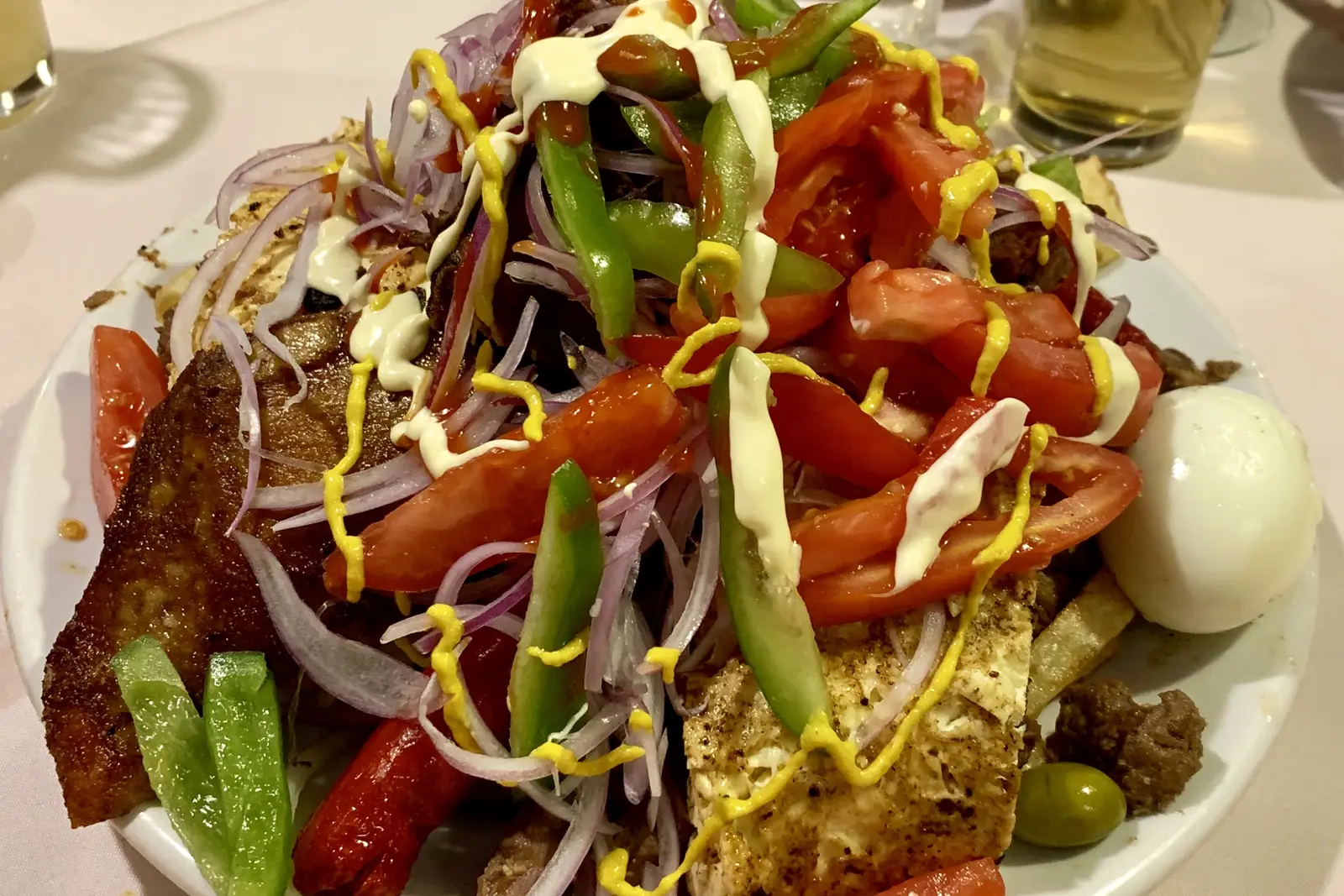
Pique Macho

Pique macho is a mountain of a meal from Cochabamba: strips of beef and pork sausage fried with onion, piled over a heap of french fries with tomato, hot locoto peppers and sliced boiled egg, then finished with zigzags of mustard, mayonnaise and ketchup. It is served in the middle of the table, made to be shared, and its name is a dare — pique, macho means roughly eat it, man. One serving (a quarter of the platter) is about 508 g.

Hearty & Satisfying

A heaped sharing platter of fried beef and sausage over french fries, with tomato, locoto, egg and sauces — Cochabamba's famous dare of a dinner, made for the middle of the table.

Pairs Well With
Cold beer & llajua hot sauce
Tagliatelle al ragù Bolognese in a bowl with Parmigiano-Reggiano Italy flag Italy 4h 25m
Lunch •Emilia-Romagna

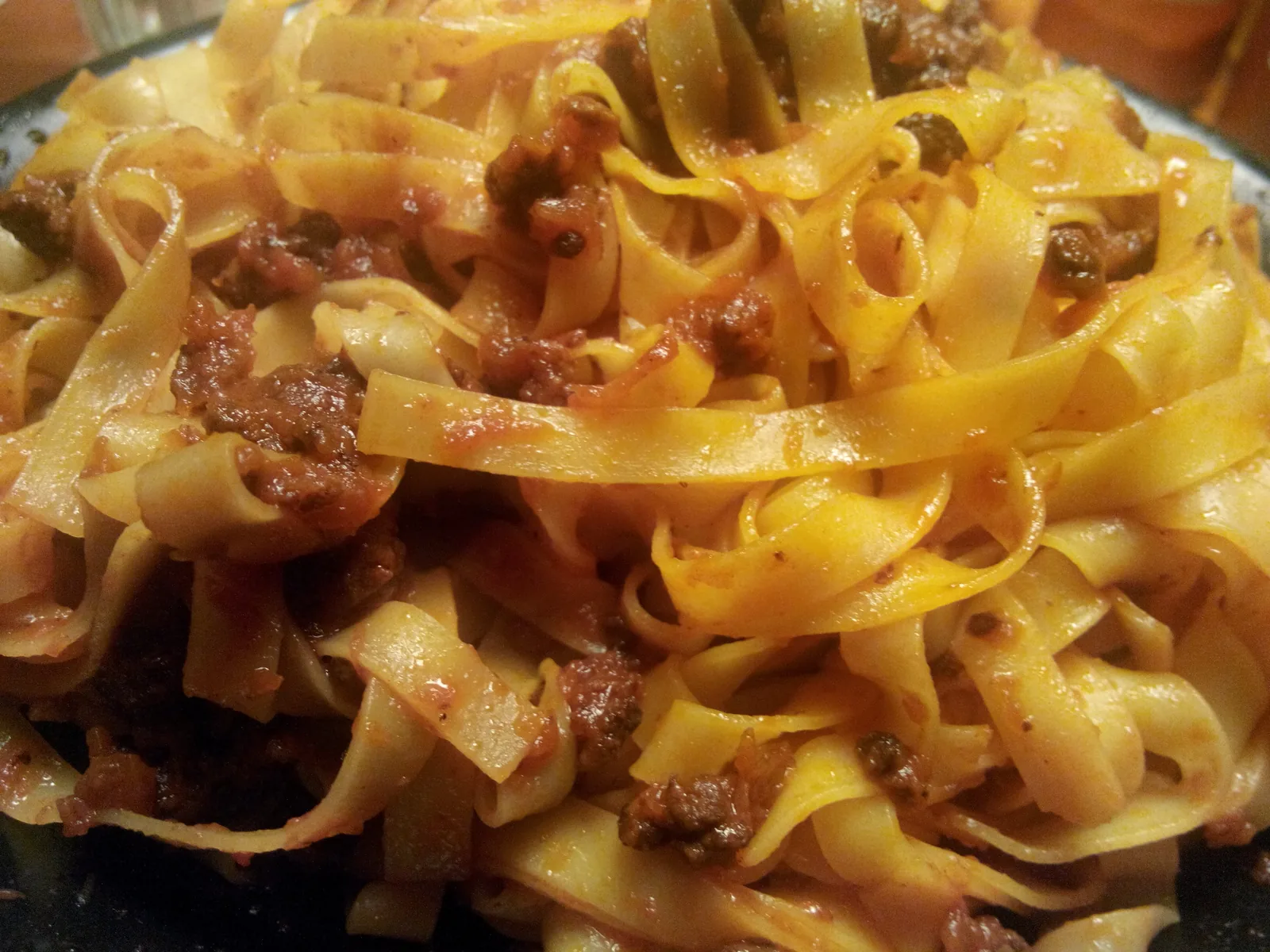
Tagliatelle al Ragù Bolognese

Slow-braised soffritto and coarse ground heritage meats layered over handmade egg yolk dough for mid-day stamina.

Lean Protein

Slow-simmered beef ragù tossed through fresh egg tagliatelle.

Pairs Well With
Bitter Radicchio & Aged Balsamico di Modena
Pasta & Noodles • High Protein
Pad kra pao gai — Thai holy basil chicken with fried egg and rice Thailand flag Thailand 30m
Lunch •Bangkok Street Flame

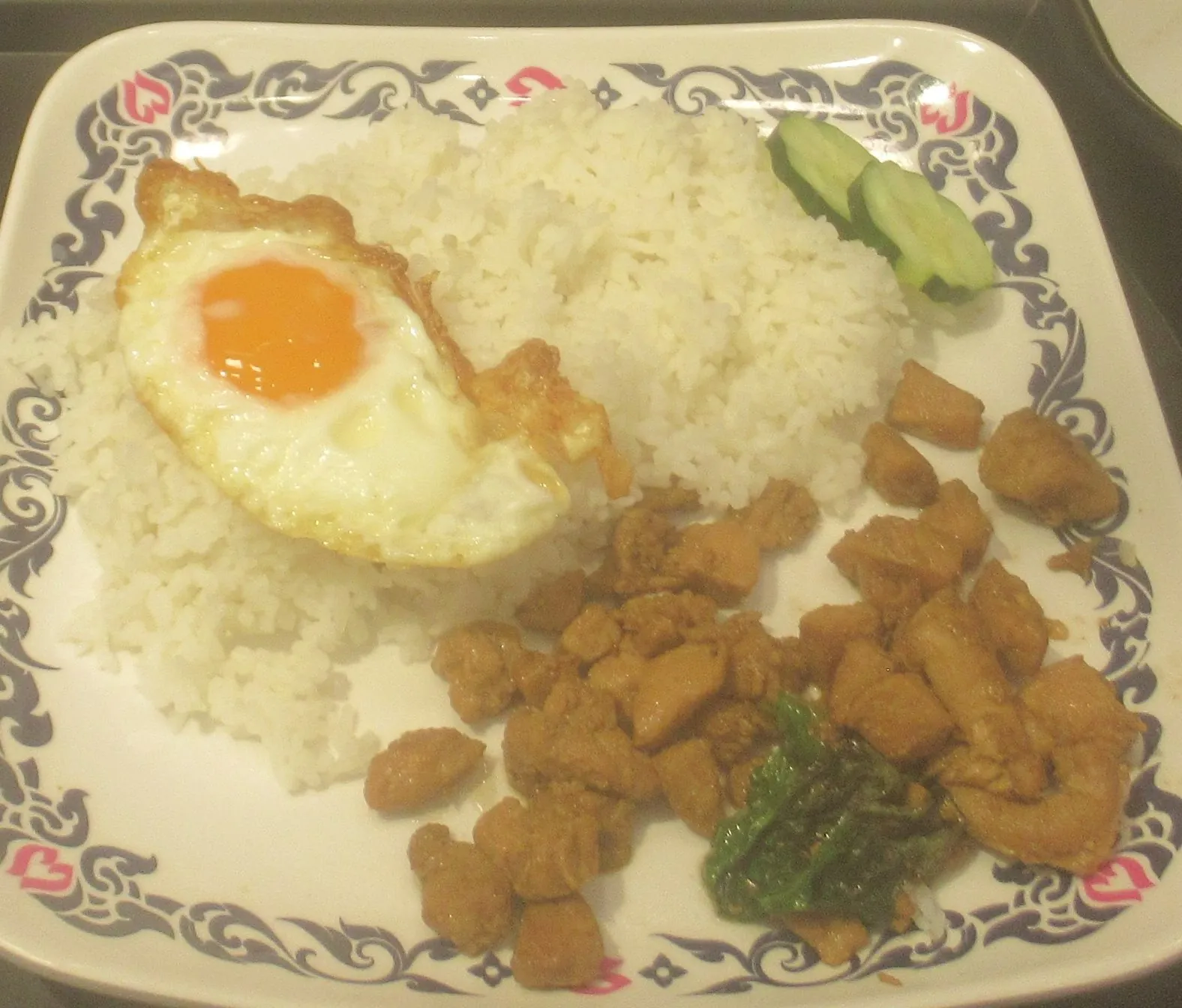
Pad Kra Pao Gai

High-heat wok flash of holy basil and crushed chillies over minced chicken, served over jasmine rice with a crispy-edged fried egg.

High Energy

Capsaicin brings the heat; holy basil adds a peppery, clove-like aroma.

Pairs Well With
Chilled Cucumber Salad & Fish Sauce Lime Dip
High Protein • Quick Prep (<30m)

The Dinner Gazette

Never wonder what’s for dinner again

One email a week with easy dinner ideas from around the world — ingredients, steps and nutrition, tested in our kitchen first.

Delivered every Thursday morning. Unsubscribe anytime.