
Curated recipes from 193 countries  •  New seasonal Mediterranean issue out now

Overview

Caldo Gallego

Galician Soup, Galician Greens and Bean Soup

This caldo gallego recipe simmers white beans, potatoes, turnip greens and cured pork together until the broth is rich and the beans are creamy. One serving is about 400 g. It is a one-pot lunch that tastes even better the next day.

Caldo gallego is the farmhouse soup of Galicia in north-west Spain, built on the region's own ingredients: white beans, potatoes, grelos (turnip greens) and cured pork from the family pig. It was the everyday lunch of farming families, cooked in one pot over a slow fire, and it remains the dish Galicians abroad miss most — a soup that tastes of the Atlantic rain and the vegetable garden.

Pairs well with: Crusty Galician bread, a drizzle of olive oil and a glass of Albariño.

Provenance

Spain flag Spain

Galicia Farmhouse Classic

Mediterranean & Italy

Time Dedication

1h 50m

20m prep • 90m cook

Batch Yield

6 Servings

308 kcal per serving

1 serving ≈ 400 g

Technical Skill

Intermediate

Medium (One Pot)

Meal Timing & Digestive Fit

Breakfast

Not Advised

Lunch

Prime Metabolic Fit

Dinner

Ideal Hearty Main

Snack & Tea

Inappropriate

Soups & Broths Occasions: Winter lunch, one-pot family meal, rainy day soup, Galician dinner Cost: Low — about $2–3 per serving at home
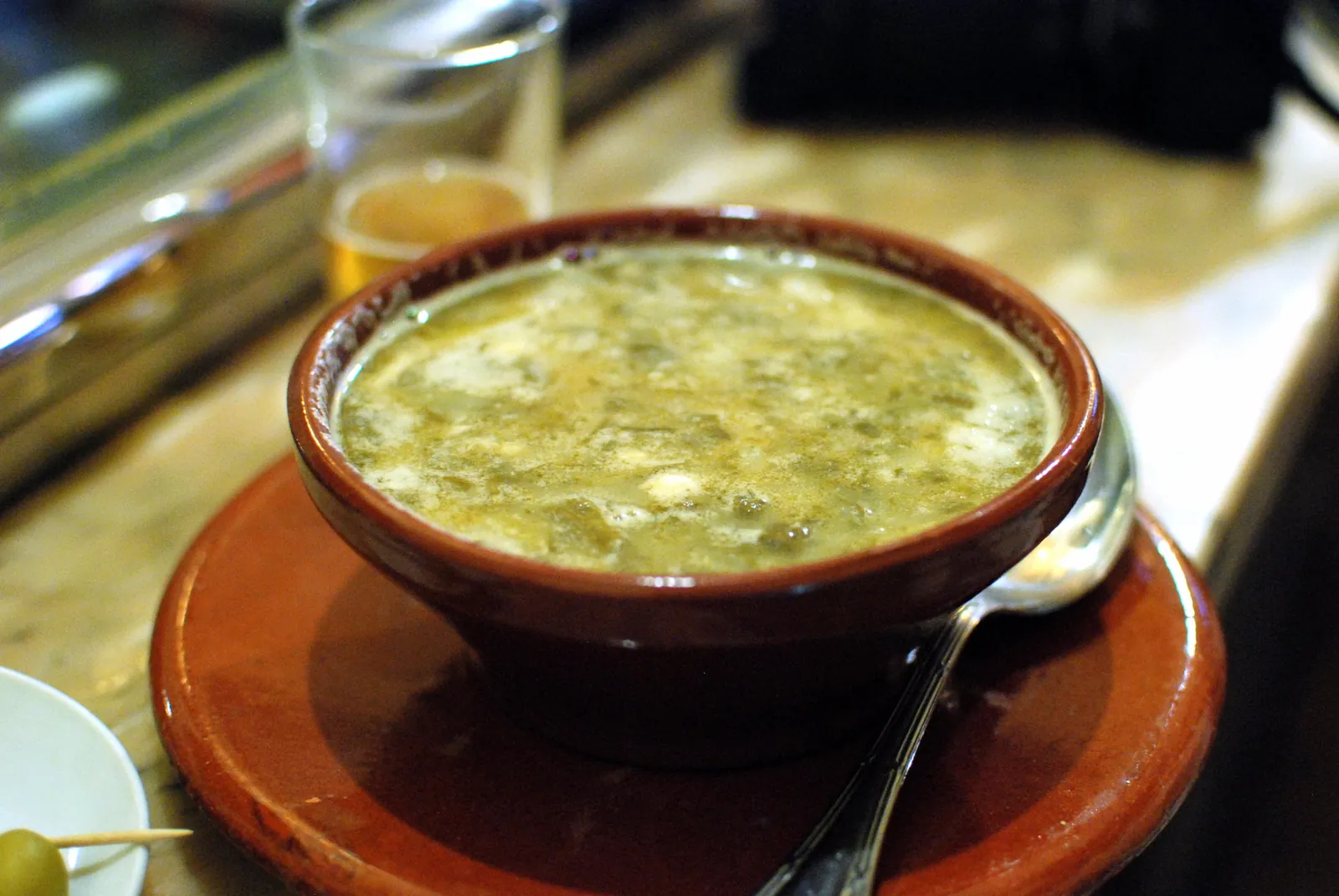
A bowl of caldo gallego, a green Galician soup of beans, potato and turnip greens, in an earthenware bowl

Galicia Farmhouse Classic

Photo: Takeaway, CC BY-SA 3.0, via Wikimedia Commons

The Heritage Formulary

Measured Ingredients

Estimated cost: Low — about $2–3 per serving at home (USD)

Made with soaked dried beans, real grelos-style turnip greens and cured pork simmered in one pot.

Execution Methodology & Culinary Technique

Step-by-Step Cooking Guide

Active 1h 50m
P

Prep Stage: Soak, Chop & Slice

20 Mins • Soaking & Chopping

The beans soak overnight, then the potatoes, greens, onion and garlic are chopped and the pork and chorizo sliced, so the pot can be built in one go.

Maestro Tip: Soak the beans the night before — it is the only long step, and it makes the beans cook evenly.

  1. 1

    Simmer the Beans & Pork

    45 Mins Gentle simmer, about 95°C (200°F)

    Put the drained beans, the cured pork and the water in a large pot. Bring to a gentle simmer, skim off any foam, then cover and cook for 45 minutes until the beans are almost tender.

    Keep the heat low — a rolling boil breaks the beans apart before they are ready.

    Done when: Beans almost tender, broth lightly flavoured by the pork.

  2. 2

    Add Potatoes & Onion

    20 Mins Gentle simmer, about 95°C (200°F)

    Heat the olive oil in a small pan, soften the onion and garlic for 3 minutes, then stir in the paprika off the heat. Add the potatoes, the onion mixture and the chorizo to the pot and simmer for 20 minutes.

    Stir the paprika in off the heat so it does not scorch and turn bitter.

    Done when: Potatoes tender when pierced, chorizo flavouring the broth.

  3. 3

    Add the Greens

    15 Mins Gentle simmer, about 95°C (200°F)

    Stir in the chopped turnip greens and simmer for a further 15 minutes until the greens are tender and the broth has thickened slightly.

    Push the greens under the broth so they cook evenly.

    Done when: Greens tender, broth slightly thickened and green-flecked.

  4. 4

    Slice the Pork & Season

    5 Mins Serving temperature, about 70°C (158°F)

    Lift out the pork, slice it and return it to the pot. Taste and season with salt — go gently, as the cured pork and chorizo are already salty.

    Season at the very end, after the pork has given up its salt to the broth.

    Done when: Pork sliced and returned, soup seasoned and balanced.

  5. 5

    Rest & Serve

    5 Mins Serving temperature, about 70°C (158°F)

    Rest the soup off the heat for 5 minutes, then ladle into deep bowls with a piece of pork and chorizo in each. Finish with a drizzle of olive oil and serve with crusty bread.

    The short rest lets the flavours settle and the broth thicken a little more.

    Done when: Bowls hot and generous, greens and beans in every spoonful.

Finishing Touches & Plating

Ladle the caldo gallego into deep bowls, making sure each bowl gets beans, potato, greens and a slice of pork, then finish with a thread of good olive oil.

Nutritional Physiology & Benefits

Nutrition

Energy

308

kcal / serving

Protein

19g

Complete AA

Carbs

39g

Complex

Fats

9g

Healthy

Per serving (6 servings · 1 serving ≈ 400 g)
Energy308 kcal
Protein19 g
Carbohydrates39 g
Fat9 g
Fibre11.6 g
Sugar2.8 g
Sodium758 mg
Per 100g
Energy77 kcal
Protein4.7 g
Carbohydrates9.6 g
Fat2.3 g
Fibre2.9 g
Sugar0.7 g
Sodium190 mg

Nutrition values are estimated — calculated from USDA FoodData Central values for the listed ingredients.

Vitamins & minerals: Provides vitamin K, vitamin C and folate from the turnip greens, iron and B vitamins from the beans and pork, and potassium from the potatoes. Nutrition is estimated.

High in Fibre

About 11.6 g of fibre per serving from the beans, potatoes and greens, which supports digestion and fullness.

Beans for Steady Energy

White beans release their energy slowly, keeping you full long after lunch.

Good Protein

About 19 g of protein per serving from the beans and pork.

Food Pairings

What to Eat With

To optimize nutrient absorption and elevate the sensory depth, pair with these authentic accompaniments:

Sides

Crusty Galician Bread

Dense country bread is made for soaking up the rich broth — it is the traditional partner.

Vegetables

A Simple Tomato Salad

Fresh, acidic tomato brightens the palate after the hearty, salty soup.

Drinks

Albariño White Wine

A crisp Galician white wine refreshes the palate between spoonfuls of the rich soup.

Full Menus

As Lunch with Empanada

Follow the soup with a slice of Galician tuna empanada for a full regional lunch.

Complete menu

Start with caldo gallego and crusty bread, follow with a slice of tuna empanada and a tomato salad, and finish with something light.

Digestive Guardrails

What NOT to Combine

To prevent digestive distress, sluggishness, or palate clash, avoid pairing the dish with these elements:

Very Salty Accompaniments

The cured pork and chorizo already make this soup salty, so salty cured meats or salty cheese on the side can push sodium very high. This is general information, not medical advice.

Eating It Straight from the Pot

The soup stays scorching for a long time; ladle it into bowls and let it cool a few minutes before eating.

General information only, not medical advice — consult a doctor for personal dietary decisions.

Who Should Eat It

Who Should Eat

  • General adultsA hearty, filling lunch — one bowl is a complete meal, with bread on the side.
  • ChildrenKids usually like the potatoes and beans; cut the pork small and go easy on the chorizo for a milder bowl.
  • ElderlySoft beans, potatoes and greens are easy to eat, but the salt means a modest portion is wiser.
  • Pregnant womenThe soup is fully cooked and served hot; ask your clinician about cured meats and salt if you are unsure.
  • Breastfeeding womenFine in normal portions; the fibre, iron and protein are useful, but keep the salt in mind across the day.
  • AthletesGood protein, carbohydrate and fibre for recovery; the beans replenish energy after training.
  • Weight gainEnergy-dense and filling, so it can help add calories — a full bowl with extra bread works well.
  • Weight lossFilling and high in fibre, so one bowl goes a long way; take a smaller bowl and skip the extra bread.

Health Conditions — Adjust or Avoid

Conditions

  • DiabetesAbout 39 g of carbohydrate per serving from the beans and potatoes; count it and ask your clinician about portion size.
  • High blood pressureHigh in sodium (about 757 mg per serving); take a modest portion and skip extra salty sides. Ask your clinician for personal advice.
  • Kidney diseaseHigh in sodium and potassium from the beans and greens; usually not suitable in large portions — ask your clinician.
  • GoutBeans are moderate in purines and the pork adds more, so people with gout should take a modest portion; ask your clinician if you are unsure.
  • Stomach issuesBeans can cause gas and bloating; a smaller portion with well-cooked beans is gentler. Ask your clinician if symptoms persist.
  • Cardiovascular diseaseLow in saturated fat overall, but the sodium is high; a modest portion fits a heart-friendly pattern. Ask your clinician.
  • Fatty liverHigh in fibre and low in saturated fat, which helps, but the salt calls for a modest portion. Ask your clinician.
  • Food allergiesContains pork (lacon, chorizo). The soup is gluten-free as written, but check bread labels for wheat. Ask your clinician about any allergy concern.
  • Special therapeutic dietsNot suitable for low-sodium therapeutic diets; ask your clinician or dietitian before including it.

If you have a medical condition, consult your doctor before changing your diet.

Storage & Use

Storage & Use

How to store
Cool quickly and store in a covered container; do not leave out for more than 2 hours.
In the fridge
Keeps 4 days in the fridge at 4°C (40°F) or below — the flavour improves overnight.
In the freezer
Freezes well for up to 3 months; thaw overnight in the fridge.
How to reheat
Reheat gently on the stove until bubbling and hot through, to 74°C (165°F); add a splash of water if it thickened.
Freezing recommended
Yes — it freezes very well.
Signs it has spoiled
Sour smell, slimy surface, or mould.

More recipes to explore

Pan con tomate with jamón ibérico on toasted bread Spain flag Spain 15m
Snack & Tea •Catalan Aperitivo

Pan con Tomate & Jamón Ibérico

Country bread rubbed with ripe Ramallet tomato, drizzled with cold-pressed Arbequina olive oil and topped with jamón ibérico.

Vascular Health

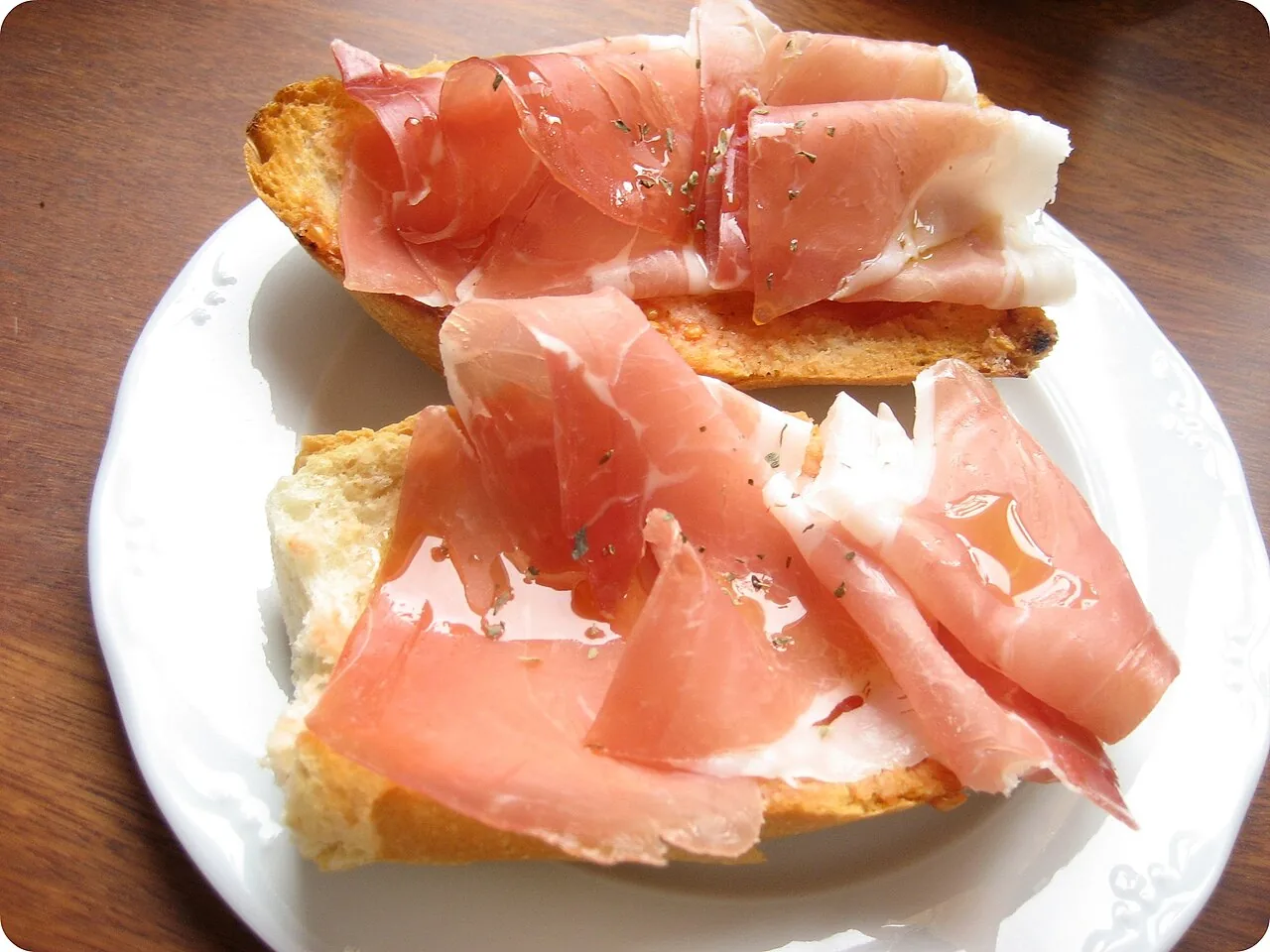
Toasted tomato bread with jamón ibérico, olive oil and olives.

Pairs Well With
Castelvetrano Olives & Sparkling Mineral Water
Quick Prep (<30m)
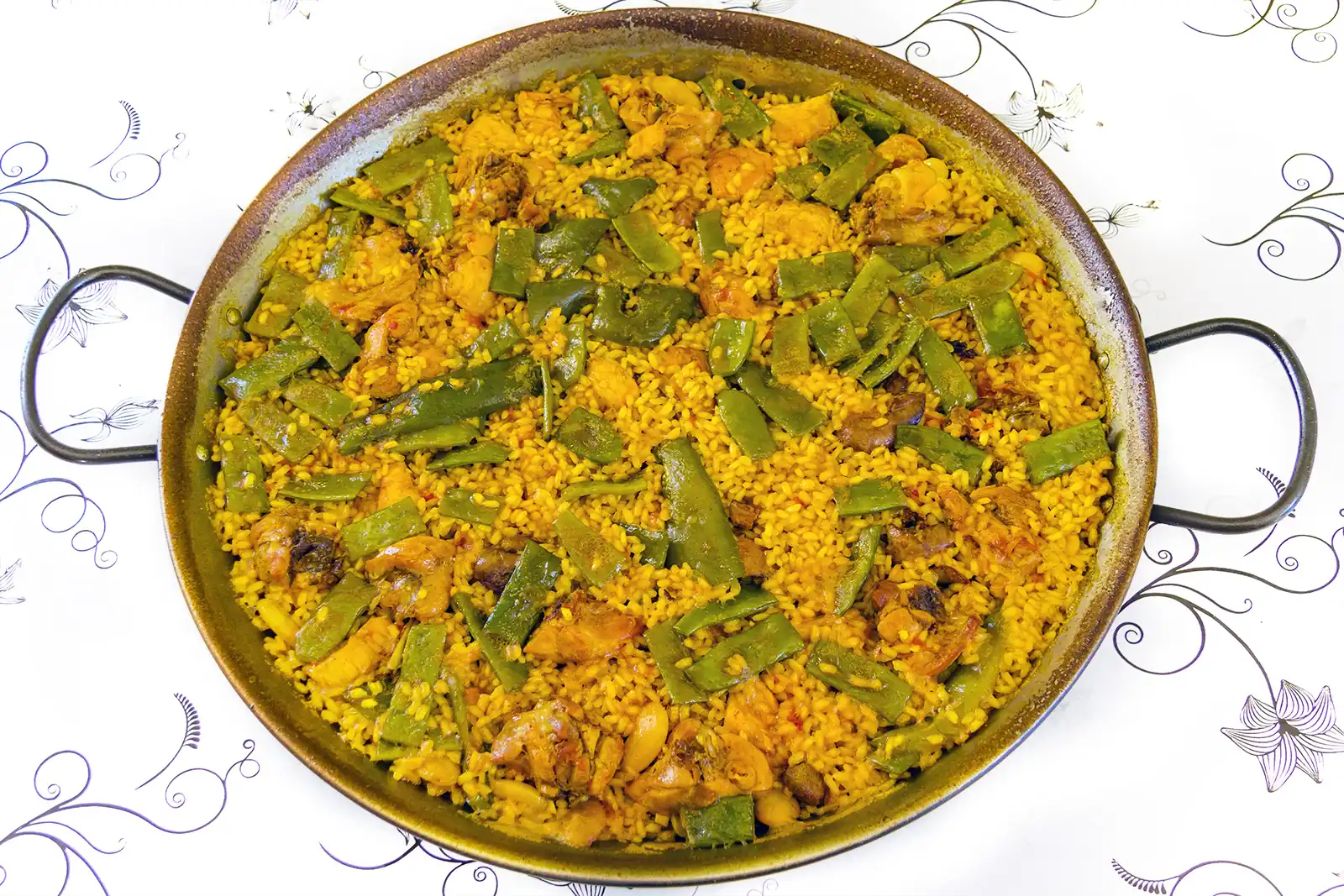
A wide paella pan of paella valenciana with saffron rice, green beans and chicken Spain flag Spain 1h 10m
Dinner •Valencia Rice Fields

Paella Valenciana

This paella valenciana recipe cooks Bomba rice in a wide, shallow pan with chicken, rabbit, green beans and garrofó beans, scented with saffron and rosemary. One serving is about 470 g.

Comfort & Warmth

Saffron rice cooked in a wide pan with chicken, rabbit and green beans.

Pairs Well With
A green salad and a glass of white wine
High Protein
A whole golden tortilla española, a thick Spanish potato omelette, on a plate Spain flag Spain 55m
Snack & Tea •Navarre Bar Classic

Tortilla Española

This spanish tortilla recipe slowly cooks potatoes and onion in olive oil, folds them into beaten eggs, and turns out a thick, golden cake that is soft in the middle. One serving is about 220 g.

Comfort & Warmth

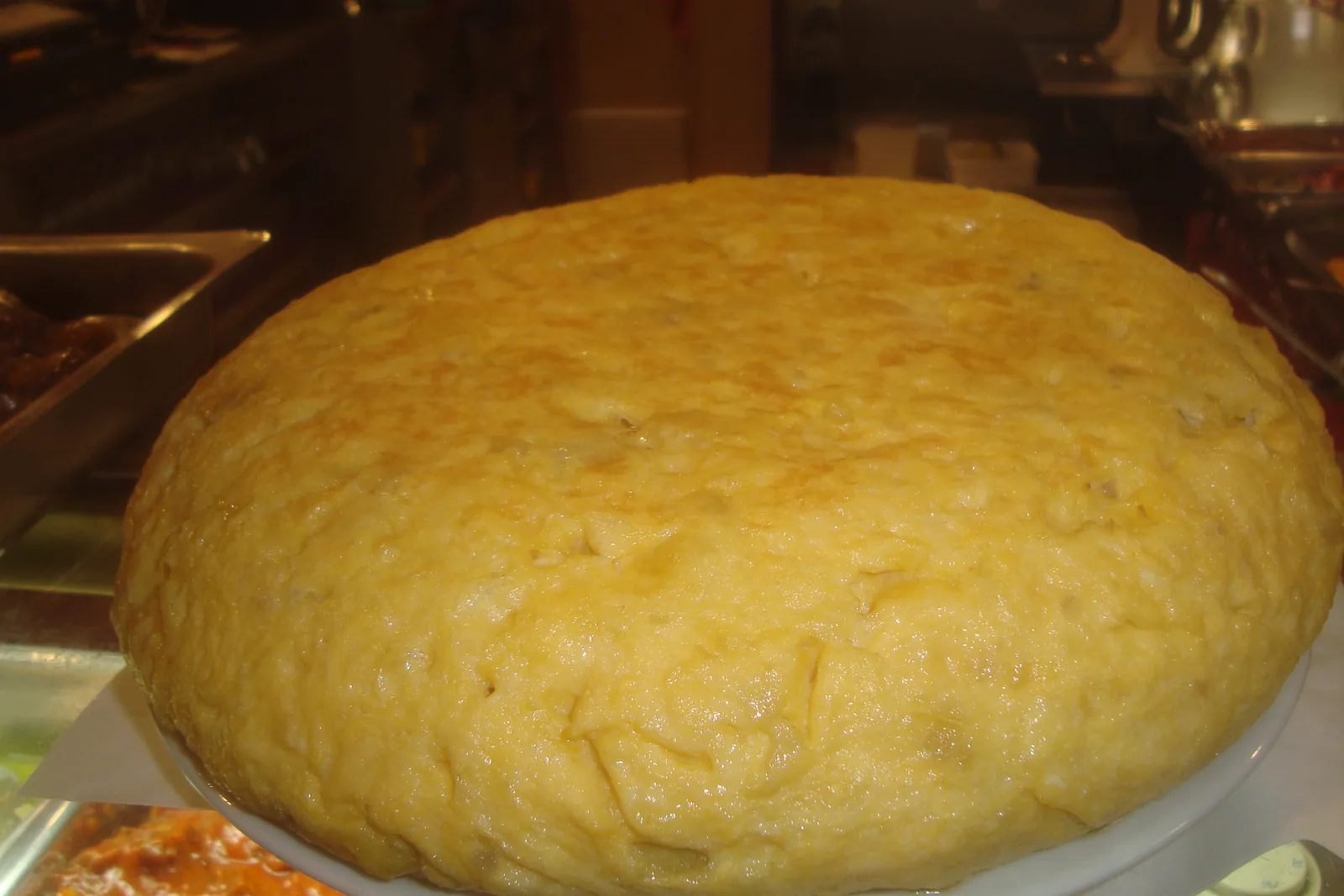
A thick, golden omelette of slow-cooked potatoes, onion and egg.

Pairs Well With
Pan con tomate and a glass of red wine
A cup of chilled orange-red gazpacho with olive oil, served with diced peppers and onion and a bowl of croutons Spain flag Spain 20m
Lunch •Andalusian Classic

Gazpacho

This gazpacho recipe is the Andalusian classic: ripe tomatoes, cucumber, green pepper, onion and garlic blended raw with bread, sherry vinegar and olive oil, then chilled until ice cold. One serving is about 395 g. It takes 20 minutes plus chilling, and there is no cooking at all.

Light & Refreshing

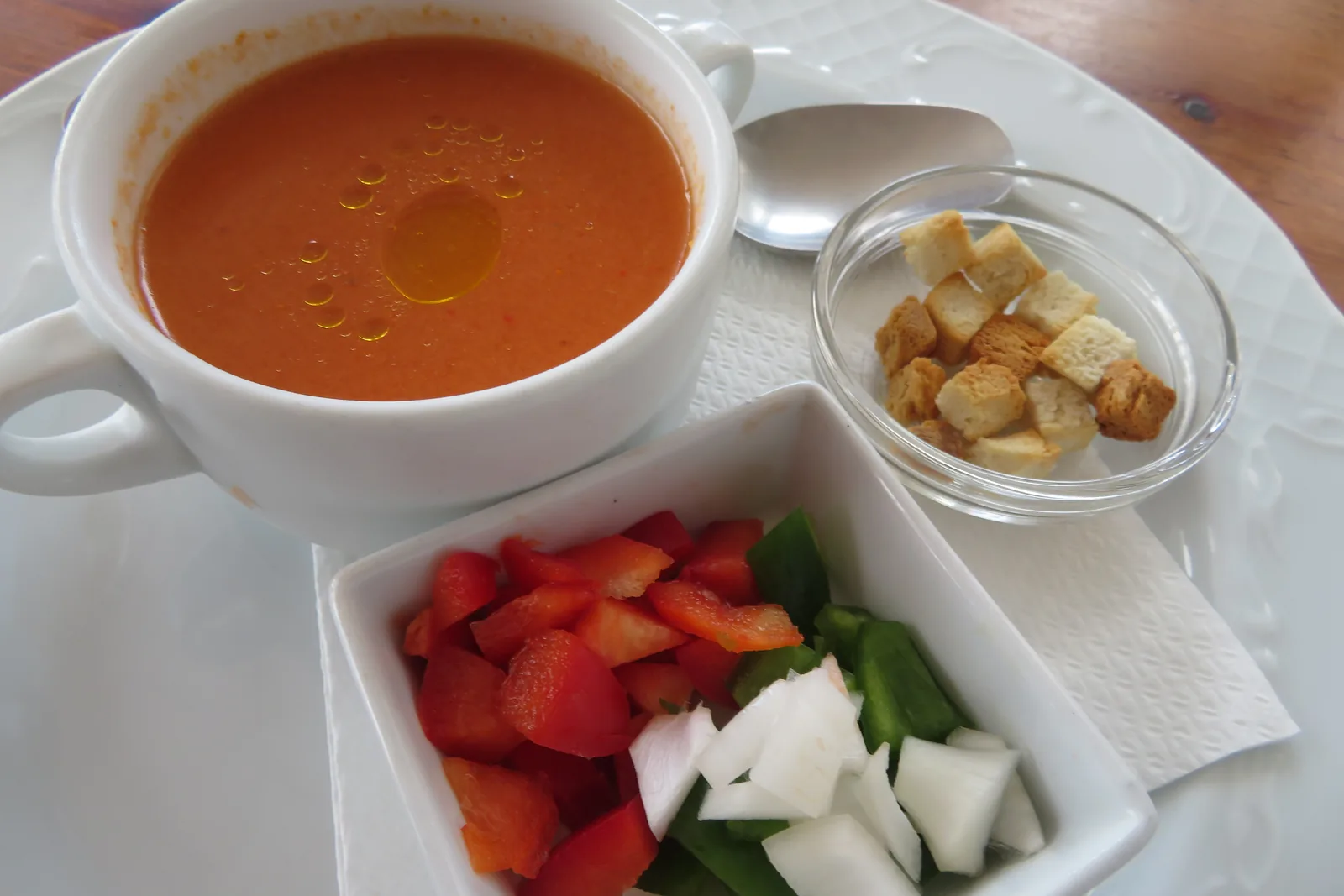
Chilled raw tomato soup blended with cucumber, pepper and olive oil, served cold with diced vegetables and croutons.

Pairs Well With
Croutons, diced vegetables & crusty bread
Soups & Broths • Quick Prep (<30m)

The Dinner Gazette

Never wonder what’s for dinner again

One email a week with easy dinner ideas from around the world — ingredients, steps and nutrition, tested in our kitchen first.

Delivered every Thursday morning. Unsubscribe anytime.