Curated recipes from 193 countries  •  New seasonal Mediterranean issue out now

Overview

Callos a la Madrilena

Madrid Tripe Stew

This callos a la madrilena recipe braises beef tripe with pig's trotter, chorizo, morcilla and chickpeas in a smoky paprika and tomato sauce until meltingly tender. One serving is about 312 g.

Callos a la madrilena is Madrid's classic tavern stew, and its roots run back to the 16th century, when offal was cheap food for working people and taverns turned it into something worth queuing for. Tripe, snout and trotter were braised for hours with chorizo, morcilla and chickpeas until tender, and the dish became a fixture of Madrid's bars and Sunday tables. It is still served in the city's old taverns, usually with bread and a glass of wine, and it is eaten most in the cold months.

Pairs well with: Crusty bread and a glass of red wine

Provenance

Spain flag Spain

Madrid Tavern Classic

Mediterranean & Italy

Time Dedication

3h 40m

30m prep • 190m cook

Batch Yield

6 Servings

542 kcal per serving

1 serving ≈ 312 g

Technical Skill

Advanced

Advanced (Slow Braise)

Meal Timing & Digestive Fit

Breakfast

Not Advised

Lunch

Hearty Midday Main

Dinner

Ideal Hearty Main

Snack & Tea

Inappropriate

Occasions: Winter dinner, tavern meal, Sunday family lunch Cost: Low — about $3 per serving at home
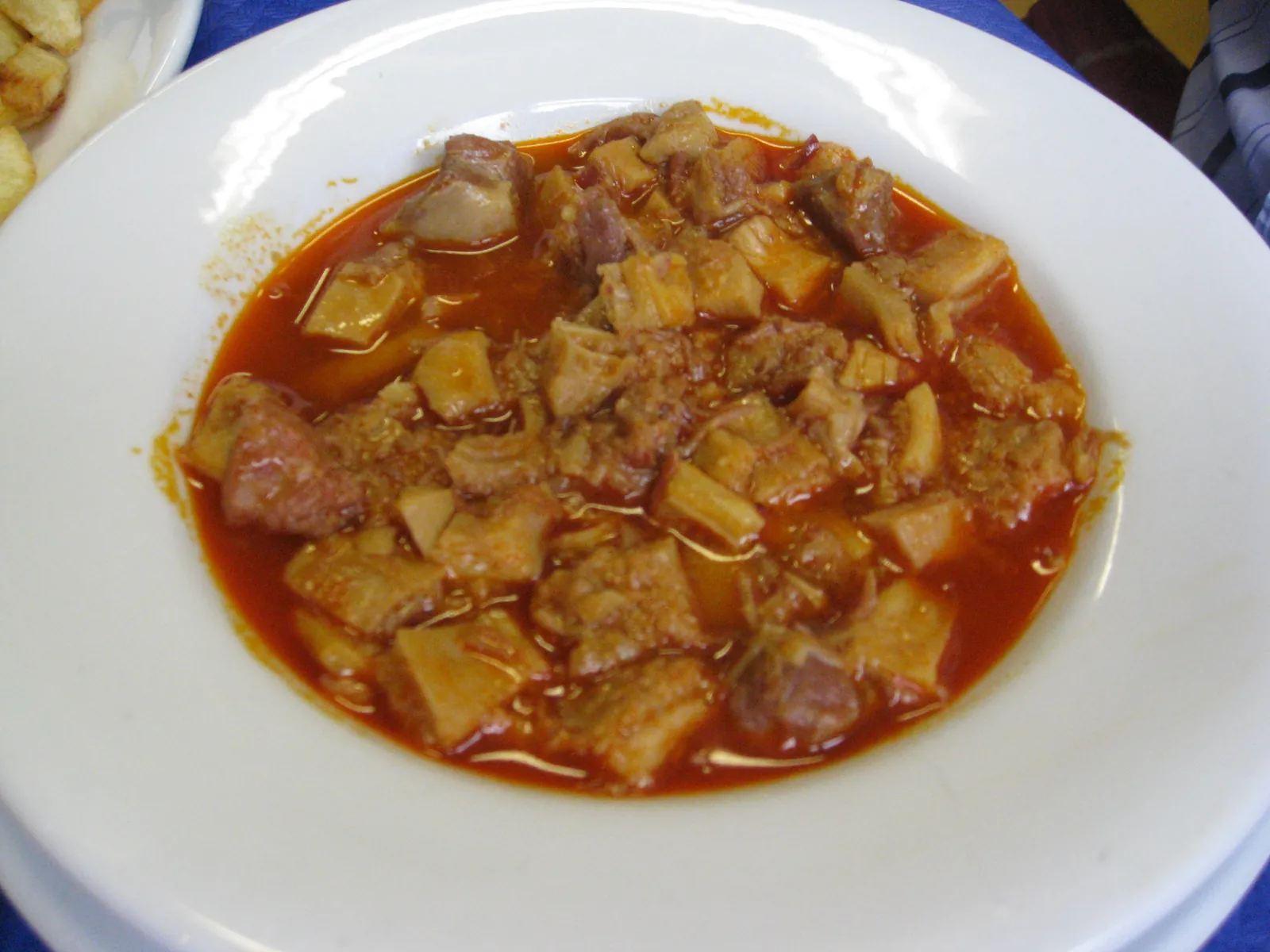
A bowl of callos a la madrilena, a reddish tripe stew with chorizo and chickpeas

Madrid Tavern Classic

Photo: Sitomon, CC BY-SA 2.0, via Wikimedia Commons

The Heritage Formulary

Measured Ingredients

Estimated cost: Low — about $3 per serving at home (USD)

Good callos is meltingly tender, with a thick, glossy paprika sauce that coats the spoon.

Execution Methodology & Culinary Technique

Step-by-Step Cooking Guide

Active 3h 40m
P

Prep Stage: Clean, Cut, Soak

30 Mins • Knife Work

Buy tripe already cleaned from the butcher and rinse it well under cold water. Cut the tripe into 4 cm squares and the trotter into pieces. Dice the onion, slice the chorizo and morcilla, mince the garlic, and measure the paprika, wine and chickpeas.

Maestro Tip: Tripe must be properly cleaned — if it smells sharp or sour, rinse it again in water with a splash of vinegar and rinse clean.

  1. 1

    Blanch the Tripe

    20 Mins Boiling water, 100°C (212°F)

    Put the tripe and trotter in a large pot, cover with cold water, and bring to a boil. Boil for 10 minutes, skimming off any foam, then drain and rinse the pieces well under cold water.

    Blanching removes the strong smell — never skip it, or the stew will taste of it.

    Done when: The water is cloudy with foam, and the tripe smells clean after rinsing.

  2. 2

    Start the Sofrito

    10 Mins Medium heat, ~170°C (340°F)

    Heat the olive oil in a heavy pot over medium heat. Cook the onion for 5 minutes until soft, add the garlic and paprika, and stir for 1 minute. Pour in the wine and let it bubble for 2 minutes.

    Add the paprika off the direct heat for a moment if the pan is very hot — burnt paprika turns bitter.

    Done when: The onion is soft, the paprika smells smoky, and the wine has reduced by half.

  3. 3

    Build the Stew

    10 Mins Medium heat, simmer ~95°C (203°F)

    Add the tripe, trotter, chorizo, morcilla, chickpeas, crushed tomatoes, bay leaf and chilli to the pot. Pour in enough water to just cover everything, season lightly, and bring to a gentle simmer.

    Season lightly at this stage — the chorizo and morcilla add a lot of salt as they cook.

    Done when: Everything is covered in a reddish, paprika-coloured liquid at a gentle simmer.

  4. 4

    Braise Low and Slow

    150 Mins Low heat, gentle simmer ~90°C (194°F)

    Cover the pot with the lid slightly ajar and simmer on the lowest heat for 2–2.5 hours, stirring now and then and adding a splash of water if it gets too thick, until the tripe is meltingly tender and the sauce is thick and glossy.

    The lowest possible simmer is the whole dish — a hard boil toughens tripe instead of tenderising it.

    Done when: The tripe yields easily to a fork and the sauce coats the spoon.

  5. 5

    Rest and Adjust

    15 Mins Off the heat (resting, ~70°C / 158°F)

    Take the pot off the heat, fish out the bay leaf, and rest for 15 minutes. Taste and adjust the salt, then serve in deep bowls with crusty bread.

    Resting lets the sauce thicken and the flavours settle — the stew is always better after a rest.

    Done when: The sauce is thick and glossy, the tripe is tender, and the seasoning is balanced.

Finishing Touches & Plating

Take the pot off the heat and rest it for 15 minutes — the sauce thickens and the flavours settle. Serve in deep bowls with plenty of crusty bread for the sauce.

Nutritional Physiology & Benefits

Nutrition

Energy

542

kcal / serving

Protein

40g

Complete AA

Carbs

19g

Complex

Fats

32g

Healthy

Per serving (6 servings · 1 serving ≈ 312 g)
Energy542 kcal
Protein40 g
Carbohydrates19 g
Fat32 g
Fibre4.7 g
Sugar5.0 g
Sodium878 mg
Per 100g
Energy174 kcal
Protein12.9 g
Carbohydrates6 g
Fat10.3 g
Fibre1.5 g
Sugar1.6 g
Sodium282 mg

Nutrition values are estimated — calculated from USDA FoodData Central values for the listed ingredients.

Vitamins & minerals: Iron and vitamin B12 (tripe, morcilla), zinc (tripe), vitamin C (tomato, peppers).

Very High in Protein

Tripe, trotter, chorizo and morcilla give about 40 g of protein per serving, which makes callos one of the most filling stews you can cook.

Nose-to-Tail Cooking

Callos uses cuts that would otherwise go to waste — tripe and trotter — turning humble offal into a rich, celebrated dish.

Rich in Iron

Tripe and blood sausage are naturally rich in iron and vitamin B12, nutrients that support healthy blood.

Food Pairings

What to Eat With

To optimize nutrient absorption and elevate the sensory depth, pair with these authentic accompaniments:

Sides

Crusty Bread

Bread is not optional — the smoky, paprika-rich sauce is made for mopping up, and a good loaf is the best spoon.

Drinks

A Glass of Red Wine

A robust Spanish red stands up to the stew's richness and spice without being overwhelmed by it.

Vegetables

A Simple Green Salad

A sharp, lemon-dressed salad cuts through the fat and salt of the stew and refreshes the palate between spoonfuls.

Full Menus

As a Winter Feast

Serve callos as the main event of a cold-weather meal, with bread and wine, and keep dessert light — fresh fruit or a simple flan.

Complete menu

Serve callos in deep bowls with crusty bread, a green salad and a glass of red wine, and finish with fresh fruit.

Digestive Guardrails

What NOT to Combine

To prevent digestive distress, sluggishness, or palate clash, avoid pairing the dish with these elements:

Very Salty Side Dishes

Callos is already salty from chorizo, morcilla and seasoning, so avoid salty cured meats or salted snacks on the side. This is general guidance, not medical advice.

Rushing the Braise

Undercooked tripe is tough and rubbery — the stew needs its full slow simmer, and reheating must reach 74°C (165°F) all the way through.

General information only, not medical advice — consult a doctor for personal dietary decisions.

Who Should Eat It

Who Should Eat

  • General adultsA rich, hearty dinner — best as an occasional treat, not an everyday meal.
  • ChildrenNot recommended for young children — the dish is rich, salty and an acquired taste.
  • ElderlySuitable in a small portion if the tripe is cooked very tender; the stew is soft and easy to chew.
  • Pregnant womenEat only a small portion, and only if the tripe is fresh and fully cooked; ask your clinician first.
  • Breastfeeding womenGenerally suitable in a small portion; the iron is helpful, but the dish is high in sodium.
  • AthletesA good post-training meal for protein, but very high in fat — eat it the day after a hard session, not before.
  • Weight gainA good choice — take a generous bowl with plenty of bread.
  • Weight lossA poor choice for everyday eating — rich and high in fat; take a small bowl with a large salad if you do.

Health Conditions — Adjust or Avoid

Conditions

  • DiabetesThe chickpeas and tomato add carbs, but the main concern is the fat — keep the bowl small and ask your clinician about portion size.
  • High blood pressureHigh in sodium from chorizo, morcilla and salt; keep the portion small and skip extra salt. Ask your clinician about a suitable portion.
  • Kidney diseaseLimit the portion (potassium and phosphorus from tripe and chickpeas); ask your clinician about portion size.
  • GoutEat only occasionally and in a small portion — offal and cured meats are high in purines.
  • Stomach issuesA rich, fatty stew can be heavy on a sensitive stomach; eat a small portion and avoid it during a flare-up.
  • Cardiovascular diseaseKeep the portion small — the dish is high in saturated fat and sodium.
  • Fatty liverKeep the portion small and add a large salad instead of extra bread.
  • Food allergiesContains pork and beef. Naturally gluten-free — just check the bread served alongside for wheat.
  • Special therapeutic dietsIf you follow a prescribed low-sodium or low-fat diet, this dish is not a good fit — check with your clinician.

If you have a medical condition, consult your doctor before changing your diet.

Storage & Use

Storage & Use

How to store
Cool quickly and store in an airtight container. The stew tastes even better the next day.
In the fridge
3 days.
In the freezer
Up to 3 months.
How to reheat
Warm gently in a pan over low heat, adding a splash of water if the sauce is too thick; reheat to 74°C (165°F).
Freezing recommended
Yes — the stew freezes very well.
Signs it has spoiled
Sour smell, slimy surface, or mould.

More recipes to explore

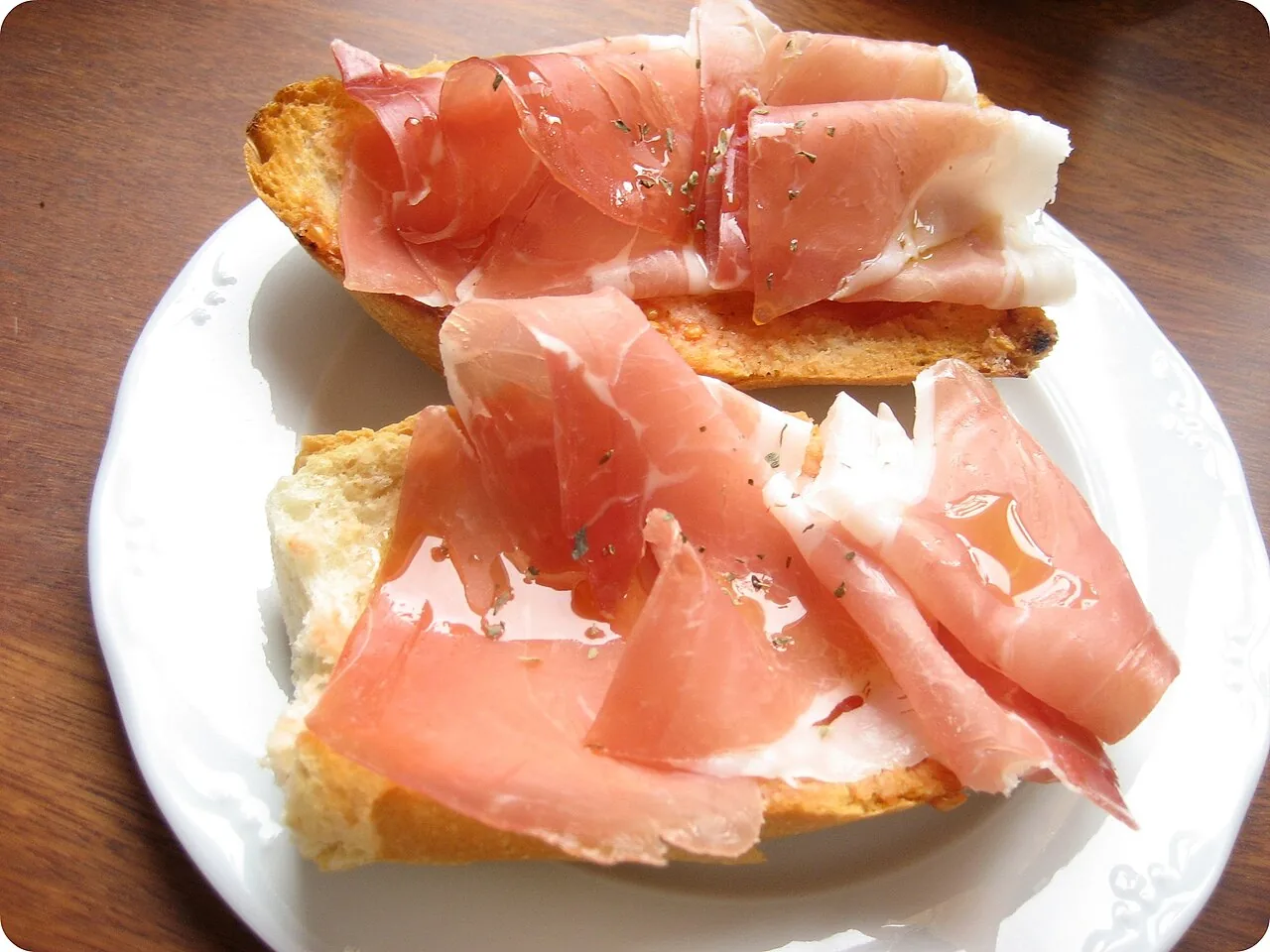
Pan con tomate with jamón ibérico on toasted bread Spain flag Spain 15m
Snack & Tea •Catalan Aperitivo

Pan con Tomate & Jamón Ibérico

Country bread rubbed with ripe Ramallet tomato, drizzled with cold-pressed Arbequina olive oil and topped with jamón ibérico.

Vascular Health

Toasted tomato bread with jamón ibérico, olive oil and olives.

Pairs Well With
Castelvetrano Olives & Sparkling Mineral Water
Quick Prep (<30m)
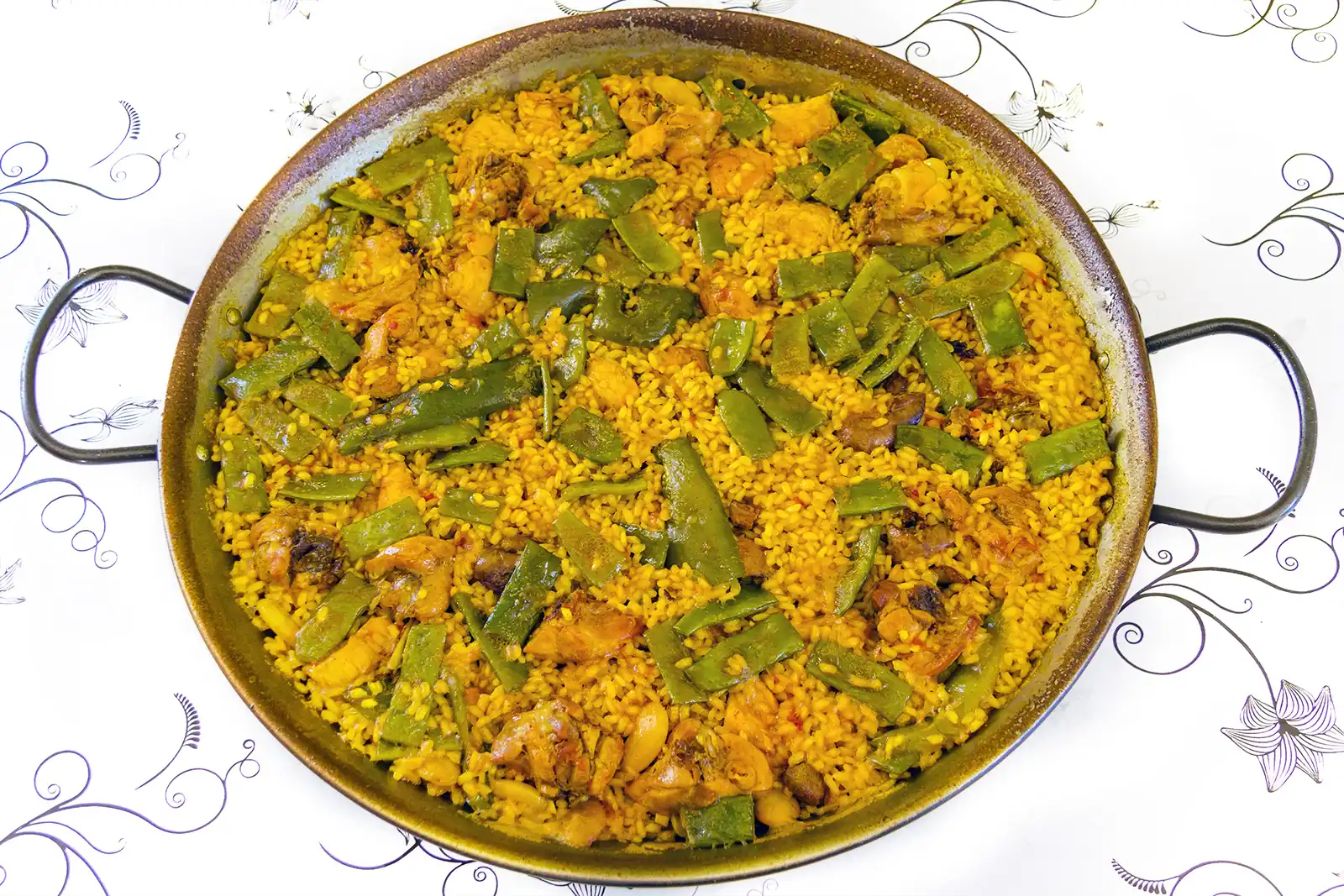
A wide paella pan of paella valenciana with saffron rice, green beans and chicken Spain flag Spain 1h 10m
Dinner •Valencia Rice Fields

Paella Valenciana

This paella valenciana recipe cooks Bomba rice in a wide, shallow pan with chicken, rabbit, green beans and garrofó beans, scented with saffron and rosemary. One serving is about 470 g.

Comfort & Warmth

Saffron rice cooked in a wide pan with chicken, rabbit and green beans.

Pairs Well With
A green salad and a glass of white wine
High Protein
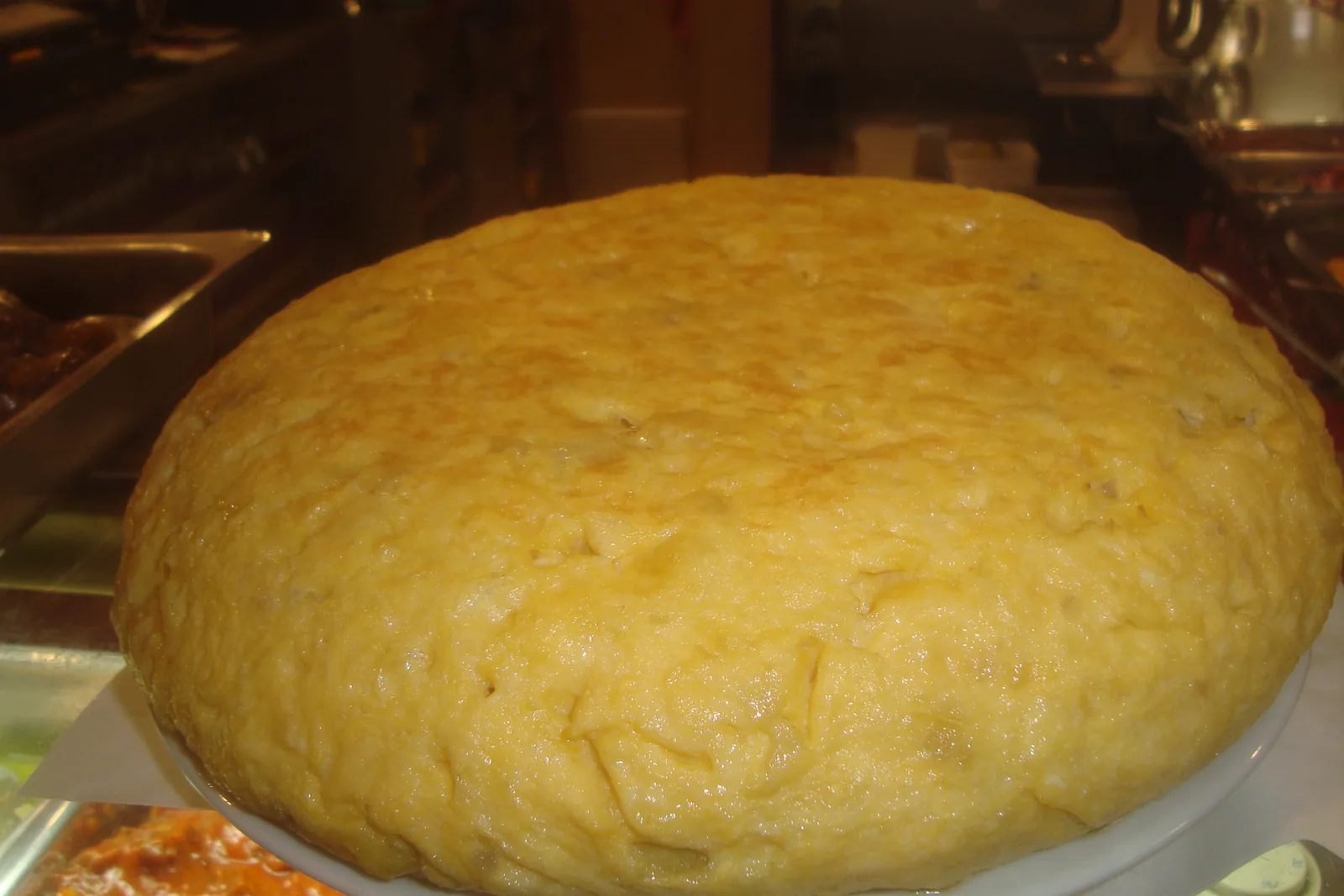
A whole golden tortilla española, a thick Spanish potato omelette, on a plate Spain flag Spain 55m
Snack & Tea •Navarre Bar Classic

Tortilla Española

This spanish tortilla recipe slowly cooks potatoes and onion in olive oil, folds them into beaten eggs, and turns out a thick, golden cake that is soft in the middle. One serving is about 220 g.

Comfort & Warmth

A thick, golden omelette of slow-cooked potatoes, onion and egg.

Pairs Well With
Pan con tomate and a glass of red wine
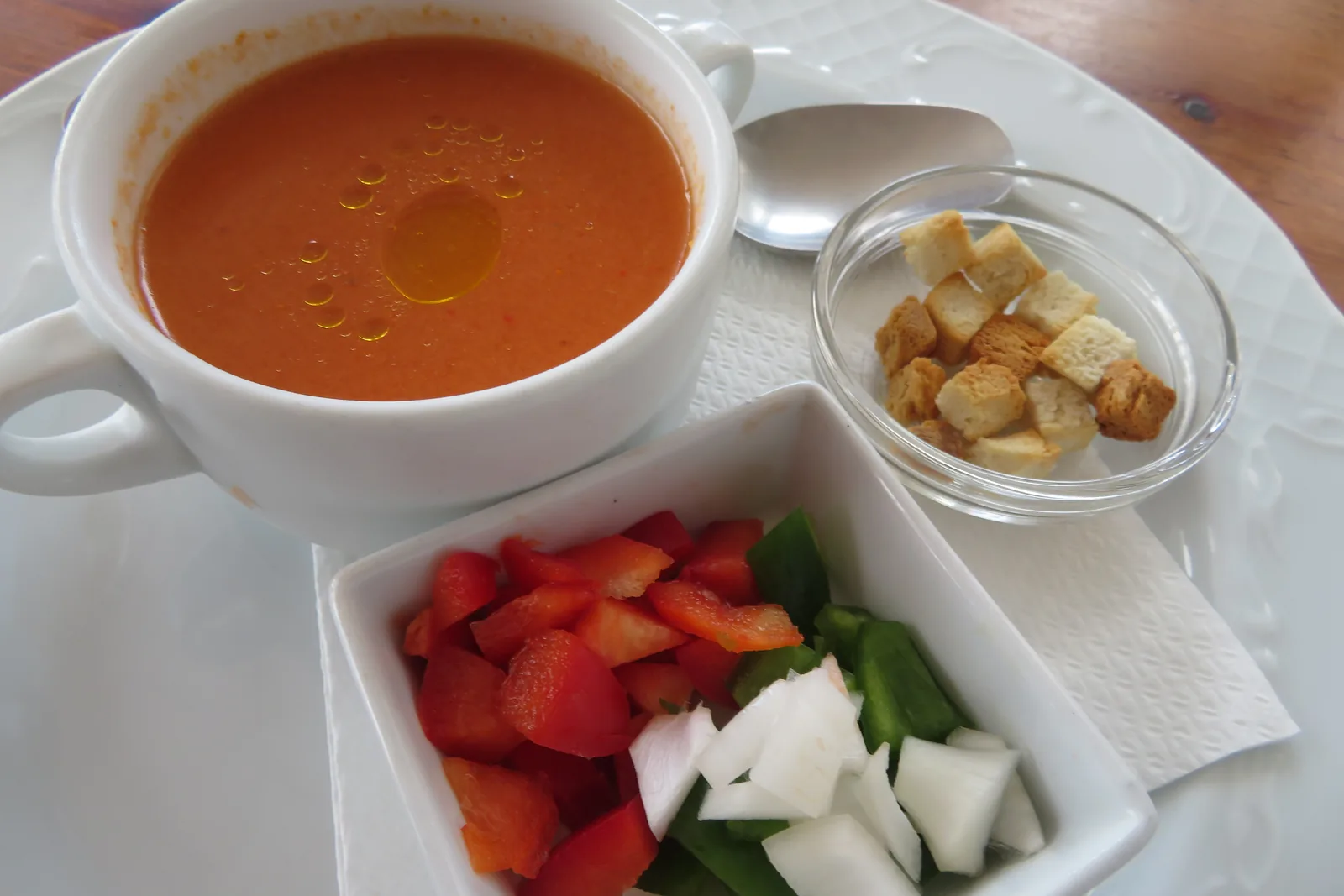
A cup of chilled orange-red gazpacho with olive oil, served with diced peppers and onion and a bowl of croutons Spain flag Spain 20m
Lunch •Andalusian Classic

Gazpacho

This gazpacho recipe is the Andalusian classic: ripe tomatoes, cucumber, green pepper, onion and garlic blended raw with bread, sherry vinegar and olive oil, then chilled until ice cold. One serving is about 395 g. It takes 20 minutes plus chilling, and there is no cooking at all.

Light & Refreshing

Chilled raw tomato soup blended with cucumber, pepper and olive oil, served cold with diced vegetables and croutons.

Pairs Well With
Croutons, diced vegetables & crusty bread
Soups & Broths • Quick Prep (<30m)

The Dinner Gazette

Never wonder what’s for dinner again

One email a week with easy dinner ideas from around the world — ingredients, steps and nutrition, tested in our kitchen first.

Delivered every Thursday morning. Unsubscribe anytime.