
Curated recipes from 193 countries  •  New seasonal Mediterranean issue out now

Overview

Camarones Empanizados Hondureños

Honduran Breaded Shrimp, Camarones Empanizados

This camarones empanizados recipe starts with large shrimp tossed in lime, garlic and paprika, then runs each one through flour, beaten egg and panko breadcrumbs before a quick fry in hot oil. The crumb turns deep golden and shatteringly crisp while the shrimp inside stays sweet and juicy. It is the coastal favourite of Honduras, served with rice, beans and avocado. One serving is about 185 g.

Breaded fried shrimp are a fixture of the Honduran coast, where the Caribbean meets the kitchen: the day's catch, dredged in flour, egg and breadcrumbs and fried fast so the crumb shatters and the shrimp stays sweet. It is the plate every coastal restaurant serves with rice, beans and avocado, and the version Hondurans cook at home for Sunday lunch and family gatherings — simple, quick and always eaten the moment it leaves the pan.

Pairs well with: Red rice, refried beans & avocado

Provenance

Honduras flag Honduras

Honduran Coastal Favourite

Latin America & Caribbean

Time Dedication

40m

25m prep • 15m cook

Batch Yield

4 Servings

368 kcal per serving

1 serving ≈ 185 g

Technical Skill

Easy

Easy (Quick Fry)

Meal Timing & Digestive Fit

Breakfast

Not Advised

Lunch

Hearty Midday Main

Dinner

Ideal Hearty Main

Snack & Tea

Inappropriate

Occasions: Family dinners, Sunday lunch, coastal meals, celebrations, weeknight meals Cost: Medium — about $5–6 per serving at home
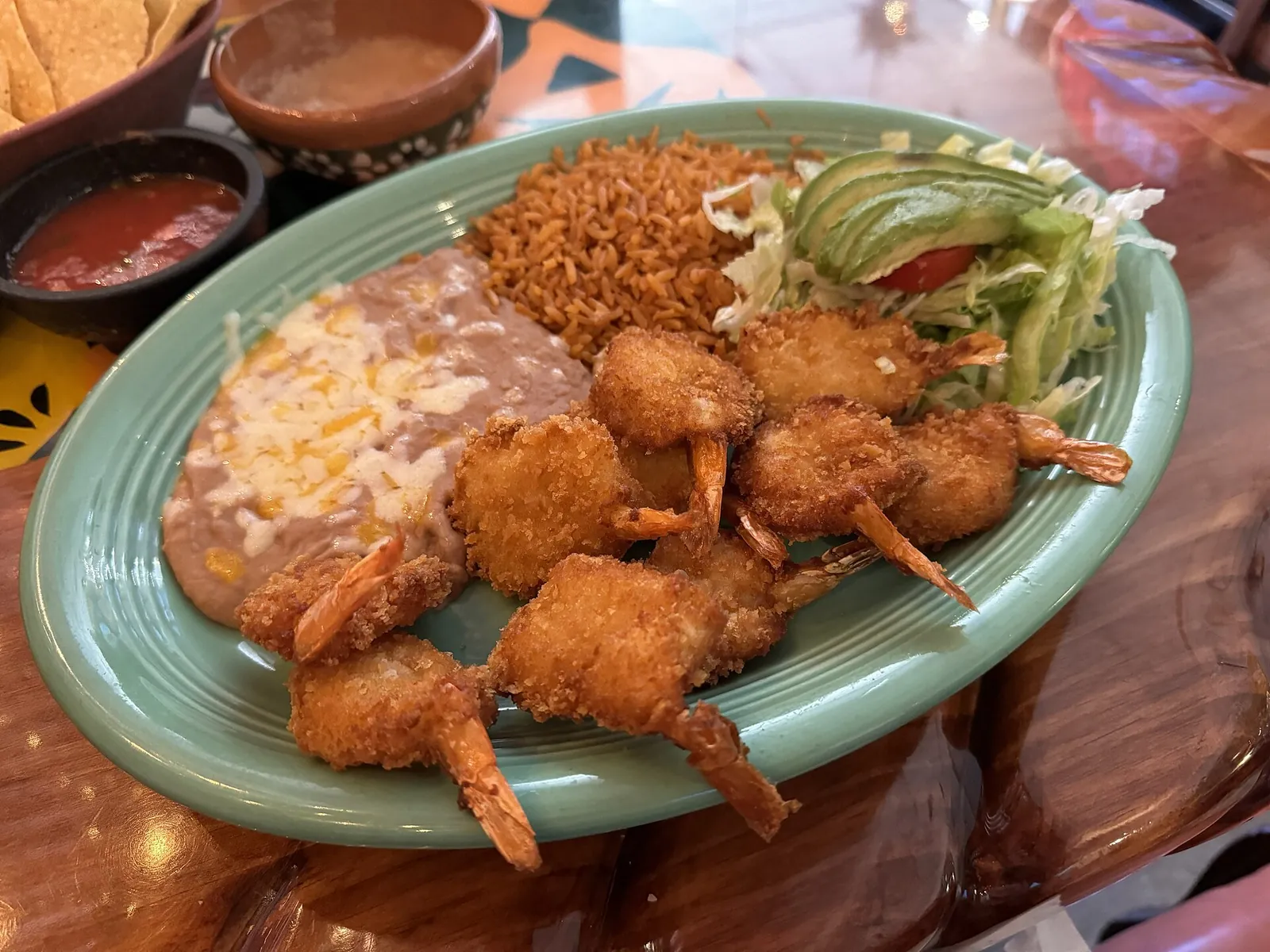
A plate of golden breaded shrimp with refried beans, red rice and avocado salad

Honduran Coastal Favourite

Photo: Missvain (Sarah Stierch), CC BY 4.0, via Wikimedia Commons

The Heritage Formulary

Measured Ingredients

Estimated cost: Medium — about $5–6 per serving at home (USD)

A traditional Honduran coastal plate of breaded fried shrimp, crisp in panko and served with rice, beans and avocado. The hero photo was taken at a Mexican restaurant in Petaluma, California; the dish form is identical to the Honduran plate.

Execution Methodology & Culinary Technique

Step-by-Step Cooking Guide

Active 40m
P

Season the shrimp and set up the breading station

25 minutes

Pat the shrimp very dry, then toss with the lime juice, garlic, paprika, cumin, black pepper and salt and leave for 10 minutes. Set up three shallow dishes in a row: flour in the first, beaten eggs in the second, panko in the third. Line a tray with paper towels for draining.

Maestro Tip: Dry shrimp are the whole secret — wet shrimp make the crumb slide off in the oil. Pat them dry twice if you have to.

  1. 1

    Season the shrimp

    10 minutes Room temperature (20°C / 68°F)

    Toss the patted-dry shrimp with the lime juice, minced garlic, paprika, cumin, black pepper and salt in a bowl. Leave for 10 minutes so the seasoning soaks in, then pat dry once more.

    Ten minutes is enough — longer in the lime juice starts to firm the shrimp the way ceviche does.

    Done when: Shrimp are evenly coated in the spices and smell of garlic and lime.

  2. 2

    Set up the breading station

    5 minutes Room temperature (20°C / 68°F)

    Put the flour in the first shallow dish, the beaten eggs in the second and the panko in the third. Keep one hand for dry ingredients and one for wet — it keeps the crumb from clumping on your fingers.

    Season the panko with a pinch of paprika so the crumb itself carries flavour, not just the shrimp underneath.

    Done when: Three dishes in a row, flour, egg, panko, with a paper-lined tray at the end.

  3. 3

    Bread the shrimp

    10 minutes Room temperature (20°C / 68°F)

    Working one shrimp at a time, dredge it in flour and shake off the excess, dip it fully in the beaten egg, then press it into the panko until completely coated. Lay each breaded shrimp on the tray without crowding.

    Press the panko on firmly with your palm — a loose crumb falls off in the oil and clouds it.

    Done when: Every shrimp is fully coated in an even, dry layer of panko with no bare patches.

  4. 4

    Heat the oil

    5 minutes Medium-high heat, oil at 175°C (350°F)

    Heat the oil in a large skillet over medium-high heat until it reaches 175°C (350°F). A crumb dropped in should sizzle at once and float.

    If you have no thermometer, the crumb test is reliable: no sizzle means the oil is too cool and the shrimp will soak up grease.

    Done when: Oil shimmers and a test crumb sizzles immediately on contact.

  5. 5

    Fry until golden and crisp

    10 minutes Oil at 175°C (350°F)

    Fry the shrimp in batches of 6, without crowding the pan, for about 2–3 minutes per side until deep golden and crisp. Lift out with tongs and drain on paper towels. Let the oil come back to 175°C (350°F) between batches.

    Do not crowd the pan — too many shrimp at once drops the oil temperature and the crumb turns soggy instead of crisp.

    Done when: Crumb is deep golden and crisp, and the shrimp inside is opaque and firm, cooked through to 63°C (145°F).

Finishing Touches & Plating

Serve the shrimp piled hot on a plate with lime wedges for squeezing over, and the rice, beans and avocado alongside. Eat them straight away — the crumb is at its best in the first ten minutes.

Nutritional Physiology & Benefits

Nutrition

Energy

368

kcal / serving

Protein

38g

Complete AA

Carbs

29g

Complex

Fats

12g

Healthy

Per serving (4 servings · 1 serving ≈ 185 g)
Energy368 kcal
Protein38 g
Carbohydrates29 g
Fat12 g
Fibre1.5 g
Sugar1.3 g
Sodium652 mg
Per 100g
Energy199 kcal
Protein20.4 g
Carbohydrates15.5 g
Fat6.4 g
Fibre0.8 g
Sugar0.7 g
Sodium352 mg

Nutrition values are estimated — calculated from USDA FoodData Central values for the listed ingredients.

Vitamins & minerals: The shrimp supply iodine, selenium and vitamin B12, the egg adds vitamin D and choline, and the lime and paprika add vitamin C. All nutrition values are estimated.

Very high in protein, low in calories

With about 38 g of protein per serving and only about 368 calories, the shrimp are one of the leanest ways to get a full, satisfying dinner.

Iodine, selenium and vitamin B12

Shrimp are naturally rich in iodine and selenium and supply vitamin B12, nutrients that support thyroid function and healthy blood.

A lighter fried dish

A thin panko crumb and a quick fry mean the shrimp absorb only about 30 g of oil for the whole batch, so the plate stays lighter than most fried food.

Food Pairings

What to Eat With

To optimize nutrient absorption and elevate the sensory depth, pair with these authentic accompaniments:

Sides

Red rice (arroz rojo)

Tomato rice is the classic plate-mate — its soft, savoury grains balance the crisp shrimp and catch any lime juice that runs off.

Refried beans with cheese

Creamy refried beans add the soft, earthy counterpoint the crunchy shrimp need, and they turn the plate into a complete, filling dinner.

Vegetables

Avocado and lettuce salad

Cool avocado and crisp lettuce cut through the fried crumb and refresh the palate between shrimp.

Sauces

Spicy mayo or tartar sauce

A small bowl of spicy mayo or tartar sauce gives the crisp shrimp a creamy, tangy dip without drowning the crumb.

Complete menu

Serve the shrimp as the main plate with red rice, refried beans and an avocado and lettuce salad on the side, and a spicy mayo for dipping.

Digestive Guardrails

What NOT to Combine

To prevent digestive distress, sluggishness, or palate clash, avoid pairing the dish with these elements:

Leaving fried shrimp sitting around

The panko crumb goes soft within minutes as steam builds up, and cooked shrimp should not sit at room temperature for more than 2 hours for food safety. Serve the shrimp straight from the pan. This is general information, not medical advice.

Heavy, greasy sides on top

The shrimp are already fried, so piling on more fried food makes the meal very heavy and hard to digest. Rice, beans and a fresh salad balance the plate better. This is general information, not medical advice.

General information only, not medical advice — consult a doctor for personal dietary decisions.

Who Should Eat It

Who Should Eat

  • General adultsA lean, satisfying dinner. Enjoy a normal portion and balance the rest of the day with lighter foods, since the plate comes with rice and beans.
  • ChildrenSuitable from about age 2 in small portions with the tails removed and the shrimp cut up. Skip any spicy sauce for young children.
  • ElderlyGood for appetite and protein, and the shrimp are soft and easy to chew once the tails are off. Keep portions moderate because the dish is fried and salty.
  • Pregnant womenSafe when the shrimp are fully cooked through — opaque and firm, to 63°C (145°F) — and served piping hot. Ask your clinician if you have any concerns about shellfish in pregnancy.
  • Breastfeeding womenA nourishing, high-protein meal that fits well during breastfeeding. Drink water alongside it and keep portions moderate because of the salt.
  • AthletesGood after a hard session: about 38 g of protein per serving helps recovery, and the rice and beans on the side add the carbohydrates to match.
  • Weight gainA good choice — high in protein and easy to eat in a large portion. Add a bigger serving of rice and beans to raise the calories further.
  • Weight lossThe shrimp themselves are lean, but the crumb, rice and beans add up to about 29 g of carbohydrates per serving, so take a moderate portion and fill the rest of the plate with salad.

Health Conditions — Adjust or Avoid

Conditions

  • DiabetesThe crumb, rice and beans add about 29 g of carbohydrates per serving from the shrimp alone, so portion size matters and blood sugar should be monitored. A moderate portion with more salad helps; ask your clinician or dietitian for a portion that fits your plan.
  • High blood pressureThis is a salty dish — the breadcrumbs and added salt add up. Go easy on the salt and keep portions moderate. Ask your clinician about your sodium limit.
  • Kidney diseaseThe dish is high in protein and salt, so people with kidney disease should keep portions small and check with their clinician before eating it regularly.
  • GoutShrimp are low in purines compared with red meat, but the fried, salty plate is best eaten in a moderate portion. Ask your clinician if you have gout concerns.
  • Stomach issuesThe fried crumb can be heavy on a sensitive stomach. Eat a small portion, skip the spicy sauce, and make sure the shrimp are freshly fried and hot.
  • Cardiovascular diseaseThe dish is fried, so a moderate portion with plenty of salad and avocado is the better choice. Ask your clinician about your fat and salt limits.
  • Fatty liverThe shrimp are lean and the plate is low in fat for a fried dish, but the salt and the starchy sides are the watch points. Keep the portion modest and ask your clinician for guidance.
  • Food allergiesContains shellfish (shrimp), egg and wheat (flour and breadcrumbs). This dish is not suitable for anyone with a shellfish, egg or gluten allergy.
  • Special therapeutic dietsThis is a regular family dish, not a therapeutic diet. Anyone on a prescribed low-sodium, low-protein or diabetic diet should ask their clinician or dietitian before making it a regular meal.

If you have a medical condition, consult your doctor before changing your diet.

Storage & Use

Storage & Use

How to store
Cool quickly and store in an airtight container.
In the fridge
1–2 days in the refrigerator; the crumb will soften.
In the freezer
Not recommended — the crumb turns soggy and the shrimp go rubbery.
How to reheat
Reheat in a hot oven or air fryer at 200°C (400°F) for 3–4 minutes until crisp and steaming hot throughout, to 74°C (165°F). Do not microwave — it makes the crumb soggy.
Freezing recommended
No — best eaten fresh from the pan.
Signs it has spoiled
Sour or fishy smell, slimy texture, or a grey colour on the shrimp.

More recipes to explore

An open baleada on a white plate: a flour tortilla topped with refried beans, scrambled egg and melted cheese Honduras flag Honduras 45m
Breakfast •La Ceiba Heritage

Baleadas

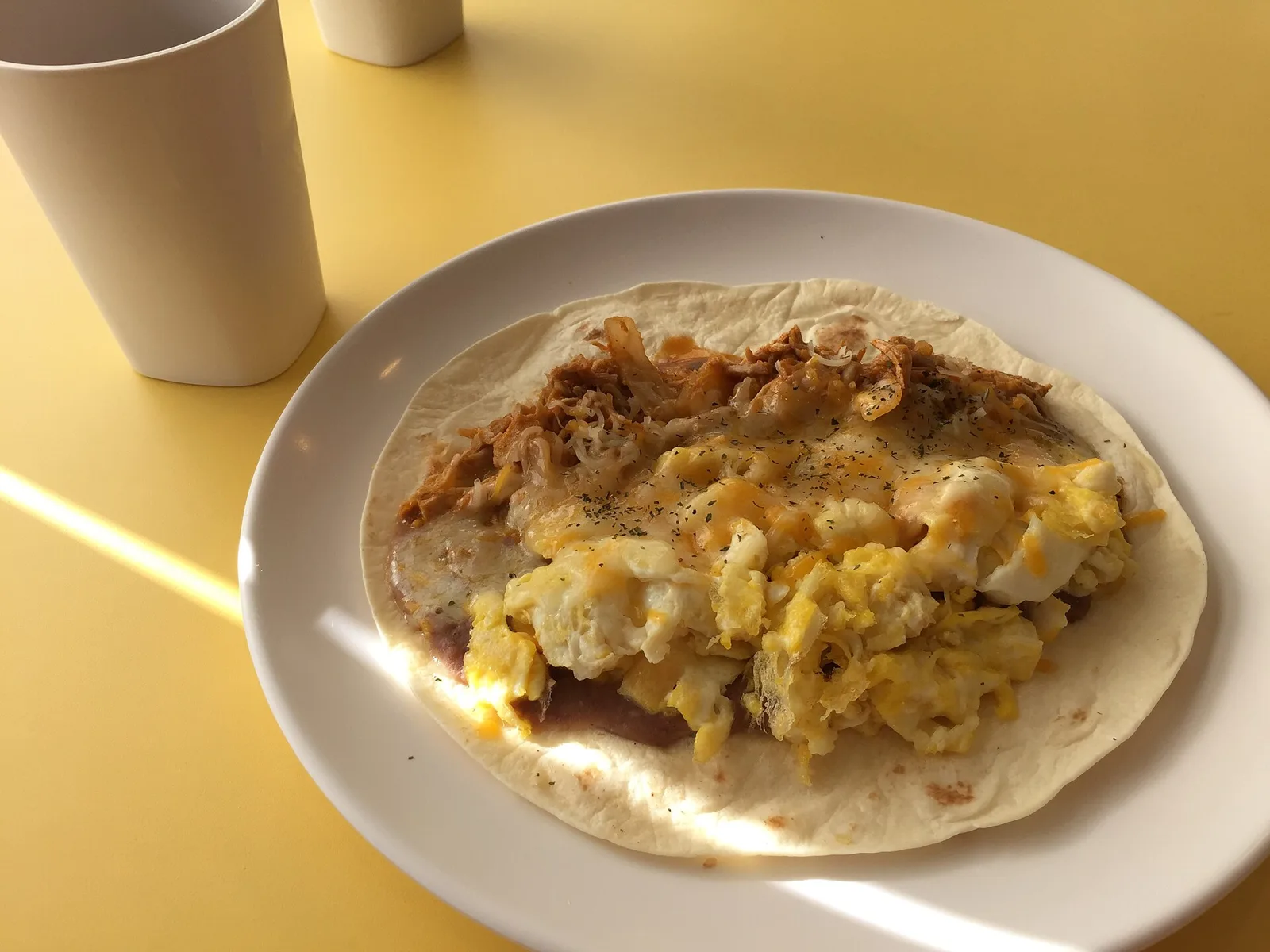
This baleadas recipe makes Honduras's favourite breakfast the way it is sold from street stalls and home kitchens along the north coast: thick, soft flour tortillas, cooked on a dry griddle until golden and speckled, then spread with warm mashed red beans, piled with soft scrambled egg and crumbled salty cheese, and finished with a spoonful of crema. Each baleada is folded in half and eaten hot, by hand, while the cheese is still melting into the beans. One serving is one baleada, about 335 g.

Hearty & Filling

Honduras's best-known breakfast: a thick, soft flour tortilla folded around mashed red beans, scrambled egg and crumbled salty cheese.

Pairs Well With
Sliced avocado and a hot sauce on the side, with a cup of sweet Honduran coffee or a glass of fresh orange juice.
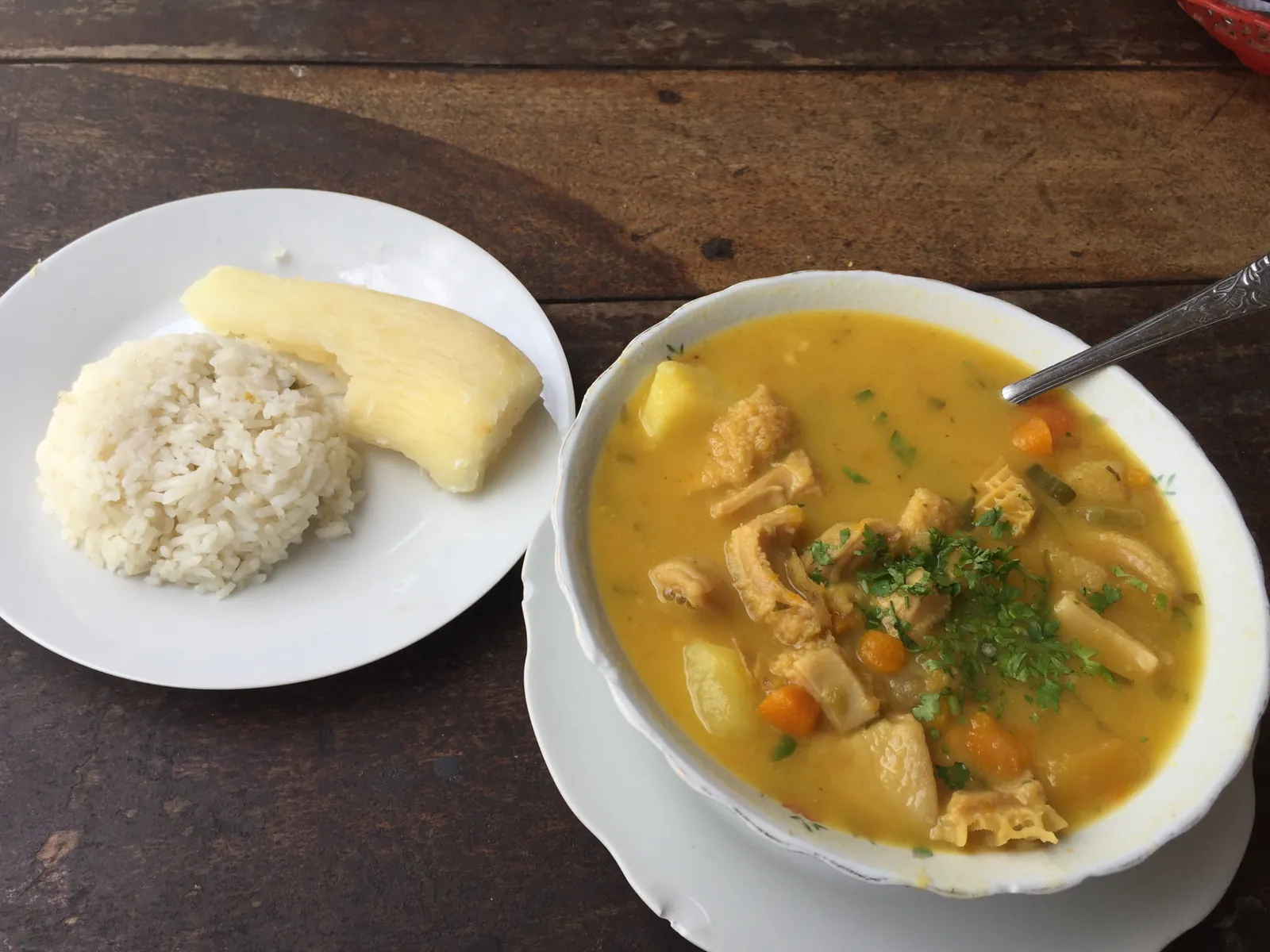
A bowl of sopa de mondongo with strips of tripe, carrots and potatoes, garnished with cilantro, served with white rice and boiled yuca on the side Honduras flag Honduras 3h 45m
Lunch •Honduran Heritage

Honduran Sopa de Mondongo

This honduran sopa de mondongo recipe is Honduras's slow-cooked tripe soup: beef tripe simmered for hours until tender, then loaded with yuca, green plantain, corn, carrots and potatoes in a tomato, cumin and cilantro broth. It is a weekend lunch in Honduran homes, served steaming hot with lime wedges, white rice and warm tortillas for squeezing and scooping. One serving is about 600 g, soup and vegetables together.

Comfort & Warmth

Slow-simmered beef tripe with yuca, plantain and corn in a tomato, cumin and cilantro broth.

Pairs Well With
White rice and warm corn tortillas, with lime wedges and chopped cilantro on the side.
Soups & Broths
Pollo chuco on a plate: crispy fried chicken over fried plantain tajadas with shredded cabbage, carrot, pickled onion and sauces Honduras flag Honduras 1h 5m
Dinner •San Pedro Sula Heritage

Pollo Chuco

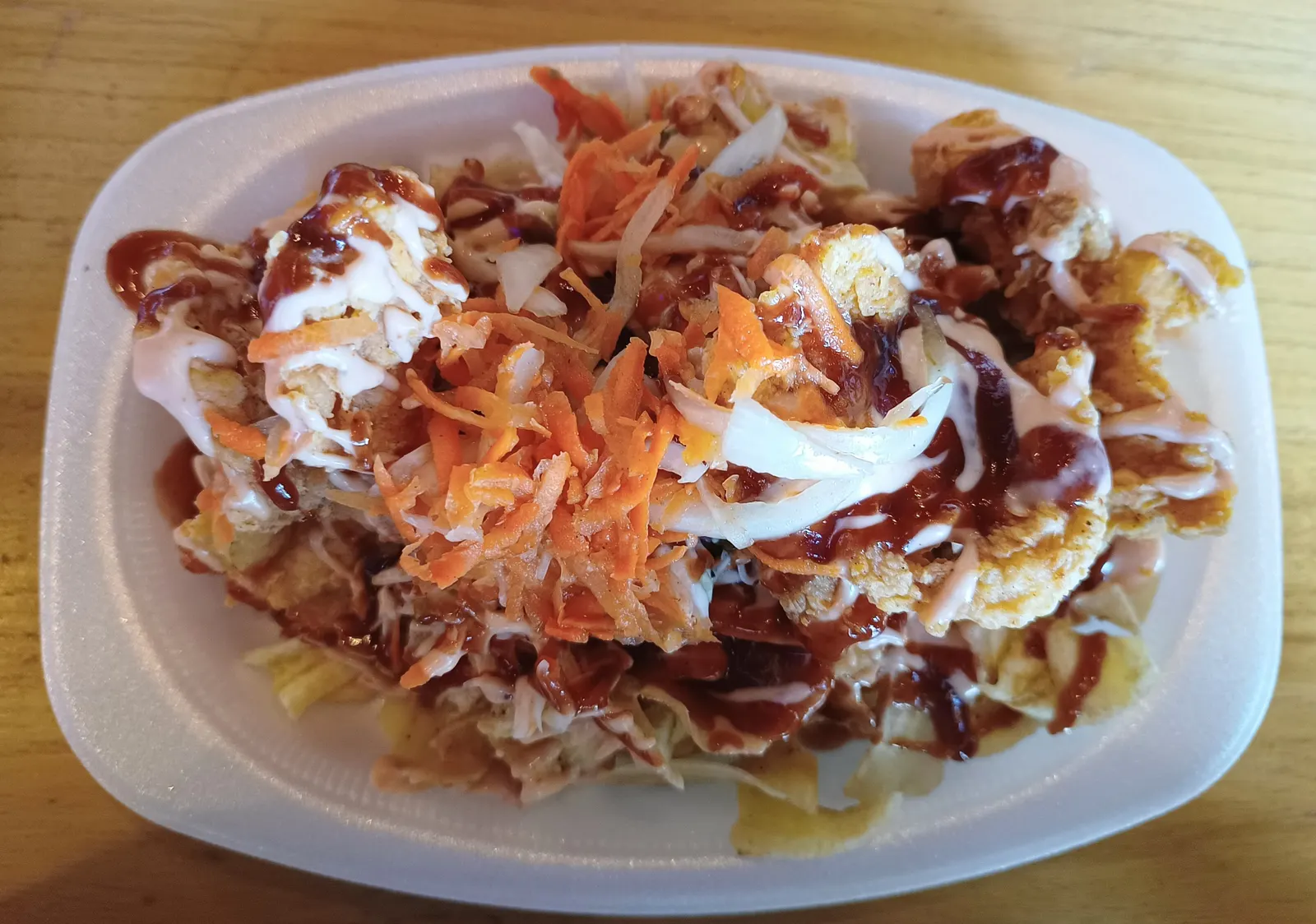
Pollo chuco is the beloved street-food plate of San Pedro Sula, Honduras: flour-dredged chicken fried until crisp and golden, piled over crunchy fried green-plantain slices called tajadas, then finished with lime-dressed cabbage, pickled red onion, fresh chimol salsa and a drizzle of tomato and pink sauces. Every bite mixes crunch, tang, heat and creaminess. One serving is about 480 g.

Hearty Street-Food Comfort

A filling plate of fried chicken, crisp plantains and fresh toppings that works as a satisfying dinner.

Pairs Well With
Serve with an ice-cold agua fresca or a light lager, and lime wedges on the side.
Two crisp tostadas topped with refried black beans, shredded lettuce and crumbled cheese, with three small bowls of salsa behind them Honduras flag Honduras 25m
Snack & Tea •Honduran Market Snack

Tostadas Hondureñas

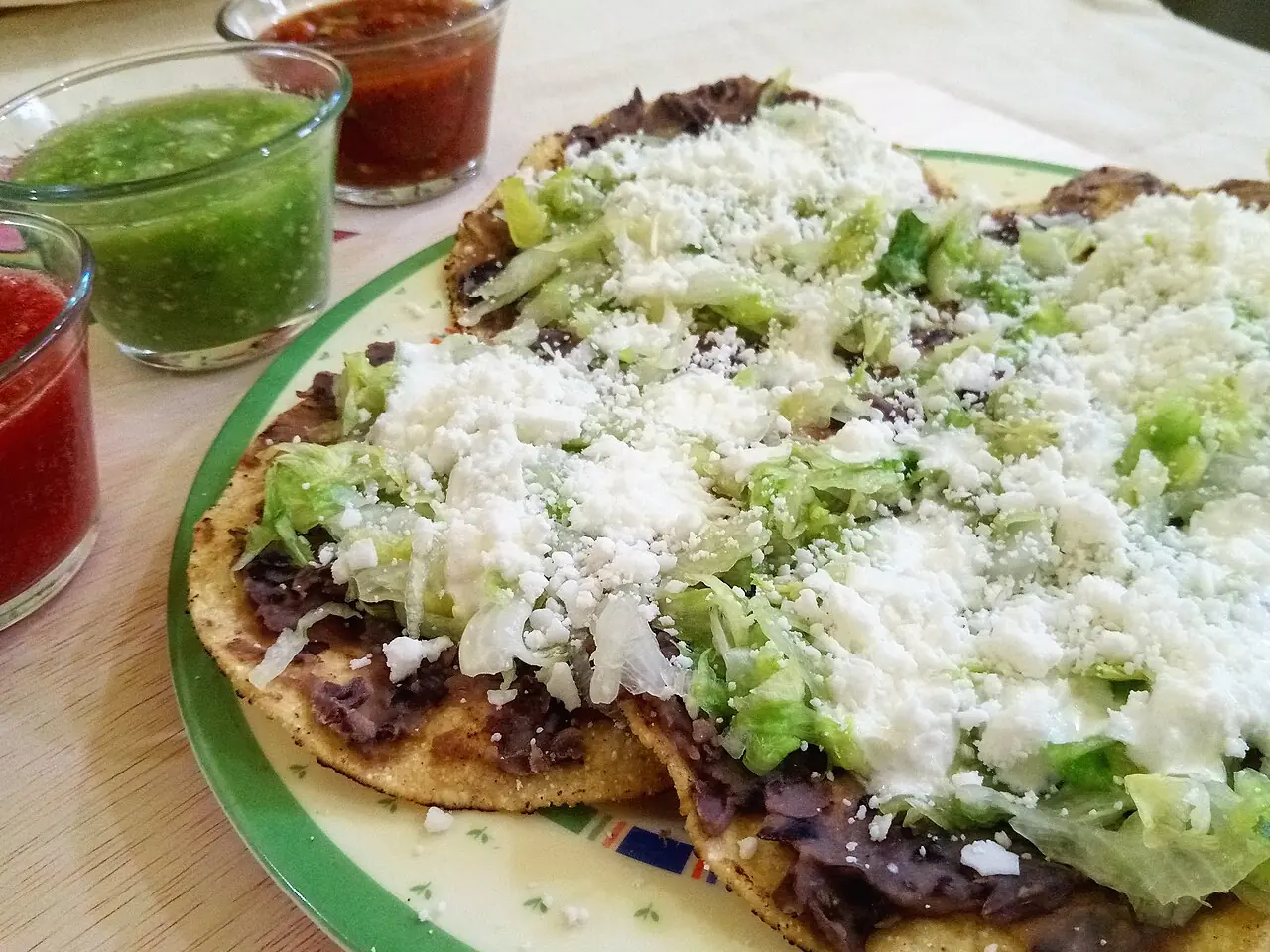
This tostadas hondurenas recipe fries corn tortillas until they shatter-crisp, then tops each one with warm refried beans, a drizzle of cream, shredded lettuce and crumbled queso fresco. One serving is about 143 g (1 tostada). It is the snack Honduran market stalls and home cooks reach for when something fast, crunchy and satisfying is needed — no meat, no egg, just beans, cheese and crunch.

Quick & Crunchy

A crisp fried corn tortilla piled with warm refried beans, cool cream, shredded lettuce and crumbled cheese — Honduras's favourite crunchy snack.

Pairs Well With
Salsa verde, pickled onions and a cold horchata
Quick Prep (<30m)

The Dinner Gazette

Never wonder what’s for dinner again

One email a week with easy dinner ideas from around the world — ingredients, steps and nutrition, tested in our kitchen first.

Delivered every Thursday morning. Unsubscribe anytime.