Curated recipes from 193 countries  •  New seasonal Mediterranean issue out now

Overview

Central African Fufu

Foufou, Foofoo, Gozo Fufu

This central african fufu recipe boils fresh cassava until tender, then pounds it into a smooth, stretchy dough that is shaped into soft balls. It is the scoop — and the centrepiece — of a Central African lunch. One serving is about 350 g.

Fufu is the daily bread of Central Africa, made from cassava — called manioc — which arrived from South America and became the region's most important food. In the Central African Republic the cassava is soaked, dried and pounded into a flour called gozo, then stirred with hot water into a smooth ball. This version uses fresh cassava, the shortcut many home cooks use today, and the result is the same soft, stretchy dough.

Pairs well with: Okra soup, groundnut stew or any rich Central African soup

Provenance

Central African Republic flag Central African Republic

Ubangi River Staple

African Heritage

Time Dedication

1h 5m

20m prep • 45m cook

Batch Yield

4 Servings

480 kcal per serving

1 serving ≈ 350 g

Technical Skill

Intermediate

Intermediate (Pounding)

Meal Timing & Digestive Fit

Breakfast

Not Advised

Lunch

Prime Metabolic Fit

Dinner

Ideal Hearty Main

Snack & Tea

Inappropriate

Occasions: Everyday family lunch, a shared meal with soup, a gluten-free staple Cost: Low — about $1–2 per serving at home
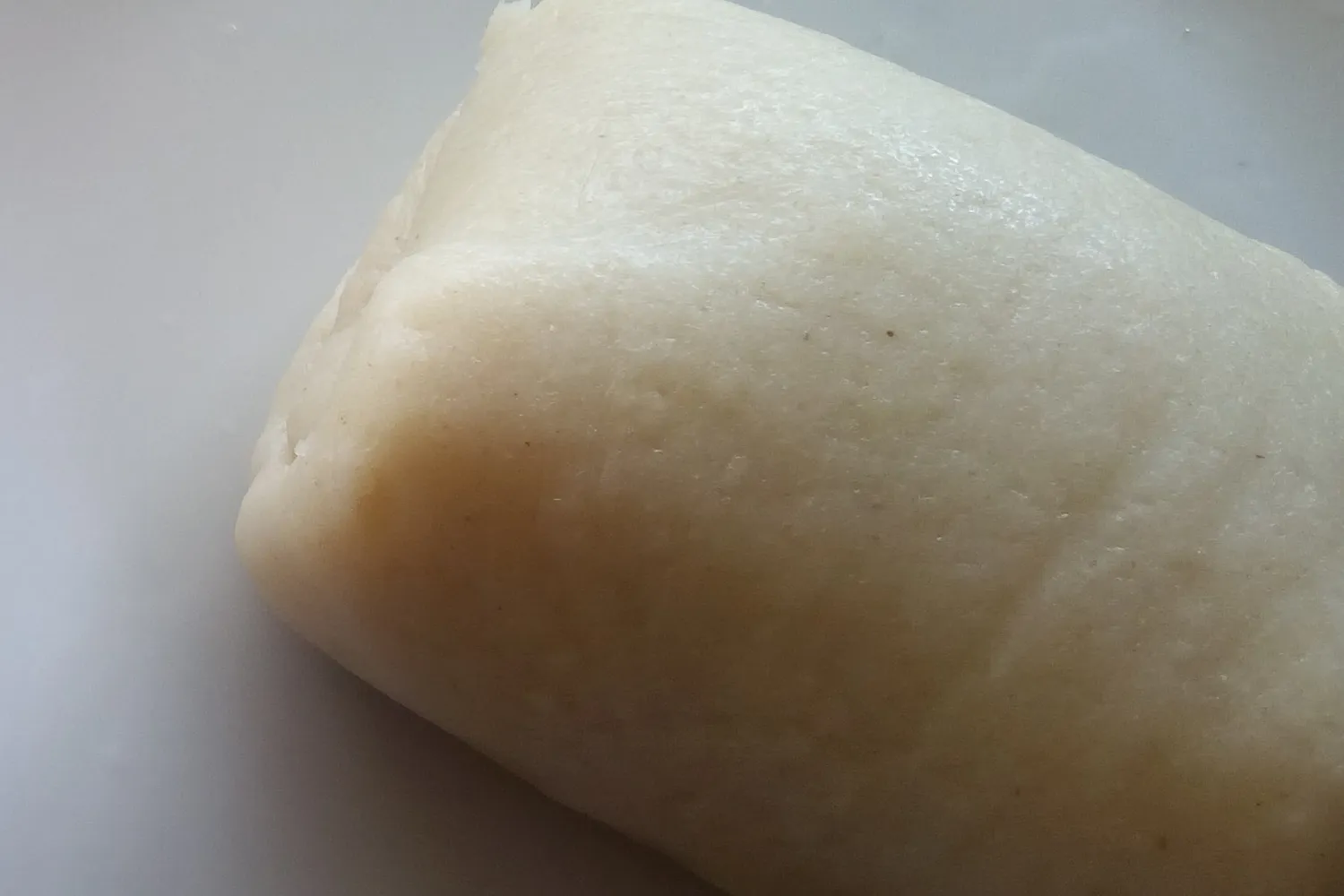
A smooth, pale ball of freshly pounded cassava fufu on a white plate

Ubangi River Staple

Photo: HarunaSylvester, CC BY-SA 4.0, via Wikimedia Commons

The Heritage Formulary

Measured Ingredients

Estimated cost: Low — about $1–2 per serving at home (USD)

Good fufu is smooth, glossy and stretchy, with no lumps — it should pull apart cleanly, not crumble.

Execution Methodology & Culinary Technique

Step-by-Step Cooking Guide

Active 1h 5m
P

Prep Stage: Peel the Cassava Properly

20 Mins • Knife Work

Cut each cassava root into short lengths, stand them on end and slice the thick brown skin away with a sharp knife, taking the pinkish layer under it too — no trace of skin should remain. Cut the white flesh into chunks and set them in cold water while you work.

Maestro Tip: A vegetable peeler struggles with cassava skin; a sharp knife and a steady board are faster and safer.

  1. 1

    Peel and Cut the Cassava

    20 Mins No heat — knife work at room temperature

    Cut the cassava into short lengths, stand each piece on end and slice the thick skin away with a sharp knife, taking the pink layer beneath it too. Cut the white flesh into even chunks and keep them in cold water so they do not discolour.

    Check each piece as you cut — any black streaks or grey patches mean that piece should be thrown away.

    Done when: All the flesh is clean white, with no trace of skin or dark spots.

  2. 2

    Boil Until Tender

    30 Mins Rolling boil, 100°C (212°F)

    Put the cassava in a large pot, cover with the 1.5 litres of cold water, add the salt if using, and bring to a rolling boil. Cook for 25–30 minutes until a knife slides through the thickest piece with no resistance. Drain at once and throw the boiling water away.

    Do not undercook it — cassava must be cooked right through, and the water it boiled in is discarded, never reused.

    Done when: A knife passes through the centre of the largest chunk without any firmness.

  3. 3

    Remove the Core and Pound

    10 Mins Hot, off the heat — work fast while it steams

    While the cassava is still hot, pull out the tough woody core from the centre of each piece. Put the hot flesh in a large mortar and pound with a pestle, or mash hard in a sturdy bowl with a potato masher, turning the mass over as you work until it is smooth and lump-free.

    Hot cassava pounds easily; cold cassava fights back. Work while it steams.

    Done when: The mass is smooth, pale and sticky, with no visible lumps of cassava left.

  4. 4

    Turn It Into Dough

    5 Mins Low heat, ~90°C (194°F)

    Put the pounded cassava in a pot over low heat. With a strong wooden spoon, fold and turn it, adding a splash of the hot reserved water whenever it stiffens, for about 5 minutes. The dough will turn glossy, stretchy and smooth.

    Add water a spoonful at a time — too much at once makes the dough slack and wet.

    Done when: The dough pulls away from the pot in one glossy mass and stretches when pulled.

  5. 5

    Shape and Serve

    5 Mins Serve warm, ~60°C (140°F)

    Wet your hands, divide the dough into four equal pieces and roll each one in your palms into a smooth ball, turning it until the surface is glossy and free of cracks. Serve at once, with soup on the side.

    Wet hands are the trick — dry hands stick to the dough and tear its smooth surface.

    Done when: Four smooth, glossy balls that hold their shape on the plate.

Finishing Touches & Plating

Shape the hot dough into four smooth balls with wet hands, turning each one in your palms until the surface is glossy and free of cracks. Serve at once, while it is still warm and stretchy, beside a bowl of soup — fufu waits for no one.
Nutritional Physiology & Benefits

Nutrition

Energy

480

kcal / serving

Protein

4g

Complete AA

Carbs

114g

Complex

Fats

1g

Healthy

Per serving (4 servings · 1 serving ≈ 350 g)
Energy480 kcal
Protein4 g
Carbohydrates114 g
Fat1 g
Fibre5.4 g
Sugar5.1 g
Sodium236 mg
Per 100g
Energy137 kcal
Protein1.2 g
Carbohydrates32.7 g
Fat0.3 g
Fibre1.5 g
Sugar1.5 g
Sodium67 mg

Nutrition values are estimated — calculated from USDA FoodData Central values for the listed ingredients.

Vitamins & minerals: Vitamin C (cassava), potassium (cassava), small amounts of folate and magnesium.

Gentle on the Stomach

Plain boiled cassava, pounded smooth, is soft, bland and easy to digest — the kind of food that suits a tired stomach.

Slow, Steady Energy

Cassava is almost pure slow starch, so one serving of fufu keeps you going through a long afternoon of work.

Nothing Added, Nothing Hidden

Two ingredients — cassava and water, with a pinch of salt if you like — and no gluten, dairy or fat at all.

Food Pairings

What to Eat With

To optimize nutrient absorption and elevate the sensory depth, pair with these authentic accompaniments:

Soups

Okra Soup

Fufu exists to be dipped: tear off a piece, press it into okra soup and let the slippery, savoury soup cling to the soft dough.

Groundnut Stew

The rich, nutty stew balances fufu's plainness — the dough carries the sauce, and the sauce gives the dough its flavour.

Drinks

Water or Palm Wine

A simple meal calls for a simple drink; cold water cleanses the palate between mouthfuls of soup and dough.

Full Menus

As a Shared Midday Meal

Put the fufu on one platter and the soup in a communal bowl in the middle, and let everyone tear, dip and eat together.

Complete menu

Serve central african fufu warm with a bowl of okra soup or groundnut stew in the middle of the table, with cold water to drink.

Digestive Guardrails

What NOT to Combine

To prevent digestive distress, sluggishness, or palate clash, avoid pairing the dish with these elements:

Raw or Undercooked Cassava

Raw cassava contains natural compounds that must be removed by thorough cooking — never taste the dough before it is fully boiled and pounded, and always discard the boiling water. This is general guidance, not medical advice.

A Knife and Fork

Fufu is eaten with the fingers, torn into small pieces and used to scoop soup. Cutlery misses the point — and the texture.

General information only, not medical advice — consult a doctor for personal dietary decisions.

Who Should Eat It

Who Should Eat

  • General adultsA filling, gluten-free lunch — pair it with a protein-rich soup to make the meal complete.
  • ChildrenSuitable from age 2+; the dough is soft and easy to swallow. Serve with a mild soup and cut the fufu into small pieces.
  • ElderlyVery suitable — soft, warm and easy to chew, with no hard bits.
  • Pregnant womenGenerally suitable in a normal portion; cassava is a starchy food, so keep the ball modest if you watch blood sugar.
  • Breastfeeding womenGenerally suitable; the slow starch supports steady energy through the day.
  • AthletesA useful carb base after training — eat it with a protein-rich soup to cover both energy and recovery.
  • Weight gainA good choice — take a second ball and a generous helping of soup.
  • Weight lossFilling for its calories, but the portion is easy to overdo — one ball with plenty of soup and vegetables is enough.

Health Conditions — Adjust or Avoid

Conditions

  • DiabetesFufu is almost entirely starch — keep the ball to about a fist-sized portion and ask your clinician about portion size.
  • High blood pressurePlain fufu is very low in sodium; the salt in the soup matters far more. Ask your clinician about a suitable portion.
  • Kidney diseaseCassava is high in potassium; keep the portion modest and ask your clinician about portion size.
  • GoutPlain fufu is low in purines, but the soup you serve it with may not be — check the soup.
  • Stomach issuesUsually gentle and easy to digest; avoid very spicy or fatty soups if your stomach is sensitive.
  • Cardiovascular diseaseA reasonable choice — no fat and no cholesterol in the fufu itself; keep the soup light.
  • Fatty liverKeep the portion modest and pair it with vegetables and lean soup rather than a second ball.
  • Food allergiesContains no gluten, dairy, egg, nuts or fish. Cassava allergy is rare but possible — stop eating it if you react.
  • Special therapeutic dietsIf you follow a prescribed low-potassium or low-carb diet, use a smaller portion and check with your clinician.

If you have a medical condition, consult your doctor before changing your diet.

Storage & Use

Storage & Use

How to store
Cool, wrap each ball tightly in cling film or a damp cloth, and store in an airtight container.
In the fridge
2 days.
In the freezer
Up to 1 month (texture softens).
How to reheat
Sprinkle with water and steam or microwave until hot right through; reheat to 74°C (165°F). Knead briefly to restore the stretch.
Freezing recommended
Only if needed — fresh fufu is much better than reheated fufu.
Signs it has spoiled
Sour smell, slimy surface, or a hard, dry crust that will not soften.

More recipes to explore

Beef meatballs simmered in a thick red tomato sauce in a pan Central African Republic flag Central African Republic 1h 40m
Dinner •Bangui Family Table

Kanda

This kanda central african republic recipe rolls ground beef and toasted pumpkin seeds into generous meatballs, then simmers them in a tomato and chilli sauce until the sauce turns thick and rich. One serving is about 350 g.

Comfort & Warmth

Beef and pumpkin seed meatballs simmered slowly in a spiced tomato sauce.

Pairs Well With
Plain white rice, sliced onion and a cold drink
High Protein
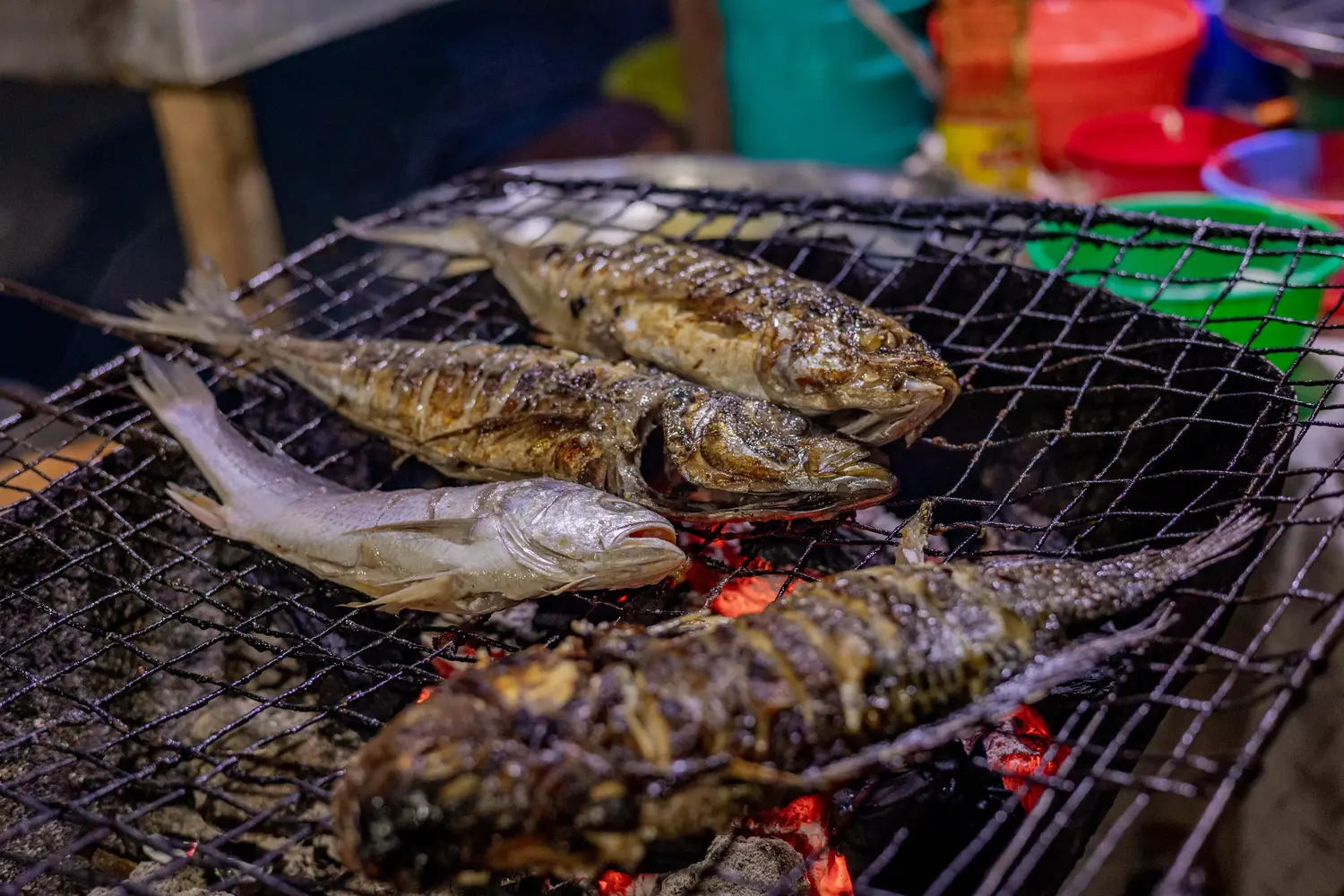
Whole fish grilling over glowing charcoal on a wire grill Central African Republic flag Central African Republic 45m
Dinner •Ubangi River Catch

Grilled Capitaine Fish

This grilled capitaine fish recipe scores whole capitaine, rubs it with garlic, lemon and chilli, and grills it over charcoal until the skin crisps and the flesh flakes. One serving is about 330 g.

Comfort & Warmth

Whole capitaine scored, marinated and grilled over charcoal, served with onion, tomato and chilli.

Pairs Well With
Onion and tomato relish, fried plantain and cold beer
High Protein
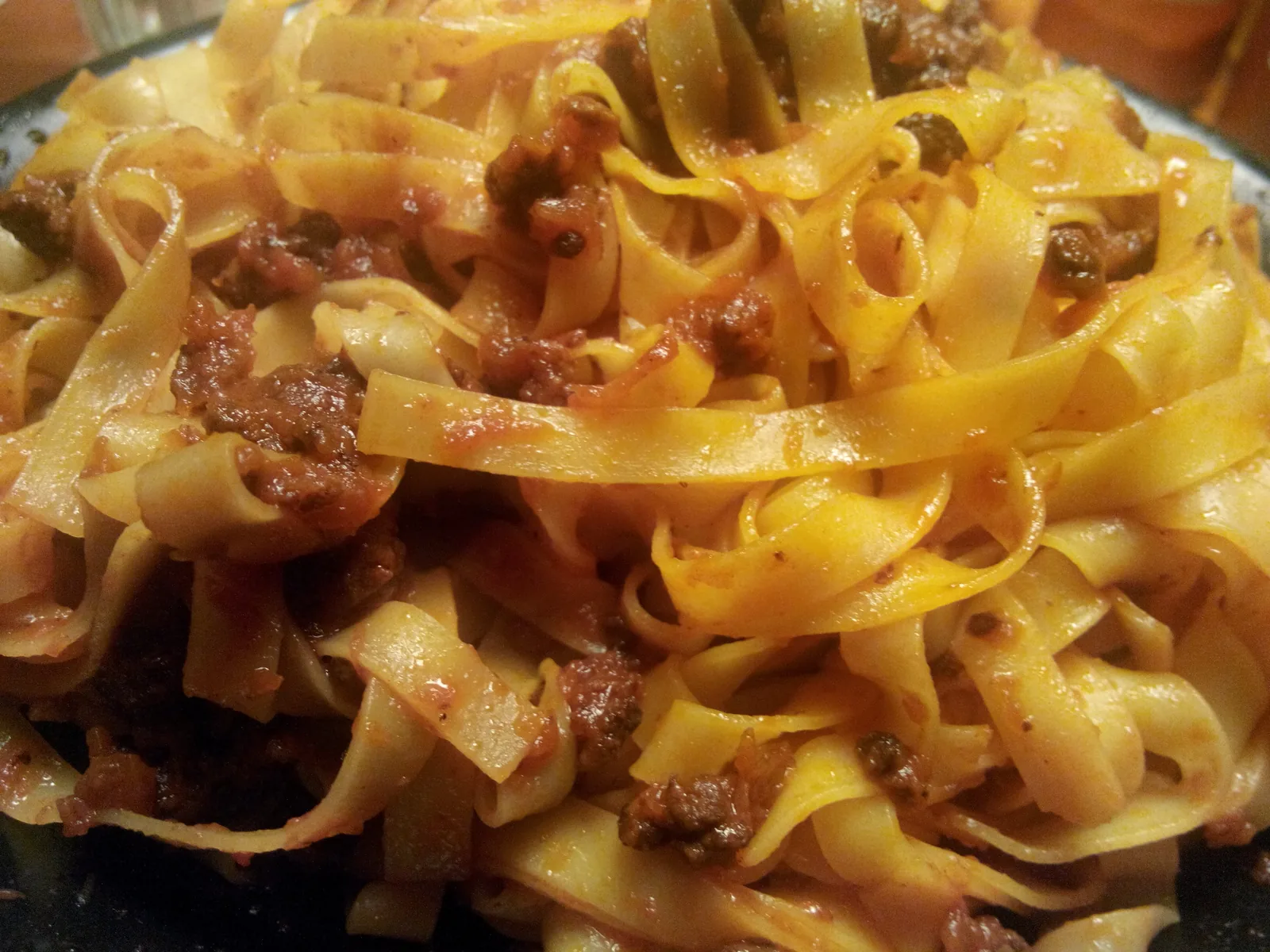
Tagliatelle al ragù Bolognese in a bowl with Parmigiano-Reggiano Italy flag Italy 4h 25m
Lunch •Emilia-Romagna

Tagliatelle al Ragù Bolognese

Slow-braised soffritto and coarse ground heritage meats layered over handmade egg yolk dough for mid-day stamina.

Lean Protein

Slow-simmered beef ragù tossed through fresh egg tagliatelle.

Pairs Well With
Bitter Radicchio & Aged Balsamico di Modena
Pasta & Noodles • High Protein
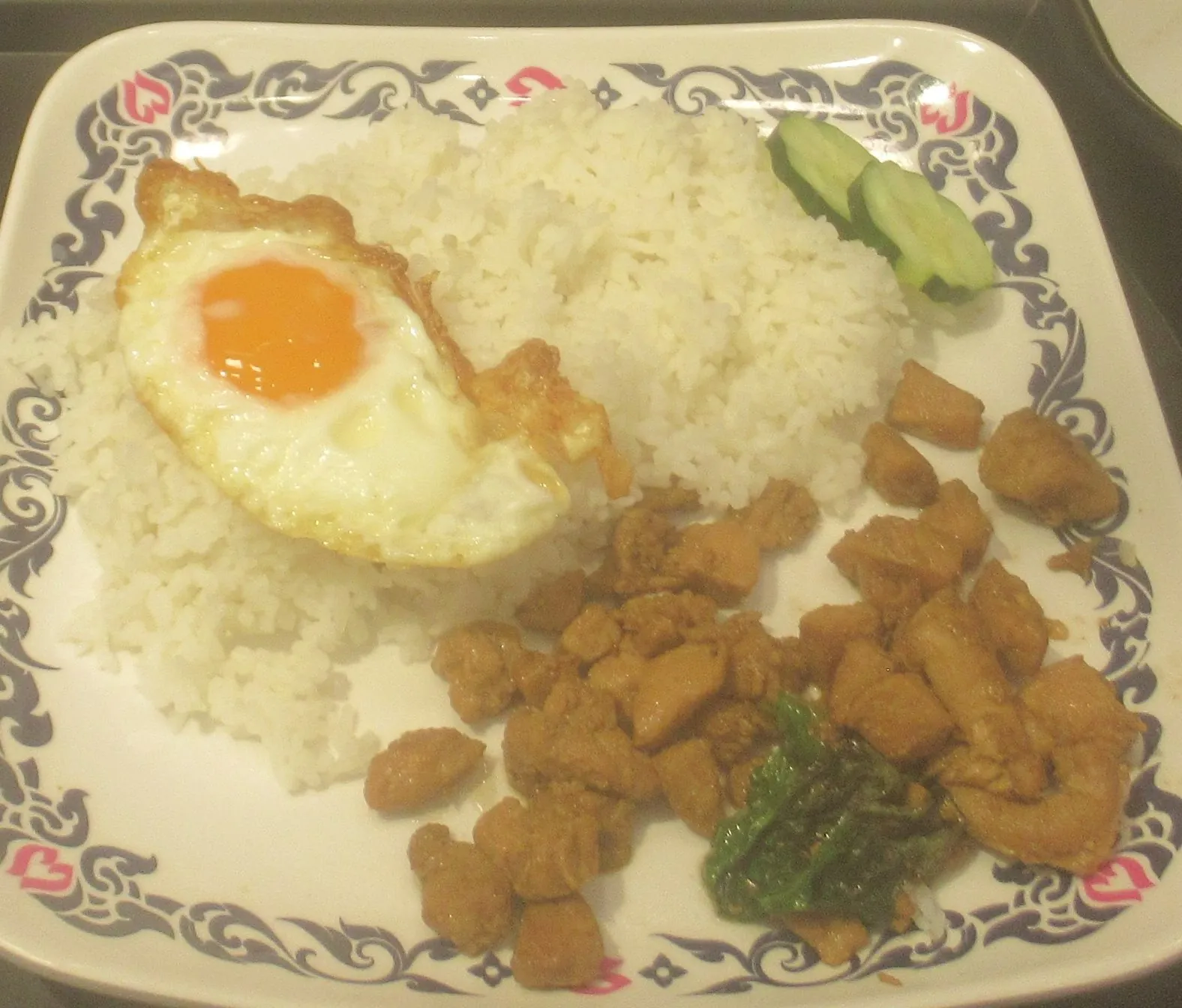
Pad kra pao gai — Thai holy basil chicken with fried egg and rice Thailand flag Thailand 30m
Lunch •Bangkok Street Flame

Pad Kra Pao Gai

High-heat wok flash of holy basil and crushed chillies over minced chicken, served over jasmine rice with a crispy-edged fried egg.

High Energy

Capsaicin brings the heat; holy basil adds a peppery, clove-like aroma.

Pairs Well With
Chilled Cucumber Salad & Fish Sauce Lime Dip
High Protein • Quick Prep (<30m)

The Dinner Gazette

Never wonder what’s for dinner again

One email a week with easy dinner ideas from around the world — ingredients, steps and nutrition, tested in our kitchen first.

Delivered every Thursday morning. Unsubscribe anytime.