Curated recipes from 193 countries  •  New seasonal Mediterranean issue out now

Overview

Chiles en Nogada

Chile en nogada, stuffed poblano in walnut sauce

This chiles en nogada recipe roasts poblano peppers until their skins blister, stuffs them with a picadillo of ground pork and beef, apple, pear, raisins and almonds, then covers each one in a pale walnut sauce and finishes it with pomegranate seeds and parsley — green, white and red, the colours of the Mexican flag. One serving is about 470 g. The sauce is never cooked: it is blended cold, so it stays ivory-white and tastes fresh and nutty.

Chiles en nogada comes from Puebla, and tradition ties it to the nuns of the Santa Monica convent, who are said to have created it in 1821 for Agustin de Iturbide, the leader of the Mexican independence movement, when he passed through the city. It is a dish of the late summer, made when walnuts are fresh, pomegranates are ripe and poblanos are at their best, and it is still the centrepiece of Mexican Independence Day tables every September.

Pairs well with: Warm corn tortillas, Mexican rice and a glass of dry white wine

Provenance

Mexico flag Mexico

Puebla Heritage

Latin America & Caribbean

Time Dedication

1h 35m

45m prep • 50m cook

Batch Yield

4 Servings

822 kcal per serving

1 serving ≈ 470 g

Technical Skill

Advanced

Advanced (Stuffing & Sauce)

Meal Timing & Digestive Fit

Breakfast

Not Advised

Lunch

Hearty Midday Main

Dinner

Ideal Hearty Main

Snack & Tea

Inappropriate

Occasions: Mexican Independence Day, September celebrations, festive family dinner, dinner party main Cost: Medium — about $5–6 per serving at home
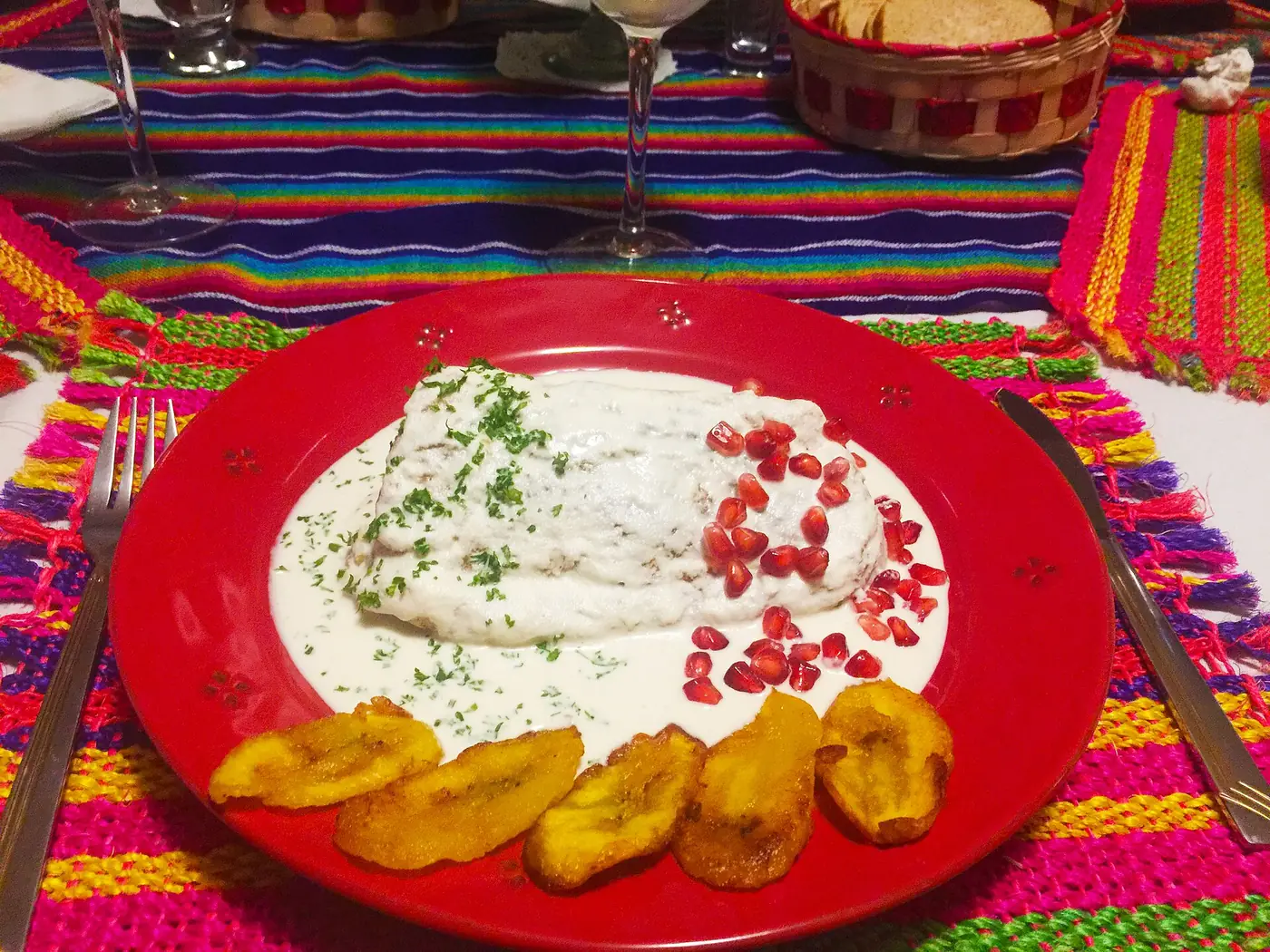
A stuffed poblano pepper covered in white walnut sauce with pomegranate seeds and parsley on a red plate with fried plantains

Puebla Heritage

Photo: Petrvs III, CC BY-SA 4.0, via Wikimedia Commons

The Heritage Formulary

Measured Ingredients

Estimated cost: Medium — about $5–6 per serving at home (USD)

A proper nogada is blended cold from fresh walnuts, milk and cream cheese — never cooked, so it stays ivory-white — and the chile is served at room temperature, not hot. Nutrition is estimated from USDA values.

Execution Methodology & Culinary Technique

Step-by-Step Cooking Guide

Active 1h 35m
P

Prep Stage: Roast the Poblanos and Dice the Picadillo

45 Mins • Roasting & Dicing

Roast the poblanos over an open flame or under the grill until the skins blacken and blister all over, then seal them in a bag for 15 minutes so the steam loosens the skin. While they rest, dice the onion, tomato, apple and pear, chop the almonds, and shell the walnuts for the sauce. Peel the poblanos gently — the flesh underneath should stay whole, because each one has to hold its filling.

Maestro Tip: Do not rinse the peeled poblanos under the tap: water washes away the smoky flavour and makes the flesh soggy. Rub the skin off with your fingers or a paper towel.

  1. 1

    Roast and peel the poblanos

    25 Mins Open flame or grill, about 220°C (425°F)

    Lay the poblanos over an open flame or under a hot grill, turning them with tongs until the skin is blackened and blistered all over. Drop them into a bag or a covered bowl for 15 minutes, then rub the skin off with your fingers. Slit each pepper down one side, scoop out the seeds and the pale ribs, and keep the stems attached.

    The bag step is what makes peeling easy — skip it and the skin sticks in stubborn patches.

    Done when: Skin blackened all over, flesh supple and whole, seeds and ribs removed.

  2. 2

    Cook the picadillo

    20 Mins Medium heat, about 175°C (350°F)

    Warm the olive oil in a wide pan, soften the onion for 4 minutes, then add the garlic and cook 1 minute more. Add the ground pork and beef, breaking them up, and brown for about 8 minutes until no pink remains and the juices run clear — ground meat must reach 71°C (160°F). Stir in the tomato, cinnamon and salt, then the apple, pear, raisins and almonds, and cook 6 minutes more until the fruit is just tender and the pan is nearly dry.

    Cook the fruit until just tender, not soft — it should still hold its shape inside the pepper.

    Done when: Meat browned through, fruit tender but holding its cubes, pan nearly dry.

  3. 3

    Blend the walnut sauce

    10 Mins No heat — blended cold

    Put the walnuts, milk, cream cheese, sherry and sugar in a blender and blend until completely smooth, about 2 minutes, scraping down the sides once. The sauce should pour like thick cream and stay ivory-white. Taste and add a pinch of salt if it needs it. Keep it cold until serving — the nogada is never cooked.

    Blend longer than you think: any grit means the walnuts were not ground fine enough.

    Done when: Silky, ivory-white, pours in a ribbon and coats a spoon.

  4. 4

    Stuff the poblanos

    10 Mins Room temperature

    Spoon the warm picadillo into each poblano through the slit, packing it gently so the pepper keeps its shape, and press the slit closed. Set the stuffed peppers seam-side down on a plate. Let them cool to room temperature — chiles en nogada is served cool, not hot.

    Do not overfill: a pepper that bursts open in the sauce loses the whole effect.

    Done when: Peppers plump and closed, filling tucked inside, seam hidden underneath.

  5. 5

    Sauce, garnish and serve

    5 Mins Room temperature

    Spoon the cold walnut sauce generously over each stuffed poblano so it coats the pepper and pools a little on the plate. Scatter pomegranate seeds down the centre and parsley over the top, so the plate shows green, white and red. Serve at once with warm tortillas.

    Sauce at the last moment — poured too early, it slides off and the plate looks bare.

    Done when: White sauce covering the pepper, red seeds and green parsley bright against it.

Finishing Touches & Plating

Serve the chiles at room temperature, well sauced, with the pomegranate and parsley scattered on top — the first cut should show the dark green pepper, the jewelled filling and the white sauce all at once.

Nutritional Physiology & Benefits

Nutrition

Energy

822

kcal / serving

Protein

36g

Complete AA

Carbs

45g

Complex

Fats

57g

Healthy

Per serving (4 servings · 1 serving ≈ 470 g)
Energy822 kcal
Protein36 g
Carbohydrates45 g
Fat57 g
Fibre9.4 g
Sugar26.5 g
Sodium558 mg
Per 100g
Energy175 kcal
Protein7.7 g
Carbohydrates9.5 g
Fat12.1 g
Fibre2 g
Sugar5.6 g
Sodium119 mg

Nutrition values are estimated — calculated from USDA FoodData Central values for the listed ingredients.

Vitamins & minerals: Vitamin C and vitamin A (poblano, tomato), vitamin E and magnesium (walnuts, almonds), iron and zinc (pork, beef), folate (pomegranate). Nutrition is estimated.

Fruit, Nuts and Fresh Peppers

Apple, pear, pomegranate, walnuts and almonds bring fibre, vitamin C and vitamin E to a meat filling — a festive dish with real fresh ingredients in it.

Protein from Pork and Beef

About 822 kcal per serving with about 36.2 g of protein from the pork and beef picadillo, plus iron and zinc that support normal energy and immunity.

A Showpiece Worth the Effort

The roasting, stuffing and cold sauce take time, but the result is Mexico's most famous celebration plate — and the picadillo can be made a day ahead.

Food Pairings

What to Eat With

To optimize nutrient absorption and elevate the sensory depth, pair with these authentic accompaniments:

Sides

Warm Corn Tortillas

Soft tortillas are the natural partner: they scoop up the walnut sauce and the filling that escapes the pepper, and their plain corn flavour lets the sweet-savoury picadillo shine.

Mexican Rice

A spoonful of tomato rice on the side soaks up the sauce and gives the plate a simple, savoury anchor next to the rich, fruity chile.

Drinks

Dry White Wine

A crisp, dry white wine cuts the richness of the walnut sauce and matches the fruit in the filling without adding sweetness of its own.

Full Menus

Flan for Dessert

For a full Mexican celebration menu, finish with flan: its cool caramel sweetness echoes the dried fruit in the picadillo and ends the meal gently.

Complete menu

Start with a light tomato and avocado salad, serve the chiles en nogada with warm corn tortillas and Mexican rice, and finish with flan.

Digestive Guardrails

What NOT to Combine

To prevent digestive distress, sluggishness, or palate clash, avoid pairing the dish with these elements:

Do Not Serve It Piping Hot

The walnut sauce is meant to be cold and the pepper at room temperature; poured over a hot chile, the sauce thins, slides off and loses its ivory colour. Let the peppers cool first. This is general food information, not medical advice.

Go Easy on a Second Helping

One serving carries about 822 kcal with walnuts, cream cheese and pork, so a second chile makes a very heavy meal. Enjoy one, with salad and tortillas alongside. This is general food information, not medical advice.

General information only, not medical advice — consult a doctor for personal dietary decisions.

Who Should Eat It

Who Should Eat

  • General adultsA rich celebration dish — one chile with tortillas and salad is a full dinner for most adults.
  • ChildrenMild poblanos are usually fine for children, but the fruit-and-nut filling is unusual; let them try a small spoonful of picadillo first.
  • ElderlySoft filling and a smooth sauce are easy to eat; serve one chile with rice and skip the extra salt.
  • Pregnant womenThe walnuts, milk and cream cheese are fine, but the picadillo must be cooked right through and the sauce kept cold. Ask your clinician about ground meat and unpasteurised cheese.
  • Breastfeeding womenA nourishing, energy-rich dinner; drink water alongside, as with any nut-rich meal.
  • AthletesAbout 36.2 g of protein per serving supports recovery; add rice and tortillas for the carbohydrate to go with it.
  • Weight gainEnergy-dense at about 822 kcal a serving, with nuts, fruit and meat — an easy way to raise the calories.
  • Weight lossAbout 822 kcal a serving is a full dinner; one chile with a big salad, and no second helping, keeps it in check. Ask your clinician about a plan that fits you.

Health Conditions — Adjust or Avoid

Conditions

  • DiabetesAbout 44.6 g of carbs and 26.5 g of sugar per serving, mostly from the fruit and raisins. Keep to one chile and skip the rice. Ask your clinician about portion size.
  • High blood pressureAbout 558 mg of sodium per serving. The picadillo is seasoned lightly, but do not add salty sides. Ask your clinician about sodium limits.
  • Kidney diseaseWalnuts, almonds and meat are rich in potassium and phosphorus, so keep the portion as stated. Ask your clinician about your diet.
  • GoutPork and beef carry purines, and the nuts add fat; a single chile with plenty of salad is the safer way to enjoy it. Ask your clinician about meat in your diet.
  • Stomach issuesThe roasted pepper, fruit and nuts can be heavy on a sensitive stomach; eat slowly and keep the portion small. Ask your clinician if symptoms flare.
  • Cardiovascular diseaseThe walnuts bring unsaturated fat, but the pork, cream cheese and sherry add saturated fat, so eat in moderation. Ask your clinician about your diet.
  • Fatty liverRich in fat and energy, so one chile with a light salad is enough; skip the second helping. Ask your clinician about your diet.
  • Food allergiesContains tree nuts (walnuts, almonds), milk (cream cheese, milk) and wheat only if tortillas are served. The picadillo contains pork and beef. Check every label and ask your clinician about your allergies.
  • Special therapeutic dietsThis dish contains tree nuts and dairy. A nut-free version changes the dish entirely, so discuss any swap with your clinician or dietitian first.

If you have a medical condition, consult your doctor before changing your diet.

Storage & Use

Storage & Use

How to store
Keep the stuffed peppers and the walnut sauce in separate sealed containers; sauce the peppers only when serving.
In the fridge
2 days, covered, at 4°C (40°F) or below.
In the freezer
The picadillo freezes 2 months; the walnut sauce does not freeze well.
How to reheat
Warm the stuffed peppers gently in a covered pan over low heat until steaming and 74°C (165°F) through, then cool to room temperature and sauce cold.
Freezing recommended
Only the picadillo — not the finished dish or the sauce.
Signs it has spoiled
Sour smell from the sauce, slimy pepper skin, or any mould.

More recipes to explore

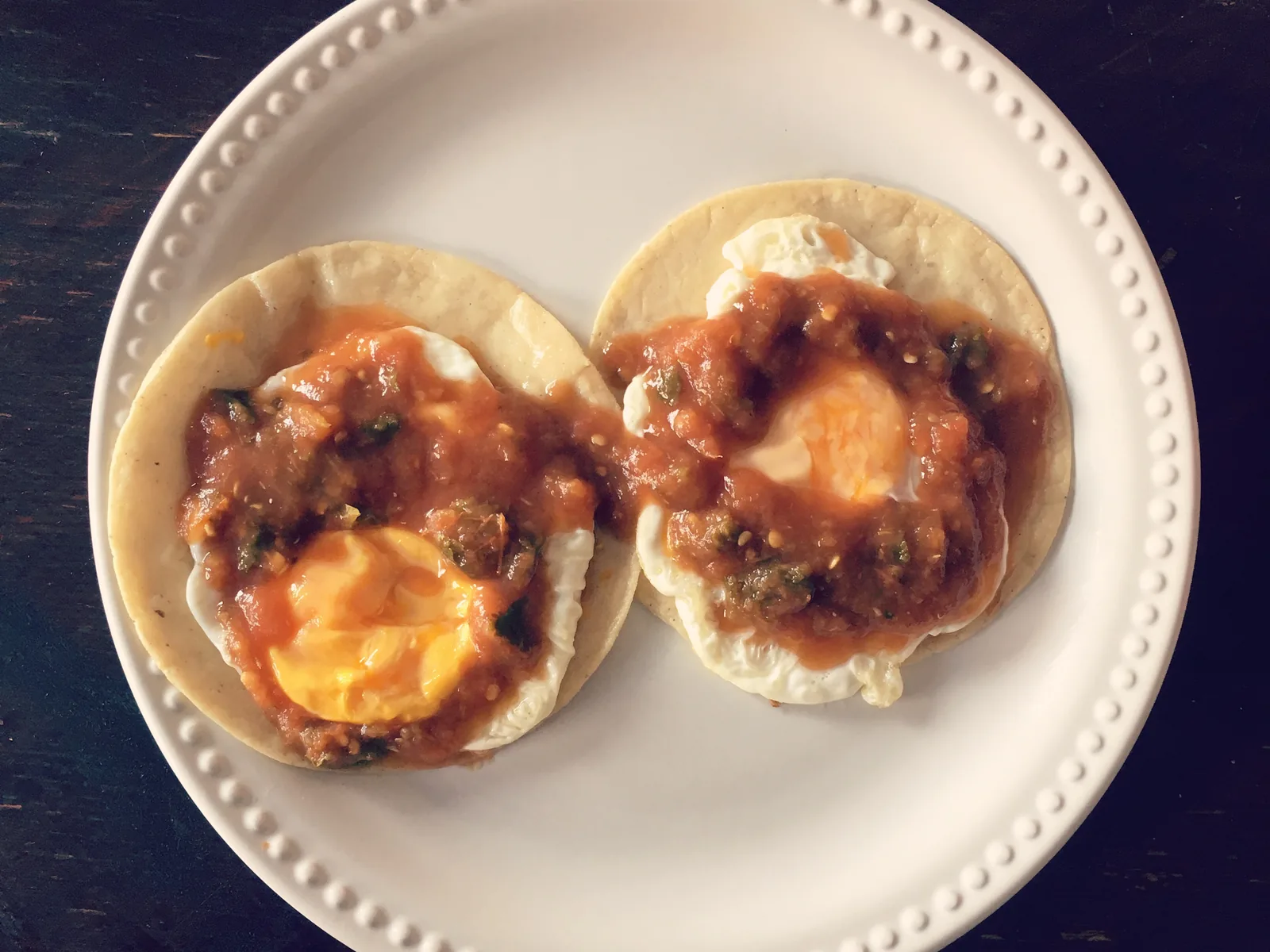
Huevos rancheros with fried eggs, salsa and tortillas Mexico flag Mexico 35m
Breakfast •Oaxaca Countryside

Huevos Rancheros Tradicional

Nixtamalized heirloom corn tortillas, pasture eggs, and charred tomato salsa bursting with fat-soluble carotenoids.

High Energy

Fried eggs, salsa roja and refried beans on warm corn tortillas.

Pairs Well With
Crushed Hass Avocado & Epazote Beans
High Protein • Quick Prep (<30m)
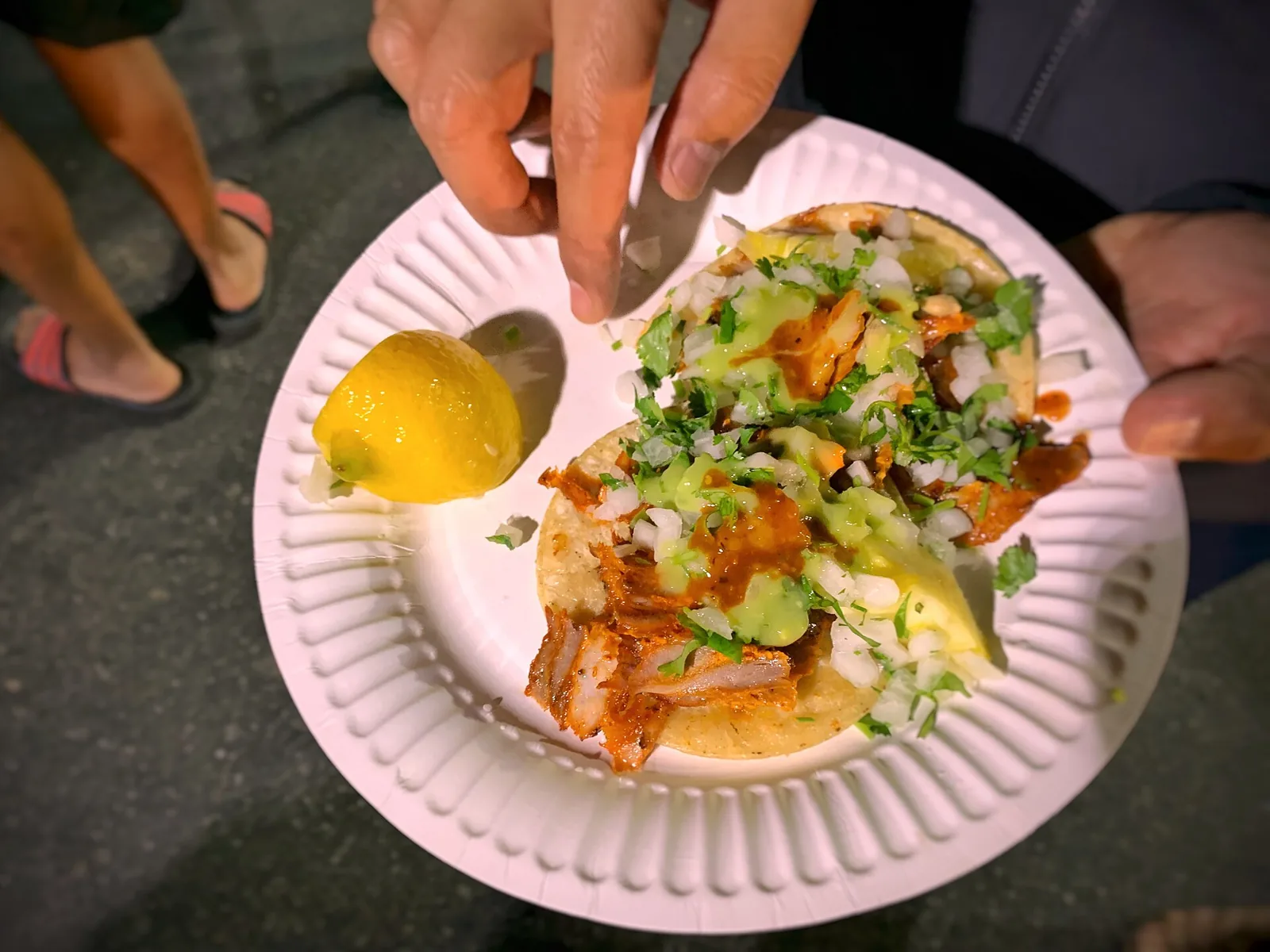
Two tacos al pastor with pork, pineapple, onion and cilantro on a paper plate with a lime wedge Mexico flag Mexico 45m
Lunch •Mexico City Street Food

Tacos al Pastor

This tacos al pastor recipe marinates pork shoulder in achiote and dried chillies, grills it until charred at the edges, and piles it onto warm corn tortillas with pineapple, onion and cilantro. One serving is about 312 g — two tacos.

Bold & Satisfying

Achiote-marinated pork, charred pineapple and onion on warm corn tortillas.

Pairs Well With
Salsa verde, lime wedges and an ice-cold Mexican lager
High Protein
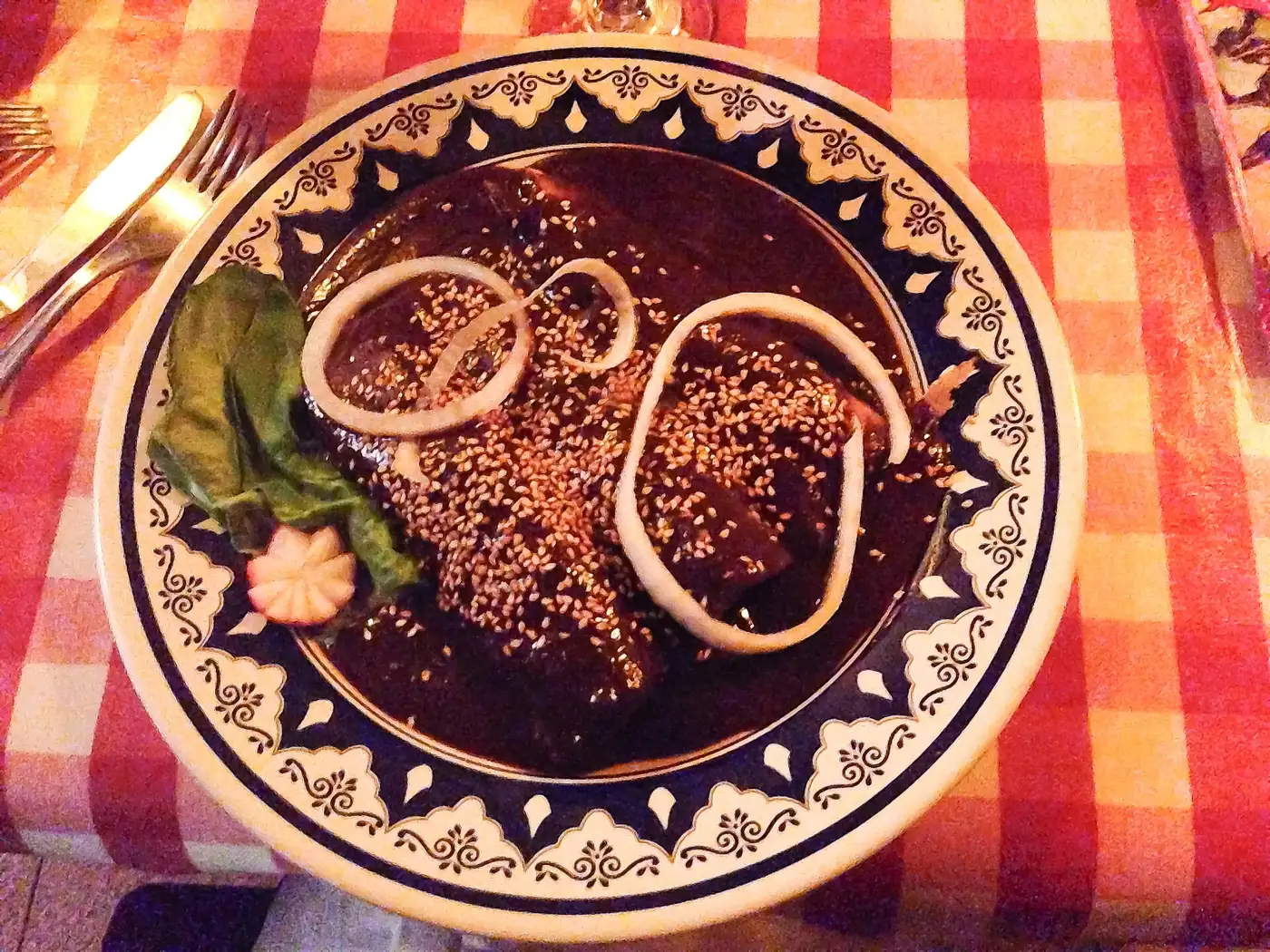
Chicken covered in dark mole poblano sauce with sesame seeds and onion rings on a patterned plate Mexico flag Mexico 2h 40m
Dinner •Puebla Celebration Dish

Mole Poblano

This mole poblano recipe builds the dark Puebla sauce the slow way — chillies toasted and soaked, nuts and seeds fried, chocolate melted in at the end — and serves it over tender chicken. One serving is about 300 g.

Rich & Festive

Dark, complex sauce of chillies, nuts, seeds and chocolate over tender chicken.

Pairs Well With
Mexican red rice, warm tortillas and a cold hibiscus agua fresca
High Protein
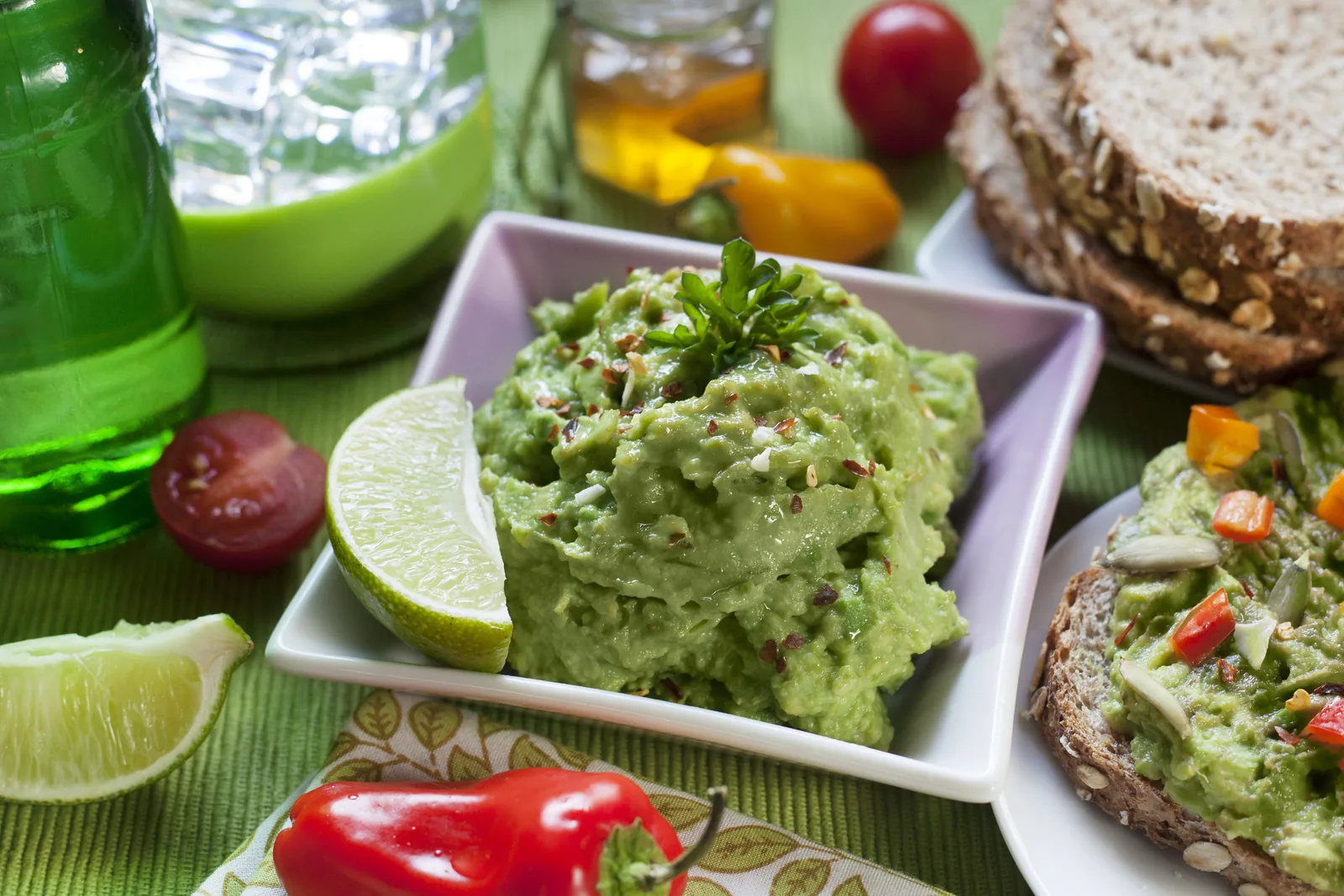
A square bowl of bright green guacamole with a lime wedge, surrounded by tomatoes, peppers and bread Mexico flag Mexico 15m
Snack & Tea •Mexican Classic

Guacamole

This guacamole recipe is the Mexican classic done the simple way: ripe Hass avocados mashed with tomato, red onion, jalapeño, lime and coriander, seasoned and served straight away. One serving is about 208 g, with tortilla chips for scooping. It takes 15 minutes and no cooking at all.

Fresh & Creamy

Mashed avocado with tomato, onion, lime and chilli, made fresh in 15 minutes and served with tortilla chips.

Pairs Well With
Tortilla chips, lime wedges & cold beer

The Dinner Gazette

Never wonder what’s for dinner again

One email a week with easy dinner ideas from around the world — ingredients, steps and nutrition, tested in our kitchen first.

Delivered every Thursday morning. Unsubscribe anytime.