
Curated recipes from 193 countries  •  New seasonal Mediterranean issue out now

Overview

Tamagoyaki, Miso & Gohan

Japanese Rolled Omelette with Miso Soup & Rice

Dashi-infused rolled omelet served with live cultured miso broth and sea kelp for foundational gastrointestinal conditioning.

Tamagoyaki became a staple of the Japanese breakfast table in the Edo period, when eggs, dashi and a square pan turned a simple ingredient into a craft. With miso soup and rice, it forms ichiju-sansai — one soup, three dishes, the foundation of Japanese eating.

Pairs well with: Fermented Natto & Sencha Green Tea

Provenance

Japan flag Japan

Edo Traditional

East & South Asia

Time Dedication

25m

10m prep • 15m cook

Batch Yield

2 Servings

380 kcal per serving

Technical Skill

Intermediate

Intermediate (Rolling Technique)

Meal Timing & Digestive Fit

Breakfast

Prime Morning Fit

Lunch

Inappropriate

Dinner

Inappropriate

Snack & Tea

Inappropriate

*High in dense proteins and complex starches; best enjoyed between 12:00–14:30 or before 20:00 to accommodate natural gastric clearance.

High ProteinFermented / Gut HealthQuick Prep (<30m) Occasions: Everyday breakfast, light lunch, bento boxes Cost: Low — about $2 per serving
Tags: Egg Rice Savory
Japanese tamagoyaki rolled omelette with miso soup and rice

Cucina Tradizionale

Edo Traditional

The Heritage Formulary

Measured Ingredients

Estimated cost: Low — about $2 per serving (USD)

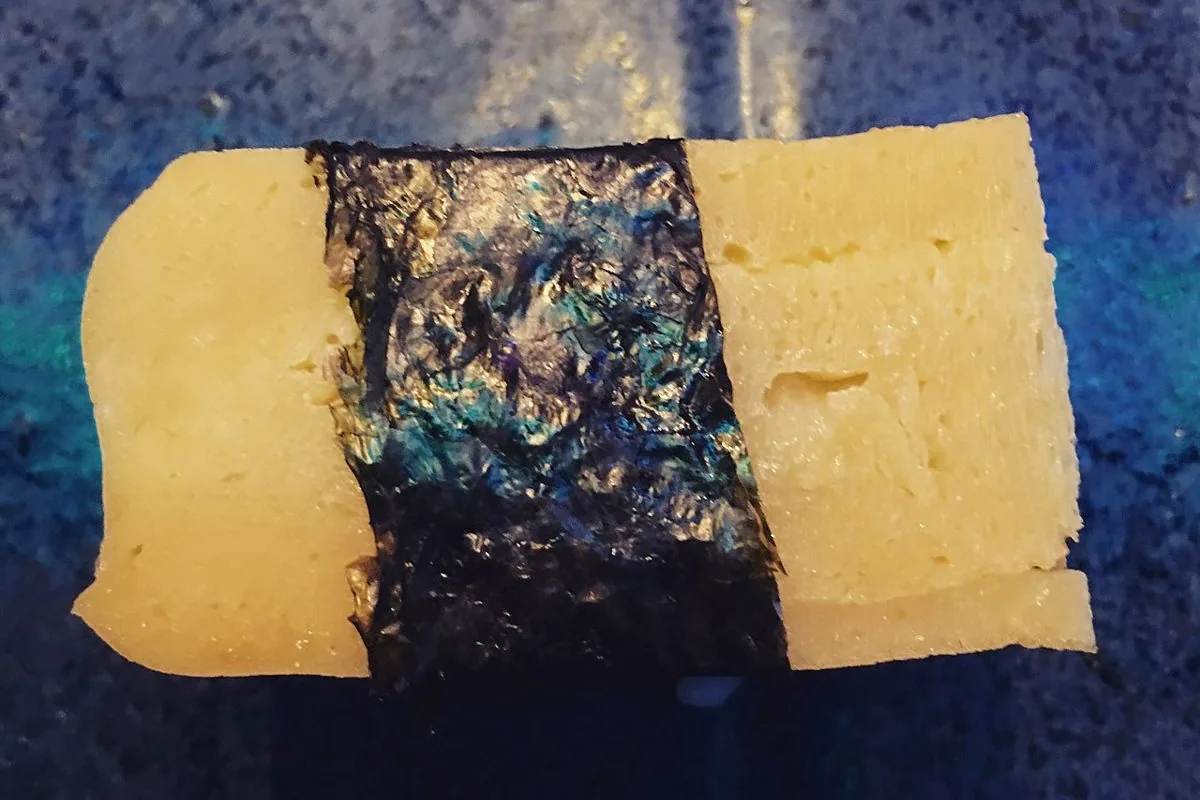
A good tamagoyaki is pale gold, never brown, with fine even layers and a soft, just-set centre.

Execution Methodology & Culinary Technique

Step-by-Step Cooking Guide

Active 25m
P

Prep Stage: Whisk & Soak

10 Mins

Whisk the eggs with dashi, mirin, soy and sugar — strain through a fine sieve for a silky roll. Soak the wakame in cold water. Make the dashi for the soup (400ml) and keep it hot.

Maestro Tip: Straining the egg mixture is the difference between a smooth roll and a lumpy one.

  1. 1

    Make the Miso Soup

    5 Mins Simmer, never boil after miso

    Heat the dashi to a gentle simmer, add wakame and tofu, then turn the heat off. Whisk the miso with a little hot broth until smooth, stir it in, and keep warm. Boiling miso kills its live cultures and dulls its aroma.

    Always dissolve miso off the boil.

    Done when: Soup is steaming, fragrant, with wakame fully softened.

  2. 2

    First Layer

    2 Mins Medium-low

    Heat a tamagoyaki pan (or small non-stick pan) over medium-low heat, wipe with oiled paper. Pour in a thin layer of egg — just enough to cover the base — and when the top is still slightly wet, roll it to one end.

    Low heat is essential; browned tamagoyaki is overcooked.

    Done when: Egg is set underneath, glossy and wet on top.

  3. 3

    Roll, Roll, Roll

    8 Mins Medium-low

    Oil the empty pan again, pour the next layer, lift the roll so egg flows underneath, and roll again when set. Repeat until all the egg is used — usually 4–5 layers. Rest the roll in the pan for a minute, then shape it with a bamboo mat or cling film.

    Patience beats speed: each layer should be thin and pale gold.

    Done when: A neat rectangular log, springy when pressed.

  4. 4

    Slice & Serve

    3 Mins —

    Slice the roll into 1.5cm pieces with a sharp, wet knife. Serve with a bowl of rice and the miso soup, garnished with spring onion.

    Wipe the knife between cuts for clean edges.

    Done when: Slices show fine, even layers with no browning.

Finishing Touches & Plating

Serve immediately while the omelette is warm and the miso is steaming. A little grated daikon with a drop of soy sauce is the traditional accompaniment.

Nutritional Physiology & Benefits

Nutrition

Energy

380

kcal / serving

Protein

18g

Complete AA

Carbs

42g

Complex

Fats

14g

Healthy

Per serving (2 servings)
Energy380 kcal
Protein18 g
Carbohydrates42 g
Fat14 g
Fibre2.0 g
Sugar5.0 g
Sodium980 mg
Per 100g
Energy127 kcal
Protein6 g
Carbohydrates14 g
Fat4.7 g
Fibre0.7 g
Sugar1.7 g
Sodium327 mg

Vitamins & minerals: Vitamin B12 and D (egg), iodine (wakame), B vitamins and probiotics (miso).

Gut Health

Live-cultured miso supplies beneficial bacteria and enzymes that support digestion and the gut microbiome.

Complete Morning Protein

Eggs provide all essential amino acids, while rice gives slow, steady energy.

Iodine & Minerals

Wakame seaweed is a natural source of iodine for thyroid health, plus calcium and magnesium.

Food Pairings

What to Eat With

To optimize nutrient absorption and elevate the sensory depth, pair with these authentic accompaniments:

Sides

Fermented Natto

Adds vitamin K2 and more probiotics — the classic gut-health companion.

Drinks

Sencha Green Tea

Catechins aid digestion and cleanse the palate between bites.

Vegetables

Pickled Cucumber (Kyuri Asazuke)

Light acidity and crunch balance the soft, savoury egg.

Complete menu

Slices of tamagoyaki with a bowl of steamed rice, a bowl of miso soup with wakame and tofu, and pickled cucumber on the side — the classic ichiju-sansai breakfast.

Digestive Guardrails

What NOT to Combine

To prevent digestive distress, sluggishness, or palate clash, avoid pairing the dish with these elements:

Boiling the Miso

Boiling miso soup destroys its live enzymes and flattens its flavour — always add miso off the heat.

Heavy Fried Foods Alongside

This breakfast is designed to be light and digestible; greasy sides undo that benefit.

General information only, not medical advice — consult a doctor for personal dietary decisions.

Who Should Eat It

Who Should Eat

  • General adultsA light, balanced breakfast that suits most adults, every day.
  • ChildrenVery suitable — soft, mild, protein-rich; reduce soy sauce slightly.
  • ElderlyExcellent — soft textures, easy digestion, good protein.
  • Pregnant womenFine with fully cooked eggs; miso and seaweed in normal amounts are safe.
  • Breastfeeding womenFine with fully cooked eggs; the protein and iodine support everyday nutrition.
  • AthletesA solid light breakfast; add natto or an extra egg for more protein.
  • Weight gainAdd a second egg, a larger bowl of rice and natto to raise the energy.
  • Weight lossNaturally light — keep the rice portion to one small bowl.

Health Conditions — Adjust or Avoid

Conditions

  • DiabetesKeep rice to a small bowl and favour the egg and soup.
  • High blood pressureUse low-sodium miso and less soy sauce; miso soup is the main sodium source.
  • Kidney diseaseMiso soup and soy sauce are salty; keep the soup portion small and ask your clinician about frequency.
  • GoutEggs are low in purines, but keep the miso and soy sauce modest; an occasional bowl is fine for most people.
  • Stomach issuesUsually gentle — soft egg, warm soup and rice; skip the pickled sides if they upset you.
  • Cardiovascular diseaseA light, low-fat breakfast for most people; keep the soy sauce light and favour the egg and soup.
  • Fatty liverNaturally light — keep the rice portion small and skip extra sweet mirin.
  • Food allergiesContains egg and soy (miso, soy sauce). If you have an egg allergy, skip the tamagoyaki — the miso soup and rice alone are still a fine light meal.
  • Special therapeutic dietsIf you follow a diet that limits iodine, keep the wakame portion small rather than eating it daily in large amounts; check with your clinician.

If you have a medical condition, consult your doctor before changing your diet.

Storage & Use

Storage & Use

How to store
Wrap the omelette tightly in cling film; store soup and rice separately.
In the fridge
Tamagoyaki 2 days; cooked rice 1 day; miso soup is best fresh.
In the freezer
Not recommended for the omelette or the soup.
How to reheat
Serve the omelette at room temperature; reheat miso soup gently without boiling.
Freezing recommended
No — the omelette turns rubbery and the soup loses its aroma.
Signs it has spoiled
Sour smell, slimy surface, or dried-out edges.

Certified Provenance & Dietary Archival

Tokyo (Edo), Japan — the traditional ichiju-sansai breakfast. A good tamagoyaki is pale gold, never brown, with fine even layers and a soft, just-set centre.

Explore Japan Terroir

More from Japan & Breakfast

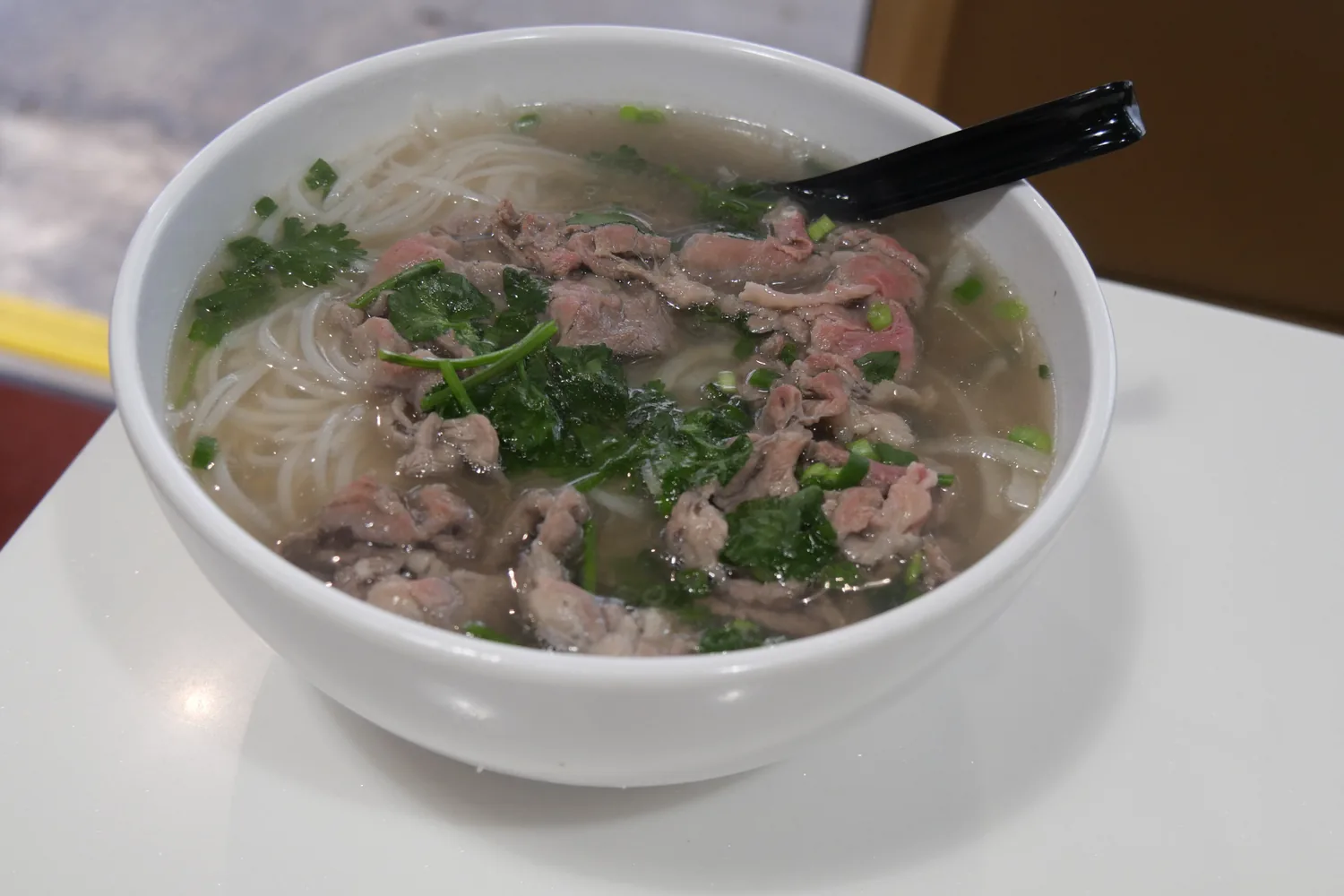
A steaming bowl of Vietnamese phở bò with rare beef, herbs and lime Vietnam flag Vietnam 3h 30m
Breakfast •Hanoi Heritage

Phở Bò Tái Nạm

Slow-simmered star anise and cinnamon bone broth with hand-cut rice noodles, supplying clean restorative warmth and collagen.

Immunity & Warming

Rich in bioavailable zinc, marrow glycine & thermogenic spices.

Pairs Well With
Quẩy giòn, Chanh tươi & Rau húng láng
Soups & Broths • High Protein
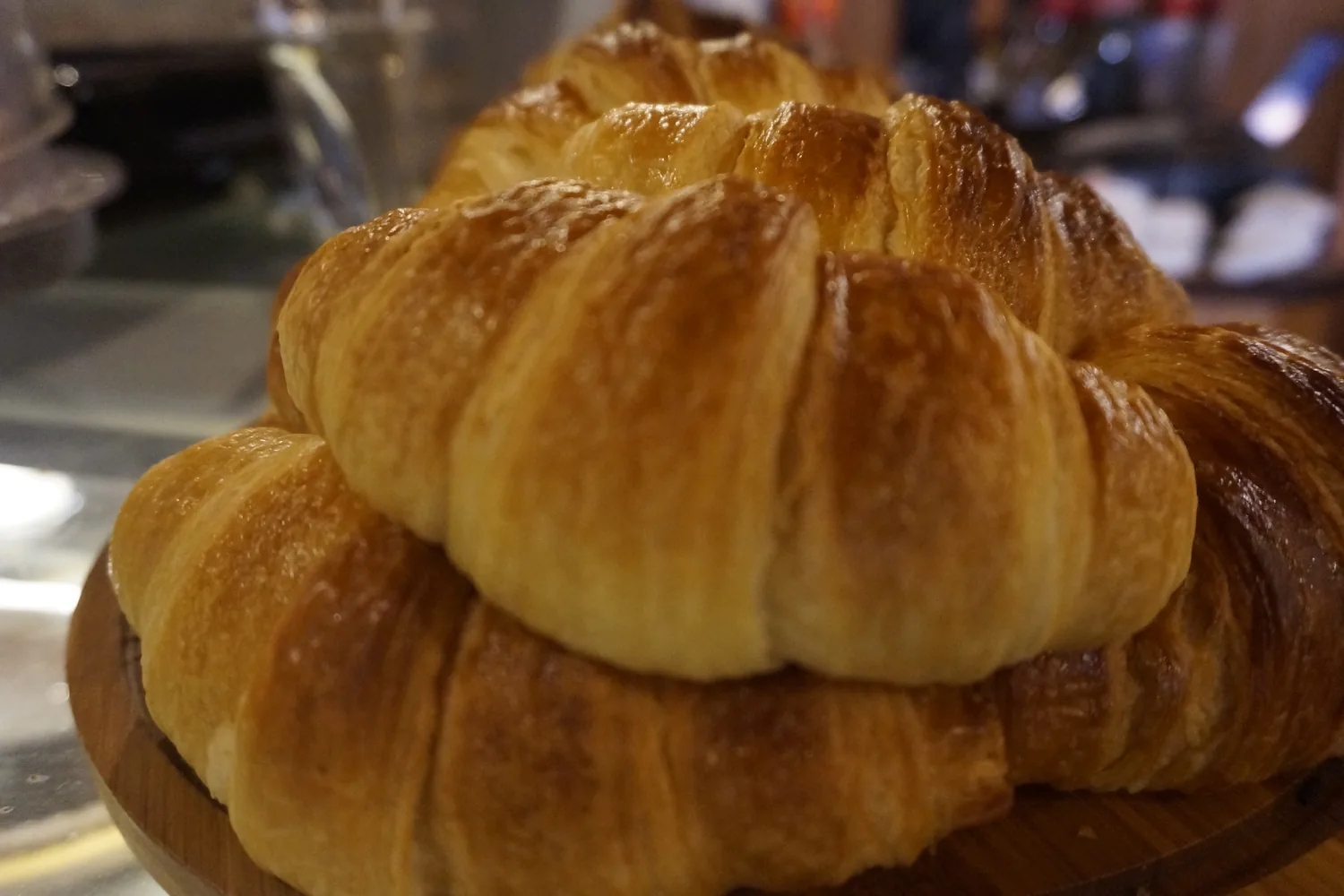
A golden butter croissant with a cup of café au lait France flag France 20m
Breakfast •Parisian Boulangerie

Croissant au Beurre & Café

Laminated cultured butter pastry paired with washed Arabica, promoting gentle awakening without blood sugar peaks when paired with protein.

Sustained Focus

Polyphenol-rich coffee paired with slow cultured fat release.

Pairs Well With
Comté cheese wedge & Green apple slices
Quick Prep (<30m)
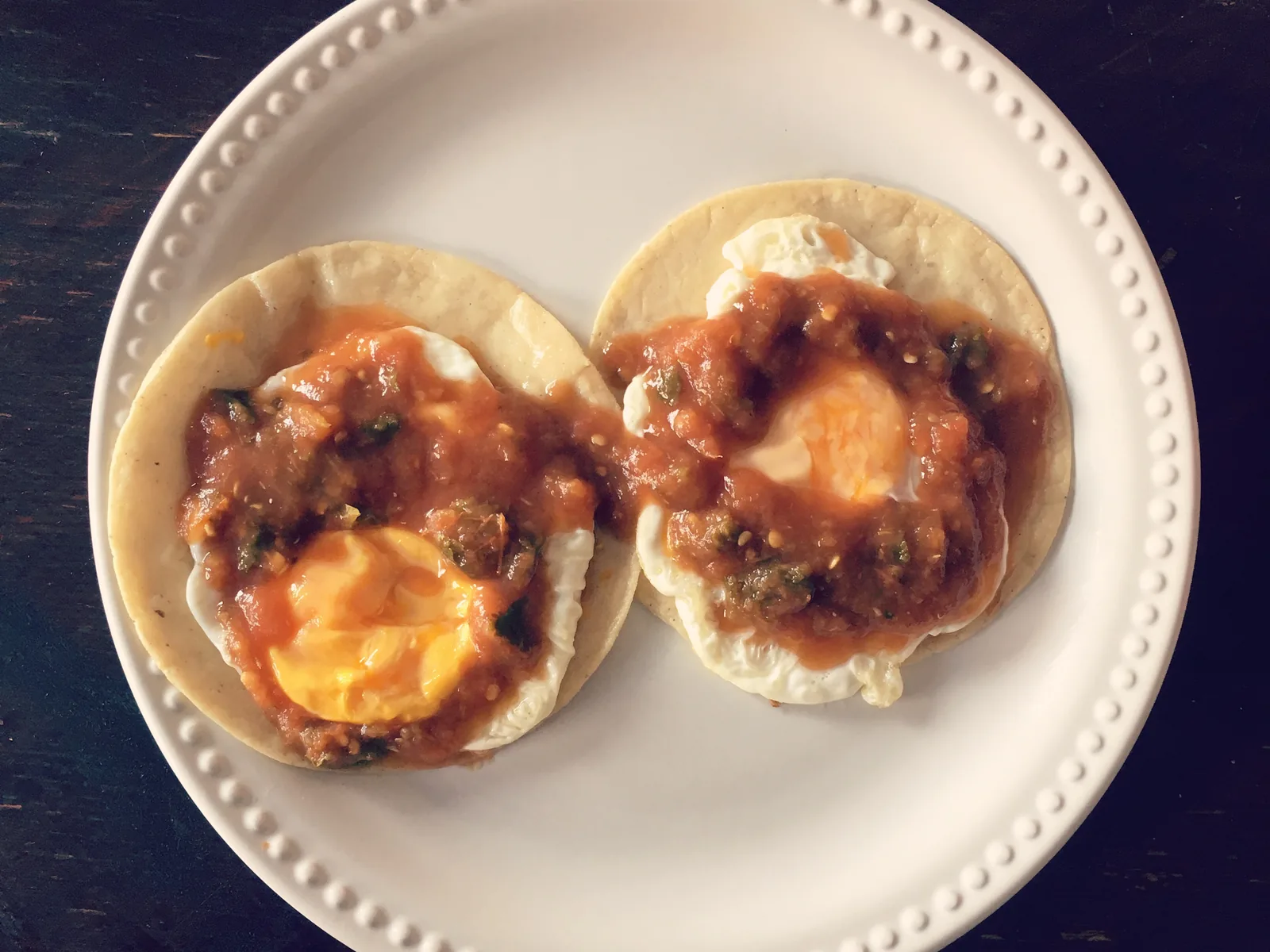
Huevos rancheros with fried eggs, salsa and tortillas Mexico flag Mexico 35m
Breakfast •Oaxaca Countryside

Huevos Rancheros Tradicional

Nixtamalized heirloom corn tortillas, pasture eggs, and charred tomato salsa bursting with fat-soluble carotenoids.

High Energy

Complete amino profile with sustained low-glycemic fiber.

Pairs Well With
Crushed Hass Avocado & Epazote Beans
High Protein • Quick Prep (<30m)

The Dinner Gazette

Never wonder what’s for dinner again

One email a week with easy dinner ideas from around the world — ingredients, steps and nutrition, tested in our kitchen first.

Delivered every Thursday morning. Unsubscribe anytime.