Curated recipes from 193 countries  •  New seasonal Mediterranean issue out now

Overview

Dutch Vla

Vanille Vla, Dutch Vanilla Custard, Vlaflip Base

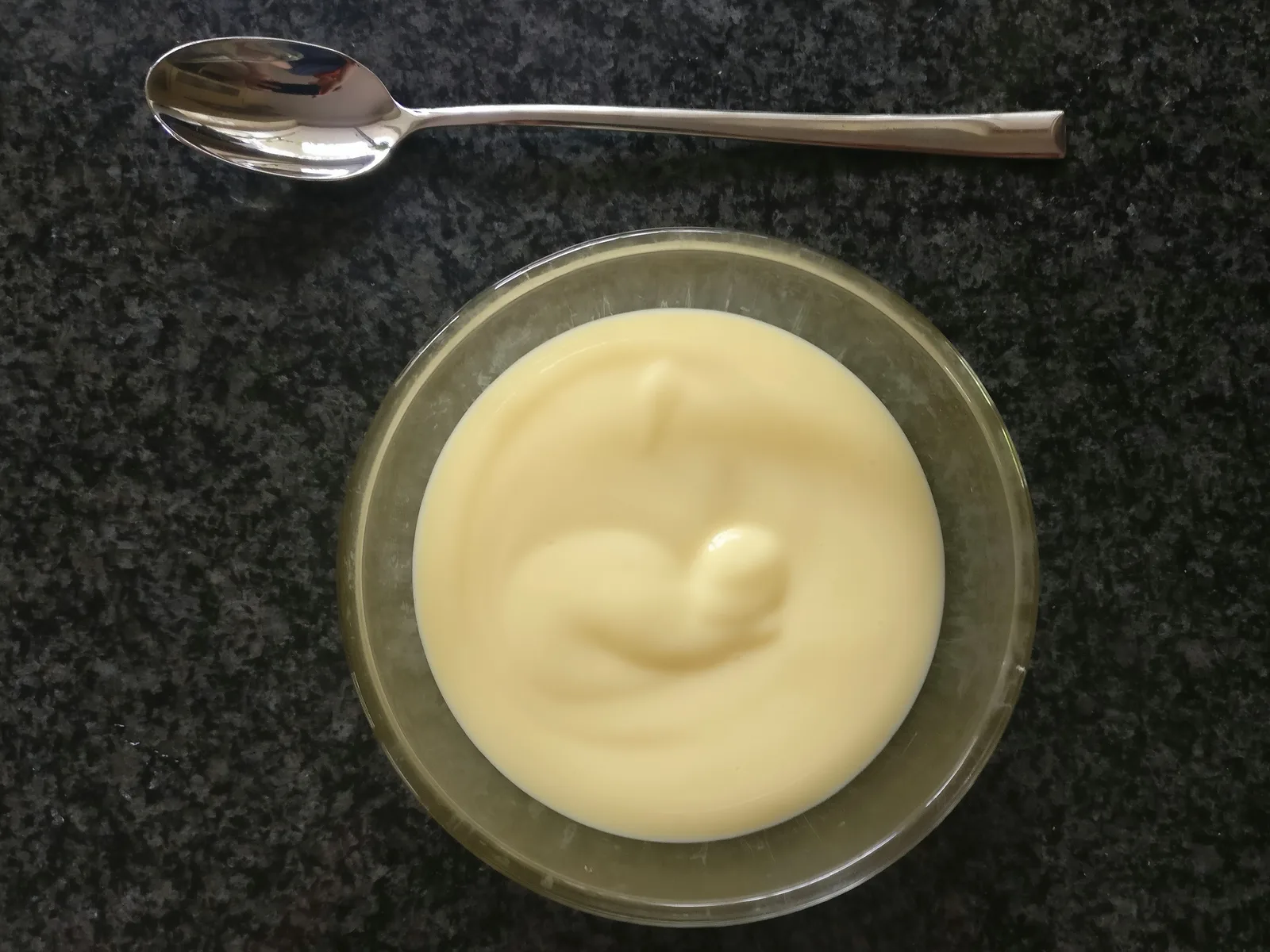
This dutch vla recipe makes the classic Dutch vanilla custard: whole milk infused with vanilla, thickened with egg yolks and cornstarch into a silky, pourable cream, then chilled until cold. One serving is about 198 g: a cool bowl of pale yellow vla, smooth enough to pour and rich enough to eat with a spoon. It is the everyday dessert of the Netherlands — sold in cartons in every supermarket, and best made at home with real vanilla.

Vla is the everyday dessert cream of the Netherlands, a pourable custard made from milk, eggs, sugar and vanilla that Dutch families buy by the carton and pour into bowls after dinner. The traditional recipe thickens the milk with egg yolks and cornstarch, and the classic flavour is vanilla — vanille vla — though chocolate, caramel and fruit versions are sold too. Vla is thinner than the custard of other countries, closer to a thick cream than a set pudding, and it is often layered with yoghurt and red fruit syrup to make vlaflip, a three-layer dessert in a tall glass. Dutch food rules require vla to contain at least 50 per cent cow's milk and at least 2.6 per cent fat, which is why shop-bought vla tastes so consistently creamy.

Pairs well with: Fresh berries and a crisp biscuit make the soft, sweet vla feel complete.

Provenance

Netherlands flag Netherlands

Dutch Everyday Dessert

Nordic & European

Time Dedication

2h 25m

130m prep • 15m cook

Batch Yield

6 Servings

225 kcal per serving

1 serving ≈ 198 g

Technical Skill

Easy

Easy (One Pot)

Meal Timing & Digestive Fit

Breakfast

Not Advised

Lunch

Inappropriate

Dinner

Inappropriate

Snack & Tea

Ideal Light Bite

Occasions: Everyday desserts, family dinners, afternoon treats, children's parties Cost: Low — about $1–2 per serving at home
A glass bowl of pale yellow Dutch vanilla vla custard with a smooth swirled surface, a spoon resting beside it on dark stone

Dutch Everyday Dessert

Photo: Vera de Kok, CC BY-SA 4.0, via Wikimedia Commons

The Heritage Formulary

Measured Ingredients

Estimated cost: Low — about $1–2 per serving at home (USD)

The custard is brought to a gentle simmer so the egg yolks cook through, then chilled for 2 hours with cling film on the surface so no skin forms.

Execution Methodology & Culinary Technique

Step-by-Step Cooking Guide

Active 2h 25m
P

Whisk, Cook and Chill

2 hours 10 minutes

Whisk the egg yolks, sugar, cornstarch and salt in a large bowl until pale and frothy, about 3 minutes. Warm the milk in a heavy saucepan until it just simmers, then whisk a ladleful of the hot milk into the yolk mixture to warm it gently. Pour everything back into the pan and cook, whisking constantly, until the custard thickens. Stir in the butter and vanilla off the heat, cover the surface with cling film, and chill for 2 hours.

Maestro Tip: Press the cling film right onto the surface of the hot vla — if air touches it, a skin forms. Never stop whisking while the custard cooks, or the yolks will scramble.

  1. 1

    Warm the Milk

    5 Minutes Medium heat, about 85°C (185°F)

    Pour the whole milk into a heavy saucepan and warm it over medium heat until it just begins to simmer, with small bubbles around the edge. Do not let it boil hard.

    A heavy pan spreads the heat and stops the milk catching on the bottom — stir once or twice as it warms.

    Done when: Small bubbles ring the edge of the pan and steam rises steadily from the milk.

  2. 2

    Whisk the Yolks, Sugar and Cornstarch

    3 Minutes Room temperature, about 21°C (70°F)

    While the milk warms, whisk the egg yolks, sugar, cornstarch and salt in a large bowl for about 3 minutes, until the mixture is pale, thick and frothy.

    Whisking the yolks with the sugar first protects them — if hot milk hits bare yolks, they scramble.

    Done when: The mixture is pale yellow, thick enough to fall from the whisk in ribbons, and no grains of sugar are visible.

  3. 3

    Temper the Yolks with Hot Milk

    2 Minutes About 60°C (140°F)

    Pour one ladleful of the hot milk into the yolk mixture, whisking constantly, then pour in a second ladleful the same way. This warms the yolks gently so they do not curdle.

    Keep whisking the whole time — a still moment is all it takes for the yolks to set into lumps.

    Done when: The yolk mixture is warm to the touch and thinned to a smooth, pourable cream.

  4. 4

    Cook Until Thick and Silky

    3 Minutes Medium-low heat, about 85°C (185°F)

    Pour the warmed yolk mixture back into the saucepan with the rest of the milk. Cook over medium-low heat, whisking constantly, for 2–3 minutes until the custard thickens to a pourable cream that coats the whisk.

    Do not walk away — the custard thickens suddenly in the last 30 seconds, and a moment too long on the heat makes it grainy.

    Done when: The vla coats the back of a spoon and leaves a clear line when you draw a finger through it.

  5. 5

    Finish with Butter and Vanilla, Then Chill

    2 Minutes Active, 120 Minutes Chilling Chill, 4°C (39°F)

    Take the pan off the heat and stir in the butter and vanilla extract until the butter has melted and the vla is glossy. Pour into a jug or bowl, press cling film right onto the surface, and chill for at least 2 hours.

    The cling film must touch the surface — even a small air gap lets a skin form. Serve the vla cold, never warm.

    Done when: The surface is smooth and glossy with no skin, and the vla pours in a slow, thick ribbon when tilted.

  6. 6

    Serve the Vla Cold

    2 Minutes Serving temperature, 4°C (39°F)

    Stir the chilled vla gently until smooth, then pour into bowls. Serve cold with fresh berries or a biscuit on the side.

    Stir gently, not hard — over-whisking thins the vla and makes it runny.

    Done when: The vla is cold, smooth and pourable, with a pale yellow colour and a clean vanilla smell.

Finishing Touches & Plating

Pour the finished vla into a jug or bowl, press cling film right onto the surface so no skin forms, and chill for at least 2 hours. Serve cold, poured into bowls, with fresh fruit or a biscuit on the side.

Nutritional Physiology & Benefits

Nutrition

Energy

225

kcal / serving

Protein

7g

Complete AA

Carbs

26g

Complex

Fats

11g

Healthy

Per serving (6 servings · 1 serving ≈ 198 g)
Energy225 kcal
Protein7 g
Carbohydrates26 g
Fat11 g
Fibre0.1 g
Sugar20.4 g
Sodium141 mg
Per 100g
Energy114 kcal
Protein3.4 g
Carbohydrates12.9 g
Fat5.3 g
Fibre0 g
Sugar10.3 g
Sodium71 mg

Nutrition values are estimated — calculated from USDA FoodData Central values for the listed ingredients.

Vitamins & minerals: Provides calcium and vitamin B12 from the milk, vitamin A from the egg yolks and butter, and vitamin D from the milk. Nutrition is estimated.

Calcium and Protein

Whole milk and egg yolks give this dessert calcium and protein in a soft, easy-to-eat form — about 6.7 g of protein per bowl.

Simple, Honest Ingredients

Made from just milk, eggs, sugar, cornstarch and vanilla, with no artificial flavourings or colourings.

A Lighter Dessert

At 225 kcal a bowl, vla is a lighter way to finish a meal than cake or ice cream, while still feeling like a real dessert.

Food Pairings

What to Eat With

To optimize nutrient absorption and elevate the sensory depth, pair with these authentic accompaniments:

Sides

Fresh Strawberries or Raspberries

Tart berries cut through the sweet, creamy vla and add colour and freshness to the bowl.

Speculaas or Butter Biscuits

A crisp biscuit gives the soft vla something to crunch against, and it is the way Dutch families have always served it.

Drinks

Coffee

A small cup of coffee balances the sweetness of the vla and turns a simple bowl into an afternoon treat.

Full Menus

Vlaflip with Yoghurt and Fruit Syrup

For the classic vlaflip, layer the vla with plain yoghurt and red fruit syrup in a tall glass — three cool, creamy layers in one dessert.

Complete menu

Serve the vla cold in bowls with fresh strawberries and a crisp biscuit, after a light Dutch dinner of soup and bread.

Digestive Guardrails

What NOT to Combine

To prevent digestive distress, sluggishness, or palate clash, avoid pairing the dish with these elements:

Milk and Egg Allergy — Do Not Serve

Vla is made with milk, butter and egg yolks, so anyone with a milk or egg allergy must not eat it — there is no substitute that keeps it vla. This is general information, not medical advice.

Extra Sweet Toppings and Sugary Drinks

One bowl carries about 20 g of sugar, so piling on chocolate sauce, sweet biscuits or sugary drinks pushes the sugar load up fast — keep the toppings to fresh fruit. This is general information, not medical advice.

Vla Left Out Too Long

Vla is a fresh dairy dessert that spoils quickly at room temperature. Do not leave it out for more than 2 hours, and never eat vla that smells sour or has gone runny. This is general information, not medical advice.

General information only, not medical advice — consult a doctor for personal dietary decisions.

Who Should Eat It

Who Should Eat

  • General adultsA light, silky dessert — a 200 g bowl of vanilla vla with fruit or biscuits makes a gentle finish to dinner.
  • ChildrenChildren usually love vla, and it gives them calcium and protein from the milk and eggs — serve it cold with sliced banana or strawberries.
  • ElderlySoft, smooth and easy to swallow, vla suits older eaters well — serve it cool and not too sweet, with soft fruit.
  • Pregnant womenSafe when made with pasteurised milk and the custard is brought to a full simmer, which cooks the egg yolks through — keep it chilled and eat within 2 days.
  • Breastfeeding womenA comforting, calcium-rich dessert; the vanilla passes no flavour into breast milk, so enjoy it as you like.
  • AthletesA modest 6.7 g of protein per bowl with quick carbohydrate makes vla a pleasant post-training dessert — add granola or fruit to top up energy.
  • Weight gainServe a second bowl, or layer the vla with yoghurt and fruit syrup as a vlaflip, to lift the energy of the dessert.
  • Weight lossVla is sweet, so keep to one 200 g bowl, skip the biscuits and cream, and serve it with fresh berries instead.

Health Conditions — Adjust or Avoid

Conditions

  • DiabetesOne bowl carries about 20 g of sugar, so keep to a single serving and serve it with fresh berries instead of biscuits or syrup; ask your clinician about portions.
  • High blood pressureVla is low in sodium at about 141 mg per serving, which suits a lower-salt diet — just skip salty biscuit toppings; ask your clinician about portions.
  • Kidney diseaseMilk and egg yolks make vla fairly high in potassium and phosphorus, so it may not suit a restricted kidney diet; ask your clinician before eating it.
  • GoutVla contains no meat or seafood, so its purine load is low — it is one of the safer desserts during a flare, but keep the portion to one bowl; ask your clinician for advice.
  • Stomach issuesVla is soft, mild and easy to digest, which suits most sensitive stomachs — serve it cool and plain, without rich toppings; ask your clinician if symptoms flare.
  • Cardiovascular diseaseWhole milk and butter add saturated fat, so keep to one bowl and use semi-skimmed milk if you make it often; ask your clinician about portions.
  • Fatty liverThe sugar and saturated fat add up, so keep the portion small and serve it with fresh fruit instead of cream or biscuits; ask your clinician about portions.
  • Food allergiesContains milk (including butter) and egg yolk. It is naturally gluten-free, but check the cornstarch label for cross-contact if you are coeliac; ask your clinician if you are unsure.
  • Special therapeutic dietsSoft, mild and easy to swallow, so it suits many soft-food diets, but it is sweet — ask your clinician or dietitian before relying on it for a therapeutic diet.

If you have a medical condition, consult your doctor before changing your diet.

Storage & Use

Storage & Use

How to store
Cool quickly, press cling film right onto the surface, and keep refrigerated in a covered container.
In the fridge
2–3 days in a covered container, with cling film pressed onto the surface.
In the freezer
Not recommended — freezing makes the custard grainy and watery when thawed.
How to reheat
Do not reheat — vla is served cold. If it has set too thick, stir in a spoonful of cold milk.
Freezing recommended
No, vla is best eaten fresh and chilled.
Signs it has spoiled
Sour smell, watery separation, or a bitter taste.

More recipes to explore

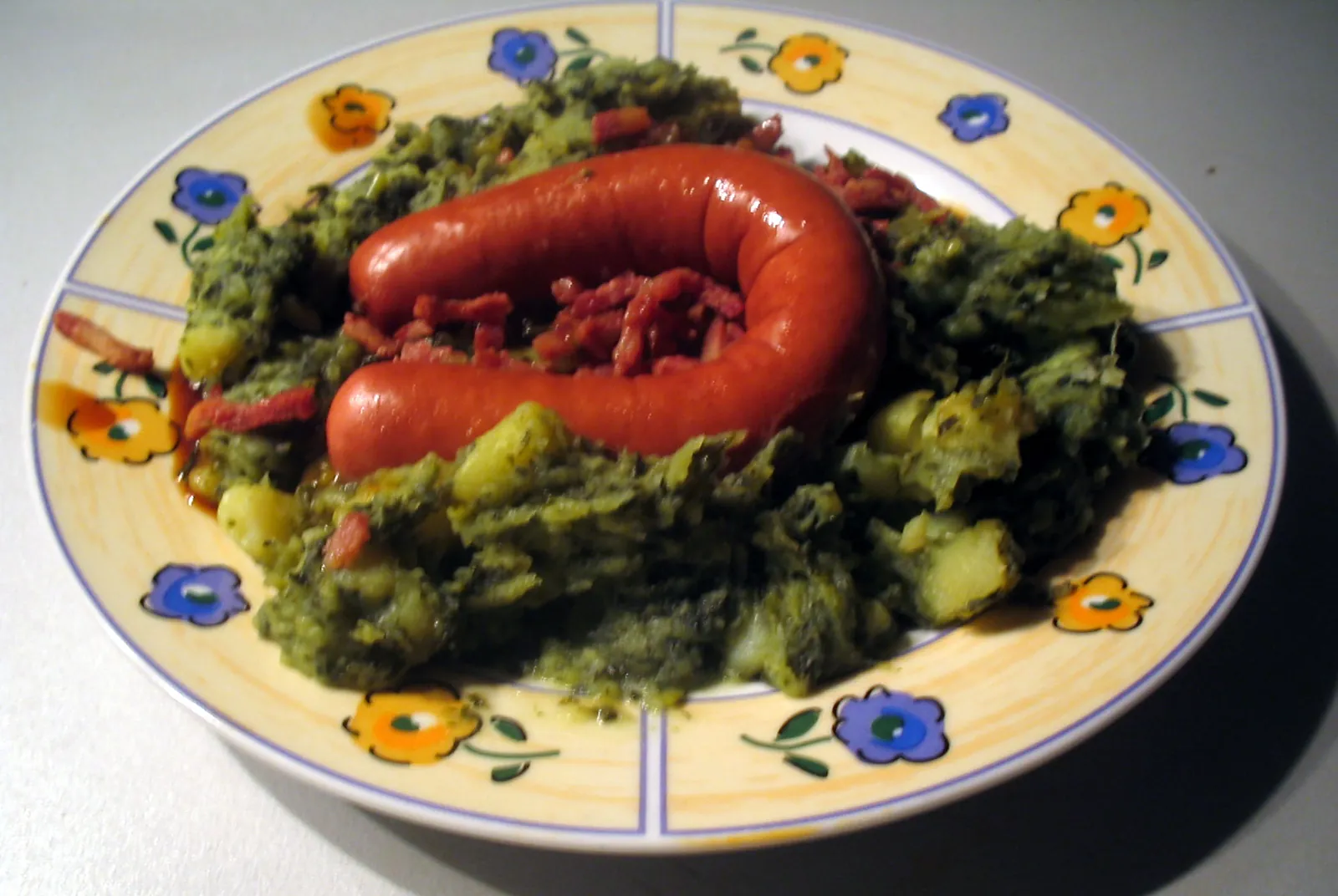
A plate of green boerenkool stamppot with a smoked sausage and bacon bits Netherlands flag Netherlands 45m
Dinner •Dutch Heritage

Stamppot

This stamppot recipe boils floury potatoes with curly kale, mashes them with butter and warm milk into a soft, green-flecked mash, and serves it with a smoked rookworst sausage, crisp bacon bits and mustard. One serving is about 480 g.

Comfort & Warmth

Floury potatoes mashed with kale, butter and milk, served with smoked sausage and bacon.

Pairs Well With
Smoked sausage, bacon bits & mustard
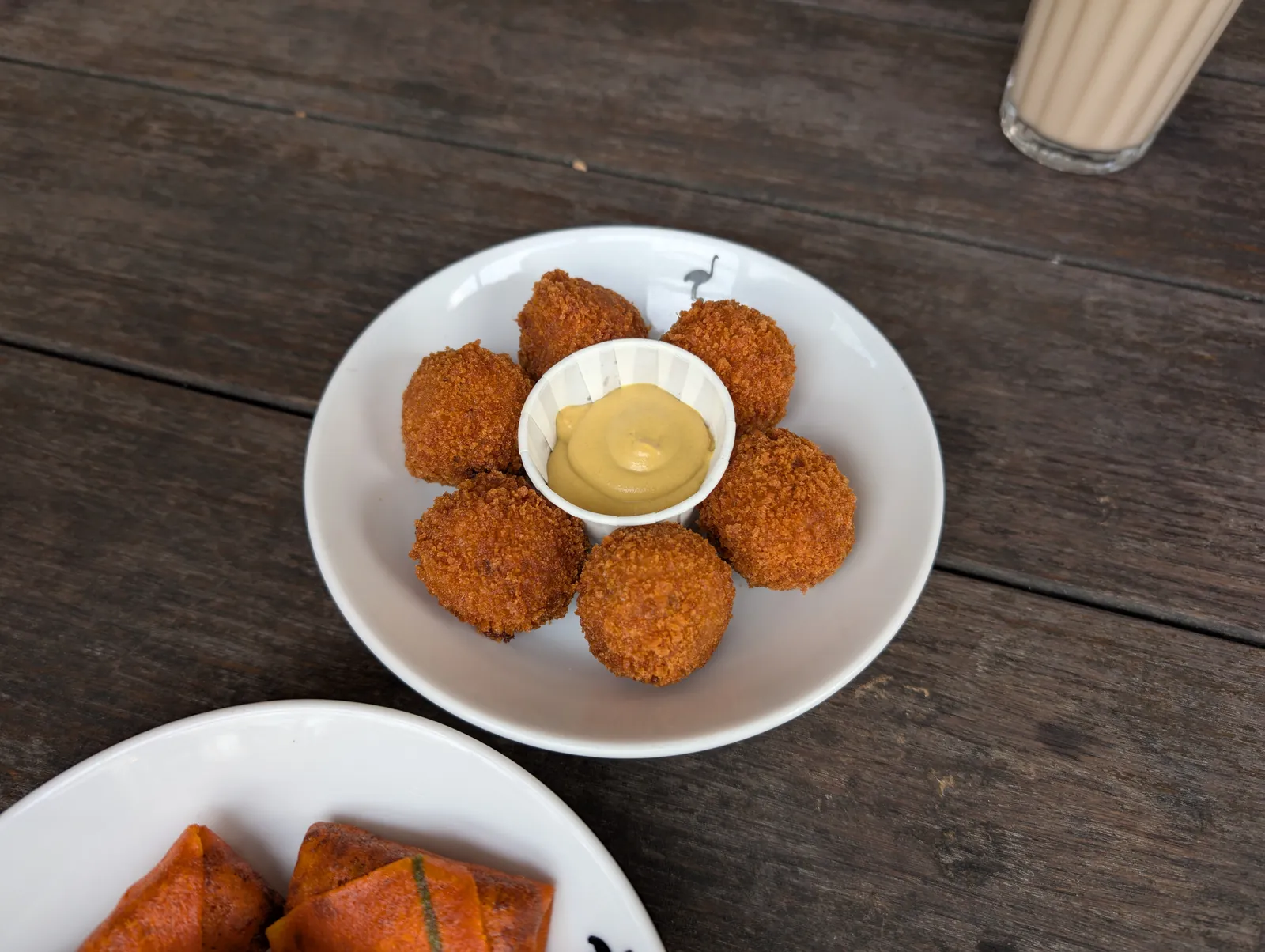
Six golden bitterballen with a small pot of mustard on a white plate Netherlands flag Netherlands 55m
Snack & Tea •Dutch Heritage

Bitterballen

This bitterballen recipe cooks beef slowly in stock until tender, binds it into a thick, creamy ragout with butter and flour, chills it firm, then rolls it into balls, crumbs them and fries them until the outside shatters and the inside turns molten. One serving is about 300 g, six bitterballen with mustard.

Comfort & Warmth

Crisp deep-fried balls of creamy beef ragout, served hot with mustard.

Pairs Well With
Dijon mustard & a cold beer
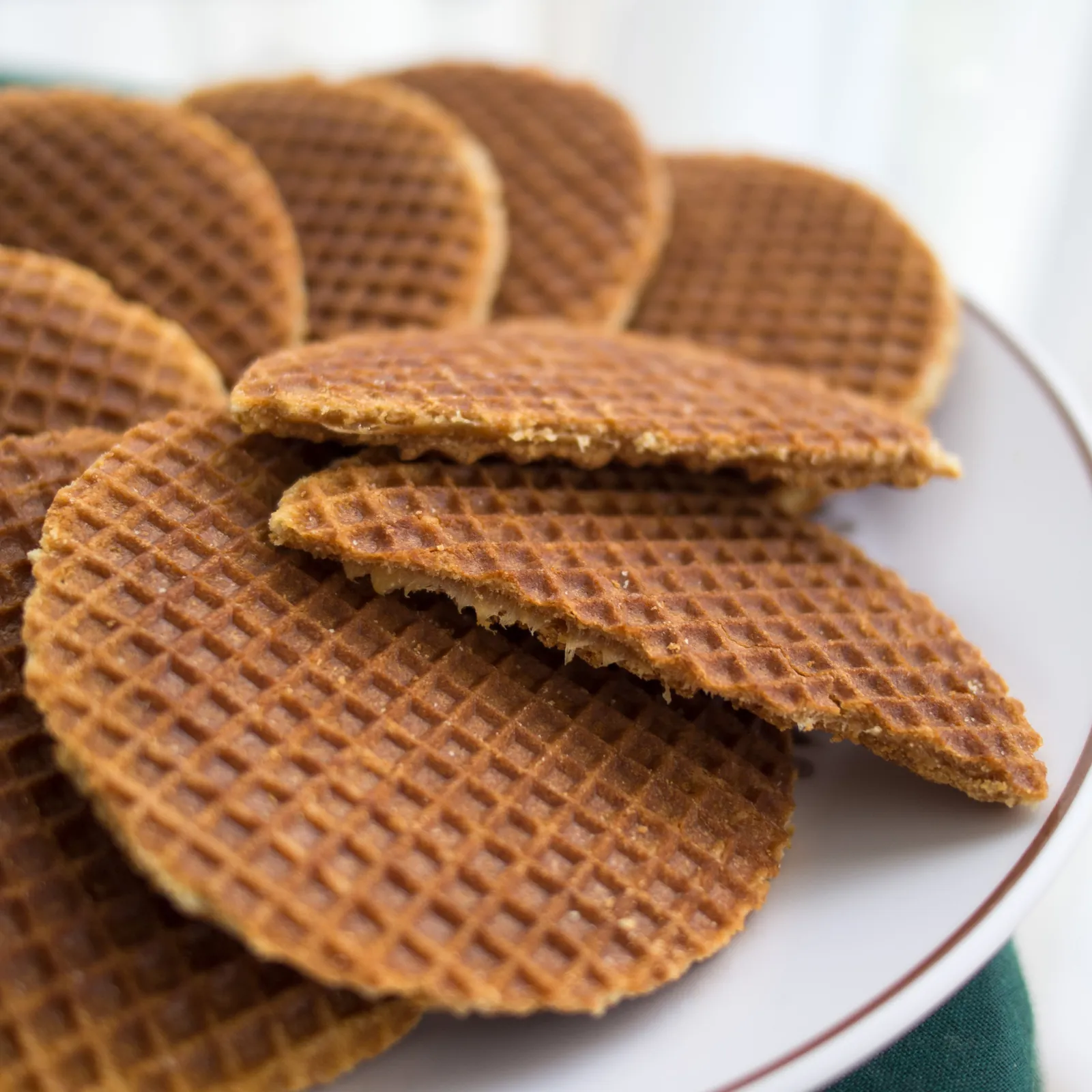
A plate of round golden stroopwafels showing their waffle pattern and syrup layer Netherlands flag Netherlands 1h
Snack & Tea •Dutch Heritage

Stroopwafels

This stroopwafels recipe bakes thin waffles in a hot iron, splits each one while it is still warm, and spreads it with a buttery caramel syrup spiced with cinnamon. The syrup softens the waffle just enough to make it chewy at the edges and crisp in the middle. One serving is about 155 g, three stroopwafels.

Comfort & Warmth

Thin, crisp waffle rounds split and filled with warm caramel syrup.

Pairs Well With
Coffee, tea & a glass of milk
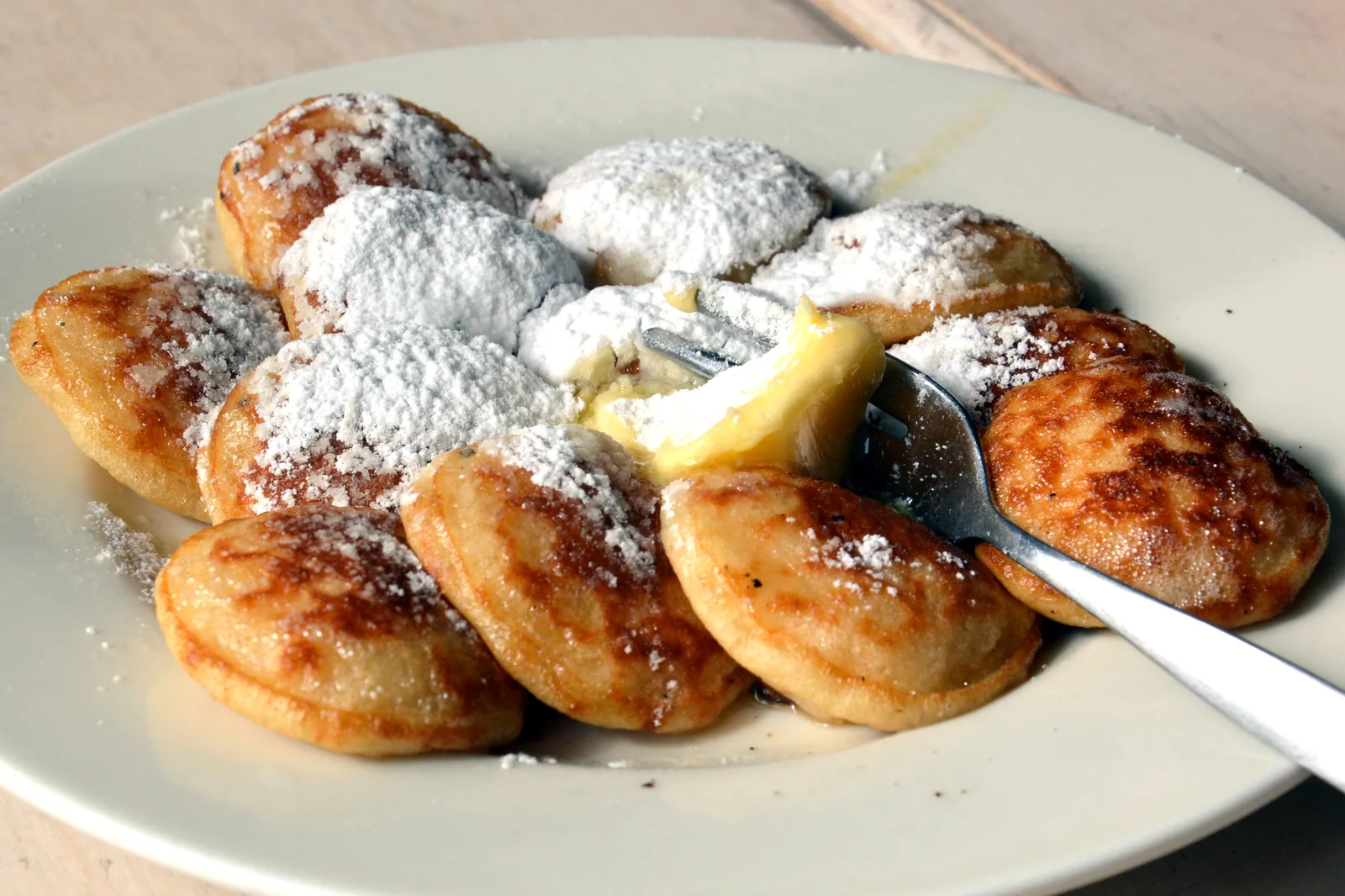
A plate of golden poffertjes dusted with powdered sugar, with melting butter and a fork. Netherlands flag Netherlands 1h 15m
Breakfast •Dutch Market Day Classic

Poffertjes

Poffertjes are the Netherlands' most beloved sweet snack: dozens of tiny, puffy yeast pancakes cooked in a dimpled pan, served hot with melting butter and a snowfall of powdered sugar. One serving is about 195 g, roughly 20 little pancakes.

Sweet Morning Treat

Tiny yeast-raised pancakes, golden outside and soft inside, served with butter and powdered sugar.

Pairs Well With
Serve hot with butter and powdered sugar, and a cup of coffee or hot chocolate.

The Dinner Gazette

Never wonder what’s for dinner again

One email a week with easy dinner ideas from around the world — ingredients, steps and nutrition, tested in our kitchen first.

Delivered every Thursday morning. Unsubscribe anytime.