
Curated recipes from 193 countries  •  New seasonal Mediterranean issue out now

Overview

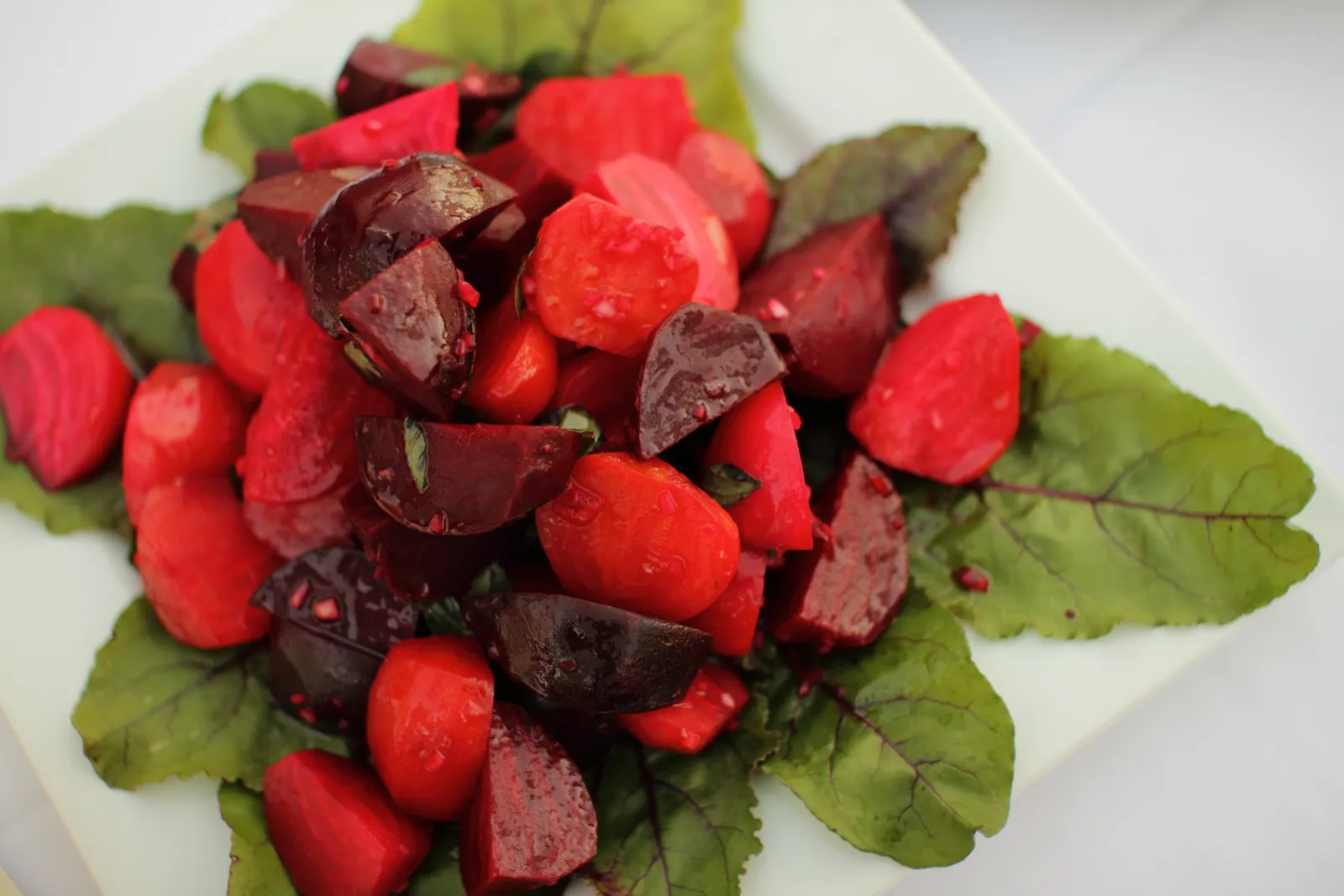
Ensalada de Remolacha

Uruguayan Beet Salad, Ensalada de Remolacha

This ensalada de remolacha recipe tosses sweet boiled beets with potato, carrot and onion in a plain olive oil and red wine vinegar dressing. One serving is about 266 g and carries 199 calories. It is the cool, ruby-red salad that sits beside the grill at Uruguayan asados, and it tastes even better the next day.

Beets came to the River Plate with European settlers, and the boiled-beet salad became a fixture of the Uruguayan table — a cool, sweet counterpoint to grilled meat at the asado, and a standard dish in the salad bars of Montevideo rotiserías. The Uruguayan version stays plain: beets boiled whole, diced with potato, carrot and onion, and dressed with oil and vinegar. No cumin, no lemon, no spice — the beet itself does the work.

Pairs well with: Serve chilled with grilled meat, milanesa or chorizo, and crusty bread.

Provenance

Uruguay flag Uruguay

Uruguayan Asado Classic

Latin America & Caribbean

Time Dedication

55m

15m prep • 40m cook

Batch Yield

4 Servings

199 kcal per serving

1 serving ≈ 266 g

Technical Skill

Easy

Easy (Boil & Toss)

Meal Timing & Digestive Fit

Breakfast

Not Advised

Lunch

Prime Metabolic Fit

Dinner

Ideal Hearty Main

Snack & Tea

Inappropriate

Occasions: Asado side dishes, summer lunches, picnics, make-ahead salads Cost: Low — about $1.50 per serving at home
Diced red and dark beets tossed in a glossy dressing, piled on fresh beet leaves on a white plate

Uruguayan Asado Classic

Photo: Geoff Peters, CC BY 2.0, via Wikimedia Commons

The Heritage Formulary

Measured Ingredients

Estimated cost: Low — about $1.50 per serving at home (USD)

This is the Uruguayan oil-and-vinegar beet salad with potato and carrot — no cumin, no lemon and no beet stems — distinct from the Egyptian and Moroccan beet salads on this site, which are cumin- and lemon-dressed.

Execution Methodology & Culinary Technique

Step-by-Step Cooking Guide

Active 55m
P

Prep Stage: Beets, Vegetables and Dressing

15 Mins • Beets, Vegetables and Dressing

Scrub the beets and trim the leaves to 2 cm. Peel and dice the potato and carrot, slice the onion thinly, and chop the parsley. Whisk the olive oil, red wine vinegar, salt and pepper in a small bowl — this is the dressing.

Maestro Tip: Keep the beets whole while they boil — cut beets bleed their colour into the water and turn pale.

  1. 1

    Boil the beets whole

    40 Mins Boiling water, 100°C (212°F)

    Put the whole scrubbed beets in a large pot, cover with cold water, and bring to a boil at 100°C (212°F). Simmer gently for 35 to 40 minutes until a knife slides easily into the thickest beet. Drain and leave until cool enough to handle.

    Do not peel or cut the beets before boiling — the skin keeps the colour and sweetness inside.

    Done when: A knife slides into the centre of the largest beet with no resistance.

  2. 2

    Boil the potato and carrot

    15 Mins Boiling water, 100°C (212°F)

    Add the diced potato and carrot to the beet pot for the last 15 minutes of its cooking time, then drain them with the beets.

    Cooking the potato and carrot in the beet pot saves a pan — and a little beet colour on the potato is part of the dish.

    Done when: The potato and carrot are just tender, not mushy.

  3. 3

    Peel and dice everything

    10 Mins Room temperature, about 20°C (68°F)

    Rub the skins off the cooled beets — they slip off easily — and dice the beets, potato and carrot into even 1.5 cm cubes. Put the beets, potato, carrot and sliced onion in a large bowl.

    Dice the beets last and wash the knife between jobs if you want the potato to stay pale; most Uruguayan cooks let the beet colour run — it is part of the look.

    Done when: Even cubes, about 1.5 cm, ready to dress.

  4. 4

    Dress and toss

    5 Mins Room temperature, about 20°C (68°F)

    Pour the oil and vinegar dressing over the vegetables, add the parsley, and toss gently until everything is coated. Taste and add a pinch more salt or a splash more vinegar if it needs it.

    Toss gently — hard stirring breaks the potato and turns the salad pink and mushy.

    Done when: Every piece glistens with dressing.

  5. 5

    Rest and serve

    10 Mins Room temperature, about 20°C (68°F)

    Let the salad rest for 10 minutes so the dressing soaks in, then serve cool or at room temperature. It keeps well in the fridge and tastes even better the next day, once the flavours have settled.

    For the best flavour, make it at least 30 minutes ahead and keep it chilled until serving.

    Done when: The salad is cool, glossy and evenly dressed, with the beet colour just starting to tint the potato.

Finishing Touches & Plating

Serve the ensalada de remolacha cool, in a wide bowl, with the parsley scattered over the top — a ruby-red side that needs nothing more than grilled meat and bread beside it.

Nutritional Physiology & Benefits

Nutrition

Energy

199

kcal / serving

Protein

4g

Complete AA

Carbs

30g

Complex

Fats

8g

Healthy

Per serving (4 servings · 1 serving ≈ 266 g)
Energy199 kcal
Protein4 g
Carbohydrates30 g
Fat8 g
Fibre5.2 g
Sugar14.7 g
Sodium429 mg
Per 100g
Energy75 kcal
Protein1.5 g
Carbohydrates11.3 g
Fat3 g
Fibre1.9 g
Sugar5.5 g
Sodium161 mg

Nutrition values are estimated — calculated from USDA FoodData Central values for the listed ingredients.

Vitamins & minerals: Folate and manganese (beets), vitamin A (carrot), vitamin C and vitamin K (parsley, onion), potassium (beet, potato).

Beets, Naturally Sweet and Full of Folate

Beets give each serving natural sweetness plus folate and manganese, with no added sugar in the dressing.

Fibre From Three Vegetables

Beets, potato and carrot together give each serving about 5.2 g of fibre, so the salad is filling for its 199 calories.

Light, Make-Ahead Side

Oil and vinegar keep this salad light, and it holds well in the fridge — it is often better on the second day.

Food Pairings

What to Eat With

To optimize nutrient absorption and elevate the sensory depth, pair with these authentic accompaniments:

Sides

Asado or Grilled Meat

The cool, sweet-sour salad is the classic counterpoint to smoky grilled meat — it refreshes the palate between bites.

Milanesa

Crisp breaded milanesa and cool beet salad is a standard Uruguayan lunch pairing: rich and crunchy against cool and soft.

Crusty Bread

Bread is made for the pink, vinegary juices left at the bottom of the bowl.

Drinks

Sparkling Water With Lemon

Cold sparkling water keeps the meal light and matches the salad's sharp vinegar dressing.

Complete menu

Serve the beet salad chilled beside asado or milanesa with crusty bread, then fresh fruit to finish, for a classic Uruguayan lunch.

Digestive Guardrails

What NOT to Combine

To prevent digestive distress, sluggishness, or palate clash, avoid pairing the dish with these elements:

Raw Onion Too Sharp

Thinly sliced raw onion can overpower the salad; soak the slices in cold water for 10 minutes and drain them before tossing if you want a gentler bite. This is general food information, not medical advice.

Leaving the Salad Out in the Heat

A dressed salad should not sit out in summer heat for hours; keep it chilled and return leftovers to the fridge within 2 hours. This is general food information, not medical advice.

General information only, not medical advice — consult a doctor for personal dietary decisions.

Who Should Eat It

Who Should Eat

  • General adultsA light, colourful side — a generous spoonful beside grilled meat or milanesa is a full lunch plate for most adults.
  • ChildrenSweet, soft and mild; the beets and potato are easy to eat. Serve a small portion first.
  • ElderlySoft, easy to chew and easy to digest; serve at room temperature rather than ice cold.
  • Pregnant womenFine as a fresh vegetable side; keep it refrigerated and use within a day.
  • Breastfeeding womenA light, iron- and folate-rich side that sits well beside a main course.
  • AthletesGood after training: about 199 calories with 30.1 g of carbohydrate per serving for recovery, plus potato for steady energy.
  • Weight gainA gentle side rather than a main — pair it with milanesa or grilled meat to add energy.
  • Weight lossAt 199 calories a serving with 5.2 g of fibre, it is a filling low-energy side; keep the oil as written.

Health Conditions — Adjust or Avoid

Conditions

  • DiabetesAbout 30.1 g of carbohydrate and 14.7 g of natural sugars per serving from the beets — a modest portion with salad greens is gentler; ask a clinician about portion size.
  • High blood pressureAbout 429 mg of sodium per serving — keep the salt as written and skip extra salty sides; ask a clinician if you watch sodium.
  • Kidney diseaseBeets and potato are high in potassium, so portions matter — ask a clinician before making it a regular dish.
  • GoutLow in purines and mostly vegetables, so it is usually a comfortable choice; ask a clinician if gout is a concern.
  • Stomach issuesSoft, mild and easy on the stomach for most people; the raw onion is the sharpest part, so use less if it bothers you.
  • Cardiovascular diseaseLow in saturated fat and rich in vegetables — a heart-friendly side as written; ask a clinician about frequency.
  • Fatty liverLight and vegetable-based with little fat, so it fits well as a side; ask a clinician about portion size.
  • Food allergiesNo major allergen in the base recipe — check labels if you use packaged cooked beets, and ask a clinician if you have allergies.
  • Special therapeutic dietsAsk a clinician or dietitian before using this dish in a therapeutic diet — it is high in potassium from beets and potato.

If you have a medical condition, consult your doctor before changing your diet.

Storage & Use

Storage & Use

How to store
Cool completely, then keep in a sealed container in the fridge.
In the fridge
2 days in the fridge at 4°C (39°F) or below; the colour deepens and the flavour improves overnight.
In the freezer
Not recommended — the beets and potato turn soft and watery on thawing.
How to reheat
Do not reheat — serve this salad cold or at room temperature.
Freezing recommended
No — this is a fresh salad, not a freezer dish.
Signs it has spoiled
A sour or off smell, slimy vegetables, or a dull grey colour — discard it.

More recipes to explore

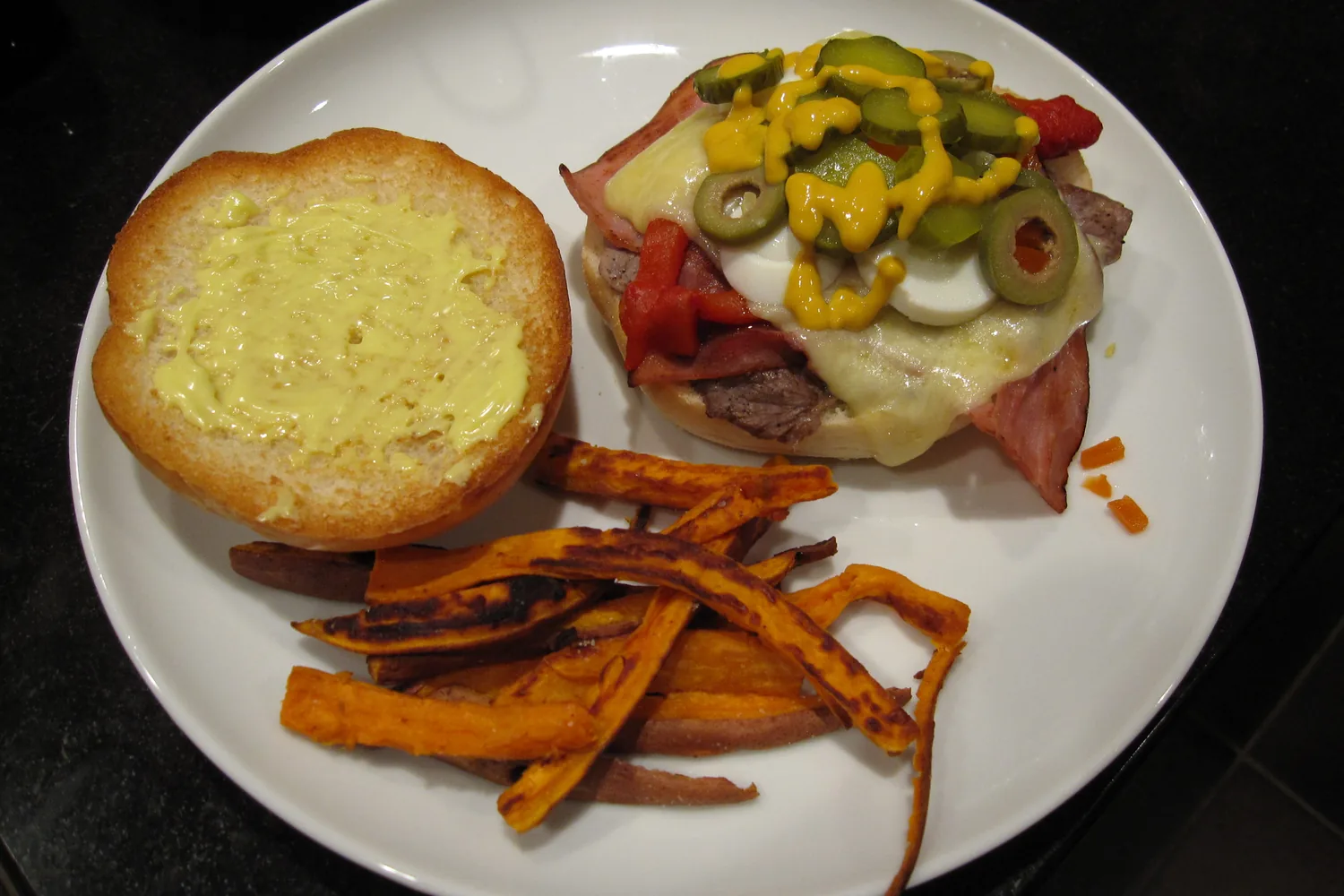
An open chivito sandwich on a white plate: a bun topped with grilled steak, ham, melted mozzarella, sliced hard-boiled egg, green olives, pickles and mustard, with sweet potato fries beside it Uruguay flag Uruguay 35m
Lunch •Punta del Este Classic

Chivito

This chivito recipe builds Uruguay's national sandwich: a thin grilled steak layered with ham, crisp bacon, melted mozzarella and a fried egg, finished with tomato, lettuce, green olives, mayonnaise and mustard in a soft toasted roll. One serving is about 445 g. It is a big, messy, deeply satisfying lunch that comes together in about 35 minutes.

Comfort & Warmth

A towering Uruguayan sandwich of grilled steak, ham, bacon, melted mozzarella and a fried egg in a soft roll.

Pairs Well With
French fries and a cold lager or a glass of Uruguayan tannat
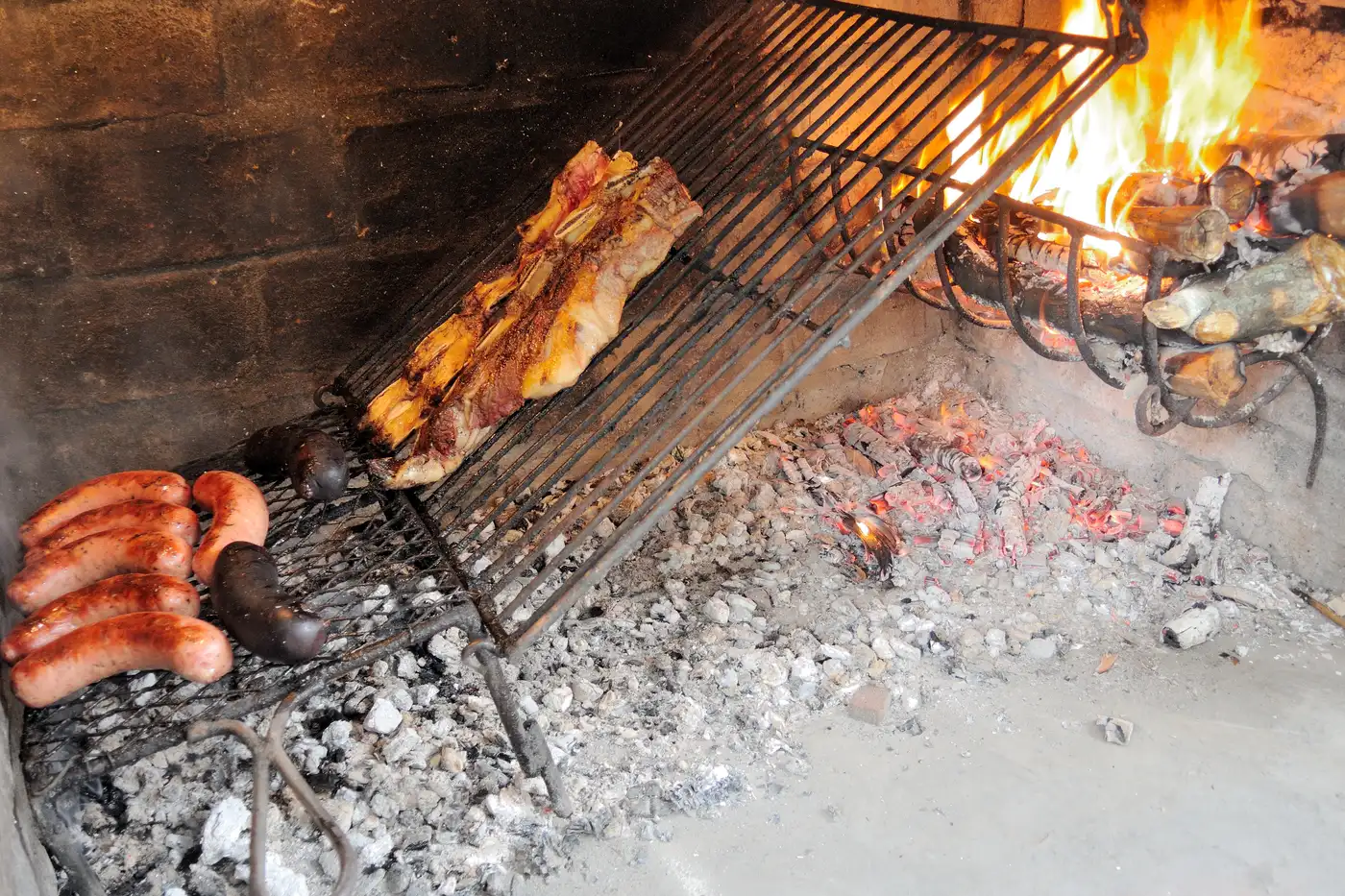
Beef short ribs, chorizo and morcilla grilling over wood embers on a Uruguayan parrilla Uruguay flag Uruguay 2h
Dinner •Montevideo Parrilla Heritage

Uruguayan Asado

Uruguayan asado is a mixed grill cooked slowly over wood embers on the parrilla, the iron grill that stands at the centre of Uruguayan family life. Beef short ribs, flank and skirt steak go on first, followed by chorizo and morcilla, all seasoned with nothing but coarse salt, and the meal is served piece by piece as each cut is ready, with chimichurri and salsa criolla on the table. One serving is about 425 g.

High-Protein & Satisfying

A slow mixed grill of beef cuts, chorizo and morcilla over wood embers, served with chimichurri and salsa criolla — the heart of the Uruguayan Sunday asado.

Pairs Well With
Salsa criolla & ensalada rusa
High Protein
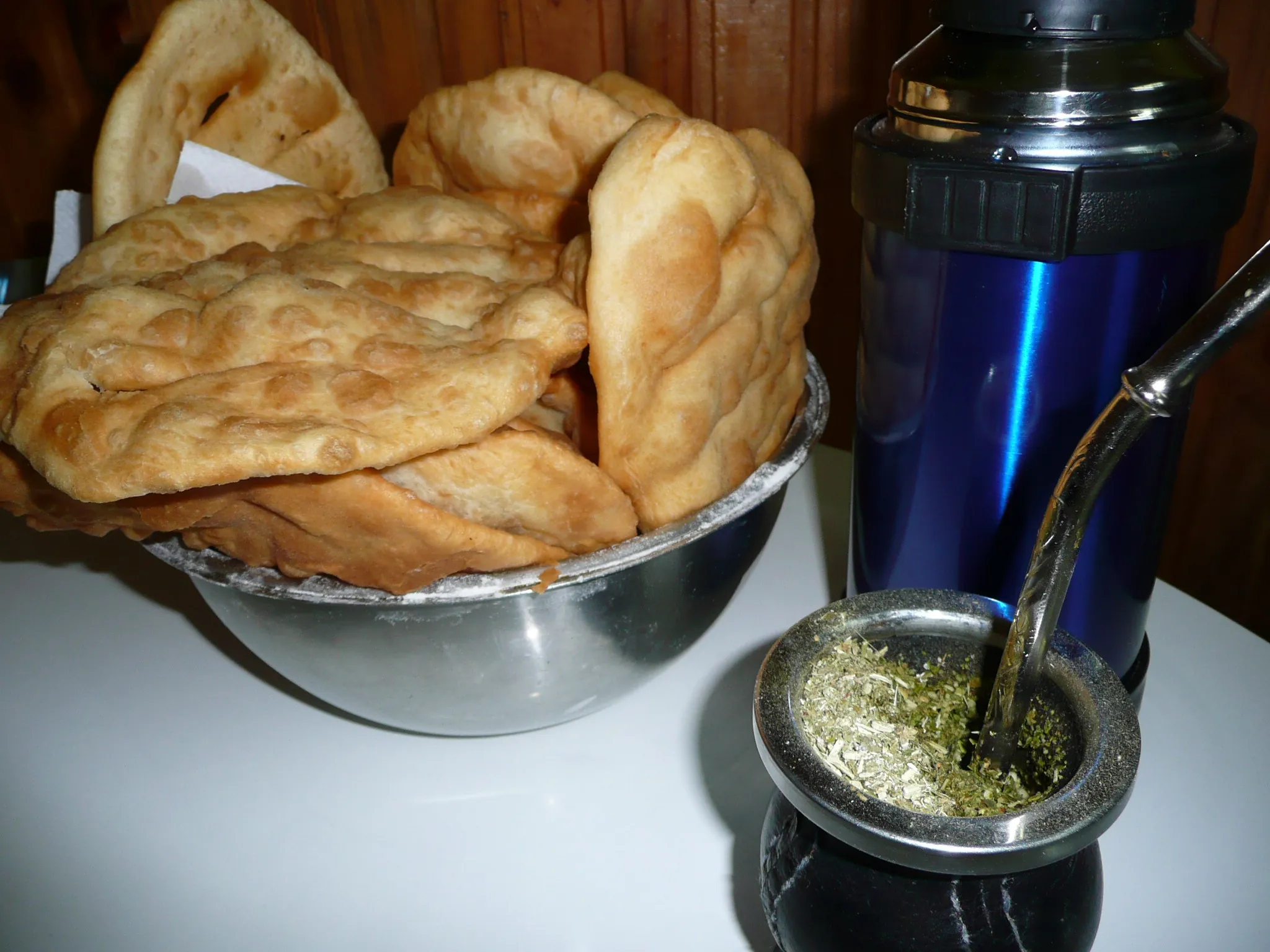
A bowl of golden torta fritas beside a mate gourd with a metal straw and a blue thermos Uruguay flag Uruguay 40m
Snack & Tea •Uruguay's Rainy-Day Snack

Torta Fritas

Torta fritas are Uruguay's beloved rainy-day snack: thin rounds of wheat-flour dough, fried until puffed and golden, then eaten plain, dusted with sugar or spread with dulce de leche. When the clouds roll in over Montevideo, home kitchens and street stalls start frying, and the smell of hot dough means it is time for mate. One serving is about 170 g.

Comfort & Warmth

Golden discs of fried wheat dough, crisp outside and soft inside, made for grey rainy afternoons with a hot mate.

Pairs Well With
Hot mate, dulce de leche and a dusting of sugar
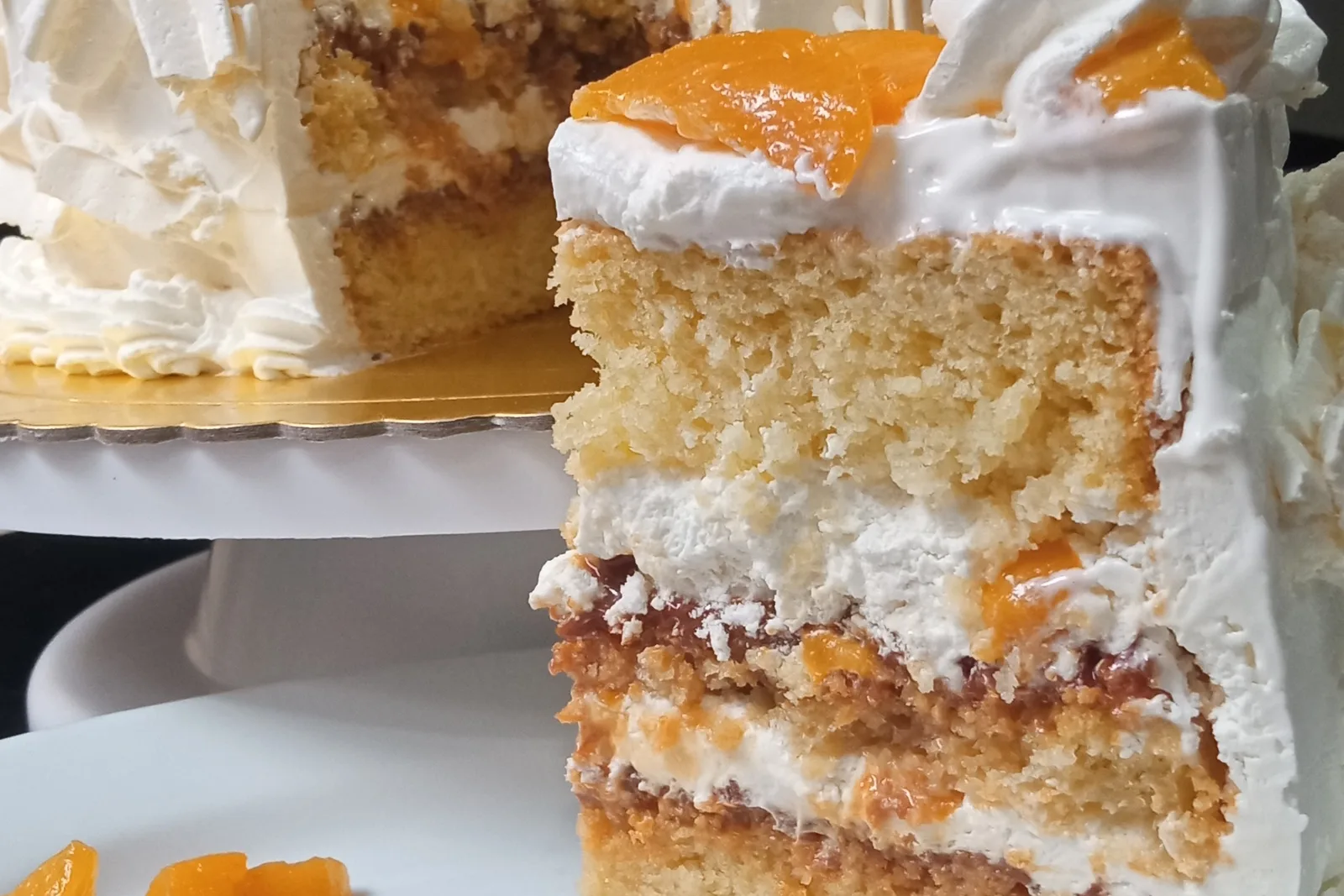
A slice of chaja cake with sponge, whipped cream, dulce de leche and peach layers, with the whole meringue-topped cake behind it Uruguay flag Uruguay 2h 45m
Snack & Tea •Paysandú Heritage

Chaja

This chaja recipe builds Uruguay's most original dessert layer by layer: a soft sponge cake soaked in peach syrup, crisp meringue, sweet whipped cream, peaches in syrup and dulce de leche, finished with crushed meringue all over the outside. It was created in Paysandú in 1927 and named after the chaja bird, whose soft white plumage the cake is said to resemble. One serving is about 195 g.

Celebration & Sharing

A cloud-light Uruguayan layer cake of sponge, crisp meringue, whipped cream, peaches and dulce de leche — Paysandú's most original dessert.

Pairs Well With
A slice of chaja with coffee or mate, at a birthday or Sunday table

The Dinner Gazette

Never wonder what’s for dinner again

One email a week with easy dinner ideas from around the world — ingredients, steps and nutrition, tested in our kitchen first.

Delivered every Thursday morning. Unsubscribe anytime.