Curated recipes from 193 countries  •  New seasonal Mediterranean issue out now

Overview

Uruguayan Asado

Asado uruguayo; Parrillada uruguaya

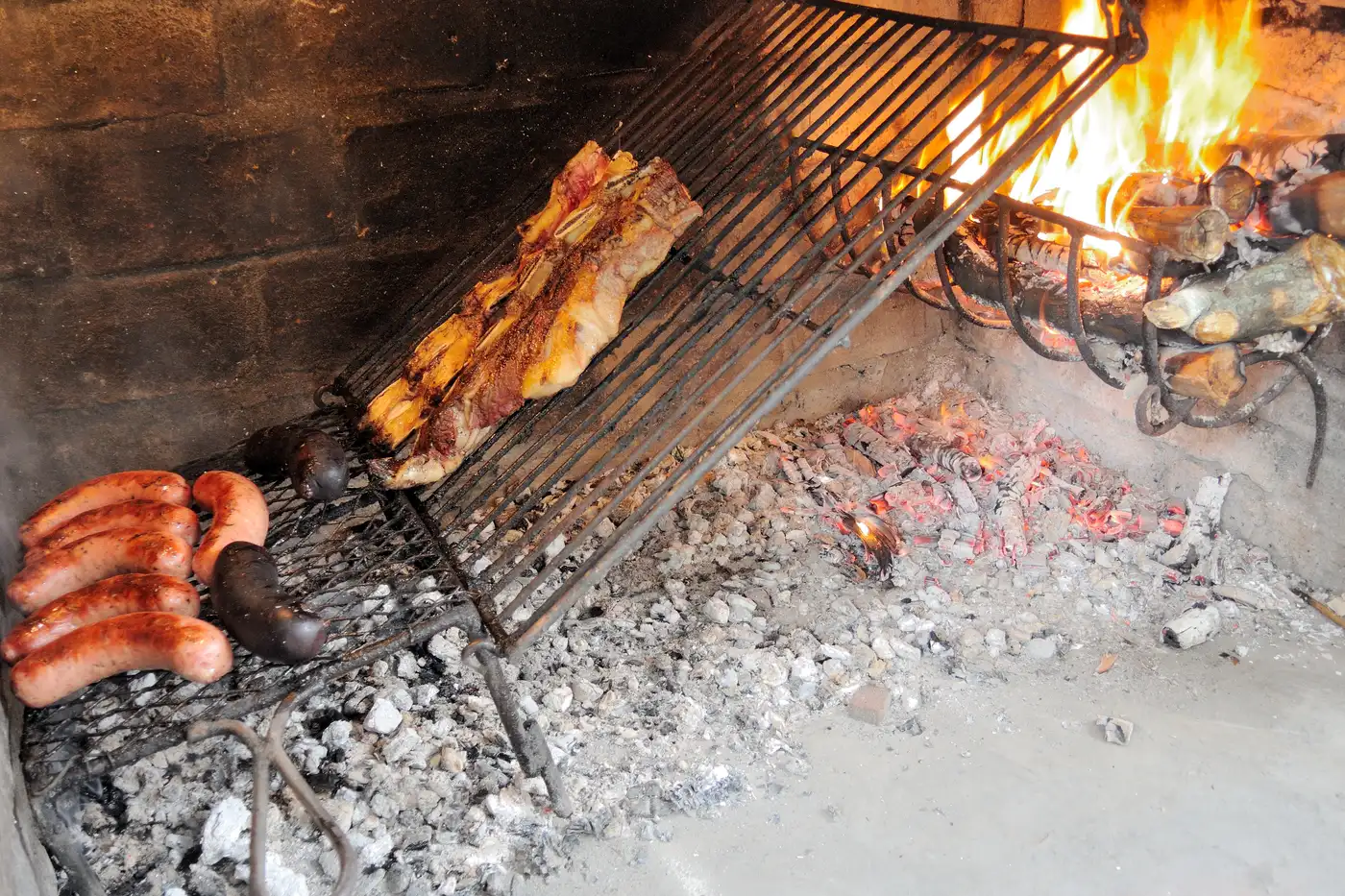
Uruguayan asado is a mixed grill cooked slowly over wood embers on the parrilla, the iron grill that stands at the centre of Uruguayan family life. Beef short ribs, flank and skirt steak go on first, followed by chorizo and morcilla, all seasoned with nothing but coarse salt, and the meal is served piece by piece as each cut is ready, with chimichurri and salsa criolla on the table. One serving is about 425 g.

Cattle arrived in the Río de la Plata region with Spanish colonists in the 1600s, and the gauchos who worked the herds cooked beef over open wood fires — the origin of the asado. In Uruguay the asado grew into the country's defining social meal: a slow Sunday gathering around the parrilla, the iron grill set over embers, where the asador cooks cut after cut and everyone eats as each piece is ready. Montevideo's Mercado del Puerto, the old port market, is famous for its rows of parrilla restaurants serving exactly this mixed grill.

Pairs well with: Salsa criolla & ensalada rusa

Provenance

Uruguay flag Uruguay

Montevideo Parrilla Heritage

Latin America & Caribbean

Time Dedication

2h

30m prep • 90m cook

Batch Yield

6 Servings

1403 kcal per serving

1 serving ≈ 425 g

Technical Skill

Intermediate

Medium (Ember Grilling)

Meal Timing & Digestive Fit

Breakfast

Not Advised

Lunch

Hearty Midday Main

Dinner

Ideal Hearty Main

Snack & Tea

Inappropriate

High Protein Occasions: Sunday family asado, weekend barbecue, dinner with friends, Father's Day, summer grilling Cost: Medium — about $8–10 per serving at home
Beef short ribs, chorizo and morcilla grilling over wood embers on a Uruguayan parrilla

Montevideo Parrilla Heritage

Photo: Fernando da Rosa (Fedaro), CC BY-SA 3.0, via Wikimedia Commons

The Heritage Formulary

Measured Ingredients

Estimated cost: Medium — about $8–10 per serving at home (USD)

Mixed beef cuts, chorizo and morcilla grilled slowly over wood embers, seasoned with coarse salt only.

Execution Methodology & Culinary Technique

Step-by-Step Cooking Guide

Active 2h
P

Prep Stage: Fire First, Sauces While the Embers Form

30 Mins • Fire, Sauces, Seasoning

Light hardwood or charcoal in the parrilla and let it burn down to glowing embers — this takes about 30 minutes, and the meat must never go on over open flames. While the fire settles, make the chimichurri (40 g parsley, 9 g garlic, 2 g oregano, 1 g red pepper flakes, 45 ml red wine vinegar, 90 ml olive oil, 1 g salt) and the salsa criolla (150 g tomato, 80 g onion, 80 g red pepper, 15 ml vinegar, 15 ml oil, 1 g salt, 2 g black pepper), and leave both to sit for at least 15 minutes. Season the beef and sausages with 10 g of coarse salt just before they go on the grill.

Maestro Tip: Start the fire before anything else — a rushed fire is the most common reason an asado fails.

  1. 1

    Light the fire and make the sauces

    25 mins Wood embers; grill about 180–200°C (350–400°F)

    Build a hardwood or charcoal fire on one side of the parrilla and let it burn down until the flames die and the embers glow red — about 25–30 minutes. While it burns, finely chop 40 g parsley leaves and 9 g garlic, then stir in 2 g oregano, 1 g red pepper flakes, 45 ml red wine vinegar, 90 ml olive oil and 1 g salt for the chimichurri. For the salsa criolla, finely dice 150 g tomato, 80 g onion and 80 g red pepper and toss with 15 ml vinegar, 15 ml oil, 1 g salt and 2 g black pepper. Leave both sauces to sit for at least 15 minutes.

    Chop the chimichurri by hand, not in a food processor — the sauce should be loose and leafy, not a smooth paste.

    Done when: Glowing embers with no flames; two finished sauces, one green and one diced and bright.

  2. 2

    Salt the meat

    5 mins Room temperature, about 20–22°C (68–72°F)

    Pat the 900 g short ribs, 700 g vacío and 500 g entraña dry with paper towels and sprinkle 10 g of coarse salt evenly over all sides. Prick each of the 4 chorizo sausages once or twice with a fork. Leave the meat at room temperature for 15 minutes so the salt settles and the surface dries — a dry surface is what lets the meat brown instead of steam.

    Salt just before grilling, not hours ahead — the asado tradition is salt only, and no marinade is needed.

    Done when: Meat dry to the touch, evenly salted.

  3. 3

    Grill the short ribs slowly

    50 mins Low ember heat, about 150–180°C (300–350°F)

    Spread the embers in a thin layer under the grill and lay the short ribs on bone-side down, away from the hottest spot. Cook for about 30 minutes on the bone side, then turn and cook for about 20 minutes on the meat side, until the fat is crisp and the meat pulls back slightly from the bone. Do not rush this cut — the tira de asado needs slow heat to turn tender.

    If fat drips and flares, move the ribs to a cooler part of the grill instead of letting them sit in the flames.

    Done when: Deep brown crust, fat rendered and crisp; centre at least 63°C (145°F) with a 3-minute rest for food safety.

  4. 4

    Add the vacío, entraña, chorizo and morcilla

    25 mins Medium ember heat, about 180–200°C (350–400°F)

    When the ribs have about 25 minutes left, add the vacío fat-side down and cook for 10–12 minutes per side. Add the entraña for the last 8–10 minutes, 4–5 minutes per side — it is thin and overcooks fast. Put the chorizo on with the vacío and turn it often until it is browned all over and reaches 71°C (160°F) inside. Add the morcilla last, for 8–10 minutes, turning once, just until heated through to 74°C (165°F); it is already cooked, so it only needs warming.

    Cook the cuts in sequence and take each one off as it is ready — the asado is served piece by piece, not all at once.

    Done when: Vacío and entraña browned outside and juicy inside, at least 63°C (145°F); chorizo 71°C (160°F); morcilla hot through at 74°C (165°F).

  5. 5

    Rest, slice and serve

    15 mins Resting at room temperature, about 20–22°C (68–72°F); serve hot

    Rest the beef on a warm board for 10 minutes — the juices redistribute and the temperature rises a few degrees. Slice the vacío and entraña against the grain into thin strips and cut the short ribs between the bones. Arrange all the meat with the chorizo and morcilla on a large wooden board, put the chimichurri and salsa criolla on the table, and serve immediately while everything is hot.

    Cutting against the grain shortens the muscle fibres and makes every bite tender, especially for the entraña.

    Done when: Juicy sliced beef, sausages hot through; beef rested 10 minutes and at least 63°C (145°F).

Finishing Touches & Plating

Pile the sliced beef, chorizo and morcilla onto a warm wooden board, set the chimichurri and salsa criolla on the table, and let everyone help themselves while the meat is still hot.

Nutritional Physiology & Benefits

Nutrition

Energy

1403

kcal / serving

Protein

87g

Complete AA

Carbs

6g

Complex

Fats

112g

Healthy

Per serving (6 servings · 1 serving ≈ 425 g)
Energy1403 kcal
Protein87 g
Carbohydrates6 g
Fat112 g
Fibre1.4 g
Sugar1.9 g
Sodium1860 mg
Per 100g
Energy330 kcal
Protein20.4 g
Carbohydrates1.4 g
Fat26.4 g
Fibre0.3 g
Sugar0.4 g
Sodium438 mg

Nutrition values are estimated — calculated from USDA FoodData Central values for the listed ingredients.

Vitamins & minerals: Vitamin B12, iron and zinc (beef), vitamin C (tomato, red pepper, parsley), vitamin K (parsley).

Serious Protein

With about 87 g of protein per serving, this is a genuinely high-protein dinner that supports muscle maintenance as part of an ordinary varied diet.

Fresh Sauces, No Sugar

Chimichurri and salsa criolla are raw herbs and vegetables with olive oil and vinegar — no sugar, no cream, no additives — and they bring vitamin C and vitamin K to the plate.

Iron and B12 from Beef

Beef is a strong source of iron and vitamin B12, nutrients that support normal red blood cell formation and energy metabolism.

Food Pairings

What to Eat With

To optimize nutrient absorption and elevate the sensory depth, pair with these authentic accompaniments:

Sauces

Salsa criolla

The sharp, diced tomato, onion and pepper salad cuts through the richness of the fatty cuts and refreshes the palate between bites.

Sides

Ensalada rusa

Cool potato, carrot and pea salad with mayonnaise is the classic Uruguayan asado side — its creaminess balances the smoky, salty meat.

Grilled provolone (provoleta)

A thick slice of provolone grilled until bubbling is the traditional first course of the asado, served while the meat is still cooking.

Drinks

Tannat

Uruguay's signature red wine has the tannin and dark fruit to stand up to grilled beef and sausages, and it is made to be drunk with this meal.

Full Menus

Full menu: provoleta, asado, Martín Fierro

Start with grilled provolone, follow with the asado, ensalada rusa and salsa criolla, and finish with Martín Fierro — cheese with quince paste.

Complete menu

Start with grilled provolone, serve the asado with ensalada rusa and salsa criolla, chimichurri on the table, and a glass of Tannat.

Digestive Guardrails

What NOT to Combine

To prevent digestive distress, sluggishness, or palate clash, avoid pairing the dish with these elements:

Grilling over open flames instead of embers

Flames char the outside before the inside cooks, and fat dripping into the fire creates smoke and bitter flavours; always wait until the fire has burned down to glowing embers. This is general information, not medical advice.

Slicing the beef straight off the grill

Cutting into hot meat immediately lets the juices run out onto the board instead of staying in the meat; rest it for 10 minutes first. This is general information, not medical advice.

General information only, not medical advice — consult a doctor for personal dietary decisions.

Who Should Eat It

Who Should Eat

  • General adultsA generous high-protein dinner for most adults; one mixed plate with salad is a complete meal.
  • ChildrenChildren can eat it when the meat is cooked through and sliced thinly; give them the leaner cuts and go easy on the pepper flakes.
  • ElderlyTender sliced vacío and entraña are easy to chew; cook to medium and slice thinly, and skip the tougher rib ends.
  • Pregnant womenFine when the beef reaches at least 63°C (145°F), the chorizo 71°C (160°F) and the morcilla is heated through; choose well-cooked pieces and fresh sauces.
  • Breastfeeding womenA protein-rich meal that fits well; the olive oil in the sauces adds healthy fats.
  • AthletesExcellent after training for its protein; add ensalada rusa or bread for the carbohydrate to refuel.
  • Weight gainEnergy- and protein-dense, which helps when you need to gain weight; add potatoes and bread.
  • Weight lossRich and calorie-dense from the fatty cuts and sausages, so a smaller portion of the leaner cuts with extra salad and a light hand on the oil is the lighter option.

Health Conditions — Adjust or Avoid

Conditions

  • DiabetesThe meal itself is very low in carbohydrate, but keep the potato salad and bread portions modest and ask your clinician about fitting asado into your meal plan.
  • High blood pressureOne serving carries about 1,860 mg of sodium from the salt and sausages, so keep the portion modest, skip extra salt and salty sides, and ask your clinician if you are on a low-sodium plan.
  • Kidney diseaseThe meal is very high in protein and sodium, so a small portion occasionally is the safer approach, and ask your clinician for personal advice.
  • GoutRed meat and blood sausage are high in purines, which can raise uric acid; keep the portion small and infrequent, and ask your clinician for personal advice.
  • Stomach issuesFatty grilled meat and sausages can be heavy to digest; eat slowly, keep the portion moderate and choose the leaner cuts, and ask your clinician if symptoms persist.
  • Cardiovascular diseaseThe fatty cuts and sausages are high in saturated fat, so enjoy asado as an occasional meal rather than a daily one, choose the leaner cuts, and ask your clinician about your overall pattern.
  • Fatty liverHigh in saturated fat and calories, so keep the portion small, favour the leaner cuts and the vegetable sides, and ask your clinician for personal guidance.
  • Food allergiesContains beef and pork. The meal is gluten-free and dairy-free as written, but check sausage labels, as some brands add milk or wheat, and anyone with an allergy to any ingredient should check the list carefully.
  • Special therapeutic dietsNaturally gluten-free and low in carbohydrate as written; not suitable for vegetarian or vegan diets. For therapeutic diets, keep portions small and ask your clinician for personal advice.

If you have a medical condition, consult your doctor before changing your diet.

Storage & Use

Storage & Use

How to store
Cool the meat and store it separately from the chimichurri and salsa criolla in covered containers.
In the fridge
Cooked meat 3–4 days; chimichurri 5 days in a sealed jar; salsa criolla 2 days.
In the freezer
Cooked beef and chorizo up to 2 months, sliced and wrapped; morcilla and the sauces do not freeze well.
How to reheat
Warm sliced meat gently in a 150°C (300°F) oven or a low pan until hot through, to 74°C (165°F); do not overcook it or it toughens.
Freezing recommended
Yes for the beef and chorizo; no for morcilla and the sauces — make them fresh.
Signs it has spoiled
Sour or off smell, slimy surface, grey or dull colour on the meat, or mould on the sauces — discard, do not taste to check.

More recipes to explore

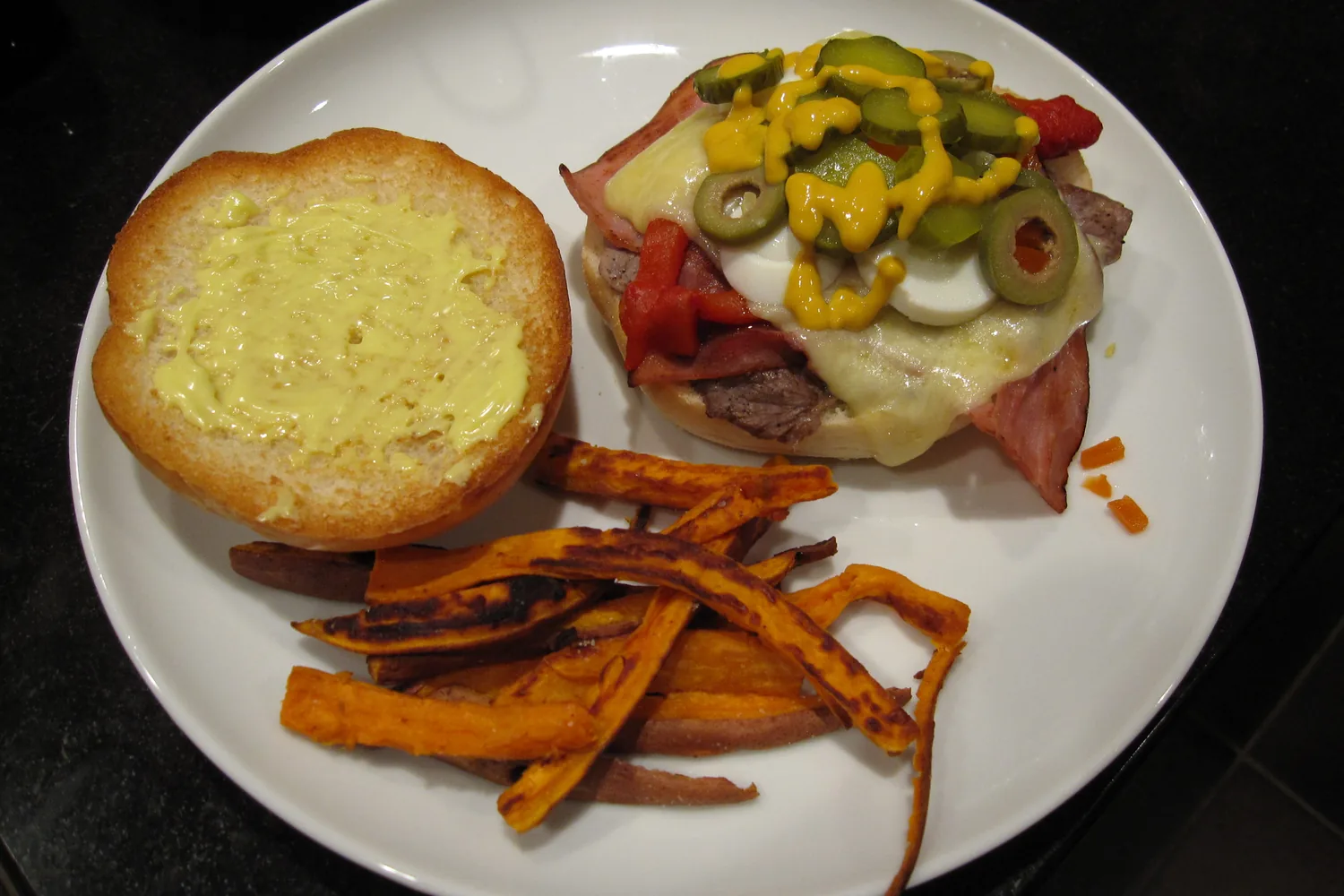
An open chivito sandwich on a white plate: a bun topped with grilled steak, ham, melted mozzarella, sliced hard-boiled egg, green olives, pickles and mustard, with sweet potato fries beside it Uruguay flag Uruguay 35m
Lunch •Punta del Este Classic

Chivito

This chivito recipe builds Uruguay's national sandwich: a thin grilled steak layered with ham, crisp bacon, melted mozzarella and a fried egg, finished with tomato, lettuce, green olives, mayonnaise and mustard in a soft toasted roll. One serving is about 445 g. It is a big, messy, deeply satisfying lunch that comes together in about 35 minutes.

Comfort & Warmth

A towering Uruguayan sandwich of grilled steak, ham, bacon, melted mozzarella and a fried egg in a soft roll.

Pairs Well With
French fries and a cold lager or a glass of Uruguayan tannat
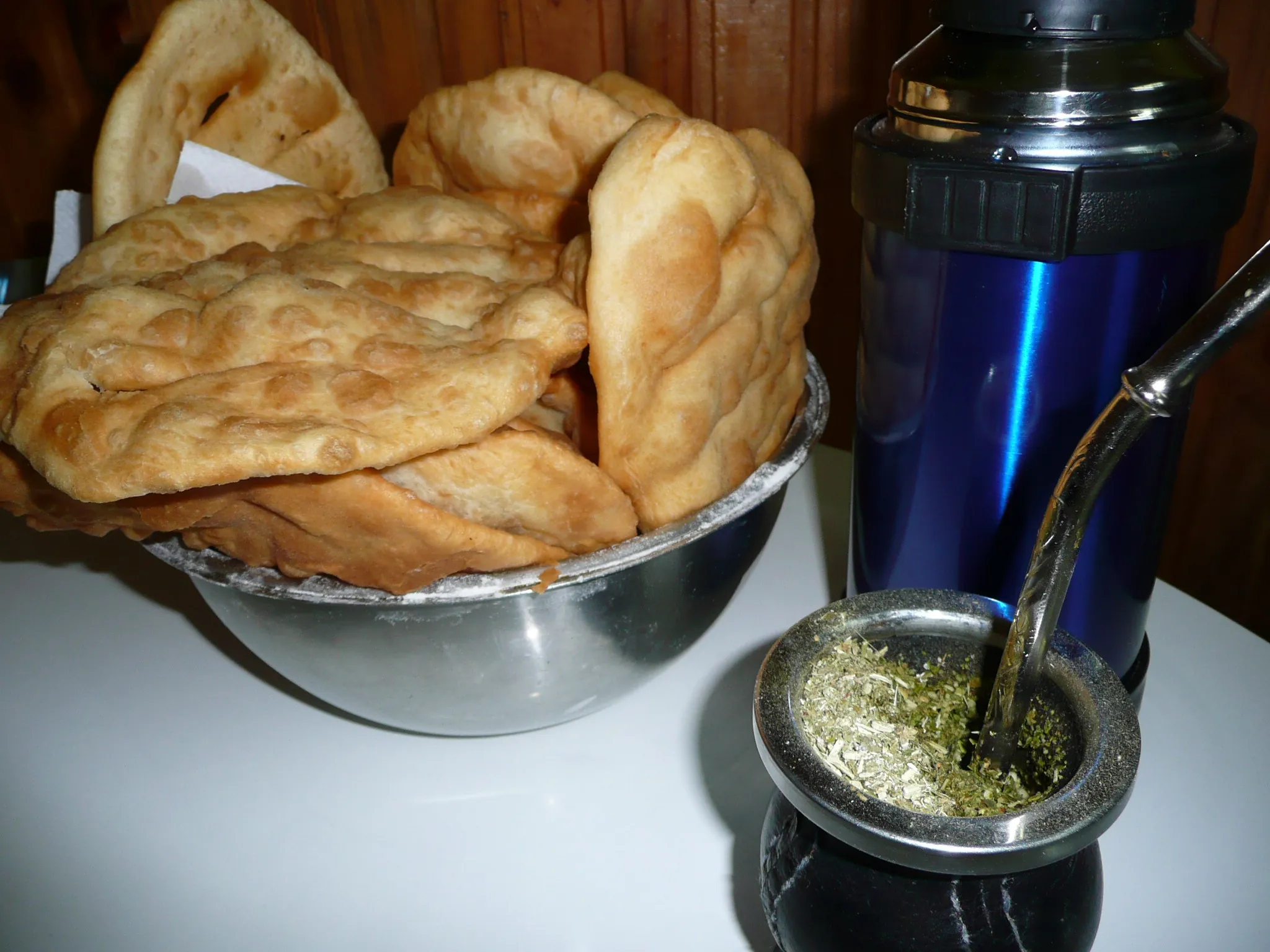
A bowl of golden torta fritas beside a mate gourd with a metal straw and a blue thermos Uruguay flag Uruguay 40m
Snack & Tea •Uruguay's Rainy-Day Snack

Torta Fritas

Torta fritas are Uruguay's beloved rainy-day snack: thin rounds of wheat-flour dough, fried until puffed and golden, then eaten plain, dusted with sugar or spread with dulce de leche. When the clouds roll in over Montevideo, home kitchens and street stalls start frying, and the smell of hot dough means it is time for mate. One serving is about 170 g.

Comfort & Warmth

Golden discs of fried wheat dough, crisp outside and soft inside, made for grey rainy afternoons with a hot mate.

Pairs Well With
Hot mate, dulce de leche and a dusting of sugar
Bœuf bourguignon — French beef braised in red wine France flag France 4h
Dinner •Burgundy Terroir

Bœuf Bourguignon

Beef braised gently in red wine until the connective tissue melts into a velvet, gelatin-rich sauce — the classic Burgundy Sunday dinner.

Cellular Repair

Beef braised in red wine until spoon-tender, with mushrooms and pearl onions.

Pairs Well With
Parsnip Purée & Steamed French Haricots Verts
High Protein
Vietnamese braised pork belly with golden eggs in caramel sauce Vietnam flag Vietnam 1h 45m
Dinner •One Pot

Vietnamese Braised Pork and Eggs

Pork belly slowly braised in coconut water and caramel until meltingly tender, with golden eggs that soak up the sweet-savoury sauce — the Vietnamese family dish that tastes better the next day.

Comfort & Sustained Energy

Slow-braised pork belly and eggs in coconut water and caramel.

Pairs Well With
Steamed rice & pickled mustard greens
High Protein

The Dinner Gazette

Never wonder what’s for dinner again

One email a week with easy dinner ideas from around the world — ingredients, steps and nutrition, tested in our kitchen first.

Delivered every Thursday morning. Unsubscribe anytime.