Curated recipes from 193 countries  •  New seasonal Mediterranean issue out now

Overview

Escovitch Fish

Jamaican Escovitch Snapper, Escabeche Fish

This escovitch fish recipe starts with whole red snapper, scored and fried until the skin is golden and shatteringly crisp, then pours a hot pickled sauce of onion, carrot, sweet pepper, Scotch bonnet and pimento in white vinegar over the top. The sharp, vinegary pickle soaks into the crust without turning it to mush, and the fish tastes brighter the longer it sits. One serving is about 315 g.

The name comes from the Spanish escabeche, a way of frying fish and keeping it in vinegar that reached Jamaica during Spanish rule in the 1500s. Jamaican cooks made it their own with Scotch bonnet, pimento and onion, and the dish became a Good Friday and Easter favourite, when many families eat fish instead of meat. It is still sold at beachside cookshops across the island, fried to order and piled with pickle.

Pairs well with: Festival dumplings or bammy, with fried ripe plantain and a cold sorrel drink.

Provenance

Jamaica flag Jamaica

Jamaican Heritage

Latin America & Caribbean

Time Dedication

50m

25m prep • 25m cook

Batch Yield

4 Servings

392 kcal per serving

1 serving ≈ 315 g

Technical Skill

Intermediate

Medium (Frying & Pickling)

Meal Timing & Digestive Fit

Breakfast

Not Advised

Lunch

Hearty Midday Main

Dinner

Ideal Hearty Main

Snack & Tea

Inappropriate

Occasions: Good Friday and Easter, family dinners, beach cookouts, Jamaican Independence Day Cost: Moderate — about $5–6 per serving at home
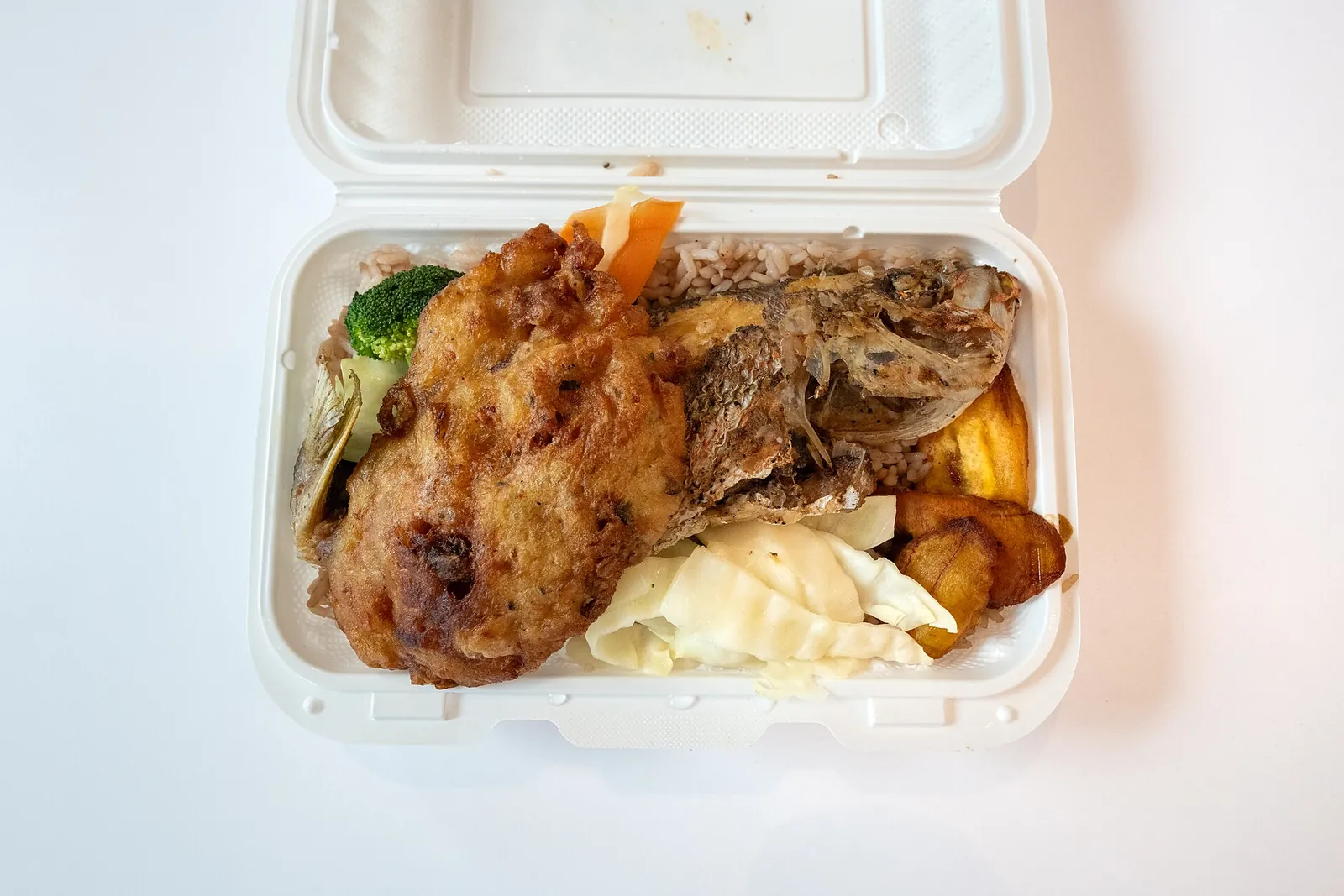
Whole golden fried escovitch fish in a takeout container with rice, fried plantain, cabbage and carrot

Jamaican Heritage

Photo: K6ka, CC BY-SA 4.0, via Wikimedia Commons

The Heritage Formulary

Measured Ingredients

Estimated cost: Moderate — about $5–6 per serving at home (USD)

Made the traditional way: whole snapper fried until the skin is crisp, then topped with a hot vinegar pickle that is poured over just before serving.

Execution Methodology & Culinary Technique

Step-by-Step Cooking Guide

Active 50m
P

Prep Stage: Fish & Pickle Vegetables

25 Mins • Cleaning, Scoring & Slicing

Rinse the snapper with lime juice, pat it very dry, score 3 shallow cuts on each side and season inside and out with half the salt, the black pepper and the thyme. While the fish rests, slice the onion into thin half-moons, cut the carrot into matchsticks, slice both peppers into thin strips, slice the garlic and lightly crush half the pimento berries.

Maestro Tip: Dry fish is the whole secret: any water left on the skin makes the oil spit and stops the crust from crisping.

  1. 1

    Wash, Score & Season the Fish

    15 Mins Cold rinse, about 20°C (68°F)

    Rub the lime juice over the cleaned snapper, rinse briefly and pat the fish very dry inside and out with paper towels. Score 3 shallow diagonal cuts on each side, cutting just through the skin into the flesh. Rub half the salt, the black pepper and the thyme sprigs into the scores and the cavity, then leave the fish to rest for 10 minutes while you slice the vegetables.

    Shallow scores only: cut too deep and the fish falls apart in the oil.

    Done when: Dry skin, seasoning worked into every score.

  2. 2

    Dust & Fry Until Crisp

    16 Mins Oil at 175–180°C (350°F)

    Heat the oil in a wide, deep pan until it shimmers and a pinch of cornstarch sizzles at once. Dust each fish lightly all over with cornstarch, shaking off the excess, and lay it gently into the oil away from you. Fry for about 8 minutes on the first side without moving it, then turn once with tongs and fry 8 minutes more until the skin is deep golden and crisp.

    Do not crowd the pan and do not turn the fish early: the crust sets in the first minutes, and moving it tears the skin.

    Done when: Deep golden, crisp skin; flesh at the thickest part flakes easily and reaches 63°C (145°F).

  3. 3

    Drain & Keep the Fish Crisp

    1 Min Hot fish, draining at room temperature

    Lift the fish out with tongs and a fish slice, letting the oil drip back into the pan, and set it on a wire rack over a tray — never on paper towels, which steam the crust soft. Keep the rack warm while you make the pickle.

    A wire rack is not optional here: the whole point of escovitch is crisp fish under a wet pickle, and a flat plate kills the crunch.

    Done when: Fish draining freely, skin still crackling.

  4. 4

    Simmer the Hot Escovitch Pickle

    8 Mins Simmering, about 100°C (212°F)

    Pour off all but 1 tablespoon of oil from the pan. Add the onion, carrot, both peppers, garlic, Scotch bonnet and pimento, and cook for 2 minutes until they just start to soften. Pour in the vinegar and water, add the sugar and the remaining salt, and simmer for 5 minutes more. The vegetables should stay bright and crunchy, and the liquid should taste sharply sour with a warm allspice hum.

    Taste the liquid before you pour: it should make you pucker slightly. If it is flat, add a splash more vinegar, not more sugar.

    Done when: Vegetables still crisp and bright; liquid sharply sour and fragrant.

  5. 5

    Pour Over & Serve at Once

    5 Mins Rest Serve hot, fish above 63°C (145°F)

    Set the fried fish on a warm platter, spoon the hot pickle vegetables over the top and ladle over some of the vinegar liquid. Rest for 5 minutes so the pickle soaks into the crust, then serve at once with festival, bammy or rice. The fish is at its best within 30 minutes, while the skin still has crunch against the sour pickle.

    Pour the pickle over the fish, never the fish into the pickle: drowning it in liquid turns the crust soggy in minutes.

    Done when: Hot fish with a crisp edge under a glossy, vinegary topping.

Finishing Touches & Plating

Serve the fish whole on a platter, pickle piled on top, with the extra vinegar liquid in a small jug so everyone can spoon over more. Eat it while the skin is still crisp — escovitch is a dish of contrasts, and the crunch against the sour pickle is the point.

Nutritional Physiology & Benefits

Nutrition

Energy

392

kcal / serving

Protein

35g

Complete AA

Carbs

21g

Complex

Fats

17g

Healthy

Per serving (4 servings · 1 serving ≈ 315 g)
Energy392 kcal
Protein35 g
Carbohydrates21 g
Fat17 g
Fibre2.0 g
Sugar6.9 g
Sodium714 mg
Per 100g
Energy125 kcal
Protein11.1 g
Carbohydrates6.6 g
Fat5.5 g
Fibre0.6 g
Sugar2.2 g
Sodium227 mg

Nutrition values are estimated — calculated from USDA FoodData Central values for the listed ingredients.

Vitamins & minerals: Snapper supplies selenium, vitamin B12 and vitamin D, the sweet peppers and carrot add vitamin C and vitamin A, and the onion adds potassium.

High in Protein

About 35.0 g of protein per serving from the snapper, which makes this a filling dinner.

Fresh Pickled Vegetables

Onion, carrot and peppers pickle in vinegar rather than frying, adding fibre and vitamin C with very few calories.

Naturally Gluten-Free

Dusted with cornstarch instead of flour, the dish as written contains no wheat or gluten.

Food Pairings

What to Eat With

To optimize nutrient absorption and elevate the sensory depth, pair with these authentic accompaniments:

Sides

Festival Dumplings

Sweet fried festival dumplings are the classic partner: their soft sweetness soaks up the sour pickle and balances the vinegar bite.

Bammy

Crisp fried cassava bammy gives a mild, starchy base that lets the sharp pickle and the fish do the talking.

Rice and Peas

Coconut rice and peas steadies the plate with gentle richness, and the beans add staying power to a light fish dinner.

Fried Ripe Plantain

Caramelised ripe plantain adds sweetness that tames the Scotch bonnet heat without dulling the vinegar tang.

Drinks

Sorrel Drink

Cold, tart hibiscus sorrel echoes the sourness of the pickle and cools the heat of the Scotch bonnet.

Complete menu

Serve the escovitch fish with festival dumplings, fried ripe plantain and a cold sorrel drink; a small bowl of steamed cabbage on the side completes the Jamaican table.

Digestive Guardrails

What NOT to Combine

To prevent digestive distress, sluggishness, or palate clash, avoid pairing the dish with these elements:

Biting Into the Scotch Bonnet

The Scotch bonnet in the pickle is very hot: warn everyone at the table, and fish it out before serving to children or anyone who cannot handle chilli. This is general food information, not medical advice.

Soaking the Fish in the Pickle

Leaving the fried fish sitting in the vinegar liquid for hours turns the crisp crust soft and soggy, so pour the pickle over just before serving and eat promptly. This is general food information, not medical advice.

General information only, not medical advice — consult a doctor for personal dietary decisions.

Who Should Eat It

Who Should Eat

  • General adultsA bright, filling dinner — about 35.0 g protein per serving, best eaten hot with festival or bammy.
  • ChildrenChildren can eat a small portion of the fish with the Scotch bonnet left out of their share and the pickle vegetables served mild.
  • ElderlyOlder eaters should pick out the small bones carefully and watch the salt: the pickle is salty, so keep the portion modest.
  • Pregnant womenPregnant women can eat it when the snapper is cooked right through to 63°C (145°F); snapper is a low-mercury fish, but keep portions moderate and ask your clinician if unsure.
  • Breastfeeding womenBreastfeeding women can eat it as part of a varied diet; the chilli heat passes into breast milk only in tiny amounts, but skip the Scotch bonnet if the baby seems unsettled.
  • AthletesAthletes get lean protein with starchy sides like festival or rice and peas that replace energy after training.
  • Weight gainFor weight gain, add extra festival, bammy and fried plantain alongside the fish.
  • Weight lossFor weight loss, keep the portion as stated, go easy on the fried sides and fill the plate with the pickled vegetables and a salad.

Health Conditions — Adjust or Avoid

Conditions

  • DiabetesAbout 20.8 g of carbs per serving, mostly from the pickle vegetables and a little sugar; keep starchy sides like festival small. Ask your clinician about portions.
  • High blood pressureSodium is about 714 mg per serving, mostly from the salt in the pickle, so this is a salty dish by nature. Ask your clinician about portions.
  • Kidney diseaseThe dish is high in protein and sodium, so people with kidney disease should eat it rarely and in a small portion. Ask your clinician.
  • GoutSnapper is a fish, so it is moderate in purines; a smaller portion with more pickled vegetables is the safer way to enjoy it. Ask your clinician about portions.
  • Stomach issuesVinegar and Scotch bonnet heat can irritate a sensitive stomach; leave the chilli out and eat a smaller share of the pickle liquid if you have reflux or gastritis. Ask your clinician if symptoms persist.
  • Cardiovascular diseaseThe fish itself is lean, but frying adds fat, so keep the fried sides modest and the portion sensible. Ask your clinician about portions.
  • Fatty liverFried fish with fried sides is energy-dense, so it is not an everyday choice for fatty liver; pair it with salad instead of festival. Ask your clinician about portions.
  • Food allergiesContains fish (red snapper). People with a fish allergy must not eat this dish. Ask your clinician if unsure.
  • Special therapeutic dietsOn a therapeutic diet, ask your clinician or dietitian whether the sodium and fat levels fit your plan.

If you have a medical condition, consult your doctor before changing your diet.

Storage & Use

Storage & Use

How to store
Cool quickly and store the fish and the pickle in separate covered containers in the fridge; keeping them apart protects the crust.
In the fridge
Keeps 2 days in the fridge at 4°C (40°F) or below.
In the freezer
Freezing is not recommended — the fried crust turns soggy and the pickled vegetables go limp when thawed.
How to reheat
Reheat the fish in a hot oven at 200°C (400°F) for 8–10 minutes until crisp and steaming hot, to 74°C (165°F); warm the pickle separately and spoon it over after reheating.
Freezing recommended
No — the fried fish loses its crisp texture in the freezer.
Signs it has spoiled
A sour smell beyond the normal vinegar tang, slimy flesh or discoloured pickle vegetables means it should be thrown away.

More recipes to explore

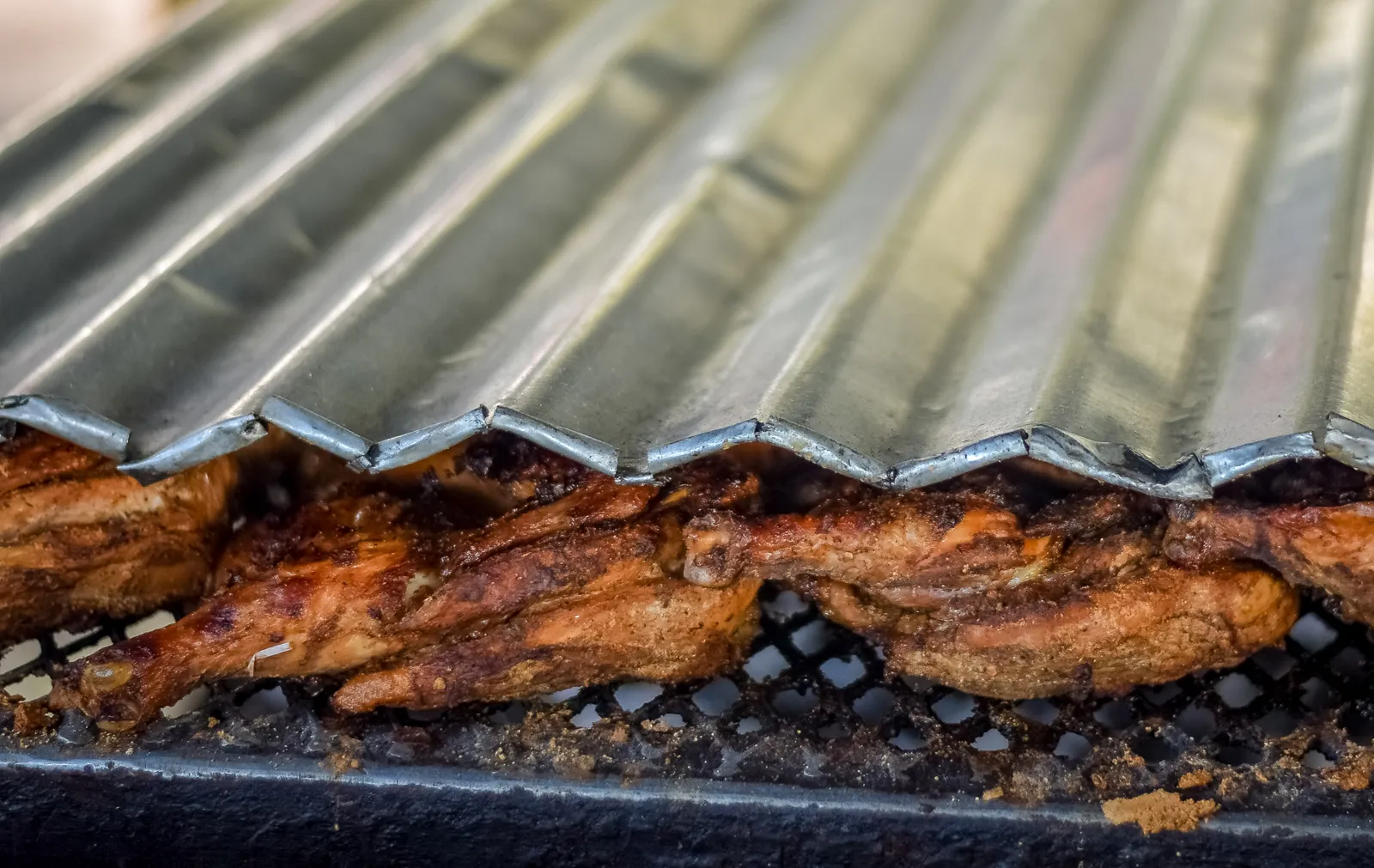
Jamaican jerk chicken grilling under a metal cover, dark and charred at the edges, in Montego Bay Jamaica flag Jamaica 55m
Dinner •Jamaican Heritage

Jamaican Jerk Chicken

This jamaican jerk chicken recipe rubs chicken thighs with a fiery paste of scotch bonnet chillies, allspice, thyme and lime, then grills them until the skin crisps and the meat stays juicy. The marinade does most of the work, so the cooking itself is short and simple. One serving is about 215 g.

Bold & Satisfying

Chicken marinated in scotch bonnet, allspice and thyme, then grilled until smoky and charred at the edges.

Pairs Well With
Rice and peas with a cool cabbage slaw and a wedge of lime.
High Protein
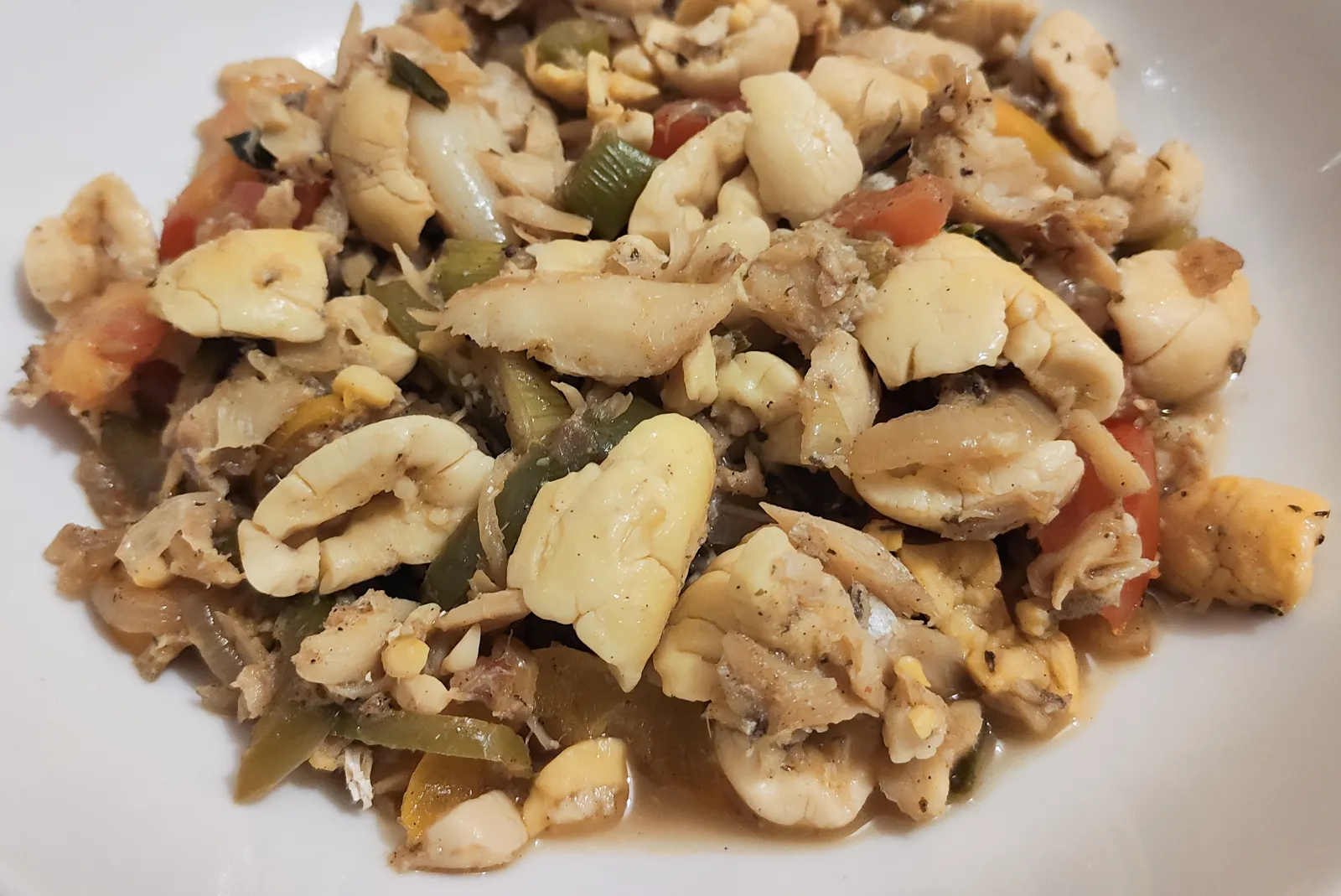
Ackee and saltfish in a white bowl, pale yellow ackee arils mixed with flaked salt cod, tomato and scallion Jamaica flag Jamaica 40m
Breakfast •Jamaican Heritage

Ackee and Saltfish

This ackee and saltfish recipe turns Jamaica's national dish into a breakfast worth waking up for: buttery ackee arils folded gently through flaked salt cod, sweet pepper, tomato and scallions. The ackee cooks soft and creamy while the saltfish stays savoury and firm. One serving is about 305 g.

Hearty & Traditional

Jamaica's national dish: creamy ackee folded through flaked salt cod with onion, tomato and sweet pepper.

Pairs Well With
Fried dumplings, boiled green banana and a cup of hot chocolate tea.
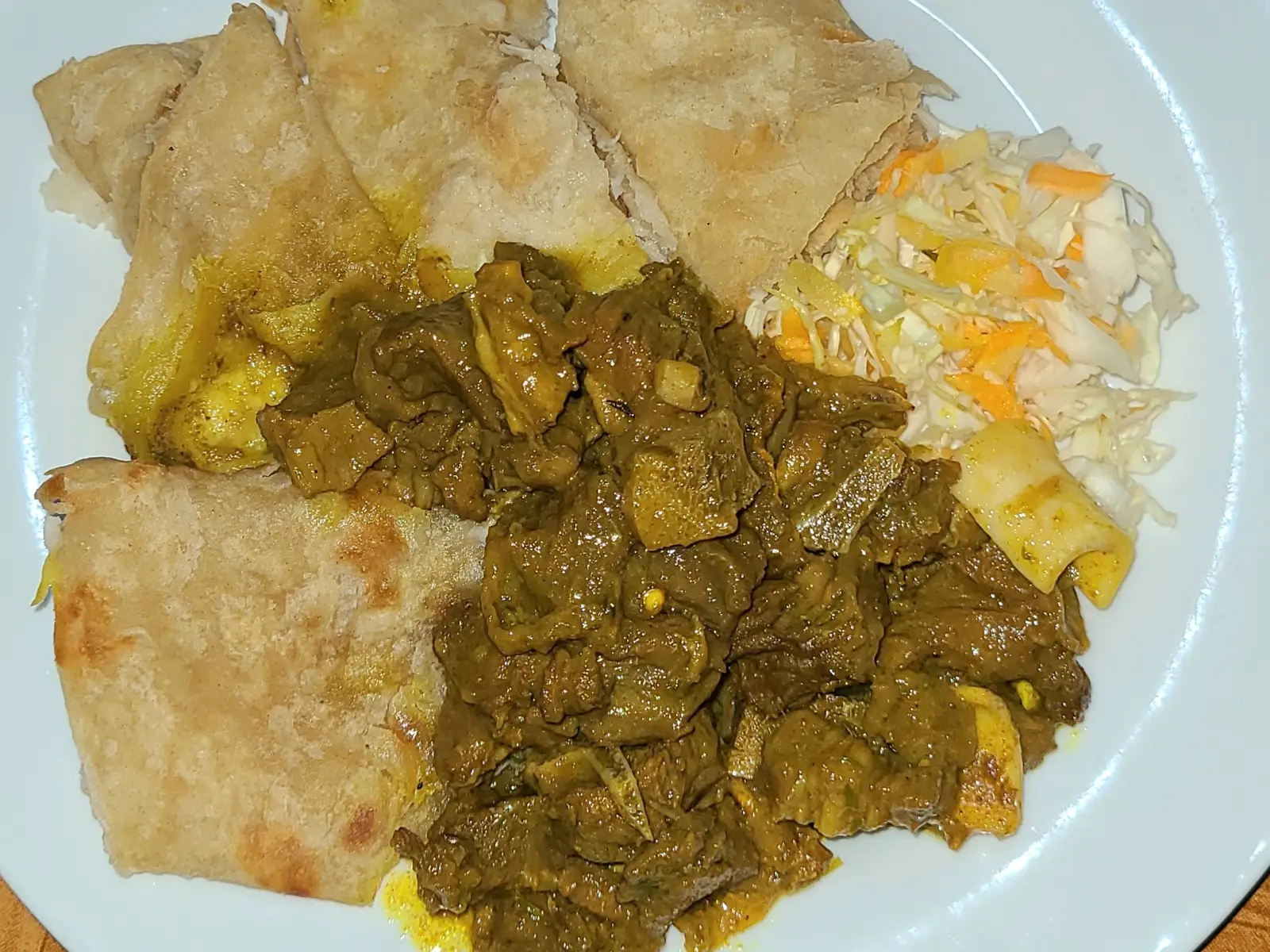
Jamaican curry goat with roti and cabbage slaw on a white plate, the meat coated in a rich yellow-brown curry sauce Jamaica flag Jamaica 2h 55m
Dinner •Jamaican Heritage

Jamaican Curry Goat

This jamaican curry goat recipe slow-braises bone-in goat in a deep yellow curry of Jamaican curry powder, allspice, thyme and scotch bonnet, with potato melting into the sauce. It takes time, but the meat turns so tender it slips off the bone. One serving is about 300 g.

Rich & Comforting

Goat slow-braised in Jamaican curry powder with potato, thyme and scotch bonnet until it falls off the bone.

Pairs Well With
Steamed rice and peas with roti and a crisp cabbage slaw.
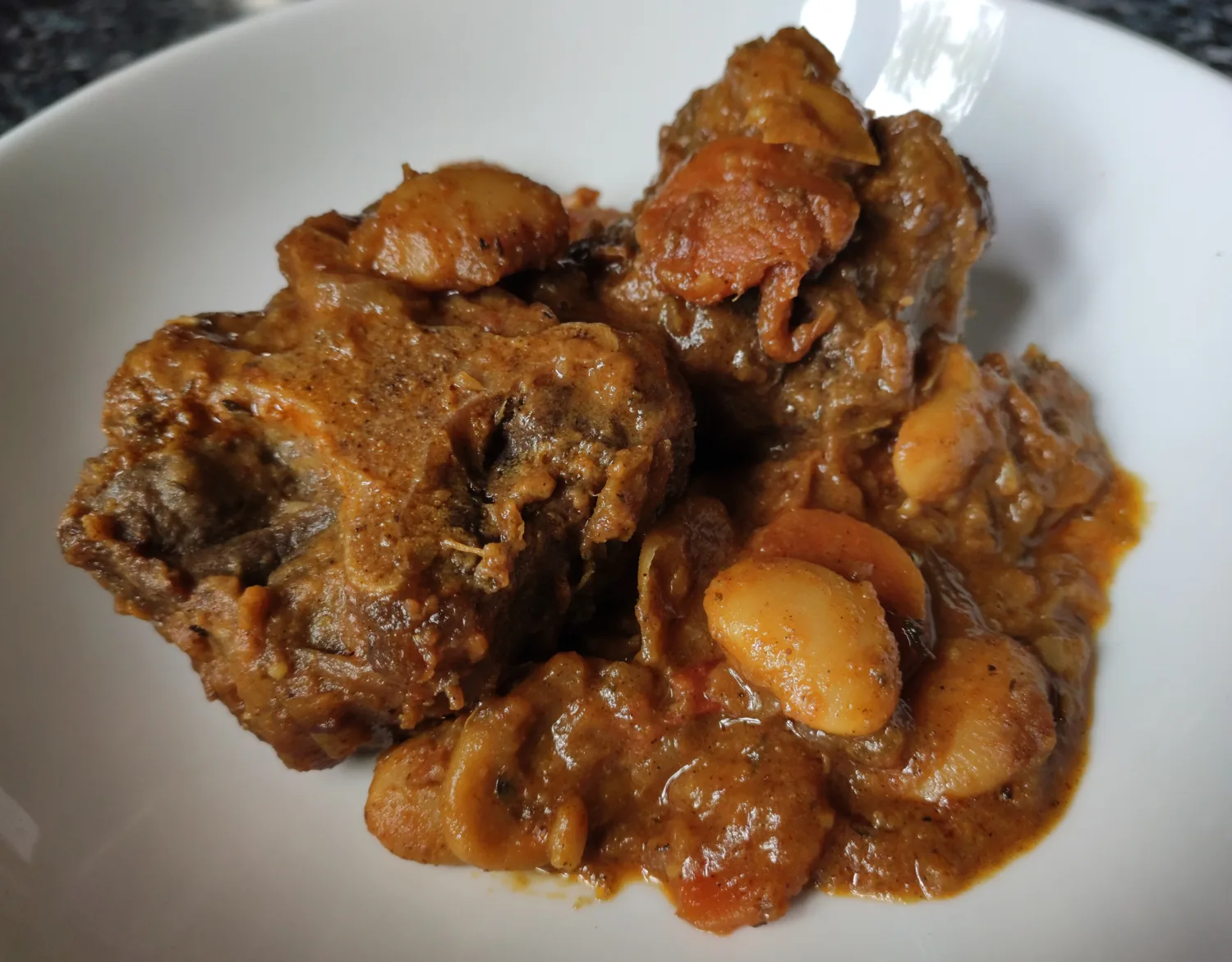
Jamaican oxtail stew with butter beans and carrot rounds in a thick brown gravy, served in a white bowl Jamaica flag Jamaica 3h 45m
Dinner •Jamaican Heritage

Jamaican Oxtail Stew

This jamaican oxtail stew recipe seasons bone-in oxtail with allspice, thyme and soy sauce, browns it in burnt sugar, then braises it low and slow for hours until the meat is meltingly tender. Butter beans and carrots go in near the end, soaking up the dark, glossy gravy. One serving is about 450 g.

Rich & Comforting

Oxtail slow-braised with butter beans, scotch bonnet and allspice until the meat falls off the bone in a thick, savoury gravy.

Pairs Well With
Rice and peas with fried plantain and a little steamed cabbage on the side.
High Protein

The Dinner Gazette

Never wonder what’s for dinner again

One email a week with easy dinner ideas from around the world — ingredients, steps and nutrition, tested in our kitchen first.

Delivered every Thursday morning. Unsubscribe anytime.