Curated recipes from 193 countries  •  New seasonal Mediterranean issue out now

Overview

Eswatini Samp and Beans

Umncushu, Samp and Beans

This eswatini samp and beans recipe is a slow, one-pot lunch: dried samp (crushed maize kernels) and sugar beans simmered together until tender, then stirred with onion, carrot and sunflower oil. In Eswatini the dish is known as umncushu, and it is served hot in deep bowls, often with greens or sour milk on the side. One serving is about 350 g.

Maize arrived in southern Africa centuries ago and became the region's staple grain, and samp — dried maize kernels with the hull and germ removed, then broken — is one of the oldest ways of cooking it. In Eswatini the combination of samp and beans is called umncushu: the samp and beans are boiled until soft, then mashed together, sometimes with ground peanuts stirred in. It is everyday food, cooked in a single pot over a wood fire, and it is the kind of dish that feeds a family cheaply and well, with the crusty bottom of the pot — known as skhokho — prized as the best part.

Pairs well with: Steamed pumpkin leaves or spinach, and a glass of emasi (sour milk) or iced rooibos

Provenance

Eswatini flag Eswatini

Eswatini Heritage

African Heritage

Time Dedication

2h 45m

15m prep • 150m cook

Batch Yield

4 Servings

489 kcal per serving

1 serving ≈ 350 g

Technical Skill

Intermediate

Easy (One Pot, Long Simmer)

Meal Timing & Digestive Fit

Breakfast

Not Advised

Lunch

Prime Metabolic Fit

Dinner

Ideal Hearty Main

Snack & Tea

Inappropriate

Occasions: Weekday lunch, family meals, gatherings Cost: Low — about $2–3 per serving at home
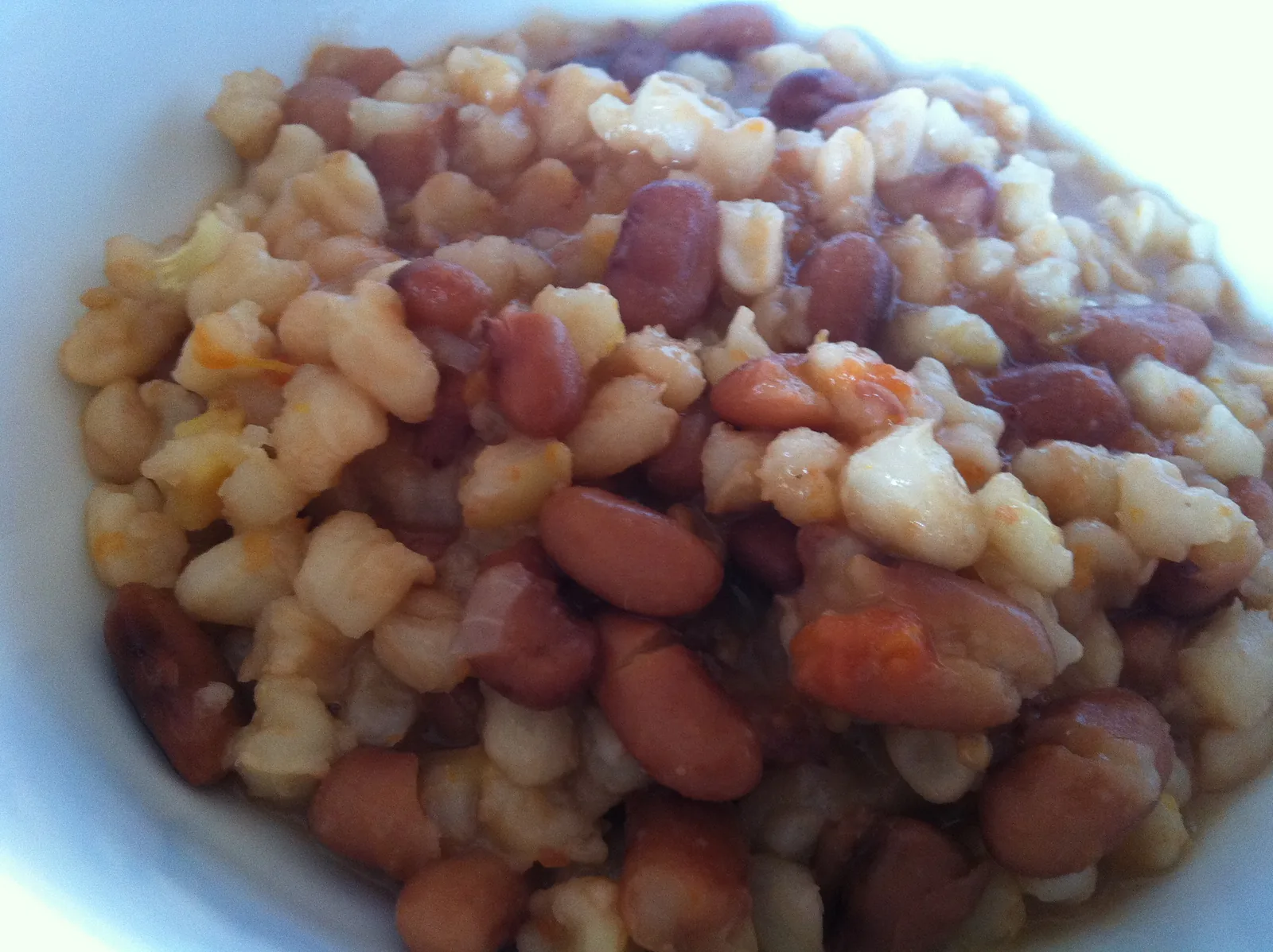
A white bowl of samp and beans — soft crushed maize kernels mixed with red-brown beans

Eswatini Heritage

Photo: Jon Mountjoy, CC BY 2.0, via Wikimedia Commons

The Heritage Formulary

Measured Ingredients

Estimated cost: Low — about $2–3 per serving at home (USD)

Good samp and beans is thick, creamy and spoonable, with whole kernels and beans still visible — never watery and never a smooth puree.

Execution Methodology & Culinary Technique

Step-by-Step Cooking Guide

Active 2h 45m
P

Prep Stage: Soak, Rinse, Chop

15 Mins Active + Overnight Soak

The night before, put the samp and the beans in a large bowl, cover with plenty of cold water, and leave to soak overnight — this is what cuts hours off the cooking and lets the kernels swell evenly. In the morning, drain and rinse them in several changes of water until the water runs clear. Dice the onion and carrot, measure the oil and salt, and have a kettle of boiling water ready, because a pot this size needs topping up as it simmers.

Maestro Tip: Do not add the salt during soaking or at the start of cooking — salt added too early keeps dried beans firm and can double the cooking time.

  1. 1

    Start the Samp

    10 Mins • Bring to the Boil Boiling, 100°C (212°F)

    Put the drained samp in a large heavy pot with the 1.5 L of water and bring to a rolling boil over high heat. Skim off any foam that rises, then reduce the heat to a steady simmer and put the lid on, leaving it slightly ajar so the pot does not boil over.

    A heavy pot with a tight lid holds the heat steady; a thin pot scorches the samp at the bottom.

    Done when: Water at a full rolling boil, foam skimmed, samp covered and simmering gently.

  2. 2

    Simmer the Samp Soft

    60 Mins • Gentle Simmer Simmering, about 95°C (203°F)

    Simmer the samp for about 60 minutes, stirring every 15 minutes so the kernels do not stick, and topping up with boiling water whenever the level drops below the samp. The kernels should swell, split and turn creamy at the edges while still holding their shape.

    Always top up with boiling water, never cold — cold water shocks the kernels and slows the softening.

    Done when: Kernels swollen and split, soft enough to crush easily between two fingers.

  3. 3

    Add the Beans

    60 Mins • Simmer Together Simmering, about 95°C (203°F)

    Tip in the drained soaked beans, stir once, and keep simmering for about 60 minutes more, topping up with boiling water as needed. The beans should go completely tender and a few should start to break down and thicken the pot. Do not add salt yet.

    If the beans still feel chalky after an hour, they were probably old — give them another 20 to 30 minutes rather than raising the heat.

    Done when: Beans mash easily with a fork; the pot is thick and creamy, not watery.

  4. 4

    Add Onion, Carrot and Oil

    15 Mins • Finish the Pot Simmering, about 95°C (203°F)

    Warm the sunflower oil in a small pan, soften the diced onion and carrot in it for about 5 minutes until the onion turns translucent, then stir the mixture into the pot with the salt. Simmer for 15 minutes so the vegetables cook through and the flavours come together.

    Softening the onion in oil first, instead of boiling it raw in the pot, gives the dish a rounder, sweeter flavour.

    Done when: Carrot cubes tender, onion translucent, pot thick enough to mound on a spoon.

  5. 5

    Mash Lightly and Rest

    5 Mins • Rest Off the Heat Off the heat, resting

    Take the pot off the heat and mash the samp and beans lightly with a wooden spoon or potato masher — just a few presses, so the dish turns creamy while plenty of whole kernels and beans remain. Taste and adjust the salt, then rest for 5 minutes before serving in deep bowls.

    Mash lightly: the Swazi way is a thick, spoonable mix with texture, not a smooth puree.

    Done when: Thick and creamy with whole kernels and beans still visible; holds its shape on a spoon.

Finishing Touches & Plating

Serve hot in deep bowls, with a spoonful of greens or a glass of sour milk alongside. Leftovers reheat well with a splash of water stirred through.
Nutritional Physiology & Benefits

Nutrition

Energy

489

kcal / serving

Protein

18g

Complete AA

Carbs

92g

Complex

Fats

7g

Healthy

Per serving (4 servings · 1 serving ≈ 350 g)
Energy489 kcal
Protein18 g
Carbohydrates92 g
Fat7 g
Fibre19.1 g
Sugar3.8 g
Sodium541 mg
Per 100g
Energy140 kcal
Protein5.3 g
Carbohydrates26.4 g
Fat1.9 g
Fibre5.4 g
Sugar1.1 g
Sodium155 mg

Nutrition values are estimated — calculated from USDA FoodData Central values for the listed ingredients.

Vitamins & minerals: Folate, iron, magnesium and potassium from the beans, plus B vitamins from the maize. Nutrition values are estimated.

Long-Lasting Energy

A 350 g serving provides about 489 kcal and 92 g of slow-release carbohydrate from maize and beans, which keeps you full for hours.

Fibre-Rich

About 19 g of fibre per serving — from the beans and the whole maize kernels — supports normal digestion.

Plant Protein

About 18 g of protein per serving from beans and maize together, with no meat needed, and the beans add iron and folate.

Food Pairings

What to Eat With

To optimize nutrient absorption and elevate the sensory depth, pair with these authentic accompaniments:

Vegetables

Steamed Pumpkin Leaves

Soft, earthy greens cut through the starchiness of the samp and beans, and their slight bitterness balances the sweet carrot.

Sides

Emasi (Sour Milk)

The cool tang of fermented milk is the traditional partner for maize dishes in Eswatini — its acidity brightens the mild, creamy pot.

Drinks

Iced Rooibos Tea

Unsweetened rooibos is gentle on the stomach and its mild, woody flavour suits a plain, hearty lunch without competing with it.

Full Menus

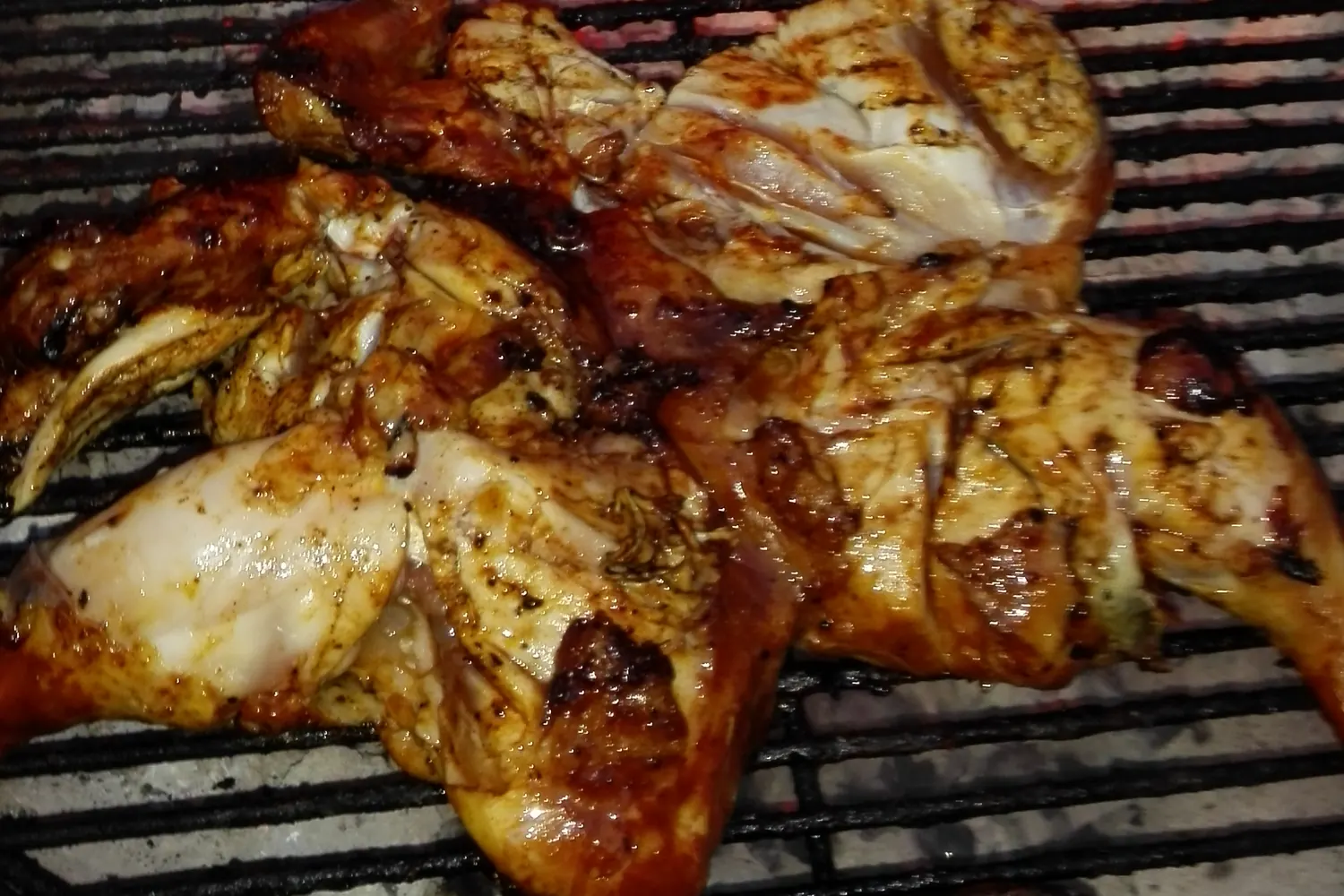
Grilled Chicken on the Side

For a bigger meal, a piece of charcoal-grilled chicken adds smoky flavour and extra protein, and the samp and beans soak up its juices.

Complete menu

Serve a bowl of samp and beans with steamed pumpkin leaves and a glass of emasi, and finish with fresh fruit — a full Swazi lunch.

Digestive Guardrails

What NOT to Combine

To prevent digestive distress, sluggishness, or palate clash, avoid pairing the dish with these elements:

Undercooked Dried Beans

Dried beans that are still hard or chalky in the middle are not just unpleasant — undercooked kidney-type beans can cause stomach upset. Simmer until they mash easily, and never shorten the cooking time to save time. This is general food-safety information, not medical advice.

Very Salty Relishes

The dish already contains a measured teaspoon of salt for four servings; pairing it with very salty sauces or cured meats can push the meal's sodium far higher than intended. Taste first, then decide. This is general nutrition information, not medical advice.

General information only, not medical advice — consult a doctor for personal dietary decisions.

Who Should Eat It

Who Should Eat

  • General adultsA filling, balanced lunch — one 350 g bowl with greens is a complete plate.
  • ChildrenSoft, mild and easy to eat; mash it a little finer for younger children and serve a smaller portion.
  • ElderlyGentle and easy to chew once the samp and beans are fully soft; make sure the beans are cooked until they mash easily.
  • Pregnant womenThe beans provide folate and iron, both useful in pregnancy; eat freshly cooked and hot, and store leftovers properly.
  • Breastfeeding womenA hearty, energy-rich meal that suits higher energy needs; beans can cause gas for some people, so start with a modest portion.
  • AthletesAbout 92 g of carbohydrate and 18 g of protein per serving make it a solid recovery lunch; add a piece of grilled chicken for more protein.
  • Weight gainEnergy-dense and easy to eat in large portions; a second bowl or a spoonful of ground peanuts stirred in adds calories.
  • Weight lossVery filling for its calories thanks to the fibre, but watch the portion — measure one 350 g serving rather than refilling the bowl.

Health Conditions — Adjust or Avoid

Conditions

  • DiabetesThe dish is high in carbohydrate (about 92 g per serving), so keep to one measured serving and pair it with plenty of greens — ask your clinician.
  • High blood pressureSalt is kept to 1 teaspoon for four servings; skip extra salty relishes and do not add more salt at the table — ask your clinician.
  • Kidney diseaseBeans are high in potassium and the dish is protein-rich, so portion size matters — ask your clinician before making it a regular meal.
  • GoutBeans are moderate in purines; a small portion is usually manageable, but check with your clinician if you are in a flare.
  • Stomach issuesThe high fibre and beans can cause bloating; eat slowly, chew well, and try a smaller first portion — ask your clinician if symptoms persist.
  • Cardiovascular diseaseLow in fat, high in fibre, and made with unsaturated sunflower oil — a heart-friendly pattern overall; keep the salt as measured — ask your clinician.
  • Fatty liverA whole-food, low-fat dish with no added sugar, which fits the usual dietary pattern for fatty liver — ask your clinician.
  • Food allergiesContains no gluten, dairy, egg or nuts as written. Check that your samp and beans are not processed in a facility with peanut cross-contact if that is a concern for you.
  • Special therapeutic dietsNaturally vegan and gluten-free; for a low-potassium or low-fibre therapeutic diet, the beans and whole maize may need adjusting — ask your clinician or dietitian.

If you have a medical condition, consult your doctor before changing your diet.

Storage & Use

Storage & Use

How to store
Cool within 2 hours, then store in an airtight container.
In the fridge
3 to 4 days.
In the freezer
3 months, in portions.
How to reheat
Reheat to 74°C (165°F) in a covered pan over medium heat with a splash of water, stirring often so it does not stick.
Freezing recommended
Yes — it freezes well in portions and reheats with a splash of water.
Signs it has spoiled
Sour smell, slimy surface, or mould.

More recipes to explore

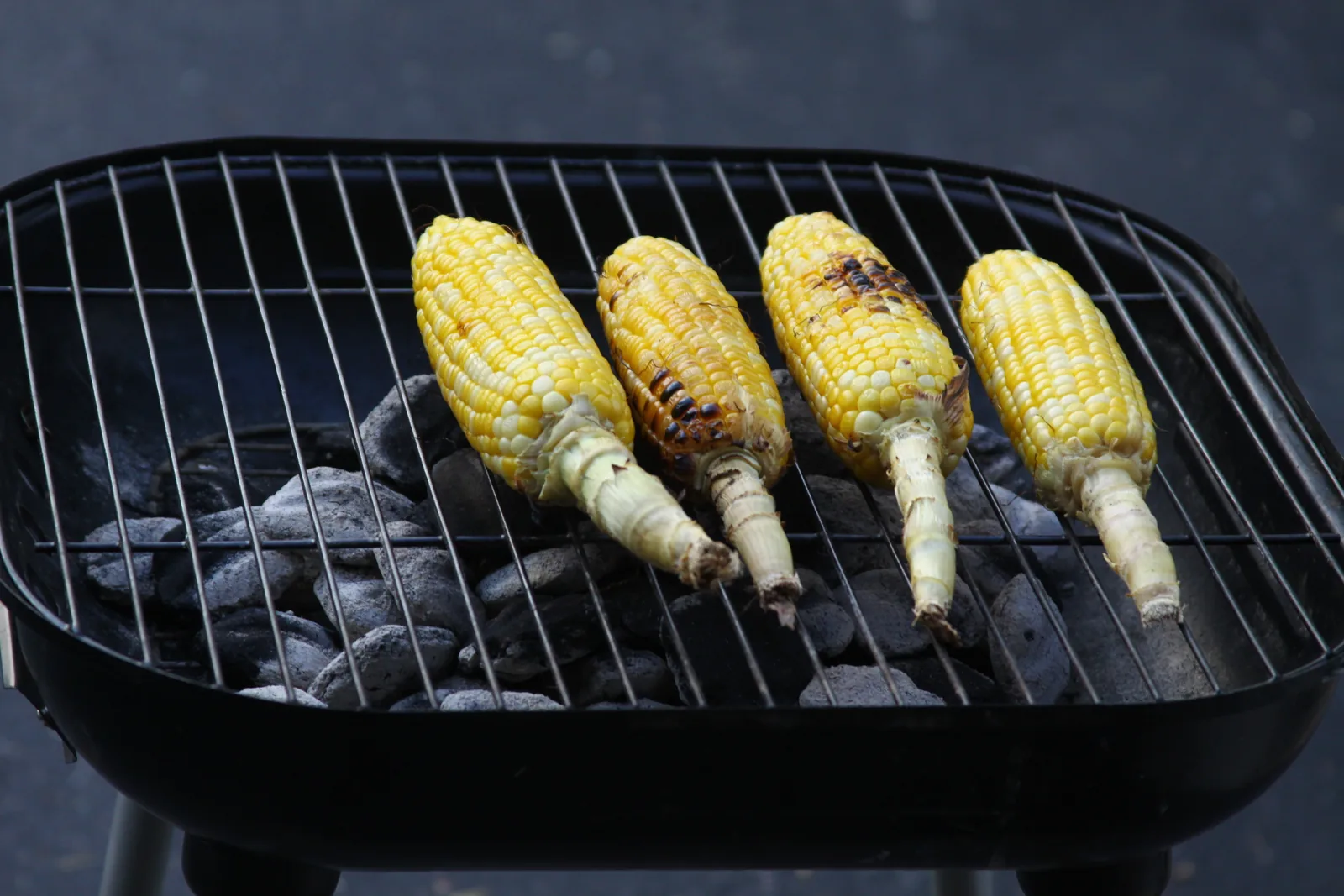
Four ears of grilled corn on the cob on a charcoal grill, one ear golden-brown with charred kernels Eswatini flag Eswatini 40m
Snack & Tea •Eswatini Heritage

Eswatini Roasted Mealies

This eswatini roasted mealies recipe is the simplest Swazi street food: fresh corn on the cob, husked and grilled over charcoal until the kernels turn golden and sweet, then rubbed with butter and a pinch of salt. Market stalls in Eswatini sell roasted corn on the cob in season, eaten hot with the hands. One serving is about 160 g.

Smoky Street Snack

Fresh corn on the cob grilled over charcoal until golden and sweet, then rubbed with butter and salt — the seasonal street snack sold at markets across Eswatini.

Pairs Well With
Grilled chicken, tomato-and-onion relish, or cold ginger beer
A spatchcocked chicken grilling over glowing charcoal on a braai grid Eswatini flag Eswatini 1h 40m
Dinner •Eswatini Heritage

Eswatini Grilled Chicken

Eswatini grilled chicken is a whole spatchcocked chicken marinated in lemon, garlic, paprika and chilli, then grilled slowly over charcoal until smoky and crisp. This eswatini grilled chicken recipe takes 100 minutes and serves 4 with a mound of soft maize pap. One serving is about 400 g.

Smoky Braai Favourite

A whole chicken butterflied, rubbed with lemon, garlic and chilli, and grilled over charcoal until the skin crisps — served with soft pap.

Pairs Well With
Soft pap, chakalaka relish, and braised greens
Tagliatelle al ragù Bolognese in a bowl with Parmigiano-Reggiano Italy flag Italy 4h 25m
Lunch •Emilia-Romagna

Tagliatelle al Ragù Bolognese

Slow-braised soffritto and coarse ground heritage meats layered over handmade egg yolk dough for mid-day stamina.

Lean Protein

Slow-simmered beef ragù tossed through fresh egg tagliatelle.

Pairs Well With
Bitter Radicchio & Aged Balsamico di Modena
Pasta & Noodles • High Protein
Pad kra pao gai — Thai holy basil chicken with fried egg and rice Thailand flag Thailand 30m
Lunch •Bangkok Street Flame

Pad Kra Pao Gai

High-heat wok flash of holy basil and crushed chillies over minced chicken, served over jasmine rice with a crispy-edged fried egg.

High Energy

Capsaicin brings the heat; holy basil adds a peppery, clove-like aroma.

Pairs Well With
Chilled Cucumber Salad & Fish Sauce Lime Dip
High Protein • Quick Prep (<30m)

The Dinner Gazette

Never wonder what’s for dinner again

One email a week with easy dinner ideas from around the world — ingredients, steps and nutrition, tested in our kitchen first.

Delivered every Thursday morning. Unsubscribe anytime.