
Curated recipes from 193 countries  •  New seasonal Mediterranean issue out now

Overview

Guinea-Bissau Caldo de Peixe

Caldo de Peixe de Guiné-Bissau, Guinea-Bissau Fish Soup

This guinea-bissau caldo de peixe recipe simmers whole small fish in a light tomato-onion broth with okra, garlic and a little chilli, then serves the soup ladled over steamed rice. One serving is about 710 g.

Caldo de peixe means fish broth in Portuguese, the language of Guinea-Bissau, and the dish belongs to the country's long Atlantic coast, where the day's catch is cooked the same day it is landed. The fish is simmered whole or in steaks with tomato, onion, garlic and chilli — a base that also appears in the country's fish stews — and the soup is ladled over rice, the everyday staple that soaks up the broth.

Pairs well with: Steamed rice, lemon and a cold drink

Provenance

Guinea-Bissau flag Guinea-Bissau

Bissau Coastal Classic

African Heritage

Time Dedication

55m

20m prep • 35m cook

Batch Yield

4 Servings

498 kcal per serving

1 serving ≈ 710 g

Technical Skill

Easy

Easy (One Pot)

Meal Timing & Digestive Fit

Breakfast

Not Advised

Lunch

Hearty Midday Main

Dinner

Ideal Hearty Main

Snack & Tea

Inappropriate

Soups & BrothsHigh Protein Occasions: Family dinners, warm evenings, seaside meals, everyday suppers Cost: Low — about $3–4 per serving at home
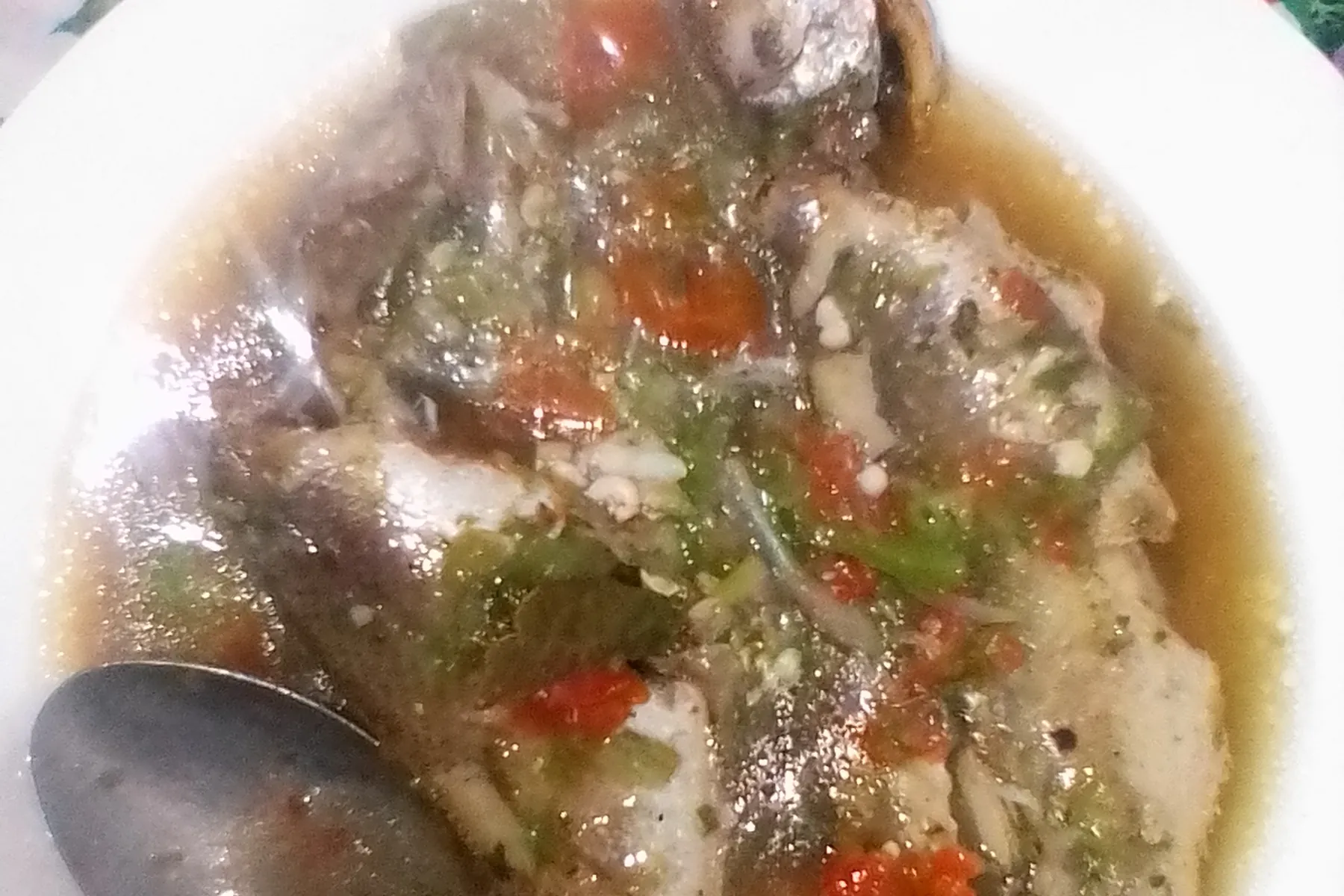
A white bowl of Guinea-Bissau caldo de peixe, whole fish in a light tomato and chilli broth with a spoon

Bissau Coastal Classic

Photo: Vitória213, CC0, via Wikimedia Commons

The Heritage Formulary

Measured Ingredients

Estimated cost: Low — about $3–4 per serving at home (USD)

A good caldo de peixe is judged by its broth: clear and light, tasting of tomato and the sea, with fish that flakes cleanly and okra that is just tender.

Execution Methodology & Culinary Technique

Step-by-Step Cooking Guide

Active 55m
P

Prep Stage: Clean the Fish and Chop the Vegetables

20 Mins • Knife Work

Rinse and pat the fish dry, score the skin lightly, then rub it with half the lemon juice and half the salt and leave it for 10 minutes. While it rests, slice the onion, chop the tomatoes and garlic, slice the okra, chop the chilli, and rinse the rice.

Maestro Tip: Salting the fish for 10 minutes firms the flesh so it holds together in the broth instead of falling apart.

  1. 1

    Soften the Tomato-Onion Base

    10 Mins Medium heat, ~160°C (320°F)

    Heat the vegetable oil in a large wide pot. Fry the onion for 4 minutes until soft and pale gold, then add the garlic and chilli and fry for 1 minute. Stir in the tomatoes, bay leaves and black pepper and cook for 5 minutes, stirring, until the tomatoes break down into a loose sauce.

    Let the tomatoes cook until they lose their raw edge — a pale, watery base makes a thin-tasting soup.

    Done when: The onion is soft and golden and the tomatoes have collapsed into a sauce.

  2. 2

    Simmer the Fish and Okra

    15 Mins Gentle simmer, ~95°C (200°F)

    Pour in the 750 ml water and bring to a gentle simmer. Lay the fish in the pot in a single layer, spoon some broth over each piece, and scatter the okra around them. Cover and simmer gently for 12–15 minutes. Do not boil hard or stir the fish. The fish is done when the flesh flakes easily and reaches 63°C (145°F) at the thickest part.

    A hard boil breaks the fish into shreds — keep the surface barely bubbling and move the fish as little as possible.

    Done when: The fish flakes cleanly with a fork, the okra is tender, and the broth tastes of tomato and fish.

  3. 3

    Cook the Rice

    20 Mins Boiling then low simmer, 100°C (212°F) then ~90°C (195°F)

    While the soup simmers, cook the rinsed rice in a separate pot with 400 ml water and a pinch of salt: bring to the boil, cover, turn the heat to low and cook for 15 minutes, then rest off the heat for 5 minutes. Fluff with a fork.

    Start the rice at the same time as the soup base so both finish together — rice left waiting goes cold and clumps.

    Done when: The rice is tender, the water is absorbed, and the grains separate easily.

  4. 4

    Finish, Rest and Serve

    5 Mins Serve hot, ~60°C (140°F)

    Lift out the bay leaves. Stir in the remaining lemon juice and the chopped parsley, taste and adjust the salt, then rest the pot off the heat for 3 minutes. Spoon rice into deep bowls, lay a piece of fish on top and ladle the broth and okra over it.

    The lemon juice goes in last — boiling it dulls its brightness.

    Done when: The broth is bright and savoury, the fish is hot through, and the rice is steaming.

Finishing Touches & Plating

Serve each bowl with the fish whole on the rice, plenty of broth ladled over, and lemon wedges on the side for anyone who wants more brightness.

Nutritional Physiology & Benefits

Nutrition

Energy

498

kcal / serving

Protein

47g

Complete AA

Carbs

54g

Complex

Fats

11g

Healthy

Per serving (4 servings · 1 serving ≈ 710 g)
Energy498 kcal
Protein47 g
Carbohydrates54 g
Fat11 g
Fibre4.6 g
Sugar6.0 g
Sodium513 mg
Per 100g
Energy70 kcal
Protein6.6 g
Carbohydrates7.7 g
Fat1.5 g
Fibre0.6 g
Sugar0.8 g
Sodium72 mg

Nutrition values are estimated — calculated from USDA FoodData Central values for the listed ingredients.

Vitamins & minerals: Vitamin D and B12, selenium and iodine (fish), vitamin C (tomato, lemon and chilli), vitamin K and folate (okra and parsley).

Lean Protein, Generously

A serving carries about 47 g of protein from the fish, so the meal is filling without feeling heavy.

Vitamin D, B12 and Selenium

Fish is one of the few foods that naturally provides vitamin D and B12, and it also supplies selenium and iodine.

Tomato, Okra and Chilli

The vegetables bring vitamin C and fibre to the bowl, and the okra gives the broth its gentle, silky body.

Food Pairings

What to Eat With

To optimize nutrient absorption and elevate the sensory depth, pair with these authentic accompaniments:

Sides

Steamed White Rice

Rice is the Bissau way to eat this soup — it soaks up the light tomato broth and turns a bowl of fish into a full dinner.

Fried Plantain

Sweet, golden plantain adds a soft, caramelised contrast to the savoury, lightly spiced broth.

Vegetables

Cucumber and Tomato Salad

A crisp, lightly salted salad refreshes the palate between spoonfuls of warm, rich fish.

Drinks

Chilled Hibiscus Drink

A cold, tart hibiscus drink cools the chilli heat and cleanses the palate without adding heaviness.

Complete menu

Serve the caldo de peixe over steamed rice with fried plantain and a cucumber and tomato salad on the side, and a chilled hibiscus drink on the table.

Digestive Guardrails

What NOT to Combine

To prevent digestive distress, sluggishness, or palate clash, avoid pairing the dish with these elements:

A Rich Peanut Sauce Over the Soup

Peanut sauce would turn this light broth into a heavy stew and hide the clean flavour of the fish — and it is a common allergen, so keep it off this dish. This is general guidance, not medical advice.

Very Sugary Drinks With the Meal

Sweet sodas add a lot of sugar to the meal and dull the bright tomato and lemon flavours; water, sparkling water or unsweetened hibiscus are better matches. This is general guidance, not medical advice.

Extra Raw Chilli for Sensitive Stomachs

Raw chilli and its capsaicin can irritate a sensitive stomach lining, so anyone prone to heartburn should keep the chilli in the cooked broth only and skip extra fresh chilli on top. This is general guidance, not medical advice.

General information only, not medical advice — consult a doctor for personal dietary decisions.

Who Should Eat It

Who Should Eat

  • General adultsA light, complete dinner — lean fish, vegetables and rice in one bowl.
  • ChildrenSuitable from age 3+; serve the flesh only, carefully checked for bones, and keep the chilli out of a child's portion.
  • ElderlyVery suitable — the fish is soft and easy to eat; take care with small bones.
  • Pregnant womenGenerally suitable; make sure the fish is cooked through to 63°C (145°F) and eat it freshly cooked and hot. Ask your clinician if you are unsure about fish choices.
  • Breastfeeding womenGenerally suitable; the protein and fluids support recovery, and the mild spice is easy to adjust.
  • AthletesA good post-training dinner — about 47 g of protein per serving with rice to replenish energy.
  • Weight gainA generous portion with extra rice and a side of fried plantain adds energy without extra cooking.
  • Weight lossThe soup itself is light; keep the rice to about a cup and skip the fried plantain. Ask your clinician about a portion that fits your plan.

Health Conditions — Adjust or Avoid

Conditions

  • DiabetesRice is the main source of carbs — keep it to about a cup per serving and ask your clinician about portion size.
  • High blood pressureMost of the sodium comes from added salt; season lightly and let the lemon do the work. Ask your clinician about a suitable portion.
  • Kidney diseaseFish and rice both add potassium and phosphorus, so keep portions moderate and ask your clinician about portion size.
  • GoutEat occasionally and in moderate portions — fish contains purines, and large servings can raise uric acid. Ask your clinician about how often it fits your diet.
  • Stomach issuesThe broth is light, but chilli and tomato can irritate a sensitive stomach; use half the chilli or none. Ask your clinician if symptoms persist.
  • Cardiovascular diseaseA light, low-fat fish soup fits well; keep added salt low and skip fried sides. Ask your clinician about a suitable portion.
  • Fatty liverA lean fish soup with vegetables is a light choice; avoid adding extra oil or fried sides. Ask your clinician about a suitable portion.
  • Food allergiesContains fish, the main allergen in this dish. Anyone with a fish allergy must not eat it, and the pot and utensils should not be shared with other dishes. Ask your clinician if you are unsure.
  • Special therapeutic dietsThe soup is naturally gluten-free and dairy-free; check the rice and any side dishes against your own diet rules and ask your clinician or dietitian before changing your diet.

If you have a medical condition, consult your doctor before changing your diet.

Storage & Use

Storage & Use

How to store
Cool quickly and store the soup and the rice in separate airtight containers.
In the fridge
1–2 days.
In the freezer
Up to 2 months; freeze the soup without the rice, which goes grainy when frozen.
How to reheat
Reheat gently in a covered pan until steaming, and make sure it reaches 74°C (165°F) throughout; do not reheat more than once.
Freezing recommended
Only if needed — the fish is best eaten fresh; freezing softens the flesh and the okra.
Signs it has spoiled
Sour or ammonia smell, slimy fish, or a cloudy, off-smelling broth.

More recipes to explore

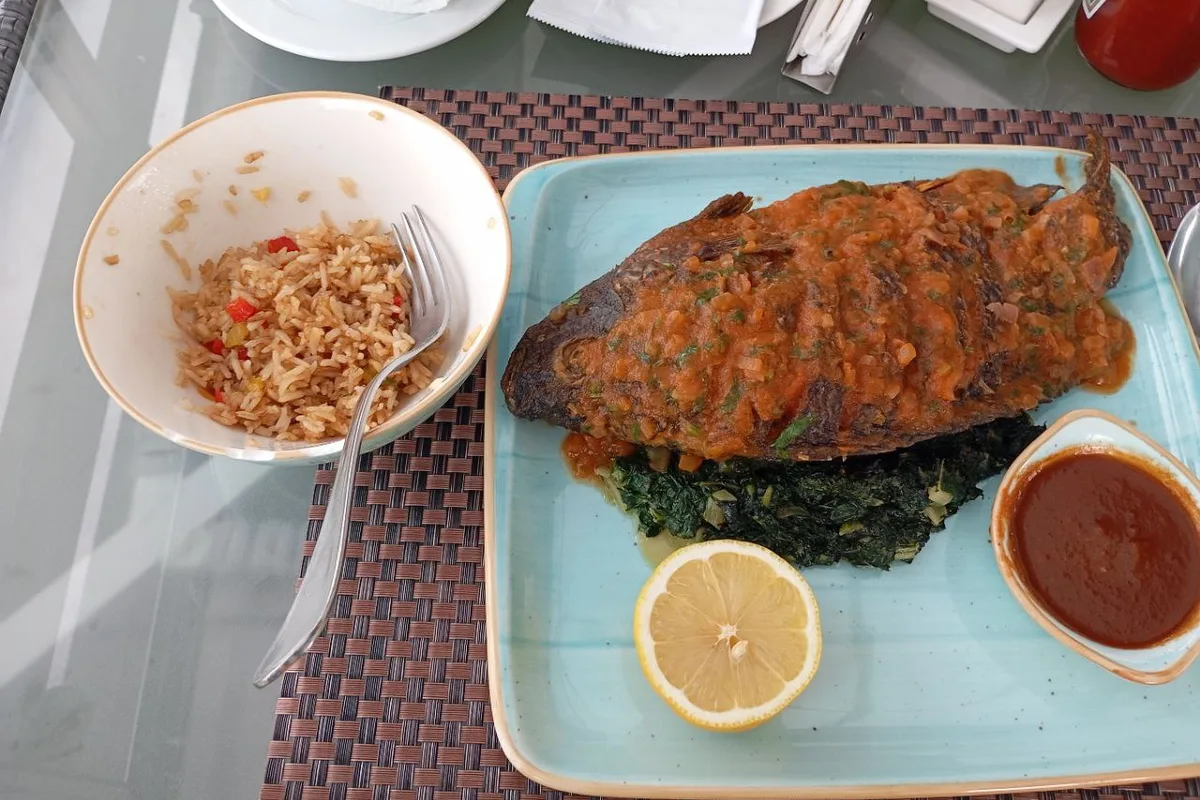
A whole grilled fish topped with tomato and onion sauce, served with rice, lemon and pepper sauce Guinea-Bissau flag Guinea-Bissau 50m
Dinner •Bissau's Coastal Classic

Guinea-Bissau Grilled Fish

This guinea bissau grilled fish recipe marinates whole tilapia in garlic, ginger and lemon, grills it until the skin crisps, then spoons a warm tomato, onion and chilli sauce over the top. One serving is about 510 g.

Light & Fresh

Whole fish grilled over heat with a tomato, onion and chilli topping, served with rice.

Pairs Well With
Steamed rice, lemon and a cold drink
Bœuf bourguignon — French beef braised in red wine France flag France 4h
Dinner •Burgundy Terroir

Bœuf Bourguignon

Beef braised gently in red wine until the connective tissue melts into a velvet, gelatin-rich sauce — the classic Burgundy Sunday dinner.

Cellular Repair

Beef braised in red wine until spoon-tender, with mushrooms and pearl onions.

Pairs Well With
Parsnip Purée & Steamed French Haricots Verts
High Protein
Vietnamese braised pork belly with golden eggs in caramel sauce Vietnam flag Vietnam 1h 45m
Dinner •One Pot

Vietnamese Braised Pork and Eggs

Pork belly slowly braised in coconut water and caramel until meltingly tender, with golden eggs that soak up the sweet-savoury sauce — the Vietnamese family dish that tastes better the next day.

Comfort & Sustained Energy

Slow-braised pork belly and eggs in coconut water and caramel.

Pairs Well With
Steamed rice & pickled mustard greens
High Protein
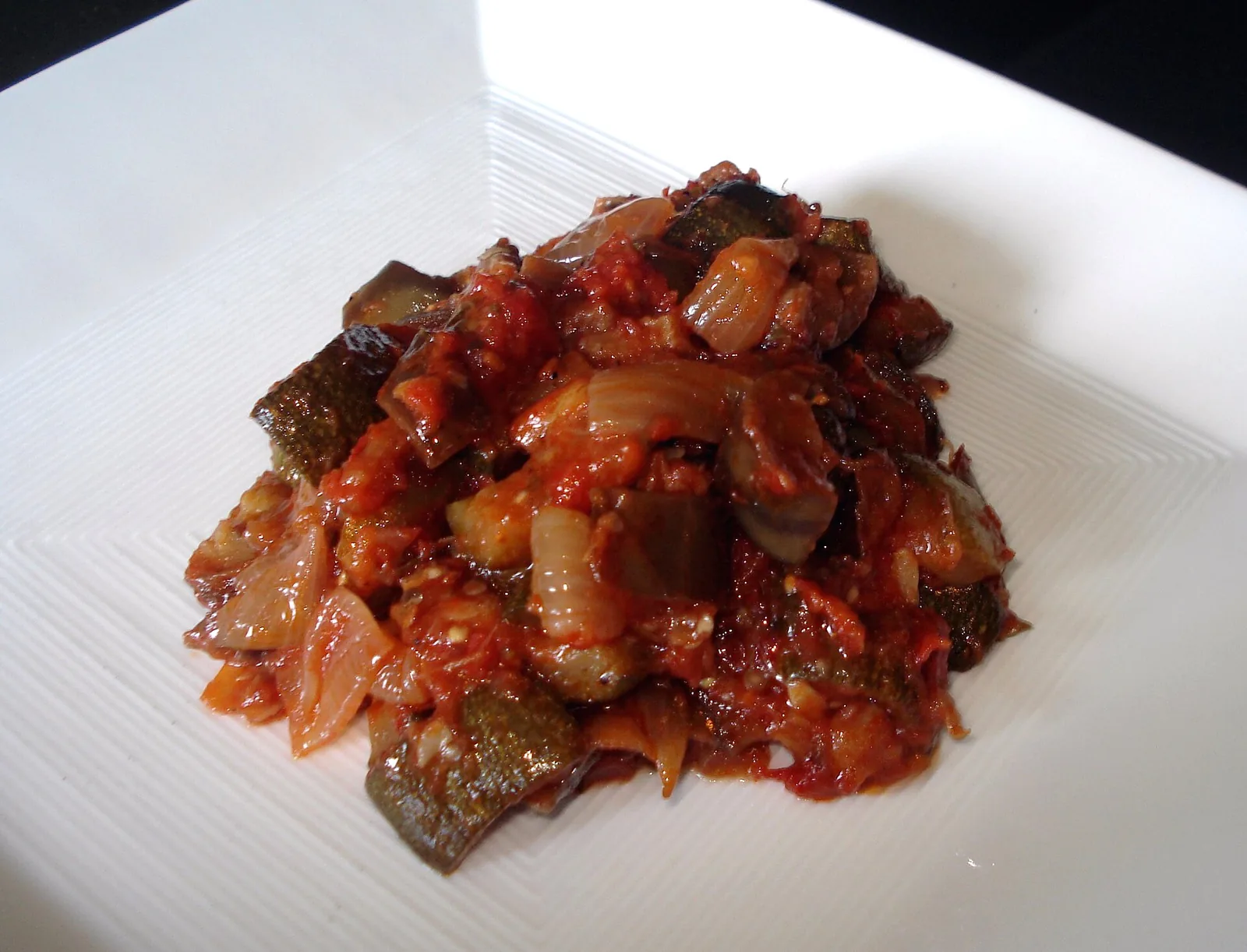
A mound of classic ratatouille with eggplant, zucchini, tomato and onion on a white plate France flag France 1h 15m
Dinner •Nice Provençal

Ratatouille

This ratatouille recipe cooks eggplant, zucchini, peppers and tomatoes separately first, so each vegetable keeps its own texture, then brings them together for a slow, fragrant simmer. One serving is about 400 g.

Light & Vegetable-Rich

Slow-simmered summer vegetables in olive oil — light, fragrant and full of fibre.

Pairs Well With
Crusty sourdough bread, grilled fish or a fried egg

The Dinner Gazette

Never wonder what’s for dinner again

One email a week with easy dinner ideas from around the world — ingredients, steps and nutrition, tested in our kitchen first.

Delivered every Thursday morning. Unsubscribe anytime.