Curated recipes from 193 countries  •  New seasonal Mediterranean issue out now

Overview

Guinea Fouti

Fouti Lafidi, Footi, Lafidi

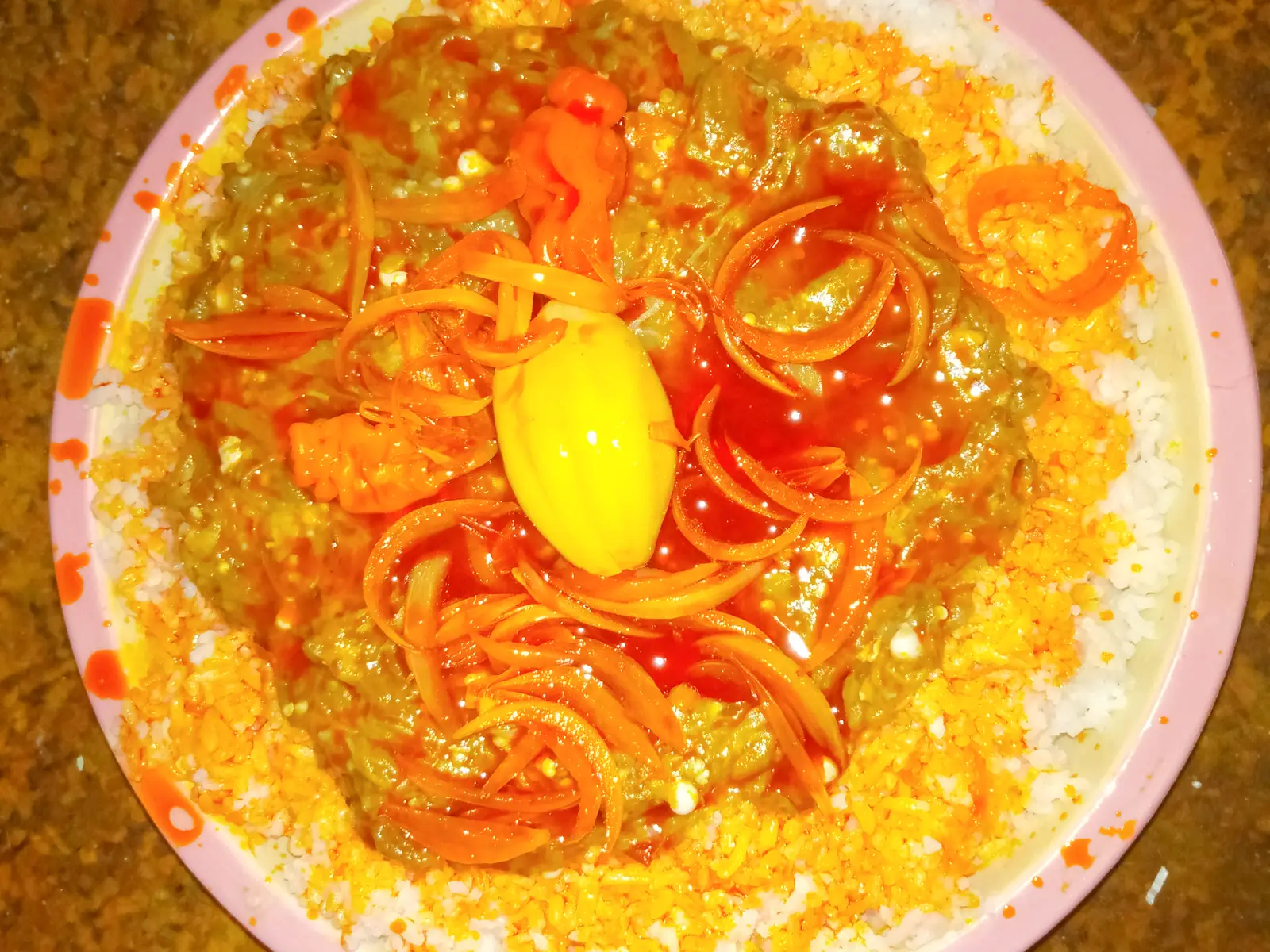
This guinea fouti recipe is the Guinean home dish fouti lafidi: okra, garden eggs and eggplant boiled until soft, blended into a thick green sauce, and spooned over plain white rice with warm red palm oil, sliced onion, dried shrimp and a sprinkle of soumbara. The rice is cooked in the same vegetable broth, so nothing of the flavour is lost. One serving is about 450 g.

Fouti, also called fouti lafidi or footi, is a dish of Guinea and the wider Senegambia region, associated above all with the Fula people, though almost every ethnic group in the region cooks it. Lafidi is a vegetable sauce built from okra, garden eggs and eggplant, boiled and mashed, and served over rice with palm oil and soumbara, the fermented locust beans that give the dish its deep savoury note. A related Guinean dish, yetisse, shows the same idea — okra crushed separately and mixed into the rice — which is how central okra is to this corner of West African cooking.

Pairs well with: Grilled fish, fried plantain and chilled bissap

Provenance

Guinea flag Guinea

Guinean Home Cooking

African Heritage

Time Dedication

1h

20m prep • 40m cook

Batch Yield

5 Servings

525 kcal per serving

1 serving ≈ 450 g

Technical Skill

Intermediate

Intermediate (Blended Sauce)

Meal Timing & Digestive Fit

Breakfast

Not Advised

Lunch

Hearty Midday Main

Dinner

Ideal Hearty Main

Snack & Tea

Inappropriate

Occasions: Family dinners, communal meals, everyday lunch or dinner Cost: Low — about $2–3 per serving at home
Tags: Rice Spicy Savory
A plate of Guinea fouti: white rice topped with green mashed okra and eggplant sauce, red palm oil, sliced onions and a lemon

Guinean Home Cooking

Photo: Abdoulrahamane 99MDS Barry, CC BY-SA 4.0, via Wikimedia Commons

The Heritage Formulary

Measured Ingredients

Estimated cost: Low — about $2–3 per serving at home (USD)

A true fouti is judged by its sauce: thick and spoonable, tangy from tamarind, and served over rice that was cooked in the vegetable broth.

Execution Methodology & Culinary Technique

Step-by-Step Cooking Guide

Active 1h
P

Prep Stage: Wash, Cut, Soak

20 Mins • Knife Work

Rinse the rice until the water runs clear. Wash the okra, trim the stems and leave whole; halve the garden eggs and chunk the eggplant. Soak the tamarind in 120 ml warm water. Slice the onion into thin rings, rinse the dried shrimp and prawns, and pound the soumbara lightly.

Maestro Tip: Soak the tamarind first — it needs 10 minutes, and everything else is done by the time it is ready.

  1. 1

    Boil the Vegetables

    12 Mins Boiling, 100°C (212°F)

    Put the okra, garden eggs, eggplant and the whole scotch bonnet into a large pot with 1.2 litres of water and bring to a boil. Cook for 10–12 minutes until the okra is soft and the eggplant collapses easily. Lift the vegetables out with a slotted spoon and keep the broth — it is the cooking water for the rice.

    Do not throw the broth away: cooking the rice in it is what makes fouti taste like fouti.

    Done when: The okra is soft and slippery, the eggplant is fully tender, and the garden eggs yield to a fork.

  2. 2

    Cook the Rice in the Broth

    20 Mins Simmer, about 95°C (200°F)

    Measure 800 ml of the hot vegetable broth into a second pot, add the rinsed rice and the crushed bouillon cube, and bring to a boil. Stir once, cover tightly, lower the heat to the gentlest simmer and cook for 18–20 minutes without lifting the lid. While the rice cooks, blend the vegetables for the next step.

    Stir once only — constant stirring breaks the grains and turns the rice to porridge.

    Done when: The rice is tender, the liquid is absorbed, and the grains are separate and fluffy.

  3. 3

    Blend the Lafidi Sauce

    3 Mins No heat — room temperature, about 20°C (68°F)

    Put the boiled vegetables into a blender with the strained tamarind water, the ground chilli powder and half the salt. Blend until semi-smooth — thick and spoonable, with a little texture left, not a baby-food puree. Taste and adjust the salt; the sauce should be tangy and well seasoned, a touch saltier than you want, because the plain rice will soften it.

    Pulse rather than blending continuously, and stop while you can still see flecks of okra.

    Done when: The sauce is thick, green and spoonable, with visible texture.

  4. 4

    Warm the Palm Oil Topping

    3 Mins Medium heat, about 175°C (350°F)

    Heat the palm oil in a small pan over medium heat. Add the sliced onion and saute for 2 minutes until soft and glossy, then add the dried shrimp and dried prawns and cook for 1 more minute. Take the pan off the heat — the oil should be warm and fragrant, never smoking.

    Warm oil, not hot oil: if the palm oil smokes it turns bitter and the topping is ruined.

    Done when: The onions are soft and translucent and the oil is bright orange-red.

  5. 5

    Assemble and Serve

    2 Mins Serving, about 70°C (160°F)

    Scoop the hot rice onto plates, spoon a generous ladle of the lafidi sauce over the top, drizzle over the warm palm oil with the onions, shrimp and prawns, and sprinkle the pounded soumbara over everything. Serve at once with lemon wedges on the side.

    Serve the sauce on top, not mixed in — each person stirs it into their own rice.

    Done when: The plate shows white rice, green sauce, red oil and pale onion rings, all steaming.

Finishing Touches & Plating

Serve family-style with the rice, sauce and palm oil in separate bowls so everyone builds their own plate, with lemon wedges and the soumbara on the table. Add grilled fish on the side if you want the fuller meal.
Nutritional Physiology & Benefits

Nutrition

Energy

525

kcal / serving

Protein

18g

Complete AA

Carbs

84g

Complex

Fats

13g

Healthy

Per serving (5 servings · 1 serving ≈ 450 g)
Energy525 kcal
Protein18 g
Carbohydrates84 g
Fat13 g
Fibre7.8 g
Sugar8.7 g
Sodium725 mg
Per 100g
Energy117 kcal
Protein4 g
Carbohydrates18.7 g
Fat3 g
Fibre1.7 g
Sugar1.9 g
Sodium161 mg

Nutrition values are estimated — calculated from USDA FoodData Central values for the listed ingredients.

Vitamins & minerals: Vitamin A (okra, eggplant, chilli), vitamin C (okra, garden egg, lemon), vitamin K and folate (okra), potassium and magnesium (vegetables, soumbara), iron and B vitamins (dried shrimp, soumbara). Nutrition is estimated.

Fibre From Okra and Eggplant

Okra, garden egg and eggplant bring about 7.8 g of fibre per serving, which slows the meal down and keeps it filling long after the plate is empty.

Vegetables in Every Spoonful

The blended sauce carries vitamin A and vitamin C from okra, eggplant and chilli, plus folate and potassium from the vegetables.

Slow Energy, Real Protein

Rice gives steady energy while the dried shrimp, prawns and soumbara add about 17.8 g of protein per serving, which is why this is a working-day dinner in Guinea.

Food Pairings

What to Eat With

To optimize nutrient absorption and elevate the sensory depth, pair with these authentic accompaniments:

Sides

Grilled Fish

Fouti is most often served with a piece of grilled fish on the side; the smoky, firm fish turns a vegetable sauce over rice into a complete meal.

Fried Plantain

Sweet fried plantain is the classic counterpoint to the tangy, salty sauce — its sweetness balances the tamarind and the heat of the chilli.

Vegetables

Cucumber and Tomato Salad

Cool, crisp cucumber and tomato cut through the richness of the palm oil and refresh the palate between spoonfuls of rice.

Drinks

Chilled Bissap

Tart hibiscus tea, served cold, balances the salt of the bouillon and the heat of the scotch bonnet.

Complete menu

Serve fouti family-style with the rice, sauce and palm oil in separate bowls, grilled fish and fried plantain on the side, and chilled bissap to drink.

Digestive Guardrails

What NOT to Combine

To prevent digestive distress, sluggishness, or palate clash, avoid pairing the dish with these elements:

Very Sweet Drinks With the Meal

Sugary sodas alongside an already salty, energy-dense plate of rice make the meal much heavier in sugar without adding anything the dish needs; water or unsweetened bissap is the better match. This is general food information, not medical advice.

Leaving Cooked Rice Out for Hours

Cooked rice can grow bacteria if it sits warm for a long time — cool leftovers within 2 hours and refrigerate them. Reheat until steaming and the centre reaches 74°C (165°F). This is general food-safety information, not medical advice.

General information only, not medical advice — consult a doctor for personal dietary decisions.

Who Should Eat It

Who Should Eat

  • General adultsA filling, complete dinner — rice, a vegetable sauce and savoury toppings in one plate.
  • ChildrenSuitable from age 2+ with the chilli left whole (or out entirely) and the sauce blended smooth; the rice is soft and easy to eat.
  • ElderlyGood choice — everything is soft and easy to chew; keep the chilli mild and the soumbara light.
  • Pregnant womenGenerally suitable; the vegetables and protein are welcome, but keep the chilli mild and make sure any fish served alongside is cooked through.
  • Breastfeeding womenGenerally suitable; the vegetables and protein support recovery — keep the bouillon and salt moderate.
  • AthletesA strong dinner after training: about 17.8 g protein with plenty of carbs for glycogen, plus fibre and potassium.
  • Weight gainA good choice — take a generous serving and add grilled fish or fried plantain on the side.
  • Weight lossTake a smaller portion of rice, load up on the sauce, and go easy on the palm oil topping.

Health Conditions — Adjust or Avoid

Conditions

  • DiabetesRice is the main carbohydrate, so keep the portion to about one cup cooked and fill the rest of the plate with the vegetable sauce. Ask your clinician about portion sizes.
  • High blood pressureThe bouillon cube, salt and dried shrimp make this salty — use half a cube, less added salt, and a light hand with the soumbara. Ask your clinician if you follow a low-sodium diet.
  • Kidney diseaseThe stock, bouillon and salt are high in sodium and potassium; eat a modest portion and ask your clinician about limits.
  • GoutDried shrimp and prawns are higher in purines; eat occasionally and in modest portions, and ask your clinician if you have gout.
  • Stomach issuesThe sauce is usually gentle, but skip the chilli and go easy on the onion and soumbara if your stomach is sensitive. Ask your clinician if symptoms persist.
  • Cardiovascular diseasePalm oil is high in saturated fat, so keep the topping modest and favour the vegetables and any grilled fish on the side. Ask your clinician for personalised guidance.
  • Fatty liverChoose a smaller rice portion with extra sauce and less palm oil topping. Ask your clinician for personalised guidance.
  • Food allergiesContains crustacean shellfish (dried shrimp and prawns). Bouillon cubes may contain wheat or soy depending on the brand — check the label. Ask your clinician if you have a food allergy.
  • Special therapeutic dietsIf you follow a prescribed low-sodium diet, use half a bouillon cube, no added salt and unsalted dried shrimp, and check with your clinician.

If you have a medical condition, consult your doctor before changing your diet.

Storage & Use

Storage & Use

How to store
Cool the rice and sauce separately within 2 hours and store in shallow airtight containers.
In the fridge
3–4 days.
In the freezer
2 months for the sauce; rice also freezes but softens a little on thawing.
How to reheat
Reheat the rice and sauce separately in a covered pan with a splash of water until steaming and the centre reaches 74°C (165°F); warm the palm oil topping gently, do not let it smoke.
Freezing recommended
Yes for the sauce; best eaten fresh for the rice.
Signs it has spoiled
Sour or musty smell, slimy rice or sauce, or visible mould.

More recipes to explore

A mound of steamed fonio couscous on a white plate with a fork Guinea flag Guinea 40m
Lunch •Fouta Djallon Heritage Grain

Fonio

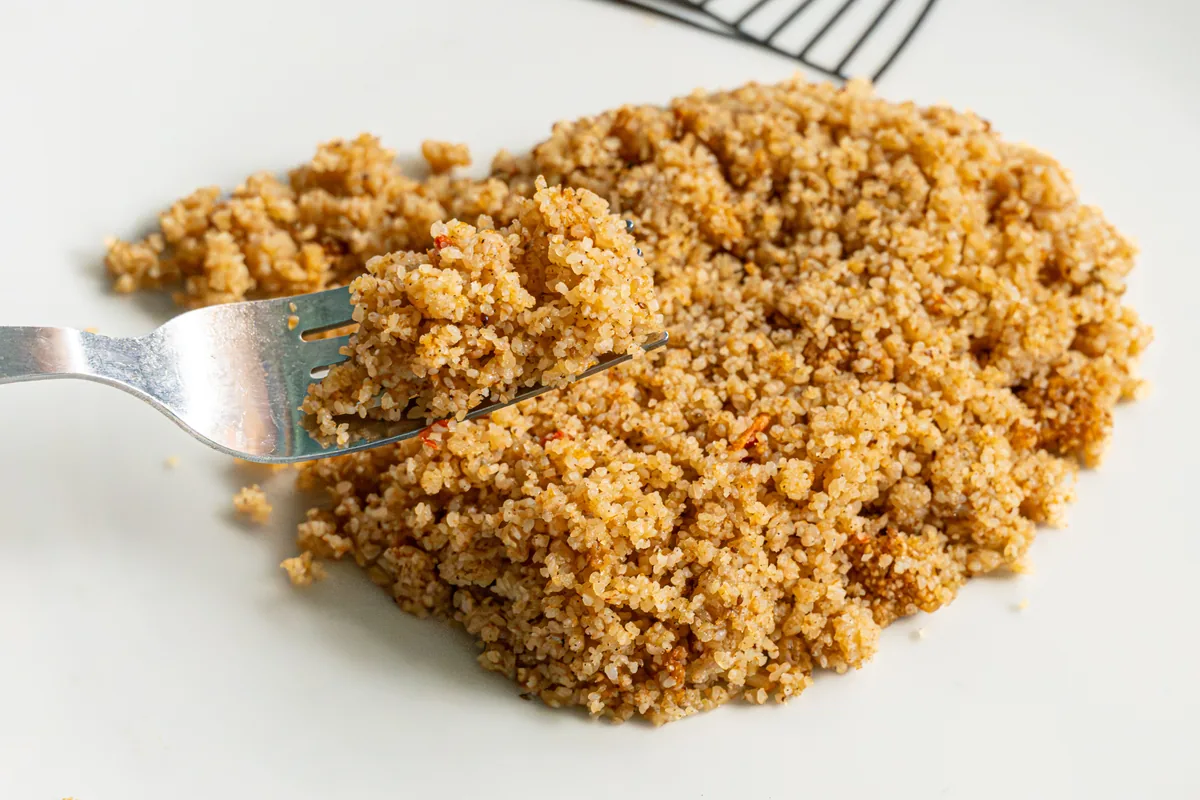
This fonio recipe steams Guinea's ancient grain until it is light and fluffy like couscous, then tops it with a quick sauté of onion, tomato, carrot, green pepper and okra. Fonio is one of the oldest cultivated grains in West Africa, and this is the everyday way it is eaten in the Fouta Djallon highlands. One serving is about 300 g.

Light & Wholesome

Steamed fonio with a bright sauté of onion, tomato, carrot, pepper and okra — a light, naturally gluten-free grain lunch.

Pairs Well With
Mafé, grilled fish & a lemon wedge
Roasted yam and plantain with grilled fish (boli) at a West African street grill Guinea flag Guinea 55m
Lunch •Conakry Street Food

Guinea Boli

This guinea boli recipe roasts white yam and ripe plantain over charcoal until their skins blacken and the flesh turns soft and sweet, then serves them with mackerel grilled over the same fire and a hot tomato-pepper sauce. Boli is the shared street food of West Africa, sold from roadside grills in Conakry just as it is in Lagos and Port Harcourt. One serving is about 500 g.

Hearty & Satisfying

Charcoal-roasted yam and plantain with grilled mackerel and a hot pepper sauce — a filling Guinean street-food lunch.

Pairs Well With
Hot tomato-pepper sauce, roasted groundnuts & a cold ginger drink
High Protein
Bœuf bourguignon — French beef braised in red wine France flag France 4h
Dinner •Burgundy Terroir

Bœuf Bourguignon

Beef braised gently in red wine until the connective tissue melts into a velvet, gelatin-rich sauce — the classic Burgundy Sunday dinner.

Cellular Repair

Beef braised in red wine until spoon-tender, with mushrooms and pearl onions.

Pairs Well With
Parsnip Purée & Steamed French Haricots Verts
High Protein
Vietnamese braised pork belly with golden eggs in caramel sauce Vietnam flag Vietnam 1h 45m
Dinner •One Pot

Vietnamese Braised Pork and Eggs

Pork belly slowly braised in coconut water and caramel until meltingly tender, with golden eggs that soak up the sweet-savoury sauce — the Vietnamese family dish that tastes better the next day.

Comfort & Sustained Energy

Slow-braised pork belly and eggs in coconut water and caramel.

Pairs Well With
Steamed rice & pickled mustard greens
High Protein

The Dinner Gazette

Never wonder what’s for dinner again

One email a week with easy dinner ideas from around the world — ingredients, steps and nutrition, tested in our kitchen first.

Delivered every Thursday morning. Unsubscribe anytime.