Curated recipes from 193 countries  •  New seasonal Mediterranean issue out now

Overview

Guinea Boli

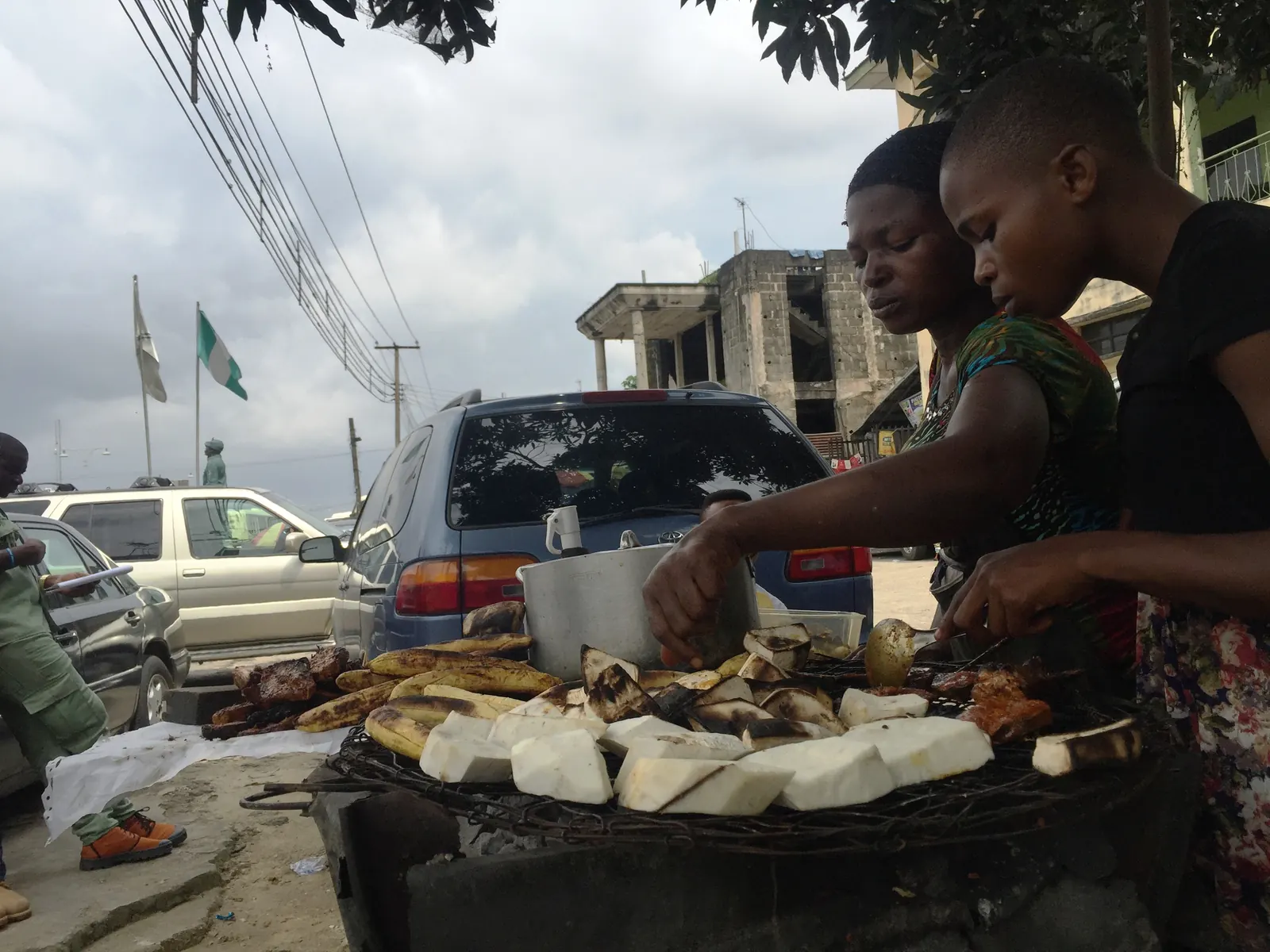
Bole, Roasted Yam and Plantain with Grilled Fish

This guinea boli recipe roasts white yam and ripe plantain over charcoal until their skins blacken and the flesh turns soft and sweet, then serves them with mackerel grilled over the same fire and a hot tomato-pepper sauce. Boli is the shared street food of West Africa, sold from roadside grills in Conakry just as it is in Lagos and Port Harcourt. One serving is about 500 g.

Boli — roasted plantain — is native to the Yoruba people of south-west Nigeria, where it has long been sold from charcoal grills with groundnuts or a hot pepper sauce. In the south-south, around Port Harcourt, it is called bole and is served with roasted yam and grilled fish, and it has grown from festival food into one of the region's best-loved street meals. The same charcoal grill — yam, plantain, fish and pepper sauce — is a familiar sight in markets across West Africa, including Conakry in Guinea, which is the version cooked here.

Pairs well with: Hot tomato-pepper sauce, roasted groundnuts & a cold ginger drink

Provenance

Guinea flag Guinea

Conakry Street Food

African Heritage

Time Dedication

55m

20m prep • 35m cook

Batch Yield

4 Servings

815 kcal per serving

1 serving ≈ 500 g

Technical Skill

Intermediate

Intermediate (Charcoal Grill)

Meal Timing & Digestive Fit

Breakfast

Not Advised

Lunch

Prime Metabolic Fit

Dinner

Ideal Hearty Main

Snack & Tea

Inappropriate

High Protein Occasions: Street-food lunch, weekend grills, market days, casual gatherings Cost: Low — about $3–4 per serving at home
Roasted yam and plantain with grilled fish (boli) at a West African street grill

Conakry Street Food

Photo: Alagbakomi, CC BY-SA 4.0, via Wikimedia Commons

The Heritage Formulary

Measured Ingredients

Estimated cost: Low — about $3–4 per serving at home (USD)

Good boli is judged by the char: blackened skin outside, soft and sweet inside, with fish grilled just until it flakes.

Execution Methodology & Culinary Technique

Step-by-Step Cooking Guide

Active 55m
P

Prep Stage: Peel the Yam, Season the Fish & Build the Sauce

20 Mins • Peeling, Scoring & Chopping

Peel the yam, cut it into thick wedges and soak them in cold water. Rub the mackerel inside and out with grated ginger, half the salt, the black pepper and half the lemon juice, then tuck the sliced onion into the scores. Chop the tomatoes, onion, chilli and garlic for the pepper sauce and keep them in one bowl, ready to cook.

Maestro Tip: Pat the fish bone dry before seasoning — wet skin sticks to the grill and tears, dry skin chars and crisps.

  1. 1

    Light the Charcoal

    15 Mins Glowing coals, about 200°C (390°F)

    Light a charcoal grill and let the coals burn down until they are grey-white and glowing, with no tall flames. Spread them in an even layer and set the grate about 15 cm (6 in) above the coals. Brush the grate lightly with oil. If you are cooking indoors, heat a ridged grill pan over medium-high heat instead.

    Wait for the grey ash — roasting over open flame burns the skins black before the flesh inside is cooked.

    Done when: The coals glow evenly and a hand held above the grate is uncomfortably hot after 3 seconds.

  2. 2

    Roast the Yam

    25 Mins Medium charcoal heat, 180–200°C (355–390°F)

    Drain the yam wedges and pat them dry, then brush them lightly with oil and lay them directly on the grate. Roast for about 25 minutes, turning every 6–7 minutes, until the outside is charred in patches and a knife slides into the thickest part with no resistance.

    Turn on a schedule, not when you remember — even browning is what makes the yam sweet instead of burnt on one side and raw on the other.

    Done when: The wedges are charred outside, creamy white and fluffy inside, and a knife meets no hard centre.

  3. 3

    Roast the Plantains

    15 Mins Medium charcoal heat, 180–200°C (355–390°F)

    While the yam roasts, lay the whole unpeeled plantains on the grate beside it. Roast for about 15 minutes, turning every 4–5 minutes, until the skins are blackened all over and the fruit inside feels soft when squeezed gently with tongs.

    Keep the skins on while roasting — they steam the flesh inside and stop it drying out over the coals.

    Done when: Skins are black all over and the plantain yields softly to a squeeze; peel back a corner and the flesh is golden and steaming.

  4. 4

    Grill the Mackerel

    12 Mins Medium-high heat; fish to 63°C (145°F) inside

    Brush the seasoned mackerel with oil and lay it on the hottest part of the grate. Grill for 5–6 minutes on the first side without moving it, then turn once with a wide spatula and grill 5–6 minutes more. Check the thickest part with a thermometer — it must reach 63°C (145°F) — or flake it with a fork: the flesh should be opaque and come apart in clean flakes.

    Do not turn the fish more than once; mackerel skin is delicate and every extra turn risks tearing it.

    Done when: The skin is crisp and charred at the edges, the flesh is opaque to the bone and flakes easily, and the centre reads 63°C (145°F).

  5. 5

    Cook the Pepper Sauce

    10 Mins Medium heat, about 160°C (320°F)

    While the fish grills, heat the remaining oil in a small pan. Fry the chopped onion and garlic for 2 minutes, add the tomatoes and scotch bonnet and cook for 6 minutes, stirring, until the tomatoes break down into a thick sauce. Season with the remaining salt and lemon juice and cook 2 minutes more.

    Cook the sauce until the oil starts to separate at the edges — that is the sign the raw tomato taste has cooked away.

    Done when: The sauce is thick, deep red and glossy, with no raw tomato smell.

  6. 6

    Serve

    5 Mins Serving hot, about 70°C (158°F)

    Peel the plantains and cut them into thick rounds. Plate the roasted yam wedges and plantain with a whole grilled mackerel, spoon the hot pepper sauce over the fish or serve it in a small bowl on the side, and squeeze the last of the lemon over everything.

    Serve it straight off the grill — roasted yam firms up and the fish cools fast once it leaves the fire.

    Done when: Each plate has charred yam, golden plantain, a whole crisp fish and a spoonful of red sauce.

Finishing Touches & Plating

Eat the boli hot, straight off the grill: a piece of smoky yam, a round of sweet plantain, a flake of fish and a spoonful of pepper sauce in every bite. If the sauce is too hot, a spoonful of roasted groundnuts on the side cools the palate the way street vendors serve it.
Nutritional Physiology & Benefits

Nutrition

Energy

815

kcal / serving

Protein

34g

Complete AA

Carbs

110g

Complex

Fats

29g

Healthy

Per serving (4 servings · 1 serving ≈ 500 g)
Energy815 kcal
Protein34 g
Carbohydrates110 g
Fat29 g
Fibre12.8 g
Sugar26.0 g
Sodium648 mg
Per 100g
Energy163 kcal
Protein6.8 g
Carbohydrates22 g
Fat5.8 g
Fibre2.6 g
Sugar5.2 g
Sodium130 mg

Nutrition values are estimated — calculated from USDA FoodData Central values for the listed ingredients.

Vitamins & minerals: Vitamin C (plantain, tomato, pepper, lemon), vitamin B6 and potassium (yam, plantain), vitamin D and omega-3 fats (mackerel), vitamin A (tomato, pepper).

Oily Fish, Real Protein

Each serving carries about 34 g of protein, most of it from mackerel, an oily fish that also supplies omega-3 fats and vitamin D.

Fibre From the Whole Plate

Yam and plantain together give about 13 g of fibre per serving, which slows digestion and keeps a charcoal-grill lunch filling for hours.

Roasted, Not Fried

Everything is cooked over charcoal with just a brush of oil, so the plate stays naturally gluten-free and far lighter than the fried version of the same foods.

Food Pairings

What to Eat With

To optimize nutrient absorption and elevate the sensory depth, pair with these authentic accompaniments:

Sauces

Hot Tomato-Pepper Sauce

The sauce is part of the dish, not an extra — its heat and acidity cut through the sweet plantain and the rich mackerel, and it is the flavour boli is judged by.

Sides

Roasted Groundnuts

A small bowl of roasted peanuts is the classic street-vendor companion: their salt and crunch balance the soft, sweet roast, and their fat softens the chilli heat.

Vegetables

Sliced Onion & Tomato Salad

Raw onion rings and tomato with a squeeze of lemon add a cool, sharp crunch that refreshes the palate between bites of smoky fish.

Drinks

Cold Ginger Drink

A cold, sharp ginger drink cools the pepper heat and cleanses the palate after the oily fish, which is why it is sold at the same stalls.

Complete menu

Serve the boli as the main plate with hot pepper sauce, a bowl of roasted groundnuts and sliced onion and tomato on the side, and a cold ginger drink; finish with fresh mango.

Digestive Guardrails

What NOT to Combine

To prevent digestive distress, sluggishness, or palate clash, avoid pairing the dish with these elements:

Undercooked Fish

Never serve mackerel that is still translucent in the centre — undercooked fish can carry bacteria and parasites. Grill until the thickest part reaches 63°C (145°F) and flakes cleanly. This is general food-safety guidance, not medical advice.

Sugary Soft Drinks With the Meal

Ripe plantain is already sweet, with about 26 g of sugar per serving, so a sugary drink on top adds a large sugar load in one sitting; water or an unsweetened ginger drink is the better match. This is general guidance, not medical advice.

General information only, not medical advice — consult a doctor for personal dietary decisions.

Who Should Eat It

Who Should Eat

  • General adultsA complete, filling lunch — starchy roast, grilled fish and hot sauce in one plate, best eaten hot off the grill.
  • ChildrenSuitable with a mild sauce: leave the scotch bonnet out of their portion, keep the fish free of small bones, and cut the yam and plantain into easy pieces.
  • ElderlyGenerally suitable — the roasted flesh is soft and easy to chew; serve the fish flaked and boneless, and keep the sauce mild.
  • Pregnant womenGenerally suitable if the fish is fully cooked to 63°C (145°F) throughout; keep mackerel to normal portions and skip very hot sauce if it causes heartburn.
  • Breastfeeding womenGenerally suitable; the fish, yam and plantain give steady energy and protein — keep the chilli moderate.
  • AthletesA strong post-training lunch: about 34 g of protein with slow carbs for glycogen and potassium from the yam and plantain.
  • Weight gainA good choice — add a second plantain and a bowl of roasted groundnuts for extra energy.
  • Weight lossKeep to one plantain, load the plate with yam and fish, and go easy on the groundnuts — the plate is filling but energy-dense.

Health Conditions — Adjust or Avoid

Conditions

  • DiabetesYam and ripe plantain are both starchy and sweet, with about 110 g of carbohydrate per serving — keep to half a plantain and one yam wedge, and ask your clinician about a suitable portion.
  • High blood pressureKeep the added salt light and skip extra salty sauces; most of the sodium here is the salt you add, so it is easy to control. Ask your clinician about a suitable portion.
  • Kidney diseaseYam, plantain and fish are all fairly high in potassium, so keep the portion moderate and ask your clinician about frequency.
  • GoutMackerel is an oily fish with moderate purines, so eat this occasionally and in a normal portion rather than daily. Ask your clinician if you have gout.
  • Stomach issuesThe hot pepper sauce can irritate a sensitive stomach — serve the sauce on the side and keep it mild. Ask your clinician if symptoms persist.
  • Cardiovascular diseaseGrilled mackerel supplies omega-3 fats and the plate is roasted rather than fried, but keep the portion moderate and the salt light. Ask your clinician about your overall diet.
  • Fatty liverA reasonable choice when the fish is grilled and the oil is kept to a brush — go easy on the groundnuts and sweet plantain. Ask your clinician for personalised guidance.
  • Food allergiesContains fish (mackerel). Naturally gluten-free as written. Roasted groundnuts served on the side contain peanut — skip them for a peanut allergy, and ask your clinician if you have a food allergy.
  • Special therapeutic dietsFits gluten-free and dairy-free diets as written; for a prescribed low-sodium or low-potassium diet, use less salt and a smaller portion, and check with your clinician.

If you have a medical condition, consult your doctor before changing your diet.

Storage & Use

Storage & Use

How to store
Cool within 2 hours and store the fish, yam and plantain in separate airtight containers; keep the sauce in its own small container.
In the fridge
Grilled fish 2 days; roasted yam and plantain 3 days; pepper sauce 4 days, all at 4°C (39°F) or below.
In the freezer
Grilled fish 1 month; roasted yam and plantain do not freeze well and turn watery.
How to reheat
Reheat the fish and yam in a hot oven at 180°C (350°F) until steaming hot, 74°C (165°F) throughout; warm the sauce in a pan.
Freezing recommended
Only for the fish, up to 1 month; do not freeze the roasted yam or plantain.
Signs it has spoiled
Sour or fishy smell, slimy fish flesh, mould on the yam or plantain, or sauce that smells fermented.

More recipes to explore

A mound of steamed fonio couscous on a white plate with a fork Guinea flag Guinea 40m
Lunch •Fouta Djallon Heritage Grain

Fonio

This fonio recipe steams Guinea's ancient grain until it is light and fluffy like couscous, then tops it with a quick sauté of onion, tomato, carrot, green pepper and okra. Fonio is one of the oldest cultivated grains in West Africa, and this is the everyday way it is eaten in the Fouta Djallon highlands. One serving is about 300 g.

Light & Wholesome

Steamed fonio with a bright sauté of onion, tomato, carrot, pepper and okra — a light, naturally gluten-free grain lunch.

Pairs Well With
Mafé, grilled fish & a lemon wedge
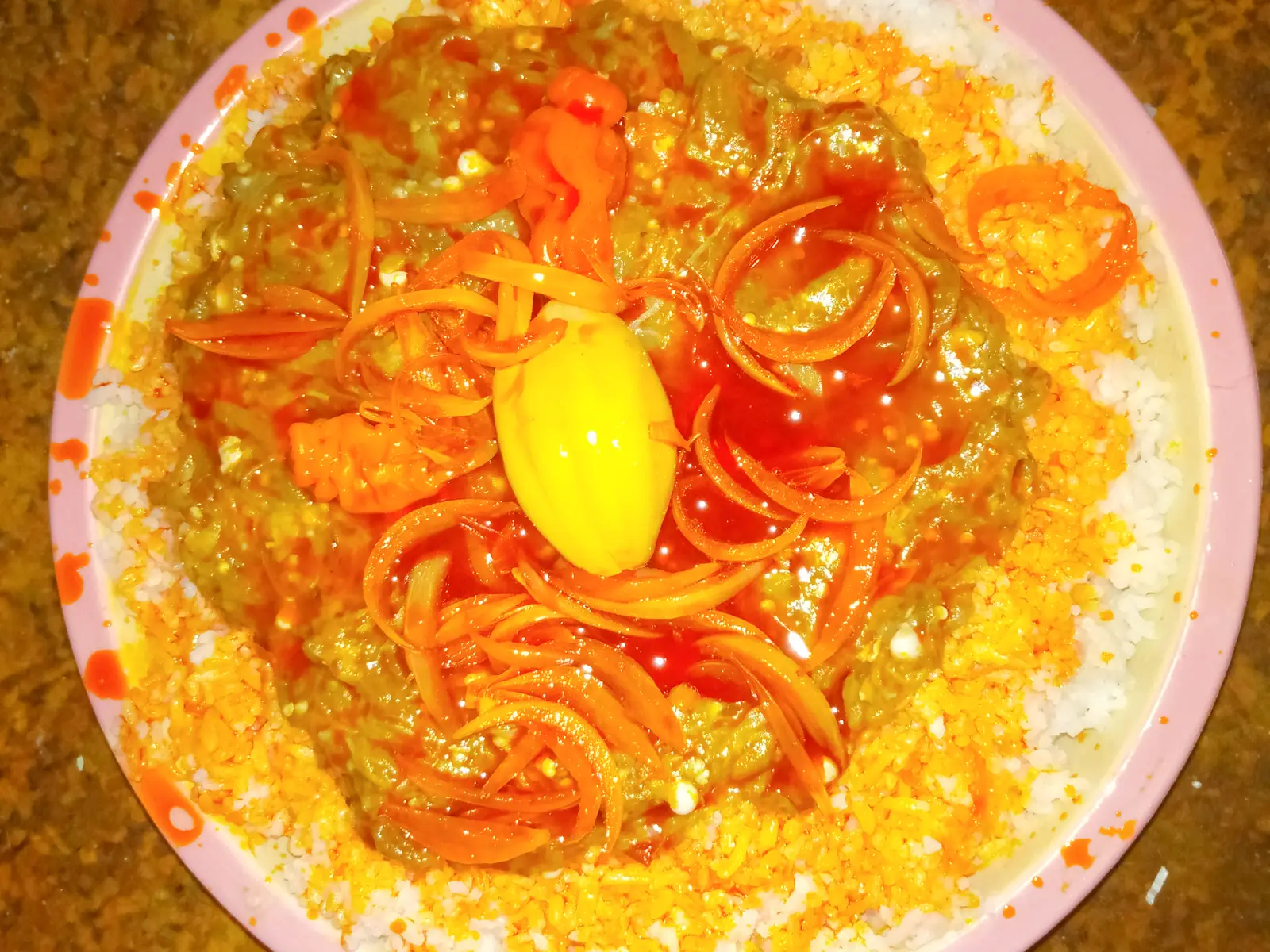
A plate of Guinea fouti: white rice topped with green mashed okra and eggplant sauce, red palm oil, sliced onions and a lemon Guinea flag Guinea 1h
Dinner •Guinean Home Cooking

Guinea Fouti

This guinea fouti recipe is the Guinean home dish fouti lafidi: okra, garden eggs and eggplant boiled until soft, blended into a thick green sauce, and spooned over plain white rice with warm red palm oil, sliced onion, dried shrimp and a sprinkle of soumbara. The rice is cooked in the same vegetable broth, so nothing of the flavour is lost. One serving is about 450 g.

Comfort & Sharing

Boiled white rice topped with a blended okra, garden egg and eggplant sauce, finished with warm palm oil, sliced onion and soumbara.

Pairs Well With
Grilled fish, fried plantain and chilled bissap
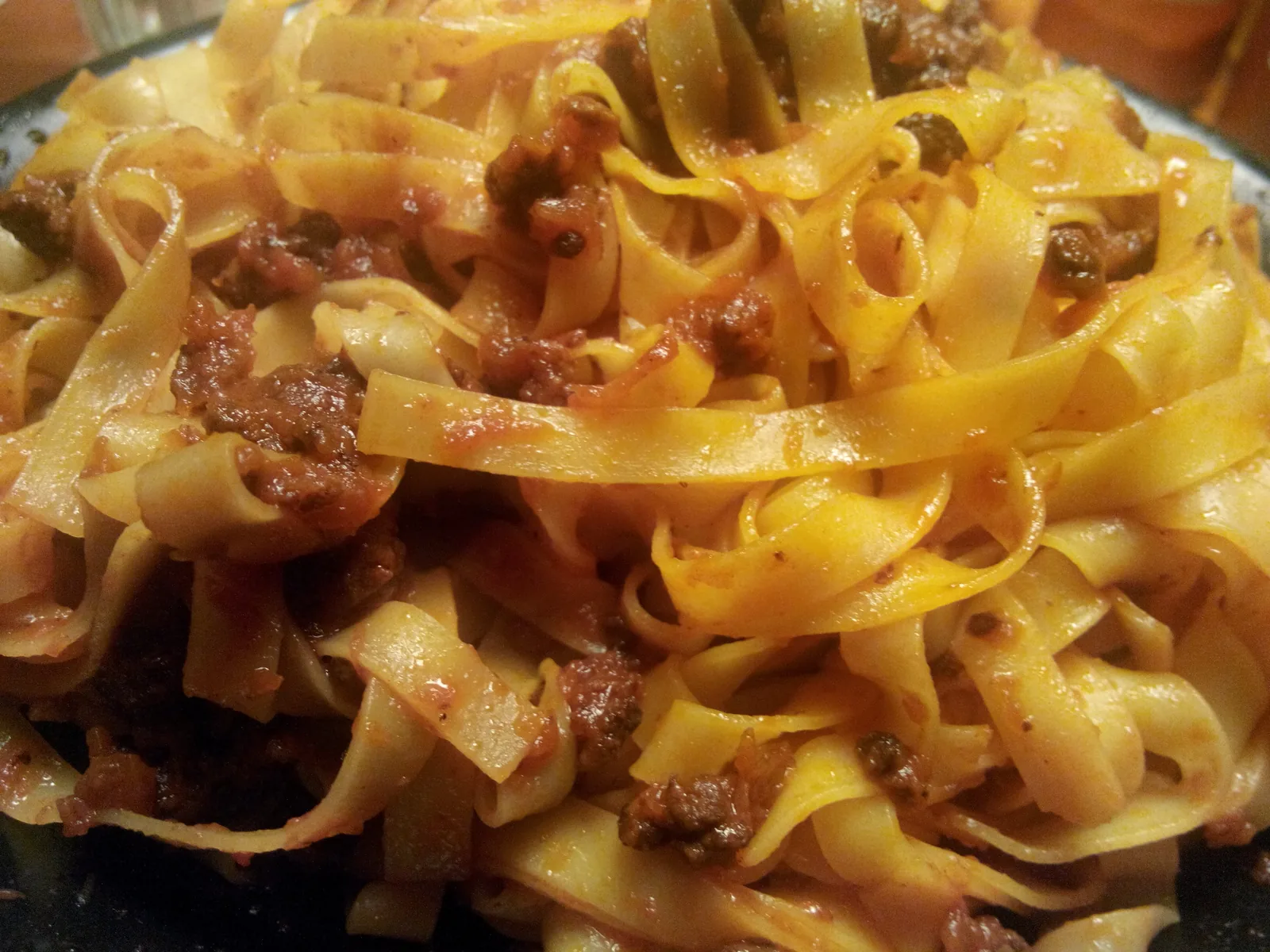
Tagliatelle al ragù Bolognese in a bowl with Parmigiano-Reggiano Italy flag Italy 4h 25m
Lunch •Emilia-Romagna

Tagliatelle al Ragù Bolognese

Slow-braised soffritto and coarse ground heritage meats layered over handmade egg yolk dough for mid-day stamina.

Lean Protein

Slow-simmered beef ragù tossed through fresh egg tagliatelle.

Pairs Well With
Bitter Radicchio & Aged Balsamico di Modena
Pasta & Noodles • High Protein
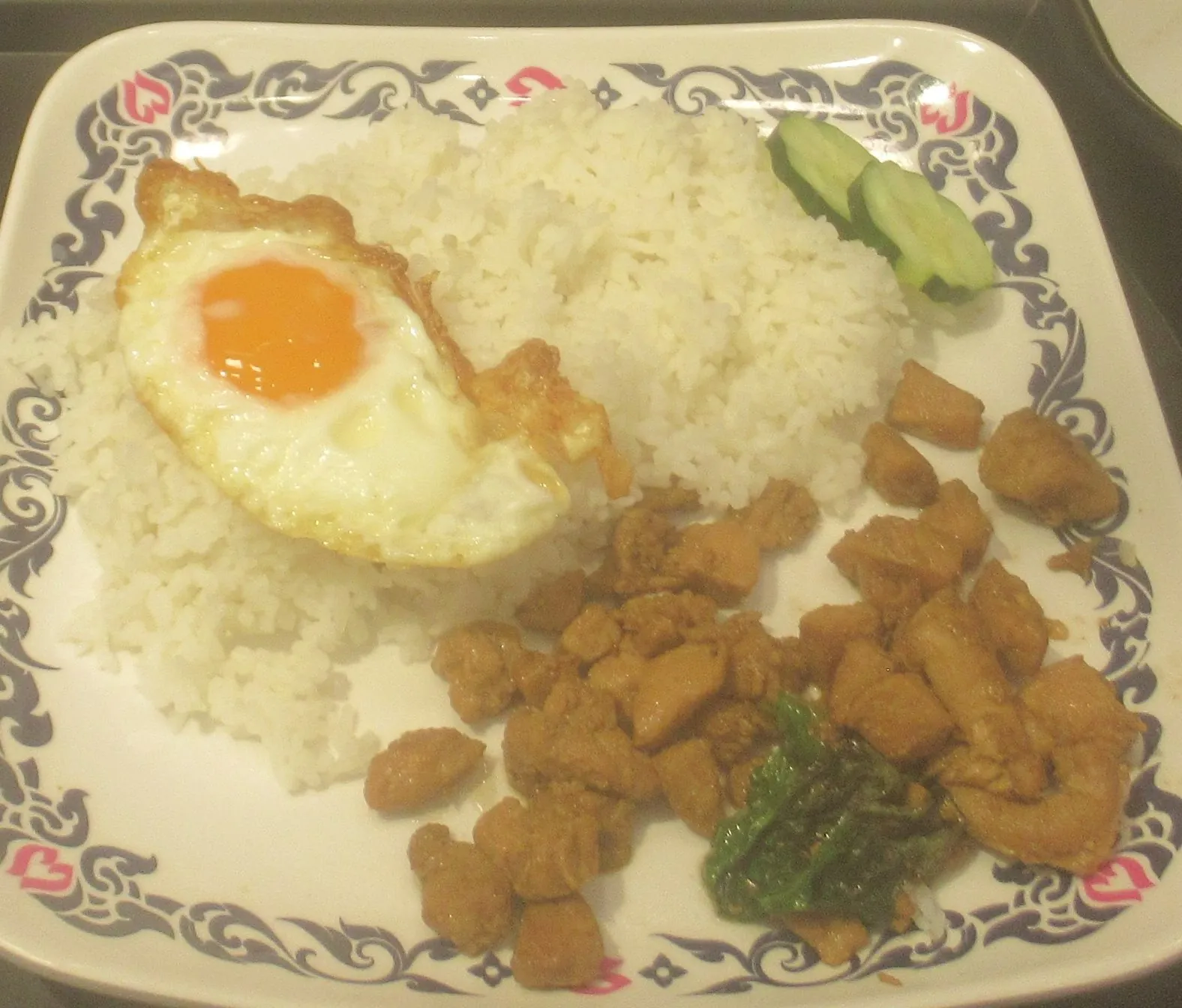
Pad kra pao gai — Thai holy basil chicken with fried egg and rice Thailand flag Thailand 30m
Lunch •Bangkok Street Flame

Pad Kra Pao Gai

High-heat wok flash of holy basil and crushed chillies over minced chicken, served over jasmine rice with a crispy-edged fried egg.

High Energy

Capsaicin brings the heat; holy basil adds a peppery, clove-like aroma.

Pairs Well With
Chilled Cucumber Salad & Fish Sauce Lime Dip
High Protein • Quick Prep (<30m)

The Dinner Gazette

Never wonder what’s for dinner again

One email a week with easy dinner ideas from around the world — ingredients, steps and nutrition, tested in our kitchen first.

Delivered every Thursday morning. Unsubscribe anytime.