Curated recipes from 193 countries  •  New seasonal Mediterranean issue out now

Overview

Guyanese Cook-Up Rice

Cook-up rice, Guyanese one-pot coconut rice

Guyanese cook-up rice is a one-pot meal of long-grain rice, black-eyed peas, chicken and salt beef simmered together in coconut milk with onion, tomato, thyme and a whole scotch bonnet pepper. The rice drinks up the coconut milk and meat juices, so every spoonful is rich, savoury and gently spiced. One serving is about 390 g.

Cook-up rice grew out of the West African one-pot rice dishes carried to Guyana, where Creole cooks made it their own with coconut milk, black-eyed peas and whatever salted or fresh meat the household had. It became the Saturday pot — a way to use up the week's meats in a single nourishing meal — and the dish of Old Year's Night, when families cook a big pot to share as the new year arrives.

Pairs well with: Serve with fried plantain and a crisp cucumber salad; a spoonful of pepper sauce on the side lets each person set their own heat.

Provenance

Guyana flag Guyana

Guyana Saturday Classic

Latin America & Caribbean

Time Dedication

1h 35m

25m prep • 70m cook

Batch Yield

6 Servings

740 kcal per serving

1 serving ≈ 390 g

Technical Skill

Intermediate

Medium (One Pot)

Meal Timing & Digestive Fit

Breakfast

Not Advised

Lunch

Hearty Midday Main

Dinner

Ideal Hearty Main

Snack & Tea

Inappropriate

Occasions: Saturday family lunch, Old Year's Night (New Year's Eve), feeding a crowd Cost: Low — about $3–4 per serving at home
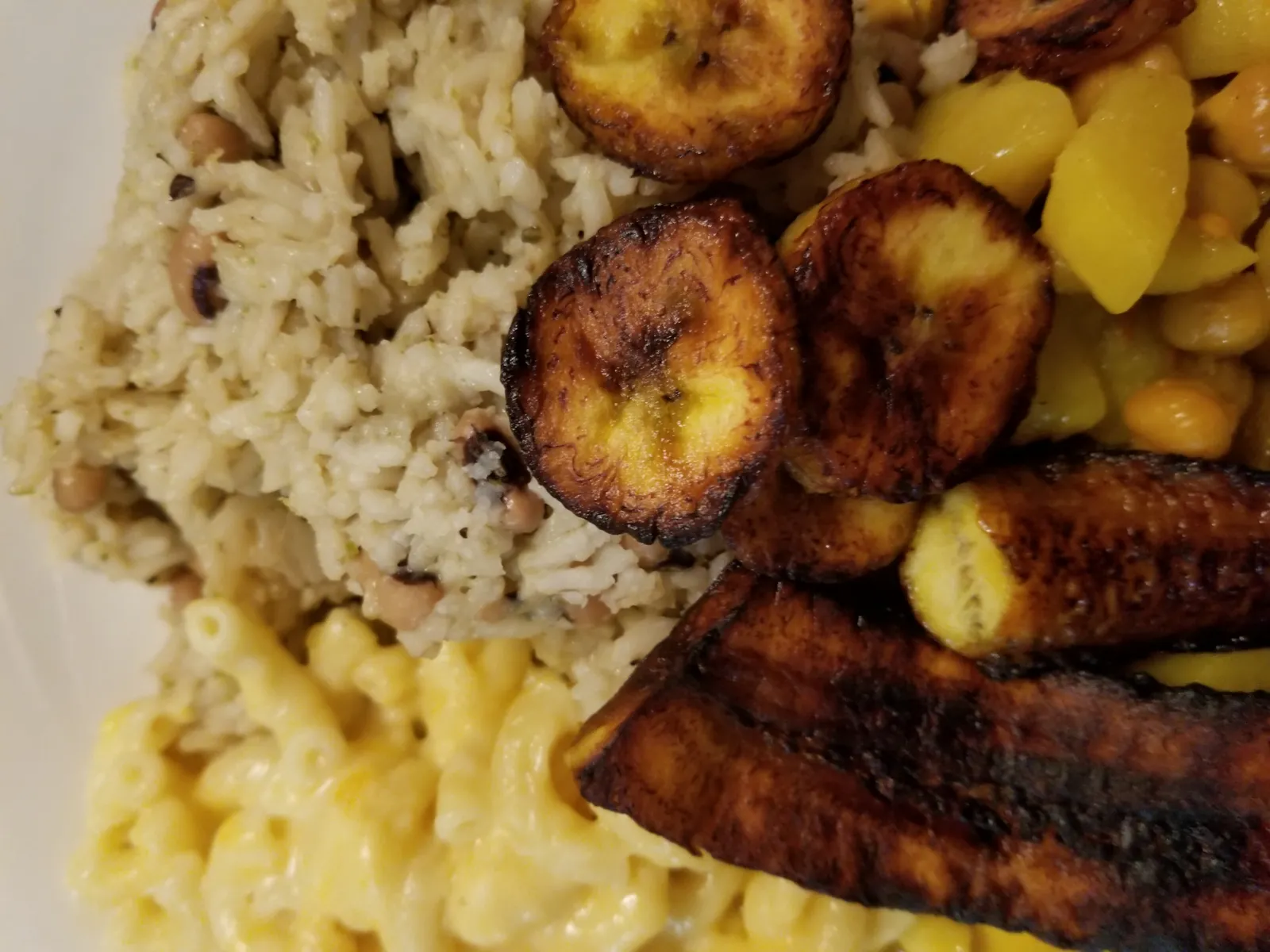
A plate of Guyanese cook-up rice with black-eyed peas, served with fried plantain and macaroni pie

Guyana Saturday Classic

Photo: gkrew, CC BY 2.0, via Flickr

The Heritage Formulary

Measured Ingredients

Estimated cost: Low — about $3–4 per serving at home (USD)

A traditional Guyanese one-pot meal of rice, black-eyed peas and meat simmered in coconut milk.

Execution Methodology & Culinary Technique

Step-by-Step Cooking Guide

Active 1h 35m
P

Prep Stage: Soak Overnight, Then Chop and Season

25 Mins • Overnight Soak

The night before, soak the black-eyed peas and the salt beef in separate bowls of cold water. On cooking day, rinse the rice until the water runs almost clear, chop the onion, garlic, tomato, pepper and scallion, strip the thyme leaves, and season the chicken pieces with black pepper.

Maestro Tip: Soaking the peas overnight is what keeps the cooking time under an hour — skip it and the peas need a much longer simmer. A spoonful of cassareep (cassava syrup) is a traditional optional seasoning here; stir it in with the coconut milk if you have it.

  1. 1

    Simmer the Peas Until Tender

    25 Mins Medium heat, ~95°C (200°F) — gentle simmer

    Put the drained peas in a large heavy pot with 400 ml of the water and bring to a boil. Lower the heat and simmer gently for about 25 minutes until the peas are tender but still hold their shape. Lift them out with a slotted spoon and set aside, keeping the cooking liquid in the pot.

    Do not let the peas go mushy — they will cook a little more with the rice, and they should still be whole on the plate.

    Done when: A pea crushes easily between two fingers but does not fall apart.

  2. 2

    Boil the Salt Beef to Remove Excess Salt

    15 Mins Medium-high heat, ~100°C (212°F) — rolling boil

    While the peas simmer, put the soaked salt beef in a separate saucepan, cover with fresh cold water and boil for 15 minutes. Drain, rinse, and cut into small bite-size pieces. Taste a piece — if it is still very salty, boil once more in fresh water.

    Changing the water is the whole point: most of the curing salt leaves with the first boil, which is why the finished dish is seasoned, not harsh.

    Done when: The beef is tender enough to bite through and tastes salty but not overwhelming.

  3. 3

    Brown the Chicken with the Aromatics

    10 Mins Medium-high heat, ~190°C (375°F)

    Heat the oil in the same large pot over medium-high heat. Add the chicken pieces and brown for 6 minutes, turning once, until golden on the outside. Add the onion and garlic and fry for 2 minutes until soft, then stir in the tomato, bell pepper, scallion and thyme and cook 2 minutes more.

    Browning the chicken first builds the flavour of the whole pot — pale, steamed chicken makes a flat cook-up.

    Done when: The chicken is golden outside and the onion is soft and sweet-smelling.

  4. 4

    Add the Meats, Coconut Milk and Seasonings

    5 Mins Medium heat, ~95°C (200°F) — gentle simmer

    Return the salt beef to the pot with the chicken. Pour in the coconut milk and the remaining 200 ml water, then add the crumbled bouillon cube, the bay leaf and the whole scotch bonnet pepper. Stir well and bring to a gentle simmer. Check that the chicken is cooked through — it must reach 74°C (165°F) at its thickest part.

    Keep the scotch bonnet whole and do not burst it: it perfumes the pot with a fruity heat, and anyone who wants more fire can break it on their own plate.

    Done when: The liquid is creamy and simmering; chicken reads at least 74°C (165°F).

  5. 5

    Add the Rice and Peas and Steam

    30 Mins Low heat, ~90°C (195°F) — covered steam

    Stir in the drained rice and the cooked peas. Taste the liquid and add the salt only if it needs it, plus the black pepper. Bring back to a boil, then cover tightly, turn the heat to low and steam for 25–30 minutes without lifting the lid. If the rice looks dry before it is tender, sprinkle in a few spoonfuls of hot water and re-cover.

    Resist lifting the lid — the trapped steam is what cooks the rice evenly. A tight lid, or a sheet of foil under it, makes all the difference.

    Done when: The rice is tender, the liquid is fully absorbed, and the grains stand separate and fluffy.

  6. 6

    Rest, Remove the Pepper and Fluff

    10 Mins Residual heat — pot stays above 60°C (140°F) while resting

    Take the pot off the heat and leave it covered for 10 minutes. Lift out the scotch bonnet pepper and the bay leaf, then fluff the rice gently with a fork, folding the peas and meat through it. Taste once more and adjust the salt if needed.

    Resting lets the last of the moisture settle evenly through the rice, so the bottom is not wet and the top is not dry.

    Done when: The rice is fluffy throughout, with peas and meat spread evenly through the pot.

Finishing Touches & Plating

Serve the cook-up rice hot, straight from the pot, with the whole scotch bonnet pepper on the side for anyone who wants extra heat. It is a complete meal on its own, but fried plantain and a cool cucumber salad turn it into a proper Guyanese Saturday spread.
Nutritional Physiology & Benefits

Nutrition

Energy

740

kcal / serving

Protein

34g

Complete AA

Carbs

78g

Complex

Fats

33g

Healthy

Per serving (6 servings · 1 serving ≈ 390 g)
Energy740 kcal
Protein34 g
Carbohydrates78 g
Fat33 g
Fibre6.5 g
Sugar4.7 g
Sodium803 mg
Per 100g
Energy190 kcal
Protein8.7 g
Carbohydrates20 g
Fat8.4 g
Fibre1.7 g
Sugar1.2 g
Sodium206 mg

Nutrition values are estimated — calculated from USDA FoodData Central values for the listed ingredients.

Vitamins & minerals: Provides iron and folate from the black-eyed peas, niacin and vitamin B6 from the chicken, vitamin C from the tomato, pepper and scallion, and manganese from the coconut milk. Nutrition is estimated.

Rice, Peas and Meat in One Pot

One plate carries grains, legumes, meat and vegetables together — carbohydrate, protein, fibre and a range of vegetables with nothing missing.

Steady Energy from Rice and Peas

Long-grain rice and black-eyed peas supply slow-release carbohydrate, and the 6.5 g of fibre per serving helps the meal feel filling for longer.

Protein for Recovery

With 33.9 g of protein per serving from chicken, salt beef and peas, the dish supports normal muscle maintenance after an active day.

Food Pairings

What to Eat With

To optimize nutrient absorption and elevate the sensory depth, pair with these authentic accompaniments:

Vegetables

Fried Plantain

Sweet, caramelised plantain is the classic partner — its sweetness balances the salty, savoury rice and adds a soft, golden contrast on the plate.

Cucumber Salad

Cool, crisp cucumber with a little vinegar cuts through the richness of the coconut milk and gives the plate a fresh crunch.

Sides

Macaroni Pie

Baked macaroni pie is a Guyanese celebration side; its creamy, cheesy richness sits happily next to the coconut rice on a Saturday table.

Drinks

Iced Sorrel Drink

Tart, spiced sorrel is the festive Guyanese drink, and its sharpness refreshes the palate between spoonfuls of the rich pot.

Sauces

Pepper Sauce on the Side

A spoonful of Guyanese pepper sauce lets each person add heat to taste without cooking the whole pot spicy.

Complete menu

Start with a small cucumber salad, serve the cook-up rice hot with fried plantain and macaroni pie, and finish with an iced sorrel drink.

Digestive Guardrails

What NOT to Combine

To prevent digestive distress, sluggishness, or palate clash, avoid pairing the dish with these elements:

Extra Salt at the Table

The pot already carries about 803 mg of sodium per serving from the salt beef and bouillon, so adding more salt pushes the meal further into high-sodium territory. Taste before reaching for the salt cellar. This is general guidance, not medical advice.

Another Heavy Starch Main

The rice and peas already make this a starch-rich meal, so serving a second heavy rice, pasta or bread main alongside it crowds the plate and unbalances the meal. Keep the sides light — salad, plantain or vegetables. This is general guidance, not medical advice.

General information only, not medical advice — consult a doctor for personal dietary decisions.

Who Should Eat It

Who Should Eat

  • General adultsA complete, balanced dinner — grains, legumes, meat and vegetables in one plate.
  • ChildrenSuitable for children over 2 years; serve their portion before adding pepper sauce, and remove the whole scotch bonnet pepper from the pot.
  • ElderlySoft, easy to chew and filling; keep the portion modest and watch the salt if blood pressure is a concern.
  • Pregnant womenFine when the chicken is fully cooked to 74°C (165°F) and the dish is served hot; the peas add useful folate and iron.
  • Breastfeeding womenA nourishing, energy-rich meal; drink water alongside and keep spicy pepper sauce to your own tolerance.
  • AthletesGood after training: 33.9 g of protein and 78 g of carbohydrate per serving help recovery; add an extra piece of chicken if you need more protein.
  • Weight gainEnergy-dense at 740 kcal per serving, so it fits a weight-gain plan well; add plantain or macaroni pie for extra calories.
  • Weight lossKeep to about two-thirds of a serving, skip the salt beef, and fill the rest of the plate with cucumber salad or steamed vegetables.

Health Conditions — Adjust or Avoid

Conditions

  • DiabetesThe rice is the main source of carbohydrate — keep the portion to about 1 cup cooked and pair it with salad; ask your clinician about portion size.
  • High blood pressureSodium is about 803 mg per serving; skip the bouillon cube and the added salt, and boil the salt beef twice. Ask your clinician about a suitable sodium limit.
  • Kidney diseaseThe dish is high in protein, potassium and sodium, which may need limiting; ask your clinician before eating it regularly.
  • GoutPeas and meat both contribute purines; eat a modest portion and avoid it during a flare. Ask your clinician for personal guidance.
  • Stomach issuesThe whole scotch bonnet pepper and the richness of coconut milk can irritate a sensitive stomach; leave the pepper out and keep the portion small. Ask your clinician if symptoms persist.
  • Cardiovascular diseaseCoconut milk and salt beef are high in saturated fat and sodium; a lighter version with chicken only and half the coconut milk is kinder to the heart. Ask your clinician about portion and frequency.
  • Fatty liverThe dish is energy-dense and rich in saturated fat; keep portions small and choose the chicken-only version. Ask your clinician about a suitable pattern.
  • Food allergiesContains chicken and coconut (a tree nut in some allergy classifications). The scotch bonnet is a chilli, not a nut. Check bouillon cube labels for celery, soy or gluten.
  • Special therapeutic dietsNot suitable for a low-sodium, low-fat or low-protein therapeutic diet as written; a clinician or dietitian can adapt it to your plan.

If you have a medical condition, consult your doctor before changing your diet.

Storage & Use

Storage & Use

How to store
Cool quickly and store in airtight containers; keep the rice in a shallow container so it cools fast.
In the fridge
3–4 days at 0–4°C (32–39°F).
In the freezer
Up to 3 months in freezer-safe containers.
How to reheat
Reheat until steaming hot throughout, to 74°C (165°F); add a splash of water and cover while reheating so the rice does not dry out.
Freezing recommended
Yes — the rice and peas freeze well for up to 3 months.
Signs it has spoiled
Sour smell, slimy texture, or any mould on the rice.

More recipes to explore

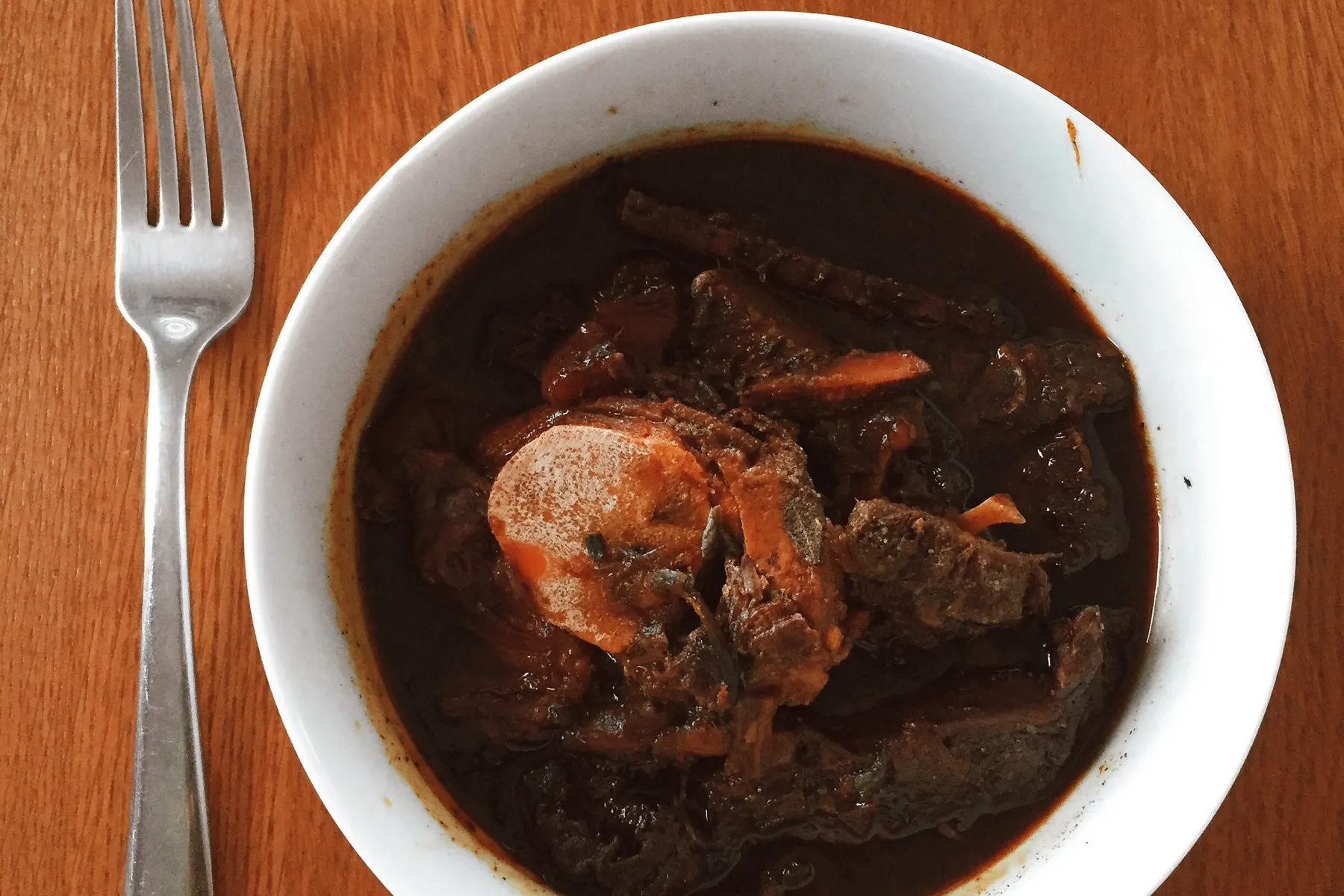
A white bowl of Guyanese pepperpot — dark cassareep-braised meat with a cinnamon stick in a glossy near-black sauce — with a fork on a wooden table Guyana flag Guyana 4h 10m
Dinner •Guyana's Christmas Classic

Guyanese Pepperpot

This guyanese pepperpot recipe is Guyana's national dish: beef and pork slow-braised for three and a half hours in dark, molasses-like cassareep with cinnamon, cloves and hot pepper, until the meat falls off the bone and the sauce turns glossy and almost black. Serve it hot with bread for dunking in the rich gravy. One serving is about 380 g.

Rich & Festive

Beef and pork slow-braised in dark cassareep with cinnamon and hot pepper, the stew Guyana cooks for Christmas morning.

Pairs Well With
Plait bread or cassava bread, steamed rice and a cold sorrel drink
Golden pholourie fritters on a white plate with small dishes of mango, coconut and tamarind chutney and scotch bonnet peppers Guyana flag Guyana 1h 20m
Snack & Tea •Georgetown Heritage

Pholourie

This pholourie recipe turns yellow split pea flour and plain flour into golden, puffy fritters: the batter is seasoned with garlic, onion, scotch bonnet pepper, cumin, turmeric and curry powder, left to rise until bubbly, then dropped by the spoonful into hot oil until crisp outside and fluffy inside. Pholourie is the snack Guyanese street vendors sell by the bagful, and it is at its best eaten straight from the fryer with tamarind chutney for dipping. One serving is about 196 g (5 fritters).

Street Snack & Sharing

Golden split-pea fritters, crisp on the outside and soft inside, fried in small batches and eaten hot with tangy chutney.

Pairs Well With
Tamarind chutney, mango sour & a cold sorrel drink
Bœuf bourguignon — French beef braised in red wine France flag France 4h
Dinner •Burgundy Terroir

Bœuf Bourguignon

Beef braised gently in red wine until the connective tissue melts into a velvet, gelatin-rich sauce — the classic Burgundy Sunday dinner.

Cellular Repair

Beef braised in red wine until spoon-tender, with mushrooms and pearl onions.

Pairs Well With
Parsnip Purée & Steamed French Haricots Verts
High Protein
Vietnamese braised pork belly with golden eggs in caramel sauce Vietnam flag Vietnam 1h 45m
Dinner •One Pot

Vietnamese Braised Pork and Eggs

Pork belly slowly braised in coconut water and caramel until meltingly tender, with golden eggs that soak up the sweet-savoury sauce — the Vietnamese family dish that tastes better the next day.

Comfort & Sustained Energy

Slow-braised pork belly and eggs in coconut water and caramel.

Pairs Well With
Steamed rice & pickled mustard greens
High Protein

The Dinner Gazette

Never wonder what’s for dinner again

One email a week with easy dinner ideas from around the world — ingredients, steps and nutrition, tested in our kitchen first.

Delivered every Thursday morning. Unsubscribe anytime.