
Curated recipes from 193 countries  •  New seasonal Mediterranean issue out now

Overview

Ibiharage

Burundi Fried Beans

Ibiharage is Burundi's beloved fried beans: red kidney beans simmered until creamy, then fried with sweet onion, garlic, tomato and a pinch of chilli. This easy ibiharage recipe makes a hearty, plant-based dinner that costs very little and feeds a whole family. One serving is about 250 g.

Beans are the backbone of Burundian cooking: the country's small farms grow red kidney beans on nearly every hillside, and ibiharage — beans boiled soft, then fried with onion and garlic — is served at family meals, weddings and community gatherings alike. It is often called Burundi's national dish, and it is commonly eaten with bananas or plantains, rice or ugali.

Pairs well with: Steamed rice or ugali, with fried plantains on the side

Provenance

Burundi flag Burundi

Burundi Heritage

African Heritage

Time Dedication

1h 30m

15m prep • 75m cook

Batch Yield

4 Servings

306 kcal per serving

1 serving ≈ 250 g

Technical Skill

Easy

Easy (One Pot)

Meal Timing & Digestive Fit

Breakfast

Not Advised

Lunch

Hearty Midday Main

Dinner

Ideal Hearty Main

Snack & Tea

Inappropriate

Occasions: Family dinners, community gatherings, meat-free Mondays, budget meals Cost: Low — about $1–2 per serving at home
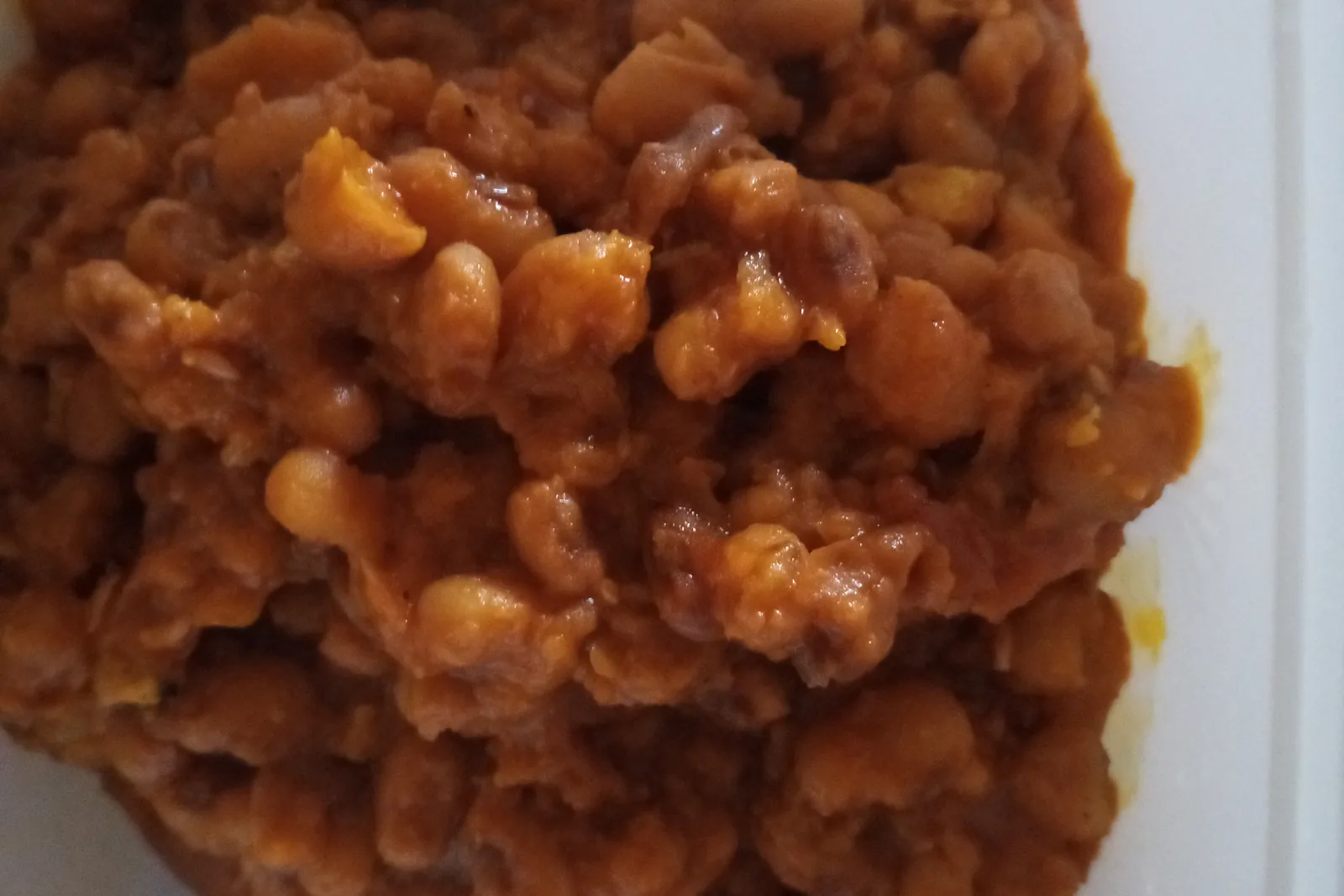
A bowl of fried red kidney beans with onion and tomato, cooked the Burundian way

Burundi Heritage

Photo: Ameerahraheem, CC BY-SA 4.0, via Wikimedia Commons

The Heritage Formulary

Measured Ingredients

Estimated cost: Low — about $1–2 per serving at home (USD)

A good ibiharage is judged by the beans: fully tender and creamy inside, glossy with oil, never dry or crunchy.

Execution Methodology & Culinary Technique

Step-by-Step Cooking Guide

Active 1h 30m
P

Prep Stage: Soak & Chop

15 Mins • Night Before

The night before, pick over the dried beans, rinse them, and soak in a large bowl of cold water — they will nearly double in size. In the morning, drain and rinse. Chop the onion, mince the garlic, dice the tomato and chop the herbs so everything is ready when the beans come off the boil.

Maestro Tip: Never salt the soaking water: salt toughens dried bean skins and slows cooking.

  1. 1

    Boil the Beans

    60 Mins • Gentle Boil Rolling boil, 100°C (212°F), then a steady simmer

    Put the drained beans in a large pot with 1.5 litres of fresh cold water and the bay leaves. Bring to a rolling boil, skim off any foam, then reduce to a steady simmer and cook for about 60 minutes until the beans are completely tender and creamy inside.

    If the water level drops below the beans, top up with boiling water, never cold — cold water shocks the skins and they split.

    Done when: A bean squashes easily between finger and thumb with no chalky centre.

  2. 2

    Fry the Onion and Garlic

    8 Mins • Medium Heat Medium heat, about 175°C (350°F)

    Drain the beans and set them aside, keeping 120 ml (1/2 cup) of the cooking liquid. Heat the oil in a wide pan over medium heat, add the onion and cook for 5 minutes until soft and golden at the edges, then stir in the garlic and cook 1 minute more until fragrant.

    Let the onion take its time — pale, sweet, fully softened onion is the flavour base of the whole dish.

    Done when: Onion is translucent and golden; garlic smells sweet, not sharp.

  3. 3

    Add Tomato and Beans

    15 Mins • Simmer Low simmer, about 95°C (203°F)

    Stir in the diced tomato and cook 3 minutes until it softens and its juices run. Add the drained beans, the reserved cooking liquid, chilli powder, salt and black pepper. Stir gently so the beans stay whole, cover, and simmer for 10–12 minutes so the flavours marry and the sauce thickens slightly.

    Mash a spoonful of beans against the side of the pan and stir it back in — it thickens the sauce without any flour.

    Done when: The beans are glossy and coated, with a little thick sauce clinging to them, not a watery pool.

  4. 4

    Rest and Garnish

    5 Mins • Off the Heat Off the heat

    Take the pan off the heat, fish out the bay leaves, and let the beans rest for 5 minutes. Taste and adjust the salt and chilli, then scatter the chopped parsley or cilantro over the top and serve hot.

    The rest matters: the beans drink up the last of the sauce and the flavours settle.

    Done when: Hot all the way through, well seasoned, herbs bright on top.

Finishing Touches & Plating

Serve ibiharage hot, straight from the pan, with the herbs scattered over the top. A spoonful of the beans over rice or ugali, with fried plantain on the side, is how most Burundian families eat it.

Nutritional Physiology & Benefits

Nutrition

Energy

306

kcal / serving

Protein

16g

Complete AA

Carbs

45g

Complex

Fats

8g

Healthy

Per serving (4 servings · 1 serving ≈ 250 g)
Energy306 kcal
Protein16 g
Carbohydrates45 g
Fat8 g
Fibre12.3 g
Sugar3.7 g
Sodium514 mg
Per 100g
Energy122 kcal
Protein6.4 g
Carbohydrates18.1 g
Fat3.2 g
Fibre4.9 g
Sugar1.5 g
Sodium206 mg

Nutrition values are estimated — calculated from USDA FoodData Central values for the listed ingredients.

Vitamins & minerals: Folate and iron (kidney beans), vitamin C (tomato and parsley), potassium and magnesium (beans and onion). Nutrition values are estimated.

Plant Protein & Fibre

Kidney beans supply about 16 g of protein and 12 g of fibre per serving, keeping you full for hours on a plant-based plate.

Iron & Folate

Beans are a useful source of iron and folate; the vitamin C in the tomato and parsley helps the body absorb the iron.

Slow, Steady Energy

The complex carbohydrates in beans digest slowly, giving steady energy rather than a quick spike and crash.

Food Pairings

What to Eat With

To optimize nutrient absorption and elevate the sensory depth, pair with these authentic accompaniments:

Sides

Steamed Rice

Rice and beans complete each other's amino acids, so the pair is more nourishing than either alone — and the rice soaks up the bean sauce.

Ugali (Bugali)

A soft ball of maize porridge is the traditional scoop for beans — mild, filling, and perfect for mopping up the sauce.

Vegetables

Fried Plantains (Ibitoke)

Sweet, caramelised plantain against salty, savoury beans is the classic Burundian contrast; the sweetness rounds out the chilli heat.

Drinks

Hibiscus Tea or Water

A cool, unsweetened drink refreshes the palate between spoonfuls of warm, spiced beans.

Complete menu

Start with ibiharage as the main pot, with steamed rice or ugali and fried plantains on the side; finish with hibiscus tea.

Digestive Guardrails

What NOT to Combine

To prevent digestive distress, sluggishness, or palate clash, avoid pairing the dish with these elements:

Undercooked Beans

Kidney beans must be boiled until fully tender: raw or undercooked kidney beans contain lectins that can cause stomach upset. Never eat them crunchy. This is general food-safety information, not medical advice.

Very Salty Sides

The beans are already seasoned; pairing them with heavily salted stock cubes, soy sauce or salty snacks can push sodium far above the meal's balance. Keep salty extras modest.

General information only, not medical advice — consult a doctor for personal dietary decisions.

Who Should Eat It

Who Should Eat

  • General adultsA complete, balanced dinner — plant protein, fibre and slow carbs in one pot.
  • ChildrenSuitable from age 2+; mash the beans for toddlers, skip the chilli, and keep pieces soft.
  • ElderlyExcellent — soft, easy to chew and rich in fibre; keep the chilli mild.
  • Pregnant womenGenerally suitable; the folate and iron are helpful, but keep salt moderate and beans fully cooked.
  • Breastfeeding womenGenerally suitable; the protein and iron support recovery — drink water with the meal.
  • AthletesA solid plant-based training meal: pair with rice for complete protein and add a second helping.
  • Weight gainA good choice — the beans are filling and cheap; add rice or plantain for extra energy.
  • Weight lossA good choice — high fibre and protein keep you full; watch the oil and the rice portion.

Health Conditions — Adjust or Avoid

Conditions

  • DiabetesThe beans are high in fibre and slow carbs; keep the rice portion modest and ask your clinician about portion size.
  • High blood pressureUse only 1/2 tsp salt and skip salty stock cubes; most of the sodium here comes from added salt.
  • Kidney diseaseBeans are moderately high in potassium and phosphorus; keep portions modest and ask your clinician.
  • GoutBeans contain moderate purines; eat occasionally and in smaller portions if gout flares — ask your clinician.
  • Stomach issuesWell-cooked beans are usually gentle, but the fibre can cause gas; soak and rinse well and eat slowly.
  • Cardiovascular diseaseLow in saturated fat and rich in soluble fibre, which suits a heart-friendly pattern; keep added salt low.
  • Fatty liverA good plant-based choice: low fat, high fibre, no added sugar; keep the oil to 2 tbsp.
  • Food allergiesContains no common allergens. Beans are legumes — people with legume allergy should avoid them and ask their clinician.
  • Special therapeutic dietsIf you follow a prescribed low-sodium or low-potassium diet, reduce the salt and keep the portion modest, and check with your clinician.

If you have a medical condition, consult your doctor before changing your diet.

Storage & Use

Storage & Use

How to store
Cool quickly and store in an airtight container.
In the fridge
Cooked beans 4 days.
In the freezer
Up to 3 months in portions.
How to reheat
Reheat in a pan with a splash of water until steaming hot, to 74°C (165°F).
Freezing recommended
Yes — cooked beans freeze very well for up to 3 months.
Signs it has spoiled
Sour smell, slimy surface, or mould.

More recipes to explore

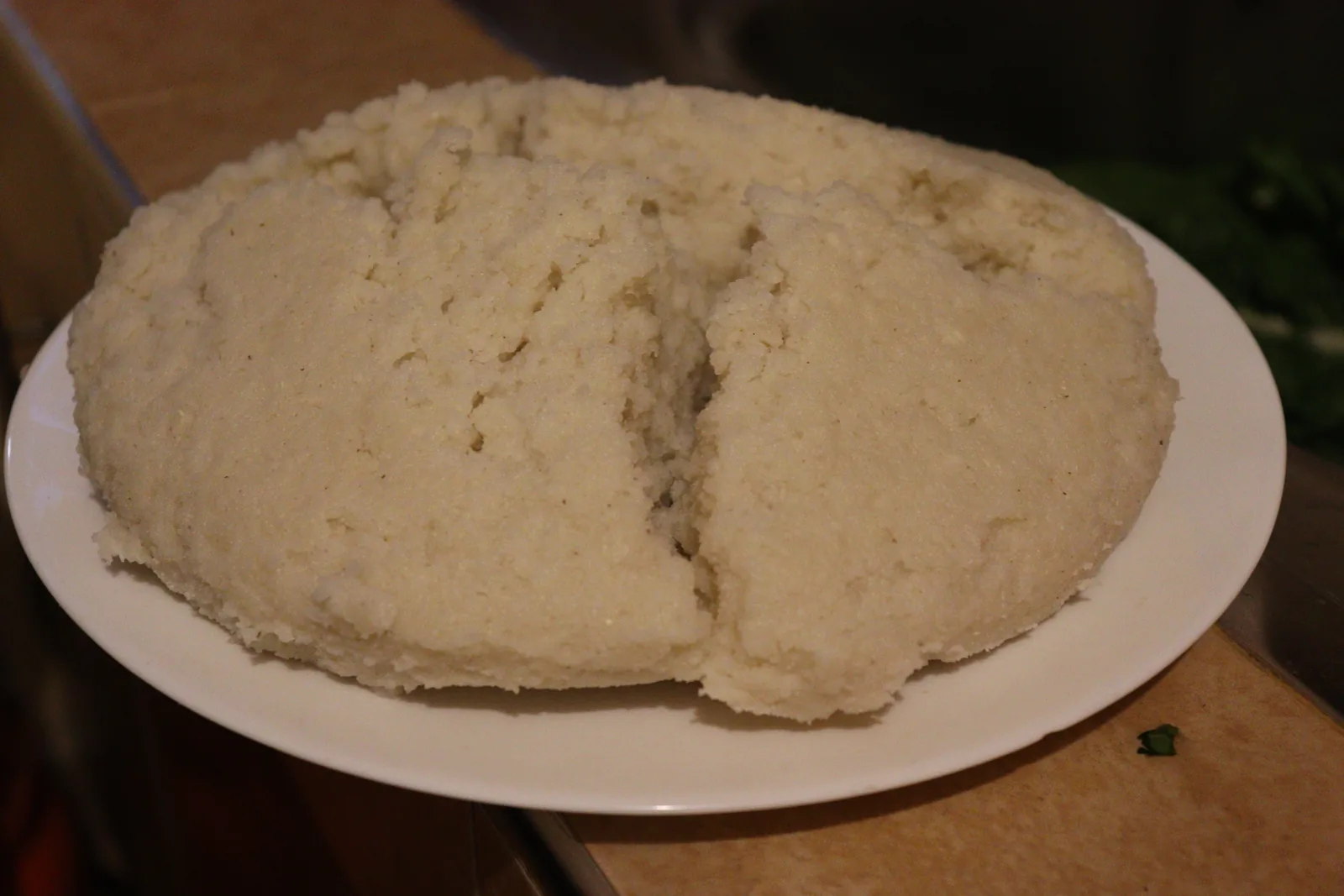
A smooth white mound of ugali maize porridge on a white plate Burundi flag Burundi 30m
Lunch •Burundi Heritage

Burundi Ugali

Burundi ugali, known locally as bugali, is a smooth, firm maize porridge made from just white maize flour, water and salt. This burundi ugali recipe takes 30 minutes and one pot, and the soft white mound is torn into pieces and used to scoop up beans, greens and stews. One serving is about 260 g.

Everyday Energy

White maize flour stirred into boiling water until firm — the quiet, filling staple that carries stews, beans and greens.

Pairs Well With
Ibiharage beans, sukuma wiki greens, or any stew
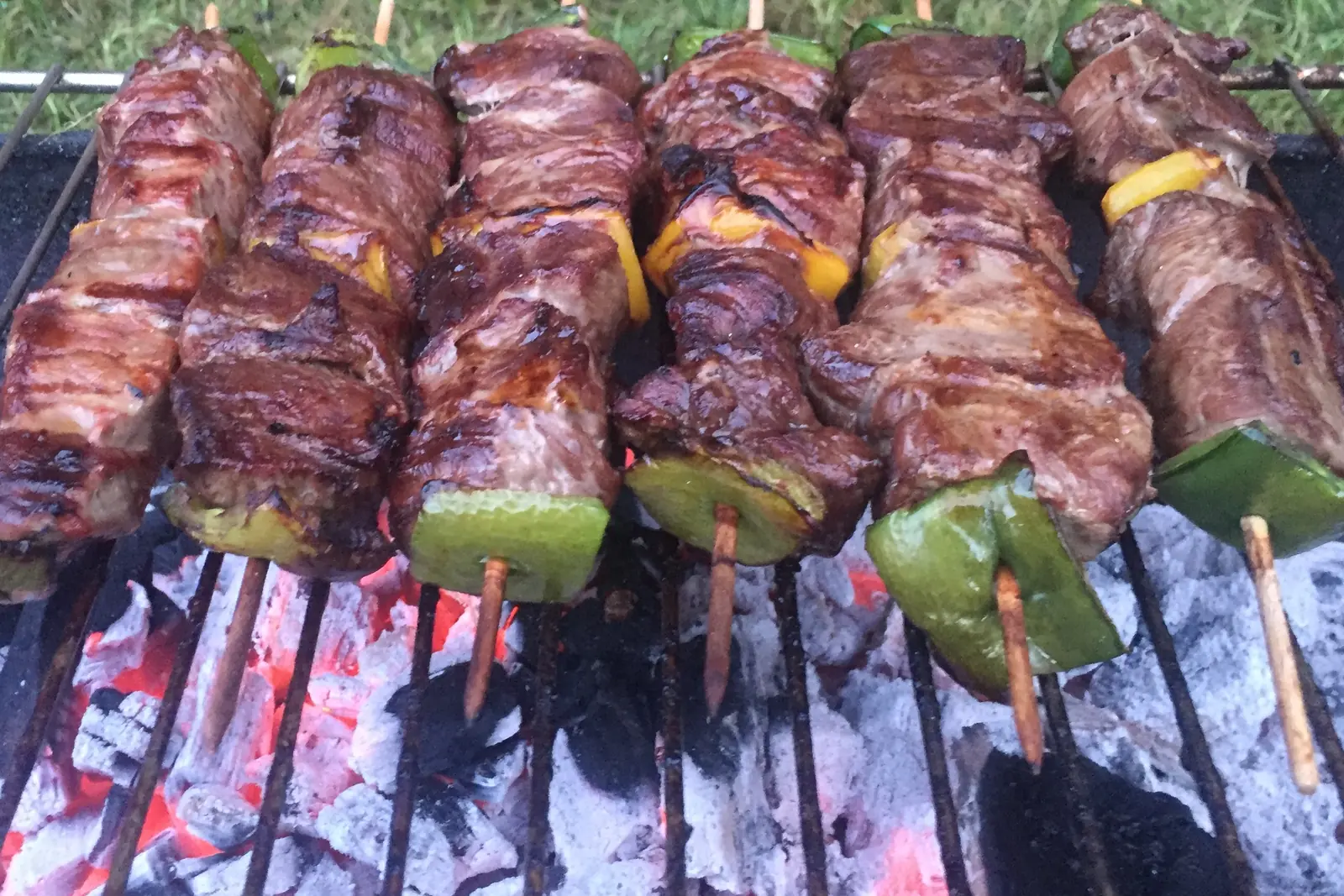
Beef brochettes with peppers grilling over glowing charcoal Burundi flag Burundi 1h 5m
Dinner •Burundi Heritage

Burundi Brochettes

Burundi brochettes are smoky grilled beef skewers, marinated in a peanut, paprika and ginger spice mix and cooked over charcoal until charred at the edges and juicy inside. This authentic burundi brochettes recipe is the street food of Bujumbura evenings — best eaten hot off the grill with friends. One serving is about 200 g.

High-Protein Grilling

Beef cubes marinated with peanut, paprika and ginger, threaded with onion and pepper, and grilled over charcoal.

Pairs Well With
Fried plantains or chips, kachumbari salad, and a cold drink
High Protein
Bœuf bourguignon — French beef braised in red wine France flag France 4h
Dinner •Burgundy Terroir

Bœuf Bourguignon

Beef braised gently in red wine until the connective tissue melts into a velvet, gelatin-rich sauce — the classic Burgundy Sunday dinner.

Cellular Repair

Beef braised in red wine until spoon-tender, with mushrooms and pearl onions.

Pairs Well With
Parsnip Purée & Steamed French Haricots Verts
High Protein
Vietnamese braised pork belly with golden eggs in caramel sauce Vietnam flag Vietnam 1h 45m
Dinner •One Pot

Vietnamese Braised Pork and Eggs

Pork belly slowly braised in coconut water and caramel until meltingly tender, with golden eggs that soak up the sweet-savoury sauce — the Vietnamese family dish that tastes better the next day.

Comfort & Sustained Energy

Slow-braised pork belly and eggs in coconut water and caramel.

Pairs Well With
Steamed rice & pickled mustard greens
High Protein

The Dinner Gazette

Never wonder what’s for dinner again

One email a week with easy dinner ideas from around the world — ingredients, steps and nutrition, tested in our kitchen first.

Delivered every Thursday morning. Unsubscribe anytime.



