
Curated recipes from 193 countries  •  New seasonal Mediterranean issue out now

Overview

Burundi Ugali

Bugali, Maize Porridge

Burundi ugali, known locally as bugali, is a smooth, firm maize porridge made from just white maize flour, water and salt. This burundi ugali recipe takes 30 minutes and one pot, and the soft white mound is torn into pieces and used to scoop up beans, greens and stews. One serving is about 260 g.

Ugali — called bugali in Burundi and Rwanda, posho in Uganda, and by many other names across East Africa — is the region's daily bread. Maize arrived in Africa from the Americas in the 1500s and spread quickly because it grew well on small farms; by the 1800s, stiff maize porridge had become the staple starch of the Great Lakes region, eaten at lunch and dinner with whatever beans, greens or meat the day provided.

Pairs well with: Ibiharage beans, sukuma wiki greens, or any stew

Provenance

Burundi flag Burundi

Burundi Heritage

African Heritage

Time Dedication

30m

5m prep • 25m cook

Batch Yield

4 Servings

326 kcal per serving

1 serving ≈ 260 g

Technical Skill

Easy

Easy (One Pot)

Meal Timing & Digestive Fit

Breakfast

Not Advised

Lunch

Prime Metabolic Fit

Dinner

Ideal Hearty Main

Snack & Tea

Inappropriate

Occasions: Everyday lunch, family meals, training meals, budget meals Cost: Low — about $0.50 per serving at home
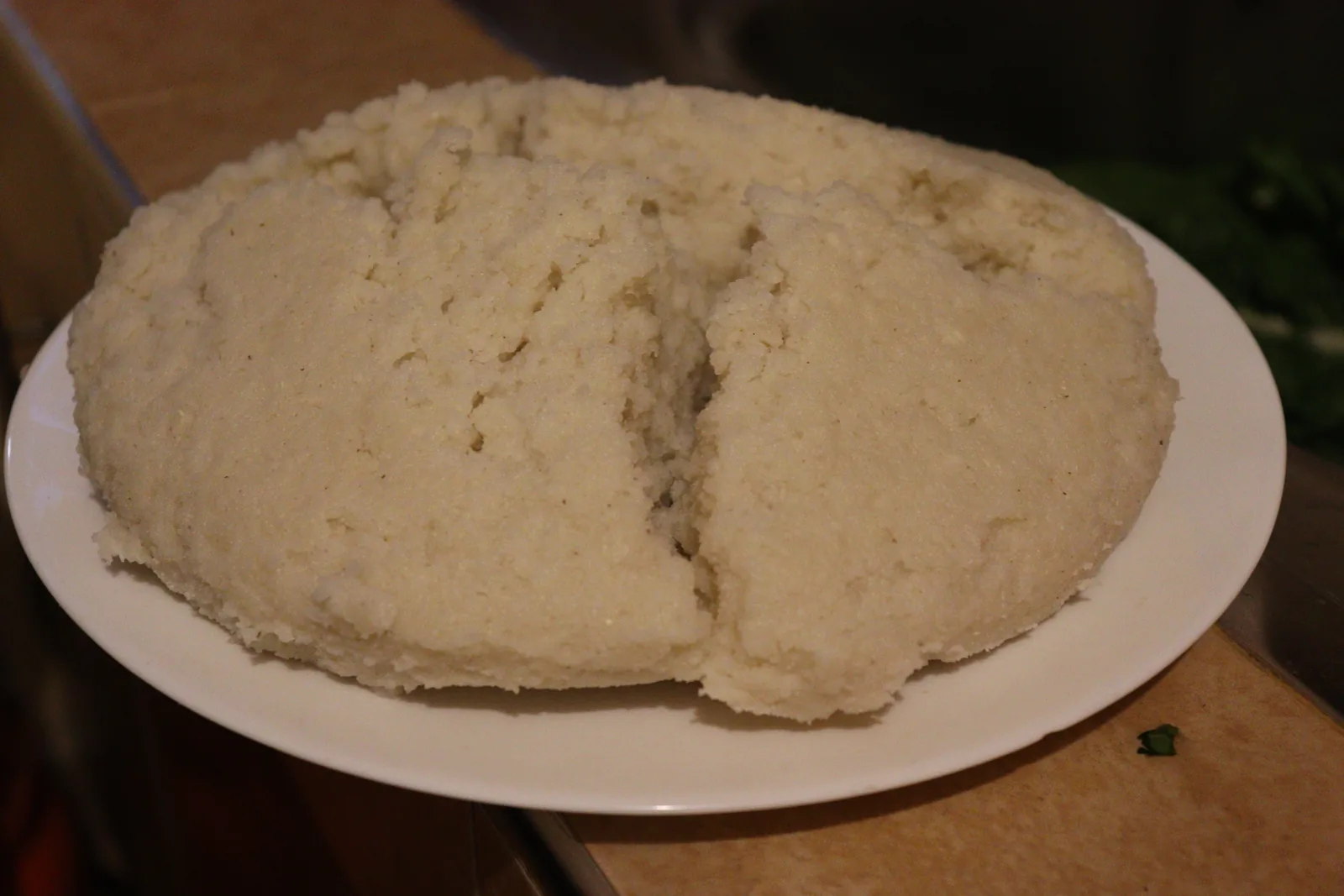
A smooth white mound of ugali maize porridge on a white plate

Burundi Heritage

Photo: safaritravelplus, CC0, via Wikimedia Commons

The Heritage Formulary

Measured Ingredients

Estimated cost: Low — about $0.50 per serving at home (USD)

A good ugali is smooth and lump-free, firm enough to hold its shape, and smelling of cooked corn — never grainy or raw-tasting.

Execution Methodology & Culinary Technique

Step-by-Step Cooking Guide

Active 30m
P

Prep Stage: Water On, Flour Ready

5 Mins • One Pot

Put a heavy-bottomed pot on the stove — a pot with a long handle helps, because the stirring gets vigorous. Measure the water and salt into the pot, and the flour into a bowl beside it. That is the whole prep: ugali is a technique dish, not an ingredients dish.

Maestro Tip: Use a sturdy wooden spoon with a long handle; a thin spoon can snap once the porridge stiffens.

  1. 1

    Boil the Water

    5 Mins • High Heat Rolling boil, 100°C (212°F)

    Bring the salted water to a full rolling boil over high heat. Scoop out about 120 ml (1/2 cup) of the boiling water and set it aside — you will use it later to steam the ugali through.

    Keep the reserved water boiling hot; it must be hot when it goes back in.

    Done when: Water is at a hard, rolling boil.

  2. 2

    Make the Porridge Base

    5 Mins • Whisking Boiling, 100°C (212°F), then low heat

    Sprinkle in about a third of the flour a little at a time, whisking constantly so no lumps form. Keep whisking until the mixture looks like a thin, smooth porridge, then reduce the heat to low and cook for 5 minutes, stirring often.

    Add the flour in a thin rain, not in dumps — dumps are how lumps are born.

    Done when: Smooth, lump-free porridge that coats the spoon.

  3. 3

    Stiffen the Ugali

    10 Mins • Steady Stirring Low to medium heat, about 95°C (203°F)

    Now add the remaining flour two spoonfuls at a time, stirring hard with the wooden spoon after each addition. When the spoon will no longer move easily, switch to pressing and folding the mass with the spoon. Keep working until the ugali is very stiff, smooth, and starts to pull away from the sides of the pot.

    If your arm tires, lift the pot off the heat for a few seconds to mash out lumps — the pot will not burn while it is off the burner.

    Done when: A firm, smooth dough that pulls cleanly away from the pot and smells of cooked corn, not raw flour.

  4. 4

    Steam and Shape

    5 Mins • Covered Low heat, about 95°C (203°F)

    Poke a few holes in the surface with the spoon handle, pour in the reserved hot water, cover the pot and cook on low for 5 minutes. Stir once halfway through. Wet the spoon under the tap, gather the ugali into a ball in the pot, then turn it out onto a plate or into a lightly oiled bowl and shape into a smooth dome.

    A wet spoon will not stick — run it under the tap before shaping.

    Done when: Smooth, firm and slightly sticky, not grainy; holds its shape on the plate.

Finishing Touches & Plating

Serve ugali hot, straight from the pot, with beans, greens or stew alongside. Tear off a piece with your fingers, press a little hollow into it, and use it to scoop up the sauce — that is how it is eaten in Burundi.

Nutritional Physiology & Benefits

Nutrition

Energy

326

kcal / serving

Protein

7g

Complete AA

Carbs

69g

Complex

Fats

3g

Healthy

Per serving (4 servings · 1 serving ≈ 260 g)
Energy326 kcal
Protein7 g
Carbohydrates69 g
Fat3 g
Fibre6.6 g
Sugar0.5 g
Sodium419 mg
Per 100g
Energy125 kcal
Protein2.8 g
Carbohydrates26.6 g
Fat1.2 g
Fibre2.5 g
Sugar0.2 g
Sodium161 mg

Nutrition values are estimated — calculated from USDA FoodData Central values for the listed ingredients.

Vitamins & minerals: B vitamins and magnesium (maize flour), with small amounts of iron and zinc. Nutrition values are estimated.

Naturally Gluten-Free

Maize flour contains no gluten, so ugali is a safe staple for people who avoid wheat.

Filling, Slow Energy

A 260 g serving supplies about 69 g of slow-digesting carbohydrate, keeping you full through a long afternoon.

Gentle and Simple

Three ingredients, no fat, no sugar — a plain, easy-to-digest base that lets the stew or greens do the talking.

Food Pairings

What to Eat With

To optimize nutrient absorption and elevate the sensory depth, pair with these authentic accompaniments:

Sides

Ibiharage (Fried Beans)

Beans add the protein and fibre that plain maize lacks, and their sauce softens each bite of ugali.

Beef or Goat Stew

A rich, saucy stew turns a humble mound of ugali into a full dinner; the ugali soaks up every drop.

Vegetables

Sukuma Wiki (Braised Greens)

Bitter-savoury collard greens cut through the mild starch and add iron, calcium and vitamin C to the meal.

Drinks

Water or Hibiscus Tea

A plain, cool drink suits a starchy meal and keeps the focus on the food.

Complete menu

Serve a mound of hot ugali with ibiharage beans and braised greens on the side, and water or hibiscus tea to drink.

Digestive Guardrails

What NOT to Combine

To prevent digestive distress, sluggishness, or palate clash, avoid pairing the dish with these elements:

Ugali Alone as a Whole Meal

Ugali is almost entirely carbohydrate, so on its own it is low in protein and micronutrients. Always pair it with beans, greens, fish or meat. This is general nutrition information, not medical advice.

Eating It Cold and Stale

Ugali firms up and dries out as it cools, becoming hard and hard to digest. Eat it hot, or reheat it properly with steam rather than eating it cold.

General information only, not medical advice — consult a doctor for personal dietary decisions.

Who Should Eat It

Who Should Eat

  • General adultsA filling, cheap lunch base — always pair with beans, greens or meat for balance.
  • ChildrenSuitable from age 1+; serve soft and warm in small pieces, with a saucy side.
  • ElderlyExcellent — soft, mild and easy to chew; serve warm and well steamed.
  • Pregnant womenGenerally suitable; keep portions moderate and pair with protein and vegetables.
  • Breastfeeding womenGenerally suitable; the steady carbohydrate supports energy — pair with iron-rich greens or beans.
  • AthletesA classic training staple: cheap, filling carbohydrate for glycogen; add beans or meat for protein.
  • Weight gainA good choice — cheap energy; add a protein-rich side and a knob of butter if you need more calories.
  • Weight lossA good choice in a modest portion with plenty of vegetables; the starch alone is not a full meal.

Health Conditions — Adjust or Avoid

Conditions

  • DiabetesUgali is high in carbohydrate; keep the portion to about 200 g and load the plate with greens and beans — ask your clinician.
  • High blood pressureUse only a pinch of salt; the flour itself is naturally very low in sodium.
  • Kidney diseaseMaize is moderately high in potassium; keep portions modest and ask your clinician.
  • GoutUgali itself is low in purines; the gout risk comes from rich meat sides, not the porridge.
  • Stomach issuesPlain, well-cooked ugali is usually gentle on the stomach; eat it warm and chew well.
  • Cardiovascular diseaseNaturally low in fat and sodium; keep the sides lean and the salt light.
  • Fatty liverLow in fat and easy to digest, but the carbohydrate is dense — keep portions modest.
  • Food allergiesContains no common allergens. Naturally gluten-free, dairy-free and nut-free.
  • Special therapeutic dietsIf you follow a prescribed low-carbohydrate or low-potassium diet, keep the portion small and check with your clinician.

If you have a medical condition, consult your doctor before changing your diet.

Storage & Use

Storage & Use

How to store
Cool, wrap tightly in cling film or store in an airtight container.
In the fridge
2 days, wrapped tightly.
In the freezer
1 month, in portions.
How to reheat
Steam or microwave with a splash of water until hot all the way through, to 74°C (165°F); knead briefly to soften.
Freezing recommended
Possible, but it loses softness — best eaten fresh.
Signs it has spoiled
Sour smell, dry cracked surface, or mould.

More recipes to explore

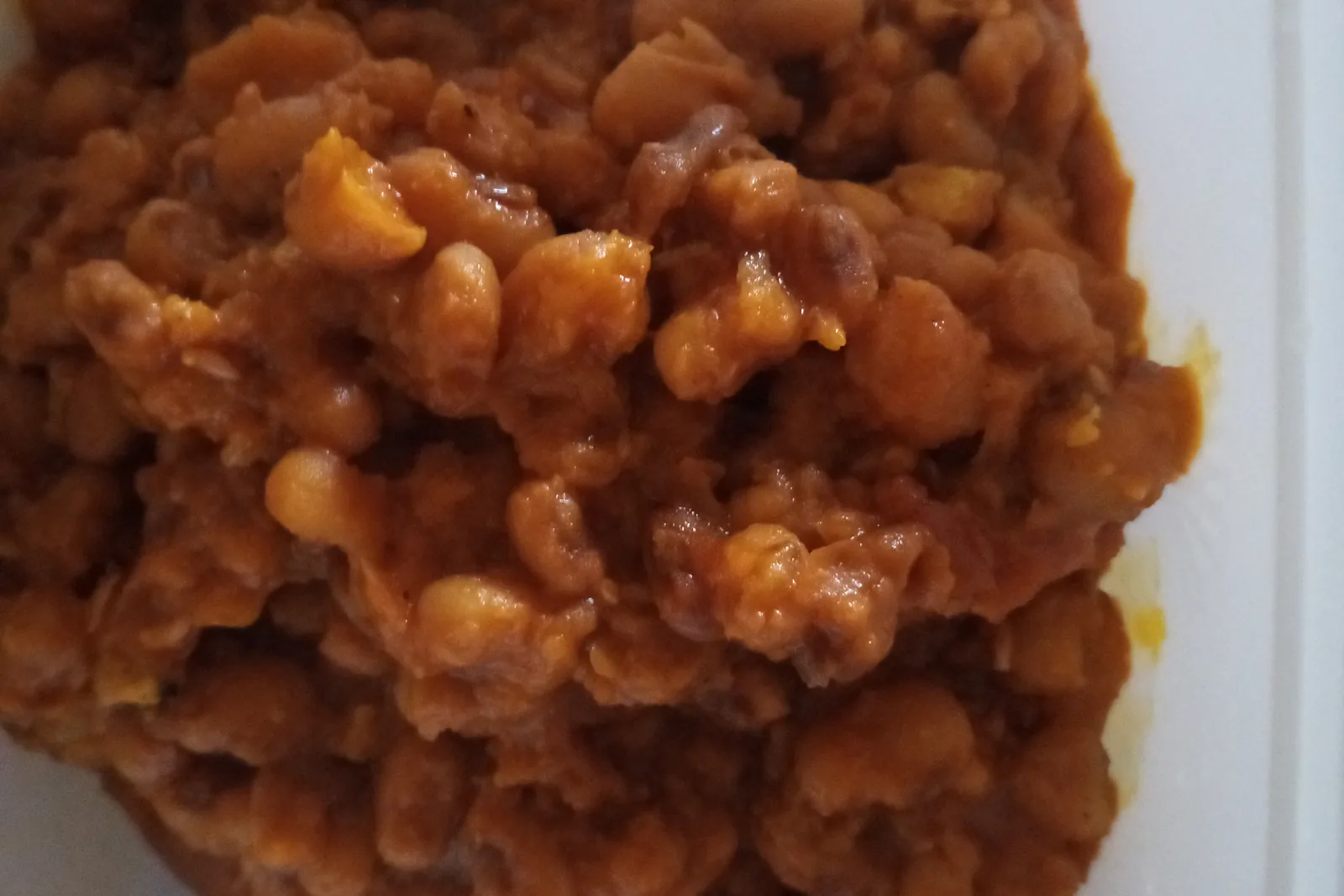
A bowl of fried red kidney beans with onion and tomato, cooked the Burundian way Burundi flag Burundi 1h 30m
Dinner •Burundi Heritage

Ibiharage

Ibiharage is Burundi's beloved fried beans: red kidney beans simmered until creamy, then fried with sweet onion, garlic, tomato and a pinch of chilli. This easy ibiharage recipe makes a hearty, plant-based dinner that costs very little and feeds a whole family. One serving is about 250 g.

Comfort & Plant Protein

Slow-cooked red kidney beans fried with onion, garlic and tomato — a filling, fibre-rich pot that anchors the Burundian table.

Pairs Well With
Steamed rice or ugali, with fried plantains on the side
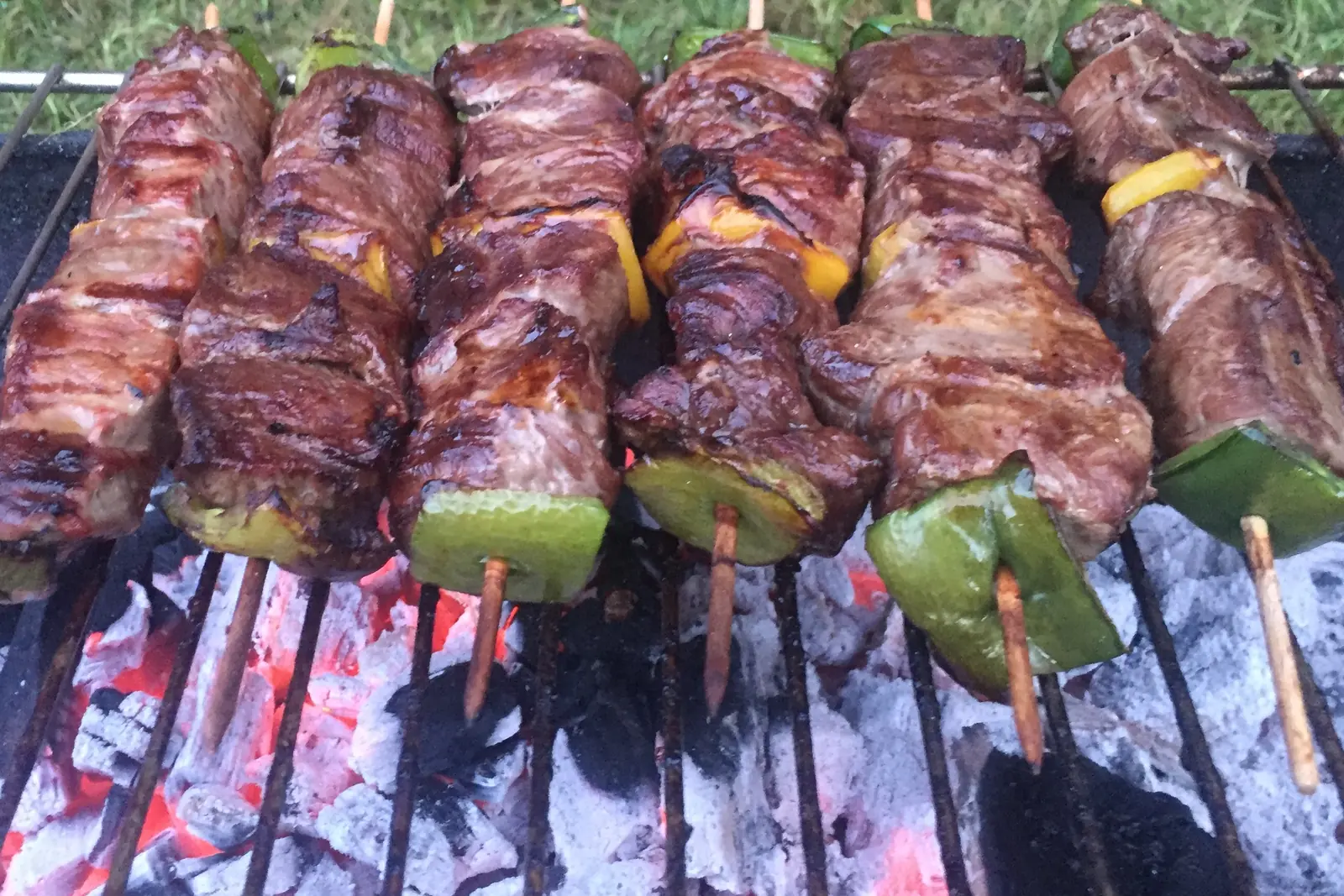
Beef brochettes with peppers grilling over glowing charcoal Burundi flag Burundi 1h 5m
Dinner •Burundi Heritage

Burundi Brochettes

Burundi brochettes are smoky grilled beef skewers, marinated in a peanut, paprika and ginger spice mix and cooked over charcoal until charred at the edges and juicy inside. This authentic burundi brochettes recipe is the street food of Bujumbura evenings — best eaten hot off the grill with friends. One serving is about 200 g.

High-Protein Grilling

Beef cubes marinated with peanut, paprika and ginger, threaded with onion and pepper, and grilled over charcoal.

Pairs Well With
Fried plantains or chips, kachumbari salad, and a cold drink
High Protein
Tagliatelle al ragù Bolognese in a bowl with Parmigiano-Reggiano Italy flag Italy 4h 25m
Lunch •Emilia-Romagna

Tagliatelle al Ragù Bolognese

Slow-braised soffritto and coarse ground heritage meats layered over handmade egg yolk dough for mid-day stamina.

Lean Protein

Slow-simmered beef ragù tossed through fresh egg tagliatelle.

Pairs Well With
Bitter Radicchio & Aged Balsamico di Modena
Pasta & Noodles • High Protein
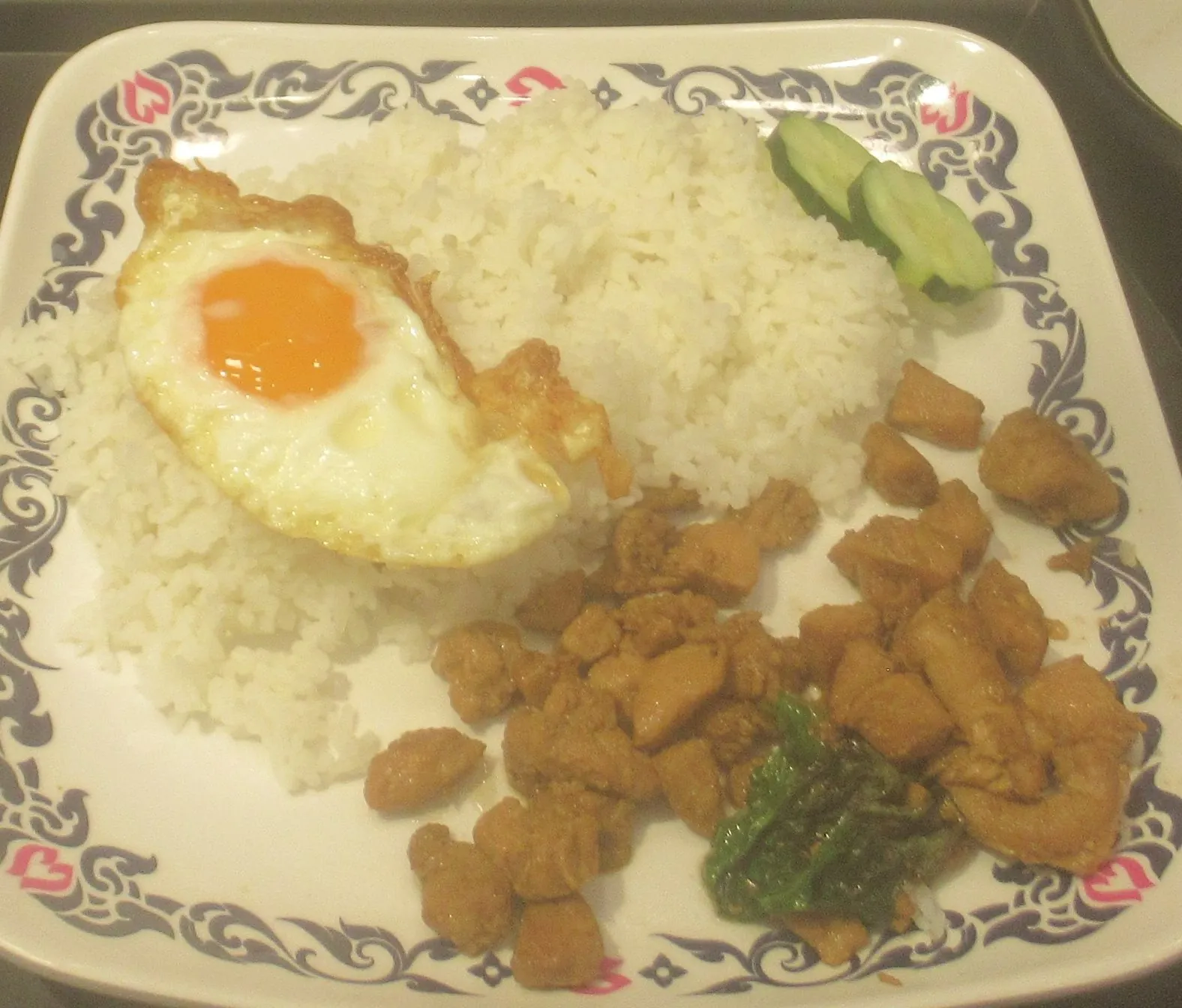
Pad kra pao gai — Thai holy basil chicken with fried egg and rice Thailand flag Thailand 30m
Lunch •Bangkok Street Flame

Pad Kra Pao Gai

High-heat wok flash of holy basil and crushed chillies over minced chicken, served over jasmine rice with a crispy-edged fried egg.

High Energy

Capsaicin brings the heat; holy basil adds a peppery, clove-like aroma.

Pairs Well With
Chilled Cucumber Salad & Fish Sauce Lime Dip
High Protein • Quick Prep (<30m)

The Dinner Gazette

Never wonder what’s for dinner again

One email a week with easy dinner ideas from around the world — ingredients, steps and nutrition, tested in our kitchen first.

Delivered every Thursday morning. Unsubscribe anytime.