Curated recipes from 193 countries  •  New seasonal Mediterranean issue out now

Overview

Irish Stew

Stobhach Gaelach, Traditional Irish Lamb Stew

This irish stew recipe braises lamb shoulder with potatoes, carrots, onions and leeks in a covered pot until the meat is meltingly tender and the potatoes thicken the juices into a rich gravy. One serving is about 433 g, served with soda bread.

Irish stew is Ireland’s national dish, born from thrift: mutton or lamb, potatoes, onions and water, cooked slowly in one pot over a turf fire. Potatoes arrived in Ireland in the late 16th century and became the backbone of the meal, thickening the stew as they broke down — no flour, no cream, just time. The classic version uses lamb or mutton, potato, onion and carrot, and it is still the dish Irish families make when they want a meal that feeds everyone from one pot.

Pairs well with: Soda bread, butter & parsley

Provenance

Ireland flag Ireland

Irish Heritage

Nordic & European

Time Dedication

2h 25m

25m prep • 120m cook

Batch Yield

6 Servings

507 kcal per serving

1 serving ≈ 433 g

Technical Skill

Intermediate

Easy (One Pot, Slow Braise)

Meal Timing & Digestive Fit

Breakfast

Not Advised

Lunch

Hearty Midday Main

Dinner

Ideal Hearty Main

Snack & Tea

Inappropriate

Soups & BrothsHigh Protein Occasions: Family dinners, cold-weather suppers, St. Patrick’s Day, Sunday dinners, winter gatherings Cost: Low — about $3–4 per serving at home
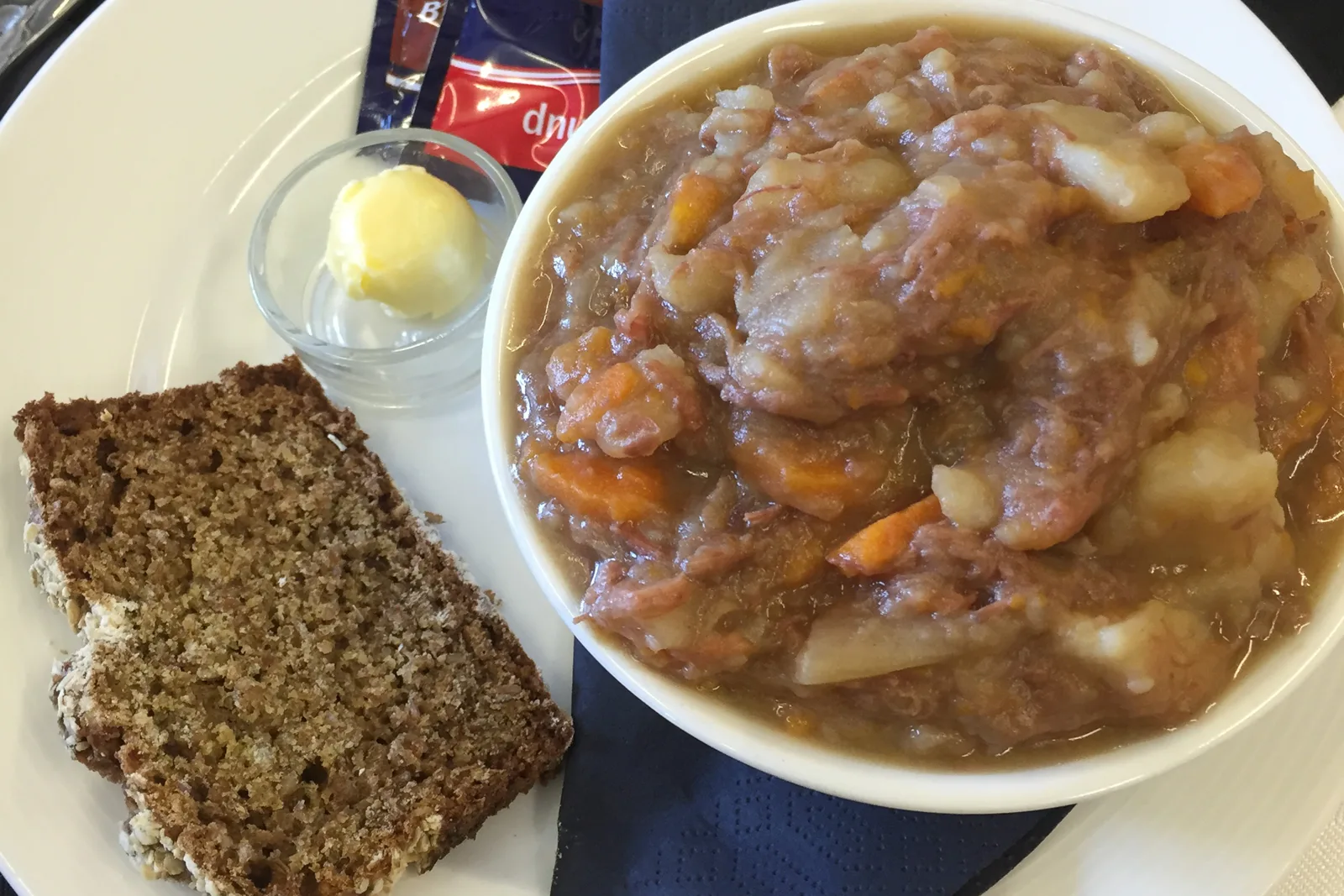
A bowl of Irish stew with lamb, carrots and potatoes in a thick gravy, served with a slice of brown soda bread and butter

Irish Heritage

Photo: Kenneth C. Zirkel, CC BY-SA 4.0, via Wikimedia Commons
The Heritage Formulary

Measured Ingredients

Estimated cost: Low — about $3–4 per serving at home (USD)

Cooked the traditional way: browned lamb layered over onion, potatoes and carrots on top, braised slowly with the lid on and never stirred.

Execution Methodology & Culinary Technique

Step-by-Step Cooking Guide

Active 2h 25m
P

Prep Stage: Brown the Lamb & Layer the Pot

25 Mins • Browning & Layering

Season the lamb and brown it in batches in the hot oil until deeply coloured on all sides — this browning is where the flavour of the stew comes from. Then layer the pot: onions and leeks at the bottom, lamb on top, then the potatoes and carrots, and pour over just enough stock to barely cover. The potatoes on top steam rather than boil, and the ones underneath break down into the gravy.

Maestro Tip: Do not crowd the pan when browning — lamb that steams instead of browning makes a pale, flat stew.

  1. 1

    Brown the Lamb

    15 Mins High heat, ~200°C (400°F)

    Heat the oil in a heavy casserole until it shimmers. Season the lamb chunks and brown them in two or three batches, 3 to 4 minutes a batch, turning until deeply browned on all sides. Lift out and set aside.

    Leave space between the pieces: each chunk needs contact with the hot pan to colour properly.

    Done when: Deep golden-brown crust on all sides.

  2. 2

    Layer the Pot

    10 Mins No heat

    Scatter the sliced onions and leeks over the bottom of the casserole, set the browned lamb on top, then arrange the potatoes and carrots over the lamb. Pour in the stock until it just barely covers, and season lightly with salt and pepper.

    Layering matters: the onions underneath melt into the gravy, and the potatoes on top steam soft without falling apart.

    Done when: A neatly layered pot with the stock just peeking through.

  3. 3

    Braise Low & Slow

    120 Mins Low simmer, ~95°C (203°F)

    Bring to the gentlest simmer, put the lid on, and cook on the lowest heat — or in the oven at 160°C (320°F) — for 2 hours. Do not stir: the layers need to stay put so the potatoes underneath thicken the gravy and the ones on top stay whole. The stew is done when the lamb falls apart at a touch and the gravy is thick and glossy.

    Resist the urge to stir — every stir breaks the potatoes and turns the stew to porridge.

    Done when: Lamb falling apart, potatoes soft, gravy thick enough to coat a spoon; the meat reads at least 74°C (165°F) in the centre.

  4. 4

    Rest & Serve

    10 Mins Rest at room temperature, serve hot, ~70°C (158°F)

    Rest the stew for 10 minutes with the lid on so the gravy settles and the potatoes firm up enough to serve. Scatter with the chopped parsley and serve in deep bowls with thick slices of soda bread.

    A short rest is what turns a good stew into a great one — the gravy thickens and the flavours come together.

    Done when: Thick, glossy gravy; lamb in tender chunks; potatoes whole.

Finishing Touches & Plating

Rest the stew for 10 minutes with the lid on, then scatter with chopped parsley and serve in deep bowls with thick slices of soda bread for mopping up the gravy.

Nutritional Physiology & Benefits

Nutrition

Energy

507

kcal / serving

Protein

28g

Complete AA

Carbs

38g

Complex

Fats

28g

Healthy

Per serving (6 servings · 1 serving ≈ 433 g)
Energy507 kcal
Protein28 g
Carbohydrates38 g
Fat28 g
Fibre5.8 g
Sugar7.1 g
Sodium720 mg
Per 100g
Energy117 kcal
Protein6.4 g
Carbohydrates8.8 g
Fat6.4 g
Fibre1.3 g
Sugar1.6 g
Sodium166 mg

Nutrition values are estimated — calculated from USDA FoodData Central values for the listed ingredients.

Vitamins & minerals: Lamb supplies vitamin B12, iron and zinc, carrots add vitamin A, and potatoes add vitamin C, vitamin B6 and potassium. All nutrition values are estimated.

Protein for Recovery

One serving gives about 27.5 g of protein from lamb, with potato carbohydrate for steady energy after a long day.

Iron, Zinc & B12

Lamb is a rich source of iron, zinc and vitamin B12, nutrients that support normal blood formation and immune function.

Vitamin A & Potassium

Carrots add vitamin A and potatoes add vitamin C, vitamin B6 and potassium to the plate.

Food Pairings

What to Eat With

To optimize nutrient absorption and elevate the sensory depth, pair with these authentic accompaniments:

Sides

Brown Soda Bread

Thick slices of soda bread are made for this stew — they soak up the thick, meaty gravy and turn a bowl into a full meal.

Vegetables

Steamed Cabbage

Plain steamed cabbage adds a fresh, green note next to the rich, slow-cooked lamb, and it is the traditional vegetable on the Irish table.

Pickled Beetroot

Sharp, sweet-sour beetroot cuts through the rich gravy and refreshes the palate between spoonfuls.

Drinks

Hot Black Tea

A strong cup of tea after a rich stew is the Irish way to finish — it cleanses the palate without adding anything heavy.

Stout

A glass of stout matches the deep, malty flavour of the braised lamb, and a splash in the pot is a cook’s trick for a darker gravy.

Complete menu

Start with pickled beetroot, serve the stew hot in deep bowls with brown soda bread and butter, and finish with hot black tea.

Digestive Guardrails

What NOT to Combine

To prevent digestive distress, sluggishness, or palate clash, avoid pairing the dish with these elements:

Heavy Cream or Cheese

Irish stew is thickened by the potatoes themselves — stirring in cream or cheese would make it much heavier and add a lot of saturated fat without improving the flavour. This is general food information, not medical advice.

Very Salty Sides

The stew already carries about 720 mg sodium per serving, so pairing it with cured meats or very salty bread can push one meal far above a comfortable sodium level. This is general food information, not medical advice.

General information only, not medical advice — consult a doctor for personal dietary decisions.

Who Should Eat It

Who Should Eat

  • General adultsA hearty, balanced dinner — about 27.5 g protein and 507 kcal per serving in a big 433 g bowl.
  • ChildrenChildren usually love the soft potatoes and mild gravy; cut the lamb into small pieces and let the stew cool a little before serving.
  • ElderlySoft, easy to chew once the lamb is tender, but rich — serve a modest bowl with steamed cabbage.
  • Pregnant womenFine as an occasional dinner; lamb is a good source of iron, but make sure it is cooked right through to 74°C (165°F) in the centre.
  • Breastfeeding womenA warming, iron-rich dinner; the lamb, potato and carrot supply protein and steady energy, but one bowl is enough.
  • AthletesGood post-training food for the protein and the carbohydrate from potato — pair with soda bread rather than extra butter.
  • Weight gainEasy to eat in large amounts with bread, so it suits weight gain when served with soda bread and butter.
  • Weight lossFilling at 507 kcal a serving; keep to one bowl, go easy on the bread, and let the vegetables do the filling.

Health Conditions — Adjust or Avoid

Conditions

  • DiabetesPotato is starchy, so keep the serving to the stated 433 g and skip second helpings of bread. Ask your clinician about portions.
  • High blood pressureOne serving carries about 720 mg sodium, so keep other salty foods out of the same meal and do not add extra salt at the table. Ask your clinician about portions.
  • Kidney diseasePotato is high in potassium, which matters for some kidney diets; portions should stay modest. Ask your clinician about portions.
  • GoutLamb is higher in purines than poultry or fish, so the meat content is the main thing to watch; keep to one modest bowl. Ask your clinician about portions.
  • Stomach issuesA rich, fatty stew can be heavy on a sensitive stomach; eat slowly, take a smaller bowl, and skip the stout if it bothers you. Ask your clinician about portions.
  • Cardiovascular diseaseThe lamb fat adds saturated fat, so one modest bowl with a big plate of cabbage is a better balance than a second helping. Ask your clinician about portions.
  • Fatty liverThe stew is moderately rich, so keep portions modest and avoid eating it late at night. Ask your clinician about portions.
  • Food allergiesContains lamb and, if served with soda bread, wheat and milk. People with lamb allergy should not eat it. Ask your clinician about safe alternatives.
  • Special therapeutic dietsNot suitable for a low-fat therapeutic diet as written; a version with lean lamb changes the dish and should be discussed with a clinician.

If you have a medical condition, consult your doctor before changing your diet.

Storage & Use

Storage & Use

How to store
Cool quickly and store in an airtight container.
In the fridge
Irish stew keeps 3 days in the fridge at 4°C (40°F) or below.
In the freezer
Up to 3 months; freeze in portions.
How to reheat
Reheat in a pot over medium heat until bubbling and steaming hot throughout, to 74°C (165°F); add a splash of stock if the gravy has thickened.
Freezing recommended
Yes — stews freeze well and taste even better the next day.
Signs it has spoiled
Sour smell, slimy surface, or a grey film on the gravy.

More recipes to explore

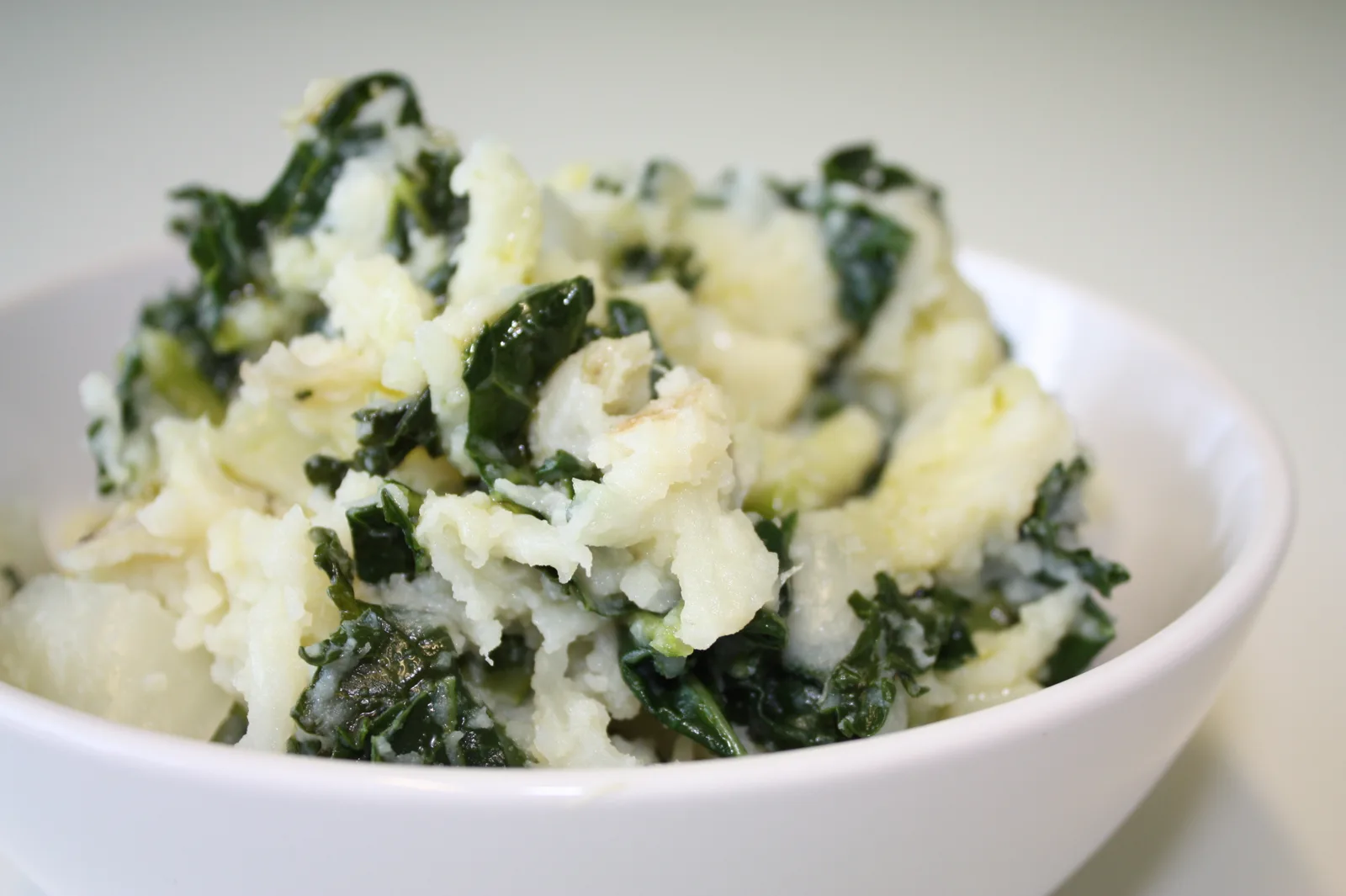
A white bowl of colcannon, creamy mashed potato marbled with dark green kale Ireland flag Ireland 40m
Dinner •Irish Heritage

Colcannon

This colcannon recipe mashes floury potatoes with butter and milk, then folds in wilted kale and scallions until the greens marble through the mash. One serving is about 325 g, served hot with a well of melted butter on top.

Comfort & Warmth

Fluffy mashed potato folded with buttery kale and scallions, served with a melting well of butter in the middle — Ireland’s simplest, warmest side dish.

Pairs Well With
Melted butter, ham & boiled bacon
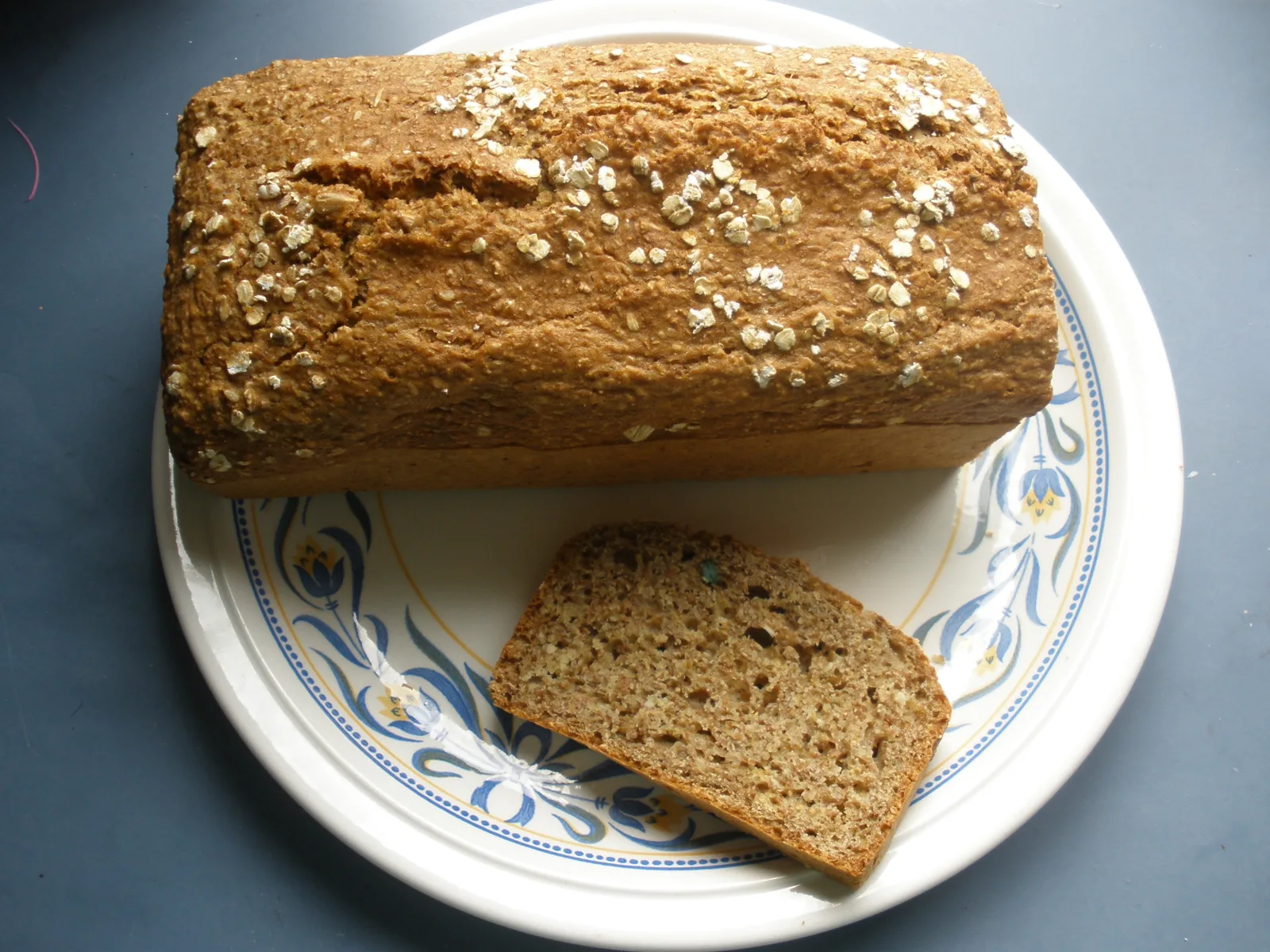
A brown Irish soda bread loaf with rolled oats on top, with a slice cut, on a patterned plate Ireland flag Ireland 55m
Breakfast •Irish Heritage

Irish Soda Bread

This irish soda bread recipe mixes wholemeal and white flour with buttermilk, baking soda and a little honey into a soft dough, shaped by hand and baked until the crust is deep brown and the crumb is tender. One serving is about 79 g, one thick slice.

Comfort & Warmth

A rustic wholemeal loaf raised by baking soda, not yeast — mixed in minutes, baked in under an hour, and best eaten warm with butter.

Pairs Well With
Butter, jam & smoked salmon
Bœuf bourguignon — French beef braised in red wine France flag France 4h
Dinner •Burgundy Terroir

Bœuf Bourguignon

Beef braised gently in red wine until the connective tissue melts into a velvet, gelatin-rich sauce — the classic Burgundy Sunday dinner.

Cellular Repair

Beef braised in red wine until spoon-tender, with mushrooms and pearl onions.

Pairs Well With
Parsnip Purée & Steamed French Haricots Verts
High Protein
Vietnamese braised pork belly with golden eggs in caramel sauce Vietnam flag Vietnam 1h 45m
Dinner •One Pot

Vietnamese Braised Pork and Eggs

Pork belly slowly braised in coconut water and caramel until meltingly tender, with golden eggs that soak up the sweet-savoury sauce — the Vietnamese family dish that tastes better the next day.

Comfort & Sustained Energy

Slow-braised pork belly and eggs in coconut water and caramel.

Pairs Well With
Steamed rice & pickled mustard greens
High Protein

The Dinner Gazette

Never wonder what’s for dinner again

One email a week with easy dinner ideas from around the world — ingredients, steps and nutrition, tested in our kitchen first.

Delivered every Thursday morning. Unsubscribe anytime.