
Curated recipes from 193 countries  •  New seasonal Mediterranean issue out now

Overview

Kaassoep

Belgian Cheese Soup, Soupe au Fromage

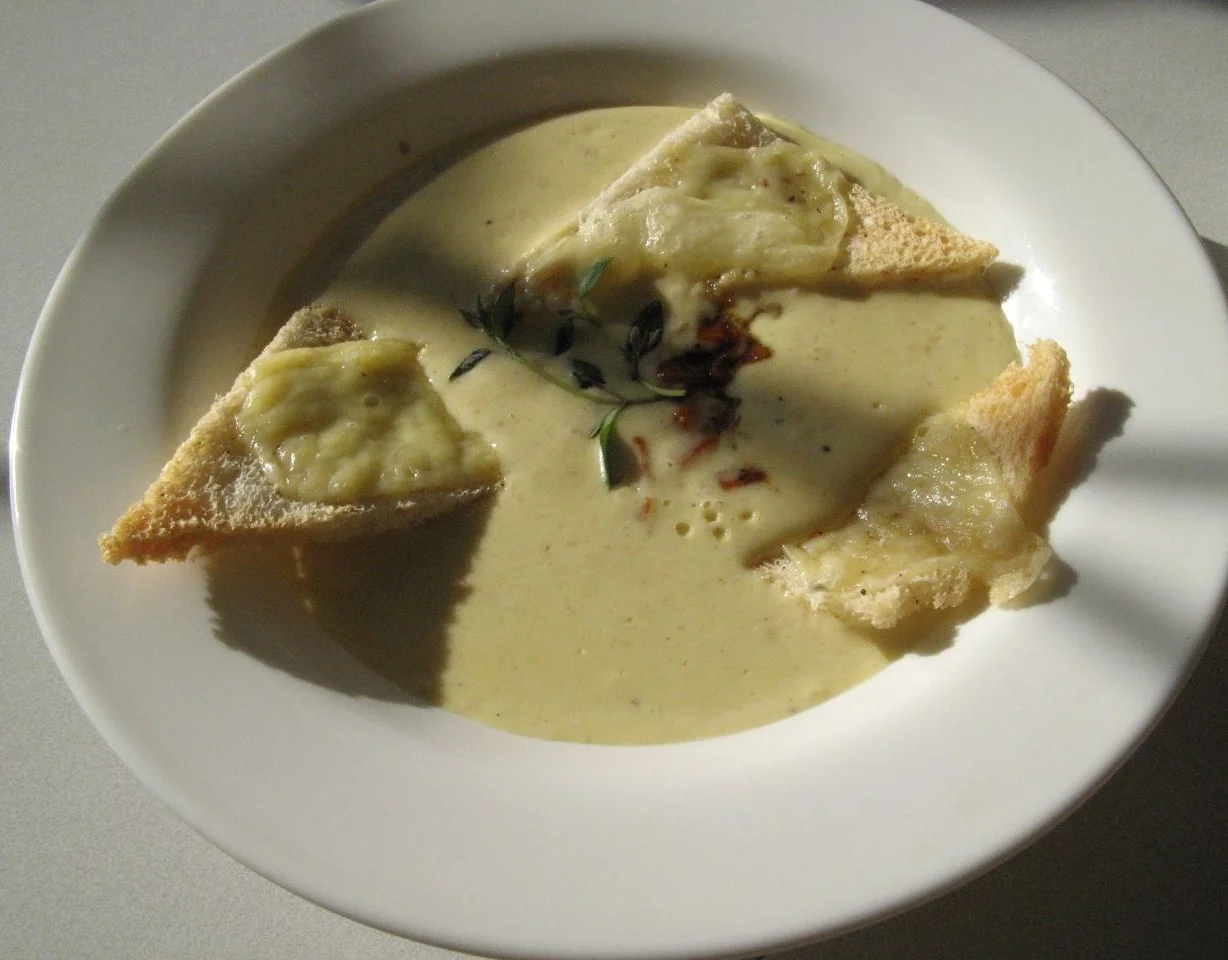
This kaassoep recipe makes Belgium’s comforting cheese soup: a silky blend of Gouda, Emmental, mature Cheddar and Parmesan melted into a gentle stock, milk and cream base, lifted with Dijon mustard and a whisper of nutmeg. Crisp triangles of toast topped with melted cheese float on top, so every spoonful has crunch and cream together. One serving is about 420 g.

Kaassoep is Belgium’s cheese soup, a humble farmhouse dish from a country famous for its cheeses, where a pot of stock, milk and whatever cheeses were on hand could become lunch. The Low Countries have long made cheese soups this way — the Dutch boerenkaas soep simmers vegetables in stock and finishes the soup under the grill with cheese-topped bread, and the Belgian version follows the same spirit, melting the cheese straight into a creamy soup and floating crisp cheese toasts on top. There is no single official recipe: the cheese blend changes with the region and the season, which is why this version uses four cheeses — Gouda, Emmental, mature Cheddar and Parmesan — for depth.

Pairs well with: Cheese toasts, green salad & a blonde beer

Provenance

Belgium flag Belgium

Belgian Cheese-Soup Classic

Nordic & European

Time Dedication

45m

15m prep • 30m cook

Batch Yield

4 Servings

732 kcal per serving

1 serving ≈ 420 g

Technical Skill

Easy

Easy (One Pot)

Meal Timing & Digestive Fit

Breakfast

Not Advised

Lunch

Prime Metabolic Fit

Dinner

Ideal Hearty Main

Snack & Tea

Inappropriate

Soups & Broths Occasions: Weekday lunches, cold winter days, family meals, casual gatherings Cost: Low — about $3–4 per serving at home
A bowl of creamy pale four-cheese soup with melted-cheese toast triangles and a sprig of thyme

Belgian Cheese-Soup Classic

Photo: Pille from Tallinn, Estonia, CC BY 2.0, via Wikimedia Commons

The Heritage Formulary

Measured Ingredients

Estimated cost: Low — about $3–4 per serving at home (USD)

A home-style Belgian kaassoep with four cheeses melted in gently, never boiled, and the classic crisp cheese toasts on top.

Execution Methodology & Culinary Technique

Step-by-Step Cooking Guide

Active 45m
P

Grate the Cheeses & Prep the Base

15 Mins • One Pot

Grate the four cheeses into one bowl (150g Gouda, 100g Emmental, 80g Cheddar, 30g Parmesan) and grate the extra 60g of Gouda for the toasts. Chop the onion and garlic, cut the bread into triangles, and measure out the stock, milk, cream, flour, mustard and spices.

Maestro Tip: Grate the cheese yourself — pre-grated cheese is coated in starch and melts into a grainy soup.

  1. 1

    Soften the Onion and Garlic

    5 Mins Medium heat, about 160°C (320°F)

    Melt the 30g of butter in a large pot, add the 120g of onion and cook for 4 minutes until soft and translucent, then add the 10g of garlic and cook for 1 more minute until fragrant.

    Keep the heat gentle — browned onion would darken the pale soup.

    Done when: The onion is soft and sweet-smelling, with no colour at all.

  2. 2

    Make the Roux and Add the Liquids

    5 Mins Medium heat, about 160°C (320°F)

    Stir in the 30g of flour and cook for 2 minutes, stirring constantly, then pour in the 700ml of stock a little at a time, whisking until smooth. Add the 300ml of milk and bring to a gentle simmer.

    Add the stock slowly and whisk hard — a smooth roux now means a silky soup later.

    Done when: The soup is smooth and lightly thickened, with no lumps.

  3. 3

    Simmer and Blend Smooth

    10 Mins Gentle simmer, about 95°C (203°F)

    Simmer gently for 10 minutes, then blend the soup until completely smooth with a stick blender, or in batches in a jug blender. Return to the pot and keep it just below a simmer.

    Blend well — a fully smooth base is what lets the cheese melt in evenly.

    Done when: The soup is velvety and coats the back of a spoon.

  4. 4

    Melt in the Four Cheeses

    5 Mins Low heat, about 80°C (175°F)

    Turn the heat to low and add the grated cheeses a handful at a time, stirring until each handful melts before adding the next. Stir in the mustard, nutmeg and white pepper, taste, and add the salt only if needed. Take the pot off the heat and stir in the 120ml of cream.

    Never boil the soup once the cheese is in — high heat makes cheese go grainy and stringy.

    Done when: The soup is glossy, smooth and richly cheesy, with no unmelted shreds.

  5. 5

    Make the Cheese Toasts and Serve

    5 Mins Grill, about 220°C (425°F)

    While the soup simmers, lay the bread triangles on a baking tray, top with the 60g of grated Gouda and grill for 2–3 minutes until golden and bubbling. Ladle the soup into warm bowls, float two cheese toasts on each, scatter over the thyme leaves and serve at once.

    Grill the toasts at the last minute so they are still crisp when they meet the soup.

    Done when: The toasts are golden and bubbling; the soup is steaming and smooth.

Finishing Touches & Plating

Serve the kaassoep at once, while the cheese toasts are still crisp on top, with extra black pepper at the table for anyone who wants it.

Nutritional Physiology & Benefits

Nutrition

Energy

732

kcal / serving

Protein

36g

Complete AA

Carbs

32g

Complex

Fats

52g

Healthy

Per serving (4 servings · 1 serving ≈ 420 g)
Energy732 kcal
Protein36 g
Carbohydrates32 g
Fat52 g
Fibre2.1 g
Sugar9.6 g
Sodium1454 mg
Per 100g
Energy174 kcal
Protein8.6 g
Carbohydrates7.7 g
Fat12.3 g
Fibre0.5 g
Sugar2.3 g
Sodium346 mg

Nutrition values are estimated — calculated from USDA FoodData Central values for the listed ingredients.

Vitamins & minerals: Calcium and phosphorus (cheese, milk), vitamin A (cheese, butter, cream), vitamin B12 (cheese), vitamin C (onion).

Calcium-Rich Bowl

About 36 g of protein and a generous amount of calcium per serving from four cheeses, milk and cream.

Real Vegetables Inside

Onion and garlic build the base, and the thyme garnish adds a fresh herbal note.

Satisfying Winter Lunch

A warm, energy-rich soup that keeps you full through a cold afternoon.

Food Pairings

What to Eat With

To optimize nutrient absorption and elevate the sensory depth, pair with these authentic accompaniments:

Sides

Cheese Toasts

The crisp, cheese-topped toast triangles are the classic garnish — they soak up the soup while staying crunchy at the edges.

Vegetables

Green Salad with Sharp Dressing

A bitter green salad with a sharp vinaigrette cuts through the rich cheese and refreshes the palate.

Drinks

Belgian Blonde Beer

A light Belgian blonde beer is the traditional drink with kaassoep — its gentle bitterness balances the creamy cheese.

Soups

A Second Small Bowl

The soup is rich, so a small second helping with more toast suits a hungry table better than one oversized bowl.

Complete menu

Kaassoep with cheese toasts, a green salad with sharp dressing and a Belgian blonde beer.

Digestive Guardrails

What NOT to Combine

To prevent digestive distress, sluggishness, or palate clash, avoid pairing the dish with these elements:

Boiling the Soup After Adding Cheese

High heat makes melted cheese go grainy and stringy; keep the soup below a simmer once the cheese is in. This is general cooking information, not medical advice.

Leaving Cheese Soup at Room Temperature

Milk, cream and cheese spoil quickly — cool and refrigerate leftovers within 2 hours, and reheat gently to 74°C (165°F) without boiling. This is general food-safety information, not medical advice.

General information only, not medical advice — consult a doctor for personal dietary decisions.

Who Should Eat It

Who Should Eat

  • General adultsA rich, comforting lunch; one bowl with salad is plenty for most people.
  • ChildrenMild, creamy and cheesy — most children love it; let it cool a little and cut the toasts into fingers.
  • ElderlySoft, warm and easy to eat; serve warm rather than piping hot.
  • Pregnant womenFine when made with pasteurised milk, cream and hard cheeses and served hot; ask your clinician if unsure.
  • Breastfeeding womenA filling, calcium-rich lunch; keep portions moderate.
  • AthletesAbout 36.1 g of protein per serving makes a satisfying post-training lunch.
  • Weight gainAdd extra cheese toast and a second small bowl to raise the energy of the meal.
  • Weight lossA rich, energy-dense soup; keep to one bowl, load up on the salad, and skip the second toast.

Health Conditions — Adjust or Avoid

Conditions

  • DiabetesAbout 32.2 g of carbohydrate per serving; count the bread toasts, and ask your clinician about portion size.
  • High blood pressureAbout 1,454 mg of sodium per serving, mostly from the cheeses; use low-sodium stock and skip extra salt, and ask your clinician if you are on a low-sodium plan.
  • Kidney diseaseHigh in protein, calcium and potassium; ask your clinician whether the portion suits your plan.
  • GoutCheese is low in purines, so this soup is a gentler choice for gout; keep portions modest and ask your clinician if unsure.
  • Stomach issuesRich cheese, cream and onion can feel heavy on a sensitive stomach; eat a smaller portion and keep the mustard light, and ask your clinician if symptoms persist.
  • Cardiovascular diseaseHigh in saturated fat and sodium from the cheeses; keep to one small bowl with salad — ask your clinician if unsure.
  • Fatty liverAn energy-dense, high-fat soup; keep it occasional and to one bowl, and ask your clinician about frequency.
  • Food allergiesContains milk (cheese, cream, butter), wheat (gluten in the bread and flour) and mustard; check the stock label for other allergens before serving.
  • Special therapeutic dietsNot suitable for a low-sodium or low-fat therapeutic diet without changes; ask your clinician or dietitian before adapting it.

If you have a medical condition, consult your doctor before changing your diet.

Storage & Use

Storage & Use

How to store
Cool the soup quickly, then store in an airtight container; store the toasts separately at room temperature.
In the fridge
3 days in the fridge; the toasts keep 1 day in a paper bag.
In the freezer
The soup (without cream) freezes up to 2 months; stir the cream in after reheating.
How to reheat
Reheat gently over low heat, stirring often, until steaming hot, 74°C (165°F); never boil, or the cheese will go grainy.
Freezing recommended
Yes — the soup base freezes well for up to 2 months.
Signs it has spoiled
Sour smell, a slimy surface or mould mean the leftovers should be thrown away.

More recipes to explore

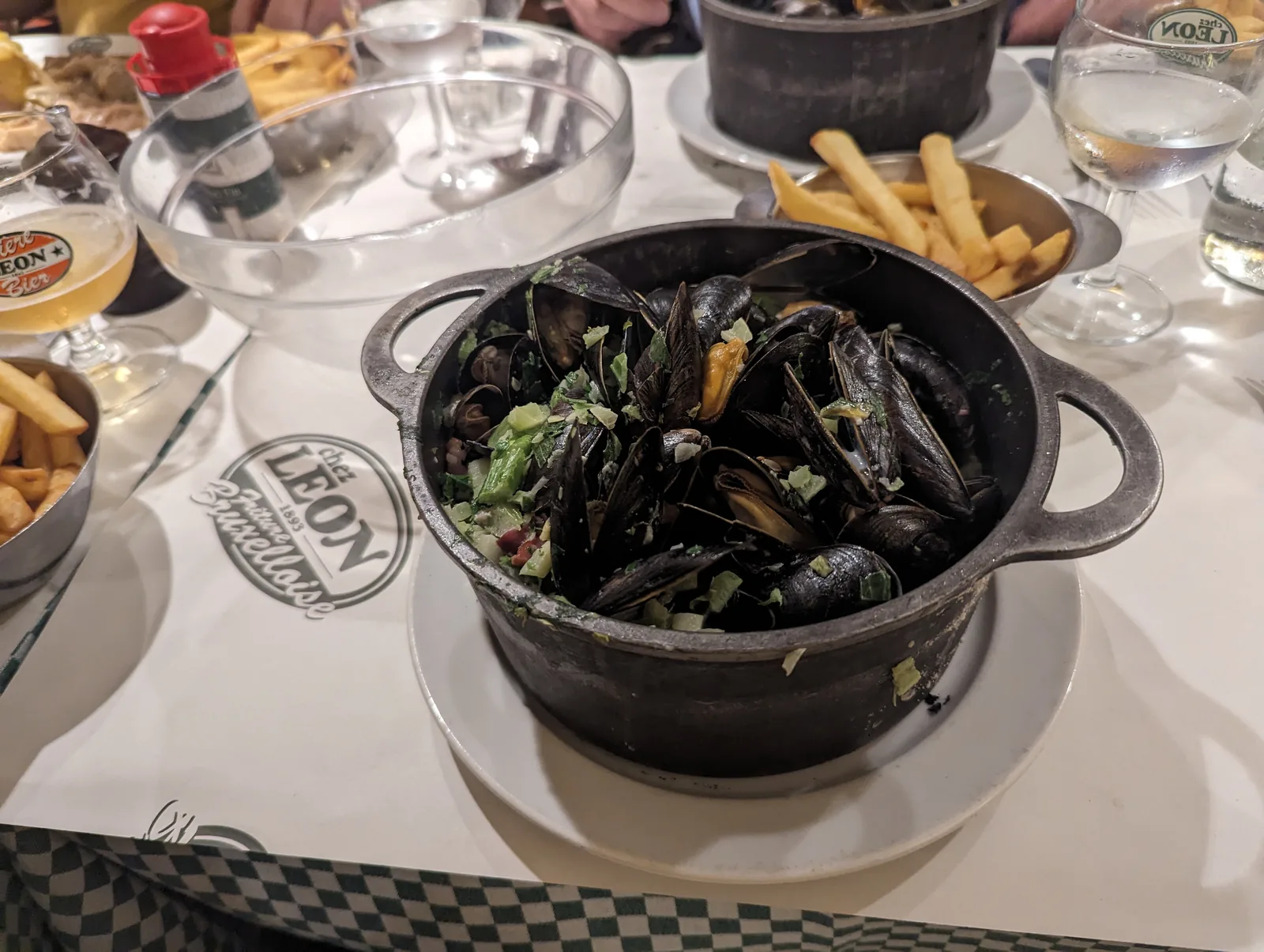
Moules-frites — a black pot of steamed mussels with herbs, served with golden fries at a Brussels brasserie Belgium flag Belgium 1h
Dinner •Brussels Brasserie Classic

Moules-Frites

This moules frites recipe makes the plate Belgium is proudest of: a black pot of mussels steamed open in white wine, shallots and cream, served with a heap of crisp, twice-cooked fries and a pot of mayonnaise. The mussels are sweet and briny, the broth is made for dipping, and the fries stay crisp if you keep them out of the pot. One serving is about 350 g.

Seaside Comfort

Sweet mussels steamed in white wine and cream, piled next to golden twice-cooked fries.

Pairs Well With
Crisp Belgian lager & mayonnaise
High Protein

Belgian waffles — a golden Brussels waffle topped with whipped cream and icing sugar on a white plate Belgium flag Belgium 1h 35m
Breakfast •Brussels Bakery Classic

Belgian Waffles

This Belgian waffles recipe makes the light, yeasted kind: a risen batter cooked in a hot iron until the outside is crisp and golden and the inside stays soft and airy. The deep pockets hold butter, syrup or berries, and a dusting of icing sugar is all they really need. This recipe makes 8 waffles; one serving is 2 waffles, about 210 g. Nutrition is for the plain waffles, before toppings.

Weekend Breakfast Treat

Light, yeasted Brussels waffles with deep pockets, crisp outside and soft inside.

Pairs Well With
Strong coffee & fresh berries
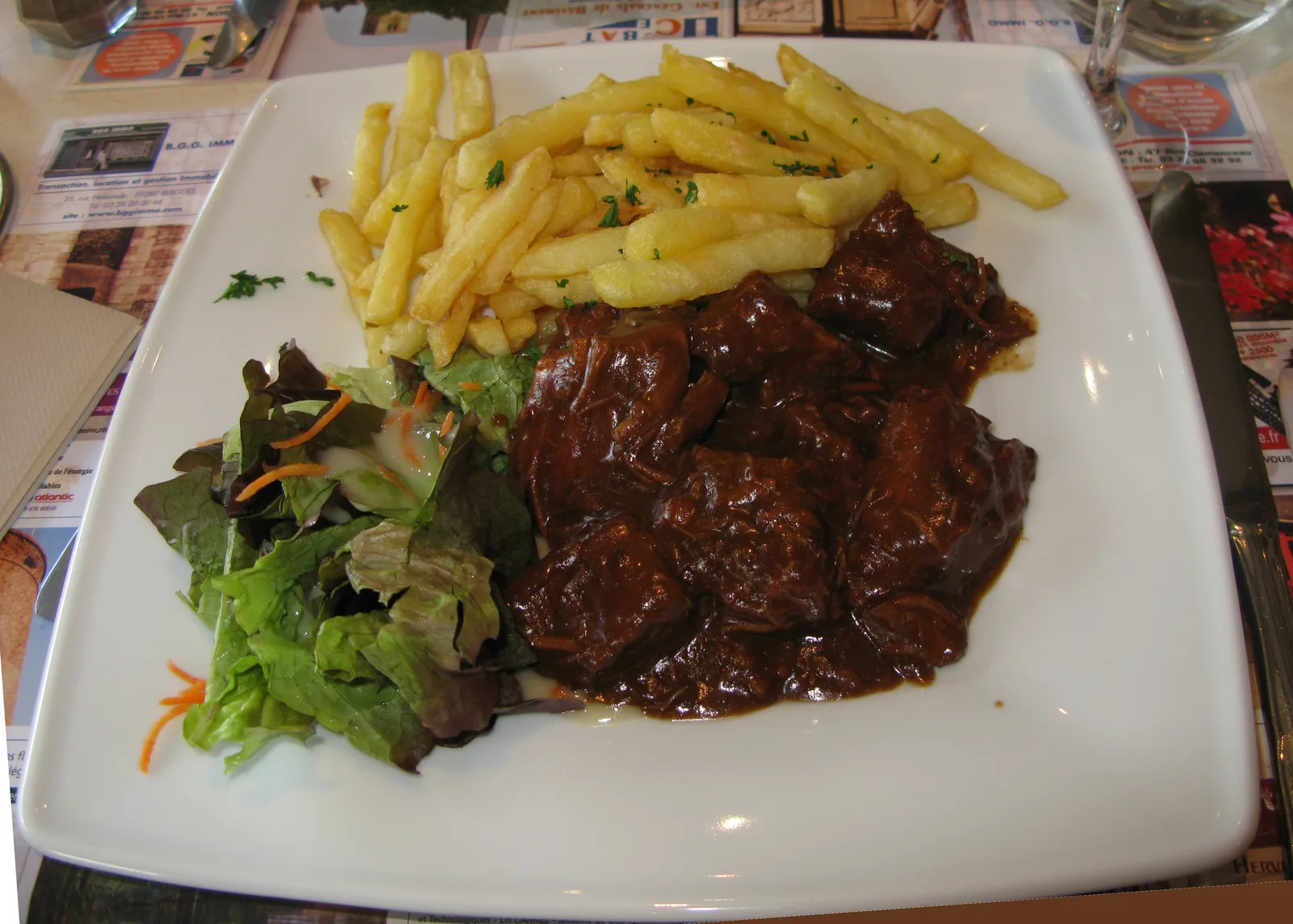
Carbonade flamande — dark beer-braised beef stew with fries and a small salad on a white plate Belgium flag Belgium 2h 55m
Dinner •Flemish Farmhouse Classic

Carbonade Flamande

This carbonade flamande recipe is Flanders' answer to the French beef stew: chunks of beef braised for hours in dark Belgian ale with sweet caramelised onions, thyme and bay, thickened the old way with slices of bread spread with mustard. The sauce turns dark, glossy and sweet-sour, and the beef goes spoon-tender. One serving is about 250 g, not counting the fries or potatoes served alongside.

Slow Sunday Comfort

Beef braised low and slow in dark Belgian ale with onions and mustard bread.

Pairs Well With
Dark Belgian ale & fries
High Protein
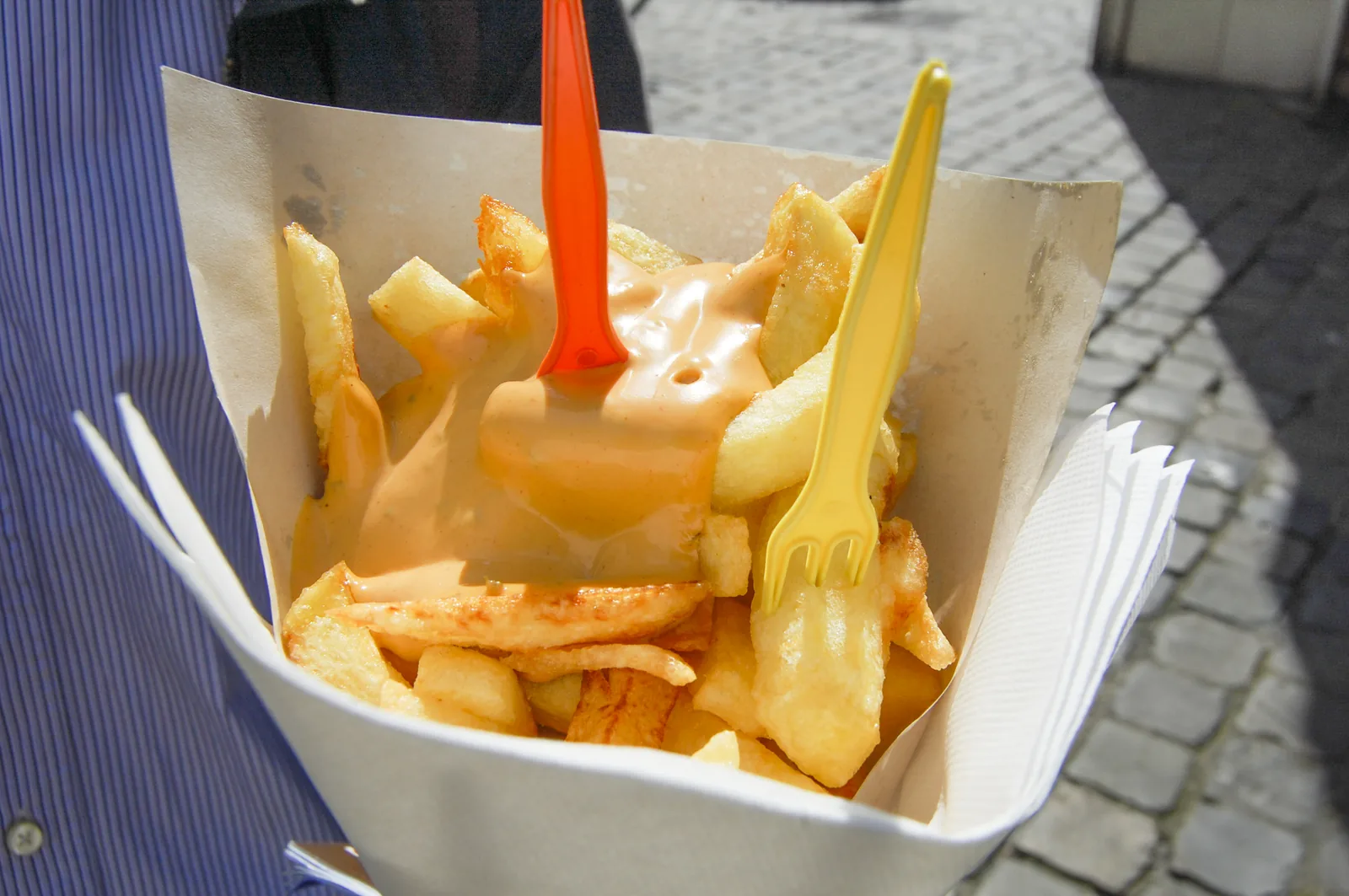
A paper cone of golden Belgian fries topped with andalouse sauce and two small plastic forks. Belgium flag Belgium 55m
Snack & Tea •Brussels Friterie Classic

Belgian Fries

Belgian fries are the real thing: thick batons of floury potato, fried twice — once gently to cook them through, once hot to shatter the outside — and served in a paper cone with andalouse sauce. One serving is about 253 g.

Crisp & Golden

Thick-cut potatoes fried twice in vegetable oil — crisp outside, fluffy inside, with andalouse sauce.

Pairs Well With
Serve hot in a paper cone with andalouse sauce and a cold lager.
Quick Prep (<30m)

The Dinner Gazette

Never wonder what’s for dinner again

One email a week with easy dinner ideas from around the world — ingredients, steps and nutrition, tested in our kitchen first.

Delivered every Thursday morning. Unsubscribe anytime.