Curated recipes from 193 countries  •  New seasonal Mediterranean issue out now

Overview

Kartoffelpuffer

Reibekuchen, Reiberdatschi, Rievkooche, Baggers, German Potato Pancakes

This kartoffelpuffer recipe makes 12 crisp, golden potato pancakes from grated potato, onion, egg and a little flour, fried until the edges turn lacy and crisp. Serve them hot with cool apple sauce, the classic Rhineland way, or with sour cream and chives. One serving is about 320 g.

Kartoffelpuffer — also called reibekuchen in the Rhineland, reiberdatschi in Bavaria and rievkooche in Cologne dialect — are grated-potato pancakes fried crisp in a pan, a home dish of western Germany that became a fixture of Christmas markets, fairs and street stalls. Potatoes reached German kitchens in the 18th century and quickly became the everyday staple of the Rhineland, where grated-potato cakes were an easy way to feed a family from a sack of potatoes, an onion and an egg. The classic partner is apple sauce, and at a market stall the pancakes are eaten standing up, straight from the paper, while they are still hot.

Pairs well with: Cool apple sauce and a simple green salad

Provenance

Germany flag Germany

Rhineland Home Cooking

Nordic & European

Time Dedication

45m

20m prep • 25m cook

Batch Yield

4 Servings

331 kcal per serving

1 serving ≈ 320 g

Technical Skill

Intermediate

Medium (Grating and Frying)

Meal Timing & Digestive Fit

Breakfast

Not Advised

Lunch

Prime Metabolic Fit

Dinner

Ideal Hearty Main

Snack & Tea

Inappropriate

Quick Prep (<30m) Occasions: Christmas markets, family lunches, Oktoberfest season, quick weekday lunches, brunch Cost: Low — about $2 per serving at home
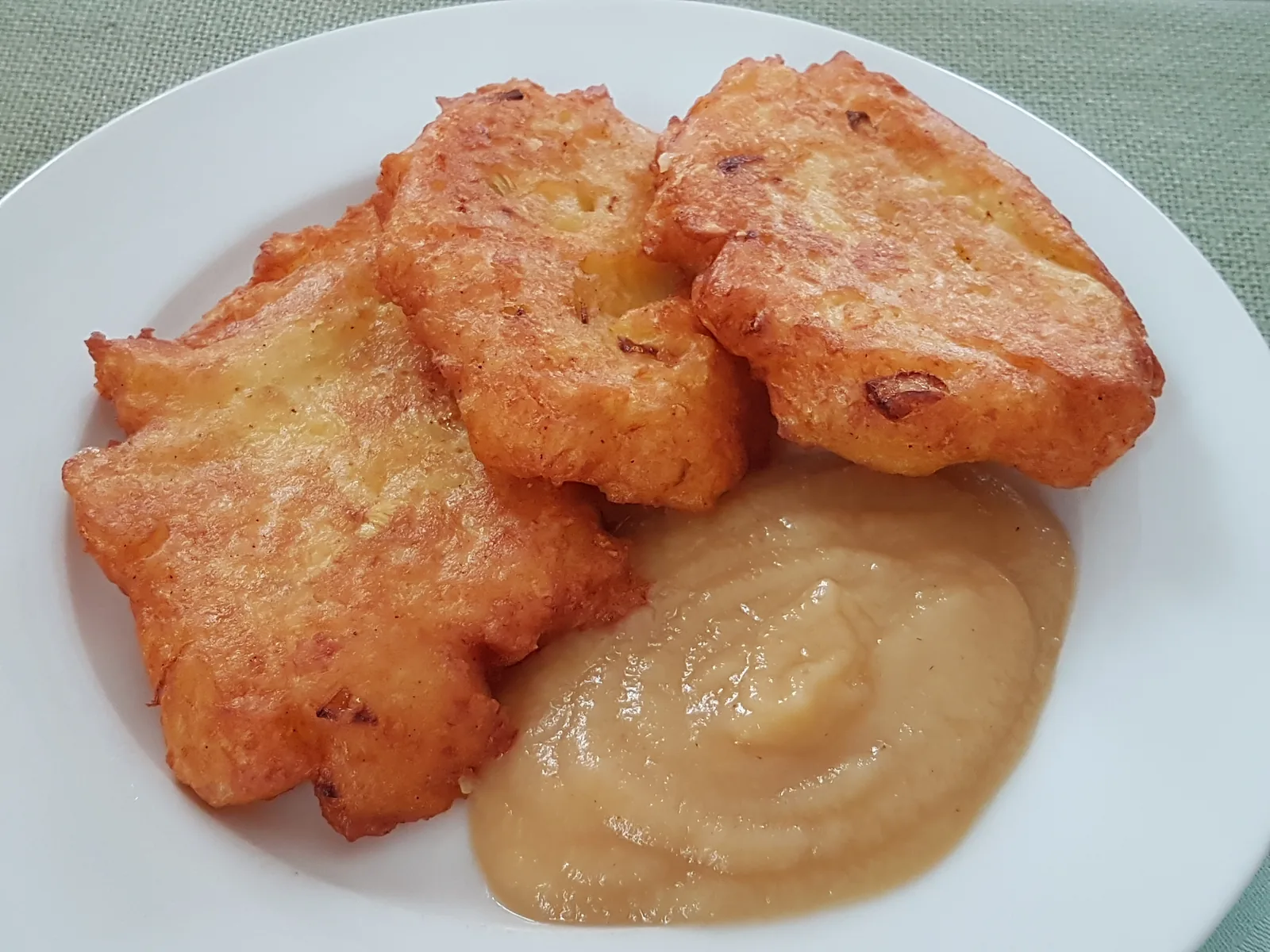
Three golden crisp kartoffelpuffer potato pancakes with a spoonful of apple sauce on a white plate

Rhineland Home Cooking

Photo: Benreis, CC BY 3.0, via Wikimedia Commons

The Heritage Formulary

Measured Ingredients

Estimated cost: Low — about $2 per serving at home (USD)

A good kartoffelpuffer is deep golden with lacy, crisp edges and a soft, cooked-through middle — never pale and soggy, never burnt, and never raw in the centre.

Execution Methodology & Culinary Technique

Step-by-Step Cooking Guide

Active 45m
P

Prep Stage: Grate, Squeeze and Mix

20 Mins • Box Grater and Bowl

Peel the 800g potatoes and the 100g onion and grate both on the coarse side of a box grater into a large bowl. Tip the grated potato and onion into a clean tea towel, gather the corners and squeeze hard over the sink until no more liquid runs out. Return the squeezed potato to the bowl, stir in the 2 beaten eggs, the 40g flour, the 5g salt, the 1g black pepper and the 0.5g nutmeg, and mix until the batter just holds together.

Maestro Tip: Squeeze the grated potato really dry — wet batter steams instead of frying, and the pancakes turn soft and pale instead of crisp and golden.

  1. 1

    Grate the Potato and Onion

    10 Mins Room temperature, about 20°C (68°F)

    Peel the 800g potatoes and the 100g onion. Grate both on the coarse side of a box grater into a large bowl, working quickly so the potato has little time to darken.

    Grate the onion first and stir it through the potato as you go — the onion slows the browning and seasons the batter from the start.

    Done when: A bowl of coarse, pale grated potato and onion, with no large chunks.

  2. 2

    Squeeze the Batter Dry

    5 Mins Room temperature, about 20°C (68°F)

    Tip the grated potato and onion into a clean tea towel, gather the corners and twist hard over the sink, squeezing until no more liquid runs out. Return the dry shreds to the bowl.

    Do not skip the squeeze: a wet batter will not crisp. If the towel is soaked, squeeze in two batches.

    Done when: The shreds feel damp but no liquid drips when you press a handful.

  3. 3

    Mix the Batter

    5 Mins Room temperature, about 20°C (68°F)

    Stir the 2 beaten eggs, the 40g flour, the 5g salt, the 1g black pepper and the 0.5g nutmeg into the squeezed potato and onion. Mix with a fork until the batter just holds together in a clump when pressed.

    Mix lightly and fry soon — the batter darkens and weeps if it stands for long.

    Done when: The batter clumps when pressed and holds its shape on a spoon.

  4. 4

    Heat the Oil

    3 Mins Medium-high heat, about 180°C (350°F)

    Pour about 30 ml of the sunflower oil into a large frying pan and heat over medium-high heat until it shimmers. Drop in a shred of potato: it should sizzle at once and turn golden in about 30 seconds.

    If the oil smokes, it is too hot — take the pan off the heat for a minute. Oil that is too cool makes greasy pancakes.

    Done when: The oil shimmers and a test shred sizzles and browns quickly.

  5. 5

    Fry the First Batch

    12 Mins Medium-high heat, about 180°C (350°F)

    Spoon heaped tablespoons of batter into the pan, 4 at a time, and flatten each gently to about 1 cm thick. Fry for 4–5 minutes per side until deep golden and crisp at the edges. Lift onto a plate lined with kitchen paper and keep warm.

    Do not crowd the pan — cold batter drops the oil temperature and the pancakes steam. Flatten thin for the crispiest edges.

    Done when: Both sides are deep golden with lacy, crisp edges, and the middle is cooked through.

  6. 6

    Fry the Remaining Batches and Serve

    10 Mins Medium-high heat, about 180°C (350°F)

    Top up the pan with the remaining oil as needed, let it heat again, and fry the remaining batter in two more batches of 4, exactly the same way — about 4–5 minutes per side. Serve at once, 3 pancakes per person, with the 320g apple sauce on the side.

    Serve straight from the pan: kartoffelpuffer lose their crisp within minutes, so have the table ready before the last batch.

    Done when: All 12 pancakes are golden and crisp, served hot with cool apple sauce.

Finishing Touches & Plating

Eat kartoffelpuffer the moment they leave the pan, while the edges are still crisp and the middle is soft and steaming. A good kartoffelpuffer is deep golden with lacy edges — never pale, greasy or soggy in the middle.

Nutritional Physiology & Benefits

Nutrition

Energy

331

kcal / serving

Protein

9g

Complete AA

Carbs

54g

Complex

Fats

10g

Healthy

Per serving (4 servings · 1 serving ≈ 320 g)
Energy331 kcal
Protein9 g
Carbohydrates54 g
Fat10 g
Fibre6.0 g
Sugar10.3 g
Sodium535 mg
Per 100g
Energy103 kcal
Protein2.7 g
Carbohydrates17 g
Fat3 g
Fibre1.9 g
Sugar3.2 g
Sodium167 mg

Nutrition values are estimated — calculated from USDA FoodData Central values for the listed ingredients.

Vitamins & minerals: Vitamin C and potassium (potato), vitamin B6 (potato and egg), vitamin A (egg yolk), folate (onion).

Steady, Filling Energy

Potato and a little flour give slow-digesting carbohydrates, so three pancakes with apple sauce keep you full through the afternoon.

Simple, Honest Ingredients

Just potato, onion, egg, flour and oil — no additives or preservatives, and the recipe is easy to make gluten-free with potato starch.

Potassium and Vitamin C

Potatoes supply potassium and vitamin C, and the egg adds protein and vitamin A, in a small, satisfying portion.

Food Pairings

What to Eat With

To optimize nutrient absorption and elevate the sensory depth, pair with these authentic accompaniments:

Sauces

Apple Sauce

Cool, tart apple sauce is the classic Rhineland partner: its acidity cuts the richness of the fried potato and refreshes the palate between bites.

Vegetables

Green Salad with Vinaigrette

A crisp green salad with a sharp vinaigrette balances the rich, fried pancakes and adds freshness and crunch to the plate.

Sides

Sour Cream and Chives

A spoonful of sour cream with snipped chives gives a cool, tangy alternative to apple sauce, and its creaminess suits the crisp potato.

Drinks

Apple Juice or Light Beer

A cold glass of apple juice echoes the apple sauce, while a light German lager is the traditional fairground drink with kartoffelpuffer.

Complete menu

Start with three hot kartoffelpuffer and apple sauce, add a green salad with vinaigrette on the side, and finish with a cold glass of apple juice.

Digestive Guardrails

What NOT to Combine

To prevent digestive distress, sluggishness, or palate clash, avoid pairing the dish with these elements:

Very Sweet Sauces on Top

Apple sauce is already sweet, so piling on jam, honey or sweet chilli sauce on top adds a lot of sugar at once and can leave you feeling sluggish. Keep one sweet partner, not three. This is general information, not medical advice.

Eating Them Cold and Soggy

Kartoffelpuffer lose their crisp within minutes and turn soft and greasy as they cool. Eat them hot from the pan, or reheat in a hot oven — never in the microwave, which makes them limp. This is general information, not medical advice.

General information only, not medical advice — consult a doctor for personal dietary decisions.

Who Should Eat It

Who Should Eat

  • General adultsA satisfying lunch — three pancakes with apple sauce is a typical portion.
  • ChildrenSuitable from age 2+; serve one small pancake, cut into pieces, with apple sauce and no added salt on their portion.
  • ElderlyGood choice — soft inside and easy to chew; serve with apple sauce rather than a hard salad.
  • Pregnant womenGenerally suitable; the pancakes are cooked through and the potato supplies folate. Keep the portion to three pancakes and go easy on salty toppings.
  • Breastfeeding womenGenerally suitable; the potato, egg and apple sauce give steady energy. Keep portions moderate.
  • AthletesA useful post-training lunch: filling carbohydrates with some protein from the egg. Eat within a couple of hours of training.
  • Weight gainA good choice — eat three or four pancakes with an extra spoonful of apple sauce and a side salad.
  • Weight lossEat two pancakes with a large salad instead of three, and skip a second helping — the fried potato is energy-dense for its size.

Health Conditions — Adjust or Avoid

Conditions

  • DiabetesThree pancakes with unsweetened apple sauce are about 54 g of carbohydrate, so watch the portion and skip sweetened apple sauce; check with your clinician about portion size.
  • High blood pressureOne serving has 535 mg of sodium, so keep salty toppings small; check with your clinician if you follow a low-sodium diet.
  • Kidney diseaseThree pancakes are modest in protein and potassium, but check with your clinician about portion size and frequency if you follow a restricted diet.
  • GoutThe plain pancakes are low in purines and generally fine in a small portion; check with your clinician if you are on a strict low-purine plan.
  • Stomach issuesFried potato can be heavy on a sensitive stomach, so eat the pancakes hot, chew well, and go easy on raw onion in the batter; check with your clinician if symptoms persist.
  • Cardiovascular diseaseThe pancakes are fried, so keep the portion to three and pair them with salad rather than more fried food; check with your clinician about your overall diet.
  • Fatty liverKeep the portion to two or three pancakes, choose unsweetened apple sauce, and eat them with vegetables rather than sour cream; check with your clinician about how often they fit your diet.
  • Food allergiesContains egg and wheat (gluten). Not suitable for coeliac disease; use potato starch instead of flour and check with your clinician about safe substitutes.
  • Special therapeutic dietsIf you follow a prescribed low-sodium or gluten-free diet, this recipe does not fit as written — check with your clinician before adapting it.

If you have a medical condition, consult your doctor before changing your diet.

Storage & Use

Storage & Use

How to store
Cool completely, then store in an airtight container lined with kitchen paper.
In the fridge
2 days in a sealed container; the pancakes soften when cold.
In the freezer
Up to 1 month, in a single layer in a freezer bag.
How to reheat
Reheat in a 200°C (400°F) oven for 8–10 minutes until crisp again; reheat until hot through, at least 74°C (165°F) in the centre.
Freezing recommended
Yes — freeze the plain pancakes, up to 1 month.
Signs it has spoiled
Sour smell, slimy surface or mould spots — discard if any appear.

More recipes to explore

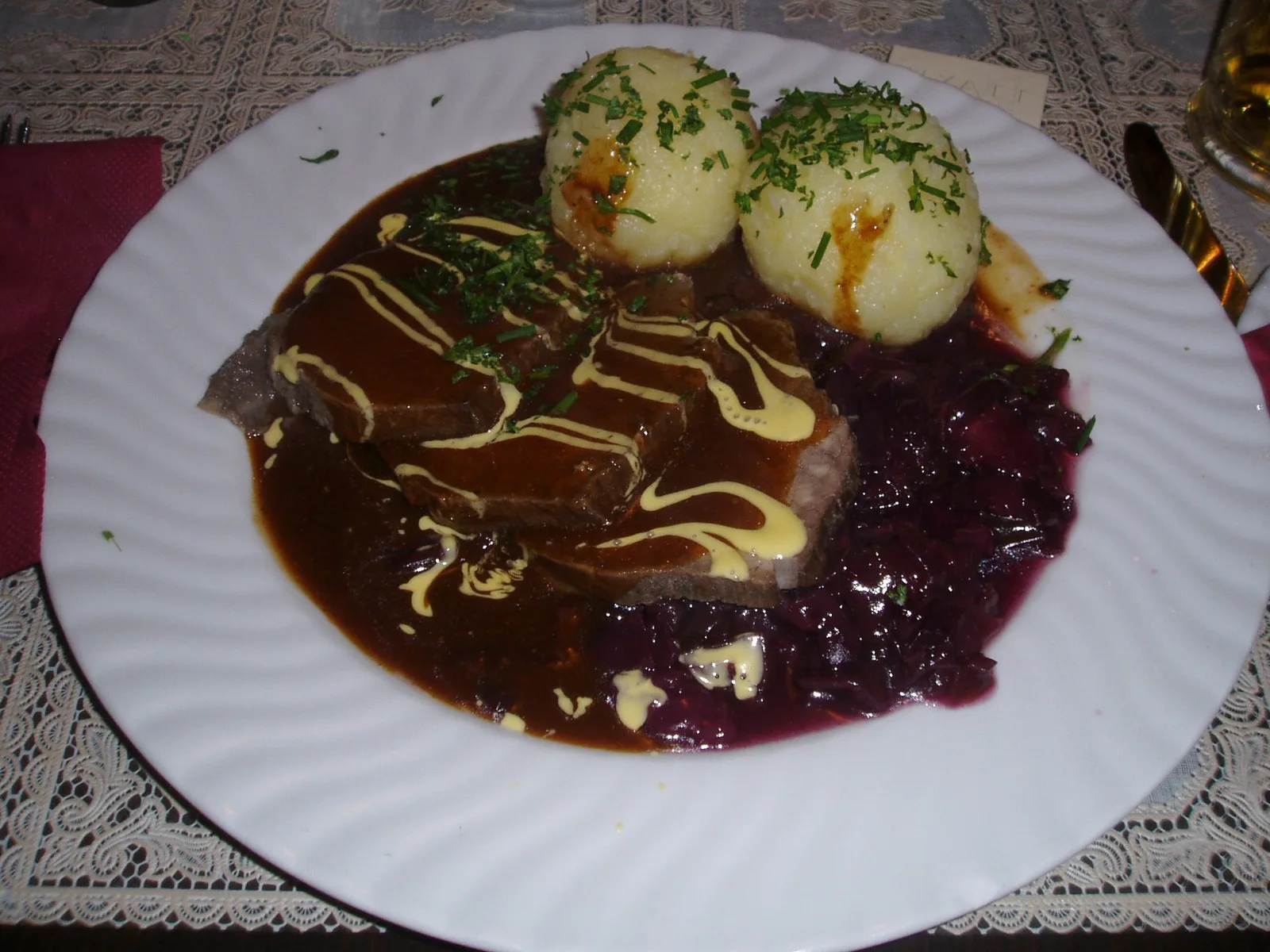
Sliced sauerbraten in dark sweet-sour gravy with potato dumplings and braised red cabbage on a white plate Germany flag Germany 3h 30m
Dinner •Rhineland Heritage

Sauerbraten

This sauerbraten recipe starts with a beef chuck roast steeped for three days in red wine vinegar, red wine and warm spices, then braised slowly until it slices like butter. The marinade becomes a dark, sweet-sour gravy thickened with crushed gingersnaps and studded with raisins, the Rhineland way. One serving is about 300 g, with gravy.

Comfort & Warmth

A slow-braised German pot roast in a sweet-sour vinegar gravy, sliced thick and served hot with potato dumplings and red cabbage.

Pairs Well With
Potato dumplings, braised red cabbage & a glass of Spätburgunder
High Protein
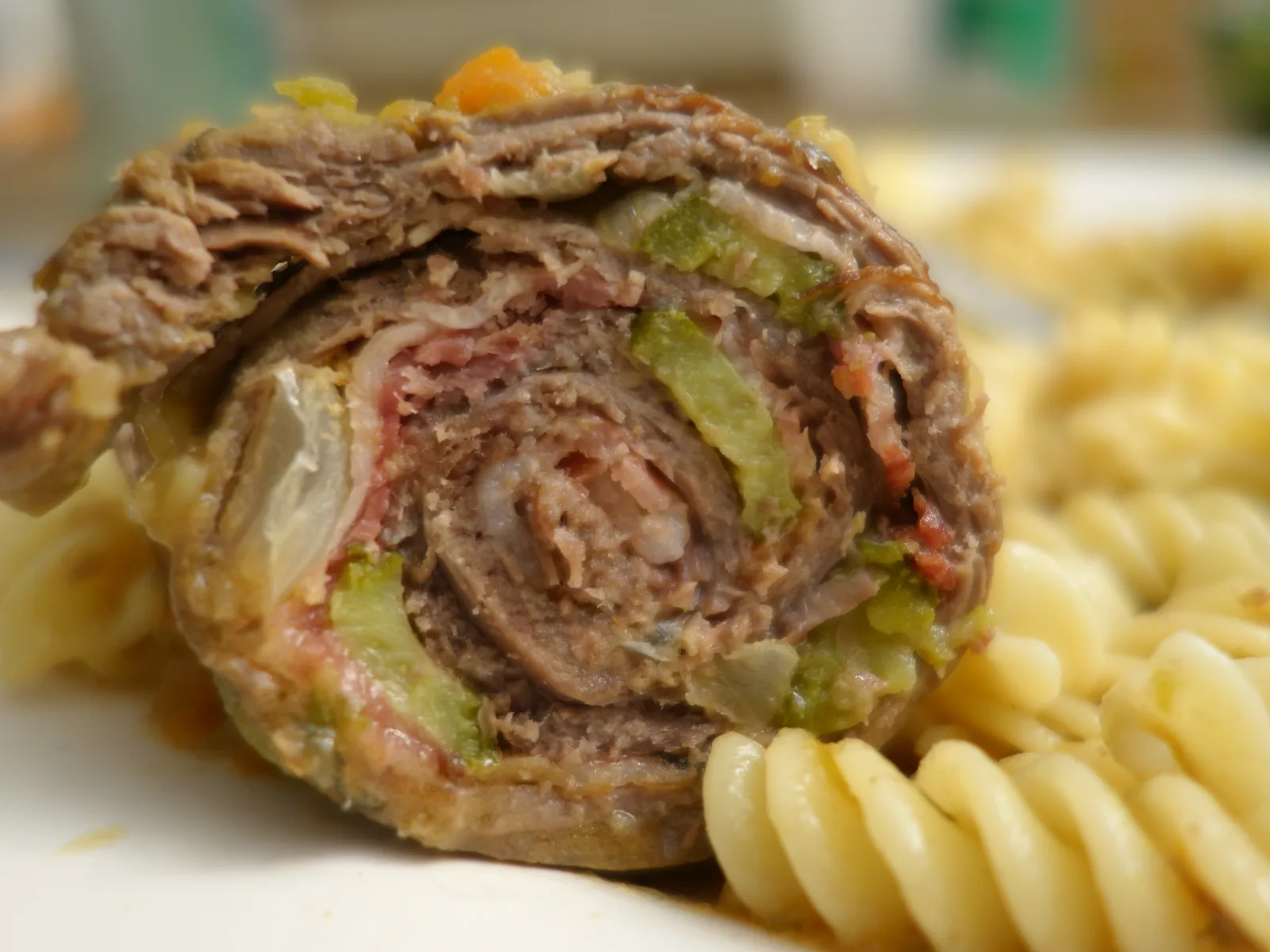
A sliced German beef roulade showing the spiral of beef, bacon and dill pickle, served with pasta Germany flag Germany 2h 10m
Dinner •German Sunday Heritage

Rouladen

This rouladen recipe spreads thin slices of top round with mustard, then rolls them around smoky bacon, dill pickles and onion into neat parcels. The rolls are browned, then braised slowly in red wine and beef stock until tender, and the braising liquid becomes a rich gravy. One serving is about 375 g — two rolls with gravy.

Comfort & Warmth

Thin beef rolls stuffed with bacon, dill pickle and onion, braised in red wine gravy and served hot with dumplings.

Pairs Well With
Potato dumplings, braised red cabbage & a German lager
High Protein
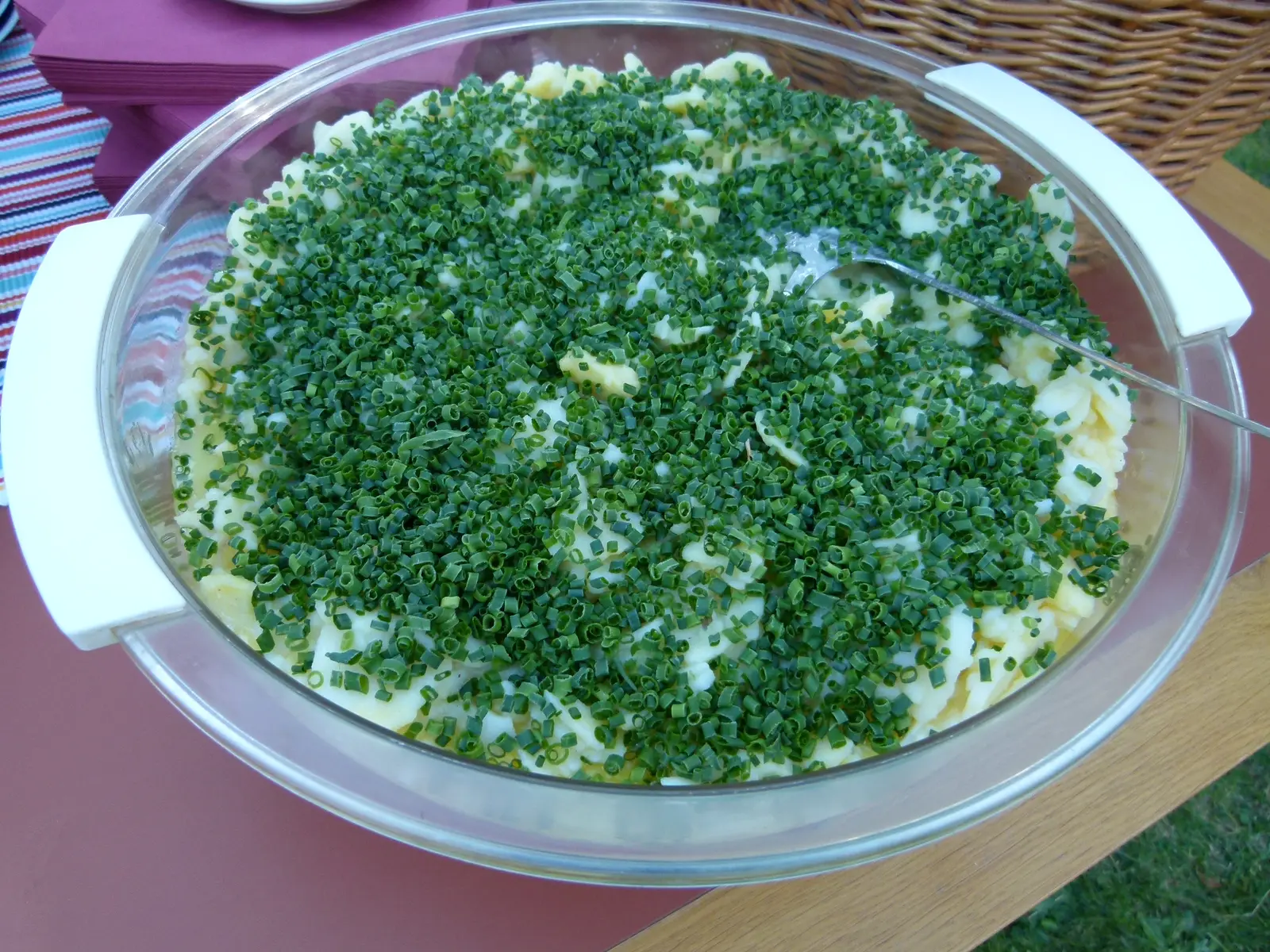
A glass bowl of warm Swabian potato salad topped with chopped chives Germany flag Germany 45m
Lunch •Swabian Heritage

German Potato Salad

This german potato salad recipe is the warm Swabian kind: waxy potatoes sliced while still hot, tossed with crisp bacon, soft onion and sliced egg, then dressed with hot beef stock, vinegar and mustard so every slice drinks up the tangy dressing. No mayonnaise anywhere — the potatoes stay light, glossy and warm. One serving is about 292 g.

Comfort & Warmth

Warm waxy potatoes in a bacon, mustard and vinegar dressing, served straight from the bowl while still steaming.

Pairs Well With
Grilled sausages, schnitzel & a cold German lager
Quick Prep (<30m)
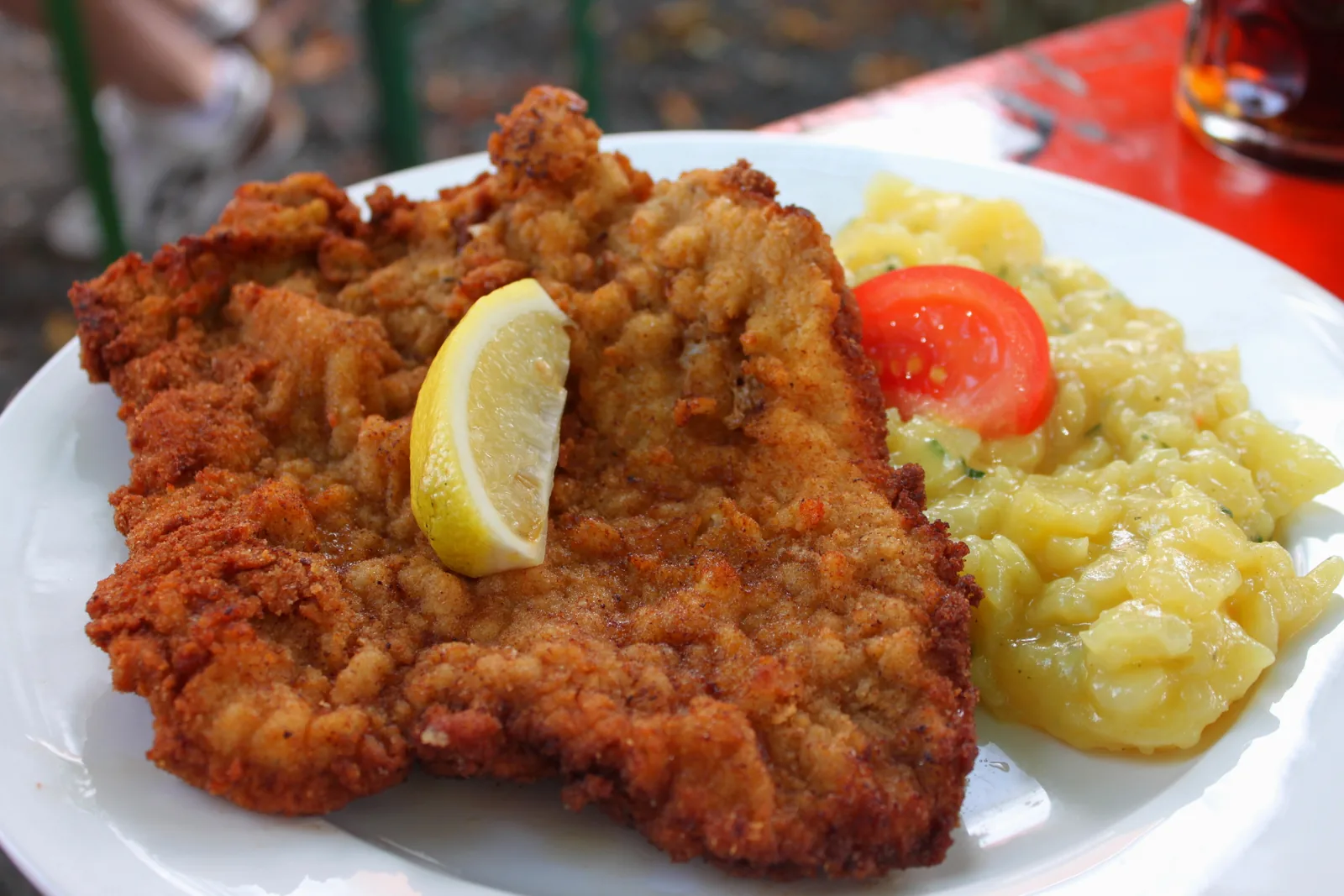
Golden breaded pork schnitzel with a lemon wedge and potato salad on a white plate Germany flag Germany 40m
Dinner •German Heritage

German Pork Schnitzel

German pork schnitzel is the everyday hero of German cooking: a pork cutlet pounded thin, coated in flour, egg and breadcrumbs, and fried in butter until it turns deep golden and crisp. This german schnitzel recipe follows the German way — real pork, a loose crumb, and a wedge of lemon on the side, with potato salad to mop up. One serving is about 200 g.

Classic Comfort

A golden, crisp pork cutlet with lemon and potato salad — a satisfying, protein-rich German dinner.

Pairs Well With
Warm potato salad, cucumber salad and a cold lager.
High Protein

The Dinner Gazette

Never wonder what’s for dinner again

One email a week with easy dinner ideas from around the world — ingredients, steps and nutrition, tested in our kitchen first.

Delivered every Thursday morning. Unsubscribe anytime.