-
1
Wake Up the Yeast
10 Mins • Proofing
Warm milk, about 43°C (110°F)
Pour the warm milk into a small bowl, stir in the sugar and sprinkle the yeast over the top. Leave it undisturbed for 5–10 minutes until a thick foam covers the surface. If nothing happens, the milk was too hot or the yeast is dead — start again with a fresh packet rather than wasting the flour on dough that will never rise.
Milk that feels warm on the inside of your wrist is right; milk that feels hot will kill the yeast.
Done when: Thick, creamy foam across the whole surface.
-
2
Mix and Knead the Dough
15 Mins • Kneading
Room temperature, about 20°C (68°F)
Sift the flour and salt into a large bowl. Make a well in the middle and pour in the foamy yeast milk, the beaten egg and the melted butter. Mix with a wooden spoon, then with your hands, until a soft dough comes together. Turn it onto a lightly floured board and knead for 8–10 minutes, pushing and folding, until it is smooth, springy and only slightly tacky. It should feel alive under your hands — soft, but firm enough to hold its shape.
Knead the full time even if the dough looks ready early — the kneading is what builds the stretch that lets the baursak puff.
Done when: Smooth, springy dough that slowly springs back when poked.
-
3
Let the Dough Rise
60 Mins • Rising
Warm spot, about 25–28°C (77–82°F)
Shape the dough into a ball, put it in a lightly oiled bowl and turn it once so the top is oiled too. Cover with a clean tea towel or cling film and leave in a warm, draught-free spot for about 60 minutes, until it has doubled in size. Press a finger in — if the dent stays, the dough is ready; if it springs straight back, give it another 15 minutes.
Do not rush the rise with a hot oven — dough risen too fast tastes yeasty and collapses in the oil.
Done when: Doubled in size; a finger dent stays put.
-
4
Shape the Baursak
15 Mins • Shaping
Room temperature, about 20°C (68°F)
Punch the risen dough down gently and turn it onto a floured board. Roll it out to about 1 cm (1/2 inch) thick and cut it into squares or diamonds about 5 cm (2 inches) across — you should get about 24 pieces. Or pinch off walnut-size pieces and roll them into smooth balls between your palms. Lay the pieces on a floured tray, cover loosely and leave for 10–15 minutes while the oil heats, so they puff up a little more before frying.
Cut, do not tear — torn edges seal badly and the baursak will not puff evenly.
Done when: 24 even pieces, slightly puffed, resting under a cloth.
-
5
Fry Until Golden and Puffed
20 Mins • Frying
Hot oil, 175°C (350°F)
Heat the oil in a deep, heavy pot until it reaches 175°C (350°F) — a cube of bread should sizzle and turn golden in about 30 seconds. Lower 5–6 pieces in at a time with a slotted spoon, keeping them moving gently so they puff on all sides. Fry for 1–2 minutes per side, until deep golden and puffed like little pillows, then lift out and drain on paper towels. Let the oil come back to temperature between batches, and never crowd the pot — crowded baursak soak up oil and stay flat.
If the first piece browns in under a minute the oil is too hot; if it sits pale and greasy, the oil is too cool. Adjust before the next batch.
Done when: Deep golden, puffed and hollow-feeling, crisp outside and soft inside.
-
6
Drain and Serve Warm
5 Mins • Serving
Serving warm, above 60°C (140°F)
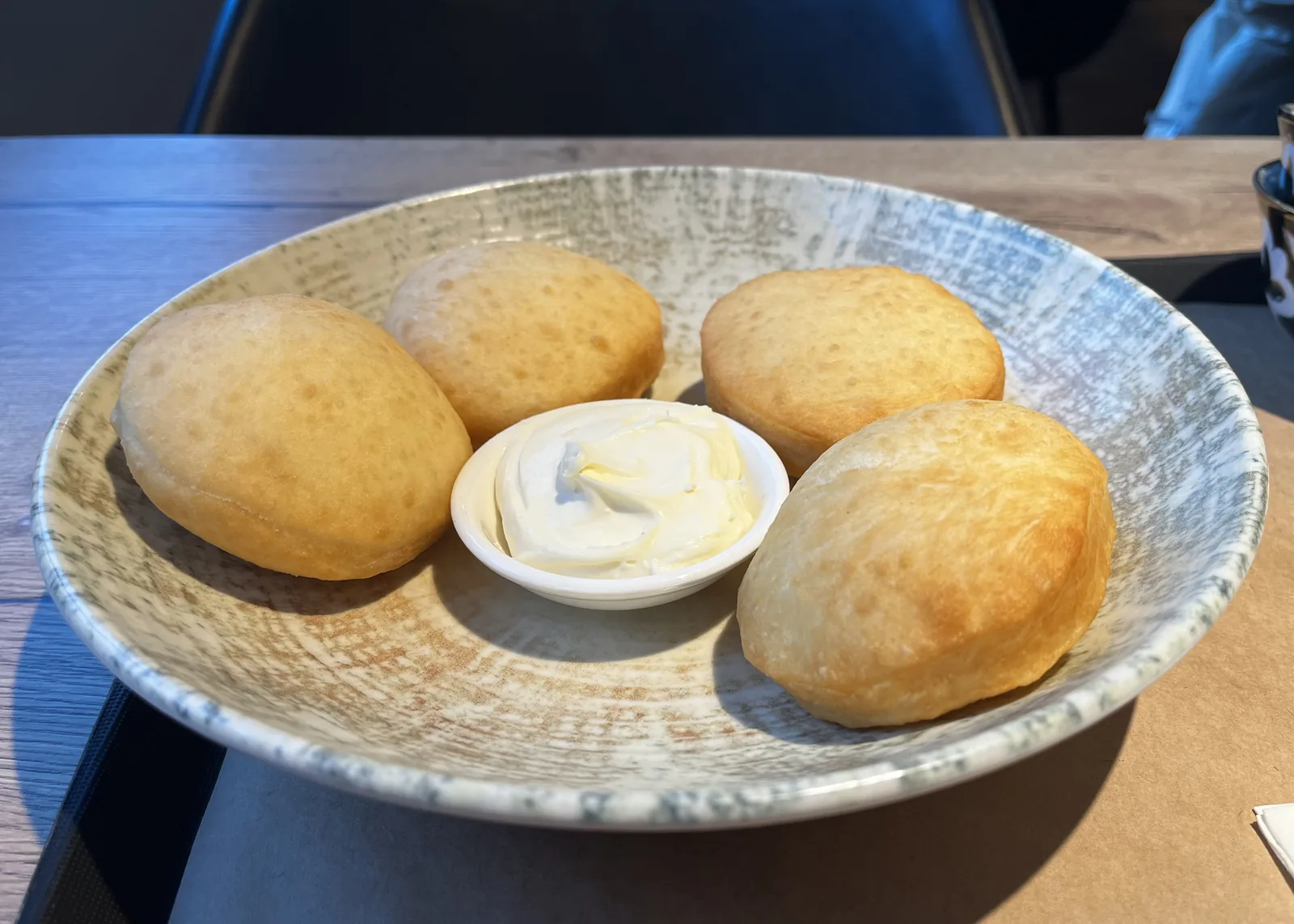
Pile the baursak in a bowl lined with a clean cloth and serve warm, with the small bowl of sour cream or kaymak in the middle for dipping. They are at their best in the first hour — crisp outside, steaming and hollow inside — and they are meant to be torn open and shared, not cut with a knife.
Serve them the moment the last batch leaves the oil; baursak waits for no one.
Done when: Warm, crisp and hollow, served with cool cream.
auto_awesome Finishing Touches & Plating
Eat the baursak while they are still warm enough to steam when you tear them open — that first hot, hollow bite with a dab of kaymak is the whole point of the dish. Any that survive the table can be warmed in a hot oven for a few minutes the next day.
 Kazakhstan
3h 45m

 Spain

 Vietnam