
Curated recipes from 193 countries  •  New seasonal Mediterranean issue out now

Overview

Khachapuri

Khachapuri, Imeruli Khachapuri, Georgian Cheese Bread

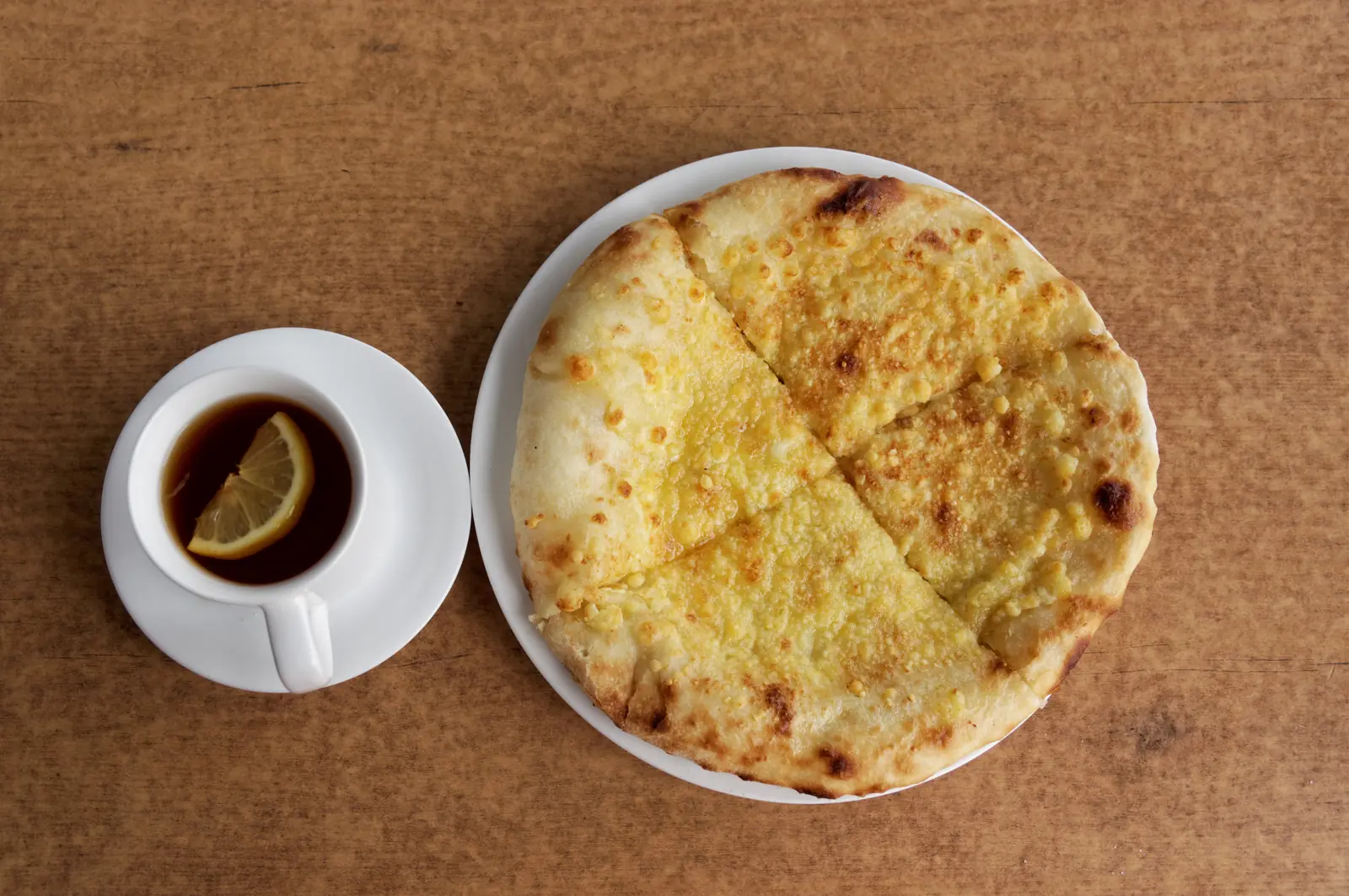
This khachapuri recipe bakes a soft yeasted dough around a filling of sulguni and feta until the crust turns golden and the cheese melts into strings. It is the Imeruli version of Georgia's national dish: round, flat and cut into wedges, eaten hot with the hands. One serving is about 241 g.

Khachapuri is the national dish of Georgia, and every region has its own shape: the round, cheese-filled Imeruli version from the Imereti region in the west, and the boat-shaped Adjarian version from the Black Sea coast, topped with a raw egg yolk. The name joins the Georgian words for curd cheese and bread, and the dish has been baked in Georgian homes for centuries as everyday food and festive food alike. It is still the first thing Georgians offer a guest, and the first thing visitors are told to try.

Pairs well with: Fresh tomatoes, herbs & black tea

Provenance

Georgia flag Georgia

Georgian Heritage

Nordic & European

Time Dedication

1h 20m

60m prep • 20m cook

Batch Yield

6 Servings

708 kcal per serving

1 serving ≈ 241 g

Technical Skill

Intermediate

Medium (Yeasted Dough)

Meal Timing & Digestive Fit

Breakfast

Not Advised

Lunch

Prime Metabolic Fit

Dinner

Ideal Hearty Main

Snack & Tea

Inappropriate

Occasions: Family lunches, festive tables, picnics, guest suppers Cost: Low — about $2–3 per serving at home
A round golden khachapuri cheese bread, sliced into wedges, served with a cup of tea

Georgian Heritage

Photo: Vyacheslav Argenberg, CC BY 4.0, via Wikimedia Commons

The Heritage Formulary

Measured Ingredients

Estimated cost: Low — about $2–3 per serving at home (USD)

Made the traditional way: soft yeasted dough risen until doubled, filled with sulguni and feta, sealed and baked golden, brushed with butter.

Execution Methodology & Culinary Technique

Step-by-Step Cooking Guide

Active 1h 20m
P

Prep Stage: Make the Dough & Grate the Cheese

60 Mins • Dough Rising

Mix the flour, yeast, sugar and salt, then add the warm milk and oil and knead into a soft, smooth dough. Cover and let it rise for 45 minutes until doubled. While it rises, grate the sulguni, crumble the feta and mix them with the beaten egg into a soft filling.

Maestro Tip: Warm milk, not hot, wakes the yeast — milk that feels hot on your wrist will kill it.

  1. 1

    Mix & Knead the Dough

    15 Mins No heat

    Mix the flour, yeast, sugar and salt in a large bowl, then pour in the warm milk and oil. Knead for 8 to 10 minutes until the dough is soft, smooth and slightly tacky, then shape it into a ball.

    Knead until the dough stops sticking to your hands — under-kneaded dough tears when you stretch it.

    Done when: A smooth, soft ball that springs back when poked.

  2. 2

    Let It Rise

    45 Mins Warm place, ~25°C (77°F)

    Cover the bowl with a damp cloth and leave in a warm place for 45 minutes until the dough has doubled in size.

    A turned-off oven with the light on is a perfect warm spot for rising.

    Done when: Dough doubled, soft and full of air when poked.

  3. 3

    Shape the Base

    10 Mins No heat

    Punch the dough down gently and roll it on a floured surface into a round about 30 cm across. Keep the centre slightly thicker than the edges — the cheese sits in the middle.

    Roll from the centre out so the edges stay even and do not tear.

    Done when: A neat round, even all over, with no thin spots.

  4. 4

    Fill & Seal

    10 Mins No heat

    Pile the cheese filling into the centre, leaving a 3 cm border. Pull the edges up over the filling and pinch them together firmly in the middle, then flip the parcel over and press it flat into a round about 28 cm across.

    Pinch the seam well — a weak seal bursts open in the oven and the cheese escapes.

    Done when: A sealed, flat round with the cheese evenly spread inside.

  5. 5

    Bake Until Golden

    20 Mins 220°C (425°F)

    Heat the oven to 220°C (425°F). Lay the khachapuri on a baking tray, cut a small hole in the top centre to let steam out, and bake for 18 to 20 minutes until the crust is deep golden and the cheese bubbles at the edges.

    The steam hole stops the bread puffing up like a balloon in the oven.

    Done when: A deep golden crust, crisp at the edges, cheese bubbling through the hole.

  6. 6

    Butter & Rest

    5 Mins No heat

    Brush the hot crust all over with melted butter and rest for 5 minutes so the cheese settles. Cut into wedges and serve at once, while the cheese still pulls into strings.

    Butter on a hot crust soaks in and keeps it soft instead of crackly.

    Done when: A glossy, golden bread, steaming hot, cheese stretching as you pull a wedge away.

Finishing Touches & Plating

Serve the khachapuri hot, cut into wedges, with fresh tomato slices and herbs on the side and black tea to drink.

Nutritional Physiology & Benefits

Nutrition

Energy

708

kcal / serving

Protein

30g

Complete AA

Carbs

70g

Complex

Fats

34g

Healthy

Per serving (6 servings · 1 serving ≈ 241 g)
Energy708 kcal
Protein30 g
Carbohydrates70 g
Fat34 g
Fibre2.6 g
Sugar4.9 g
Sodium1246 mg
Per 100g
Energy294 kcal
Protein12.4 g
Carbohydrates29.1 g
Fat14 g
Fibre1.1 g
Sugar2 g
Sodium517 mg

Nutrition values are estimated — calculated from USDA FoodData Central values for the listed ingredients.

Vitamins & minerals: Sulguni and feta supply calcium and vitamin B12, the egg adds vitamin D and selenium, and the wheat dough adds B vitamins. All nutrition values are estimated.

High Protein

About 29.8 g of protein per serving comes from the sulguni, feta and egg, making this a genuinely filling lunch.

Calcium from Cheese

The cheese filling supplies a large share of the day's calcium, which supports normal bones and teeth.

B Vitamins

The wheat dough, cheese and egg together supply B vitamins, which the body needs to turn food into energy.

Food Pairings

What to Eat With

To optimize nutrient absorption and elevate the sensory depth, pair with these authentic accompaniments:

Vegetables

Fresh Tomatoes & Herbs

Sliced tomatoes with basil and coriander cut through the rich cheese with fresh acidity, and they are the classic Georgian table salad.

Sides

Pickled Vegetables

Sharp pickled cucumber or jonjoli (pickled bladdernut) refresh the palate between bites of rich cheese bread.

Drinks

Black Tea

Hot black tea is the traditional Georgian partner — it cleanses the palate after a rich, cheesy plate.

Georgian White Wine

A glass of crisp Georgian white wine, such as Rkatsiteli, matches the salty cheese and the golden crust.

Complete menu

Start with fresh tomatoes and herbs, serve the khachapuri hot in wedges, and finish with black tea and churchkhela.

Digestive Guardrails

What NOT to Combine

To prevent digestive distress, sluggishness, or palate clash, avoid pairing the dish with these elements:

Extra Cheese on Top

The bread already carries 550 g of cheese, so adding more pushes one serving far higher in saturated fat and salt without adding flavour. This is general food information, not medical advice.

Very Salty Sides

Feta and sulguni are salty and one serving carries about 1246 mg sodium, so pairing khachapuri with other very salty foods such as cured meats can push one meal far above a comfortable sodium level. This is general food information, not medical advice.

General information only, not medical advice — consult a doctor for personal dietary decisions.

Who Should Eat It

Who Should Eat

  • General adultsA satisfying lunch — about 29.8 g protein per serving, best eaten hot and in the stated 241 g portion.
  • ChildrenChildren love the stretchy cheese and soft bread; cut wedges into small fingers for little ones and let it cool a little first.
  • ElderlySoft and easy to chew when warm, and the cheese is gentle; serve a modest wedge and go light on the salt.
  • Pregnant womenFine as an occasional lunch; make sure the cheese is pasteurised and the bread is baked right through and steaming hot.
  • Breastfeeding womenA comforting, energy-rich lunch; the protein and B vitamins support recovery, but one serving is enough. Keep to one or two wedges and pair with fresh tomatoes.
  • AthletesGood post-training fuel with protein and carbohydrate — pair with a tomato salad rather than extra cheese.
  • Weight gainEnergy-rich and easy to eat in large amounts, so it suits weight gain when served with butter and tea.
  • Weight lossRich and filling at 708 kcal a serving; keep to one wedge, skip extra butter, and fill half the plate with tomato salad.

Health Conditions — Adjust or Avoid

Conditions

  • DiabetesWhite flour is the main carbohydrate here, so keep the serving to the stated 241 g and skip sweet drinks. Ask your clinician about portions.
  • High blood pressureOne serving carries about 1246 mg sodium from the feta and sulguni, so keep other salty foods out of the same meal. Ask your clinician about portions.
  • Kidney diseaseCheese is high in protein, potassium and phosphate, which matters for some kidney diets; portions should stay modest. Ask your clinician about portions.
  • GoutCheese and egg are low in purines, so this is one of the gentler dishes for gout; keep to one modest wedge. Ask your clinician about portions.
  • Stomach issuesA rich, cheesy bread can be heavy on a sensitive stomach; eat slowly, take a smaller wedge, and skip extra butter if dairy bothers you. Ask your clinician about portions.
  • Cardiovascular diseaseThe cheese and butter make this a high-fat dish, so one modest wedge with a big tomato salad is a better balance than a second helping. Ask your clinician about portions.
  • Fatty liverThe dish is rich in fat and energy-dense, so keep portions modest and avoid eating it late at night. Ask your clinician about portions.
  • Food allergiesContains wheat (gluten), egg and milk (sulguni, feta, butter). People with wheat, egg or milk allergy should not eat it unless safe substitutes are used. Ask your clinician about safe alternatives.
  • Special therapeutic dietsNot suitable for a low-fat therapeutic diet as written; a version with less cheese changes the dish and should be discussed with a clinician.

If you have a medical condition, consult your doctor before changing your diet.

Storage & Use

Storage & Use

How to store
Cool completely and store wedges in an airtight container.
In the fridge
Khachapuri keeps 2 days in the fridge at 4°C (40°F) or below.
In the freezer
Up to 2 months; wrap each wedge tightly in foil, then bag.
How to reheat
Reheat in the oven at 180°C (350°F) for 8 to 10 minutes until crisp and steaming hot throughout, to 74°C (165°F); do not microwave or the crust goes soft.
Freezing recommended
Yes — wedges freeze well and crisp up again in the oven.
Signs it has spoiled
Sour smell from the cheese, slimy surface, or mould on the crust.

More recipes to explore

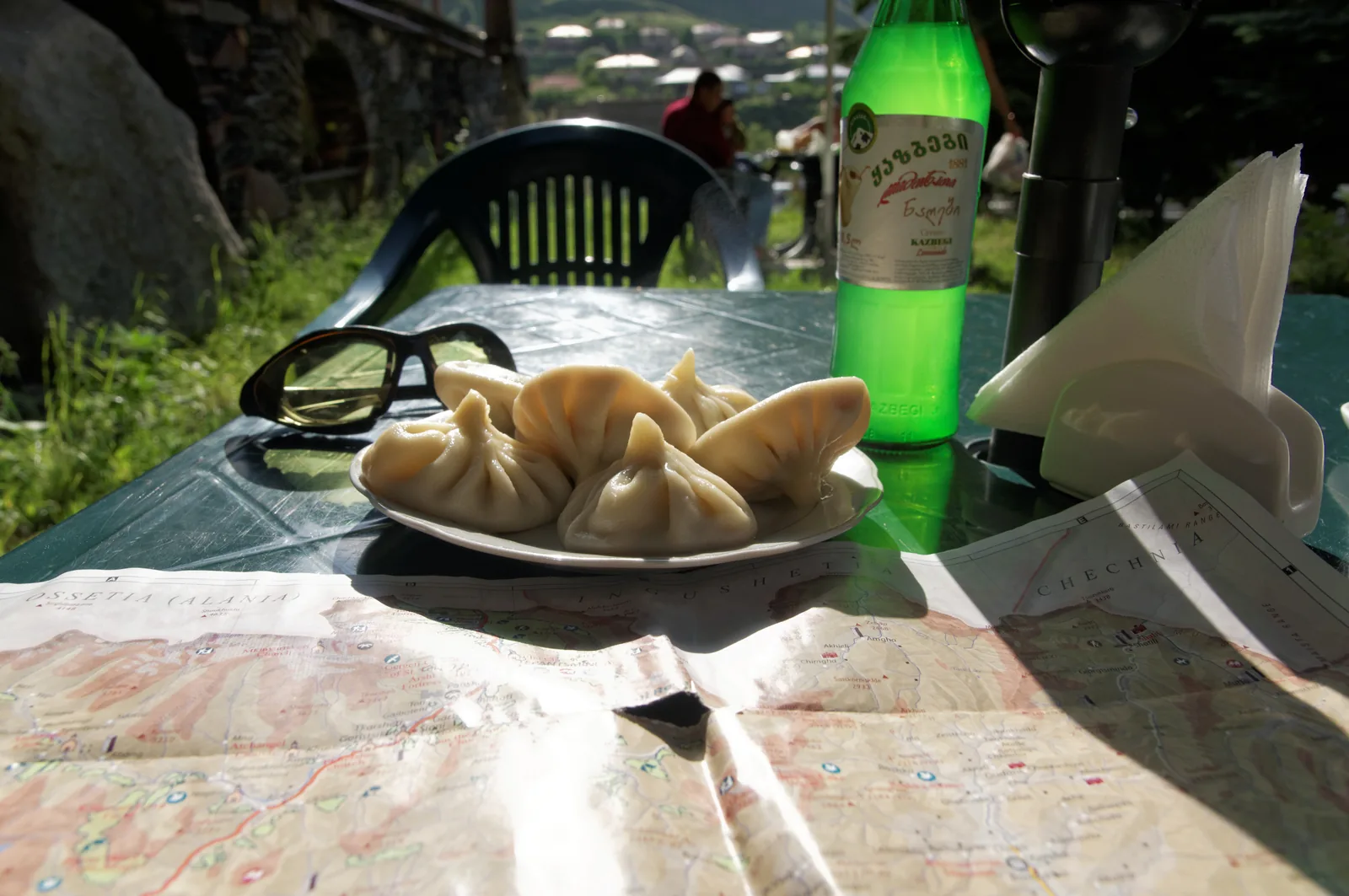
A plate of khinkali soup dumplings with their knotted tops, served outdoors in Kazbegi, Georgia Georgia flag Georgia 1h 15m
Dinner •Georgian Heritage

Khinkali

This khinkali recipe wraps a juicy filling of beef, pork, onion and herbs in thin wheat dough, pleats each parcel into a little purse and boils them until the meat makes its own broth inside. Khinkali come from the mountain regions of Georgia and are eaten by hand, holding the topknot. One serving is about 346 g.

Comfort & Warmth

Pleated dough parcels filled with juicy spiced meat — Georgia's famous soup dumplings, eaten by hand with black pepper.

Pairs Well With
Black pepper, fresh herbs & Georgian beer
High Protein
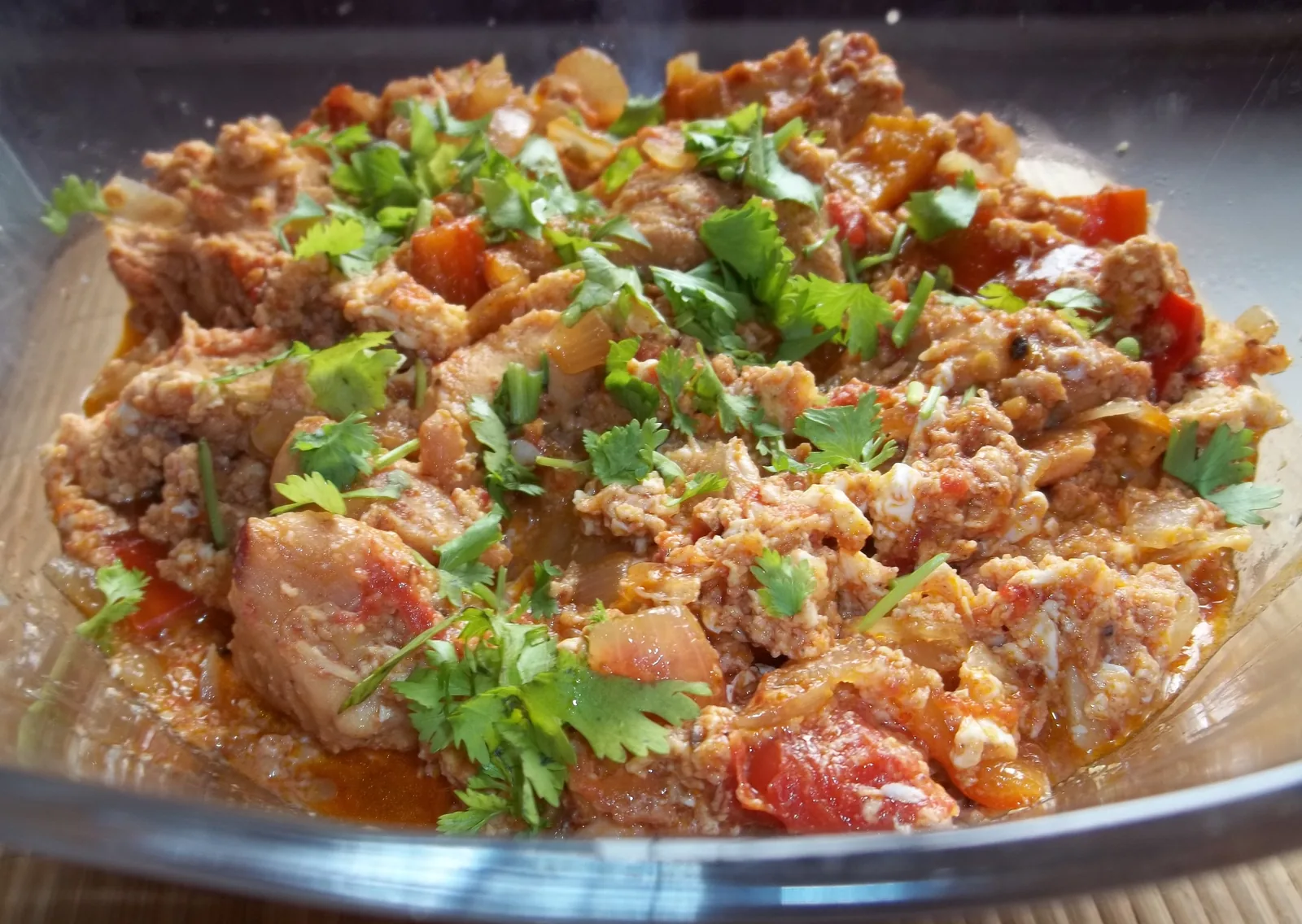
A glass dish of chakhokhbili, chicken stewed in tomato sauce with peppers and fresh coriander Georgia flag Georgia 1h 10m
Dinner •Georgian Heritage

Chakhokhbili

This chakhokhbili recipe browns chicken thighs, then braises them slowly in crushed tomatoes, onions, peppers and garlic until the meat falls off the bone and the sauce turns rich and sweet. It is Georgia's everyday chicken stew, loaded with fresh coriander at the end. One serving is about 494 g.

Comfort & Warmth

Chicken braised slowly in tomatoes, onions and peppers with fresh coriander — Georgia's fragrant, herb-loaded one-pot stew.

Pairs Well With
Lavash bread, rice & fresh coriander
High Protein
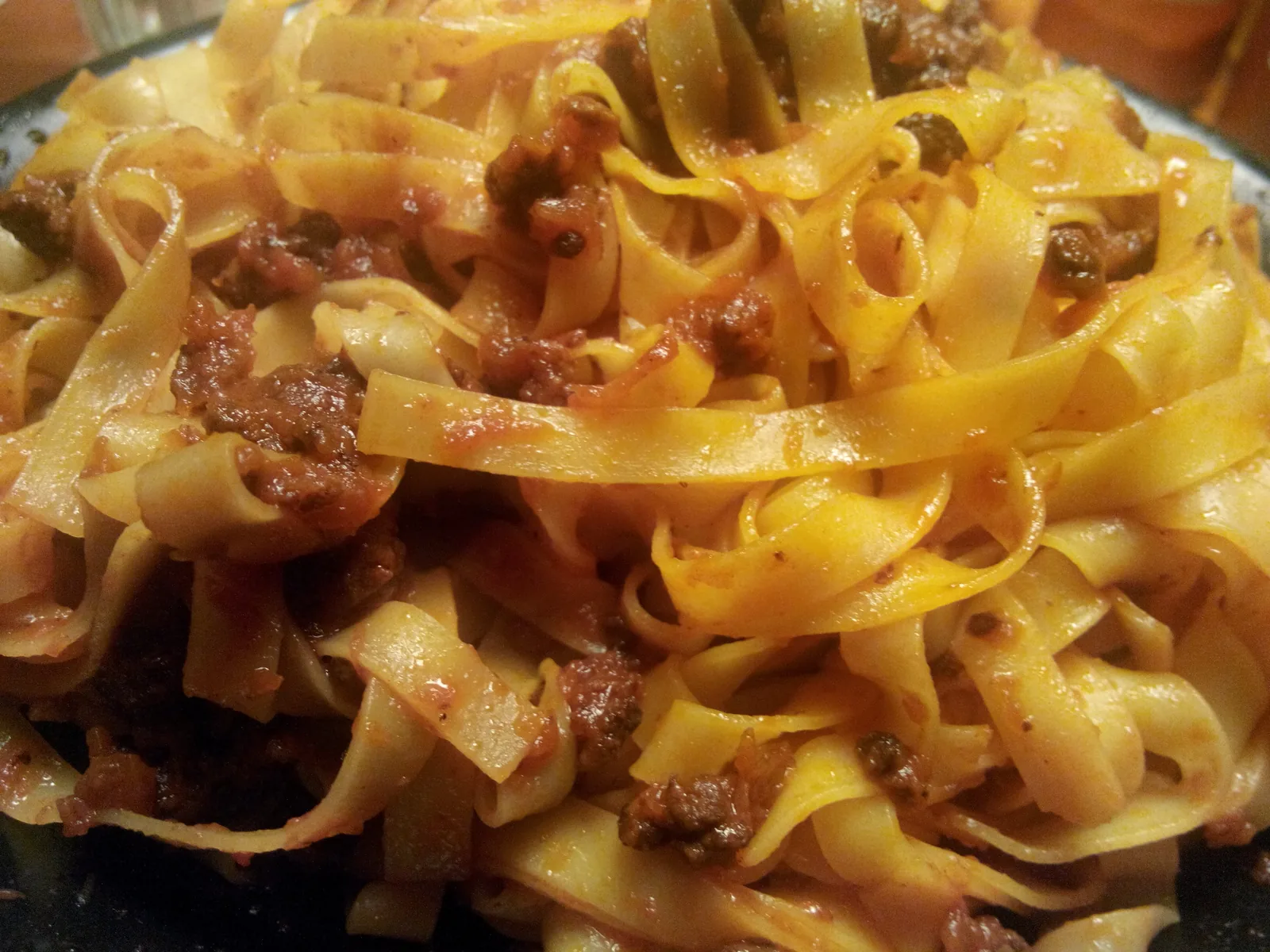
Tagliatelle al ragù Bolognese in a bowl with Parmigiano-Reggiano Italy flag Italy 4h 25m
Lunch •Emilia-Romagna

Tagliatelle al Ragù Bolognese

Slow-braised soffritto and coarse ground heritage meats layered over handmade egg yolk dough for mid-day stamina.

Lean Protein

Slow-simmered beef ragù tossed through fresh egg tagliatelle.

Pairs Well With
Bitter Radicchio & Aged Balsamico di Modena
Pasta & Noodles • High Protein
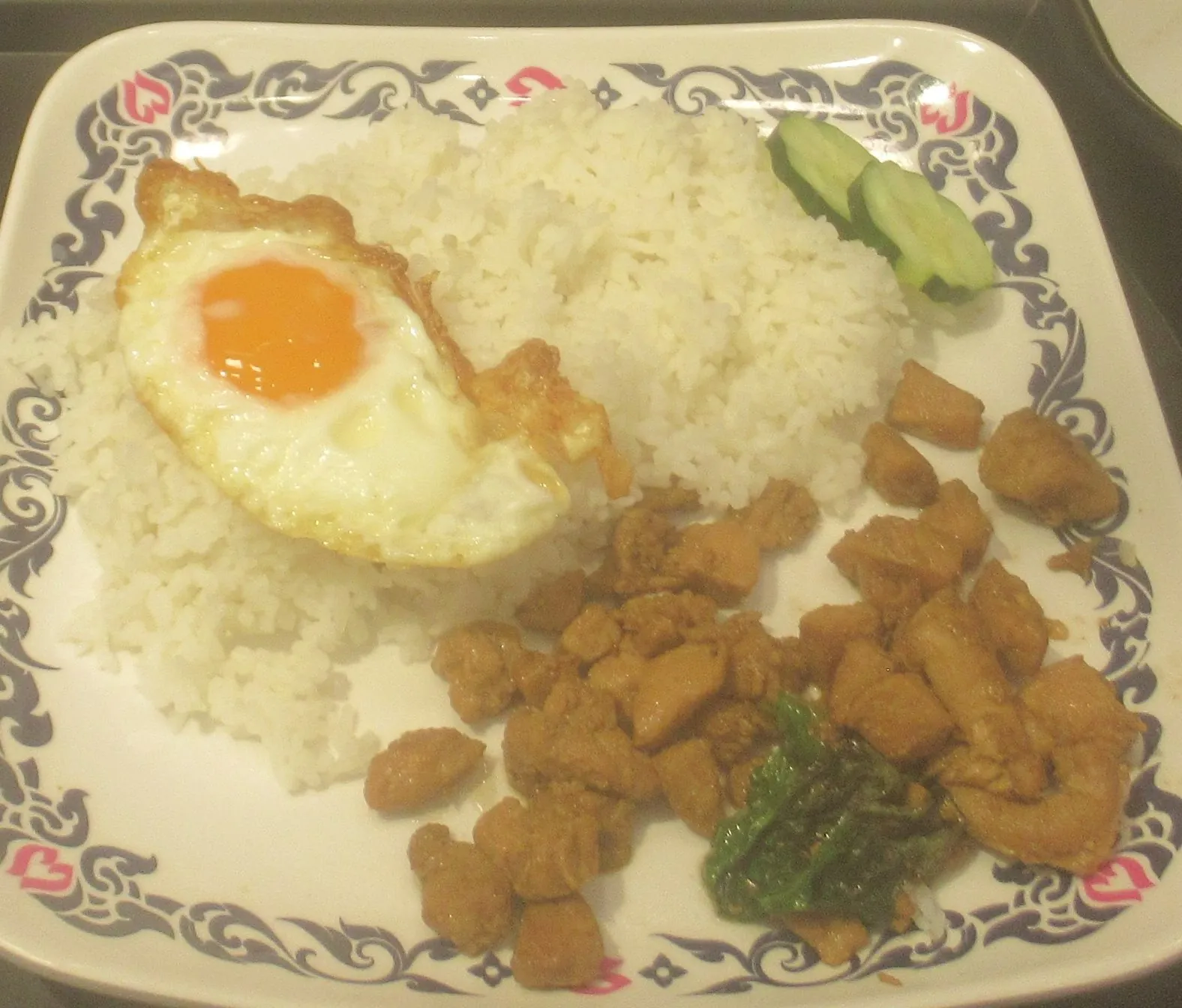
Pad kra pao gai — Thai holy basil chicken with fried egg and rice Thailand flag Thailand 30m
Lunch •Bangkok Street Flame

Pad Kra Pao Gai

High-heat wok flash of holy basil and crushed chillies over minced chicken, served over jasmine rice with a crispy-edged fried egg.

High Energy

Capsaicin brings the heat; holy basil adds a peppery, clove-like aroma.

Pairs Well With
Chilled Cucumber Salad & Fish Sauce Lime Dip
High Protein • Quick Prep (<30m)

The Dinner Gazette

Never wonder what’s for dinner again

One email a week with easy dinner ideas from around the world — ingredients, steps and nutrition, tested in our kitchen first.

Delivered every Thursday morning. Unsubscribe anytime.