Curated recipes from 193 countries  •  New seasonal Mediterranean issue out now

Overview

Khao Piak Sen

Khao Piek Sen, Lao Hand-Cut Noodle Soup, Lao Tapioca Noodle Soup

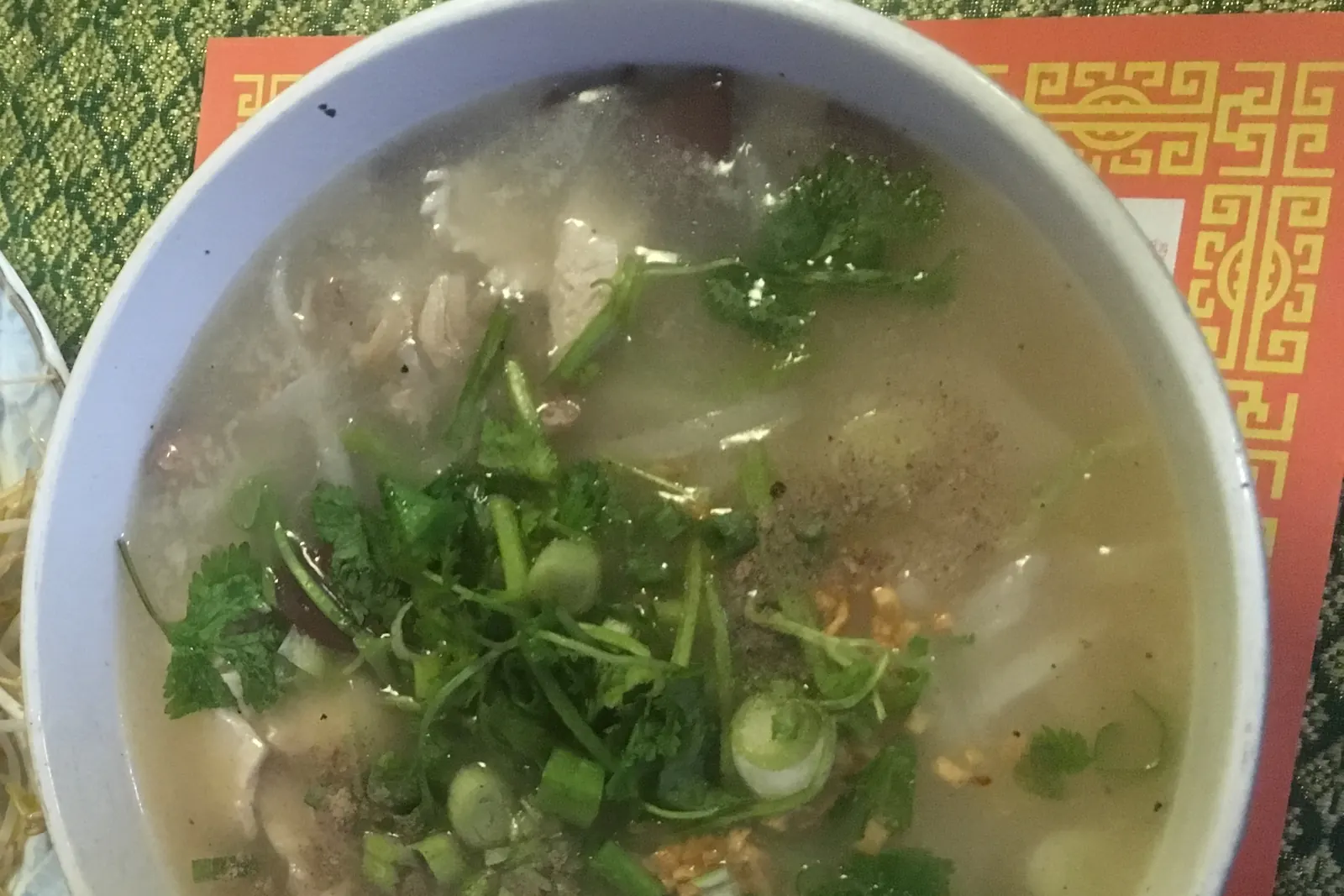
This khao piak sen recipe makes Laos's beloved hand-cut noodle soup: springy rice and tapioca noodles, rolled and cut by hand, swimming in a gentle chicken broth scented with lemongrass, galangal and ginger. The noodles are made from just flour and boiling water, and they cook in minutes. One serving is about 560 g, noodles and broth together.

Khao piak sen means wet rice strands, and it is the Lao version of chicken noodle soup — the comfort food Lao families reach for on rainy days and cold mornings. The noodles are its signature: rice flour and tapioca starch mixed with boiling water, rolled out and cut by hand into thick, chewy strands. Street vendors and home cooks across Laos serve it for breakfast and lunch, always with bean sprouts, herbs and lime on the side.

Pairs well with: Fried dough sticks for dunking, with bean sprouts, lime and chilli on the side.

Provenance

Laos flag Laos

Lao Heritage

East & South Asia

Time Dedication

1h 15m

30m prep • 45m cook

Batch Yield

4 Servings

402 kcal per serving

1 serving ≈ 560 g

Technical Skill

Intermediate

Medium (Hand-Cut Noodles)

Meal Timing & Digestive Fit

Breakfast

Not Advised

Lunch

Prime Metabolic Fit

Dinner

Ideal Hearty Main

Snack & Tea

Inappropriate

Soups & BrothsPasta & Noodles Occasions: Rainy-day lunches, family weekends, cold-weather comfort, breakfast in Laos Cost: Low — about $3–4 per serving at home
Khao piak sen noodle soup in a bowl with chicken, herbs and bean sprouts on the side

Lao Heritage

Photo: Spencer, CC BY-SA 4.0, via Wikimedia Commons

The Heritage Formulary

Measured Ingredients

Estimated cost: Low — about $3–4 per serving at home (USD)

Made the Lao way: noodles mixed with boiling water, rolled and cut by hand, cooked in the broth they thicken.

Execution Methodology & Culinary Technique

Step-by-Step Cooking Guide

Active 1h 15m
P

Prep Stage: Broth Aromatics & Noodle Dough

30 Mins • Slicing & Kneading

Get the broth going first, because it simmers while you make the noodles. Bruise the lemongrass, slice the galangal, ginger and garlic, and halve the onion. Then mix the noodle dough while the chicken cooks.

Maestro Tip: The noodle water must be at a rolling boil when it hits the flour — lukewarm water makes a crumbly dough that falls apart.

  1. 1

    Simmer the Chicken Broth

    35 Mins Simmering, ~95°C (200°F)

    Put the chicken, water, lemongrass, galangal, ginger, crushed garlic and onion in a large pot. Bring to a boil, skim off any foam, then turn the heat down and simmer gently with the lid ajar for about 30 minutes, until the chicken is tender and reaches 74°C (165°F) right through.

    Skim the foam in the first 10 minutes — it is what keeps the broth clear and clean-tasting.

    Done when: Clear, fragrant broth with chicken that shreds easily.

  2. 2

    Mix & Knead the Noodle Dough

    10 Mins No heat — boiling water, 100°C (212°F)

    While the broth simmers, mix the rice flour and tapioca starch in a bowl. Pour in the boiling water a little at a time, stirring with a wooden spoon until a stiff dough forms. Knead for about 2 minutes until smooth, then cover and rest for 5 minutes.

    If the dough feels dry and crumbly, add boiling water a spoonful at a time — never cold water.

    Done when: A smooth, springy dough that holds together when pressed.

  3. 3

    Roll & Cut the Noodles

    10 Mins No heat — room temperature, ~20°C (68°F)

    Dust the work surface with tapioca starch. Roll the dough out to about 6 mm thick, dust it well, fold it in thirds and cut into strips about 6 mm wide. Unfold the strips and dust again so they do not stick.

    Thick noodles are the point — khao piak sen noodles are meant to be chewy, more like udon than spaghetti.

    Done when: Even, springy strips about as wide as a pencil.

  4. 4

    Fry the Garlic & Shred the Chicken

    5 Mins Medium heat, ~175°C (350°F)

    Heat the oil in a small pan and fry the sliced garlic for about 1 minute until pale gold, then set aside. Lift the chicken out of the broth, let it cool for a minute, then shred it into bite-sized pieces.

    Take the garlic off the heat while it is still pale gold — it keeps browning in the hot oil and turns bitter fast.

    Done when: Golden, crisp garlic and tender shredded chicken.

  5. 5

    Cook the Noodles & Assemble

    5 Mins Boiling, 100°C (212°F)

    Stir the fish sauce and salt into the broth and taste — it should be gently salty. Shake the excess starch off the noodles and cook them in the broth for about 3 minutes until they turn translucent and chewy. Divide the noodles and broth between bowls, top with shredded chicken, bean sprouts, green onions, cilantro and fried garlic, and serve with lime wedges and white pepper.

    Cook the noodles in the broth, not in plain water — the starch they release is what gives khao piak sen its silky body.

    Done when: Translucent, chewy noodles in a fragrant broth, piled with fresh toppings.

Finishing Touches & Plating

Serve each bowl with a lime wedge and a grind of white pepper on the side, so every eater can brighten their own soup.
Nutritional Physiology & Benefits

Nutrition

Energy

402

kcal / serving

Protein

24g

Complete AA

Carbs

61g

Complex

Fats

7g

Healthy

Per serving (4 servings · 1 serving ≈ 560 g)
Energy402 kcal
Protein24 g
Carbohydrates61 g
Fat7 g
Fibre3.1 g
Sugar2.6 g
Sodium673 mg
Per 100g
Energy72 kcal
Protein4.2 g
Carbohydrates10.8 g
Fat1.3 g
Fibre0.6 g
Sugar0.5 g
Sodium120 mg

Nutrition values are estimated — calculated from USDA FoodData Central values for the listed ingredients.

Vitamins & minerals: Chicken supplies B vitamins and selenium, lemongrass and ginger add flavour with almost no calories, and bean sprouts and lime add vitamin C and folate.

Protein for Recovery

One serving carries about 23.7 g of protein from the chicken, which makes this soup a real lunch, not a snack.

Gentle Aromatics

Lemongrass, galangal and ginger flavour the broth without fat or sugar, and the fresh bean sprouts add crunch and vitamin C.

Naturally Gluten-Free

The noodles are made from rice flour and tapioca starch, so the soup is naturally free of wheat and gluten.

Food Pairings

What to Eat With

To optimize nutrient absorption and elevate the sensory depth, pair with these authentic accompaniments:

Sides

Fried Dough Sticks

Crisp fried dough sticks are the classic Lao partner — they are made for dunking in the hot broth.

Vegetables

Bean Sprouts & Herbs

Fresh bean sprouts, green onions and cilantro add cool crunch and brightness against the warm, silky noodles.

Sauces

Chilli Oil

A spoonful of chilli oil gives the gentle broth a slow, warming heat for people who like their soup spicy.

Drinks

Iced Green Tea

Cold, unsweetened green tea refreshes the palate between spoonfuls of rich, hot soup.

Complete menu

Serve the khao piak sen with fried dough sticks and bean sprouts, follow with fresh fruit, and finish with iced green tea.

Digestive Guardrails

What NOT to Combine

To prevent digestive distress, sluggishness, or palate clash, avoid pairing the dish with these elements:

Overcooking the Noodles

The hand-cut noodles turn gummy and fall apart if they boil too long — 3 minutes is enough, and they keep cooking in the hot broth. This is general food information, not medical advice.

Very Salty Condiments

The broth is already seasoned with fish sauce and salt, so extra soy sauce or salty chilli paste in the same bowl pushes the salt too far. This is general food information, not medical advice.

General information only, not medical advice — consult a doctor for personal dietary decisions.

Who Should Eat It

Who Should Eat

  • General adultsA comforting main course — about 23.7 g protein and 402 kcal per serving, best eaten hot and in a sensible portion.
  • ChildrenA gentle, mild soup children usually love — leave the white pepper and chilli oil out of their bowls.
  • ElderlySoft noodles and tender chicken make this an easy, warming meal for older eaters; serve it well seasoned but not too hot.
  • Pregnant womenFine as an occasional lunch when the chicken is cooked right through to 74°C (165°F); keep the portion modest. Ask your clinician about portions.
  • Breastfeeding womenA warm, nourishing meal with protein and carbohydrate for recovery; one serving is enough because the bowl is large.
  • AthletesGood fuel for recovery, with about 23.7 g protein and plenty of carbohydrate per serving — add an extra egg for more protein.
  • Weight gainEnergy-rich and easy to eat in a good amount, so it suits weight gain when served with fried dough sticks.
  • Weight lossHearty at about 402 kcal a serving; take a smaller bowl with more bean sprouts and fewer noodles for a lighter meal.

Health Conditions — Adjust or Avoid

Conditions

  • DiabetesAbout 60.6 g carbohydrate per serving, mostly from the noodles, so keep the noodle portion as stated and load up on bean sprouts. Ask your clinician about portions.
  • High blood pressureOne serving carries about 674 mg sodium, so keep other salty foods out of the same meal and do not add extra fish sauce at the table. Ask your clinician about portions.
  • Kidney diseasePortions should stay modest, and the protein content matters for some kidney diets. Ask your clinician about portions.
  • GoutChicken is a moderate purine source, so keep to one modest serving and drink water with the meal. Ask your clinician about portions.
  • Stomach issuesA gentle, mild soup that is usually kind to the stomach; skip the chilli oil and white pepper if they bother you. Ask your clinician about portions.
  • Cardiovascular diseaseLow in fat at about 7.3 g per serving, so one bowl with vegetables is a balanced meal. Ask your clinician about portions.
  • Fatty liverA moderate-energy meal, so keep portions modest and avoid eating it late at night. Ask your clinician about portions.
  • Food allergiesContains fish (fish sauce). People with fish allergy should not eat it unless a safe substitute is used. Ask your clinician about safe alternatives.
  • Special therapeutic dietsNot suitable for a low-sodium therapeutic diet as written; any lighter version changes the dish and should be discussed with a clinician.

If you have a medical condition, consult your doctor before changing your diet.

Storage & Use

Storage & Use

How to store
Cool quickly and store the broth and noodles in separate covered containers; keep the fresh toppings separate.
In the fridge
The broth keeps 3 days and the cooked noodles 2 days in the fridge at 4°C (40°F) or below.
In the freezer
The broth freezes well for up to 2 months; the noodles do not freeze well.
How to reheat
Reheat the broth until boiling, then add the noodles and chicken and warm through until steaming hot, to 74°C (165°F).
Freezing recommended
Yes — the broth only, without noodles or toppings.
Signs it has spoiled
Sour smell, cloudy broth, or slimy noodles.

More recipes to explore

Lao laab minced chicken salad with sticky rice, cucumber slices and lettuce on a white plate Laos flag Laos 25m
Dinner •Lao Heritage

Lao Laab

This lao laab recipe turns minced chicken, toasted rice powder, lime juice and fresh mint into Laos's national minced-meat salad — bright, sour, spicy and deeply herby. The chicken is cooked gently in a splash of water, then tossed while still warm with fish sauce, lime, shallots and a snowfall of nutty toasted rice. One serving is about 210 g, salad and fresh vegetables together.

Fresh & Light

A bright, herby minced chicken salad with lime, toasted rice and mint, served with cucumber and lettuce.

Pairs Well With
Sticky rice and crisp cucumber and lettuce leaves for scooping.
High Protein
Tam mak hoong Lao green papaya salad with peanuts, pork cracklings and fresh herbs on a white plate Laos flag Laos 20m
Lunch •Lao Heritage

Tam Mak Hoong

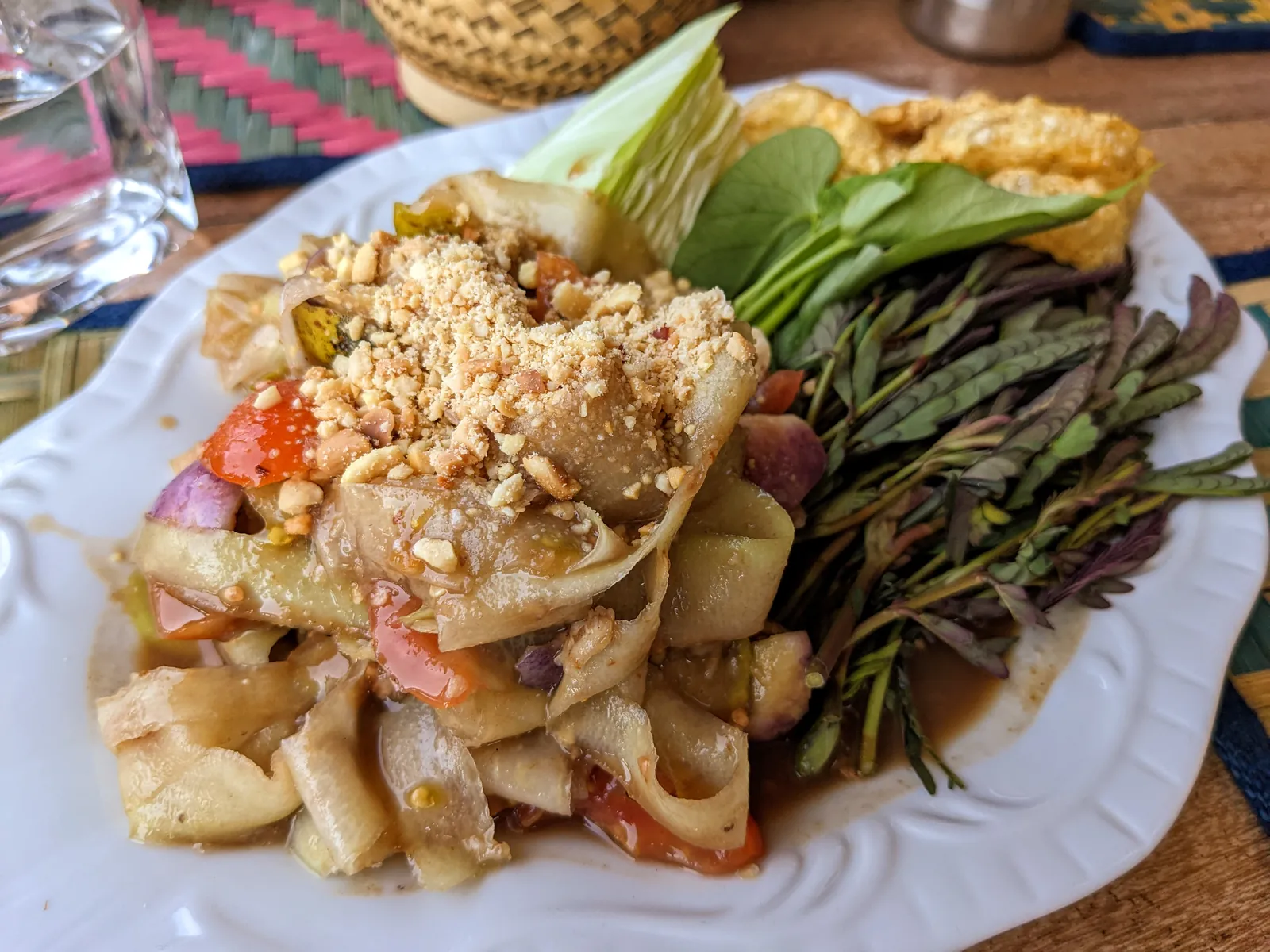
This tam mak hoong recipe pounds crisp green papaya with lime, padaek, chilli and peanuts into Laos's fiery green papaya salad — the spicier, funkier cousin of Thai som tam. The dressing is dark and pungent from fermented fish sauce, brightened with lime and palm sugar, and the papaya stays crunchy. One serving is about 180 g.

Fresh & Light

Crunchy green papaya pounded with lime, padaek, chilli and peanuts into a funky, fiery Lao salad.

Pairs Well With
Sticky rice and grilled chicken, with pork cracklings for scooping.
Tagliatelle al ragù Bolognese in a bowl with Parmigiano-Reggiano Italy flag Italy 4h 25m
Lunch •Emilia-Romagna

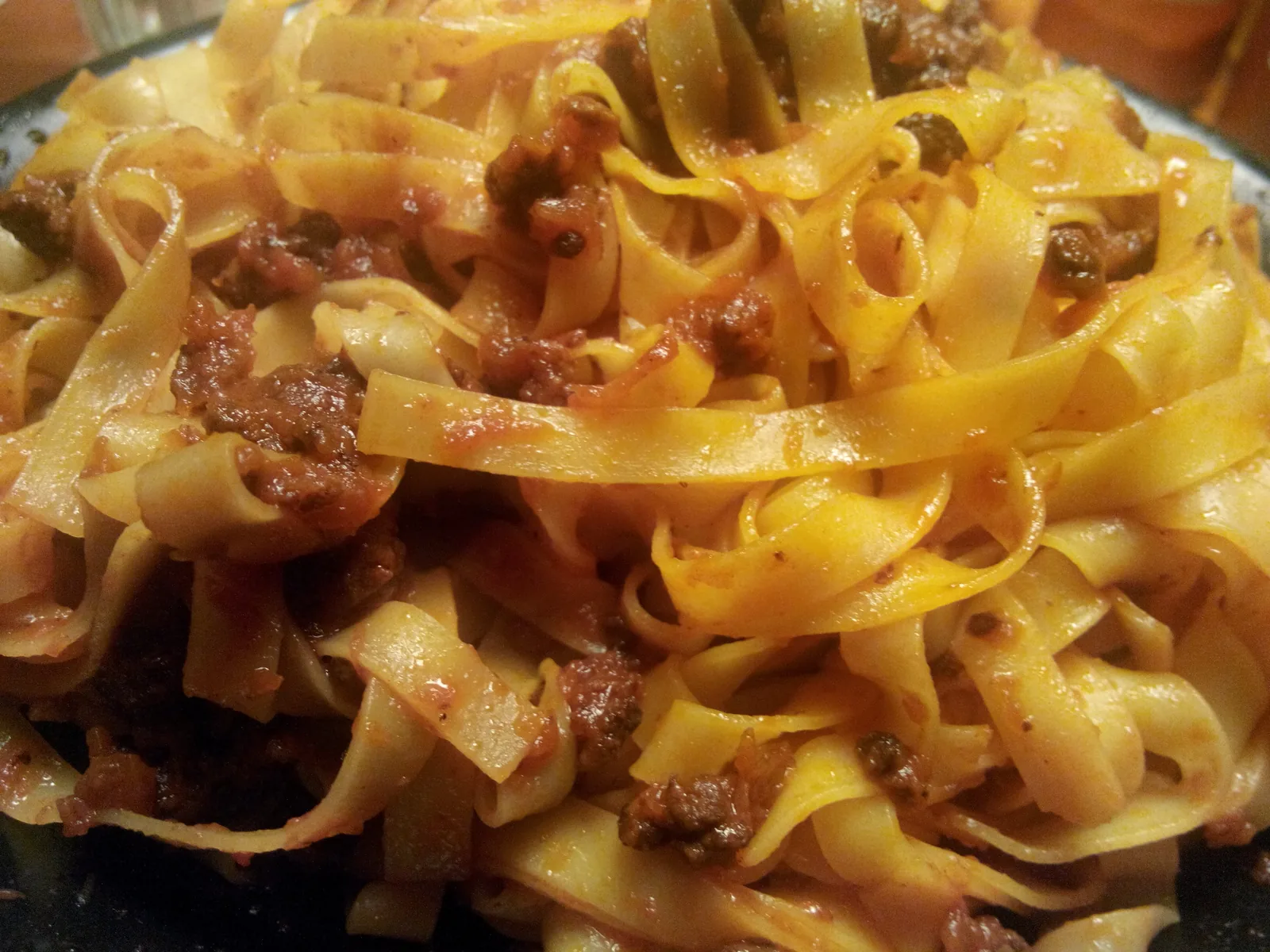
Tagliatelle al Ragù Bolognese

Slow-braised soffritto and coarse ground heritage meats layered over handmade egg yolk dough for mid-day stamina.

Lean Protein

Slow-simmered beef ragù tossed through fresh egg tagliatelle.

Pairs Well With
Bitter Radicchio & Aged Balsamico di Modena
Pasta & Noodles • High Protein
Pad kra pao gai — Thai holy basil chicken with fried egg and rice Thailand flag Thailand 30m
Lunch •Bangkok Street Flame

Pad Kra Pao Gai

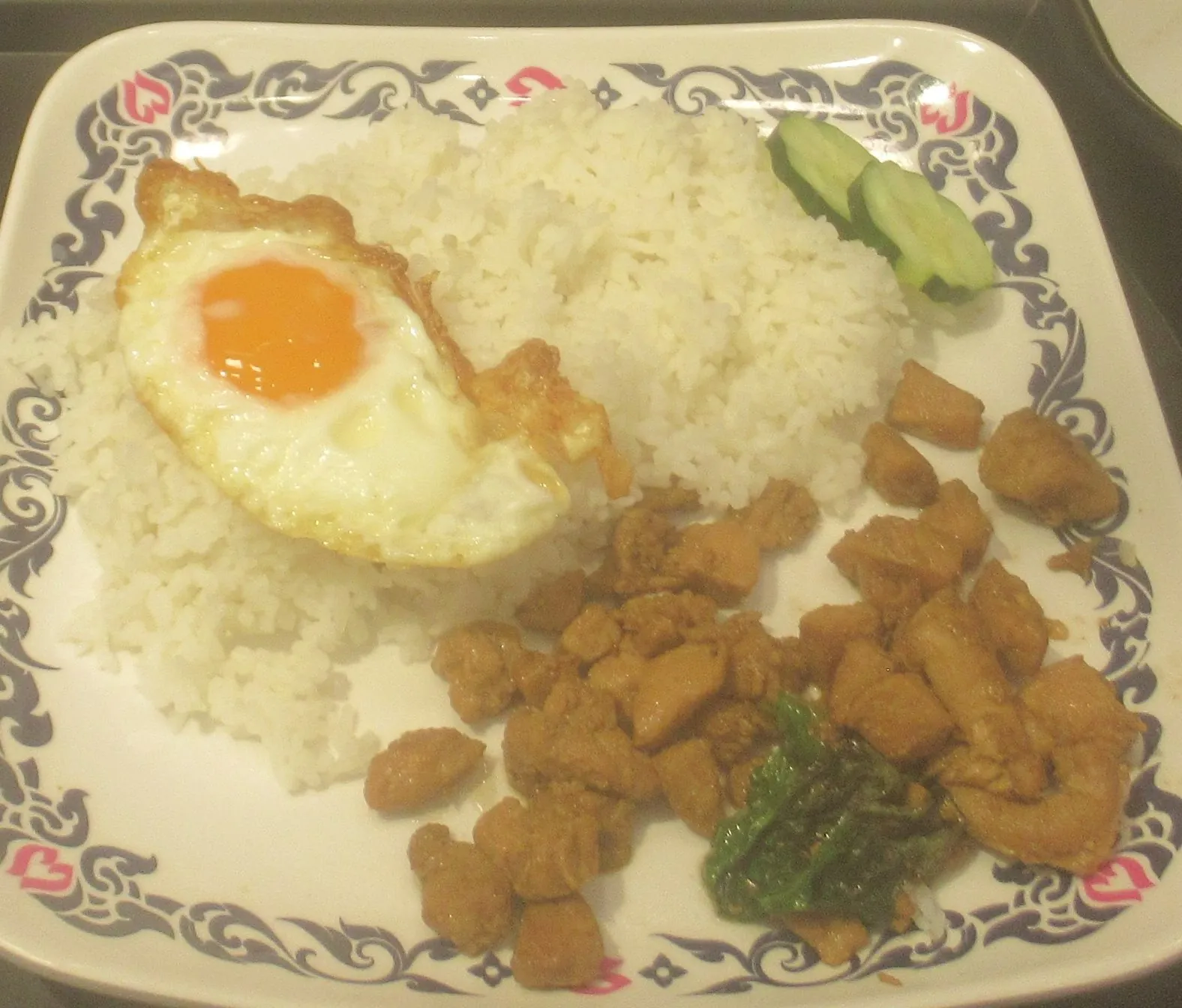
High-heat wok flash of holy basil and crushed chillies over minced chicken, served over jasmine rice with a crispy-edged fried egg.

High Energy

Capsaicin brings the heat; holy basil adds a peppery, clove-like aroma.

Pairs Well With
Chilled Cucumber Salad & Fish Sauce Lime Dip
High Protein • Quick Prep (<30m)

The Dinner Gazette

Never wonder what’s for dinner again

One email a week with easy dinner ideas from around the world — ingredients, steps and nutrition, tested in our kitchen first.

Delivered every Thursday morning. Unsubscribe anytime.