Curated recipes from 193 countries  •  New seasonal Mediterranean issue out now

Overview

KL Hokkien Mee

Kuala Lumpur Hokkien Mee, Tai Lok Mee, Black Hokkien Mee

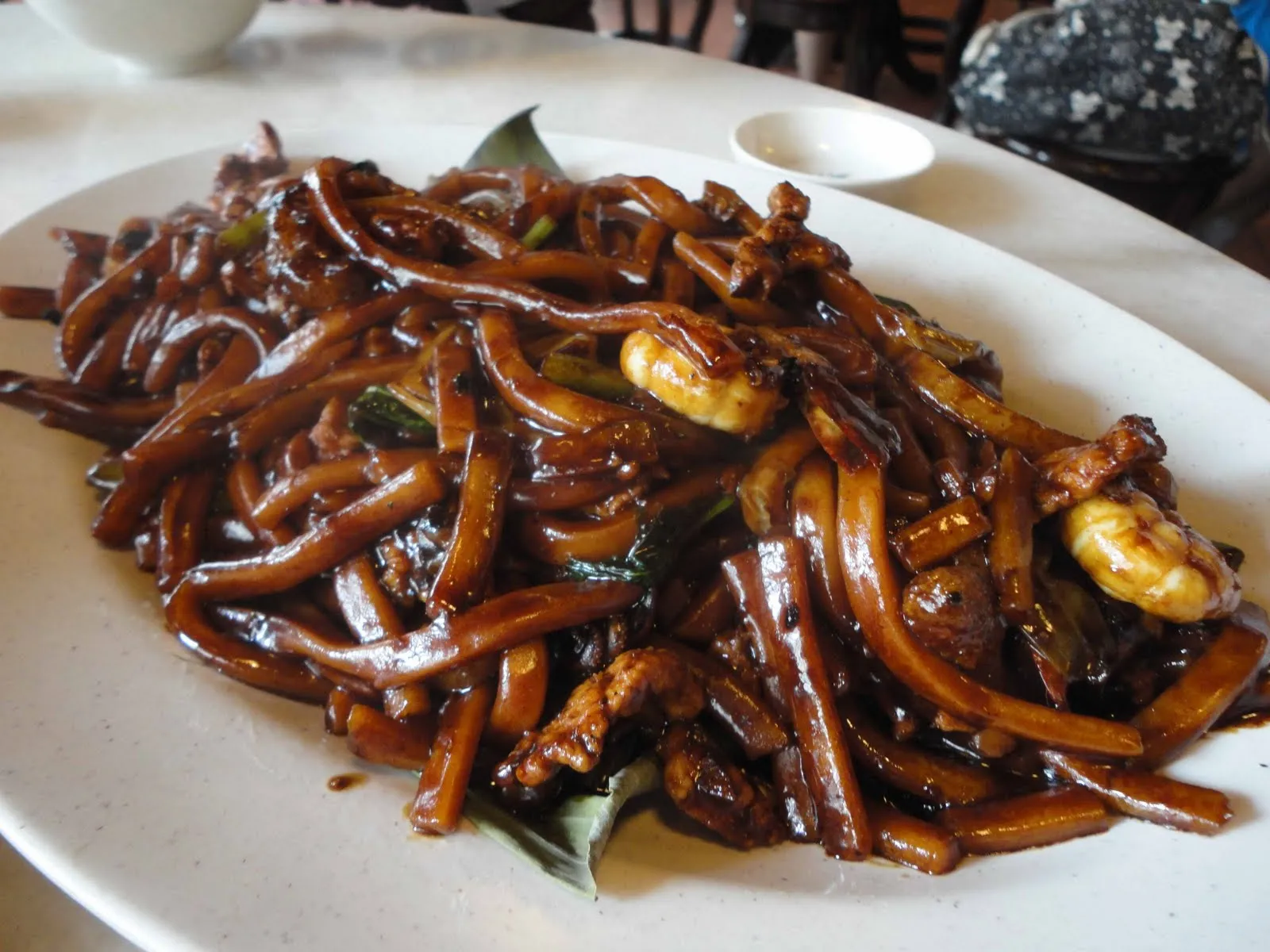
KL hokkien mee is Kuala Lumpur's dark, smoky noodle plate: thick yellow noodles stewed and stir-fried in dark soy sauce over fierce heat until they turn glossy and nearly black, tossed with pork slices, prawns, squid and cabbage, and finished with crunchy pork lard, sambal and a squeeze of calamansi. It is not Singapore hokkien mee — there is no prawn broth here, and the dark caramel soy is the whole point. One serving is about 388 g.

KL hokkien mee was created by Ong Kim Lian, a Fujianese immigrant from Anxi who arrived in Kuala Lumpur in 1905. He first sold a plain noodle soup, but as rivals copied him he reworked it into a stir-fried dish loaded with dark soy sauce and pork lard to stand out. In 1927 he opened his shop, Kim Lian Kee, on Petaling Street, and it still trades there today. The dish is now one of Kuala Lumpur's food icons — thick noodles, dark soy, lard and wok hei.

Pairs well with: Serve with sambal belacan and a calamansi half on the side, and a cold glass of iced barley water or sugarcane juice.

Provenance

Malaysia flag Malaysia

Petaling Street Hawker Heritage

East & South Asia

Time Dedication

45m

25m prep • 20m cook

Batch Yield

4 Servings

551 kcal per serving

1 serving ≈ 388 g

Technical Skill

Intermediate

Medium (Wok-Fried)

Meal Timing & Digestive Fit

Breakfast

Not Advised

Lunch

Hearty Midday Main

Dinner

Ideal Hearty Main

Snack & Tea

Inappropriate

Pasta & Noodles Occasions: Supper, hawker-style dinner, late-night noodles Cost: Moderate — about $4–5 per serving at home
A plate of KL hokkien mee — glossy dark-brown thick yellow noodles with prawns, pork and greens on a banana leaf

Petaling Street Hawker Heritage

Photo: brown_colour, CC BY 2.0, via Wikimedia Commons

The Heritage Formulary

Measured Ingredients

Estimated cost: Moderate — about $4–5 per serving at home (USD)

The noodles are braised in dark soy until they drink it up, then fried hard for wok hei — glossy and almost black, never soupy.

Execution Methodology & Culinary Technique

Step-by-Step Cooking Guide

Active 45m
P

Marinate the pork and set the wok station

20 minutes

Slice the pork, prawns and squid, cut the cabbage, measure the sauces into one small bowl and the lard into another. KL hokkien mee moves fast once the wok is hot — there is no time to measure mid-cook.

Maestro Tip: Mix the dark soy, light soy, oyster sauce and sugar in one bowl now; pouring one bowl is faster and the seasoning stays even.

  1. 1

    Blanch the noodles

    3 minutes Boiling water at 100°C (212°F)

    Drop the loosened noodles into a large pot of boiling water for 60–90 seconds, just until they relax and separate. Drain well and shake off as much water as you can — wet noodles dilute the sauce.

    Do not overcook them here; they braise for several more minutes in the sauce.

    Done when: The noodles are loose, springy and still firm to the bite.

  2. 2

    Sear the pork, prawns and squid

    4 minutes Wok at 220°C (430°F); pork to 63°C (145°F)

    Heat the lard in the wok until it shimmers. Sear the pork slices for 1 minute, then add the prawns and squid and toss for 2 minutes until the prawns turn pink and the squid curls. Lift everything out to a plate.

    Take the seafood out the moment it turns opaque — a minute too long makes it rubbery.

    Done when: The pork is browned and reads at least 63°C (145°F) with a 3-minute rest; the prawns are pink and the squid is just curled.

  3. 3

    Fry the garlic and cabbage

    2 minutes Wok at 200°C (400°F)

    Add the garlic to the wok and fry for 30 seconds until golden, then add the cabbage ribbons and toss for 1 minute until they wilt and pick up a little colour.

    Keep the garlic moving — burnt garlic turns the whole dish bitter.

    Done when: The garlic is pale gold and fragrant, the cabbage is wilted and glossy.

  4. 4

    Braise the noodles in dark soy

    6 minutes Simmer at 180°C (350°F)

    Add the noodles, the mixed sauces and the stock to the wok. Toss to coat, cover with a lid and braise for 4–5 minutes, tossing once halfway, until the noodles have drunk up most of the liquid and turned glossy and dark.

    Resist adding more stock — the noodles should be coated and glossy, not swimming.

    Done when: The noodles are almost black, glossy, and the sauce clings to every strand with only a little left in the wok.

  5. 5

    Wok-fry hard for wok hei

    3 minutes Wok at 220°C (430°F)

    Return the pork, prawns and squid to the wok. Turn the heat to maximum and toss hard for 2–3 minutes, letting the noodles catch and char slightly at the edges — that smoky breath is wok hei, the soul of the dish.

    Leave the noodles still for 20 seconds at a time between tosses so they can char.

    Done when: The noodles smell faintly smoky, with a few charred edges and a deep, even dark colour.

  6. 6

    Finish and serve

    2 minutes Serve hot at 74°C (165°F)

    Take the wok off the heat, fold in the bean sprouts, then pile the noodles onto a plate or banana leaf. Scatter the crispy pork lard bits over the top and serve immediately with sambal belacan and calamansi on the side.

    Serve it the moment it leaves the wok — the gloss and the char fade fast.

    Done when: The plate is steaming, glossy and dark, with crackling on top and the sprouts still crisp.

Finishing Touches & Plating

Serve the noodles the moment they leave the wok, piled high with crispy pork lard on top and sambal and calamansi on the side — the gloss, the char and the crunch are all at their best in the first minutes.

Nutritional Physiology & Benefits

Nutrition

Energy

551

kcal / serving

Protein

39g

Complete AA

Carbs

49g

Complex

Fats

23g

Healthy

Per serving (4 servings · 1 serving ≈ 388 g)
Energy551 kcal
Protein39 g
Carbohydrates49 g
Fat23 g
Fibre3.4 g
Sugar5.3 g
Sodium1314 mg
Per 100g
Energy142 kcal
Protein10 g
Carbohydrates12.5 g
Fat5.8 g
Fibre0.9 g
Sugar1.4 g
Sodium339 mg

Nutrition values are estimated — calculated from USDA FoodData Central values for the listed ingredients.

Vitamins & minerals: Provides vitamin B12 and selenium from the prawns and squid, iron and zinc from the pork, and vitamin C from the cabbage and calamansi.

High in protein

About 39 g of protein per serving from pork, prawns and squid, which supports muscle maintenance as part of a balanced diet.

Iron, zinc and B12 from the sea

Prawns and squid are natural sources of vitamin B12, selenium and iodine, and the pork adds iron and zinc.

One wok, one plate

Everything cooks in a single wok in 20 minutes, so a rich hawker-style dinner comes together with very little washing up.

Food Pairings

What to Eat With

To optimize nutrient absorption and elevate the sensory depth, pair with these authentic accompaniments:

Sides

Sambal belacan and calamansi

Fiery sambal and sharp calamansi cut straight through the rich, sweet-savoury soy and lard — the plate needs that sour heat to stay balanced.

Vegetables

Cucumber slices

Cool, crisp cucumber cleanses the palate between bites of the dark, oily noodles and adds freshness without competing with the sauce.

Drinks

Iced barley water or sugarcane juice

A cold, lightly sweet drink cools the palate and matches the salty-sweet balance of the noodles, as it does at the hawker stalls.

Full Menus

Hawker supper menu

KL hokkien mee is a supper dish: pair it with a small plate of fried chicken wings and a bowl of clear peppery soup for a full hawker spread.

Complete menu

Serve KL hokkien mee with fried chicken wings, cucumber slices and a bowl of clear peppery soup, with iced barley water to drink — a full hawker supper.

Digestive Guardrails

What NOT to Combine

To prevent digestive distress, sluggishness, or palate clash, avoid pairing the dish with these elements:

Do not drown it in stock

KL hokkien mee is a dry, glossy noodle dish, not a soup. Too much stock makes the noodles soggy and washes the dark soy off them. This is general information, not medical advice.

Do not use thin noodles

Thin wonton or instant noodles fall apart in the braise and cannot hold the dark sauce. The thick, springy tai lok mee noodle is essential. This is general information, not medical advice.

General information only, not medical advice — consult a doctor for personal dietary decisions.

Who Should Eat It

Who Should Eat

  • General adultsA hearty, satisfying dinner; a standard portion with cucumber and a light soup on the side suits most adults.
  • ChildrenChildren usually enjoy the sweet-savoury noodles, but the dish is salty and the sambal is hot — serve the sambal on the side and check for shellfish allergies first.
  • ElderlyThe noodles are soft and easy to chew, but the sodium is high and the lard is rich — a smaller portion suits most older adults.
  • Pregnant womenThe pork and seafood are fully cooked, but the dish is high in sodium and the sambal is spicy; keep portions moderate and ask your clinician in pregnancy.
  • Breastfeeding womenFully cooked pork and seafood in moderate portions are generally suitable; keep portions moderate and ask your clinician if you are unsure.
  • AthletesAbout 39 g of protein and 49 g of carbohydrate per serving make it a strong post-training meal.
  • Weight gainEnergy-dense from noodles, lard and pork — a generous portion helps anyone trying to gain weight.
  • Weight lossRich and energy-dense with a high sodium load; keep the portion to one plate, skip extra lard bits, and load up on cucumber and vegetables.

Health Conditions — Adjust or Avoid

Conditions

  • DiabetesAbout 49 g of carbohydrate per serving from the noodles and sugar; a smaller portion with extra vegetables helps — ask your clinician.
  • High blood pressureAbout 1,314 mg of sodium per serving from the soy sauces and oyster sauce — one of the saltiest dishes on the site; keep portions small and ask your clinician.
  • Kidney diseaseHigh in protein and sodium, which can strain the kidneys; keep portions small and ask your clinician before eating it regularly.
  • GoutPork and seafood are moderate in purines, and the sauce is salty; people prone to gout should eat it rarely and ask your clinician.
  • Stomach issuesRich, oily and spicy with sambal, which can trouble sensitive stomachs; skip the sambal and keep the portion small — ask your clinician.
  • Cardiovascular diseaseHigh in saturated fat from lard and pork, and high in sodium; a smaller portion with vegetables is the safer way to enjoy it — ask your clinician.
  • Fatty liverEnergy-dense and high in fat from lard; a small portion with plenty of vegetables is the safer way to enjoy it — ask your clinician.
  • Food allergiesContains shellfish (prawns, squid), egg (noodles), gluten (soy sauce, noodles) and shrimp paste (sambal). Do not serve to anyone with a shellfish or gluten allergy — ask your clinician.
  • Special therapeutic dietsHigh in sodium and carbohydrate with a rich fat load; adapt portions only with guidance — ask your clinician.

If you have a medical condition, consult your doctor before changing your diet.

Storage & Use

Storage & Use

How to store
Cool quickly and store in a sealed container in the fridge. Keep the sambal and calamansi separate.
In the fridge
Up to 2 days at 4°C (40°F) or below.
In the freezer
Not recommended — the noodles turn mushy and the sauce separates on thawing.
How to reheat
Reheat in a hot wok with a splash of water, tossing until steaming hot all the way through, to at least 74°C (165°F).
Freezing recommended
No
Signs it has spoiled
Sour smell, slimy noodles or a sharp off odour — discard if any of these appear.

More recipes to explore

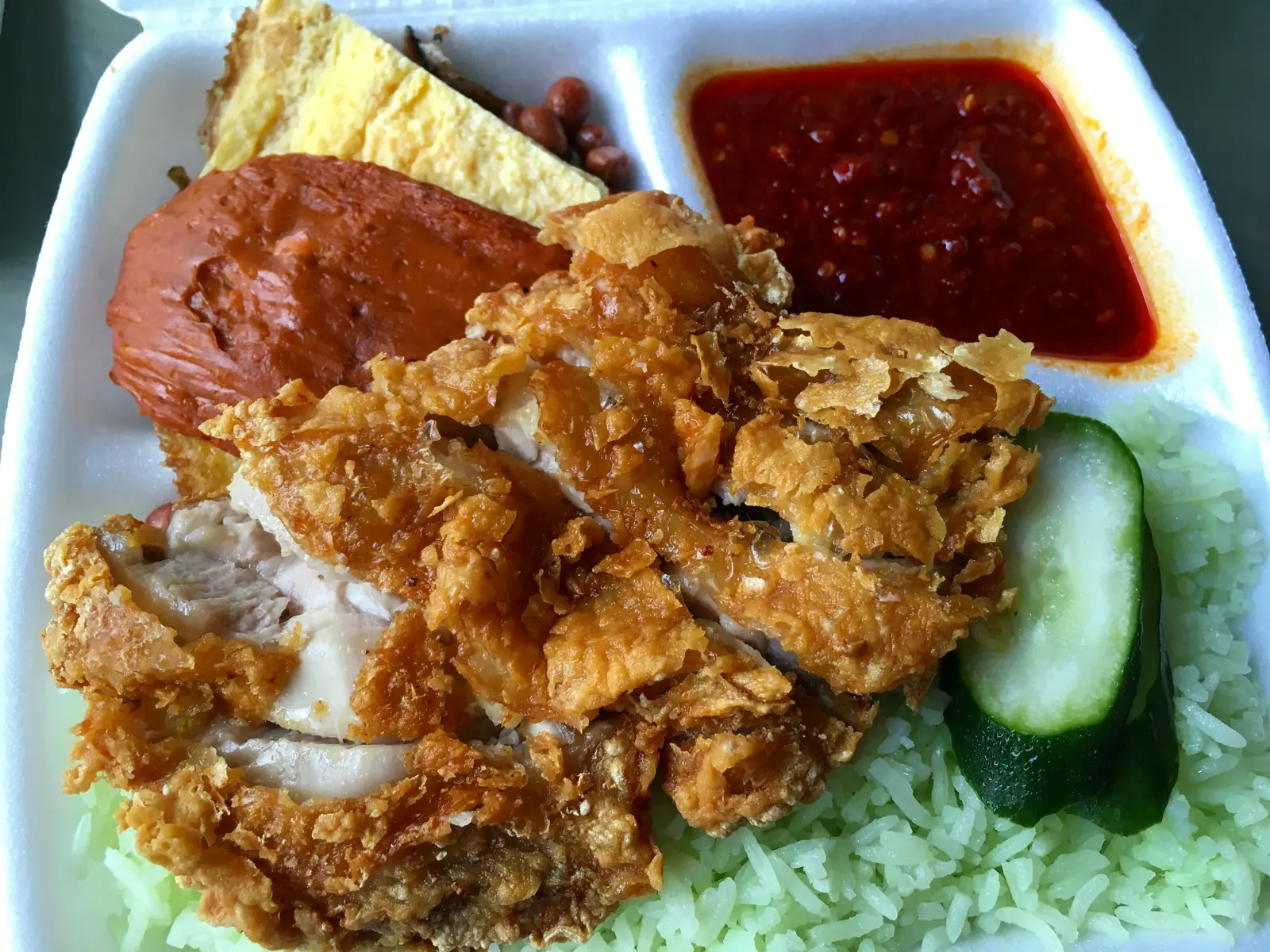
Nasi lemak — coconut rice with crispy fried chicken, red sambal, omelette, peanuts and cucumber in a takeaway box Malaysia flag Malaysia 1h 10m
Breakfast •Malaysian Heritage

Nasi Lemak

This nasi lemak recipe brings Malaysia's national breakfast to your own table: rice steamed in coconut milk with pandan, a dark, sweet-hot sambal, golden turmeric fried chicken, and the classic little pile of crispy anchovies, roasted peanuts, boiled egg and cool cucumber. One serving is about 465 g.

Hearty & Satisfying

A full Malaysian breakfast plate — fragrant coconut rice with sambal, crispy chicken, egg, anchovies, peanuts and cucumber.

Pairs Well With
A spoonful of hot sambal and cool cucumber slices, with teh tarik or iced lime tea.
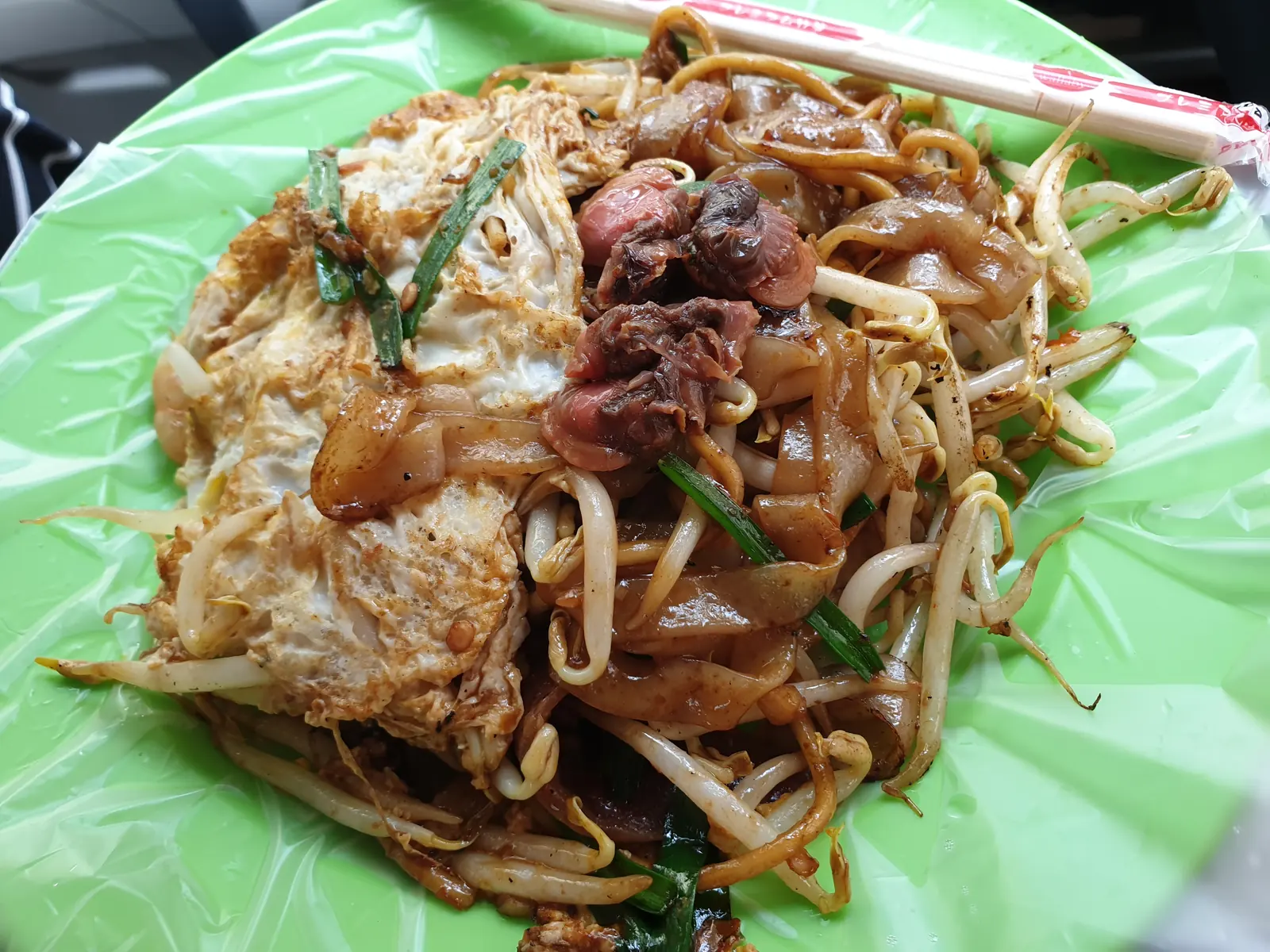
Char kway teow on a green plate — glossy flat rice noodles with fried egg, cockles, bean sprouts and garlic chives Malaysia flag Malaysia 25m
Dinner •Penang Street-Food Icon

Char Kway Teow

This char kway teow recipe tosses wide flat rice noodles in a blazing-hot wok with garlic, soy sauce, chilli paste, prawns, cockles, Chinese sausage, egg, bean sprouts and garlic chives, so the noodles pick up the smoky char called wok hei. Cook one plate at a time, exactly like a hawker stall, and eat it straight from the wok. One serving is about 475 g.

Smoky & Satisfying

Flat rice noodles seared over fierce heat with prawns, cockles, egg and bean sprouts — a fast, smoky Malaysian hawker dinner.

Pairs Well With
Pickled green chillies, cucumber slices, and iced lime tea or teh o ais
Pasta & Noodles • Quick Prep (<30m)
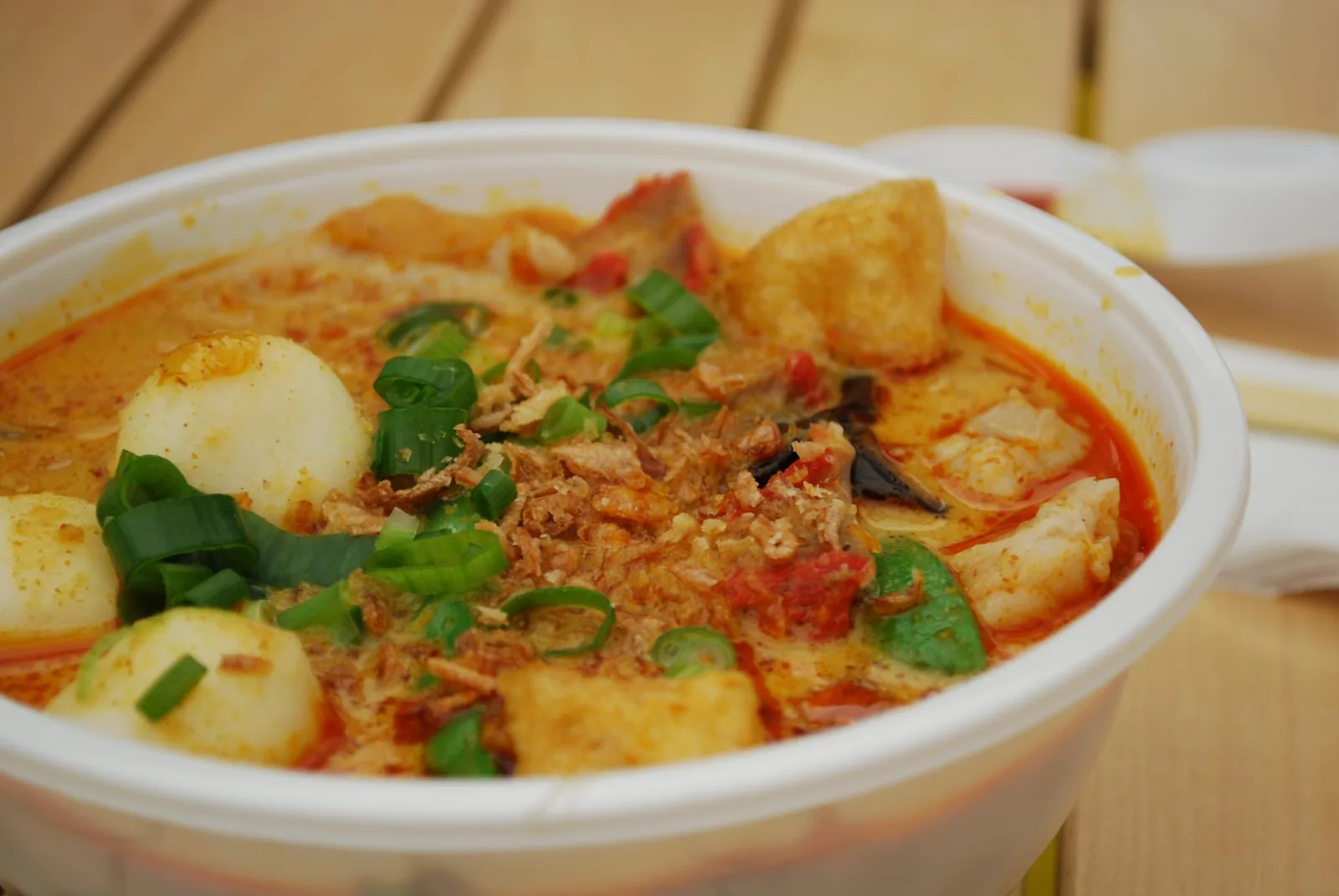
A white bowl of curry laksa in orange coconut curry broth with tofu puffs, fish balls, spring onions and fried shallots Malaysia flag Malaysia 50m
Lunch •Malaysian Hawker Classic

Curry Laksa

This curry laksa recipe simmers a spiced rempah paste with coconut milk and chicken stock into a rich orange broth, then pours it over rice vermicelli and egg noodles with shredded chicken, tofu puffs and crisp bean sprouts. One serving is about 703 g.

Comfort & Warmth

A rich, spiced coconut curry noodle soup with chicken, tofu puffs and bean sprouts.

Pairs Well With
Cool cucumber salad and a glass of iced lime tea
Soups & Broths • Pasta & Noodles
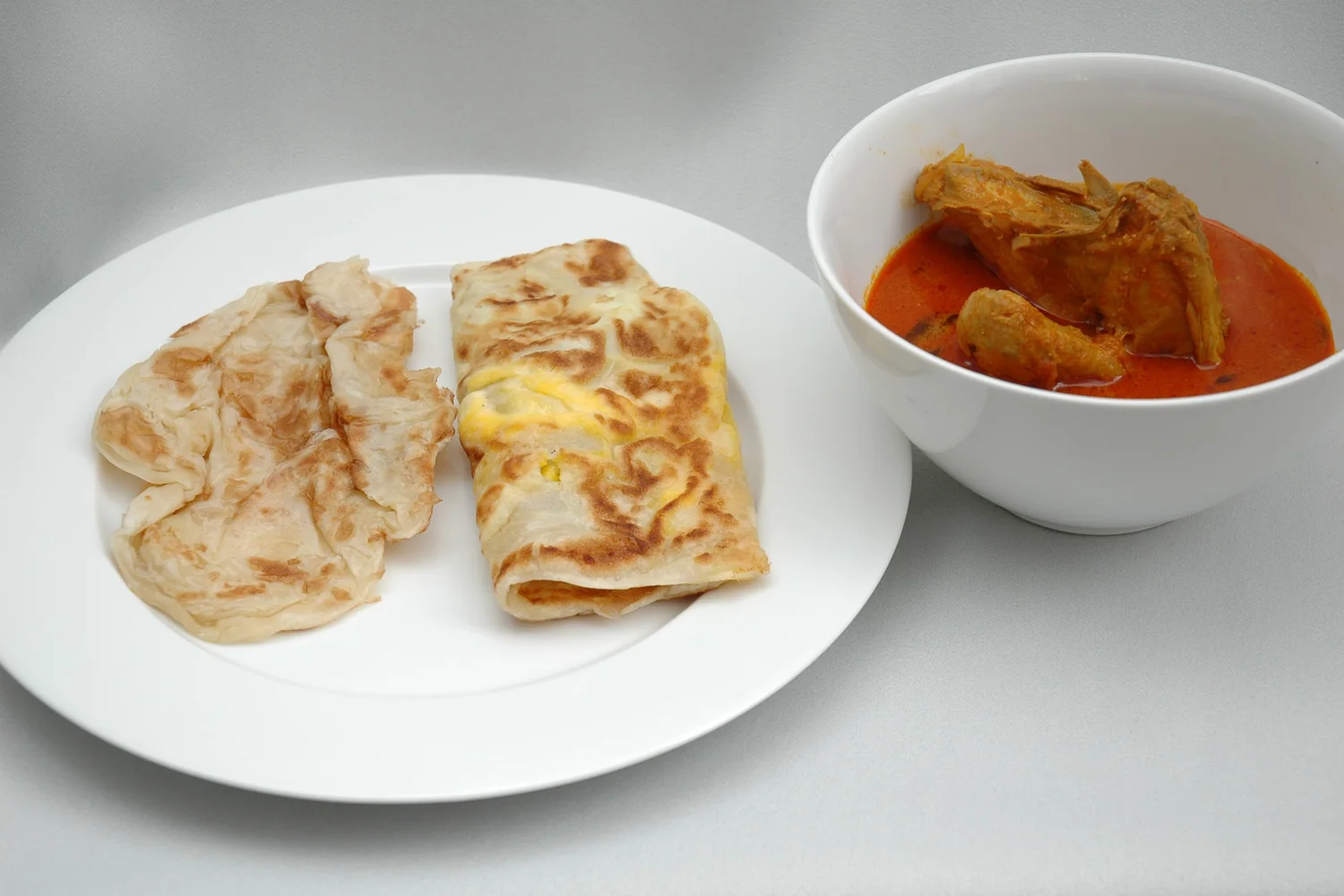
Roti prata and egg roti on a white plate with a bowl of chicken curry Malaysia flag Malaysia 1h 30m
Breakfast •Mamak Stall Heritage

Roti Canai

This roti canai recipe makes the flaky mamak flatbread the slow way: a soft dough rested until it stretches paper-thin, laminated with ghee, folded into squares and fried until the outside crisps and the inside stays soft and layered. It is served torn into pieces for dipping into a warm dhal curry with coconut milk, the way every mamak stall in Malaysia serves it for breakfast. One serving is about 374 g.

Comfort & Warmth

Flaky, laminated flatbread stretched paper-thin, folded and fried in ghee until crisp at the edges, torn and dipped into warm dhal curry.

Pairs Well With
Dhal curry & teh tarik

The Dinner Gazette

Never wonder what’s for dinner again

One email a week with easy dinner ideas from around the world — ingredients, steps and nutrition, tested in our kitchen first.

Delivered every Thursday morning. Unsubscribe anytime.