Curated recipes from 193 countries  •  New seasonal Mediterranean issue out now

Overview

Königsberger Klopse

Königsberg Meatballs, Meatballs in Caper Sauce, Sour Meatballs

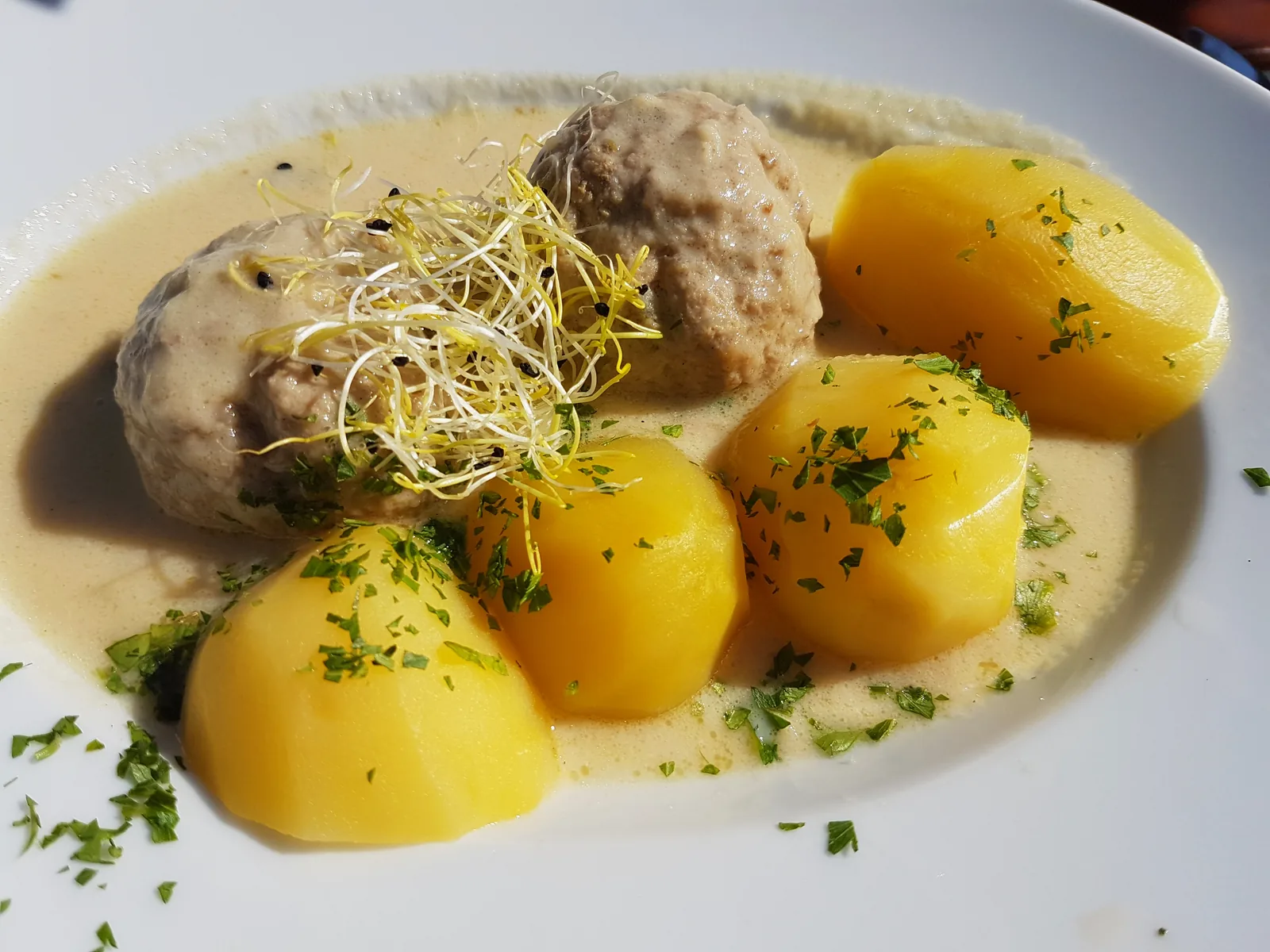
This konigsberger klopse recipe shapes beef and pork mince into soft meatballs, poaches them gently in beef broth, and finishes them in a pale, creamy sauce sharpened with lemon and capers. The meatballs stay delicate because they never see a frying pan. One serving is about 571 g.

Königsberger Klopse comes from Königsberg, the old East Prussian port city on the Baltic that is now Kaliningrad. The dish was already a fixture of Prussian cooking by the 19th century: minced meat — originally veal — bound with egg and breadcrumbs, poached in broth and served in a white sauce sharpened with lemon and capers, the two ingredients that define it. Capers reached the Baltic through trade, and their sharpness became the signature of the dish. After the Second World War, Königsberg's German population was expelled, and the recipe travelled with them, becoming a comfort classic across Germany.

Pairs well with: Boiled potatoes, pickled beetroot and a glass of dry white wine.

Provenance

Germany flag Germany

East Prussian Classic

Nordic & European

Time Dedication

1h 21m

25m prep • 56m cook

Batch Yield

4 Servings

804 kcal per serving

1 serving ≈ 571 g

Technical Skill

Intermediate

Medium (Poached Meatballs)

Meal Timing & Digestive Fit

Breakfast

Not Advised

Lunch

Hearty Midday Main

Dinner

Ideal Hearty Main

Snack & Tea

Inappropriate

High Protein Occasions: Sunday family dinners, cold-weather comfort meals, German heritage dinners Cost: Moderate — about $5–6 per serving at home
Königsberger Klopse meatballs in creamy caper sauce with boiled potatoes and parsley on a white plate

East Prussian Classic

Photo: Benreis, CC BY 3.0, via Wikimedia Commons

The Heritage Formulary

Measured Ingredients

Estimated cost: Moderate — about $5–6 per serving at home (USD)

Beef and pork meatballs poached in broth, finished in a creamy lemon-caper sauce.

Execution Methodology & Culinary Technique

Step-by-Step Cooking Guide

Active 1h 21m
P

Prep Stage: Mix and Shape the Meatballs (25 Mins)

25 Mins

Put the beef and pork mince in a large bowl with the beaten egg, breadcrumbs, finely chopped onion, chopped anchovy, 15g of the capers, mustard and lemon zest. Season with half the salt and the white pepper, then mix gently with your hands until just combined. Shape into 12 even meatballs, about 55g each, and chill for 10 minutes. Meanwhile peel the potatoes, measure out the sauce ingredients and chop the parsley.

Maestro Tip: Mix only until combined: overworking the mince makes tough meatballs.

  1. 1

    Poach the meatballs

    20 Mins Gentle simmer, ~90°C (195°F)

    Bring 1 litre of beef broth (the 500ml for the sauce plus 500ml extra for poaching) to a gentle simmer in a wide pot. Lower the meatballs in one at a time, cover and poach at a bare simmer for about 18 to 20 minutes, until they are cooked through with an internal temperature of at least 71°C (160°F). Lift them out with a slotted spoon and keep warm. Reserve 500ml of the poaching broth for the sauce.

    A bare simmer means only the odd bubble breaking the surface; a rolling boil toughens the meatballs.

    Done when: Meatballs firm, pale and cooked through, internal temperature at least 71°C (160°F).

  2. 2

    Boil the potatoes

    20 Mins Boil, ~100°C (212°F)

    While the meatballs poach, put the peeled potatoes in a pot of cold salted water, bring to the boil and cook for about 20 minutes until tender when pierced with a knife. Drain and keep warm.

    Start the potatoes in cold water so they cook evenly from edge to centre.

    Done when: Potatoes tender all the way through, not splitting apart.

  3. 3

    Make the roux and sauce base

    8 Mins Medium heat, ~150°C (300°F)

    Melt the butter in a saucepan over medium heat, stir in the flour and cook for 1 to 2 minutes without letting it colour. Pour in the white wine, then whisk in the reserved 500ml of warm poaching broth a ladle at a time until the sauce is smooth. Simmer for about 5 minutes until it coats the back of a spoon.

    Warm broth whisked in slowly is what keeps the sauce lump-free.

    Done when: Sauce smooth, pale and thick enough to coat a spoon.

  4. 4

    Finish the sauce with cream and yolks

    5 Mins Low heat, ~70°C (160°F)

    Take the pan off the heat. Stir in the cream, the lemon juice, the sugar and the remaining 30g of capers. In a small bowl, whisk the egg yolks with a spoonful of the warm sauce, then stir the mixture back into the pan. Warm gently for 2 to 3 minutes, stirring, until the sauce thickens slightly. Do not let it boil, or the yolks will scramble.

    Tempering the yolks with a spoonful of hot sauce first stops them curdling.

    Done when: Sauce glossy and slightly thickened, no sign of scrambled egg.

  5. 5

    Serve the meatballs in the sauce

    3 Mins Serving, ~70°C (160°F)

    Return the meatballs to the sauce and warm them through for 2 minutes. Taste and adjust the salt, lemon and pepper. Serve three meatballs per person with the sauce spooned over, boiled potatoes on the side and parsley scattered on top.

    Let the meatballs sit in the sauce for a minute before serving so they take up its flavour.

    Done when: Meatballs hot through, coated in pale caper sauce, potatoes tender.

Finishing Touches & Plating

Spoon the sauce generously over the meatballs and finish with chopped parsley and a final grind of white pepper. Serve at once, while the sauce is glossy and hot.

Nutritional Physiology & Benefits

Nutrition

Energy

804

kcal / serving

Protein

40g

Complete AA

Carbs

55g

Complex

Fats

46g

Healthy

Per serving (4 servings · 1 serving ≈ 571 g)
Energy804 kcal
Protein40 g
Carbohydrates55 g
Fat46 g
Fibre4.8 g
Sugar5.6 g
Sodium1576 mg
Per 100g
Energy141 kcal
Protein7 g
Carbohydrates9.7 g
Fat8 g
Fibre0.8 g
Sugar1 g
Sodium276 mg

Nutrition values are estimated — calculated from USDA FoodData Central values for the listed ingredients.

Vitamins & minerals: The meatballs supply iron, zinc and B vitamins; the capers and lemon add vitamin C, and the potatoes add potassium and vitamin C.

Protein from Beef and Pork

One serving carries about 40.0 g protein from the beef and pork mince and the egg.

Gentle Poaching, Not Frying

Poaching keeps the meatballs tender and avoids the extra fat and browning of frying.

Lemon and Capers, Not Cream Alone

Lemon juice and capers give the sauce its lift, so a little cream goes a long way.

Food Pairings

What to Eat With

To optimize nutrient absorption and elevate the sensory depth, pair with these authentic accompaniments:

Sides

Boiled Potatoes

Waxy boiled potatoes are the classic partner: they soak up the caper sauce without competing with it.

Vegetables

Pickled Beetroot

Sharp, sweet pickled beetroot cuts through the creamy sauce and adds colour to the plate.

Drinks

Dry White Wine

A dry Riesling or similar white wine matches the lemon in the sauce and refreshes the palate between bites.

Full Menus

Cucumber Salad

A cold cucumber salad with dill and a little vinegar gives a crisp, fresh contrast to the rich meatballs.

Complete menu

Königsberger Klopse with boiled potatoes, pickled beetroot and a cucumber salad, with a dry white wine.

Digestive Guardrails

What NOT to Combine

To prevent digestive distress, sluggishness, or palate clash, avoid pairing the dish with these elements:

Boiling the Sauce After the Yolks Go In

Once the egg yolks are in, boiling scrambles them and ruins the sauce. Keep it below a simmer. This is general cooking information, not medical advice.

Over-Salting Before Tasting

Anchovies, capers and broth are all salty, so the sauce can easily end up too salty if you season early. Taste at the end and adjust. This is general cooking information, not medical advice.

General information only, not medical advice — consult a doctor for personal dietary decisions.

Who Should Eat It

Who Should Eat

  • General adultsHearty at about 804 kcal per serving — a filling dinner for most adults.
  • ChildrenSoft, mild meatballs suit children, but the capers are sharp; serve children the meatballs with a little sauce on the side.
  • ElderlyTender and easy to chew, but the sauce is rich and salty, so keep the portion modest.
  • Pregnant womenThe meatballs are cooked well through, but the sauce contains egg yolk and is rich; keep to one serving. Ask your clinician about portions.
  • Breastfeeding womenFilling and protein-rich; one serving with potatoes is a full meal.
  • AthletesAbout 40.0 g protein per serving makes this a useful recovery meal after training.
  • Weight gainEnergy-dense at about 804 kcal per serving, so it suits weight gain.
  • Weight lossAbout 804 kcal per serving with a rich sauce; keep to one serving and load the plate with potatoes and salad instead of extra sauce.

Health Conditions — Adjust or Avoid

Conditions

  • DiabetesAbout 55.4 g carbohydrate per serving, mostly from the potatoes; watch the potato portion. Ask your clinician about portions.
  • High blood pressureOne serving carries about 1,576 mg sodium from the capers, anchovies and broth, so keep the portion small. Ask your clinician about portions.
  • Kidney diseaseHigh in protein and salt, which matter for some kidney diets, so keep portions modest. Ask your clinician about portions.
  • GoutRed meat and a rich sauce make this a dish to limit during a gout flare. Ask your clinician about portions.
  • Stomach issuesThe creamy sauce and capers can be hard on a sensitive stomach; eat a small portion slowly. Ask your clinician about portions.
  • Cardiovascular diseaseHigh in saturated fat at about 45.8 g total fat per serving; keep it an occasional dish. Ask your clinician about portions.
  • Fatty liverEnergy-dense at about 804 kcal per serving with a rich sauce; keep the portion as stated. Ask your clinician about portions.
  • Food allergiesContains gluten (breadcrumbs, flour), egg, milk and fish (anchovy). People with a wheat, egg, milk or fish allergy should not eat it as written. Ask your clinician about safe alternatives.
  • Special therapeutic dietsNot suitable for a gluten-free diet as written (use cornflour and gluten-free crumbs); fits a low-sugar diet. Any therapeutic diet should be discussed with a clinician.

If you have a medical condition, consult your doctor before changing your diet.

Storage & Use

Storage & Use

How to store
Cool quickly and store the meatballs covered in their sauce in the fridge.
In the fridge
Keeps 2 days in the fridge at 4°C (40°F) or below.
In the freezer
Up to 1 month; freeze the meatballs in the sauce.
How to reheat
Reheat gently in a pan until steaming hot, to 74°C (165°F); do not boil, or the sauce will split.
Freezing recommended
Only if needed — best eaten fresh.
Signs it has spoiled
Sour smell, slimy surface, or mould.

More recipes to explore

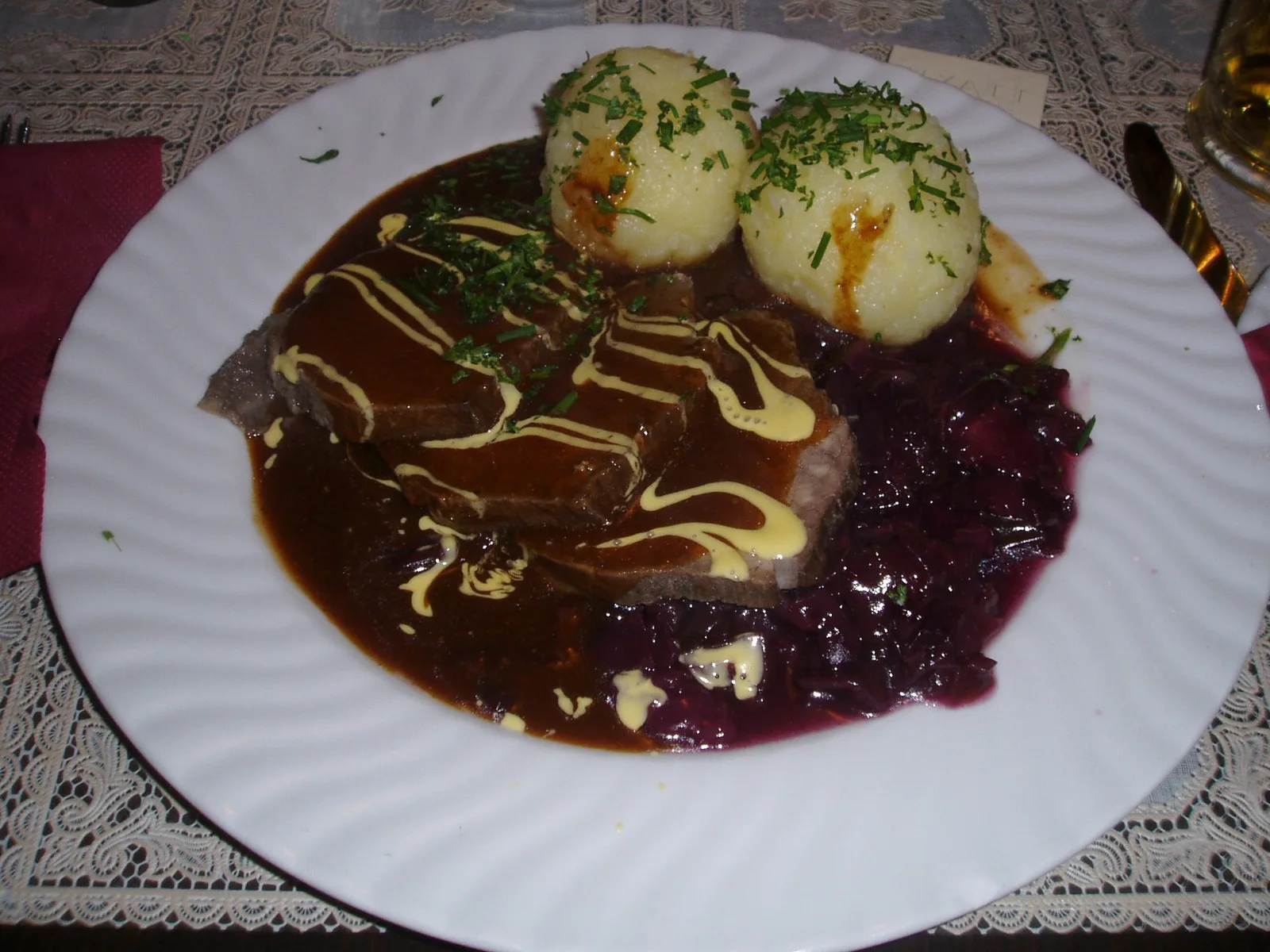
Sliced sauerbraten in dark sweet-sour gravy with potato dumplings and braised red cabbage on a white plate Germany flag Germany 3h 30m
Dinner •Rhineland Heritage

Sauerbraten

This sauerbraten recipe starts with a beef chuck roast steeped for three days in red wine vinegar, red wine and warm spices, then braised slowly until it slices like butter. The marinade becomes a dark, sweet-sour gravy thickened with crushed gingersnaps and studded with raisins, the Rhineland way. One serving is about 300 g, with gravy.

Comfort & Warmth

A slow-braised German pot roast in a sweet-sour vinegar gravy, sliced thick and served hot with potato dumplings and red cabbage.

Pairs Well With
Potato dumplings, braised red cabbage & a glass of Spätburgunder
High Protein
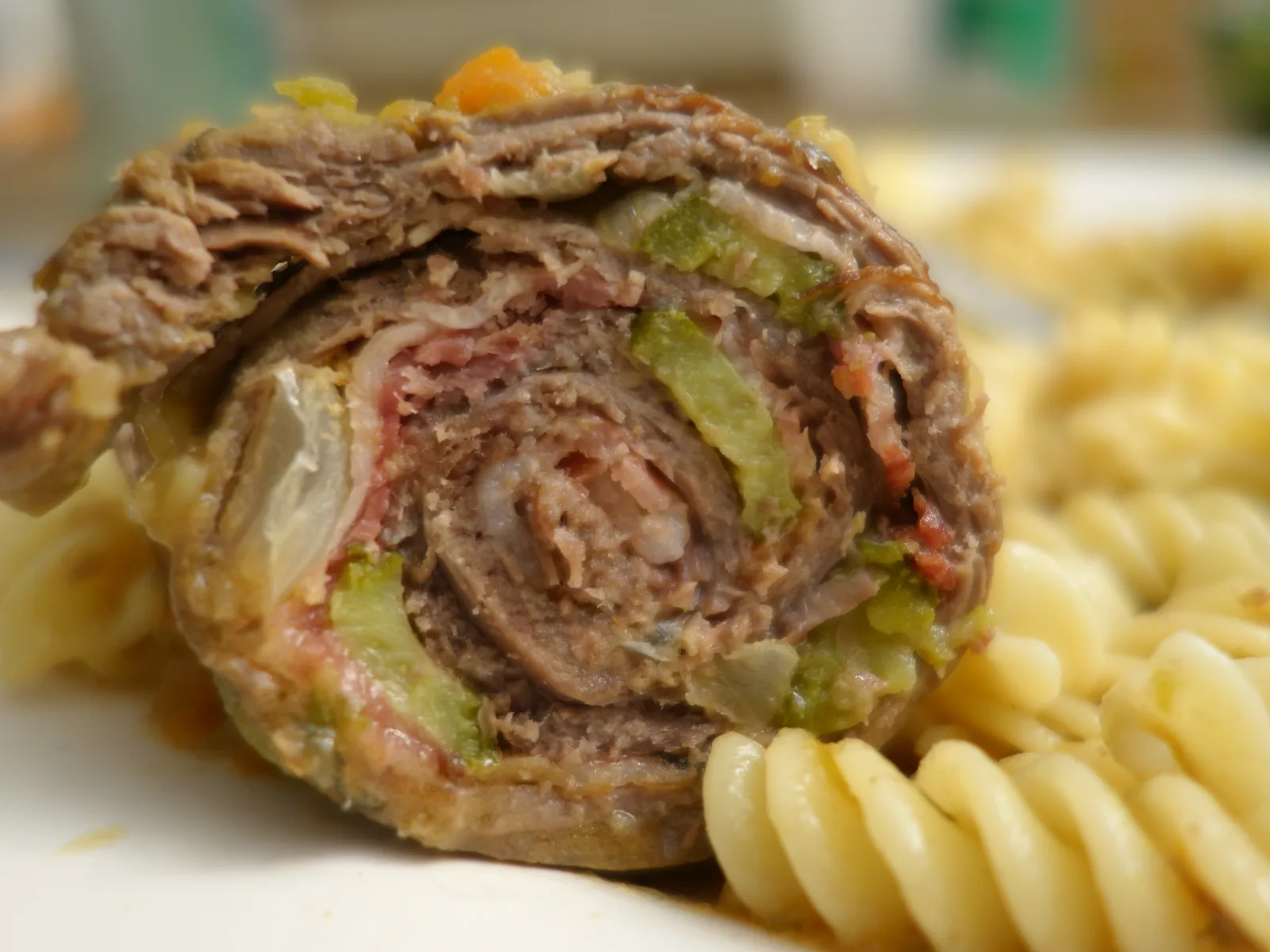
A sliced German beef roulade showing the spiral of beef, bacon and dill pickle, served with pasta Germany flag Germany 2h 10m
Dinner •German Sunday Heritage

Rouladen

This rouladen recipe spreads thin slices of top round with mustard, then rolls them around smoky bacon, dill pickles and onion into neat parcels. The rolls are browned, then braised slowly in red wine and beef stock until tender, and the braising liquid becomes a rich gravy. One serving is about 375 g — two rolls with gravy.

Comfort & Warmth

Thin beef rolls stuffed with bacon, dill pickle and onion, braised in red wine gravy and served hot with dumplings.

Pairs Well With
Potato dumplings, braised red cabbage & a German lager
High Protein
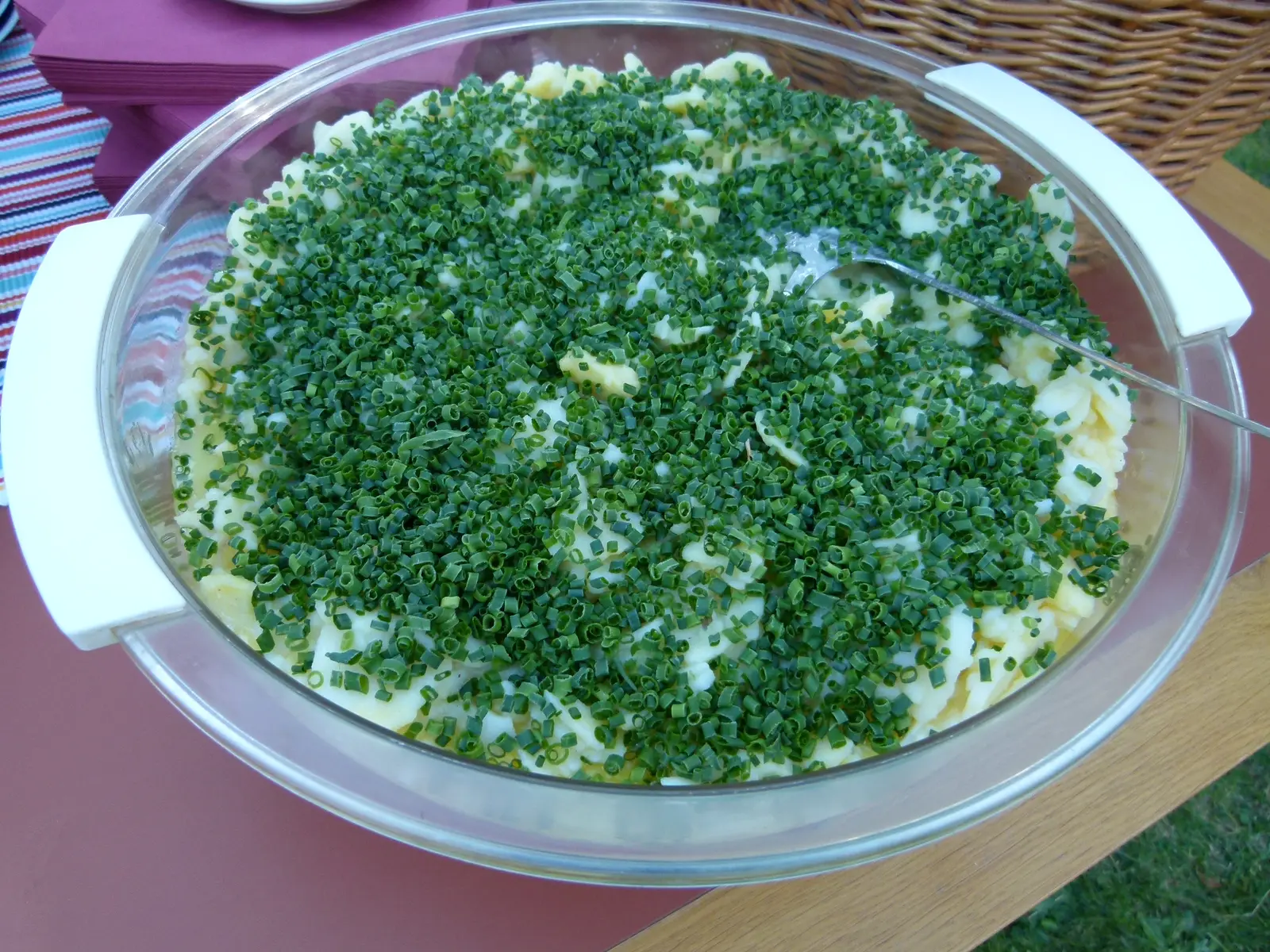
A glass bowl of warm Swabian potato salad topped with chopped chives Germany flag Germany 45m
Lunch •Swabian Heritage

German Potato Salad

This german potato salad recipe is the warm Swabian kind: waxy potatoes sliced while still hot, tossed with crisp bacon, soft onion and sliced egg, then dressed with hot beef stock, vinegar and mustard so every slice drinks up the tangy dressing. No mayonnaise anywhere — the potatoes stay light, glossy and warm. One serving is about 292 g.

Comfort & Warmth

Warm waxy potatoes in a bacon, mustard and vinegar dressing, served straight from the bowl while still steaming.

Pairs Well With
Grilled sausages, schnitzel & a cold German lager
Quick Prep (<30m)
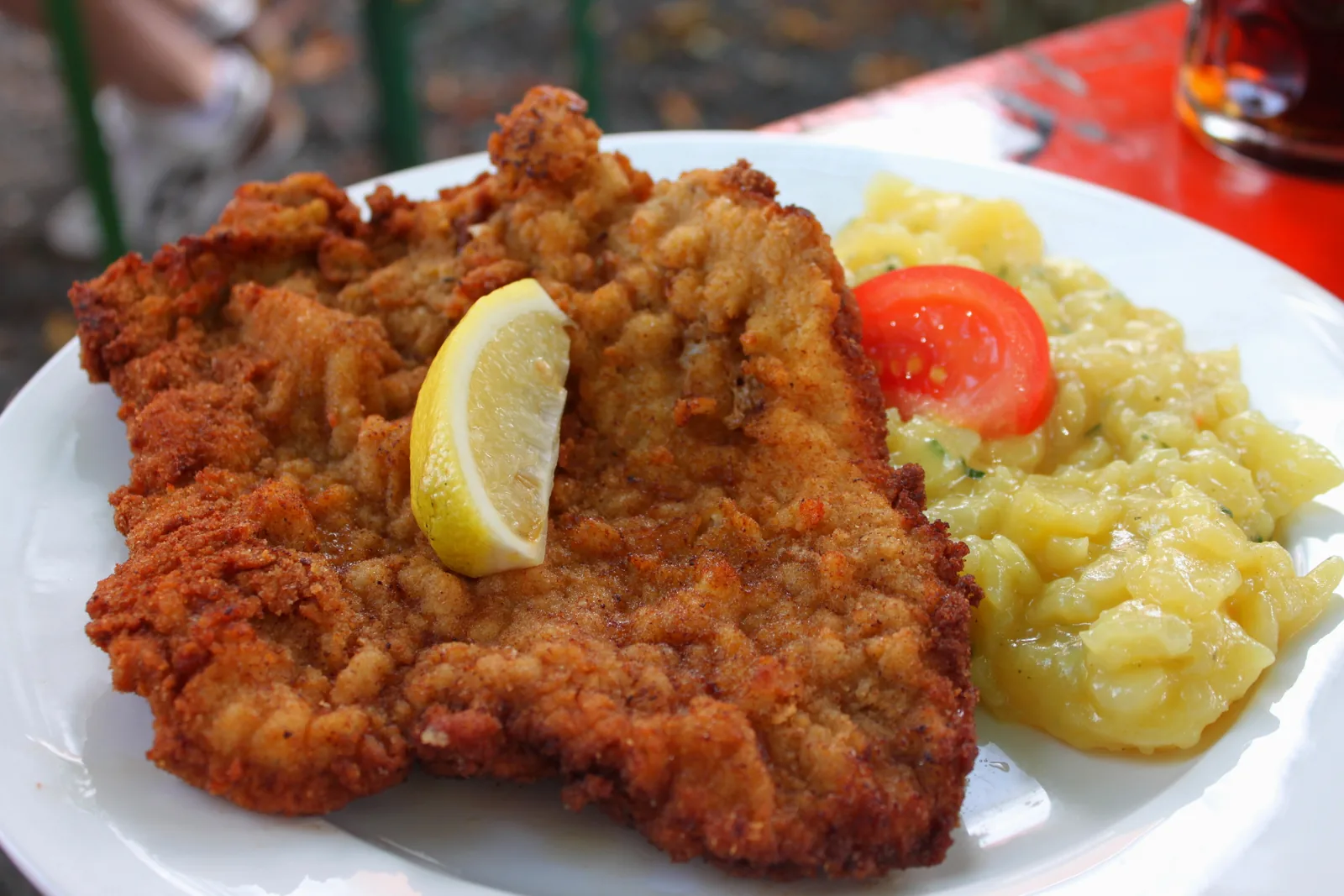
Golden breaded pork schnitzel with a lemon wedge and potato salad on a white plate Germany flag Germany 40m
Dinner •German Heritage

German Pork Schnitzel

German pork schnitzel is the everyday hero of German cooking: a pork cutlet pounded thin, coated in flour, egg and breadcrumbs, and fried in butter until it turns deep golden and crisp. This german schnitzel recipe follows the German way — real pork, a loose crumb, and a wedge of lemon on the side, with potato salad to mop up. One serving is about 200 g.

Classic Comfort

A golden, crisp pork cutlet with lemon and potato salad — a satisfying, protein-rich German dinner.

Pairs Well With
Warm potato salad, cucumber salad and a cold lager.
High Protein

The Dinner Gazette

Never wonder what’s for dinner again

One email a week with easy dinner ideas from around the world — ingredients, steps and nutrition, tested in our kitchen first.

Delivered every Thursday morning. Unsubscribe anytime.