Curated recipes from 193 countries  •  New seasonal Mediterranean issue out now

Overview

Kottu Roti

Kothu Roti, Chicken Kottu Roti

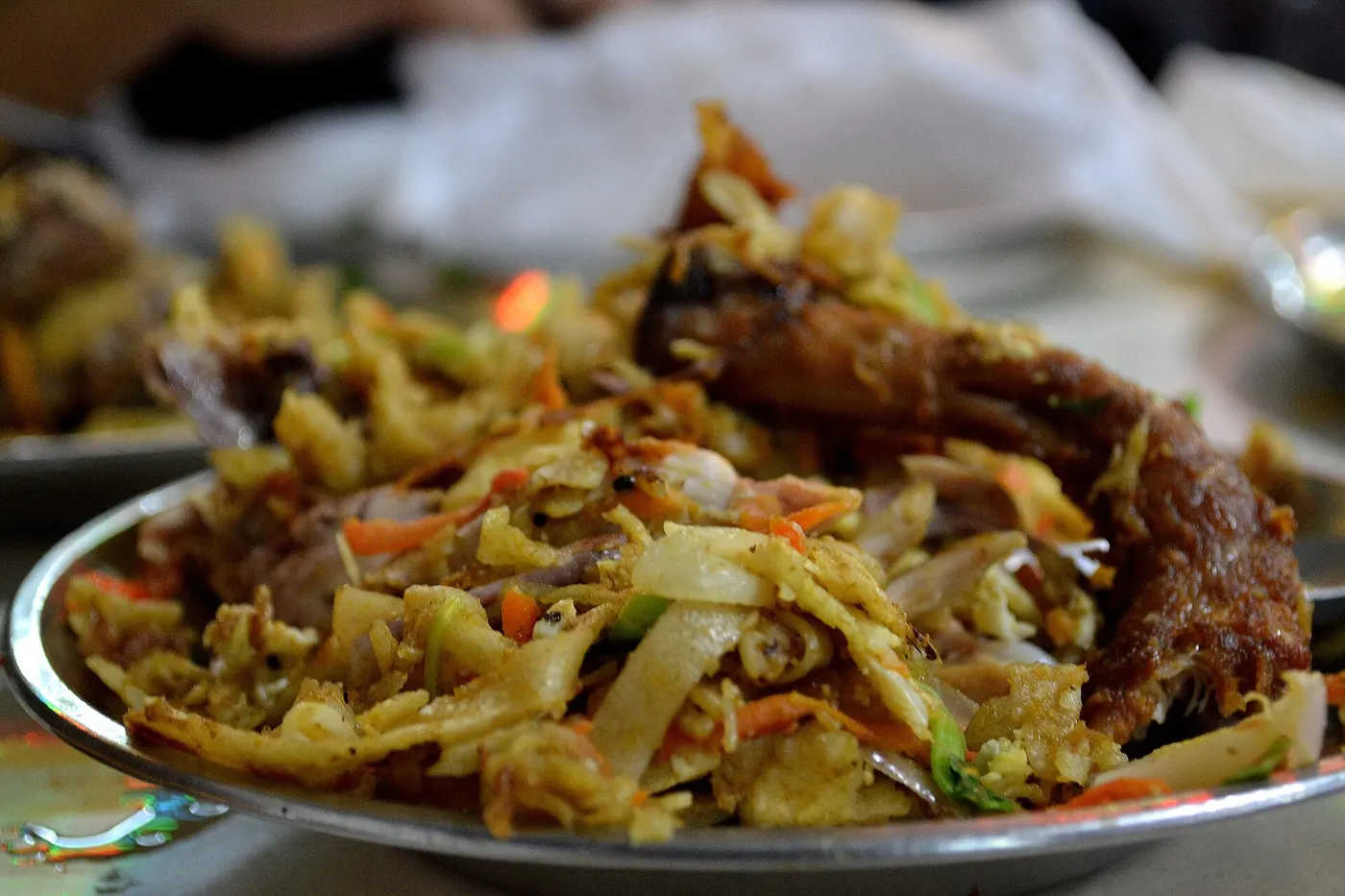
Sri Lanka's famous late-night street food: godamba roti chopped and stir-fried on a hot griddle with chicken curry, egg, onion, carrot and cabbage, mixed with two steel blades in the rhythmic clanging every Sri Lankan knows. This kottu roti recipe makes chicken kottu at home — crisp-edged roti ribbons, saucy chicken and vegetables in every bite. One serving is about 394 g.

Kottu roti began in the eastern towns of Batticaloa and Trincomalee, where the Sri Lankan Moor community turned day-old godamba roti into a meal: the stale flatbread was chopped up and fried on a hot griddle with vegetables, egg and curry. The name comes from the Tamil koththu, meaning to chop, and the dish is made by chopping the roti with two steel blades while it fries — a rhythmic clanging that vendors still use to draw in customers. From a cheap way to use up unsold roti in the 1960s and 1970s, kottu became Sri Lanka's best-loved late-night street food, found at stalls across the island and in Sri Lankan restaurants around the world.

Pairs well with: Extra chicken curry gravy and pol sambol

Provenance

Sri Lanka flag Sri Lanka

Sri Lankan Heritage

East & South Asia

Time Dedication

45m

25m prep • 20m cook

Batch Yield

4 Servings

652 kcal per serving

1 serving ≈ 394 g

Technical Skill

Intermediate

Intermediate (Griddle Work)

Meal Timing & Digestive Fit

Breakfast

Not Advised

Lunch

Hearty Midday Main

Dinner

Ideal Hearty Main

Snack & Tea

Inappropriate

Quick Prep (<30m) Occasions: Late-night street food, casual dinners, family suppers, using up leftover roti and curry Cost: Low — about $3 per serving at home
A plate of chicken kottu roti, chopped roti stir-fried with chicken and vegetables

Sri Lankan Heritage

Photo: Shamli071, CC BY-SA 3.0, via Wikimedia Commons

The Heritage Formulary

Measured Ingredients

Estimated cost: Low — about $3 per serving at home (USD)

A good kottu is judged by the chop: small, crisp-edged pieces of roti evenly mixed with saucy chicken, egg and vegetables.

Execution Methodology & Culinary Technique

Step-by-Step Cooking Guide

Active 45m
P

Prep Stage: Roti Dough & Chopping Board

25 Mins • Kneading & Chopping

Knead the flour, water, half the roti oil and the roti salt into a soft dough, rest it for 15 minutes, then roll and cook the godamba rotis. While the dough rests, shred the chicken curry, beat the eggs and slice all the vegetables so everything is ready before the griddle gets hot.

Maestro Tip: Kottu moves fast once the griddle is hot — have every ingredient chopped and within reach before you start.

  1. 1

    Make the Godamba Roti

    15 Mins Medium-high heat, ~180°C / 350°F

    Knead the flour, 200ml water, half the roti oil and the roti salt into a soft, smooth dough. Rest 15 minutes, then divide into 4 balls, roll each into a thin round and cook on a dry hot griddle for about 1 minute per side until puffed and lightly browned. Brush with the remaining oil.

    A soft, slightly sticky dough makes the best roti — add water a spoonful at a time rather than all at once.

    Done when: Roti are puffed, pliable and lightly browned in spots.

  2. 2

    Chop the Roti

    5 Mins Room temperature

    Stack the warm rotis and cut them into thin ribbons about 1 cm wide, then chop the ribbons into short pieces. Day-old roti is traditional for kottu, so slightly firm roti is fine — even better.

    Cut the roti while it is still warm; cold roti tears instead of slicing cleanly.

    Done when: Roti is in short, even ribbons ready for the griddle.

  3. 3

    Stir-Fry the Vegetables & Egg

    5 Mins High heat, ~200°C / 400°F

    Heat the stir-fry oil on a large flat griddle or the widest pan you own. Fry the curry leaves, garlic and ginger for 30 seconds, then add the onion, carrot, cabbage, leek, tomato and green chilli with the chilli powder and turmeric. Stir-fry for 2 minutes, push to one side, pour in the beaten eggs and scramble for 1 minute.

    The griddle must be properly hot before anything touches it — that high heat is what gives kottu its street-stall flavour.

    Done when: Vegetables are bright and just tender; egg is scrambled into soft curds.

  4. 4

    Add the Curry & Roti

    3 Mins High heat, ~200°C / 400°F

    Add the shredded chicken curry with all its sauce and the soy sauce, and toss for 1 minute until everything is hot. The chicken must reach 74°C (165°F) when reheated. Tip in the chopped roti and toss so the ribbons soak up the sauce.

    Add the roti in two batches if your pan is crowded — a crowded pan steams instead of frying.

    Done when: Roti ribbons are coated in sauce and the whole pan is steaming hot.

  5. 5

    Chop & Toss on the Griddle

    5 Mins High heat, ~200°C / 400°F

    Now the kottu part: using two metal spatulas or cleavers, chop and toss the mixture on the griddle with a steady rhythm, cutting the roti finer as you go. Keep chopping and turning for about 4 minutes until the roti is in small pieces, lightly crisped at the edges and mixed through with chicken, egg and vegetables.

    This is where the sound comes from — street vendors chop loudly on purpose, and the chopping is what makes kottu kottu, not just fried roti.

    Done when: Roti is chopped small, crisped at the edges and evenly mixed; the pan smells of roasted spice and fried onion.

  6. 6

    Serve at Once

    2 Mins Off the heat

    Taste, add the remaining salt if needed, and pile the kottu onto warm plates. Spoon any extra chicken curry gravy over the top and serve immediately with pol sambol on the side.

    Kottu waits for no one — it dries out and loses its crisp edges within minutes.

    Done when: Kottu is piled high, steaming, with crisp-edged roti and saucy chicken in every forkful.

Finishing Touches & Plating

Serve the kottu the moment it leaves the griddle, piled on warm plates with extra curry gravy spooned over the top. Eat it hot, with a spoon in one hand and a piece of pol sambol in the other — and listen for the chopping still echoing from the kitchen.

Nutritional Physiology & Benefits

Nutrition

Energy

652

kcal / serving

Protein

23g

Complete AA

Carbs

92g

Complex

Fats

21g

Healthy

Per serving (4 servings · 1 serving ≈ 394 g)
Energy652 kcal
Protein23 g
Carbohydrates92 g
Fat21 g
Fibre6.7 g
Sugar6.1 g
Sodium1014 mg
Per 100g
Energy165 kcal
Protein5.9 g
Carbohydrates23.3 g
Fat5.4 g
Fibre1.7 g
Sugar1.5 g
Sodium257 mg

Nutrition values are estimated — calculated from USDA FoodData Central values for the listed ingredients.

Vitamins & minerals: Vitamin A (carrot), vitamin C (tomato, green chilli, cabbage), vitamin B12 and iron (chicken, egg), vitamin K (cabbage, leek).

Protein from Chicken and Egg

Chicken curry and scrambled egg supply complete protein, which supports muscle maintenance and keeps a street-food dinner satisfying.

Vegetables in Every Bite

Carrot, cabbage, leek, onion and tomato add fibre, vitamin A and vitamin C to a dish that is often assumed to be all bread.

A Complete Meal in One Pan

Bread, protein and vegetables cook together in a single pan, so one plate covers carbohydrate, protein and vegetables without a separate side.

Food Pairings

What to Eat With

To optimize nutrient absorption and elevate the sensory depth, pair with these authentic accompaniments:

Sauces

Extra Chicken Curry Gravy

A ladle of hot curry gravy over the finished kottu keeps the roti moist and is how street stalls always serve it.

Sides

Pol Sambol

Fresh coconut with chilli and lime cuts through the rich, fried roti and adds a cool crunch to every bite.

Vegetables

Cucumber and Onion Salad

Cool, crisp cucumber with a squeeze of lime refreshes the palate between hot, spicy mouthfuls.

Drinks

Ginger Beer or King Coconut

A cold, spicy ginger beer or a fresh king coconut is the usual street-stall drink with kottu and cools the chilli heat.

Complete menu

Serve the kottu as the main dish with extra chicken curry gravy and pol sambol on the side, and a cold ginger beer or king coconut to drink.

Digestive Guardrails

What NOT to Combine

To prevent digestive distress, sluggishness, or palate clash, avoid pairing the dish with these elements:

Leaving Kottu Out for Hours

Cooked egg and chicken spoil quickly at room temperature, so refrigerate leftover kottu within 2 hours and reheat it until steaming hot, reaching 74°C (165°F). This is general food-safety information, not medical advice.

Extra-Hot Chilli Sauce if You Have Reflux

Kottu is already spicy, and piling on extra chilli sauce can trigger heartburn or reflux in sensitive people. Taste the kottu first, then add heat a little at a time. This is general information, not medical advice.

General information only, not medical advice — consult a doctor for personal dietary decisions.

Who Should Eat It

Who Should Eat

  • General adultsA hearty, complete dinner — bread, chicken, egg and vegetables in one satisfying plate.
  • ChildrenSuitable from age 4+ with the chilli powder and green chilli left out and the soy sauce halved; cut the roti pieces small.
  • ElderlyGood choice when the roti is chopped fine and the vegetables are cooked soft; keep the chilli moderate.
  • Pregnant womenGenerally suitable when the chicken and egg are reheated until steaming hot, reaching 74°C (165°F); keep the chilli moderate if heartburn is an issue.
  • Breastfeeding womenGenerally suitable; the chicken, egg and vegetables provide protein and energy for a busy evening.
  • AthletesA strong post-training meal: about 23g of protein per serving with plenty of carbohydrate for glycogen replacement.
  • Weight gainA good choice — eat the full serving with extra curry gravy and a second roti on the side.
  • Weight lossKeep the portion to one serving, go easy on the extra gravy and load the plate with the cucumber salad.

Health Conditions — Adjust or Avoid

Conditions

  • DiabetesKottu is mostly refined-flour carbohydrate, so keep to one serving and load the plate with vegetables and salad rather than extra roti. Ask your clinician about your usual portion.
  • High blood pressureSoy sauce and salt add up fast in this dish; use the soy sauce as written and skip extra salty condiments.
  • Kidney diseaseThe roti, soy sauce and curry sauce all add sodium and potassium; eat a smaller portion and ask your clinician whether this fits your plan.
  • GoutEat occasionally and in a modest portion — meat curry and egg are moderately high in purines, and the fried roti adds fat.
  • Stomach issuesChilli, fried roti and soy sauce can trigger heartburn or reflux; use half the chilli, leave out the green chilli and eat slowly if your stomach is sensitive.
  • Cardiovascular diseaseThe fried roti and coconut-milk curry sauce are high in fat; keep the portion modest, favour the vegetables and chicken over the roti, and ask your clinician about how often this fits your diet.
  • Fatty liverKeep the portion modest and load up on the vegetables; a lighter version uses less oil on the griddle and more cabbage and carrot.
  • Food allergiesContains wheat (gluten), egg, soy and coconut. The chicken curry may contain mustard seed — check the curry powder packet if you have a mustard allergy.
  • Special therapeutic dietsIf you follow a prescribed low-sodium or gluten-free diet, this dish is not suitable as written — a gluten-free roti changes the dish, so check with your clinician before adapting it.

If you have a medical condition, consult your doctor before changing your diet.

Storage & Use

Storage & Use

How to store
Cool quickly and store in an airtight container in the fridge; keep extra curry gravy separately.
In the fridge
2 days in the fridge.
In the freezer
1 month in the freezer (texture suffers on thawing).
How to reheat
Reheat in a hot pan with a splash of water until steaming hot, reaching 74°C (165°F) throughout; the roti will soften but the flavour holds.
Freezing recommended
No — kottu is best fresh; the chopped roti goes soggy when frozen and thawed.
Signs it has spoiled
Sour or off smell, slimy vegetables, or roti that has gone sticky and grey.

More recipes to explore

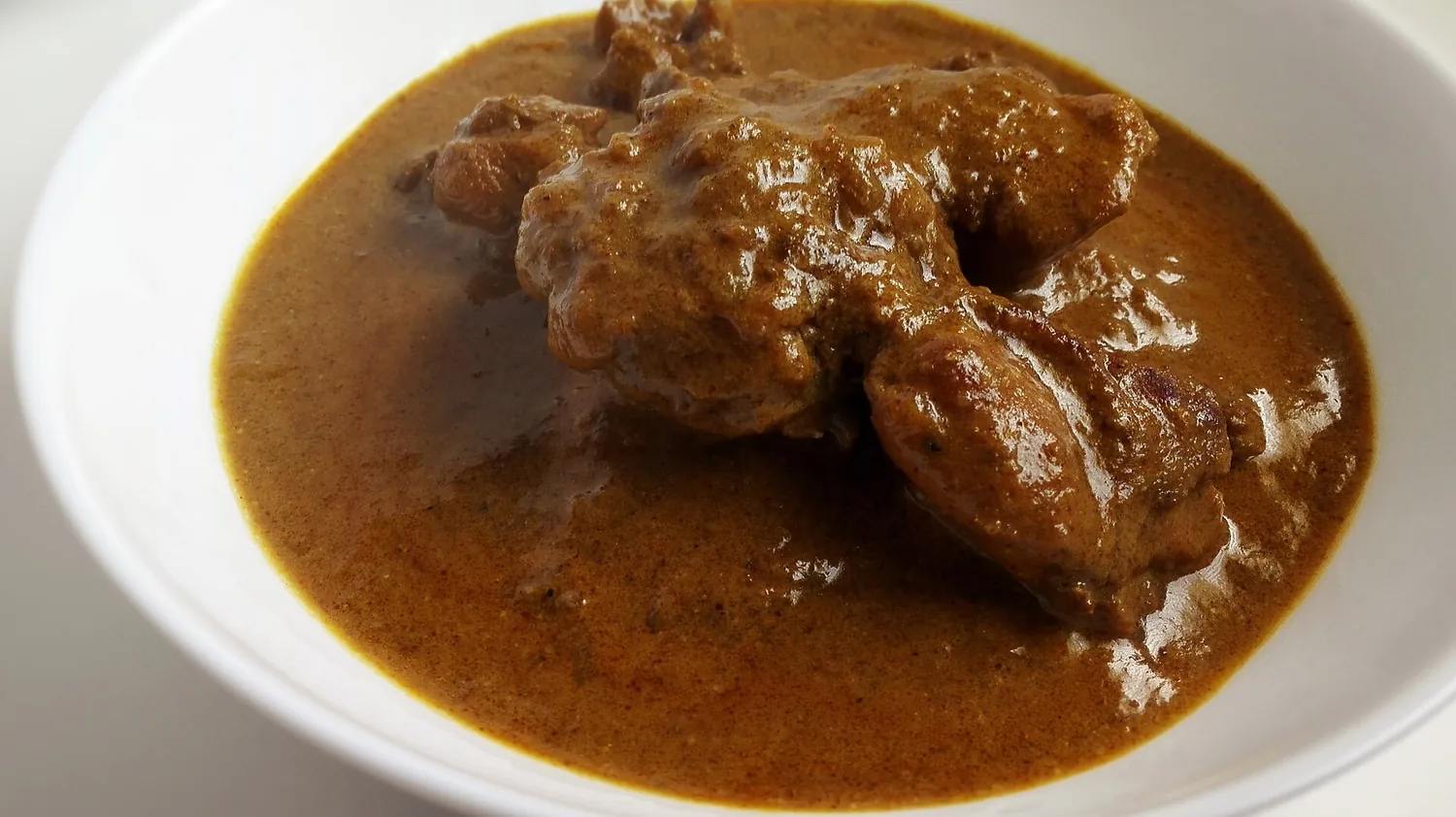
A bowl of dark Sri Lankan chicken curry in coconut milk sauce Sri Lanka flag Sri Lanka 1h 5m
Dinner •Sri Lankan Heritage

Sri Lankan Chicken Curry

Dark, roasted-spice chicken curry in rich coconut milk, soured gently with goraka and scented with curry leaves and lemongrass. This Sri Lankan chicken curry recipe is the everyday kukul mas of Sri Lankan homes: deeply savoury, warmly hot and spooned over rice. One serving is about 466 g.

Hearty & Comforting

Bone-in chicken simmered in coconut milk with dark roasted curry powder, goraka and curry leaves.

Pairs Well With
Steamed red rice and pol sambol
High Protein
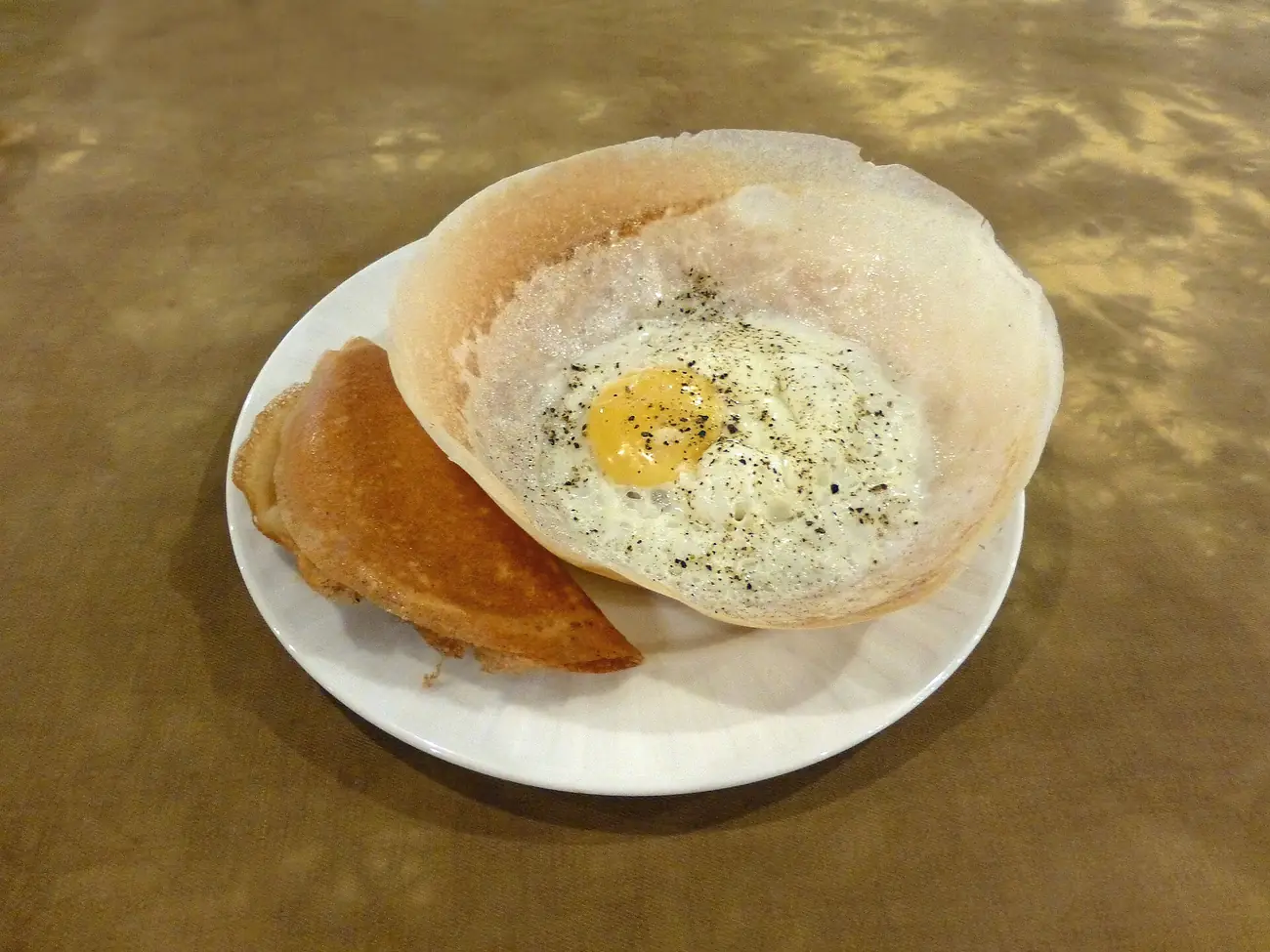
A Sri Lankan egg hopper, a bowl-shaped rice pancake with an egg in the centre Sri Lanka flag Sri Lanka 45m
Breakfast •Sri Lankan Heritage

Sri Lankan Hoppers

Bowl-shaped pancakes with lacy, crisp edges and a soft, spongy centre, made from fermented rice flour and coconut milk and cooked in a small wok-like appa pan. This Sri Lankan hoppers recipe makes the classic egg hopper — an appa with a whole egg gently steamed in its centre — the breakfast Sri Lanka is famous for. One serving is about 269 g (2 hoppers, one with egg).

Light & Fermented

Fermented rice-flour and coconut-milk batter cooked into crisp-edged bowls, each with a soft egg in the centre.

Pairs Well With
Lunu miris and pol sambol
Fermented / Gut Health
Bœuf bourguignon — French beef braised in red wine France flag France 4h
Dinner •Burgundy Terroir

Bœuf Bourguignon

Beef braised gently in red wine until the connective tissue melts into a velvet, gelatin-rich sauce — the classic Burgundy Sunday dinner.

Cellular Repair

Beef braised in red wine until spoon-tender, with mushrooms and pearl onions.

Pairs Well With
Parsnip Purée & Steamed French Haricots Verts
High Protein
Vietnamese braised pork belly with golden eggs in caramel sauce Vietnam flag Vietnam 1h 45m
Dinner •One Pot

Vietnamese Braised Pork and Eggs

Pork belly slowly braised in coconut water and caramel until meltingly tender, with golden eggs that soak up the sweet-savoury sauce — the Vietnamese family dish that tastes better the next day.

Comfort & Sustained Energy

Slow-braised pork belly and eggs in coconut water and caramel.

Pairs Well With
Steamed rice & pickled mustard greens
High Protein

The Dinner Gazette

Never wonder what’s for dinner again

One email a week with easy dinner ideas from around the world — ingredients, steps and nutrition, tested in our kitchen first.

Delivered every Thursday morning. Unsubscribe anytime.