Curated recipes from 193 countries  •  New seasonal Mediterranean issue out now

Overview

Krentenbrood

Dutch Currant Bread, Krentenbroodje

This krentenbrood recipe makes a soft, golden Dutch currant bread, packed with plump currants, candied peel and a whisper of cinnamon. It slices beautifully for breakfast, toasted with butter, and stays moist for days. One serving is about 88 g (two slices). The loaf makes 12 servings and takes about 3 hours 20 minutes, most of it rising time.

Krentenbrood, bread studded with currants, has been baked in the Netherlands for centuries, when dried fruit arrived by ship from the Mediterranean and found its way into everyday bread. Dutch bakers kept the loaf plain and soft — white flour, milk, a little sugar and cinnamon — so the fruit does the talking. It is still a bakery staple, sliced thick for breakfast and packed into school lunchboxes across the country.

Pairs well with: Thick slices toasted with salted butter, or with a slice of old Gouda cheese.

Provenance

Netherlands flag Netherlands

Dutch Bakery Classic

Nordic & European

Time Dedication

3h 20m

160m prep • 40m cook

Batch Yield

12 Servings

275 kcal per serving

1 serving ≈ 88 g

Technical Skill

Intermediate

Intermediate (Yeast Dough)

Meal Timing & Digestive Fit

Breakfast

Prime Morning Fit

Lunch

Inappropriate

Dinner

Inappropriate

Snack & Tea

Inappropriate

Occasions: Weekend baking, breakfast, afternoon tea, lunchboxes, gifts for neighbours Cost: Low — about $0.50–1 per serving at home
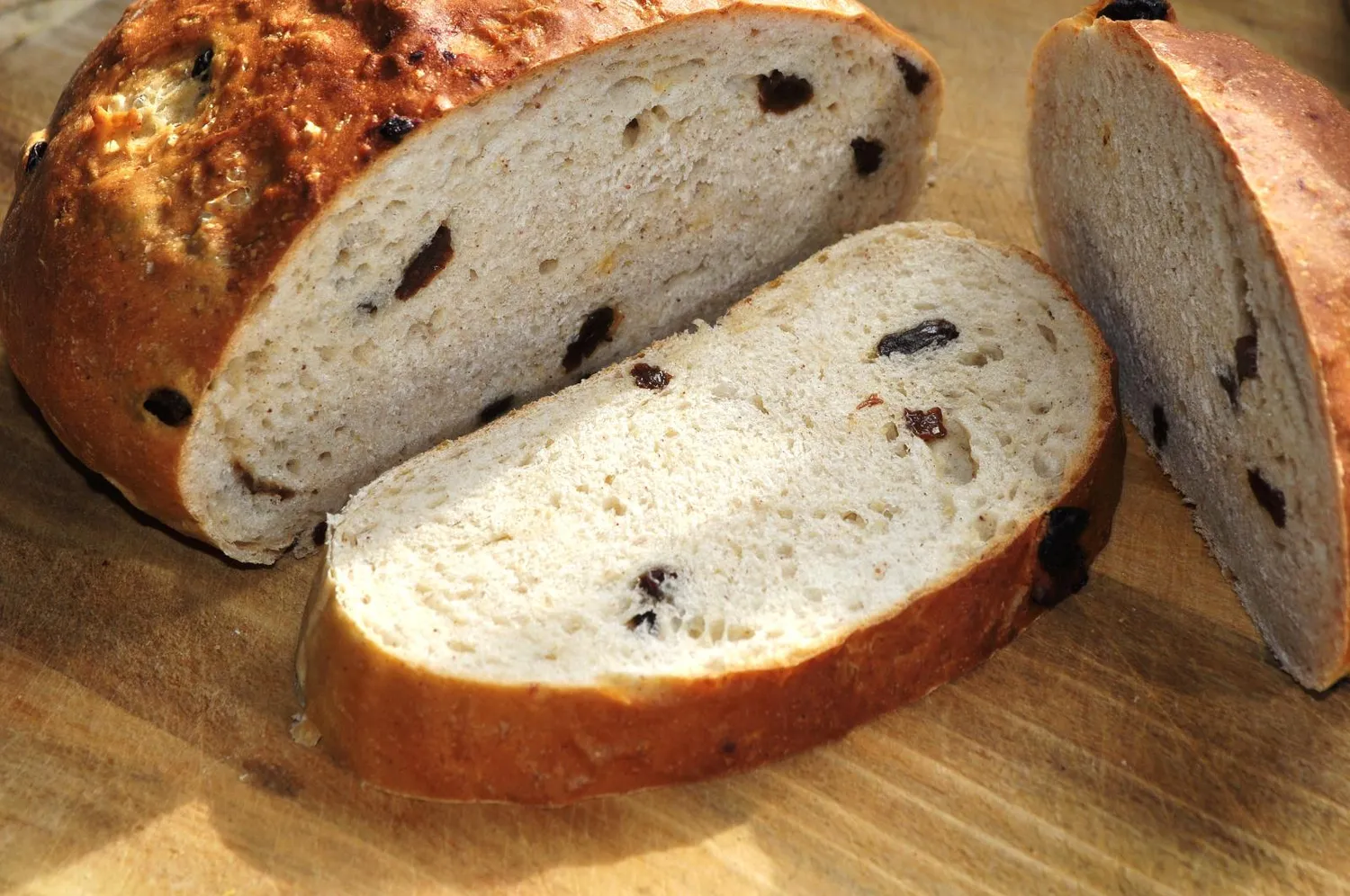
A sliced loaf of currant bread with a golden crust and dark dried fruit in the crumb on a wooden board

Dutch Bakery Classic

Photo: jeffreyw, CC BY 2.0, via Wikimedia Commons

The Heritage Formulary

Measured Ingredients

Estimated cost: Low — about $0.50–1 per serving at home (USD)

This is a home-baked version of the Dutch bakery loaf; no official standard recipe exists, so the method follows widely used Dutch bakery practice.

Execution Methodology & Culinary Technique

Step-by-Step Cooking Guide

Active 3h 20m
P

Prep Stage: Soak the Currants & Mix the Dough

160 Mins • Soaking, Kneading & Rising

Soak the currants in warm water for 15 minutes, then drain and pat them dry. Mix the flour, sugar, yeast and cinnamon, add the milk, water and beaten egg, and knead in the softened butter until the dough is smooth. Fold in the currants and mixed peel, then let the dough rise until doubled, about 1 hour, shape it into a loaf, and rise again for about 50 minutes.

Maestro Tip: Dry currants steal moisture from the dough and sink — soaking them first keeps the crumb soft and the fruit evenly spread.

  1. 1

    Soak the Currants

    15 Mins Warm water, about 40°C (105°F)

    Put the currants in a bowl, cover with warm water, and leave for 15 minutes. Drain well and pat dry with a clean tea towel.

    Squeeze the currants gently — they should be plump, not dripping wet, or the dough will turn sticky.

    Done when: Plump currants that bounce back when pressed, no water pooling in the bowl.

  2. 2

    Mix and Knead the Dough

    20 Mins Room temperature, ~22°C (72°F)

    Put the flour, sugar, yeast and cinnamon in a large bowl. Add the lukewarm milk, water and beaten egg, and mix to a shaggy dough. Knead for 8 minutes, then work in the softened butter a little at a time and knead for 8–10 more minutes until smooth and elastic. Add the salt with the butter.

    If the dough sticks, knead on — do not add extra flour, or the loaf will be dry.

    Done when: Smooth, satiny dough that stretches thin without tearing.

  3. 3

    Fold in the Fruit

    5 Mins Room temperature, ~22°C (72°F)

    Flatten the dough, scatter the currants and mixed peel over it, fold the dough over the fruit, and knead gently for 2–3 minutes until the fruit is evenly spread.

    Knead gently now — hard kneading tears the currants and stains the crumb purple.

    Done when: Fruit dotted evenly through the dough, no bare patches.

  4. 4

    First Rise

    60 Mins Warm spot, about 27°C (80°F)

    Shape the dough into a ball, place it seam-down in a lightly oiled bowl, cover, and leave in a warm spot until doubled in size, about 1 hour.

    A cool kitchen slows the rise — set the bowl in an oven with just the light on.

    Done when: Dough doubled; a fingertip dent stays put instead of springing back.

  5. 5

    Shape the Loaf

    10 Mins Room temperature, ~22°C (72°F)

    Turn the dough out, press out the air, and shape it into a tight oval loaf. Place it seam-down in a greased 900 g (2 lb) loaf tin.

    Tuck the ends under so the loaf bakes with a neat, rounded top.

    Done when: A smooth oval loaf filling the tin, seam hidden underneath.

  6. 6

    Second Rise

    50 Mins Warm spot, about 27°C (80°F)

    Cover the tin loosely and leave in a warm spot until the dough rises about 2 cm above the rim, about 50 minutes. Meanwhile heat the oven to 180°C (350°F).

    Do not rush this rise — an under-risen loaf bakes dense and squat.

    Done when: Dough crowned about 2 cm above the rim, soft and puffy.

  7. 7

    Bake the Loaf

    40 Mins 180°C (350°F)

    Brush the top lightly with milk, then bake for 35–40 minutes until deep golden and the inside reaches 93°C (200°F). If the top darkens too fast, tent it loosely with foil. Cool in the tin for 10 minutes, then turn out onto a rack.

    Cool the loaf completely before slicing, or the soft crumb will squash under the knife.

    Done when: Deep golden crust; a skewer comes out clean and the loaf sounds hollow when tapped.

Finishing Touches & Plating

Let this krentenbrood recipe cool completely, then slice it thick — the currants stay put and the crumb stays soft for days.

Nutritional Physiology & Benefits

Nutrition

Energy

275

kcal / serving

Protein

7g

Complete AA

Carbs

54g

Complex

Fats

4g

Healthy

Per serving (12 servings · 1 serving ≈ 88 g)
Energy275 kcal
Protein7 g
Carbohydrates54 g
Fat4 g
Fibre2.8 g
Sugar20.1 g
Sodium278 mg
Per 100g
Energy312 kcal
Protein7.4 g
Carbohydrates60.8 g
Fat4.9 g
Fibre3.1 g
Sugar22.8 g
Sodium315 mg

Nutrition values are estimated — calculated from USDA FoodData Central values for the listed ingredients.

Vitamins & minerals: Currants supply iron and potassium, the milk and egg add calcium and vitamin B12, and the flour adds B vitamins.

Fibre from Fruit

Currants add 2.8 g of fibre per serving, which helps the bread feel more filling than a plain white loaf.

Energy for the Morning

Two slices give 53.5 g of carbohydrate for steady morning energy at 275 kcal per serving.

Iron & Potassium

Dried currants are a useful source of iron and potassium, and the milk in the dough adds calcium.

Food Pairings

What to Eat With

To optimize nutrient absorption and elevate the sensory depth, pair with these authentic accompaniments:

More Pairings

Salted Butter

A thick slice toasted with salted butter is the classic Dutch way — the butter melts into the warm crumb and the currants turn jammy.

Old Gouda Cheese

A slice of aged Gouda adds salt and crunch against the sweet, soft bread — the combination Dutch bakers themselves recommend.

Drinks

Coffee or Tea

A strong coffee or a cup of tea balances the sweetness and makes the bread a proper breakfast.

Complete menu

Serve two slices toasted with salted butter and a slice of old Gouda, with coffee or tea — the classic Dutch bakery breakfast.

Digestive Guardrails

What NOT to Combine

To prevent digestive distress, sluggishness, or palate clash, avoid pairing the dish with these elements:

Slicing While Hot

Cutting a hot loaf compresses the crumb and makes it gummy — wait until it is fully cool. This is general food information, not medical advice.

Storing in the Fridge

Refrigeration makes bread stale faster by speeding up starch retrogradation — keep the loaf at room temperature or freeze it instead. This is general food information, not medical advice.

General information only, not medical advice — consult a doctor for personal dietary decisions.

Who Should Eat It

Who Should Eat

  • General adultsA wholesome breakfast bread — two slices with butter make a 275 kcal start to the day.
  • ChildrenSoft, sweet and easy to chew; a good lunchbox bread, but watch the sugar.
  • ElderlyThe soft crumb is easy to eat; toast slices lightly if a firmer bite is preferred.
  • Pregnant womenFine when baked through; the egg and milk are fully cooked in the loaf.
  • Breastfeeding womenA handy energy-rich snack between feeds; pair with cheese for protein.
  • AthletesGood pre-workout carbohydrate — two slices with jam about 1–2 hours before training.
  • Weight gainEasy to add calories: thicker slices, butter, cheese or a sandwich filling.
  • Weight lossOne slice (about 138 kcal) with a protein topping is a lighter portion; watch the butter and jam.

Health Conditions — Adjust or Avoid

Conditions

  • DiabetesTwo slices carry 53.5 g of carbohydrate and 20.1 g of sugar, so count it as a starch portion and pair with protein. Ask your clinician about portions.
  • High blood pressureSodium is moderate at 278 mg per serving; keep spreads light on salt. Ask your clinician about your sodium budget.
  • Kidney diseaseThe bread is low in potassium but the milk adds some phosphorus — check your plan. Ask your clinician.
  • GoutBread itself is low in purines and is generally a safe starch choice. Ask your clinician.
  • Stomach issuesSoft white bread is usually gentle on the stomach; eat it plain if rich spreads upset you. Ask your clinician.
  • Cardiovascular diseaseThe butter adds saturated fat, so spread thinly and choose unsaturated spreads most days. Ask your clinician.
  • Fatty liverKeep portions to one or two slices and avoid sugary spreads. Ask your clinician.
  • Food allergiesContains wheat (gluten), milk, egg and butter. Do not eat if you are allergic to any of these.
  • Special therapeutic dietsNot suitable for gluten-free or dairy-free diets without a full recipe change. Ask your clinician or dietitian.

If you have a medical condition, consult your doctor before changing your diet.

Storage & Use

Storage & Use

How to store
Cool completely, then keep in a sealed bag or bread box at room temperature.
In the fridge
Not recommended — the fridge dries the crumb. Freeze instead.
In the freezer
Up to 3 months, sliced and wrapped tightly in freezer bags.
How to reheat
Toast slices until golden and warm.
Freezing recommended
Yes — slice before freezing so you can toast one slice at a time.
Signs it has spoiled
Mould spots, a sour smell, or a hard, dry crumb.

More recipes to explore

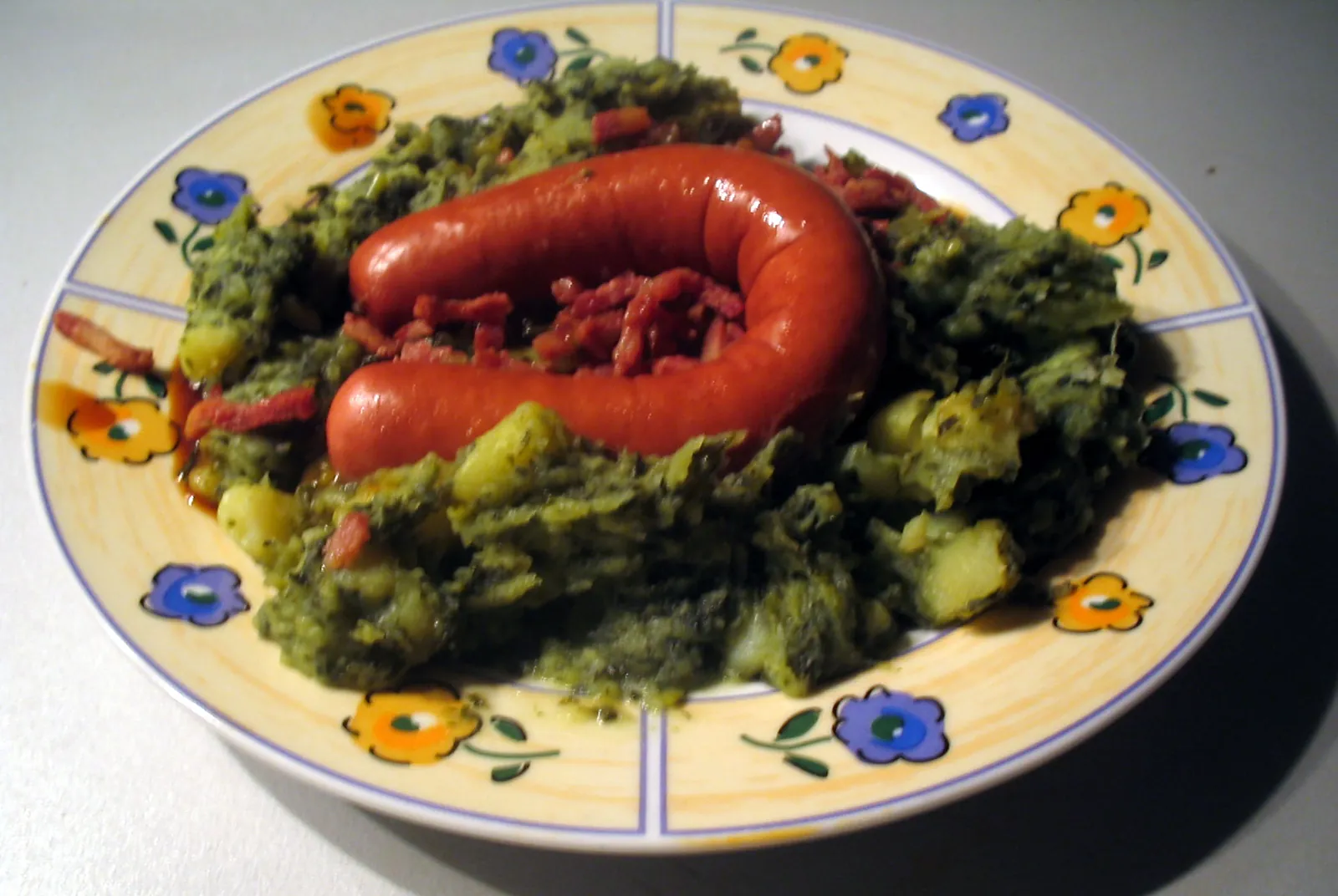
A plate of green boerenkool stamppot with a smoked sausage and bacon bits Netherlands flag Netherlands 45m
Dinner •Dutch Heritage

Stamppot

This stamppot recipe boils floury potatoes with curly kale, mashes them with butter and warm milk into a soft, green-flecked mash, and serves it with a smoked rookworst sausage, crisp bacon bits and mustard. One serving is about 480 g.

Comfort & Warmth

Floury potatoes mashed with kale, butter and milk, served with smoked sausage and bacon.

Pairs Well With
Smoked sausage, bacon bits & mustard
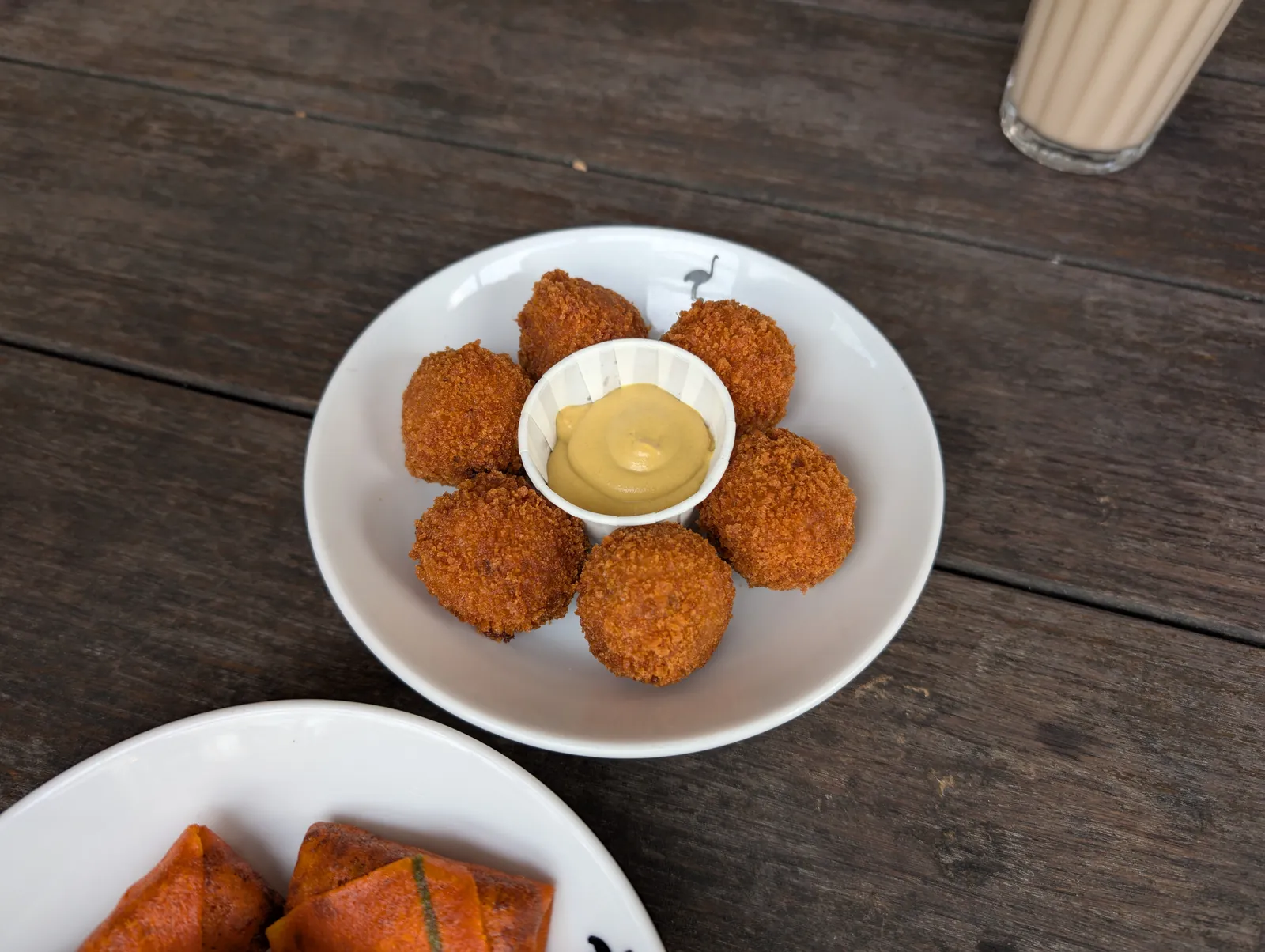
Six golden bitterballen with a small pot of mustard on a white plate Netherlands flag Netherlands 55m
Snack & Tea •Dutch Heritage

Bitterballen

This bitterballen recipe cooks beef slowly in stock until tender, binds it into a thick, creamy ragout with butter and flour, chills it firm, then rolls it into balls, crumbs them and fries them until the outside shatters and the inside turns molten. One serving is about 300 g, six bitterballen with mustard.

Comfort & Warmth

Crisp deep-fried balls of creamy beef ragout, served hot with mustard.

Pairs Well With
Dijon mustard & a cold beer
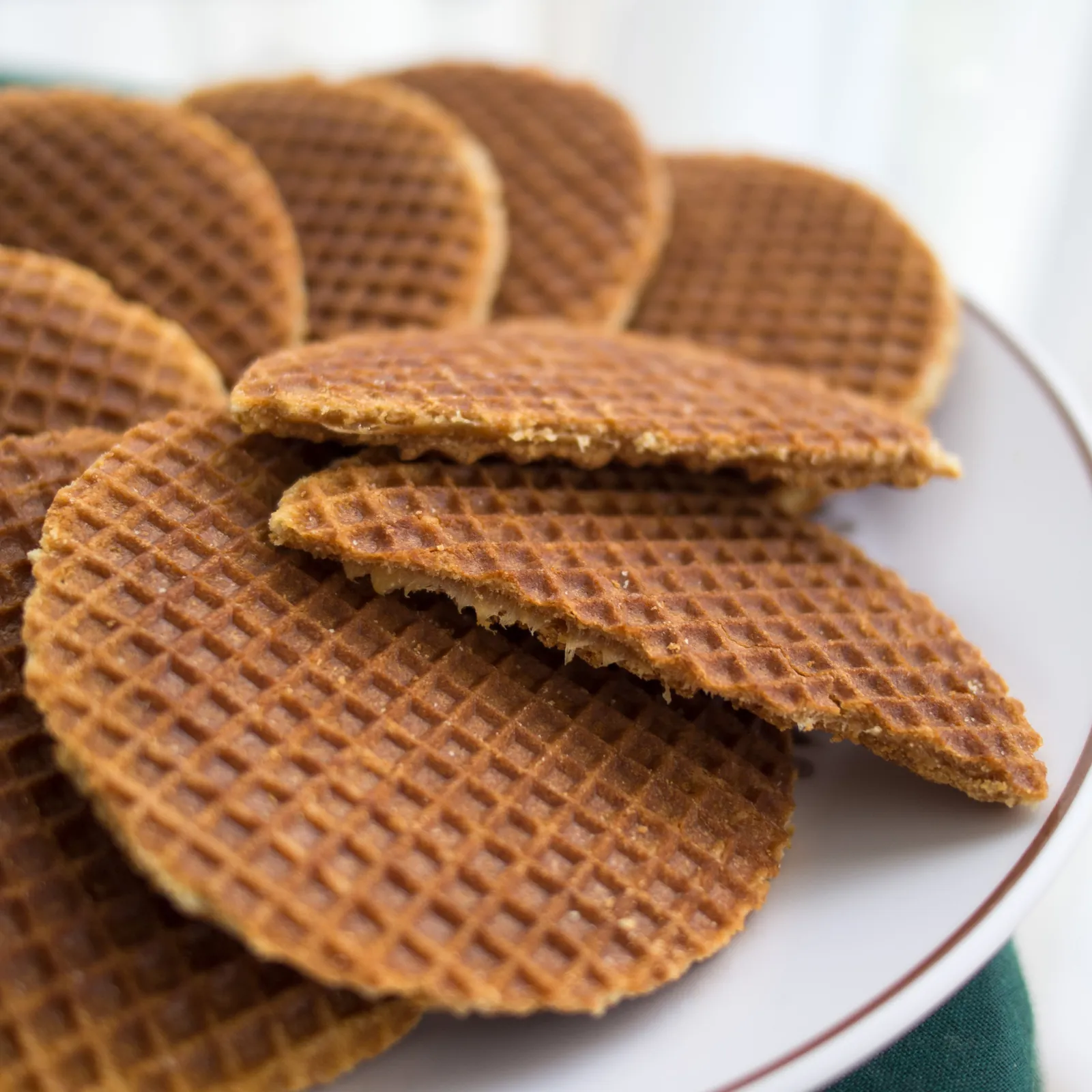
A plate of round golden stroopwafels showing their waffle pattern and syrup layer Netherlands flag Netherlands 1h
Snack & Tea •Dutch Heritage

Stroopwafels

This stroopwafels recipe bakes thin waffles in a hot iron, splits each one while it is still warm, and spreads it with a buttery caramel syrup spiced with cinnamon. The syrup softens the waffle just enough to make it chewy at the edges and crisp in the middle. One serving is about 155 g, three stroopwafels.

Comfort & Warmth

Thin, crisp waffle rounds split and filled with warm caramel syrup.

Pairs Well With
Coffee, tea & a glass of milk
A plate of golden poffertjes dusted with powdered sugar, with melting butter and a fork. Netherlands flag Netherlands 1h 15m
Breakfast •Dutch Market Day Classic

Poffertjes

Poffertjes are the Netherlands' most beloved sweet snack: dozens of tiny, puffy yeast pancakes cooked in a dimpled pan, served hot with melting butter and a snowfall of powdered sugar. One serving is about 195 g, roughly 20 little pancakes.

Sweet Morning Treat

Tiny yeast-raised pancakes, golden outside and soft inside, served with butter and powdered sugar.

Pairs Well With
Serve hot with butter and powdered sugar, and a cup of coffee or hot chocolate.

The Dinner Gazette

Never wonder what’s for dinner again

One email a week with easy dinner ideas from around the world — ingredients, steps and nutrition, tested in our kitchen first.

Delivered every Thursday morning. Unsubscribe anytime.