Curated recipes from 193 countries  •  New seasonal Mediterranean issue out now

Overview

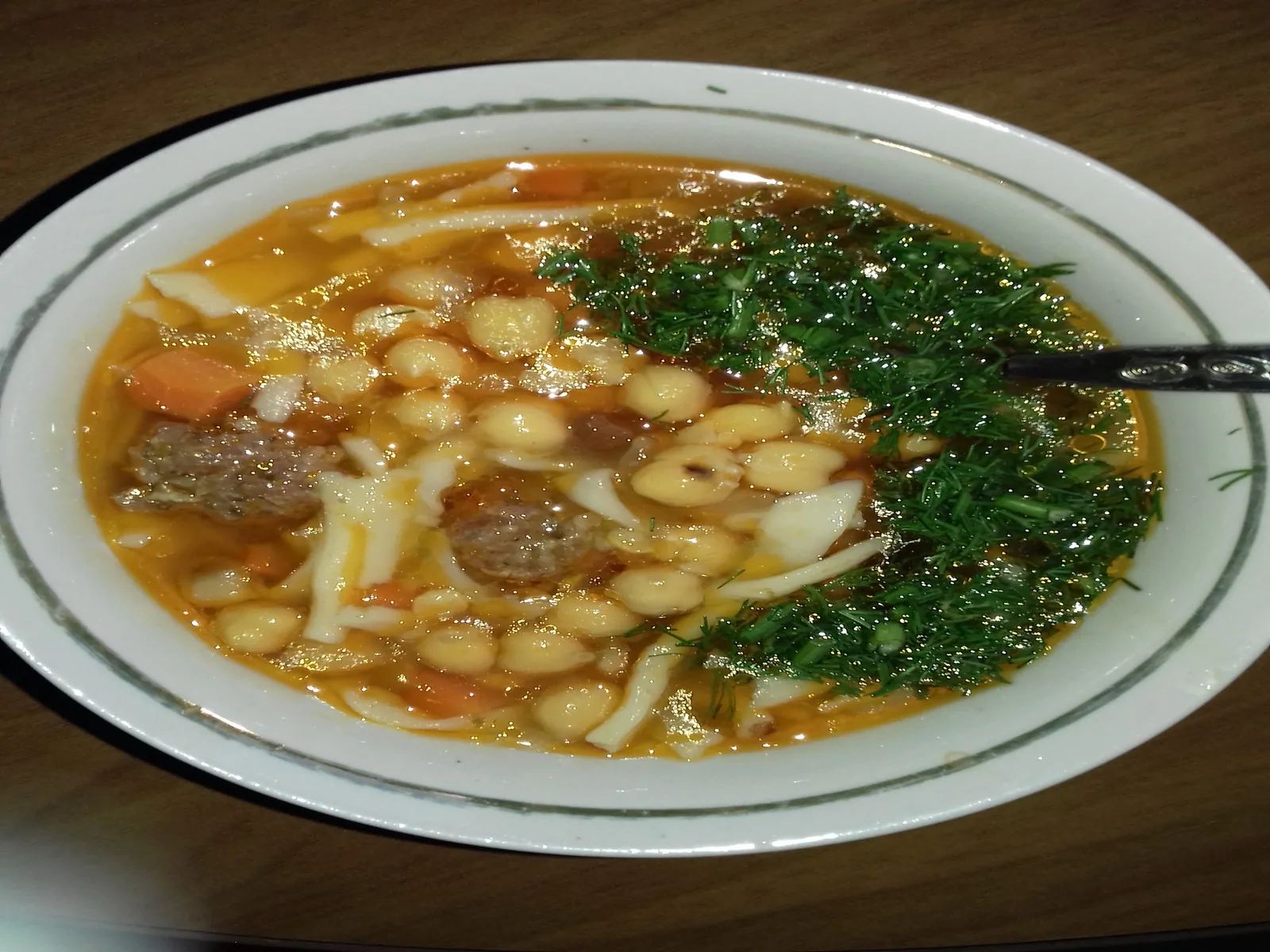
Kyrgyz Lagman

Kyrgyz Lagman, Laghman, Dungan Hand-Pulled Noodle Soup

This kyrgyz lagman recipe pulls soft dough into long hand-stretched noodles and simmers them in a spicy beef, pepper and tomato broth with chickpeas, carrot and celery, finished with dill and vinegar. One serving is about 620 g.

Lagman came to Kyrgyzstan with the Dungan people, Muslim farmers from north-west China who settled in the region in the late 1870s and brought their hand-pulled noodles with them. In Bishkek the dish grew hotter and heartier than its cousins across Central Asia — fresh red chillies, tomato and peppers in the broth, the vegetables cut into short strips, and the noodles pulled by hand and dropped straight into the soup.

Pairs well with: Tomato and onion salad, warm flatbread, hot green tea

Provenance

Kyrgyzstan flag Kyrgyzstan

Dungan Table in Bishkek

East & South Asia

Time Dedication

2h

50m prep • 70m cook

Batch Yield

4 Servings

824 kcal per serving

1 serving ≈ 620 g

Technical Skill

Advanced

Advanced (Hand-Pulled Noodles)

Meal Timing & Digestive Fit

Breakfast

Not Advised

Lunch

Hearty Midday Main

Dinner

Ideal Hearty Main

Snack & Tea

Inappropriate

Pasta & Noodles Occasions: Family dinners, cold evenings, weekend cooking project, casual gatherings Cost: Low — about $3–4 per serving at home
Lagman — hand-pulled noodles in a spicy broth with chickpeas, beef, carrot and fresh dill

Dungan Table in Bishkek

Photo: Akhemen, CC BY-SA 4.0, via Wikimedia Commons

The Heritage Formulary

Measured Ingredients

Estimated cost: Low — about $3–4 per serving at home (USD)

Good lagman has springy hand-pulled noodles, a spicy tomato-beef broth, and vegetables that still have a little bite.

Execution Methodology & Culinary Technique

Step-by-Step Cooking Guide

Active 2h
P

Prep Stage: Cut the Vegetables, Knead the Dough

50 Mins • Cutting & Kneading

Cut the beef and vegetables into short strips and set them aside in bowls. Knead the flour, egg, salt and water into a smooth, elastic dough, coat it lightly with oil, and let it rest for 30 minutes — the rest is what lets you pull the noodles thin without them snapping.

Maestro Tip: Cut every vegetable to the same short strip shape. Even pieces cook at the same speed, and the soup eats better with a spoon.

  1. 1

    Knead and Rest the Noodle Dough

    40 Mins Room temperature, about 22°C (72°F)

    Mix the flour with 4g of the salt, add the beaten egg and about 150 ml lukewarm water, and knead for 8–10 minutes until the dough is smooth and elastic. Rub it with a little oil, cover, and rest for 30 minutes.

    Resting matters more than kneading here — a rested dough pulls into long noodles instead of snapping back.

    Done when: The dough is smooth, stretches without tearing, and springs back when poked.

  2. 2

    Brown the Beef and Vegetables

    10 Mins Medium-high heat, about 190°C (375°F)

    Heat the oil in a large pot over medium-high heat. Fry the beef strips in a single layer until browned on all sides, about 5 minutes. Add the onion, carrot and celery and fry for 3 minutes more, then add the garlic, tomato paste and spice mix and stir until fragrant, about 1 minute.

    Do not crowd the beef or it steams instead of browning — fry it in two batches if the pot is small.

    Done when: The beef is browned, the onion has softened, and the tomato paste smells sweet and toasted, not raw.

  3. 3

    Simmer the Spicy Broth

    40 Mins Gentle simmer, about 90°C (194°F)

    Add the diced tomatoes, both peppers, the chickpeas, the remaining 3g of salt and the 1.2 L of water. Bring to a boil, then turn down to a gentle simmer for 40 minutes until the beef is tender and the broth has turned a deep red-orange.

    Skim any foam in the first few minutes, then leave the lid ajar — a little evaporation concentrates the flavour.

    Done when: The beef yields easily to a fork, and the broth tastes rich and spicy rather than watery.

  4. 4

    Pull the Noodles by Hand

    20 Mins Room temperature, about 22°C (72°F)

    Roll the rested dough into a thick rope, then pull and stretch it, slapping it gently against the board, until it forms long thin noodles about the width of a pencil. Tear or cut them into 30 cm lengths. Work the dough with oiled hands so it stretches instead of sticking.

    If a strand snaps, let it rest a minute and pull again — dough that has been worked needs a moment to relax. Pulled noodles do not have to be perfect; uneven ones are the sign they are handmade.

    Done when: The noodles are even, springy, and stretch to arm's length without breaking.

  5. 5

    Cook the Noodles in the Soup

    5 Mins Boiling broth, 100°C (212°F)

    Bring the broth back to a rolling boil, drop the noodles in, and cook for 4–5 minutes until tender and springy. Stir in the fresh chillies and the vinegar in the last minute. Taste and add salt if needed.

    Serve immediately — the noodles keep cooking in the hot soup, so the pot goes straight to the table.

    Done when: A noodle tastes tender with a chewy spring, and the beef inside is cooked through to at least 71°C (160°F).

  6. 6

    Serve with Dill on Top

    5 Mins Serving temperature, above 63°C (145°F)

    Ladle noodles and broth into deep bowls, making sure each bowl gets beef, chickpeas and vegetables. Scatter the chopped dill generously over each bowl and serve with extra chilli and vinegar on the side.

    Put the dill on at the very last second — it wilts in seconds in the hot broth and loses its fresh smell.

    Done when: Each bowl is steaming, colourful, and full of noodles, meat and vegetables in every spoonful.

Finishing Touches & Plating

Ladle the soup over the noodles, scatter a generous handful of dill on top, and pass the vinegar and extra chilli at the table — each person seasons their own bowl.
Nutritional Physiology & Benefits

Nutrition

Energy

824

kcal / serving

Protein

39g

Complete AA

Carbs

107g

Complex

Fats

26g

Healthy

Per serving (4 servings · 1 serving ≈ 620 g)
Energy824 kcal
Protein39 g
Carbohydrates107 g
Fat26 g
Fibre10.4 g
Sugar8.7 g
Sodium892 mg
Per 100g
Energy133 kcal
Protein6.3 g
Carbohydrates17.2 g
Fat4.2 g
Fibre1.7 g
Sugar1.4 g
Sodium144 mg

Nutrition values are estimated — calculated from USDA FoodData Central values for the listed ingredients.

Vitamins & minerals: Vitamin C (peppers and tomato), iron and zinc (beef), folate and fibre (chickpeas), vitamin A (carrot).

High in Protein

Beef, chickpeas and egg noodles together give nearly 39 g of protein a serving — a bowl that genuinely fills you up.

A Bowl Full of Vegetables

Peppers, carrots, celery and tomatoes cook down into the broth, so the vegetables are part of the soup, not an afterthought.

Fresh Herbs and Vinegar on Top

Fresh dill, spring onion and a splash of vinegar lift the whole bowl and cut through the chilli heat.

Food Pairings

What to Eat With

To optimize nutrient absorption and elevate the sensory depth, pair with these authentic accompaniments:

Vegetables

Tomato and Onion Salad

Sharp tomato and onion with vinegar cuts through the chilli heat and resets the palate between spoonfuls.

Sides

Warm Flatbread

Warm flatbread is torn and dipped into the broth — the soup is rich enough that you will want something to chase it with.

Drinks

Hot Green Tea

Hot green tea is the standard drink with lagman in Bishkek — it cools the chilli burn and settles the stomach.

Full Menus

As the Main Bowl of a Shared Table

Serve the lagman as the main bowl of a shared table, with a small plate of pickled vegetables on the side for crunch.

Complete menu

Serve the lagman with a tomato and onion salad, warm flatbread, and hot green tea.

Digestive Guardrails

What NOT to Combine

To prevent digestive distress, sluggishness, or palate clash, avoid pairing the dish with these elements:

A Creamy Cheese Topping

A heavy cheese or cream topping would smother the chilli heat and the fresh dill — lagman is finished with herbs and vinegar, not dairy. This is general guidance, not medical advice.

Letting the Noodles Soak in the Pot

Noodles left sitting in the pot keep swelling and go soft and pasty — cook them in the soup just before serving, or cook them separately and add them to the bowls.

General information only, not medical advice — consult a doctor for personal dietary decisions.

Who Should Eat It

Who Should Eat

  • General adultsA complete one-bowl dinner — spicy, rich and filling, with plenty of vegetables.
  • ChildrenLeave out the fresh chillies and the chilli flakes for children, and serve the noodles cut shorter.
  • ElderlyThe beef is cut small and cooked soft, and the noodles are easy to chew; go light on the chilli.
  • Pregnant womenFine when the beef is cooked right through; keep the chilli at a level you are comfortable with.
  • Breastfeeding womenA warming, iron-rich bowl; the chickpeas and vegetables add fibre and staying power.
  • AthletesA big bowl of carbohydrate and protein with a good hit of salt — well suited to a post-training dinner.
  • Weight gainA generous bowl is energy-dense; add a second ladle of noodles and broth if you want more calories.
  • Weight lossTake a smaller bowl with extra vegetables and less noodle, and skip the second helping of broth.

Health Conditions — Adjust or Avoid

Conditions

  • DiabetesThe hand-pulled noodles are the main carbohydrate — keep them to about a cup per bowl and load up on the vegetables and chickpeas; ask your clinician about portion size.
  • High blood pressureThe broth is salty, so use less salt in the pot and keep the bowl to one serving; ask your clinician if you are on a sodium limit.
  • Kidney diseaseHigh in protein and sodium, and the chickpeas add potassium — not a regular choice on a restricted diet, so ask your clinician first.
  • GoutRed meat in a rich broth is high in purines; keep it occasional and modest, and ask your clinician.
  • Stomach issuesFresh chilli and vinegar can irritate a sensitive stomach — leave the chillies out and go easy on the vinegar, and ask your clinician.
  • Cardiovascular diseaseThe oil and beef fat are the concerns; skim the broth and keep portions moderate — ask your clinician.
  • Fatty liverA rich, salty noodle soup, so keep it occasional and modest in size; ask your clinician about frequency.
  • Food allergiesContains wheat (gluten) and egg in the noodles. No nuts, soy, milk or seafood.
  • Special therapeutic dietsNot suitable for gluten-free or low-sodium diets without major changes — ask your clinician or dietitian before adapting it.

If you have a medical condition, consult your doctor before changing your diet.

Storage & Use

Storage & Use

How to store
Cool quickly; store the soup base and the noodles in separate airtight containers.
In the fridge
Soup and noodles 2 days, stored separately.
In the freezer
Soup base (without noodles) 2 months; noodles do not freeze well.
How to reheat
Bring the soup to a boil, add the noodles and heat for 2 minutes; reheat to 74°C (165°F).
Freezing recommended
Yes — freeze the soup base only; pull and cook fresh noodles when you serve it.
Signs it has spoiled
Sour smell in the broth, slimy noodles, or mould on the surface.

More recipes to explore

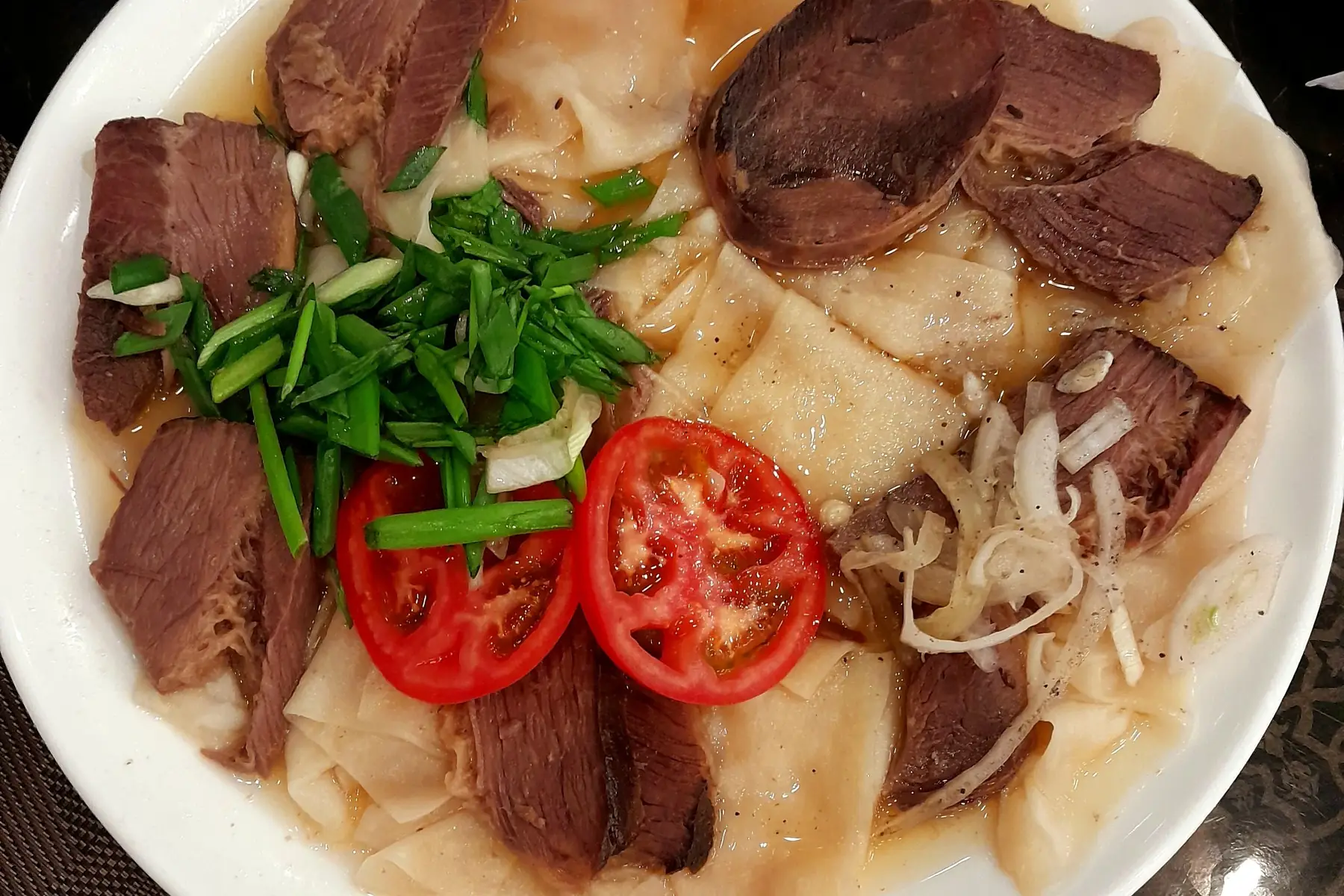
Beshbarmak — sliced boiled lamb and beef over flat hand-torn noodles with tomato and spring onion Kyrgyzstan flag Kyrgyzstan 3h 15m
Dinner •Kyrgyz National Dish

Kyrgyz Beshbarmak

This kyrgyz beshbarmak recipe simmers lamb shoulder and beef chuck until they fall apart, then serves the sliced meat over wide, hand-torn noodles with a bowl of hot onion broth, called chyk, poured over the top. One serving is about 580 g.

Comfort & Warmth

Slow-boiled lamb and beef over hand-torn flat noodles, served with a hot onion broth called chyk.

Pairs Well With
Hot chyk onion broth, fresh tomato and spring onion, green tea
Pasta & Noodles • High Protein
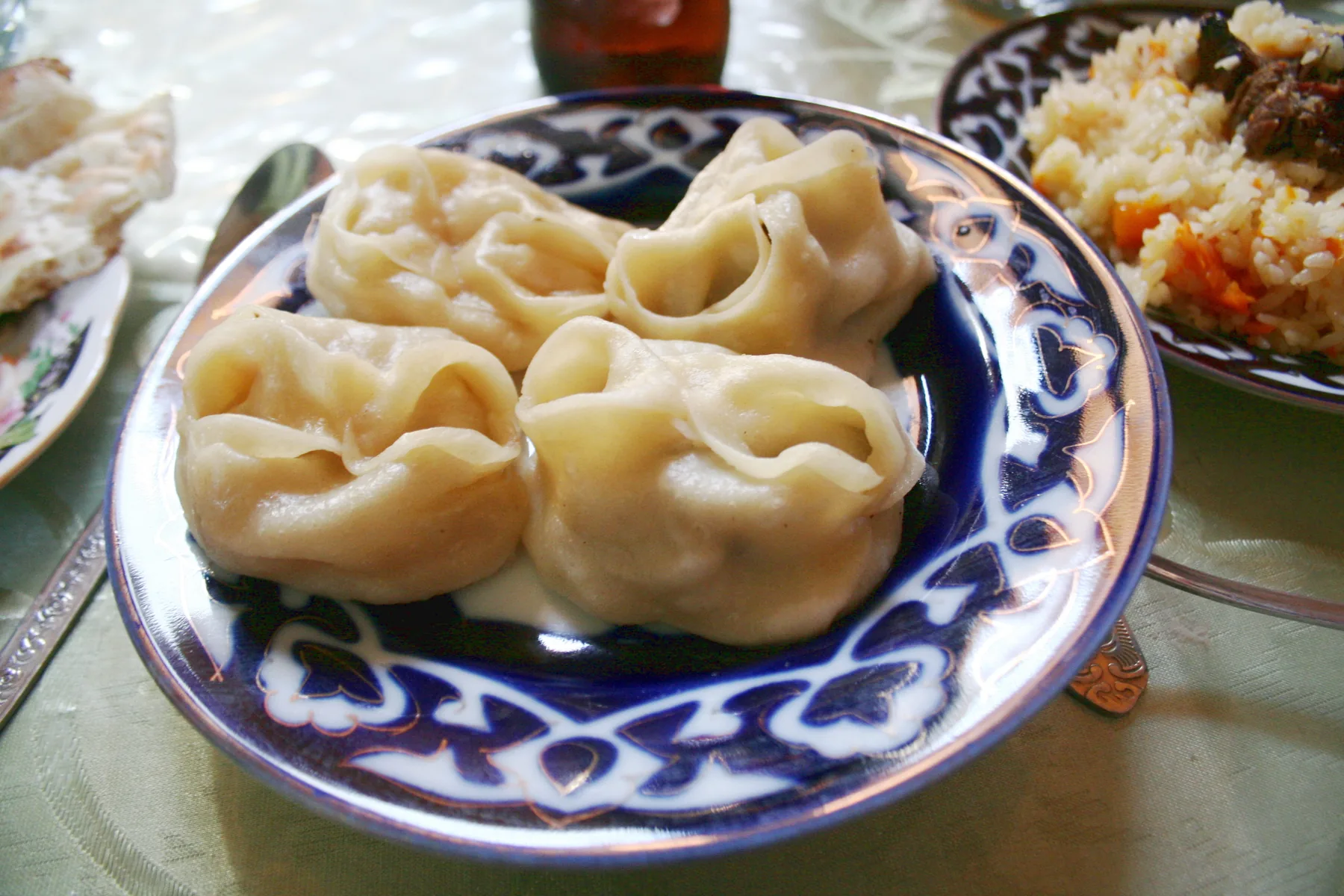
Manty — large steamed beef dumplings on a patterned plate Kyrgyzstan flag Kyrgyzstan 1h 40m
Dinner •Kyrgyz Family Favourite

Kyrgyz Manty

This kyrgyz manty recipe wraps a juicy filling of beef, onion and pumpkin in thin dough, steams the big dumplings in a tall multi-tier steamer, and serves them hot with sour cream, vinegar and dill. One serving is about 360 g.

Comfort & Warmth

Big steamed dumplings filled with beef, onion and pumpkin, served with sour cream and vinegar.

Pairs Well With
Cucumber and tomato salad, warm flatbread, hot green tea
High Protein
Bœuf bourguignon — French beef braised in red wine France flag France 4h
Dinner •Burgundy Terroir

Bœuf Bourguignon

Beef braised gently in red wine until the connective tissue melts into a velvet, gelatin-rich sauce — the classic Burgundy Sunday dinner.

Cellular Repair

Beef braised in red wine until spoon-tender, with mushrooms and pearl onions.

Pairs Well With
Parsnip Purée & Steamed French Haricots Verts
High Protein
Vietnamese braised pork belly with golden eggs in caramel sauce Vietnam flag Vietnam 1h 45m
Dinner •One Pot

Vietnamese Braised Pork and Eggs

Pork belly slowly braised in coconut water and caramel until meltingly tender, with golden eggs that soak up the sweet-savoury sauce — the Vietnamese family dish that tastes better the next day.

Comfort & Sustained Energy

Slow-braised pork belly and eggs in coconut water and caramel.

Pairs Well With
Steamed rice & pickled mustard greens
High Protein

The Dinner Gazette

Never wonder what’s for dinner again

One email a week with easy dinner ideas from around the world — ingredients, steps and nutrition, tested in our kitchen first.

Delivered every Thursday morning. Unsubscribe anytime.